




How to Build Muscle: The Complete Guide
By Jon Klipstein, U.S. Army Combat Veteran & Founder of Die Tryin Co., and Garrett Ussery, NASM-CPT & 2025 Idaho Cup Overall Champion
Science reviewed by Onur Oncer, BS Physiology and peer-reviewed published researcher.
THE FRAMEWORK
Most people get muscle building backwards.
They chase the perfect program. They obsess over splits, exercise order, the latest "hypertrophy hack" some influencer just discovered. They spend more time researching workouts than executing them. They switch programs every six weeks, never giving any of them time to actually work.
Meanwhile, the fundamentals haven't changed in 50 years. Lift heavy. Progressively overload. Eat enough protein. Sleep. Repeat for years. That's it. That's the whole thing.
This guide is the complete playbook. The actual science of how muscle grows. The training variables that matter. The nutrition that fuels growth. The framework that takes you from your first month to your tenth year. And the supplement lies the industry sells to keep you spinning.
Built for men and women. The physiology is the same. The principles are the same. The work is the same. No hype. No shortcuts. Just what builds.
WHICH MUSCLE-BUILDING PHASE FITS YOUR SITUATION?
Quick answer before the deep dive. Match your phase to the framework.
| YOUR SITUATION | CALORIES | TRAINING FOCUS | KEY DTC STACK |
|---|---|---|---|
| Beginner (under 1 year of lifting) | At maintenance — recomp friendly | 3-4x/wk full body or upper/lower | Post Iso + Creatine + Daily Essentials |
| Intermediate building (1-3 years) | 200-500 cal surplus | 4-5x/wk PPL or upper/lower 2x | Post Iso + Creatine + SEND IT 3.0 |
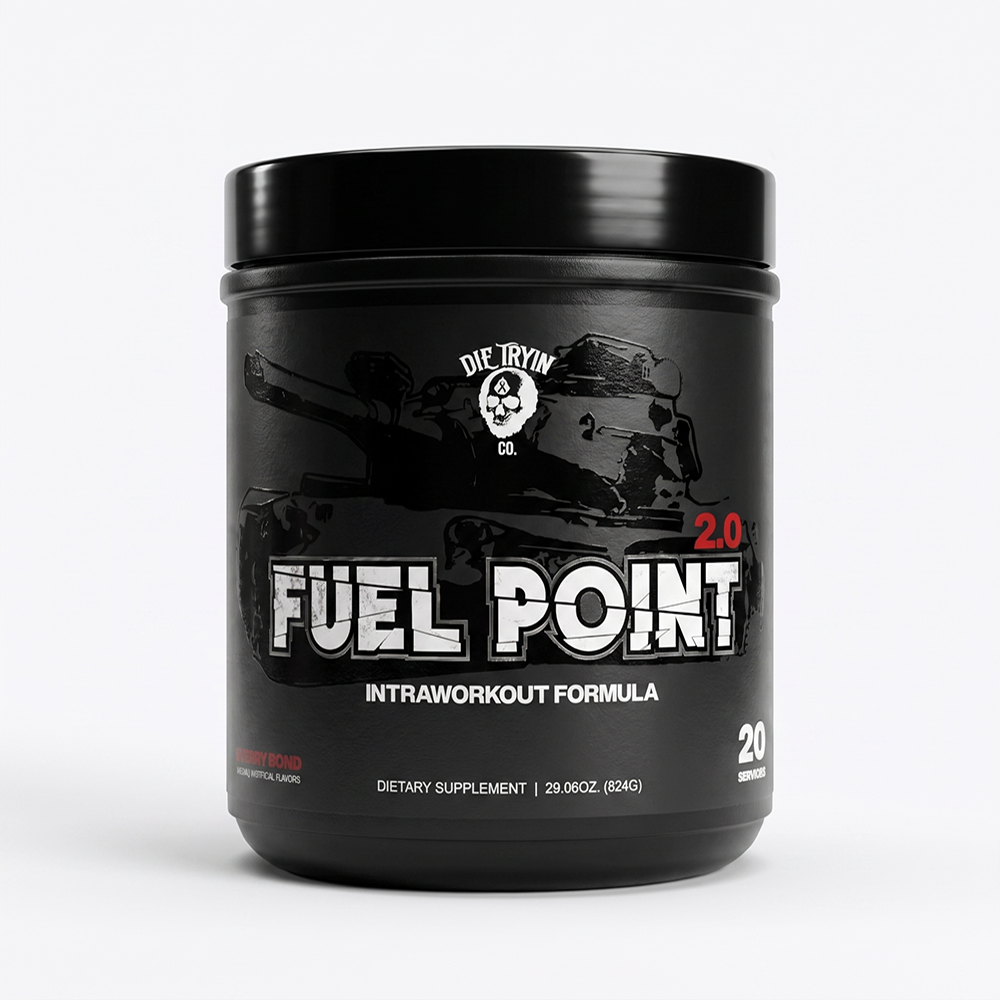
| Aggressive growth phase (advanced lifters) | 300-500 cal surplus | 5-6x/wk specialized split, high volume | Post Iso + Creatine + Project M777 + Glutamine |
| Recomp (returning lifter or fat to lose) | At maintenance | 4x/wk heavy compound focus | Post Iso + Creatine + Daily Essentials |
| Not sure where to start | Quiz-matched | Quiz-matched | Take the 60-second quiz |
Now the deep dive on each piece.
HOW MUSCLE ACTUALLY GROWS — THE 3 MECHANISMS
Before you can train for muscle, understand what makes muscle grow in the first place.
According to PubMed, Brad Schoenfeld's foundational 2010 review laid out the three primary mechanisms behind hypertrophy. Every effective training program in the world — whether the lifter knows it or not — works by hitting these three:
1. Mechanical tension.
The primary driver. By a wide margin.
Mechanical tension is the force your muscle generates against resistance — the heavy bar, the weight of your body, the cable stack — over time. When a muscle is loaded heavily enough, often enough, for long enough, it signals adaptation. Build more contractile tissue. Get stronger. Get bigger.
This is why heavy compound lifts — squats, deadlifts, presses, rows, pull-ups — are the backbone of every serious muscle-building program. They put more total tension through more total muscle than anything else.
Note: this video is from our UXO Supplements era — we've since rebranded to Die Tryin Co. Same team, same standards, same athletes.
2. Metabolic stress.
The "pump." The lactate burn. The deep fatigue at the end of a hard set in the 8-15 rep range.
Metabolic stress contributes meaningfully to hypertrophy when paired with mechanical tension. It's why moderate-rep sets work well for growth, why drop sets and stripsets work, why training to near-failure on the last working set of an exercise has its place. It's a real driver. Just not the primary one.
3. Muscle damage.
Microscopic damage from eccentric loading, novel exercises, and high-volume training. The thing that produces soreness.
This is the smallest contributor — and the one most people overrate. Soreness is not a measure of growth. You can grow without being sore. You can be sore without growing. Chasing soreness as a training goal is chasing the wrong signal.
The takeaway: train heavy, train hard, train consistently, and all three mechanisms get hit. You don't need a complicated program to make this happen. The 5 fundamental ways to increase muscle mass all funnel back through these three mechanisms.
PROGRESSIVE OVERLOAD AND THE TRAINING VARIABLES
Mechanical tension drives growth. Progressive overload is how you keep mechanical tension increasing over time. Without it, you maintain. With it, you grow.
Most lifters think progressive overload means one thing: add weight to the bar.
That's one method. There are several. Plotkin and colleagues (2022) showed in an 8-week randomized trial that progressive overload through added repetitions works as well as added weight for hypertrophy. You can progress by:
- Adding weight to the bar
- Adding reps at the same weight
- Adding sets at the same weight and reps
- Improving form, range of motion, or tempo
- Reducing rest between sets at the same workload
Use whichever progression fits the session and the lift. Progressive overload is the secret behind every gain you've ever made. Without it, the bar moves in circles.
Beyond progressive overload, three training variables decide the shape of the program:
Volume. Working sets per muscle per week. According to PubMed, the 2022 umbrella review on resistance training variables for hypertrophy confirms a minimum of ~10 hard working sets per muscle per week is needed for optimal growth, with the productive range extending to ~20 sets for trained lifters. Below 10, you're under-training. Above 20, diminishing returns set in for most.
Frequency. How often you hit each muscle. Hitting each muscle 2x per week beats 1x per week for hypertrophy when total weekly volume is matched. Splits that allow that frequency — upper/lower, push/pull/legs run twice, full body 3-4x — have an edge over traditional 1-day-per-muscle bro splits. Pick the split that gets each muscle worked twice a week.
Intensity (load). Anywhere from 60-85% of your 1RM produces hypertrophy. Translation: rep ranges from 5 to 30 can all build muscle if taken close enough to failure. The "8-12 reps for hypertrophy" gospel oversimplifies a much broader truth. Mix heavy compound work (5-8 reps) with moderate-rep accessory work (8-15) and the occasional high-rep finisher (15-30) and you cover the whole productive range.
NUTRITION FOR GROWTH — PROTEIN, CALORIES, RECOVERY FUEL
Training breaks muscle down. Nutrition builds it back up. Skip the nutrition side and you're spinning wheels in the gym. For the full nutrition framework, see the protein pillar; this section covers the growth-phase math.
Protein.
The International Society of Sports Nutrition Position Stand on Protein and Exercise (Jäger et al. 2017) recommends 1.6-2.2 grams of protein per kilogram of bodyweight daily for muscle building.
- 150 lb (68 kg) lifter: ~110-150 g/day
- 180 lb (82 kg) lifter: ~130-180 g/day
- 200 lb (91 kg) lifter: ~145-200 g/day
Distribute it across 3-5 meals at 30-50 grams per meal. Each meal should hit the leucine threshold (~2.5-3g leucine) to maximize muscle protein synthesis — a quality whey isolate scoop, 4-6 oz of lean meat, or a serving of Greek yogurt all clear that bar.
Calories: two scenarios.
The framing depends on where you are.
- Bulk (slight surplus). 200-500 calories above maintenance. Steady weight gain of 0.25-0.5% bodyweight per week. The historical default for muscle building and still the fastest way to add lean mass for experienced lifters.
- Recomp (maintenance). Eat at maintenance, train hard, hit protein. Build muscle and lose fat simultaneously. Works well for newer lifters (under 1-2 years), returning lifters, and anyone with meaningful body fat to lose while still building. Slower mass gain than a bulk, but no fat to cut afterward. The cut-or-recomp decision tree lives in the fat loss pillar.
Both paths build muscle. Pick what fits your physique goals and your psychology around eating.
Carbs fuel the work. Don't fear them. Carbs replenish glycogen, support recovery, and let you train hard set after set. Cutting carbs hard during a growth phase is fighting yourself.
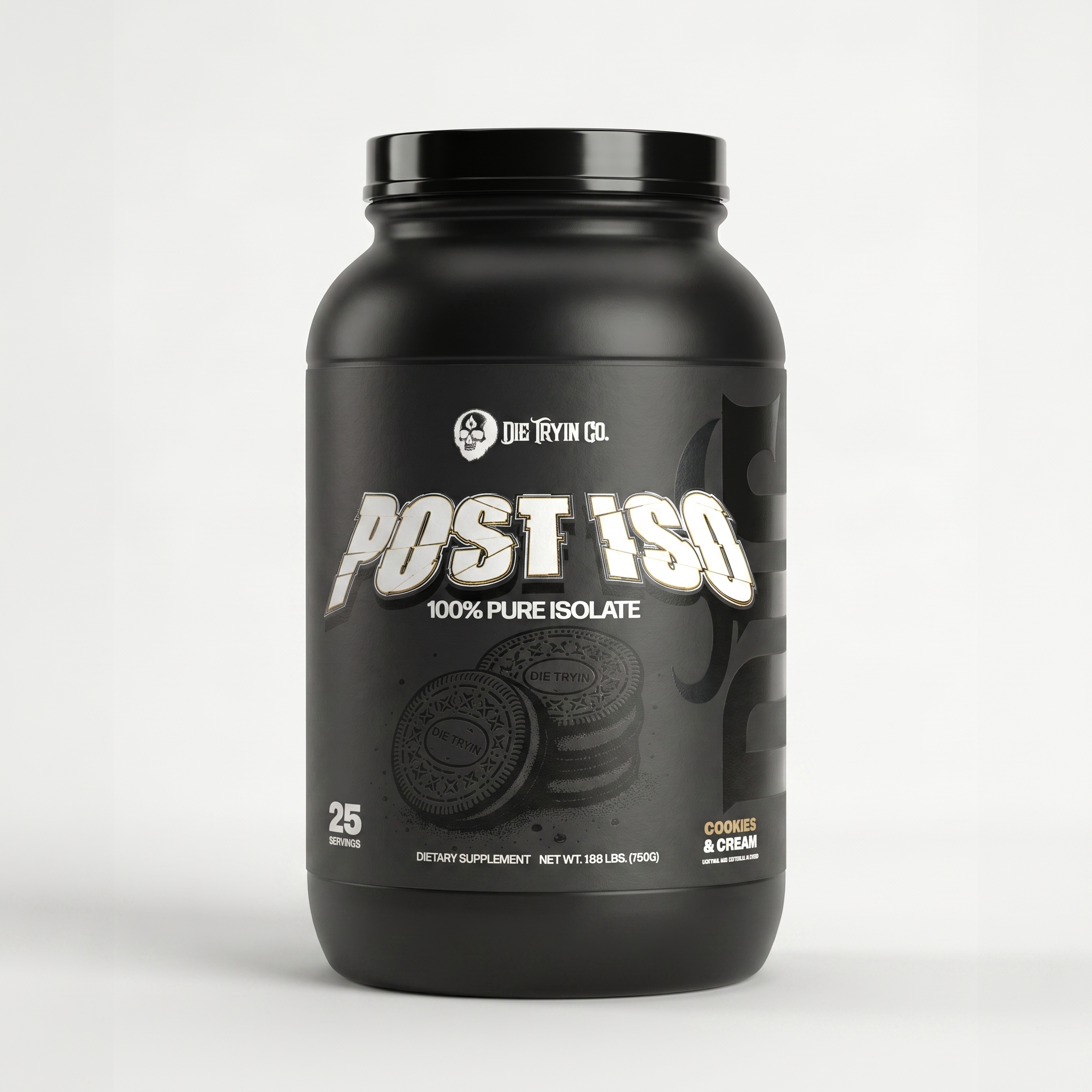
If hitting protein through food alone is hard, a quality whey isolate fills the gap — Post Iso delivers 24g per scoop with DigeZyme enzymes. Clean digestion. No proprietary blends. Dial in the rest of the macros and the building blocks are there.
THE MUSCLE BUILDING FRAMEWORK — 6 STEPS
Six steps. Run them all simultaneously. Skip any one and growth stalls.
Note: this video is from our UXO Supplements era — we've since rebranded to Die Tryin Co. Same team, same standards, same athletes.
Step 1 — Lift heavy 3-5 times per week.
Compound-focused. Squats, deadlifts, presses, rows, pull-ups as the backbone. Accessory work to fill out the smaller muscles and address weak points. Build out each session with intent, not random exercise selection.
Step 2 — Progressively overload every week.
Track your lifts. Aim to beat last week's effort — more weight, more reps, better form, or another set. Small consistent progress compounds across years.
Step 3 — Hit your protein every day.
1.6-2.2 g/kg bodyweight. Distributed across meals. Non-negotiable. The protein calculator gives you the daily and per-meal grams for your weight.
Step 4 — Set calories for your phase.
Bulking: 200-500 above maintenance. Recomp: at maintenance. Track weekly weight averages and adjust intake to keep gain rate slow and lean (0.25-0.5% bodyweight per week if bulking).
Step 5 — Sleep and recover.
Muscle is built during recovery, not in the gym. 7-9 hours of sleep. Manage stress. Take rest days seriously. Recovery is where the actual growth happens. Plan in deload weeks every 6-10 weeks of hard training to clear accumulated fatigue. The full recovery protocol — sleep architecture, cortisol management, modality stacking — lives in the recovery pillar.
Step 6 — Track and adjust on data.
Every 4-6 weeks: check the mirror, the tape (chest, arms, thighs, waist), bodyweight averages, and lifting numbers.
- Lifts going up, measurements growing, mirror improving — you're building. Keep going.
- Lifts stuck 3+ weeks, no measurement change — you need either more food, more sleep, or a program adjustment.
- Weight up fast but measurements showing soft gains — surplus is too big. Pull calories back 100-200.
- Lifts stalling and you feel beat down — you're under-recovered. Deload or add a rest day.
Six steps. Run them simultaneously. Adjust on data. The discipline behind running them daily for years — that's where the real growth lives. The training mindset pillar covers the foundation.
WHAT DOESN'T BUILD MUSCLE — THE INDUSTRY LIES
The fitness industry has spent decades selling lifters on hacks that don't work. Here are the most expensive ones to ignore.
"Muscle confusion." Marketing language. Your muscles don't get "confused" by repeating exercises. They adapt to progressive overload. Switching exercises every workout actually hurts progress because you can't track progression on lifts you don't repeat. Stick with the same lifts for at least 6-12 weeks. Get stronger on them. Then maybe swap.
Magic exercises. No single exercise unlocks growth no other exercise can. The bench press is great. So is the dumbbell press. So is the dip. So is the cable fly. They all train the chest. The "secret exercise" influencers sell you is almost always just a normal exercise rebranded. The truth about arm growth (and every other body part) is mechanics + load + consistency, not a special movement.
Training to failure on every set. Overrated. Failure is a tool, not a standard. Most working sets should leave 1-3 reps in reserve. Save true failure for the last working set of an exercise, or for isolation movements where the safety risk is low.
"More volume always = more growth." True up to a point. Past that point, more volume cuts into recovery and produces worse results, not better. 10-20 hard sets per muscle per week is the productive zone for most lifters. Doubling that doesn't double your gains.
"Bro splits are the only way to grow." One muscle per week beats no training, but loses to hitting each muscle twice per week when volume is matched. PPL, upper/lower, and full body routines all build serious muscle.
"Women will get bulky from lifting heavy." Pure myth. Women lack the testosterone for the explosive mass gain men either fear or hope for. Heavy lifting builds the lean, athletic, capable physique most women actually want — not the cartoon body the myth implies. Ladies, don't fear muscle mass. Lift heavy. The results are better than the cardio-only alternative.
30-day transformations. Almost always lighting, water manipulation, dehydration, posing — or steroids. Real muscle building is measured in years, not weeks.
The "anabolic window" obsession. Eating protein within 30 minutes of training does not produce dramatically better growth than eating it within 2-3 hours. The window is wider than the industry wants you to believe. As long as you hit your daily protein target, timing within a couple hours of training is plenty.
"Pump = growth." Pumps feel great. They contribute to growth via metabolic stress. They don't replace heavy progressive loading. Don't chase the pump at the expense of the work that drives mechanical tension.
WHEN SUPPLEMENTS ACTUALLY HELP (AND WHEN THEY DON'T)
Supplements supplement. They don't replace training and nutrition. With that frame straight, here's what actually moves the needle.
Tier 1 — Foundational. The short list of things with real research behind them.
- Whey isolate — the most efficient way to fill protein gaps. Post Iso delivers 24g per scoop, clean digestion, no proprietary blends.
- Creatine Monohydrate — the most-researched supplement in sports nutrition. According to PubMed, the ISSN Position Stand on Creatine (Kreider et al. 2017) confirms 3-5g daily improves strength, training volume, and lean mass over time. Don't fall for "novel forms" marketed at 5x the price — monohydrate is the gold standard. Creatine Monohydrate.
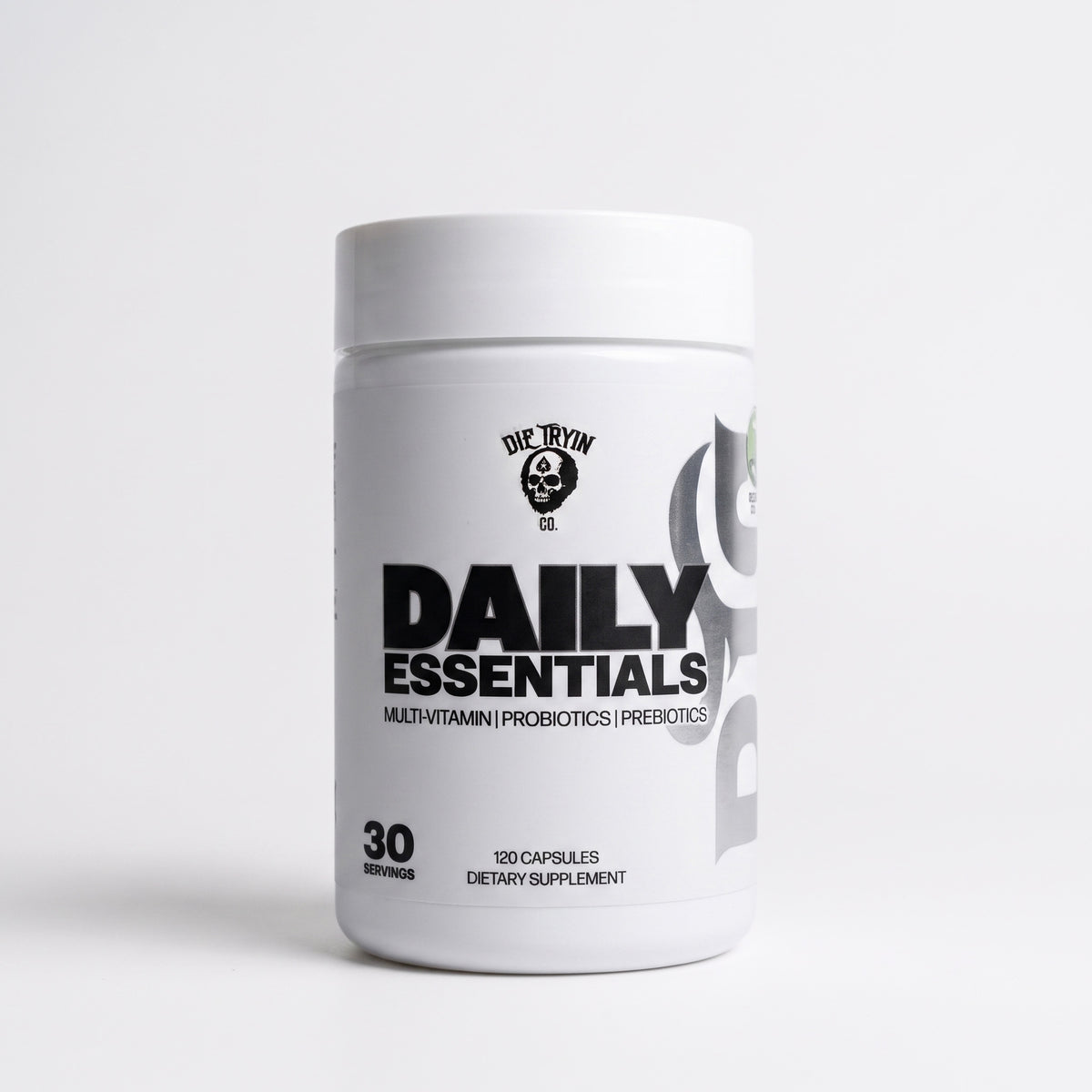
- Multivitamin — covers micronutrient gaps that affect recovery and hormonal health. Daily Essentials.
- Omega-3 — supports recovery, joint health, and inflammation management. Omega.
Tier 2 — Training quality supports. These improve the work that builds muscle.
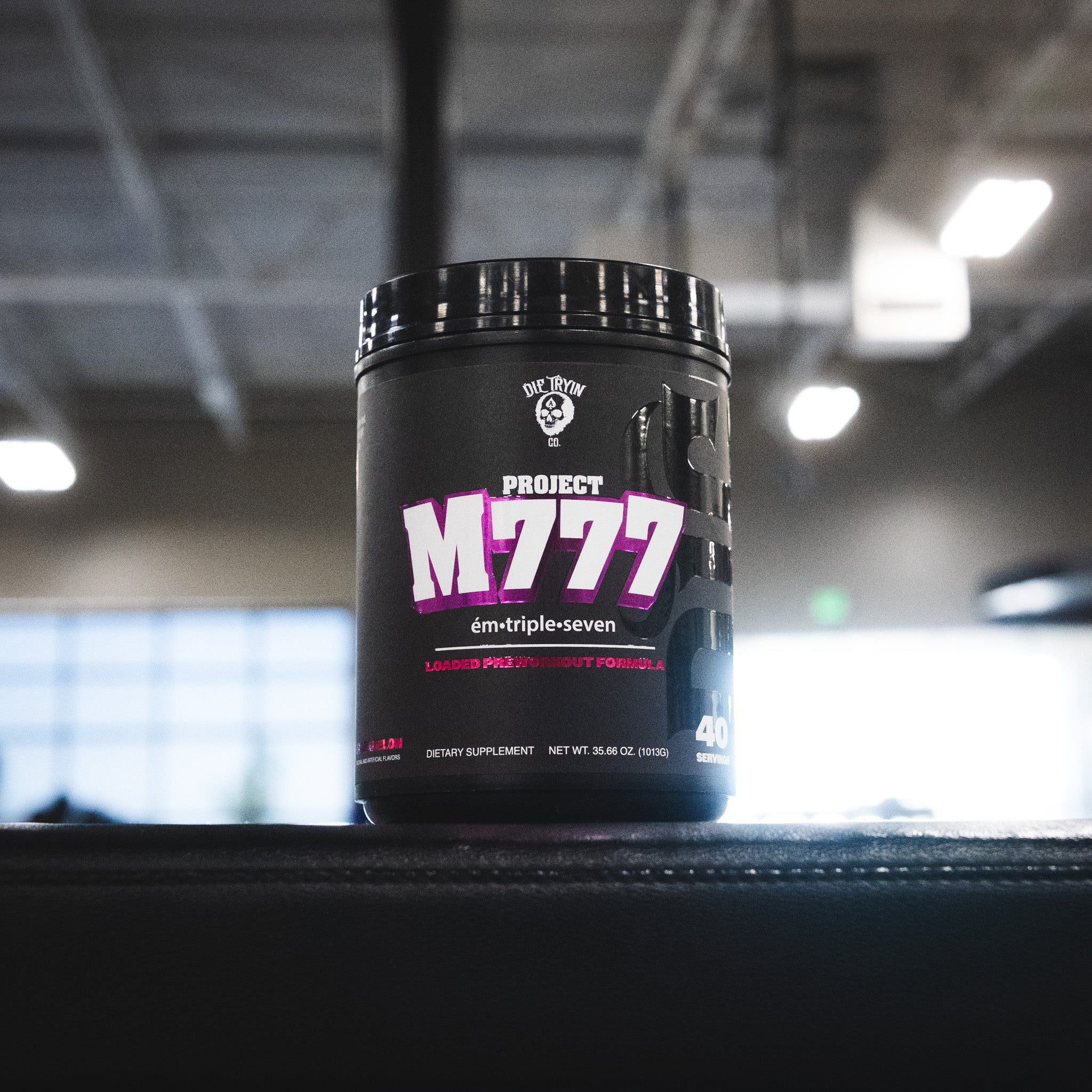
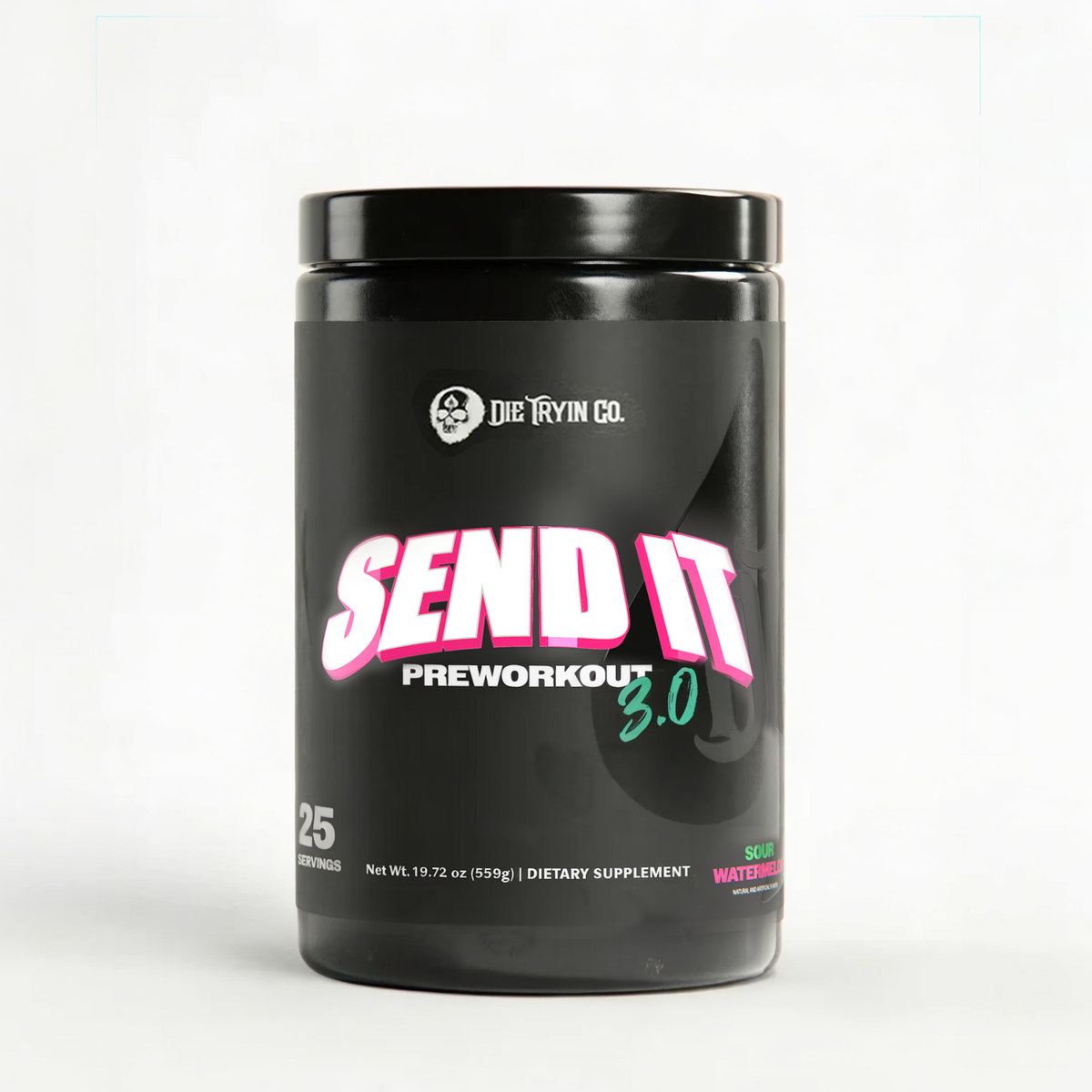
- Pre-workout — a properly dosed pre lifts training quality on demanding sessions. SEND IT 3.0 for daily training. Project M777 for the hardest sessions. The full pre-workout science lives in the pre-workout pillar.
- Glutamine — modest support for high-volume recovery, especially during heavy training blocks. Glutamine.
Tier 3 — Skip.
- Most "testosterone boosters" (the research shows almost none meaningfully raise testosterone)
- BCAAs as a standalone (whey or a complete protein source already contains them)
- HMB for healthy young lifters (modest benefit only for elderly or untrained populations)
- Proprietary-blend "muscle building" stacks with mystery doses
- Anything promising "rapid lean mass" results
The Die Tryin Co. growth stack: Post Iso, Creatine Monohydrate, SEND IT 3.0 or Project M777, Daily Essentials, and Glutamine for high-volume blocks. Real doses. No hidden ingredients. Take the quiz to dial it to your level.
MUSCLE BUILDING FAQ
How fast can I build muscle?
Realistic rates: 1-2 lbs of muscle per month for beginners (under 1 year of lifting), 0.5-1 lb per month for intermediates (1-3 years), and slower past that. Anyone promising 10+ lbs of lean mass in 30 days is selling either water weight or something illegal.
Can women build muscle as well as men?
The relative rate of muscle gain is similar between men and women. The absolute amount is lower because women start with less muscle and lower testosterone. Training principles, protein needs, and progression strategies are identical. Lift heavy.
Do I need supplements to build muscle?
No. You can build serious muscle with whole food, sleep, and consistent training alone. Supplements (whey, creatine, multivitamin) make hitting targets easier and add small performance edges — but they're not the engine.
What's the best rep range for building muscle?
Anywhere from 5 to 30 reps per set works for hypertrophy when sets are taken close enough to failure. The traditional "8-12" range is good. So is heavier (5-8) for compound lifts and higher (12-20) for isolations. Mix the ranges across your training.
Full body vs. split — which is better?
Whichever one hits each muscle 2x per week and you'll actually do for 6+ months. Full body 3x weekly, upper/lower 4x weekly, and PPL run twice per week all hit that bar. Bro splits hitting each muscle once per week are the weakest option for hypertrophy.
Should I train to failure?
Sometimes. Most working sets should leave 1-3 reps in reserve. Save true failure for the last set of an exercise, or for isolations where the safety risk is low. Failure on every set burns out your nervous system without proportionally more growth.
Does soreness mean my muscle is growing?
No. Soreness reflects muscle damage and novel stimulus. It's a poor indicator of growth. You can grow without being sore. You can be sore (especially from new exercises) without growing.
Can older lifters still build muscle?
Yes. Muscle protein synthesis declines with age but doesn't shut off. Lifters in their 50s, 60s, and 70s build muscle — slower than 25-year-olds, but still meaningfully. Protein intake matters even more at older ages (push toward the high end of 1.6-2.2 g/kg), and recovery requires more deliberate management.
Can I build muscle while losing fat?
Yes, in two scenarios: (1) you're new to lifting (under 1-2 years), or (2) you're returning after a layoff. Outside those windows, true recomposition is slow but possible with high protein, hard training, and a small deficit. Faster muscle gain comes from a slight surplus.
READ MORE ON BUILDING MUSCLE
- Progressive Overload — The Secret to Building Muscle and Strength
- 5 Ways to Increase Muscle Mass
- Understanding Muscle Fiber Types for Optimal Training
- Which Training Split Is Best? PPL vs. Upper/Lower
- Periodization — Structuring Your Training Across Months
- The Training Sweet Spot
- Training to Failure — When and How
- Time Under Tension
- Mechanical Drop Sets vs. Strip Sets
- What Is FST-7?
- What Is Hyperplasia?
- The Science of Recovery — Maximize Gains Between Workouts
- Why Deloads Are Important
- Are You Overtraining?
- How to Build Bigger Biceps — The Truth About Arm Growth
- Brutal Back Day — Blueprint for a Bigger, Thicker Back
- Training for Thicker Legs — Bigger Quads and Hamstrings
- Ladies, Don't Fear Muscle Mass
READY TO GEAR UP?
The Die Tryin Co. muscle building stack is built on real doses and what actually moves the needle:
- Post Iso — 24g whey isolate, DigeZyme enzymes, clean digestion
- Creatine Monohydrate — the most-researched supplement in sports nutrition
- SEND IT 3.0 — daily-driver pre-workout, balanced doses
- Project M777 — for the hardest training sessions
- Daily Essentials — your micronutrient floor
- Omega — recovery, joint health, inflammation management
- Glutamine — for high-volume training blocks
Not sure what fits? Take the quiz.
ALWAYS FORWARD.
GEAR THAT FITS THIS POST
The products this article actually talks about. Real doses, disclosed labels, veteran owned.

Read more
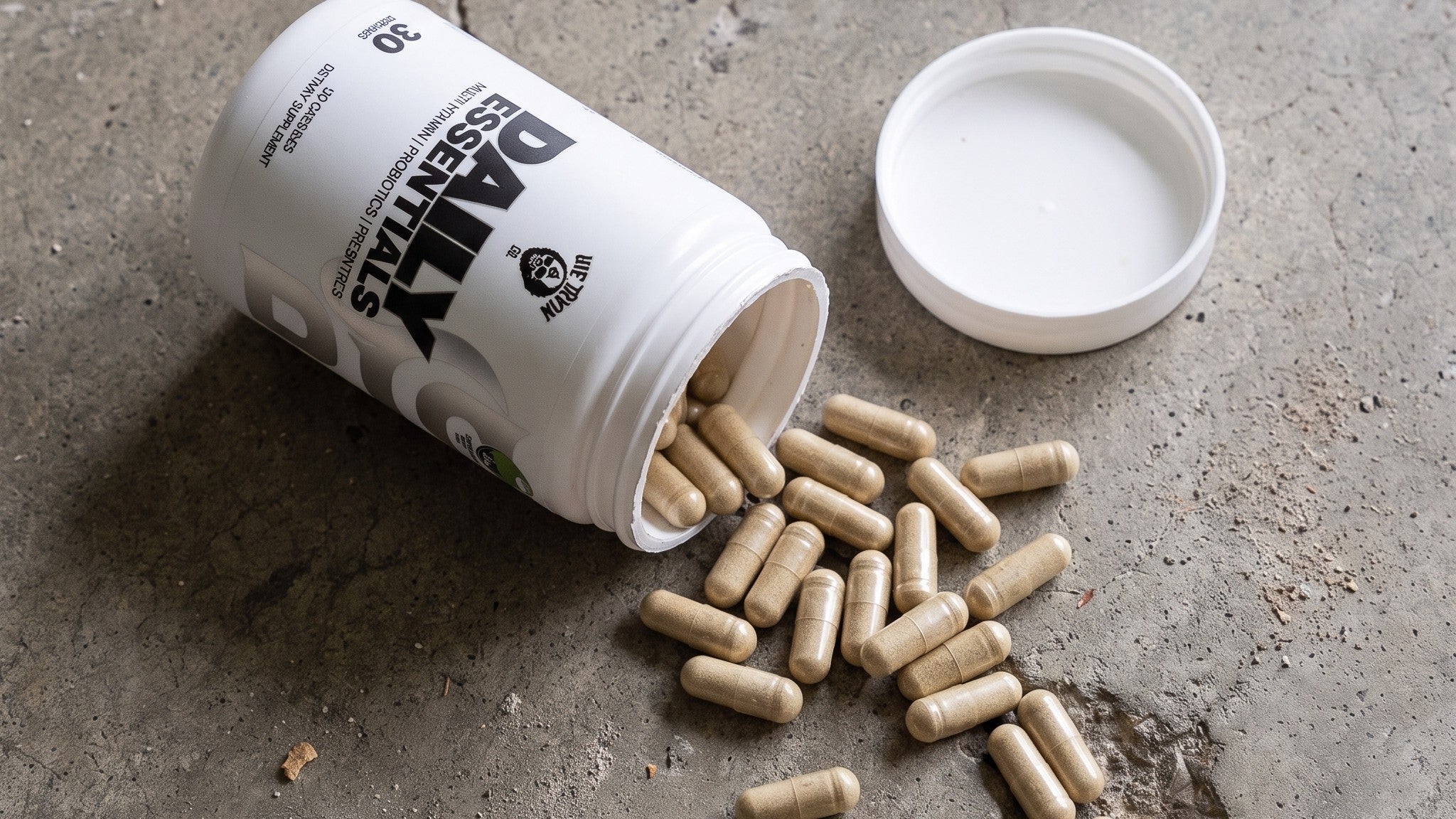
The honest case for a multivitamin when you train hard: where the evidence stops, where the gaps are real, and why chelated minerals plus a gut stack change the math.
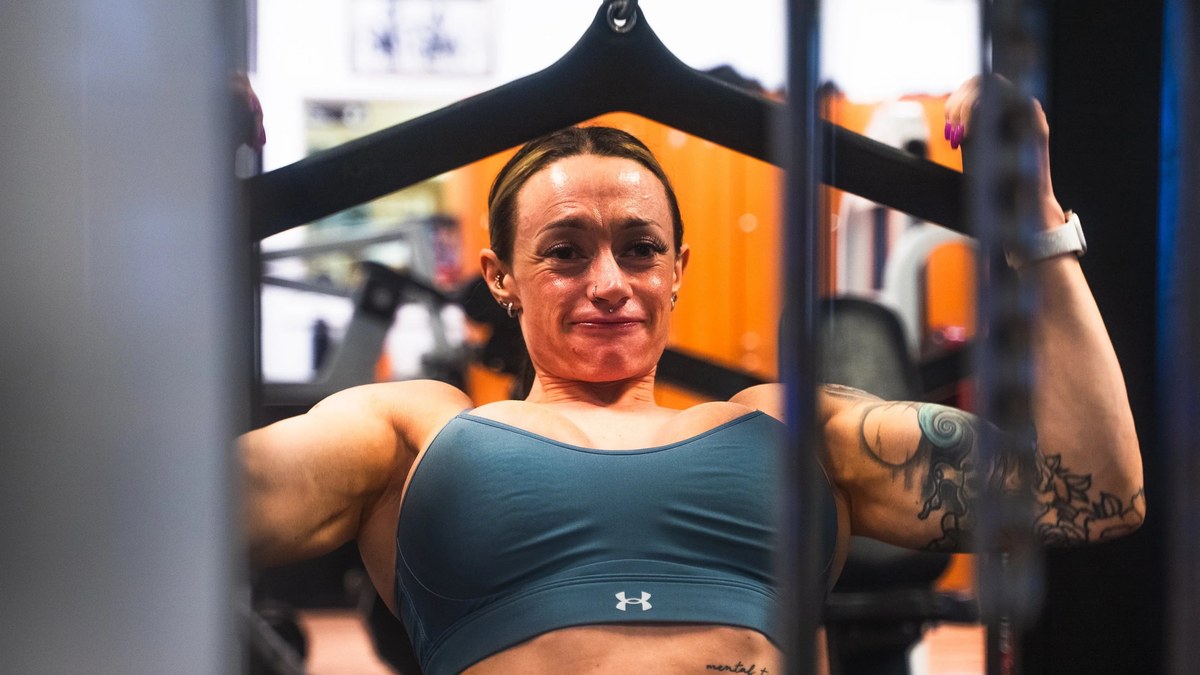
Muscle grows when demand grows, everything else is detail. The load-vs-reps research, the double progression method, and how to escape a plateau without wrecking recovery.
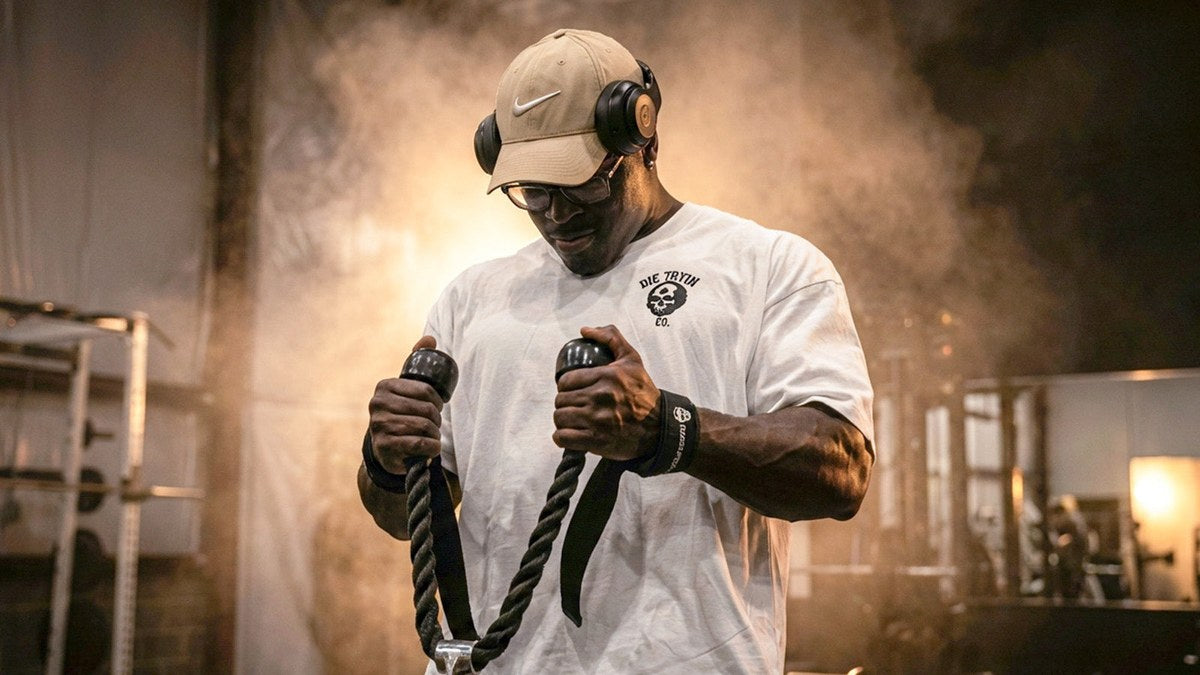
There's no perfect split — only the one you'll stick to. PPL vs. upper/lower broken down, plus how to choose the best workout split for your week.

Fast twitch, slow twitch, and a whole generation of training rules built on labels nobody ever measured. Here is what fiber type actually decides about your rep ranges and your frequency, and wheth...
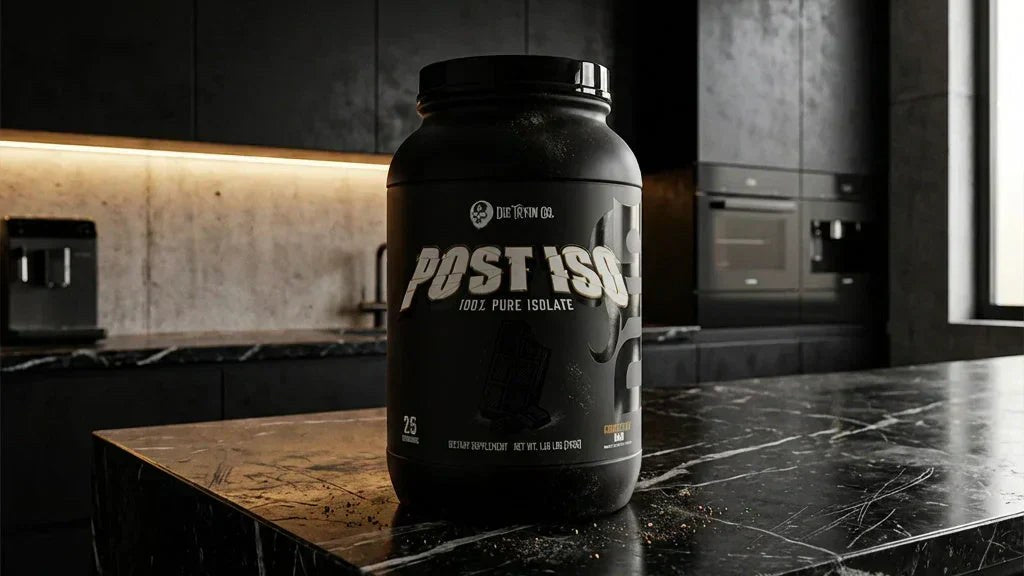
The complete protein playbook — how much you need, when timing matters, which sources deliver, and the myths costing you money.
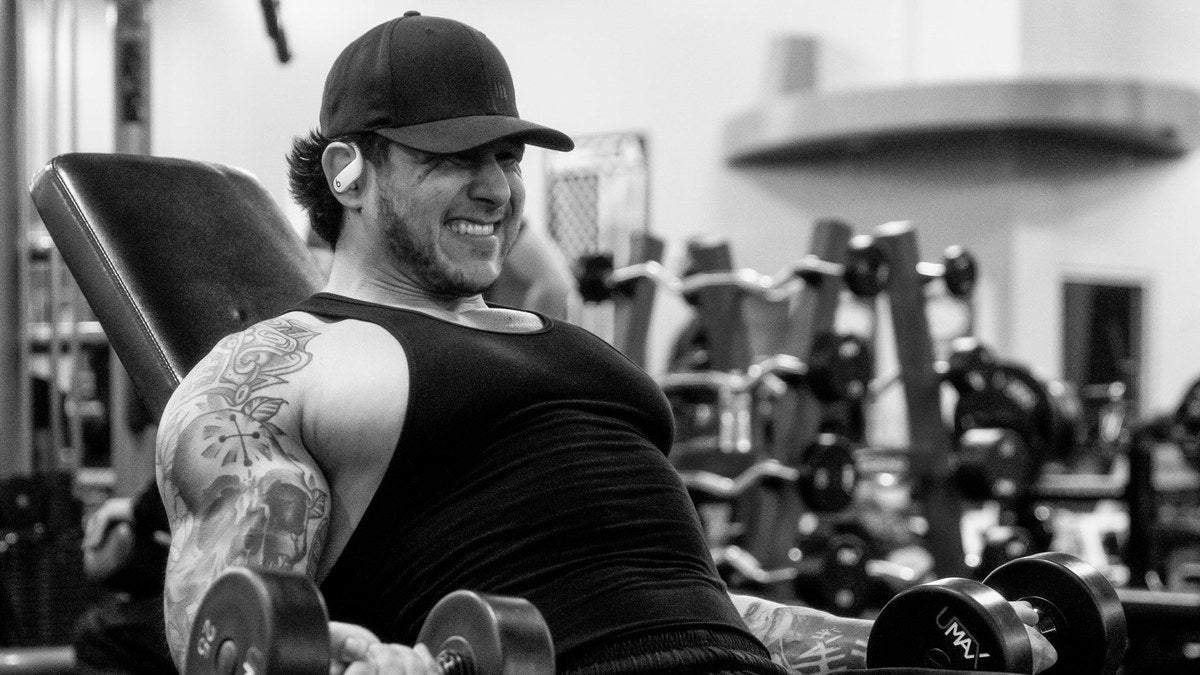
The no-BS playbook for losing fat without losing muscle. Energy balance, protein, training, sleep, and the supplements that actually help.