

The Complete Pull Day Workout: Back, Biceps, Rear Delts
By Jon Klipstein, U.S. Army Combat Veteran & Founder of Die Tryin Co.
Science reviewed by Onur Oncer, BS Physiology and peer-reviewed published researcher.
PULL DAY IS A PLAN, NOT A PILE OF EXERCISES
Most people get this wrong. They walk in on pull day with ten exercises off a screen, do three sets of everything, and leave with fried biceps and a back that never got loaded hard enough to change.
A pull day workout is a session structure. Order, load, sets, rest, and where the hard effort goes. Get those five right and exercise selection barely matters. Get them wrong and no list of movements saves you.
This post is the session blueprint, not a technique tutorial for any single lift. Barbell row setup, curl angles, side delt work: those live in their own posts. This one covers how the hour fits together.
| SLOT | WHAT IT IS FOR | SETS × REPS | REST |
|---|---|---|---|
| 1. Heavy pull (weighted pull-up or barbell row) | Load the lats while you are fresh | 4 × 5-8 | 3 min |
| 2. Second compound (opposite plane: pulldown or chest-supported row) | Cover the pulling angle slot 1 missed | 3 × 8-12 | 2-3 min |
| 3. Lat stretch movement (cable pullover, single-arm pulldown) | Load the lat at long muscle length | 3 × 10-15 | 90 sec |
| 4. Upper back and rear delt (face pull, reverse pec deck) | Scapular retraction and external rotation | 3 × 12-20 | 60-90 sec |
| 5. Elbow flexors, stretched (incline dumbbell curl) | Biceps under load at length | 3 × 8-12 | 90 sec |
| 6. Brachialis and forearm (hammer or reverse curl) | Arm thickness and grip carry-over | 2-3 × 10-15 | 60 sec |
| 7. Grip finisher (dead hang or loaded carry, optional) | Stop grip ending your sets early | 2 × max effort | 60 sec |
WHAT A PULL DAY ACTUALLY TRAINS
Every rep on pull day is your elbow flexing, your shoulder extending, or your shoulder blade moving. That is the whole category. Those three actions map to these muscles:
- Latissimus dorsi – shoulder extension and adduction. What makes a back read wide from the front.
- Trapezius, all three regions – upper, middle and lower fibers move and stabilize the scapula on every pull.
- Rhomboids – retract the shoulder blades. Undertrained in anyone who benches more than they row.
- Rear deltoids – shoulder extension and external rotation. Small, stubborn, and the difference between a round shoulder and a flat one.
- Biceps brachii and brachialis – elbow flexion, working on every row whether you curl afterward or not.
- Forearm flexors and grip – usually the weak link that ends a set early.
That list is why a pull day needs more than rows. Width, thickness, rear delts and arms sit under one umbrella, and none of them respond to the same movement. For the framework underneath it, start with our ultimate guide to muscle building.
THE ORDER IS THE PROGRAM
Whatever you do first gets your best effort. That is not philosophy, it is fatigue math. By exercise five your nervous system, your grip and your patience are all partially spent, and the load reflects it.
According to PubMed, a 2013 randomized trial in Clinical Physiology and Functional Imaging tested exactly this: 16 trained men over six weeks, one group going large muscle groups first, the other running the reverse. The honest read: the analysis did show a significant group by time interaction, but one-rep max rose on every tested exercise in both groups, and the between-group difference was not statistically significant. What separated them was effect size. The large-to-small group showed a greater magnitude of gain on bench press and lat pulldown; the small-to-large group showed a greater magnitude on triceps extension and biceps curl. Sixteen men over six weeks is a small study. Read it as a nudge, not a law.
The nudge is enough to program with. If your back is the priority, heavy pulling leads and arms get the leftovers. If arms are the priority this block, curl earlier and accept lighter rows. You do not get to prioritize both in one session.
HOW MANY PULLING SETS YOU ACTUALLY NEED
Volume drives growth, up to a point nobody has cleanly located yet. According to PubMed, a 2016 systematic review and meta-analysis in the Journal of Sports Sciences pooled 34 treatment groups from 15 studies and found a graded dose-response: each additional weekly set was associated with roughly a 0.37% greater gain in muscle size, and the higher-volume conditions beat the lower-volume conditions by about 3.9%.
Here is the part most articles leave out. When those same researchers split volume into three buckets, under 5, 5 to 9, and 10 or more sets per muscle per week, the effect was only a trend (P = 0.074), not a statistically significant finding. More sets help. Nobody has drawn a hard line for where the ceiling sits, so anyone selling you a magic set number is guessing with confidence.
Working numbers: 10 to 16 hard sets for the back and 4 to 8 for the elbow flexors is a defensible session. And one pull day per week is thin. A separate 2016 meta-analysis in Sports Medicine from the same research group pooled ten studies and found higher weekly frequency produced a larger hypertrophy effect size than lower frequency (0.49 versus 0.30) on volume-equated comparisons, concluding that major muscle groups should be trained at least twice a week. Ten studies is a thin evidence base, and those authors said outright that whether three times a week beats twice is still unanswered. Run the split twice through the week, or bolt pulling work onto a second session.
REST LONG ENOUGH TO PULL HARD
Short rest feels productive. Research suggests it costs you. According to PubMed, a 2016 randomized trial in the Journal of Strength and Conditioning Research assigned 21 resistance-trained men to either 1-minute or 3-minute rest between sets for eight weeks, holding every other variable constant. The 3-minute group finished ahead on 1RM squat, 1RM bench press, and anterior thigh muscle thickness.
Honest framing, because this one gets oversold. That was 21 young men over eight weeks. The only significant thickness difference was in the thigh, the triceps result was a trend (p = 0.06), and muscle endurance improved in both groups with no significant difference between them. The study never measured lat thickness, so applying it to pull day is an extrapolation from squats and bench. Best available evidence, not proof.
The rule we run: three minutes on the heavy pull, two on the second compound, 60 to 90 seconds on isolation. Still gasping when you grab the bar? You are testing conditioning, not your back. Basics beat hype.
FOUR RULES THAT MAKE THE BLUEPRINT WORK
The table is the skeleton. These four rules turn it into a training session instead of a checklist.
- Lead with the elbow, not the hand. Drive the elbow toward your hip or your ribs. The hand is a hook. The second you pull with your hands, your biceps take over work the lats should do.
- Own the stretched position. Let the shoulder blade travel at the top of a pulldown and the bottom of a row before you reverse it. Cutting range of motion to add plates is the oldest bad trade there is.
- Add reps before you add plates. Hit the top of the rep range on all sets, then add load and start again at the bottom. Boring, trackable, it works. The training sweet spot is where load and reps are both still moving.
- Save failure for the last set of isolation work. Grinding heavy rows to absolute failure buries your recovery for little extra stimulus. Failure is a tool, not a standard. Keep one or two reps in reserve on the compounds and empty the tank on the curls.
WHERE PULL DAY GOES WRONG
Five failure points show up over and over. Fix these before you go shopping for new exercises.
- Skipping the warm-up. Cold lats on a heavy first set is how people end up doing rehab instead of rows. Level up your warm-up and the first working set stops being wasted.
- Nine variations of the same movement. Four horizontal rows in one session is one row done four times. Cover both planes and move on.
- Grip quitting first, every time. Strap the last two sets of your heavy pull so the back gets the stimulus, then train grip on purpose.
- Curls as the main event. If your session is 12 sets of curls and 6 sets of back, you built an arm day and called it pull.
- Never backing off. Heavy pulling stacks fatigue in the low back and elbows fast. Planned deloads keep the progression alive.
FUELING A PULL DAY
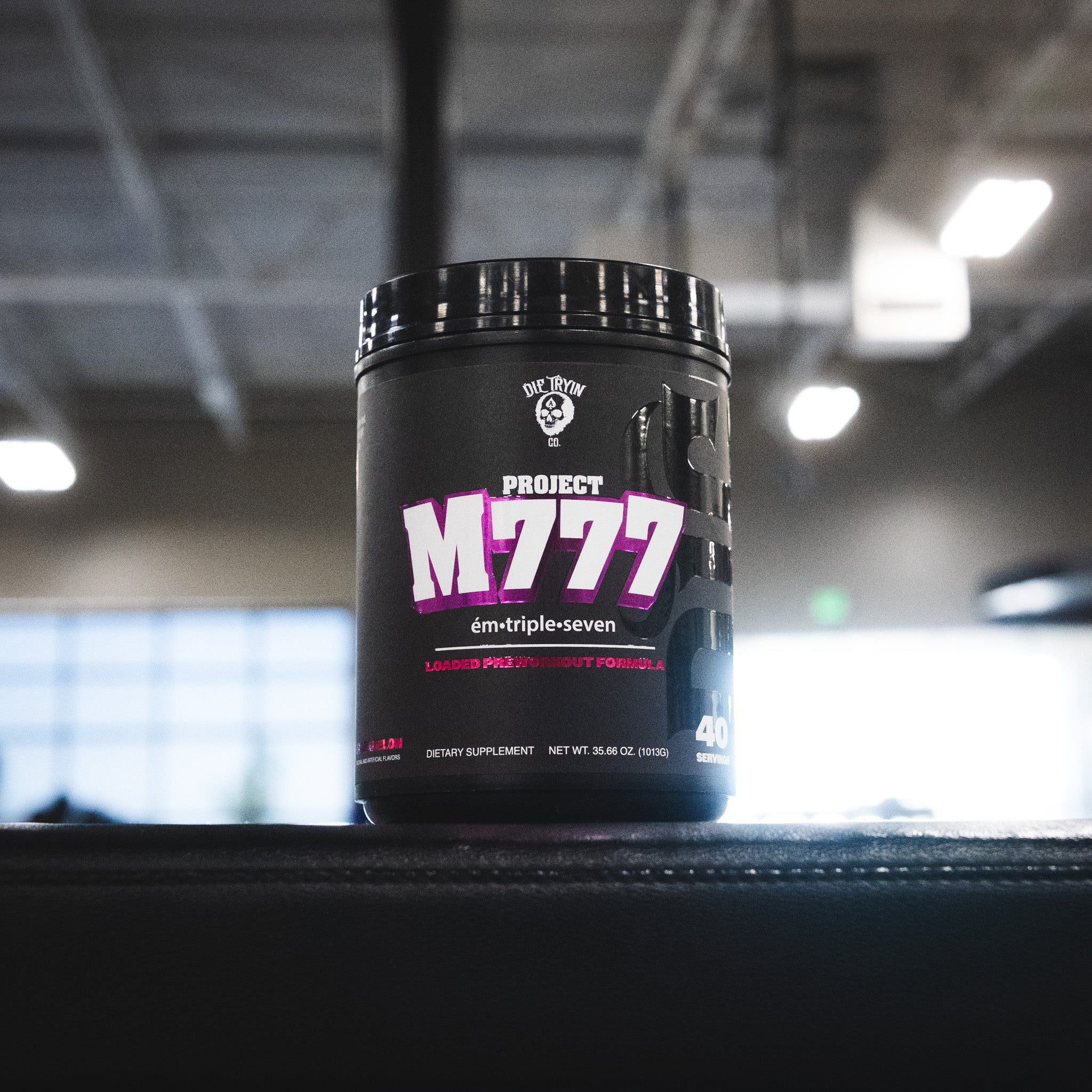
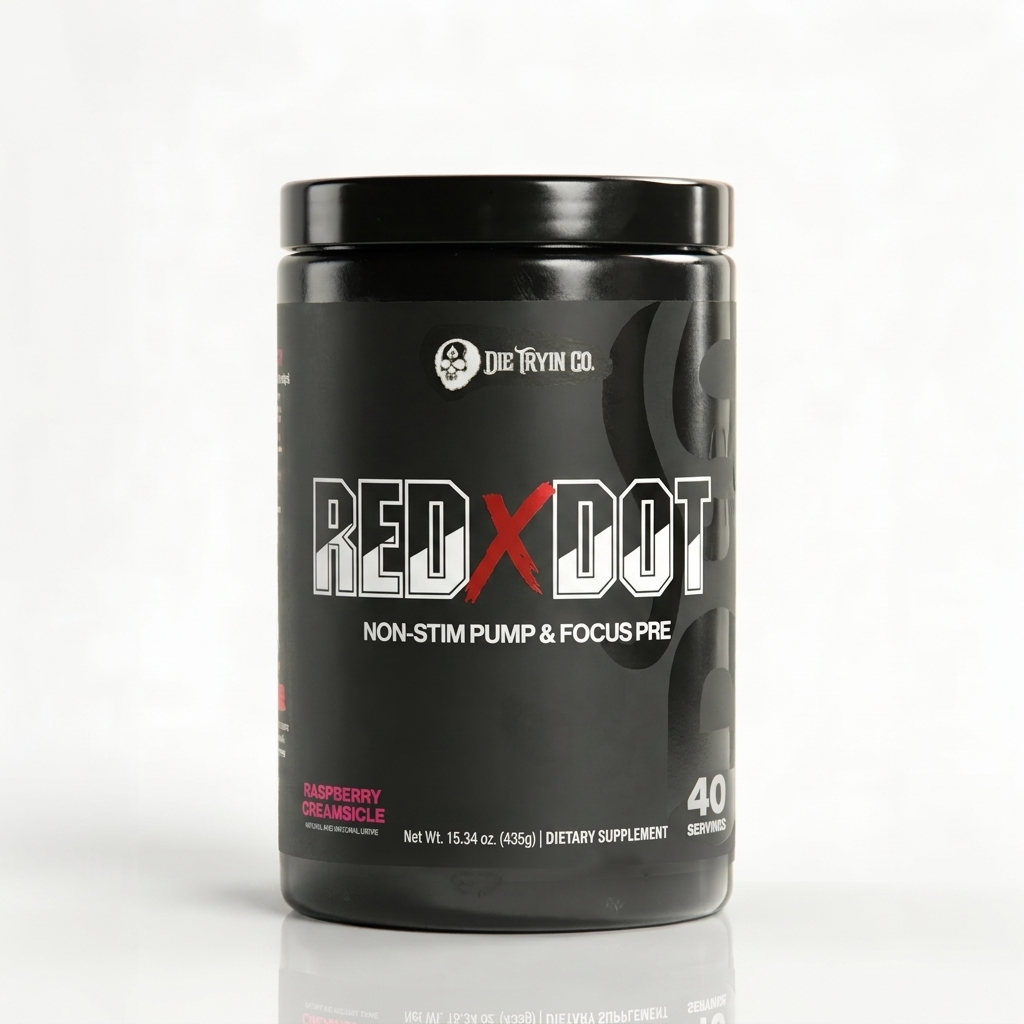
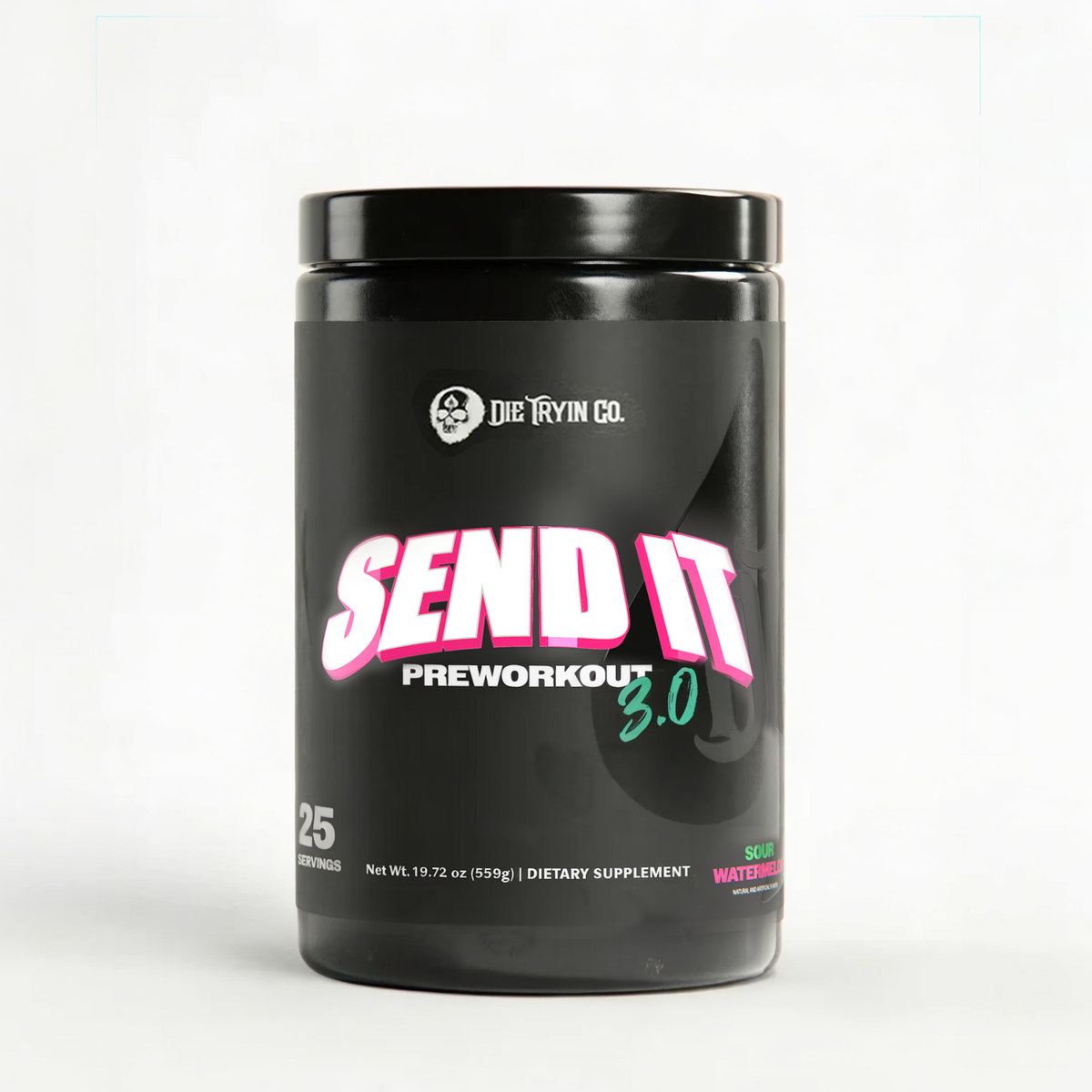
Pull day is grip-limited and rest-limited, which makes it a session where preparation shows up on the bar. Training pull in the evening? Red Dot gives you pump and focus with zero caffeine, so your sleep survives it. Morning and midday lifters can run SEND IT 3.0 as the daily driver, or Project M777 when the heavy pull is the whole mission. Real doses of real ingredients. If you are pregnant, managing a medical condition or taking medication, clear any supplement with your doctor first.
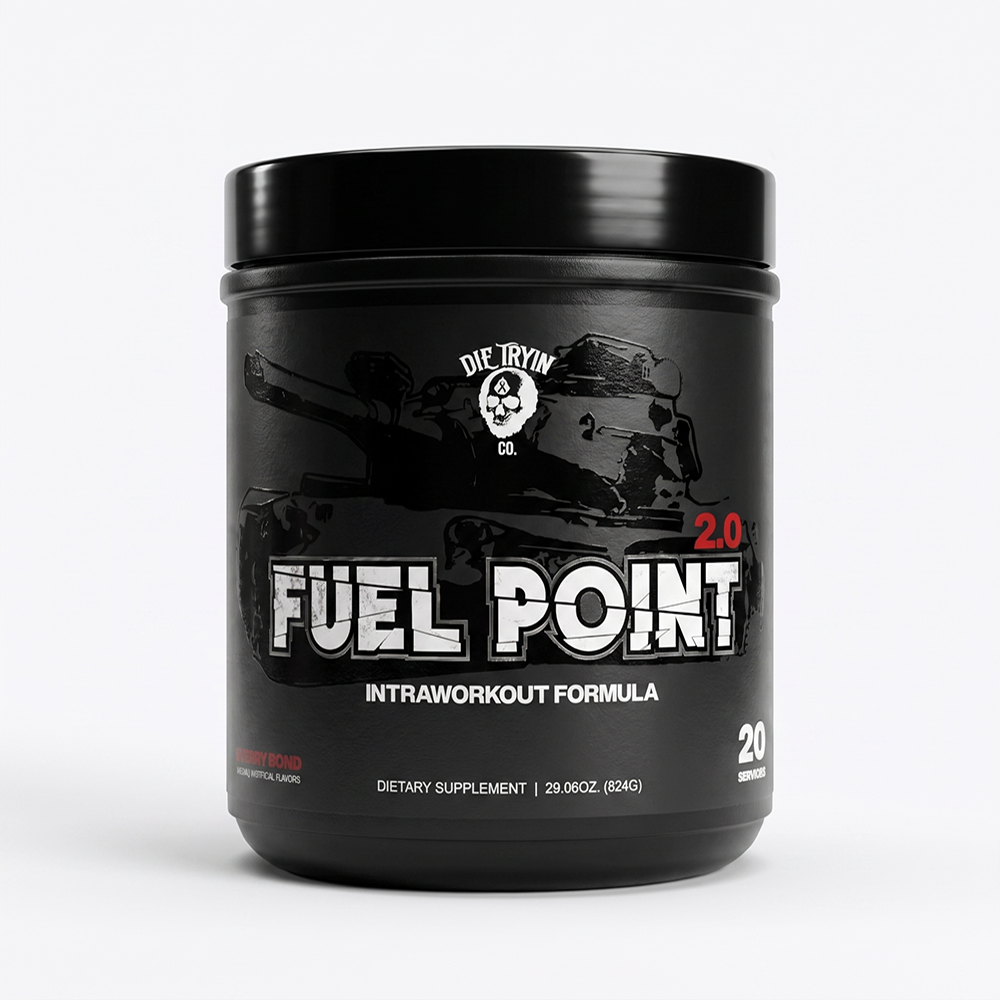
Keep the rest of the stack unglamorous. 5g of micronized Creatine Monohydrate daily is the entire protocol. A three-minute-rest pull day runs 60 to 75 minutes, so keep Aqua Spike in the shaker instead of watching your grip fade, and let Post Iso cover the protein hit afterward. Not sure which pre-workout fits your window? The two-minute quiz answers it, and our post on recovery through increased blood flow goes deeper on the pump side.
PULL DAY FAQ
What do you train on pull day?
The lats, all three regions of the traps, rhomboids, rear delts, biceps and brachialis, and the forearm flexors and grip. Every rep is your elbow flexing, your shoulder extending or your shoulder blade moving.
How long should a pull day workout take?
Sixty to seventy-five minutes for the seven-slot blueprint, and most of that is rest. Finishing in 35 minutes means you are cutting rest short, which the rest-interval research suggests costs you strength and size.
Should deadlifts go on pull day?
They can, and they belong in slot one if you use them. Heavy deadlifts generate systemic fatigue that follows you into every remaining slot, so pick one heavy hinge or one heavy pull, not both. Plenty of lifters do better running them on leg day.
How many times per week should I train pull?
At least twice. The 2016 frequency meta-analysis found higher weekly frequency produced a larger hypertrophy effect size than once-a-week training on volume-equated comparisons, though it pooled only ten studies. Two sessions also let you split heavy and lighter work instead of cramming it into one hour.
Do I need direct bicep work if I row and do pull-ups?
If arm size is a goal, yes. Your biceps assist on every pull, but assisting is not the same as being the limiting factor. Two or three direct sets of elbow flexion at the end covers it.
Pull-ups or lat pulldowns?
Both, in different slots. Pull-ups load you heavier and expose whether you own your bodyweight. Pulldowns let you control load precisely and use grips a bar will not allow. Run one heavy, one for reps.
Is 20 sets of back in one session too much?
Usually yes. The volume research shows a dose-response across the week, not within one session, and even that breakdown was only a trend. Spreading 20 hard back sets across two pull days beats stacking them into one hour where the last eight are junk.
READY TO GEAR UP?
Build the session, run it twice a week, rest like you mean it. Here is the gear that supports it:
- Red Dot – stim-free pump and focus for evening sessions
- Project M777 – high-stim, for when the heavy pull is the mission
- Creatine Monohydrate – 5g micronized, one of the most-researched supplements
- Post Iso – whey isolate for the post-session protein hit
- Aqua Spike – hydration through a 70-minute session
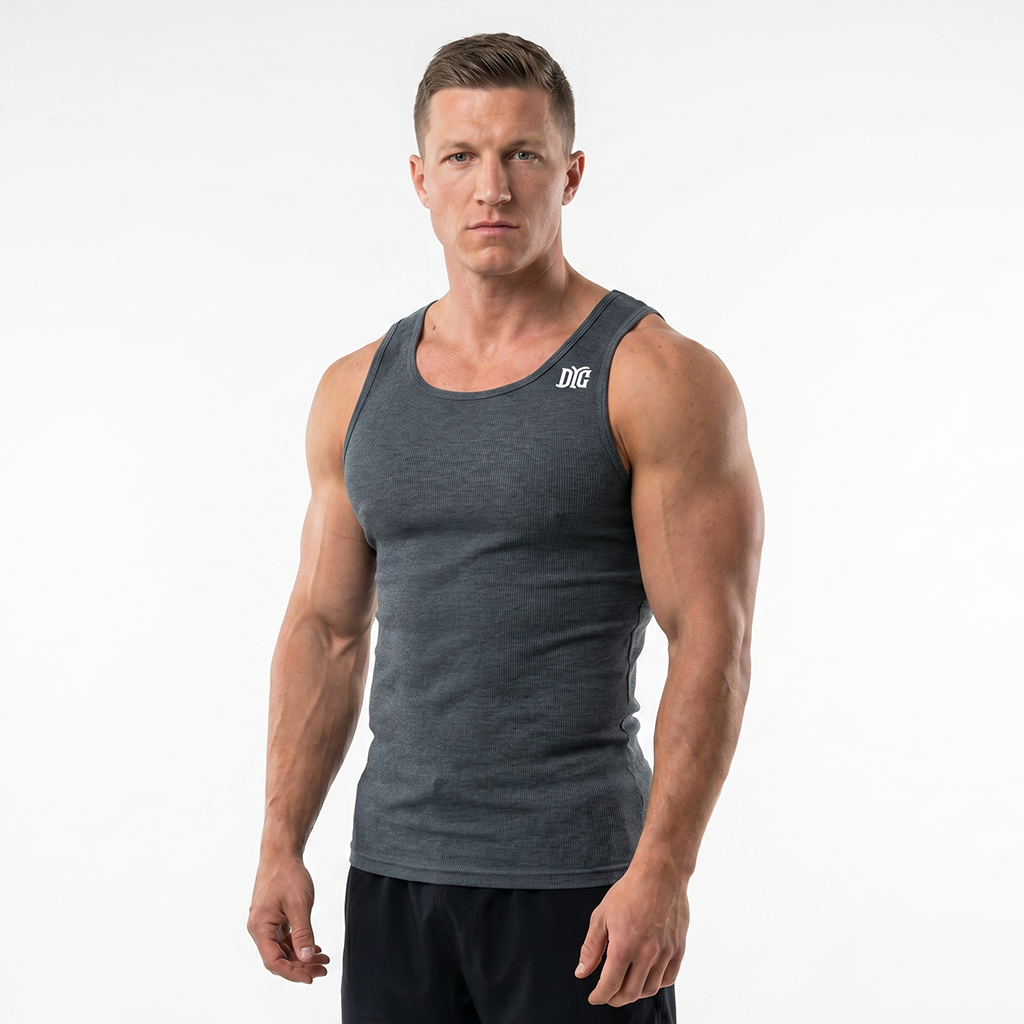
- DTC Athletic Tee – cut to move when the elbows drive back
- Take the quiz – two minutes to the right pre-workout for your window
ALWAYS FORWARD.
GEAR THAT FITS THIS POST
The products this article actually talks about. Real doses, disclosed labels, veteran owned.


Read more

Width or thickness. Vertical or horizontal. The honest answer is both, programmed properly, and here is why.
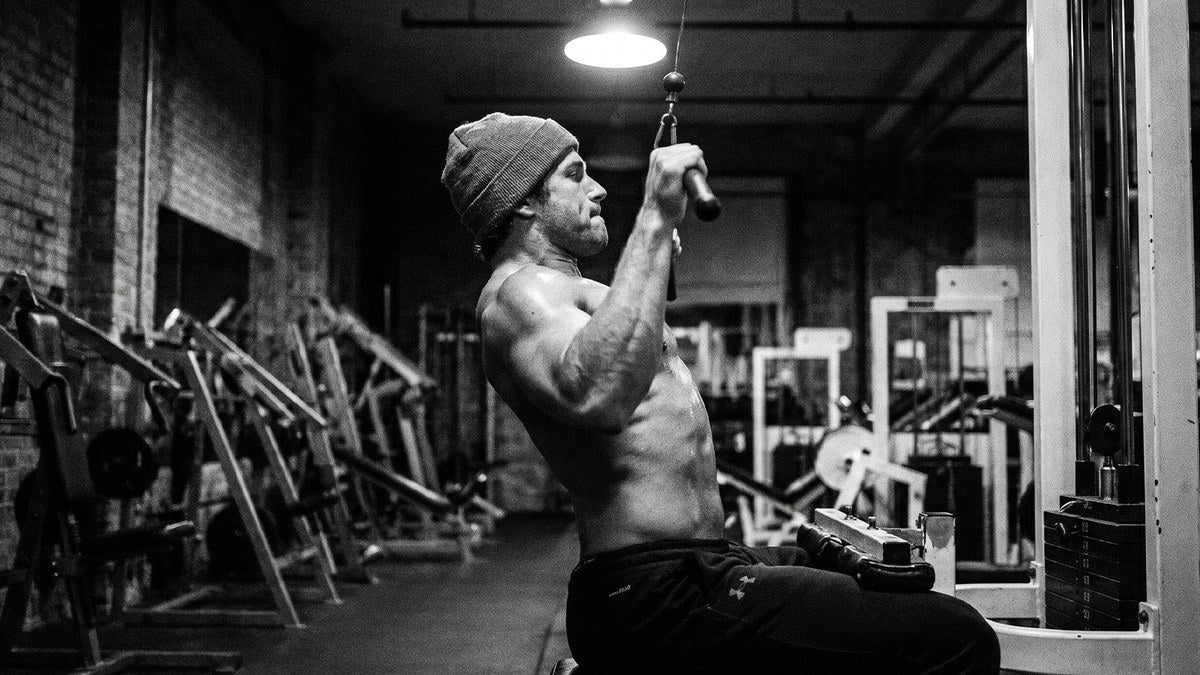
The secret to a bigger back isn't more weight — it's the stretch. Here's how to train your lats at long muscle lengths, demoed on the barbell row.
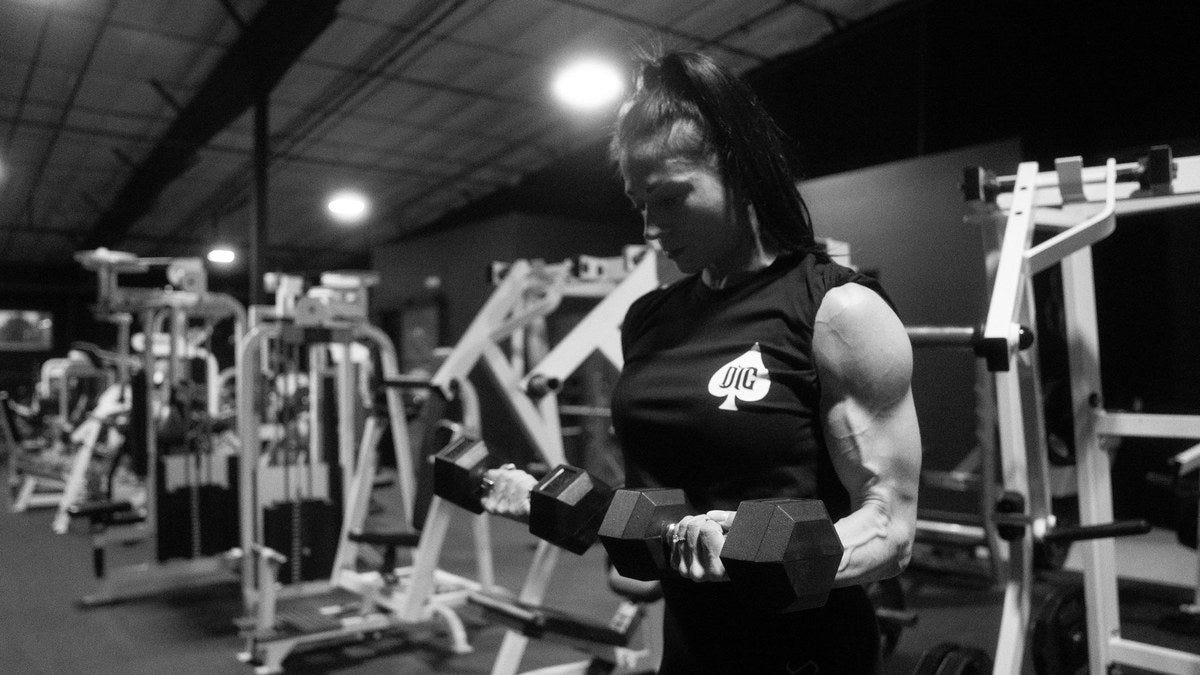
Bigger biceps don't come from endless curls. The real strategy: anatomy, training mistakes, the 4 best exercises (incline curl, hammer, cable, preacher), sets/reps, and recovery.

The complete playbook for building muscle that actually lasts. Training, nutrition, recovery, and the supplements that move the needle — no hype.
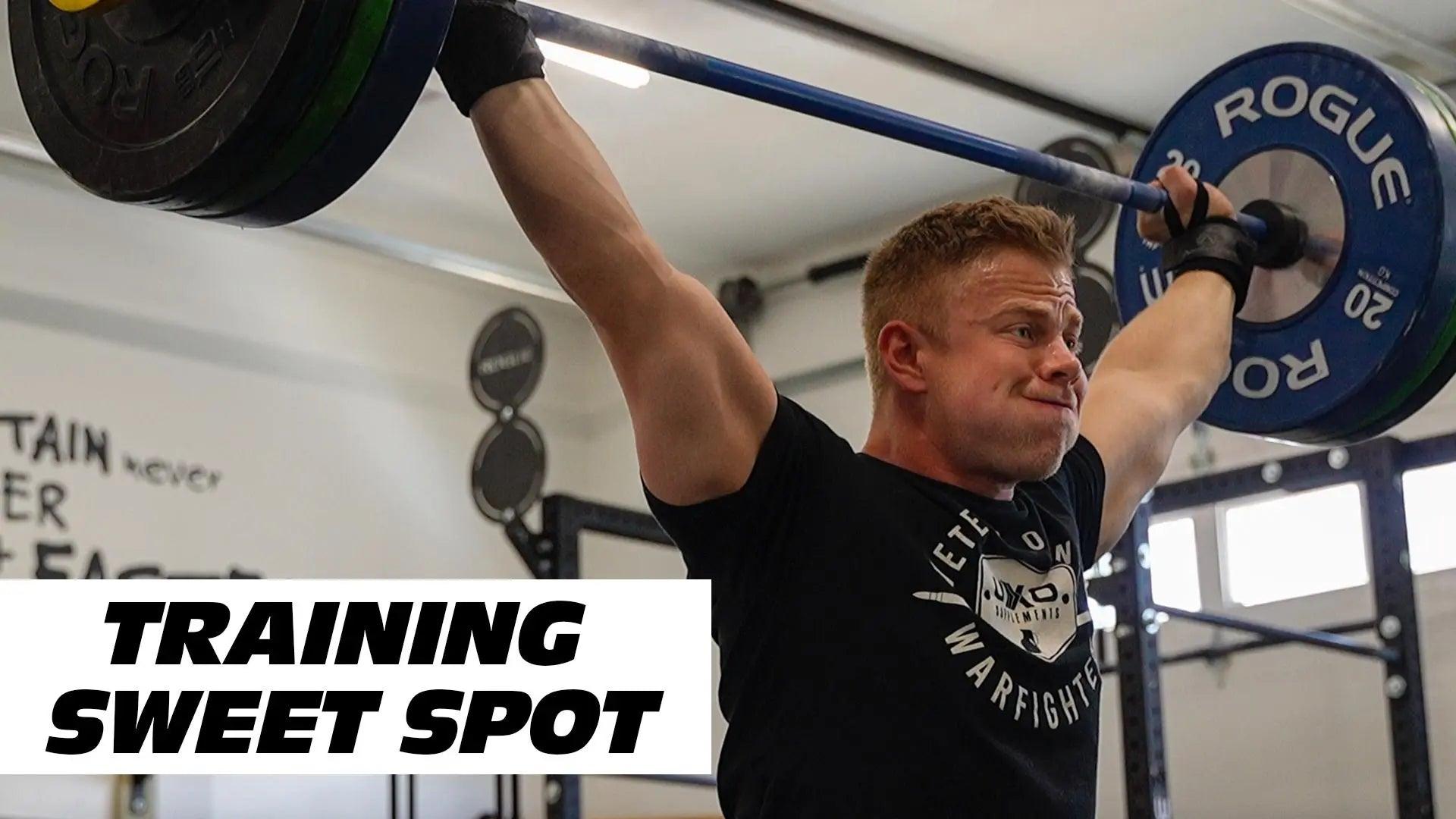
More is not better, it is just more. Here is where the returns actually flatten out, and how to train at the edge of enough.
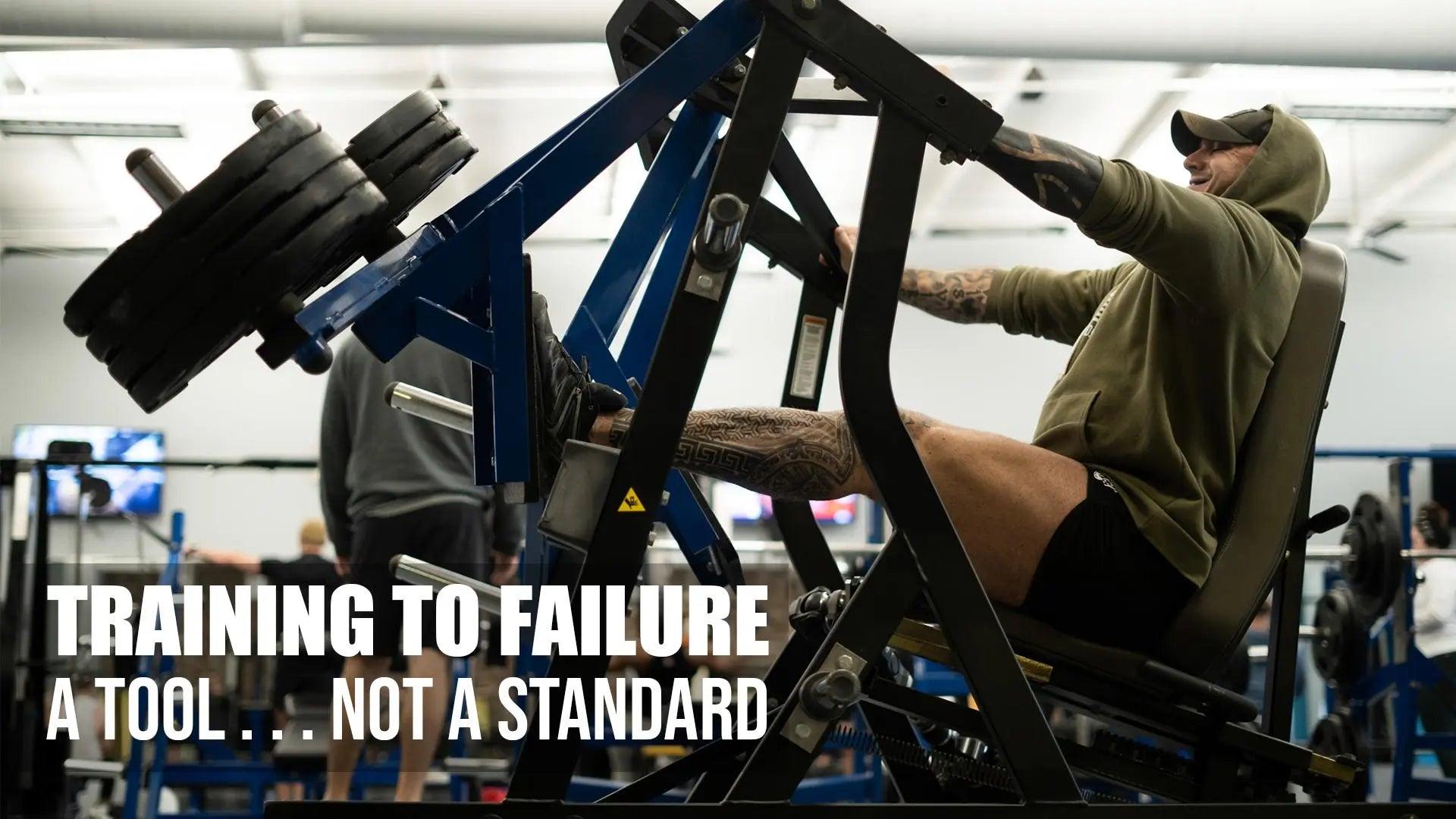
Training to failure is a tool, not a default. Here is what the research actually says for size and for strength, what the fatigue costs you, and the exact spots where taking a set to the wall earns...