
Blood Flow and Recovery: What Actually Speeds It Up
By Jon Klipstein, U.S. Army Combat Veteran & Founder of Die Tryin Co.
Science reviewed by Onur Oncer, BS Physiology and peer-reviewed published researcher.
BLOOD FLOW IS NOT THE BOTTLENECK
Listen up. The recovery industry runs one story on a loop: your muscles are clogged with waste, and pushing more blood through them makes you bounce back faster. Sleeves, boots, massage guns, hot tubs, cold tubs. Same promise, different price tags.
Blood flow matters. Circulation is how oxygen, amino acids and glucose reach working tissue, and how metabolic byproducts leave. Nobody argues that. The problem is the leap marketing makes next: that your circulation is failing you after training and needs rescuing by a device.
It isn't. After a hard set your muscle blood flow spikes on its own, hard, for free, and stays elevated while the tissue clears its own mess. The honest question is not "does blood flow help recovery." It is "can any tool raise it enough to make you recover measurably faster." That answer is far smaller than the sales page. For the full recovery system underneath all of it, go to the Ultimate Guide to Recovery.
| MODALITY | WHAT THE RESEARCH ACTUALLY SHOWS | WHERE IT BELONGS |
|---|---|---|
| Active recovery (walking, easy cycling, empty-bar work) | Small to large soreness reductions in pooled data. Note the honest caveat: in direct measurement it did not out-clear simply resting. | Default. Free, no downside, daily. See how easy cardio pays off. |
| Compression garments | Small benefit to recovered performance, biggest signal on strength after lifting. | Optional. Worth it in heavy blocks or back-to-back meet days. |
| Massage / foam rolling | Lowers soreness and perceived fatigue. Measured reducing muscle blood flow, so it is not working the way it is sold. | A feel and readiness tool, not a repair tool. |
| Contrast water therapy | Modest effect on soreness perception. Weak evidence for faster tissue repair. | Nice-to-have. Never over sleep or food. |
| Heat / sauna | Real vasodilation. Recovery-speed evidence in lifters is thin. | Fine on off days. Hydrate for it. |
| Electrical stimulation (EMS) | Moves blood, but showed no soreness benefit in pooled data. | Skip unless you own one and like it. |
| Sleep, protein, calories, load management | Largest, most reliable effects on recovery. Everything above is a rounding error. | Non-negotiable. Depth lives in the recovery pillar. |
WHAT BLOOD FLOW ACTUALLY DOES AFTER A HARD SESSION
Strip the marketing off and circulation has four jobs after training. Every recovery gadget claims to accelerate one of them:
- Delivers oxygen. Rebuilding ATP and creatine phosphate is oxygen-dependent. That demand is why you keep breathing hard after the set ends.
- Delivers substrate. Amino acids and glucose ride the bloodstream to muscle. A repair signal with no raw material goes nowhere.
- Clears byproducts. Hydrogen ions, lactate and inflammatory signaling molecules leave the muscle by way of the blood.
- Carries the signal. Hormones and immune cells managing repair travel the same road.
THE "FLUSH OUT THE LACTIC ACID" STORY IS DEAD
This claim sits under almost every blood-flow recovery product, and it fails twice. First, lactate is not what makes you sore two days later. Blood lactate is back near baseline within roughly an hour, while delayed onset muscle soreness peaks 24 to 48 hours out. The timelines do not line up. Soreness is a mechanical damage and inflammation story, not a leftover-acid story.
Second, the assumption that these tools raise muscle blood flow does not survive direct measurement. Researchers put twelve subjects through strenuous handgrip work, then measured forearm blood flow by Doppler ultrasound under passive rest, light rhythmic exercise and hands-on massage. Massage produced less blood flow than doing nothing at all (540 vs 766 mL/min at 30 seconds post-exercise), and lactate and hydrogen ion clearance fell with it. Their conclusion: massage mechanically impedes blood flow (Wiltshire et al., Medicine & Science in Sports & Exercise, 2010). Light rhythmic movement did not beat passive rest for total clearance either, because circulation was already running wide open on its own.
ACTIVE RECOVERY STILL EARNS ITS SPOT
Here is the honest version, because it is not the one the sleeve companies tell. Low-intensity movement is the best-supported option on this list for how sore you feel, and it works through your own skeletal muscle pump rather than a device. What it does not have is proof that it clears metabolites faster than lying still. In that handgrip work above, easy rhythmic exercise came in slightly under passive rest, not above it. So keep it, but keep it for the right reason.
The right reason is that it has zero downside. Costs nothing, adds no fatigue when the intensity stays honest, and lets you hold a rhythm on days you have no business loading a bar. One rule: if it creates soreness of its own, it stopped being recovery and became training.
- Same-day, post-session: 5 to 10 minutes of easy walking or cycling at conversational pace.
- Next-day, sore: 20 to 30 minutes of walking, sled drags at a weight you would call embarrassing, or easy bike work.
- Off-day: Full-range unloaded movement through the sore area: bodyweight squats, empty-bar work, banded pull-aparts. Blood in, no damage. Same logic that makes a good warm-up work.
- Never: "Active recovery" that is secretly a conditioning session. That is a second workout in a costume, showing up as fatigue you cannot train through.
COMPRESSION: SMALL, REAL, MOSTLY A STRENGTH STORY
Compression is the one passive tool with a defensible evidence base, as long as the claims stay proportional. A meta-analysis of 23 studies found a small but very likely benefit on recovered performance overall (effect size 0.38, 95% CI 0.25 to 0.51). Strength was the standout outcome: effect size 1.14 at 2 to 8 hours post-exercise and 1.03 beyond 24 hours. Sorted by exercise type rather than outcome, resistance training was where compression helped most, reaching 1.33 beyond the 24-hour mark (Brown et al., Sports Medicine, 2017). Garment pressure and training status did not clearly change the outcome, and the authors flag that as a data-reporting gap rather than a settled finding.
Translation: if you squat heavy Saturday and squat heavy again Monday, sleeves overnight are a reasonable bet. If you are chasing a general "recover faster" feeling across a normal week, that effect is small enough that fixing your sleep will out-perform your sleeve budget every time.
MASSAGE AND FOAM ROLLING: FEELS BETTER, NOT FASTER
A meta-analysis pooling 99 studies on post-exercise recovery found active recovery, massage, compression garments, water immersion, contrast therapy and cryotherapy all produced small to large reductions in delayed onset muscle soreness, with massage rating most effective for soreness and perceived fatigue. On the biological markers the picture was far more restrained: a moderate drop in creatine kinase (SMD -0.37), small drops in interleukin-6 (SMD -0.36) and C-reactive protein (SMD -0.38) (Dupuy et al., Frontiers in Physiology, 2018).
Read those together and the honest conclusion writes itself. Massage moves how you feel far more than it moves how damaged you are, and the measurement work says it is not doing it by raising blood flow. That is no reason to quit rolling. Feeling less beat up is worth real money if it gets you back in tomorrow. Just stop calling it repair, and stop expecting a massage gun to buy back a week you overreached on.
HEAT, CONTRAST, AND COLD
Heat dilates vessels and raises circulation. Contrast therapy alternates that dilation with cold-driven constriction for a pumping effect. Both feel good, both carry modest soreness data, neither has strong evidence for faster tissue repair. Cold has its own wrinkle:
- Heat / sauna: Real vasodilation. Best on off days, never as a replacement for sleep. Replace what you sweat out, because plasma volume is what you are trying to move. Details in why hydration is key.
- Contrast water therapy: A reasonable soreness tool, nearly free if you own a shower. Do not build a week around it.
- Cold water immersion: Useful for soreness, but research suggests blunting inflammation right after lifting can work against the adaptation you just trained for. Timing is the whole argument, and it lives in our cold plunge breakdown.
CAN A SUPPLEMENT INCREASE RECOVERY BLOOD FLOW?
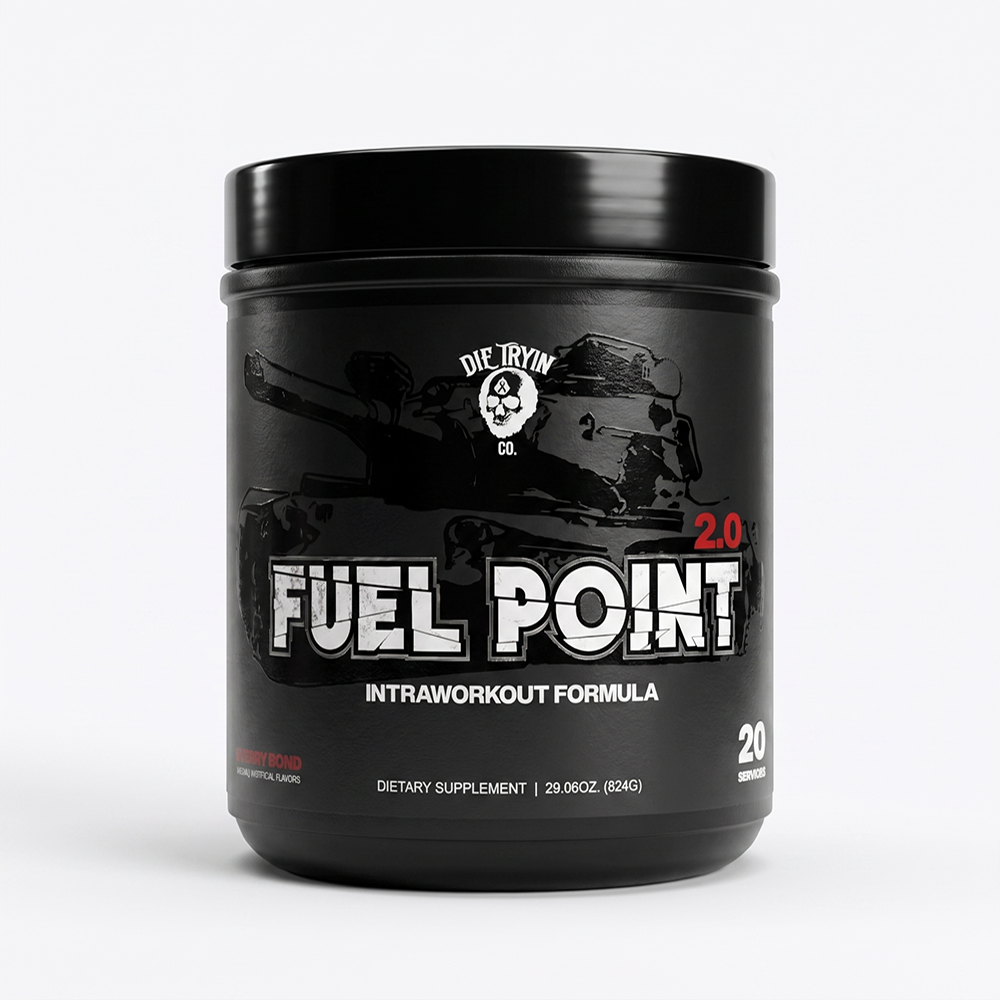
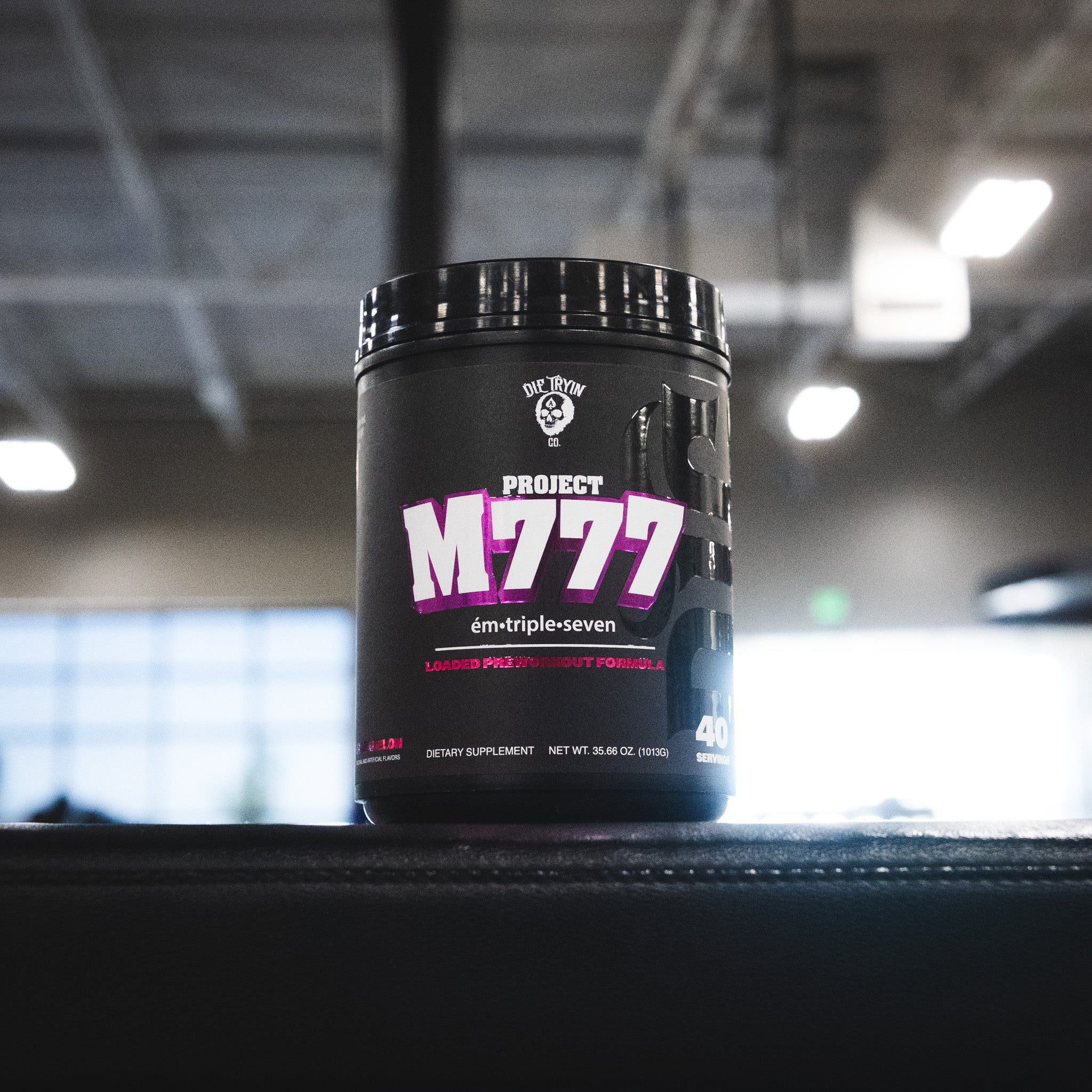
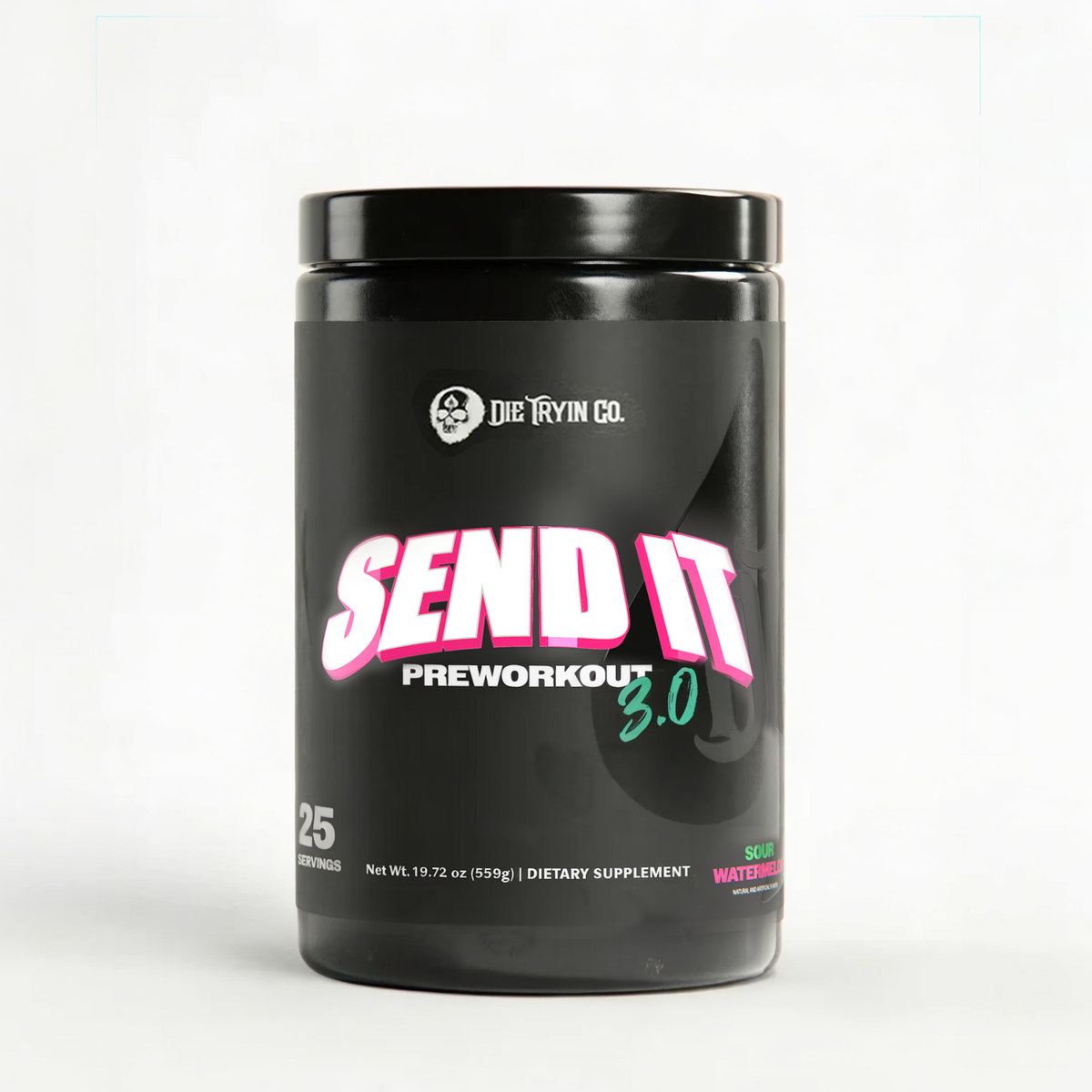
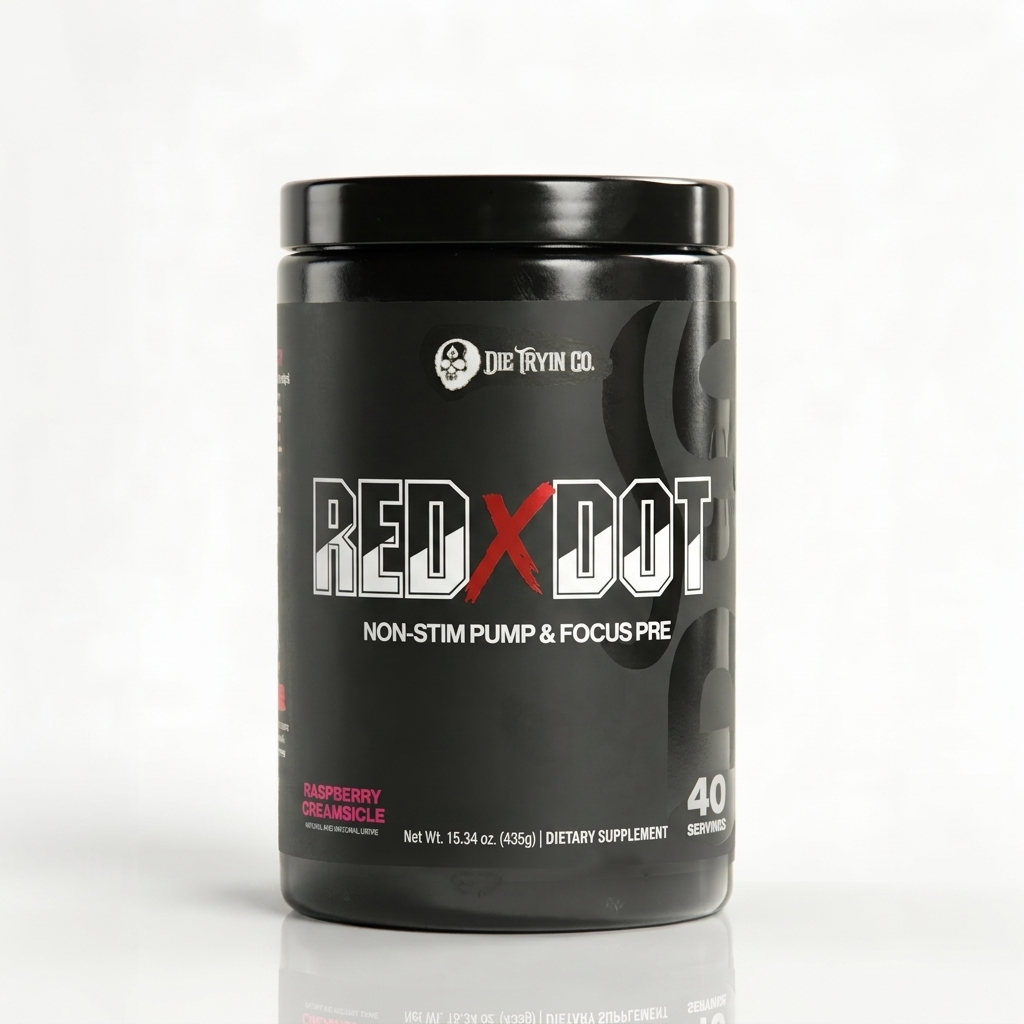
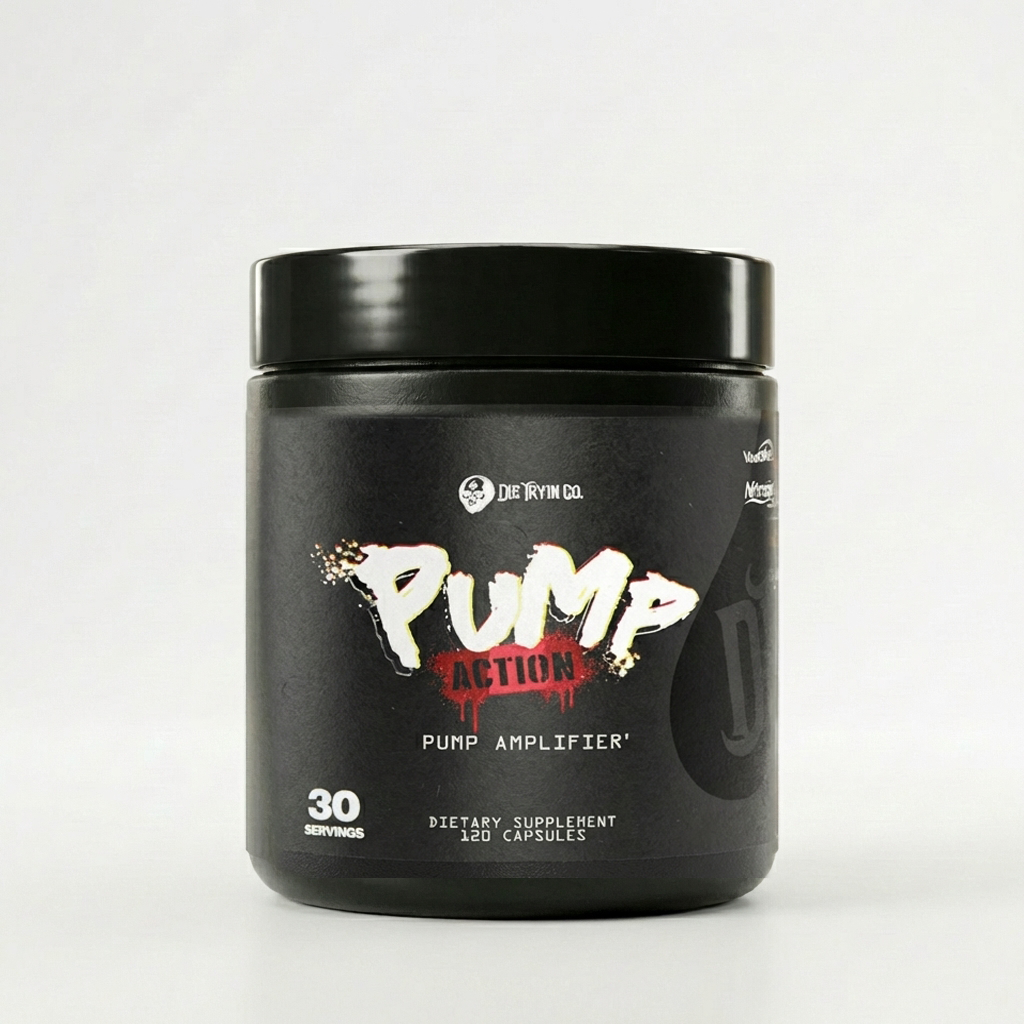
Straight answer, no hedging. Vasodilator ingredients like L-Citrulline and Nitrosigine are studied for raising blood flow during a session. That is a training-quality play, and it is what stim-free formulas like Red Dot and Pump Action are built to do. We do not have good human evidence that taking a pump product after training speeds recovery, and we will not pretend otherwise to move units.
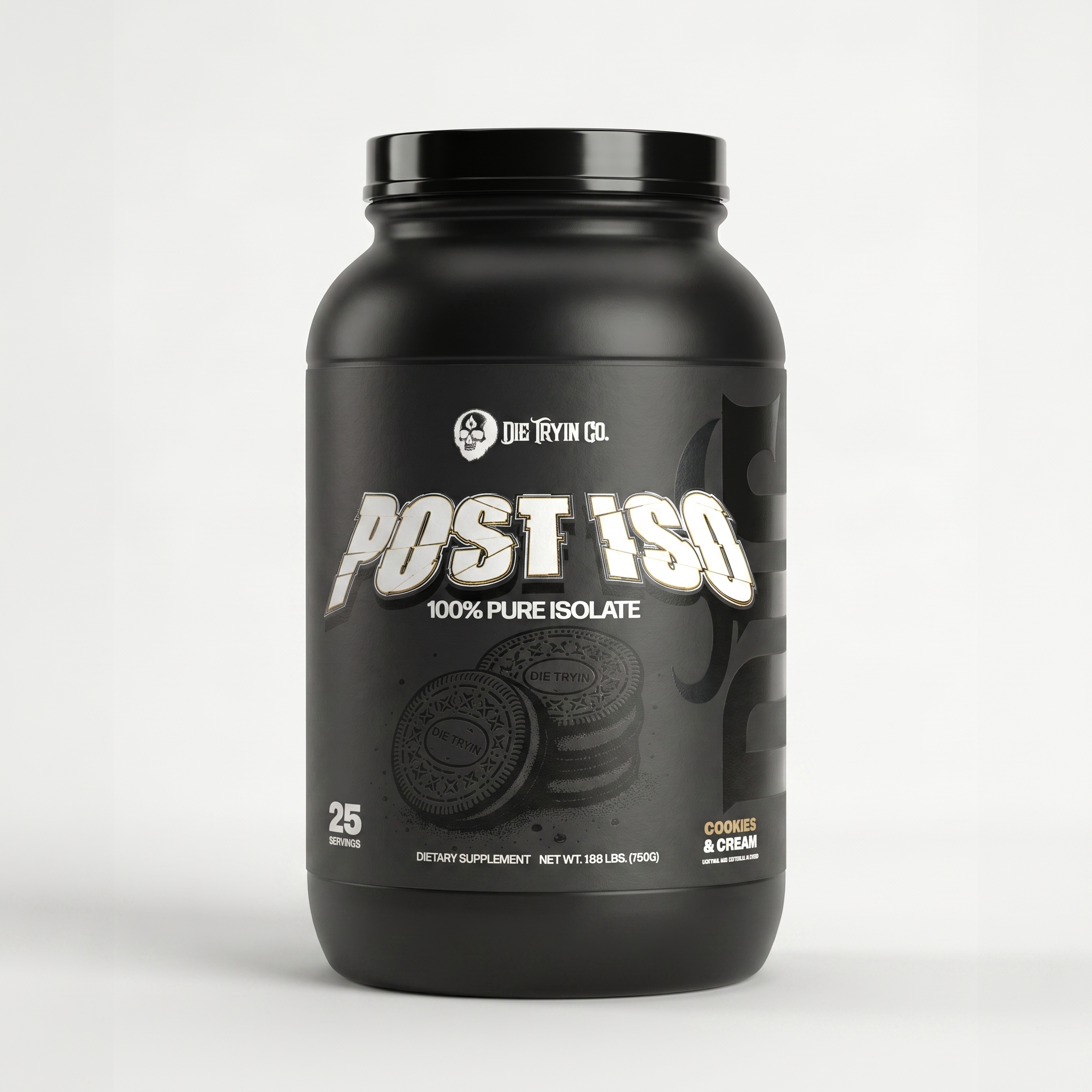
What research does support is unglamorous: total protein, total calories, hydration, consistency across weeks. Post Iso covers 24 grams of whey isolate, Creatine Monohydrate at 5g daily is still the most-studied training supplement on the shelf, and Aqua Spike handles electrolytes when you sweat hard. Basics beat hype. Timing details live in the pre/intra/post supplement guide and in does protein timing matter.
WHERE BLOOD-FLOW WORK ACTUALLY SITS
You do not need a full recovery ranking here, because the pillar already builds one. You need to know where circulation work lands inside it, and the answer is: last. Sleep, food and load management own the effect size. Blood flow is the truck, protein is the cargo, and no truck fixes an empty warehouse. Program deloads on purpose, protect sleep, and treat sleeves and guns as the last five percent, not the first move. More in the most overlooked part of training.
FREQUENTLY ASKED QUESTIONS
Does increasing blood flow actually speed up recovery?
Blood flow is required for recovery, but your body already elevates it after training without help. Tools claiming to raise it further produce small effects at best, and one of them, massage, was measured reducing muscle blood flow compared with simply resting.
What is the best way to increase blood flow for recovery?
Low-intensity movement. Walking, easy cycling and unloaded full-range work use your own skeletal muscle pump instead of a device, and they carry the strongest soreness data of the circulation tools. Keep it conversational so it adds no fatigue.
Do compression sleeves work?
Modestly, and mostly for strength. Pooled data across 23 studies shows a small overall benefit, clearest on strength recovery in the 2-to-8-hour and 24-plus-hour windows after lifting. Useful for back-to-back heavy days, no substitute for sleep.
Does foam rolling flush out lactic acid?
No. Lactate returns near baseline within about an hour, long before soreness peaks at 24 to 48 hours. Rolling can reduce how sore you feel, which has real value for showing up tomorrow, but it is not clearing acid out of your muscles.
Do pump ingredients help me recover?
They are studied for the session, not for after it. L-Citrulline and Nitrosigine are used to support blood flow while you train. Research does not support taking a pump product post-workout to speed recovery, so we position them as training tools.
When does soreness mean something is actually wrong?
Soreness that fades inside 72 hours is normal training stress. Soreness that stacks week over week alongside falling performance, broken sleep and dead motivation is a load problem, not a circulation problem. Run the overtraining checklist and pull the load back.
READY TO GEAR UP?
Recovery is built on basics executed daily, not the newest device. What we stand behind:
- Post Iso — 24g whey isolate with DigeZyme enzymes. The cargo your circulation carries.
- Creatine Monohydrate — 5g micronized, daily.
- Aqua Spike — electrolytes for hot sessions and sauna days.
- Collagen Peptides — connective tissue support when joints take the beating.
- Glutamine — 5g standalone for lifters running high volume.
- Omega — fish oil for days your diet misses.
- Red Dot and Pump Action — stim-free blood flow for the session, labeled honestly.
- Take the quiz if you want a stack matched to your training, not to a trend.
Move on your off days. Eat like you train. Sleep like it is part of the program. Everything else is a rounding error. Train smart. Train hard.
ALWAYS FORWARD.
GEAR THAT FITS THIS POST
The products this article actually talks about. Real doses, disclosed labels, veteran owned.

Read more
The no-BS recovery playbook — sleep, stress, nutrition, modalities, and the framework that ties it all together. Recovery is where growth actually happens.
Cardio is not the enemy of your gains. The lifter case for conditioning: what it does for recovery, work capacity, and health.
Five minutes on a treadmill is not a warm-up. Here is the four-phase ramp that actually preps you to lift heavy, plus what the research says about foam rolling and static stretching.
Most lifters asking if they're overtraining are actually overreaching, and there are two kinds. Here's how to tell which one you're in, and what to do about it.
The complete hydration playbook: how much water you actually need, what dehydration does to your performance, and how to hydrate around hard training.
Cold water fires up your sympathetic nervous system, which makes it excellent in the morning and a problem right after you lift. Here is the timing that decides which one you get.