



Overtraining Symptoms: Are You Actually Overtrained?
By Jon Klipstein, U.S. Army Combat Veteran & Founder of Die Tryin Co.
Science reviewed by Onur Oncer, BS Physiology and peer-reviewed published researcher.
OVERTRAINING SYMPTOMS ARE EASY TO MISREAD
Most people asking "am I overtraining?" are not overtrained. They are under-fed, under-slept, or carrying a life-stress load they haven't accounted for, and training is just the thing that made it obvious.
Here's the truth: true overtraining syndrome is rare, and it's a diagnosis of exclusion. What lifters actually run into is overreaching, and there are two kinds of it. One version builds you. The other buries you. Almost nobody explains the difference, which is why the same tired symptom list gets copy-pasted across the internet with no way to act on it.
This post is the diagnostic, not the recovery program. The complete recovery guide covers the system you build so this doesn't happen. Signs your body needs a break covers the gut-check on any given week. What follows is how you tell exactly where you are on the scale, using markers instead of vibes. Four stages, six markers, and one self-check you can run in fourteen days.
| STAGE | HOW LONG THE DIP LASTS | WHAT YOU'D NOTICE | RESPONSE |
|---|---|---|---|
| Normal training fatigue | Hours to 3 days | Sore and tired, but the lifts still move | Nothing. Eat, sleep, keep training. |
| Functional overreaching (planned, useful) | Days to about 2 weeks | Performance dips during a hard block, then rebounds higher after rest | Finish the block, then take the planned deload |
| Non-functional overreaching (a problem) | Weeks to months | Performance stalls or drops with no rebound. Sleep, mood, and appetite go sideways. | Cut volume hard. Fix food and sleep before you touch the program. |
| Overtraining syndrome (rare, clinical) | Months or longer | Prolonged underperformance plus systemic symptoms, with other causes ruled out | Stop self-diagnosing. See a physician. |
OVERREACHING IS NOT OVERTRAINING
The 2013 joint consensus statement from the European College of Sport Science and the American College of Sports Medicine draws the line as clearly as it gets drawn. Successful training has to involve overload. It also has to avoid the combination of excessive overload plus inadequate recovery. When you get that balance right, a short-term drop in performance shows up with no lasting damage, and performance improves once you recover. That's functional overreaching. It's supposed to happen.
Stop respecting the balance and the same fatigue turns into non-functional overreaching. The dip stops paying you back. Recovery stretches from days into weeks or months, and you get nothing for it. Overtraining syndrome sits past that again, and per the consensus statement the split between non-functional overreaching and overtraining syndrome is genuinely difficult, resting on clinical outcome and exclusion diagnosis rather than any single test.
For lifters specifically, the odds are on your side. A 2020 scoping review in the Journal of Sports Sciences went looking for overreaching and overtraining across strength sports and resistance training, screened over a thousand records, and reported minimal evidence that true overtraining syndrome had occurred in the included studies. Both flavors of overreaching, yes. The full syndrome, barely. If you lift, you're almost certainly somewhere in the overreaching band, which is the good news, because that band responds to a week of doing less.
THE MARKERS THAT ACTUALLY MEAN SOMETHING
Here's the part the consensus statement is honest about and most blog posts skip. Hormones, performance tests, psychological questionnaires, biochemical and immune markers all get used, and none of them meet all the criteria to be generally accepted. There is no blood panel that prints the word "overtrained." What you have instead is your own baseline and the direction it's moving.
Six markers worth tracking:
- Performance. The one marker that isn't a feeling. Same lift, same load, fewer reps or visibly slower bar speed, across two or three sessions in a row.
- Resting heart rate. Taken the same way every morning, before you sit up. A sustained climb above your own normal counts. One bad night does not.
- Sleep. Rate it nightly and read the trend, not any single night. Hard training should make you sleep harder, not lighter and shorter.
- Mood and drive. Irritable, flat, motivation sliding week over week. Mood disturbance shows up consistently in the overtraining literature.
- Appetite. Usually it drops, which is exactly backwards. A hard block should make you hungry.
- Soreness that won't clear. Not day-two soreness. Day five, day six, with the joints and tendons joining in.
One marker off is noise. Three or more moving the wrong way for two straight weeks, with no planned overload block to explain it, is signal. Where that signal sits on the scale is this post's job. What to change in the program once you know is covered in the deload breakdown.
HOW TO RUN THE SELF-CHECK
Fourteen days. Four data points. A wearable helps but nothing here requires one.
- Every morning before you get out of bed, take a 60-second pulse and write it down.
- Same moment, rate sleep quality and motivation 1 to 10. Two numbers, five seconds.
- Pick one indicator lift. Same movement, same load, once a week. Log reps or bar speed.
- Log calories and protein honestly for the full two weeks. Not a diet. Just data.
At day 14, look at the shape of it. Resting heart rate trending up, sleep and motivation trending down, the indicator lift going backwards, and protein or calories sitting under target? That isn't a mystery. That's your answer, and three of those four are fixable this week.
If the numbers hold steady and you just feel beat up, you're in a normal hard block. Keep going. The dip is doing its job, and the deload is already on the calendar.
WHAT'S USUALLY CAUSING IT (HINT: NOT THE TRAINING)
Volume gets blamed first because volume is the thing you can see on a spreadsheet. Most of the time the problem is upstream of the program.
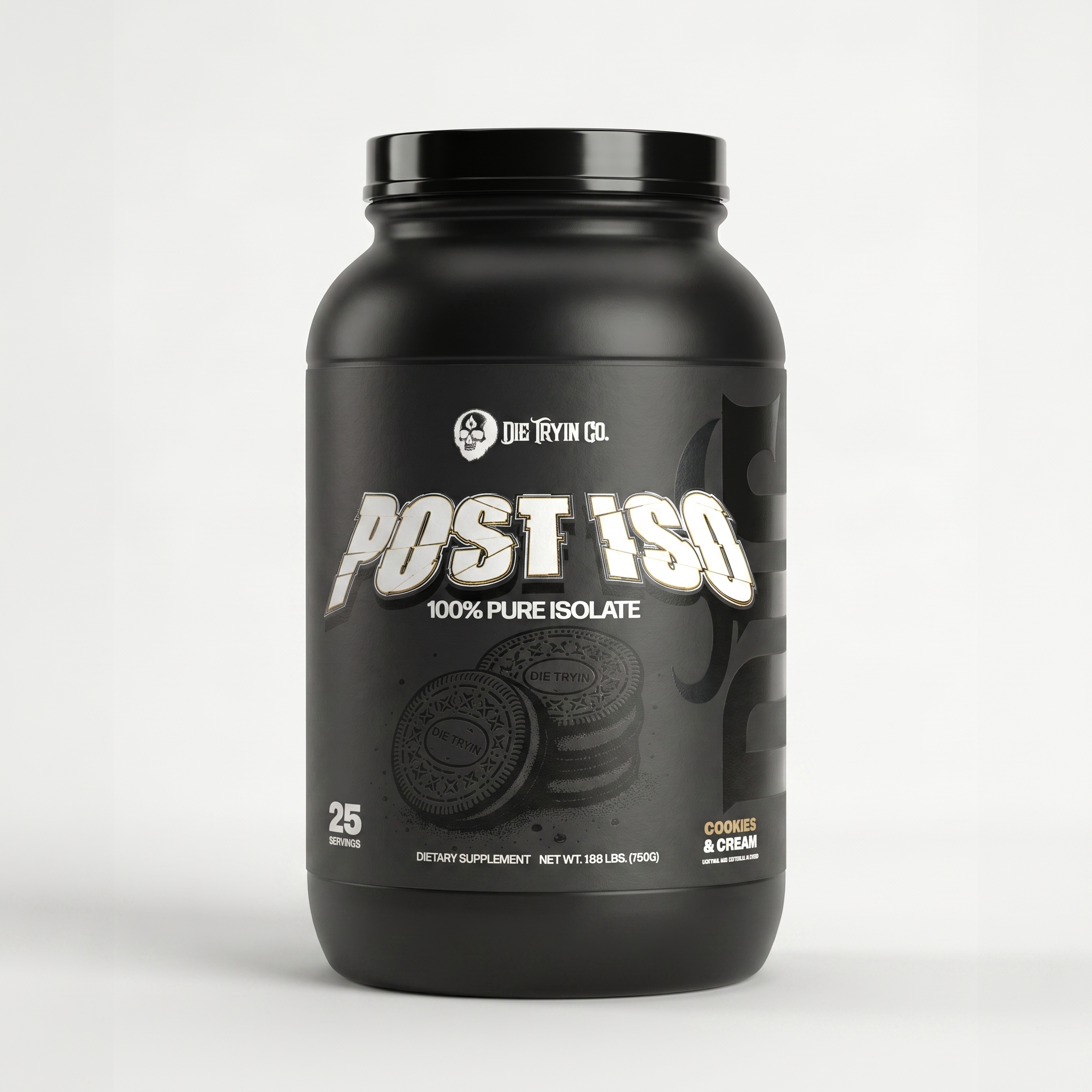
- Energy availability. The consensus statement puts caloric restriction and insufficient carbohydrate or protein intake on the list of things to rule out before anyone says the word overtraining. Cutting hard while training hard is the single most common way lifters manufacture these symptoms. Hit protein first, every day, food or Post Iso when food isn't happening.
- Sleep debt. Six hours a night for three weeks can produce a lot of this list on its own, with zero change to your training.
- Life stress. Your body doesn't keep separate ledgers for deadlines and deadlifts. It's one bucket, and training is usually the first place the overflow shows. Cortisol, stress, and recovery goes deeper on the mechanism.
- Stimulants covering the signal. Escalating your pre-workout dose to feel normal is not a tolerance problem, it's a recovery problem wearing a costume. Read should you take pre-workout every session before you scoop heavier.
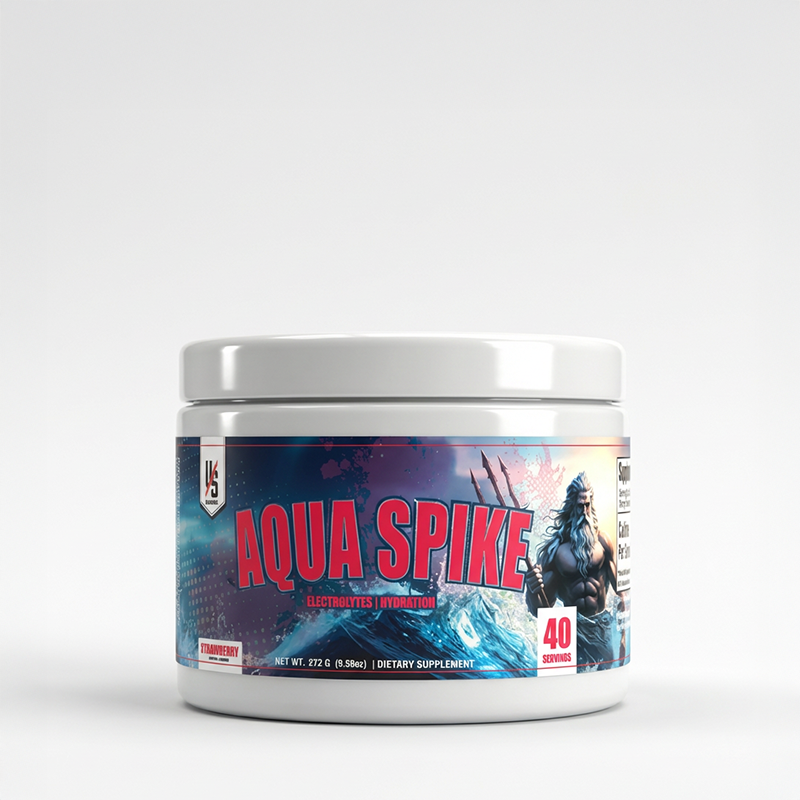
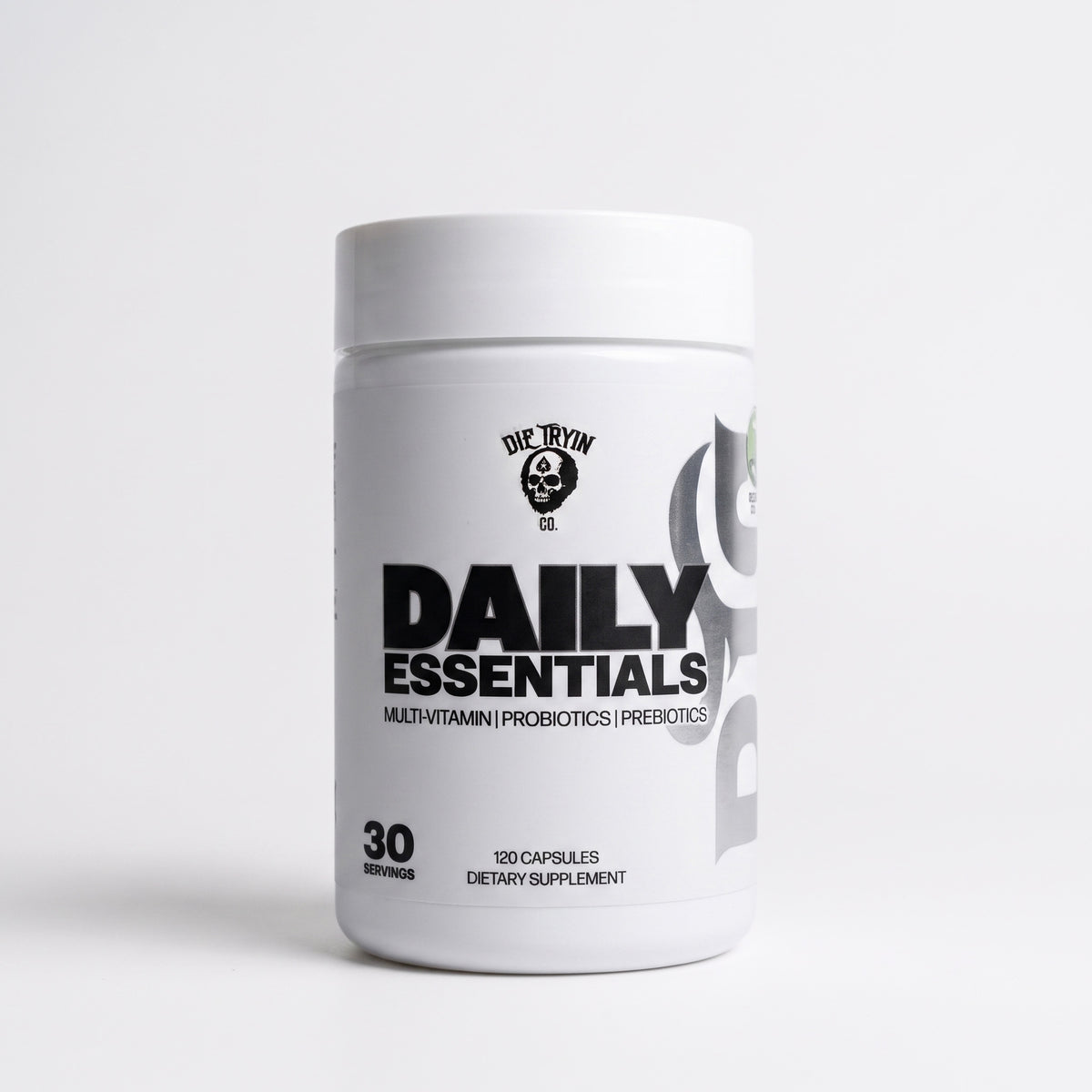
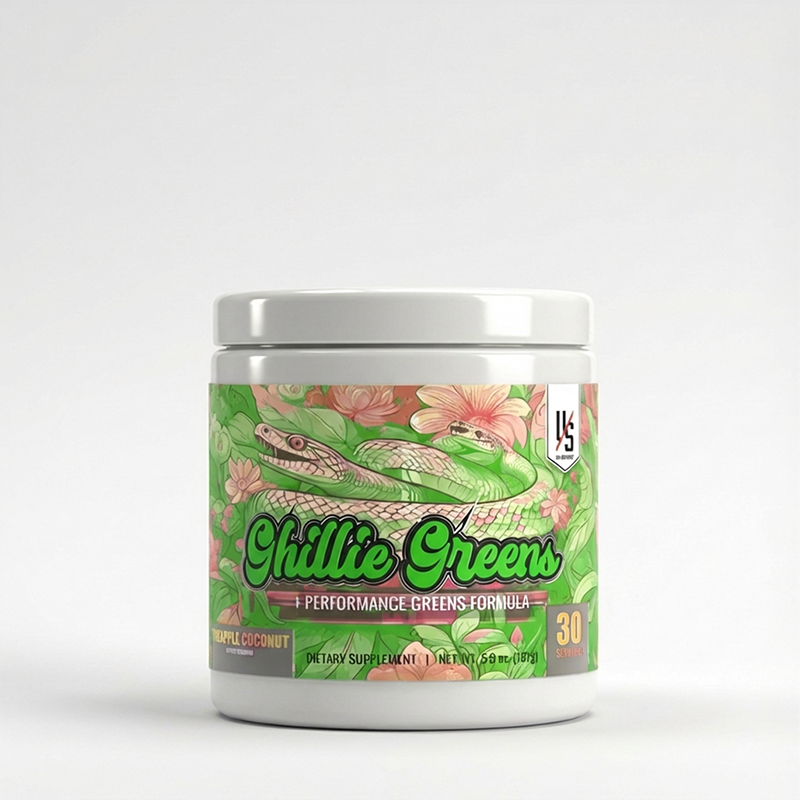
- Hydration and micronutrients. Heavy sweat loss and a small cutting-phase food volume make both easy to miss. Aqua Spike handles electrolytes, Daily Essentials and Ghillie Greens cover the gaps a shrinking plate leaves behind.
Fix the inputs before you rewrite the program. Most of the time the program was never the problem.
WHAT TO DO WHEN YOU'RE THERE
Match the response to the stage. Don't take three weeks off because you had one flat session, and don't grind through month two of a stall because you're afraid of losing progress.
- Normal fatigue: nothing changes. Eat, sleep, train.
- Functional overreaching: finish the block and take the deload you already planned. The dip is the point, and skipping the deload is what turns it into the next line down.
- Non-functional overreaching: cut working volume roughly in half for one to two weeks, or take three to seven days completely off. Keep intensity, drop the sets. Eat at maintenance or above and sleep like it's your job. Then rebuild.
- Suspected overtraining syndrome: stop self-diagnosing and go get evaluated.
That last one matters more than the rest. Persistent fatigue and underperformance have a long list of causes that have nothing to do with your split: iron deficiency, thyroid dysfunction, infection, depression, sleep apnea. The Sports Health practical guide on overtraining syndrome frames it as a clinical diagnosis reached only after ruling those out, usually with a history and limited lab work. If the symptoms are still there after two weeks of genuine rest and honest eating, that's a physician's call, not a blog's.
None of this is an argument for training soft. Hard blocks are supposed to hurt, and the dip that comes with a real overload phase is the mechanism, not the malfunction. The difference between a lifter who keeps progressing for a decade and one who burns out in eighteen months is not intensity. It's knowing which dip to push through and which one to answer. Consistency beats intensity, every time.
FREQUENTLY ASKED QUESTIONS
What are the most common overtraining symptoms?
Performance decline that doesn't rebound with rest, elevated resting heart rate, disrupted sleep, loss of motivation, reduced appetite, and soreness that lingers past a few days. Any one of those alone is normal life. Several of them together, holding for two weeks, is the pattern worth acting on.
How do I know if I'm overtraining or just tired?
Tired resolves with a few good nights and a real meal. Overreaching doesn't. Take three to seven days off and retest your indicator lift. If it comes back at or above where it was, you were tired and now you're recovered. If it's still down, you're further along the scale than you thought.
How long does it take to recover from overtraining?
Depends entirely on where you actually are. Functional overreaching resolves in days to about two weeks with a deload. Non-functional overreaching typically takes weeks to months. Overtraining syndrome is measured in months or longer, which is exactly why the distinction is worth making before you guess.
Does a higher resting heart rate mean I'm overtraining?
Not on its own. Resting heart rate rises with poor sleep, alcohol, illness, dehydration, caffeine timing, and heat. It's a useful marker only as a trend against your own baseline and only alongside the others. Research on overtraining markers is consistent on this point: no single measurement is diagnostic.
Can you overtrain from lifting weights alone?
You can absolutely overreach from lifting alone, and the 2020 scoping review found both functional and non-functional overreaching documented in resistance-training populations. Full overtraining syndrome from lifting alone appears to be rare in the published literature. Most lifters chasing that label are in the fixable band.
Should I take supplements if I think I'm overtraining?
Supplements don't fix an under-recovery problem, and nothing on our shelf is built to. Protein, hydration, and micronutrient coverage support recovery once you've actually created the conditions for it. Sleep, food, and less volume come first. A protein shake at 1,200 calories and five hours of sleep is not a plan.
Is a deload the same thing as a rest week?
Not quite. A deload keeps you in the gym with reduced volume, and often reduced intensity, so you hold the movement pattern while fatigue drains off. A rest week is nothing. Deload first when you're functionally overreached. Save the full week off for when the deload didn't take.
READY TO GEAR UP?
Recovery is built from inputs, not products. These cover the inputs most lifters miss when the training is going hard.
- Hitting protein when food isn't happening: Post Iso, 24g whey isolate with DigeZyme enzymes
- Training capacity and daily saturation: Creatine Monohydrate, 5g micronized, no novel-form marketing
- Heavy-sweat sessions and daily hydration: Aqua Spike
- Micronutrient coverage on a cut: Daily Essentials plus Ghillie Greens
- Off days and deload weeks: Straight Leg Joggers, for the days the plan says do nothing
- Not sure where to start: take the supplement quiz
Track the markers. Answer what they tell you. Then get back under the bar.
ALWAYS FORWARD.
GEAR THAT FITS THIS POST
The products this article actually talks about. Real doses, disclosed labels, veteran owned.
Read more
The no-BS recovery playbook — sleep, stress, nutrition, modalities, and the framework that ties it all together. Recovery is where growth actually happens.
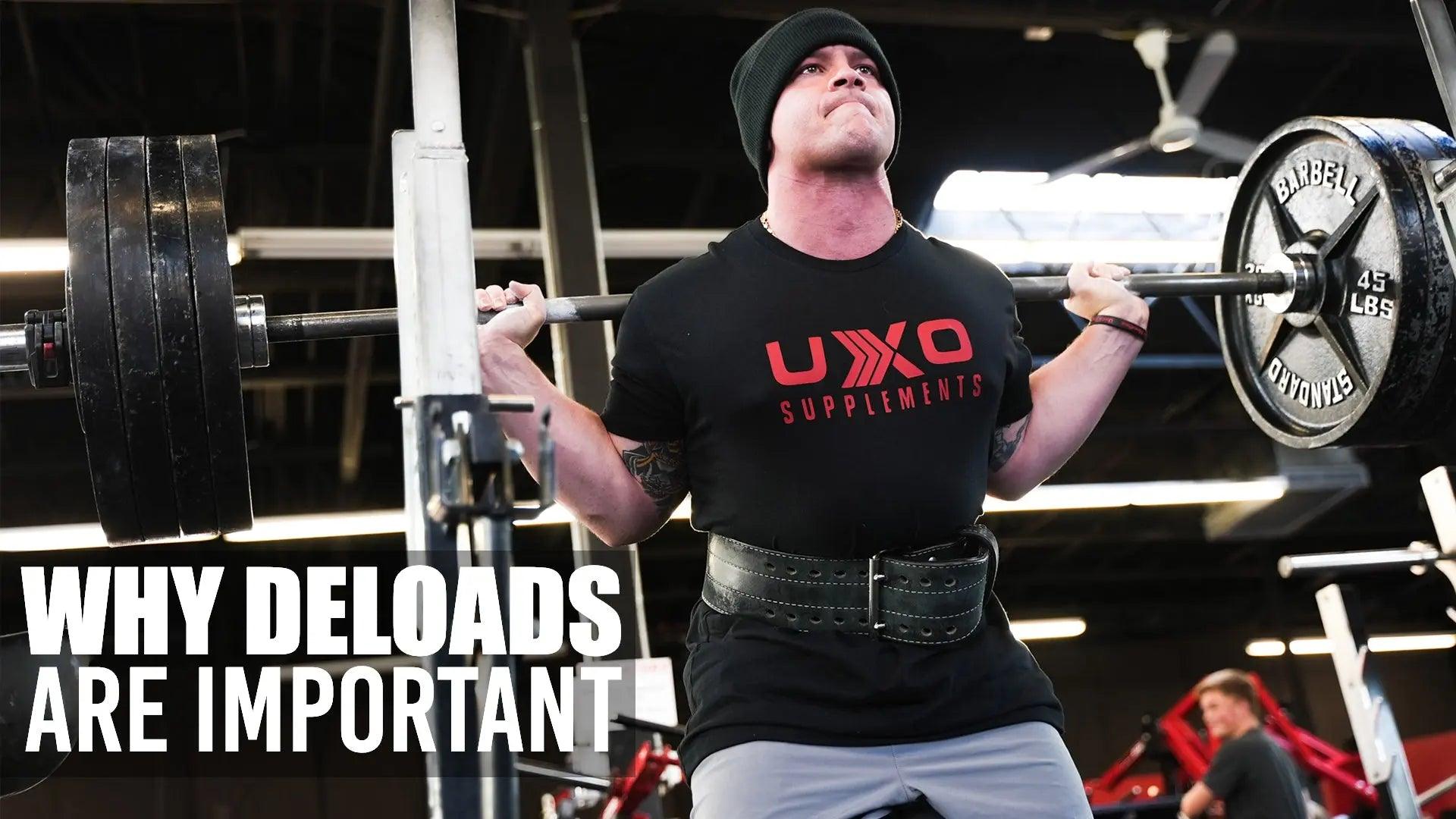
Recovery is the other half of adaptation. The signals you need a deload, and exactly how to run one without losing progress.
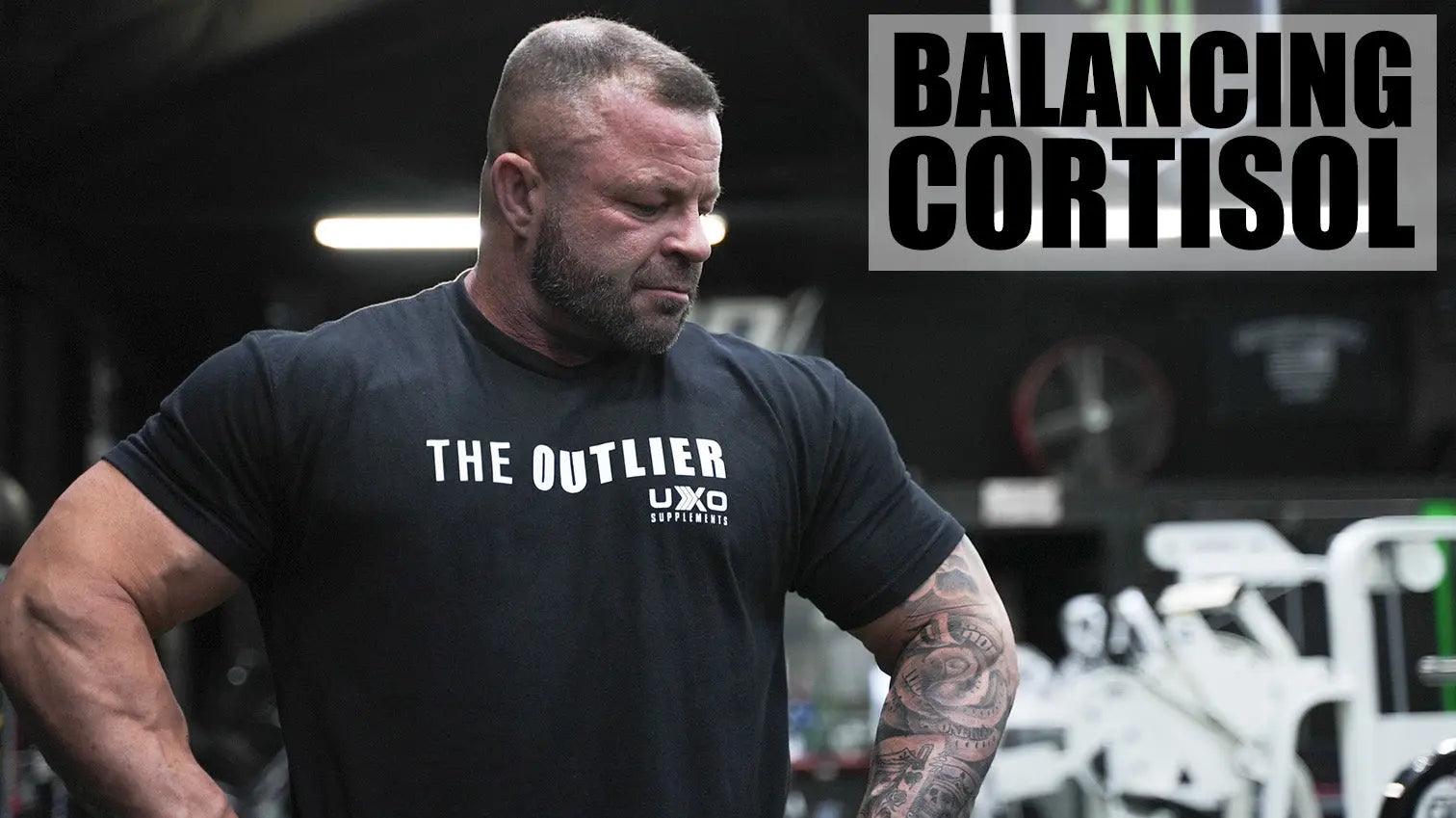
Chronic high cortisol breaks sleep, drives belly fat, and tanks recovery. The honest physiology + evidence-based strategies to normalize HPA axis function.
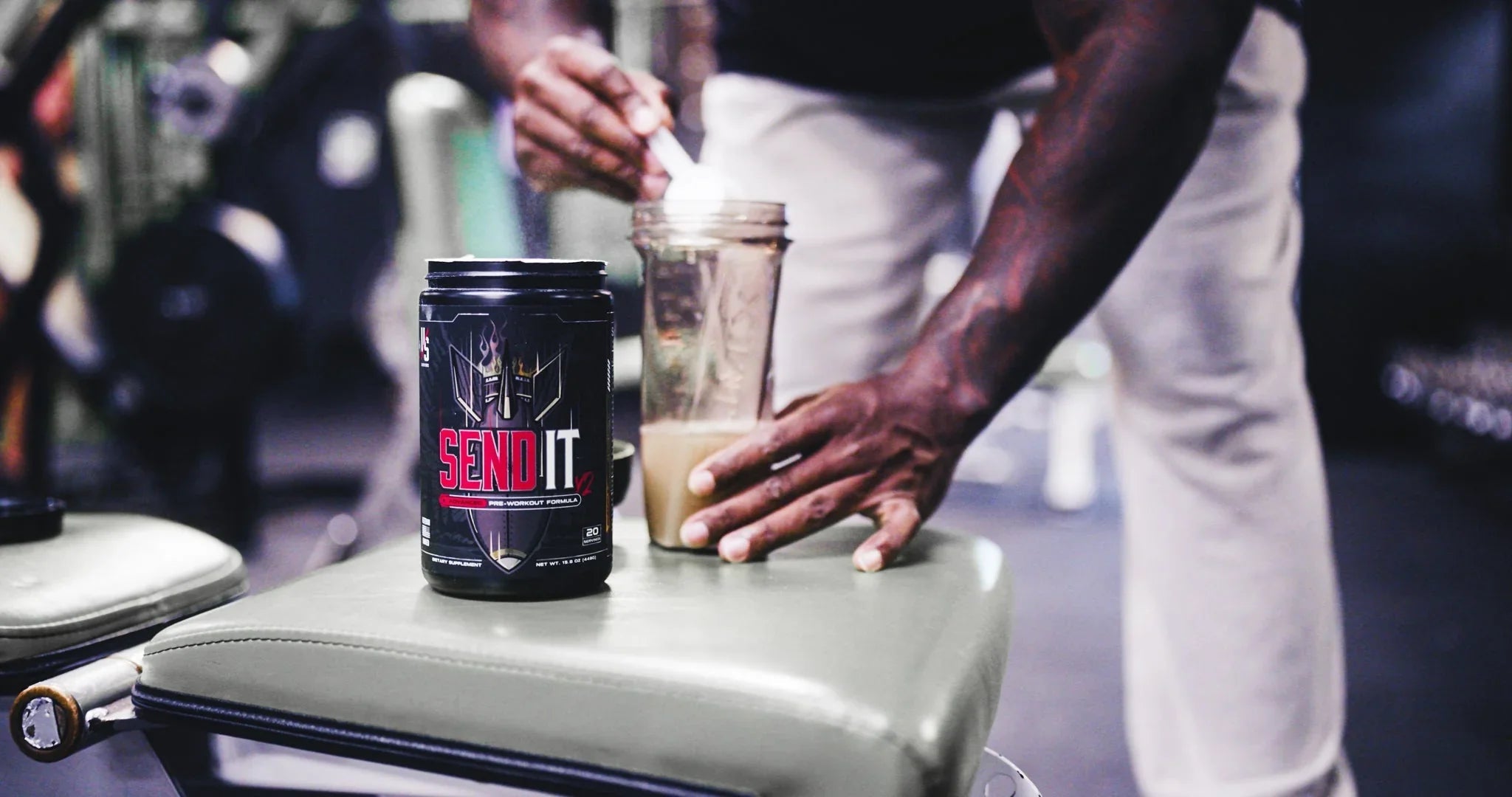
Pre-workout every day — yes or no? The honest answer depends on caffeine dose, training week, and whether you cycle. The smarter framework: match the formula to the day.
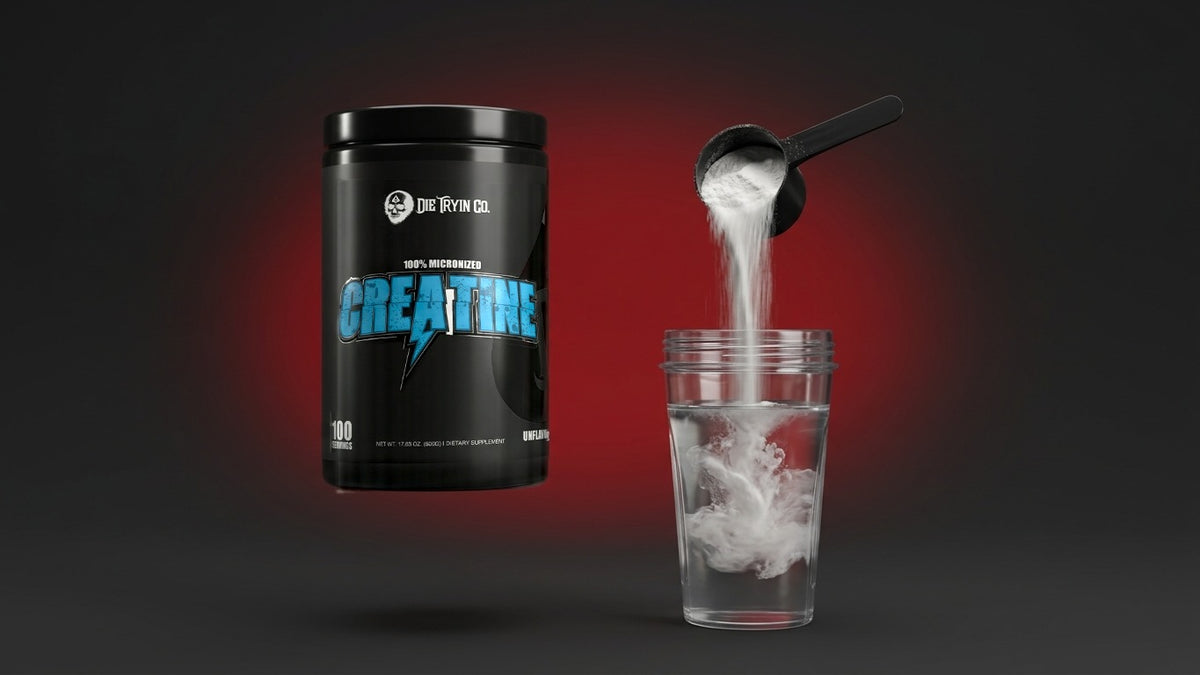
Your gut lining runs the same creatine energy system as your muscles. Here is what the research shows on stomach upset, IBS, colitis and leaky gut, and exactly where the human evidence stops.

Creatine gummies can work if the creatine is actually in them, and lab tests keep finding it often is not. Here is why a scoop of Creatine Monohydrate powder still wins.