



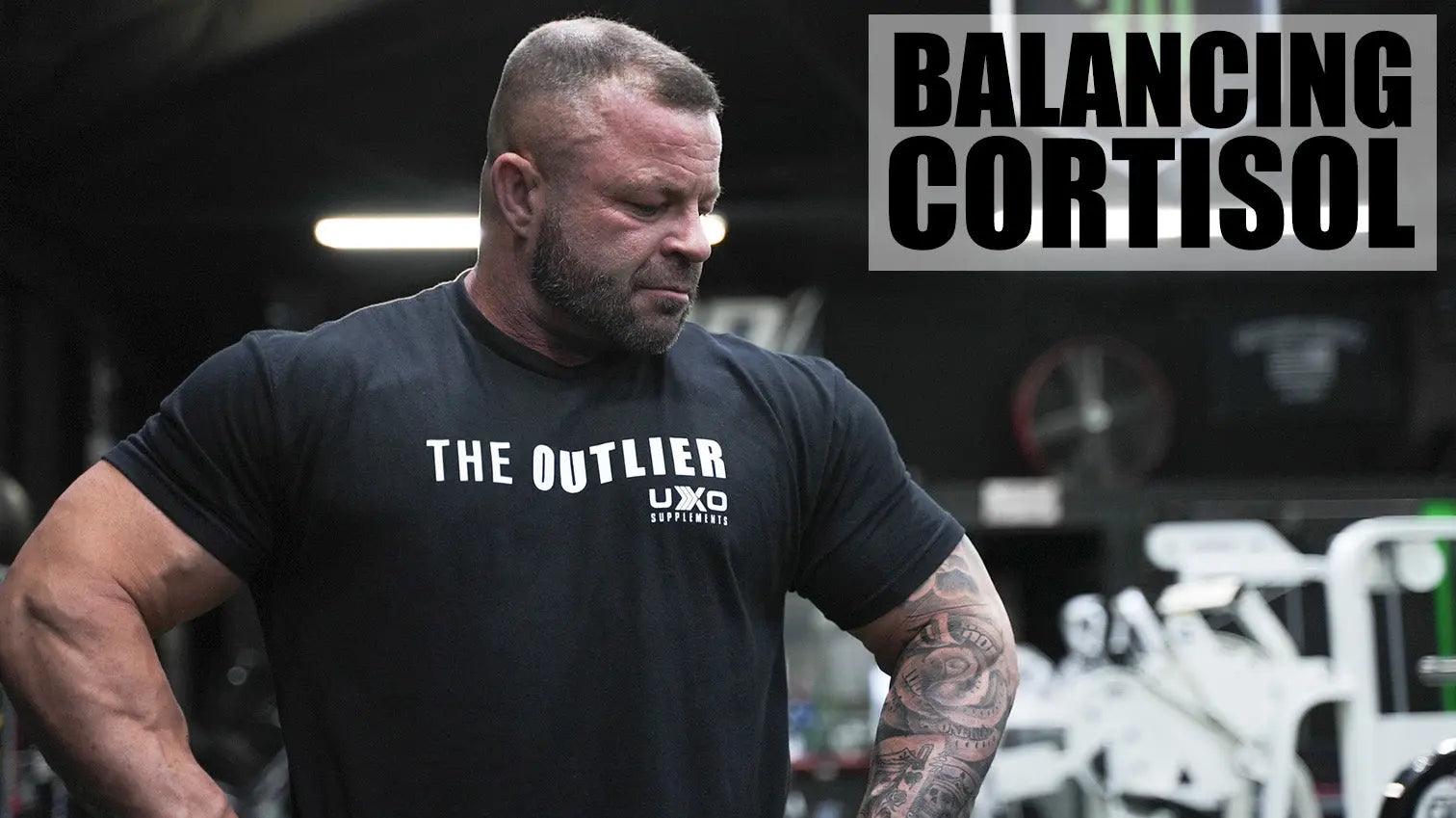
Balancing Cortisol: Stress, Sleep, and Recovery
By Jon Klipstein, U.S. Army Combat Veteran & Founder of Die Tryin Co.
Science reviewed by Onur Oncer, BS Physiology and peer-reviewed published researcher.
CORTISOL: THE HORMONE THAT KEEPS YOU ALIVE — UNTIL IT DOESN'T
Cortisol is a powerful hormone necessary for life. In short bursts, it sharpens memory, mobilizes energy, suppresses inflammation, and helps you respond to stress. The problem isn't cortisol itself — it's chronic elevation. When stress doesn't stop, cortisol doesn't stop either, and what's helpful in short bursts becomes destructive over months and years.
This is the breakdown of how cortisol actually works, what chronically high cortisol looks like, and the honest strategies to bring it back into a healthy rhythm. No pseudoscience, no "adrenal fatigue" diagnosis (more on why that's not a real condition below), just the actual physiology.
WHAT CORTISOL DOES (THE RESEARCH-BACKED VERSION)
Cortisol is produced in the adrenal cortex and released in response to signaling from the brain’s hypothalamus and pituitary — together called the HPA axis (hypothalamic-pituitary-adrenal axis). It’s the central stress-response system in the body (Tsigos & Chrousos, Endotext).
In normal function, cortisol:
- Regulates blood sugar via gluconeogenesis (making glucose from protein/fat)
- Helps metabolize fats, proteins, and carbohydrates
- Suppresses inflammation acutely (which is why steroid medications mimic cortisol)
- Sharpens cognition in short bursts (the "stress response" effect)
- Boosts short-term immune response
- Sets your circadian rhythm via morning peak and evening trough
All of these are essential functions. Cortisol isn’t "bad." The issue is when the system stays activated for weeks, months, or years without recovery.
THE "ADRENAL FATIGUE" MYTH (AND WHAT'S ACTUALLY HAPPENING)
You may have heard the term "adrenal fatigue" used in fitness and functional medicine circles to describe what happens after chronic stress. Adrenal fatigue is not a recognized medical diagnosis. The Endocrine Society and mainstream endocrinology research don’t support it as a clinical condition.
What IS real and well-documented is HPA axis dysregulation — persistent overactivation of the stress response system that disrupts normal cortisol rhythms, signaling, and downstream hormone production. This is what people are usually describing when they say "adrenal fatigue."
The distinction matters because "adrenal fatigue" frames the problem as adrenal glands being "tired" (they’re not) and steers people toward unproven treatments. HPA axis dysregulation correctly identifies the system that’s actually affected and points to evidence-based interventions: stress management, sleep quality, recovery, and targeted supplementation that supports the system upstream rather than treating phantom "fatigue."
SIGNS OF CHRONICALLY ELEVATED CORTISOL
| SYMPTOM | WHAT'S HAPPENING |
|---|---|
| Abdominal fat accumulation | Cortisol promotes visceral fat storage; linked to metabolic syndrome and cardiovascular risk over time |
| Cravings for calorie-dense foods | Cortisol affects leptin and insulin signaling; chronic elevation drives appetite for high-sugar/high-fat foods |
| "Tired but wired" at bedtime | Cortisol should drop at night; chronic elevation flattens the natural rhythm and disrupts sleep onset |
| Reduced exercise recovery | Chronic cortisol suppresses muscle protein synthesis, slows tissue repair, and increases injury risk |
| Suppressed testosterone | High cortisol downregulates testosterone production via the HPG axis |
| Persistent fatigue + irritability | HPA axis dysregulation affects neurotransmitter balance and mood |
| Weakened immune function | Acute cortisol enhances immune function; chronic cortisol suppresses it |
CORTISOL AND THE CIRCADIAN RHYTHM
Healthy cortisol follows a daily pattern called the cortisol awakening response. Levels are highest 30–60 minutes after waking, triggered by morning light. They taper through the day and should reach their lowest point around bedtime.
Melatonin runs the inverse rhythm: low in the morning, rising as daylight fades to prepare you for sleep. The two hormones working in opposition is the foundation of normal sleep-wake regulation.
When stress is chronic, the curve flattens. Morning cortisol drops (you wake up exhausted instead of energized), evening cortisol stays elevated (you can’t fall asleep), and the rhythm that’s supposed to govern your energy through the day stops functioning. That’s the "tired all day, wired at night" pattern.
HOW TO RESET YOUR CORTISOL RHYTHM
Evidence-based strategies for normalizing HPA axis function:
1. Manage your stress response (not just the stressors)
Stressors are often outside your control. Your response to them isn’t. Daily practices like 10-minute breathwork, brief meditation, journaling, or even structured walks support nervous system recovery. The goal isn’t to eliminate stress — it’s to build the capacity to recover from it.
2. Sleep on a consistent schedule
Going to bed and waking at the same time daily regulates the cortisol-melatonin rhythm. The body operates better on consistent inputs than on weekend-shift chaos. Aim for 7–9 hours nightly; less than 6 hours blunts the entire cortisol cycle.
3. Use light strategically
Get 10+ minutes of direct outdoor sunlight within an hour of waking — this anchors the cortisol awakening response. Dim lights and reduce screen exposure 1–2 hours before bed to support the natural cortisol drop. This is the strongest free intervention available.
4. Be smart about naps
Short power naps (20 minutes) early-to-mid afternoon can actually improve alertness without disrupting nighttime sleep. Avoid long naps (60+ minutes) close to bedtime — those interfere with the natural evening cortisol drop. If you’re napping every day to function, that’s a signal of HPA axis dysregulation that needs addressing.
5. Front-load calories
Some research suggests eating larger meals earlier in the day supports circadian alignment, while heavy meals close to bedtime can elevate evening cortisol. Effect size is modest but consistent across studies.
6. Strategic caffeine use
Caffeine activates the HPA axis and elevates cortisol. Tolerance to the morning cortisol spike develops within ~5 days of daily use, but afternoon caffeine still produces elevation regardless of habituation (Lovallo et al., 2005). Translation: morning coffee = mostly fine; 4 p.m. pre-workout coffee = sleep disruption. Cut caffeine after 12-2 p.m. if you’re working on cortisol normalization.
WHERE ALPHA+ FITS
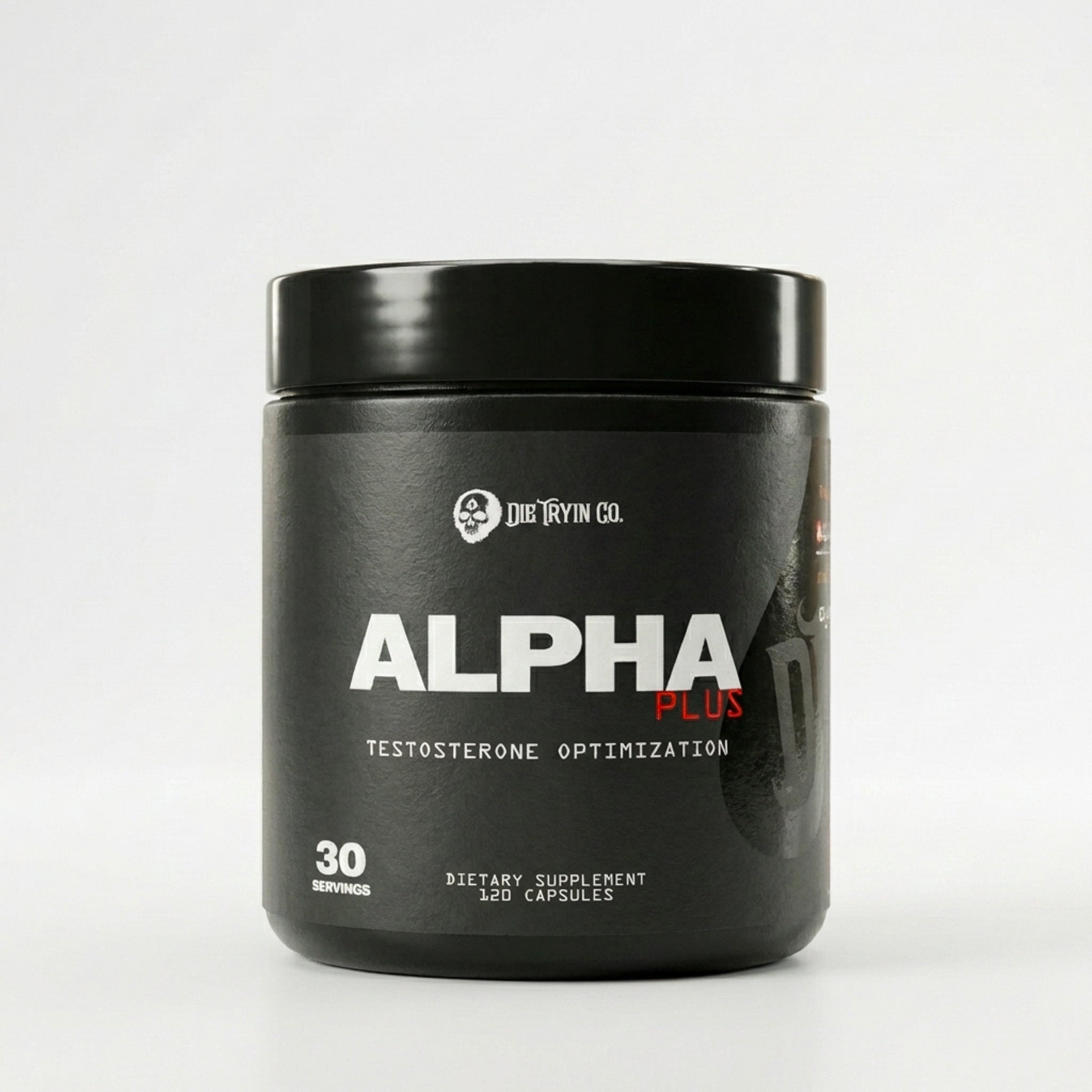
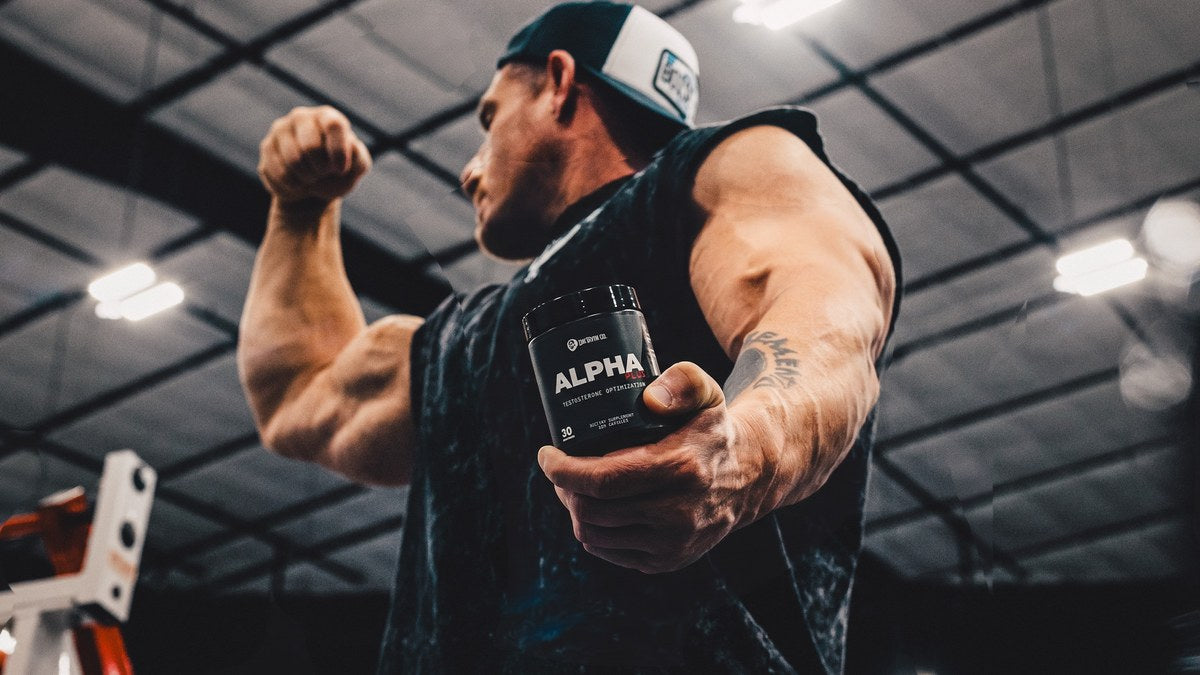
If you’re training hard, dealing with chronic stress, and noticing the cortisol pattern (abdominal fat, sleep issues, low energy, blunted recovery), targeted supplementation can support HPA axis function. Alpha+ is built specifically around ingredients with research-backed effects on cortisol, stress response, and downstream hormone production.
The headline ingredient: KSM-66® Ashwagandha (600mg) — a patented standardized extract with multiple human RCTs showing significant cortisol reduction in stressed adults. Wankhede et al. 2015 demonstrated significant reductions in serum cortisol alongside improvements in muscle strength and recovery in healthy resistance-trained adults (Wankhede et al., 2015).
The rest of Alpha+’s formula targets the broader system: Fenugreek (500mg) for aromatase modulation, Tongkat Ali (300mg) for stress-hormone management, PrimaVie® Shilajit (200mg) for hormonal support, DIM (150mg) for estrogen metabolism, plus Albion-chelated Magnesium + Zinc for the micronutrient floor that downstream hormone production depends on. Full Alpha+ ingredient breakdown: Testosterone Booster: Is It Right for You?
For the broader hormonal health framework: Ultimate Guide to Men’s Hormonal Health.
HONEST LIMITATIONS
No supplement fixes underlying stress. Alpha+ supports the system’s response to stress; it doesn’t replace sleep, training-load management, or actually addressing what’s causing chronic stress in your life. The supplements complement the lifestyle work — they don’t substitute for it.
Cortisol testing is more nuanced than home tests suggest. Salivary cortisol tests can show snapshots but don’t reliably diagnose HPA axis dysregulation without proper clinical context. If you suspect a real hormonal issue, get bloodwork through your doctor — not just an at-home cortisol kit.
"High cortisol" is a complex diagnosis. Cushing’s syndrome (pathologically high cortisol) is a real medical condition that requires diagnosis and treatment. If you have severe symptoms, talk to your doctor — don’t self-diagnose chronic cortisol elevation.
This post is educational, not medical advice. If you suspect a hormone or endocrine issue, work with your doctor for proper testing.
FAQ
What are signs my cortisol might be high?
Abdominal fat accumulation despite normal training and eating, "tired but wired" at bedtime, persistent cravings for calorie-dense foods, blunted exercise recovery, low testosterone signals (libido, mood, strength). None of these alone confirm high cortisol; the pattern matters. Get bloodwork if you suspect a real issue.
Does exercise raise cortisol?
Yes, acutely. Resistance training and high-intensity exercise both spike cortisol during the session. That’s normal and necessary for the adaptive response. The problem is chronic elevation when training volume is too high relative to recovery capacity — that’s overtraining territory. See Train Smarter, Not Harder.
How long does it take to normalize cortisol with the strategies above?
Consistent sleep schedule shows effects within 1–2 weeks. Stress management practices need 3–6 weeks to produce measurable cortisol changes in research studies. Supplementation with KSM-66 Ashwagandha shows effects within 8 weeks per the Wankhede 2015 protocol. Combine all of them; don’t expect overnight changes.
Will lowering cortisol boost testosterone?
Indirectly, yes — chronic high cortisol suppresses testosterone via the HPG (hypothalamic-pituitary-gonadal) axis. Normalizing cortisol removes one of the suppression signals. But testosterone production depends on multiple factors including sleep, body composition, micronutrient status, and age. Cortisol management is necessary but not sufficient on its own.
Can I just take ashwagandha alone?
Yes — KSM-66 alone has research support for cortisol reduction. The benefit of a stack like Alpha+ is hitting multiple parts of the system at once (stress hormones, estrogen metabolism, micronutrient floor) rather than just one pathway. For pure cortisol reduction without the broader testosterone-support angle, KSM-66 standalone works.
Are nighttime stress dreams a cortisol sign?
Sometimes — high evening cortisol disrupts deep sleep stages and is associated with more vivid/disturbing dreams. If you’re consistently waking from stress dreams and feeling unrested, that’s a signal to address the cortisol-circadian disruption pattern.
Does caffeine "crash" cortisol or raise it?
Raises it. Caffeine activates the HPA axis and elevates cortisol acutely. Tolerance develops to the morning spike within ~5 days; afternoon caffeine still produces cortisol elevation regardless of tolerance. Cap caffeine intake by early afternoon if you’re working on cortisol normalization.
READY TO GEAR UP?
The stack for cortisol-aware training and recovery:
- Alpha+ — KSM-66 Ashwagandha 600mg + Fenugreek + Tongkat Ali + PrimaVie Shilajit + DIM + chelated Mg/Zn for HPA axis + downstream hormone support
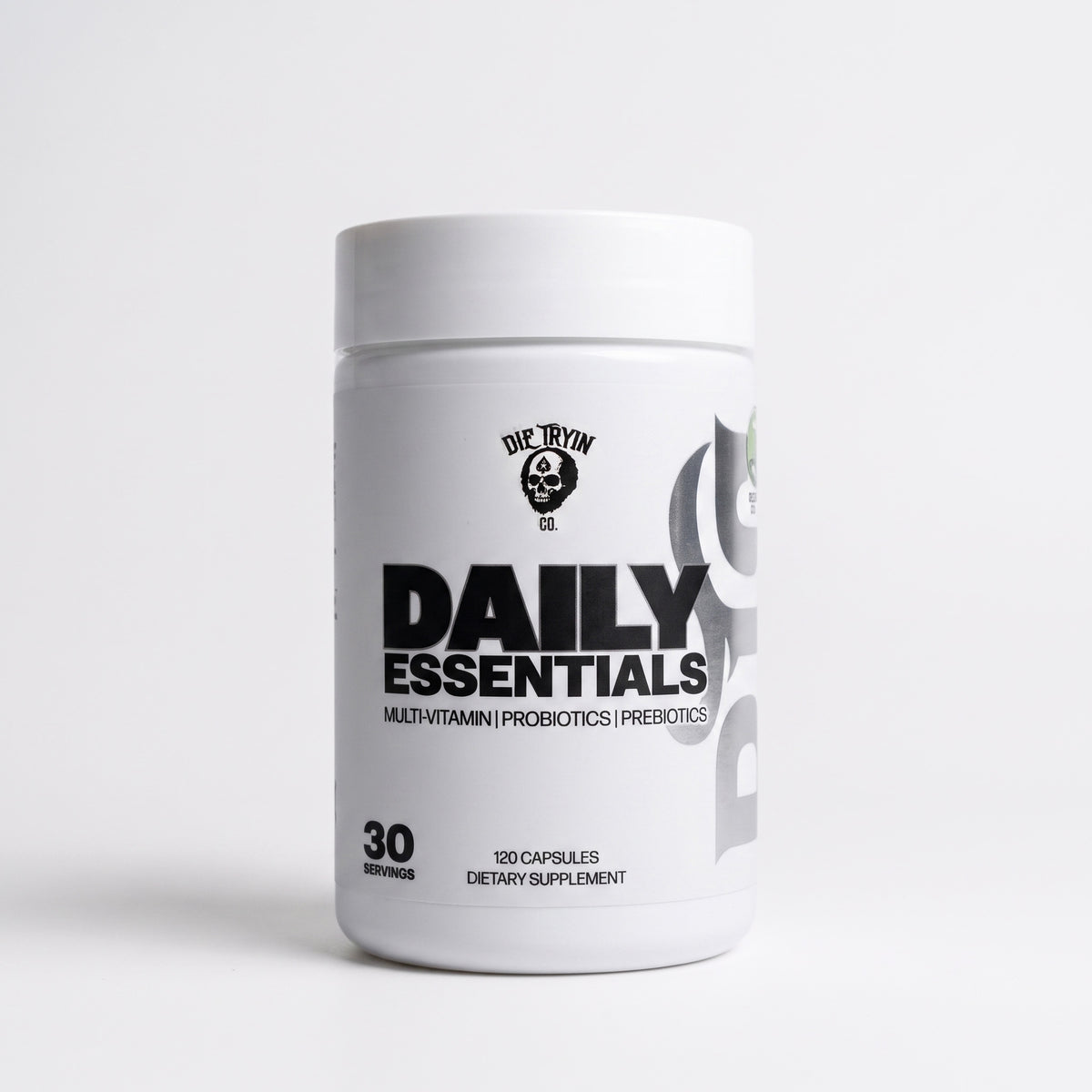
- Daily Essentials — premium chelated multi for the micronutrient floor downstream hormone production depends on
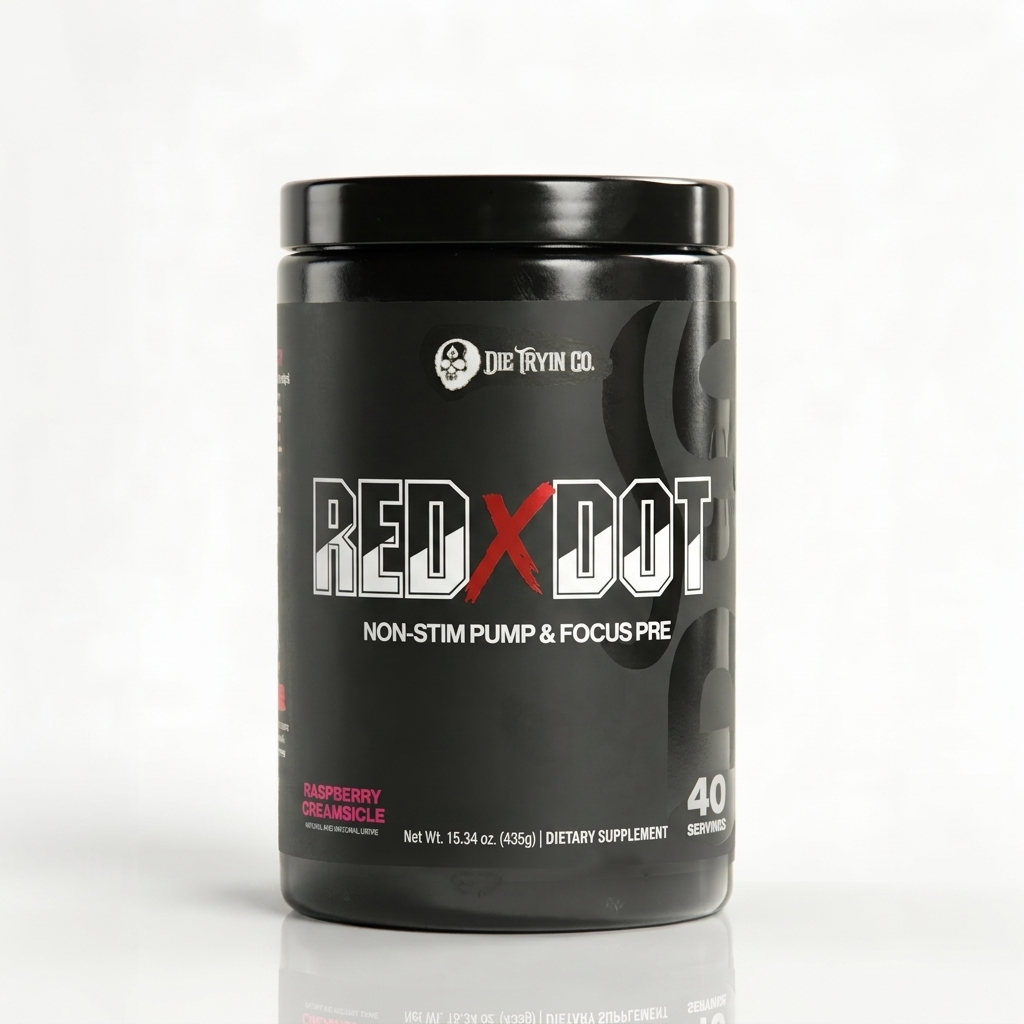
- Red Dot — stim-free pre-workout for the days you need a focus boost without piling caffeine onto an already-stressed HPA axis
For the bigger hormonal health picture: Ultimate Guide to Men’s Hormonal Health | Ultimate Guide to Recovery. For testosterone-specific deep-dive: Testosterone Booster: Is It Right for You?
Not sure where to start? Take the DTC supplement quiz — two minutes, dialed-in recommendation.
ALWAYS FORWARD.
GEAR THAT FITS THIS POST
The products this article actually talks about. Real doses, disclosed labels, veteran owned.
Read more
Most testosterone boosters don't work. Here's what the 2023 systematic review actually found — and what real-world habits move testosterone naturally.
The honest playbook for healthy testosterone — sleep, body composition, training, stress, and what the research really says about boosters. No hype.
Overtraining doesn't build faster results — it builds injuries and burnout. The minimum effective dose principle for training, recovery, and smart supplementation.
The no-BS recovery playbook — sleep, stress, nutrition, modalities, and the framework that ties it all together. Recovery is where growth actually happens.
Your gut lining runs the same creatine energy system as your muscles. Here is what the research shows on stomach upset, IBS, colitis and leaky gut, and exactly where the human evidence stops.

Creatine gummies can work if the creatine is actually in them, and lab tests keep finding it often is not. Here is why a scoop of Creatine Monohydrate powder still wins.