


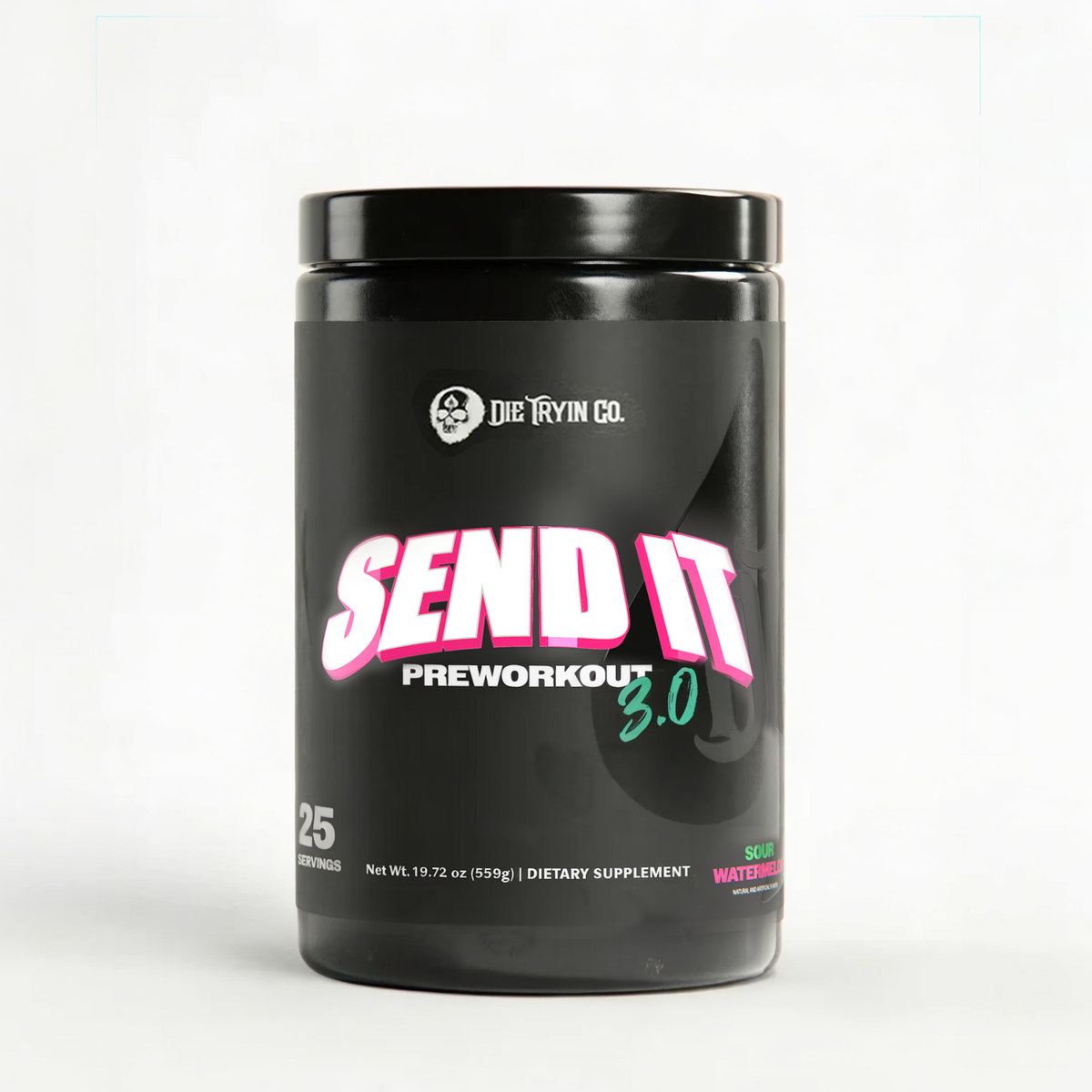
Train Smarter, Not Harder: The Minimum Effective Dose
By Jon Klipstein, U.S. Army Combat Veteran & Founder of Die Tryin Co.
Science reviewed by Onur Oncer, BS Physiology and peer-reviewed published researcher.
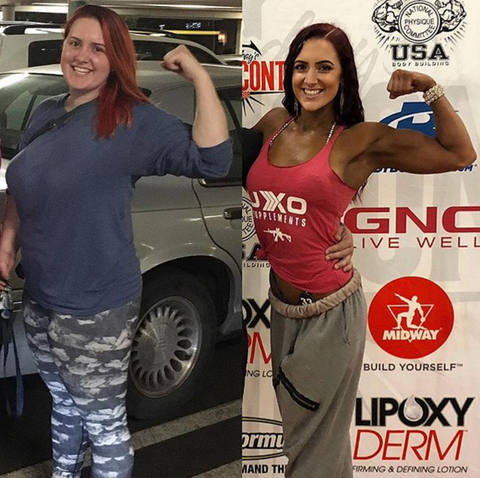
UXO Supplements is now Die Tryin Co.
MORE ISN'T BETTER. CONSISTENT IS BETTER.
New lifters are some of the most exciting people in the gym. Motivated, hungry, ready to make up for lost time. That energy is contagious — and it's also what drives one of the most common training mistakes: overtraining.
The logic feels right. "If 20 push-ups are good, 30 must be better." "If 35 pounds challenges me, 50 must really get me ripped." More work in less time. Faster results. Maximum effort, maximum payoff. The thinking goes like this: more is better.
Unfortunately, the body doesn't work that way. Pushed past what it can recover from, more training produces less progress, more injury risk, and eventually total burnout. The fix isn't training harder. It's training smarter — using the minimum effective dose to drive results without breaking yourself in the process.
WHAT "MINIMUM EFFECTIVE DOSE" ACTUALLY MEANS
Borrowed from pharmacology. The minimum effective dose (MED) is the smallest amount of a treatment needed to produce the desired result. Anything below MED produces nothing. Anything above MED produces the same result with diminishing returns — and at some point, side effects start outweighing benefits.
Apply the concept to medication: if 200mg of Advil kills your headache, you don't need to take 1,000mg. Taking 5x the effective dose doesn't make the headache go away faster — it just adds the risk of GI bleeding, kidney stress, and other side effects you don't need.
Training works the same way. There's an effective dose of volume, intensity, and frequency that drives muscle growth and strength gains. Below it, you stagnate. Above it, you burn out, get injured, or stop showing up.
WHY OVERTRAINING BACKFIRES
Pushing past your minimum effective dose costs you in three ways:
- Injury risk goes up. Connective tissue (tendons, ligaments) adapts slower than muscle. When you train past your body's recovery capacity, strains, tears, and overuse injuries become inevitable.
- Recovery quality goes down. Chronic high-volume training elevates cortisol, disrupts sleep, blunts immune function, and reduces muscle protein synthesis. You're putting in more effort and getting less back.
- Burnout becomes real. The most common reason new lifters quit isn't lack of results — it's exhaustion. They went too hard for the first 6 weeks, hit a wall, and never came back.
The wisest move — especially when you're starting — is to find a training dose you can sustain consistently for a year, not for a week. What you do every day matters more than what you do once in a while.
THE COMPOUND EFFECT OF CONSISTENCY
Daily training habits aren't always exciting. They don't always feel like progress. But the compound effect is real:
- 3 sets of squats, twice a week, for a year = ~300 quality sets stacked up
- 3 sets of squats, 4x a week with rage intensity, lasting 6 weeks before injury = ~72 sets and a torn knee
Same intent, vastly different outcomes. Consistency compounds. Bursts don't. Train within your minimum effective dose for years and you'll build a physique most all-or-nothing lifters never reach. For more on the mental side of this approach, see Ultimate Guide to Training Mindset.
SMART SUPPLEMENTATION FOLLOWS THE SAME PRINCIPLE
Owning a supplement company means I spend a lot of time turning people away from products they don't need. Fitness and nutrition matter; many lifters look for a magic pill to short-cut the work. Supplements can help, but they won't get you to your goals on their own. The training and the food do the heavy lifting. The supplements just close gaps.
With that in mind, here's the minimum effective stack for serious lifters — not "what fills up the most space on the shelf," but "what actually moves the needle."
Pre-workout (when you need the energy bump)
If you need extra motivation to get into the gym or stay focused through a long session, a pre-workout is worth it. But the supplement industry has saturated this category with stimulant-heavy formulas built to make you "feel something" without delivering performance value.
What to look for: clinically dosed L-Citrulline (6–8g for pump), Beta-Alanine (3.2g for endurance), L-Tyrosine (2–3g for focus), and moderate caffeine (150–300mg). Some users find that very high caffeine doses (500+ mg) cause unwanted vasoconstriction, jitters, and sleep disruption — the sweet spot is enough to focus you, not enough to wire you. Full breakdown: How to Choose the Best Pre-Workout.
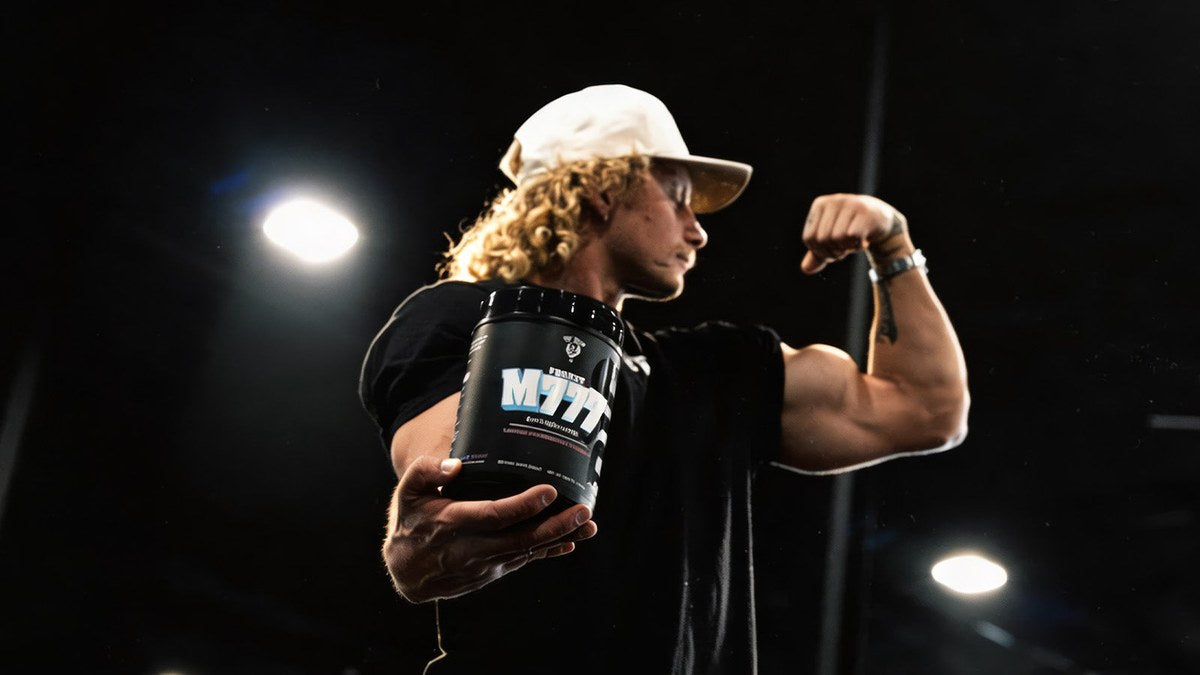
DTC’s daily driver: SEND IT 3.0 — clinical doses, transparent label, no proprietary blend. 250mg natural caffeine + 36mg extended-release zumXR for sustained focus without the slam-and-crash.
Multivitamin (the gap filler)
Over 80% of Americans are deficient in at least one micronutrient required for normal body function. A quality multivitamin bridges the gap between what you eat and what you actually need. The cheap pressed-tablet multis at the grocery store are coated in preservatives to extend shelf life — many pass through undigested.
What to look for: chelated minerals (Albion Ferrochel, Bisglycinate chelates) for better absorption, methylated B vitamins (methylcobalamin instead of cyanocobalamin), and ideally a built-in gut-health stack (probiotic + prebiotic + digestive enzymes) since gut health determines absorption of everything else.
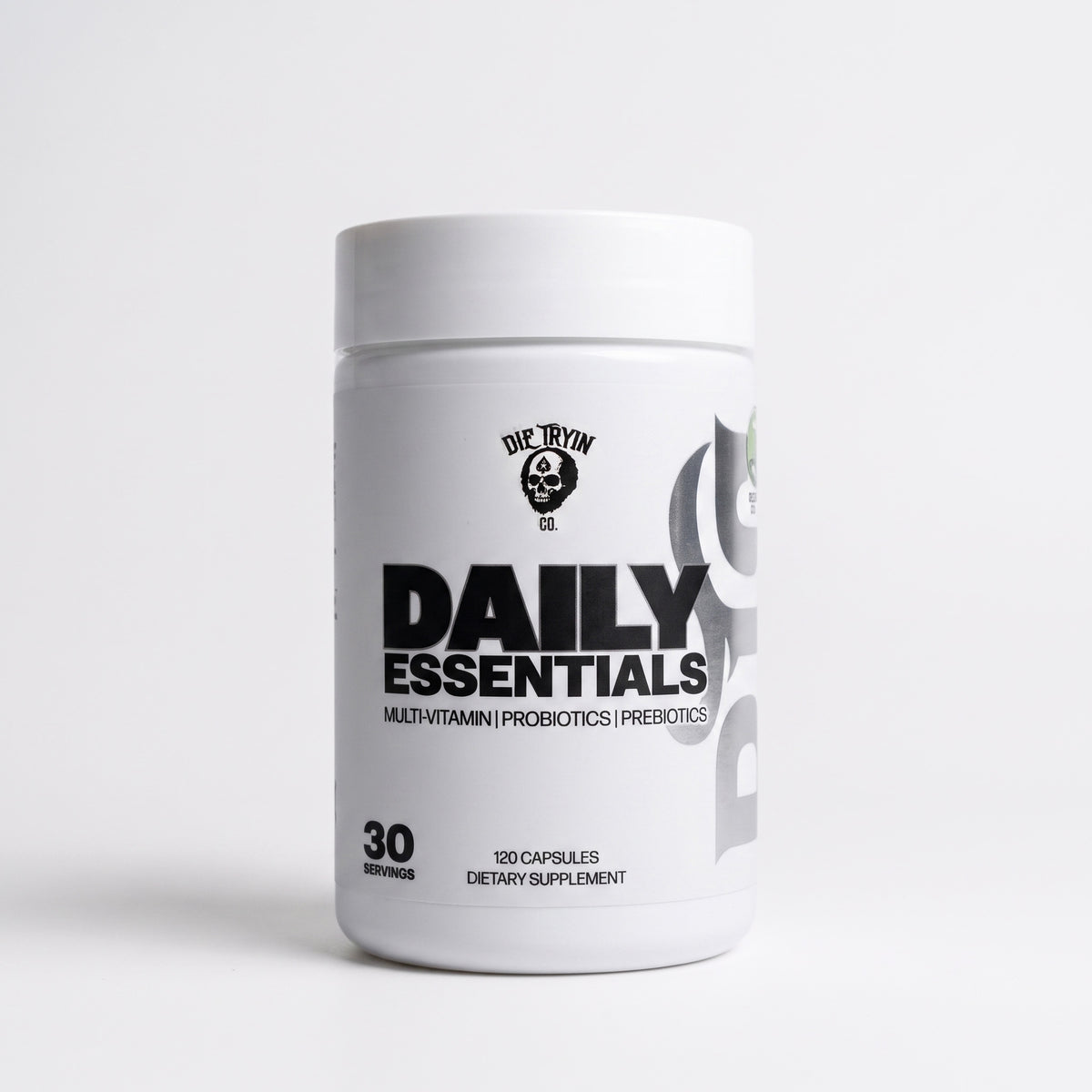
DTC’s multi: Daily Essentials — 27 ingredients, chelated mineral forms (Albion), methylated B vitamins, plus iXOS prebiotic + LactoSpore probiotic + DigeZyme enzymes. 4 capsules per serving so the doses are actually clinical.
Protein (the foundation)
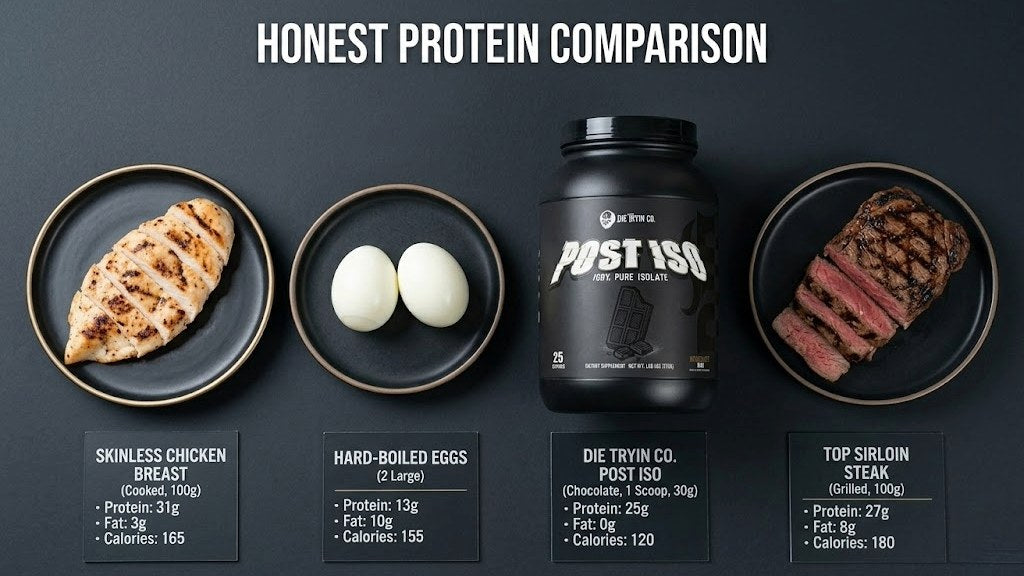
If you're hitting 1.6–2.2 g/kg/day from food alone, a protein supplement isn't required. If you struggle to hit the target consistently (most lifters do), a whey isolate is the simplest tool to close the gap.
What to look for: whey isolate (not concentrate or blends — isolate is the cleanest, fastest-absorbing form), minimal carbs and fat, and digestive enzymes for absorption without GI issues.
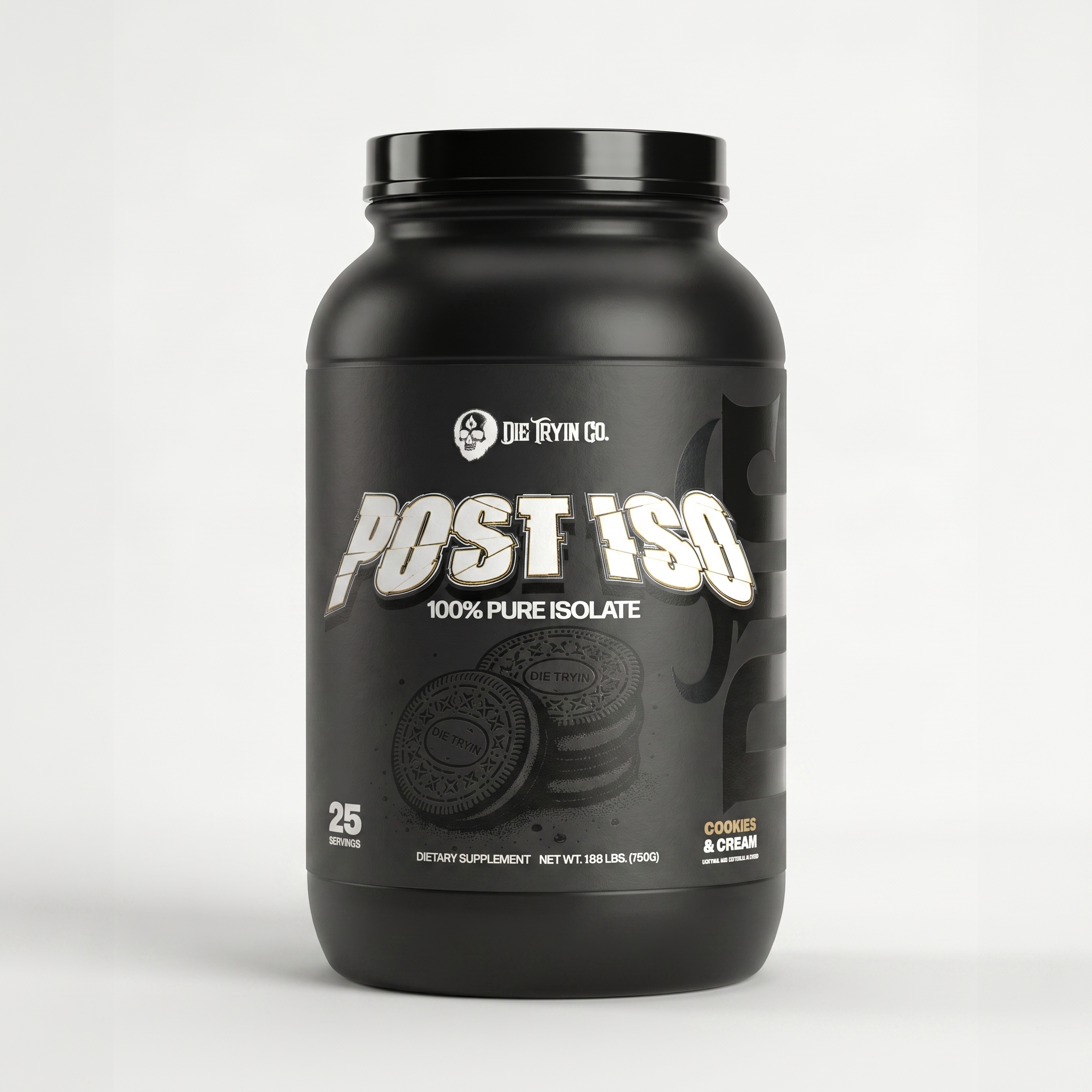
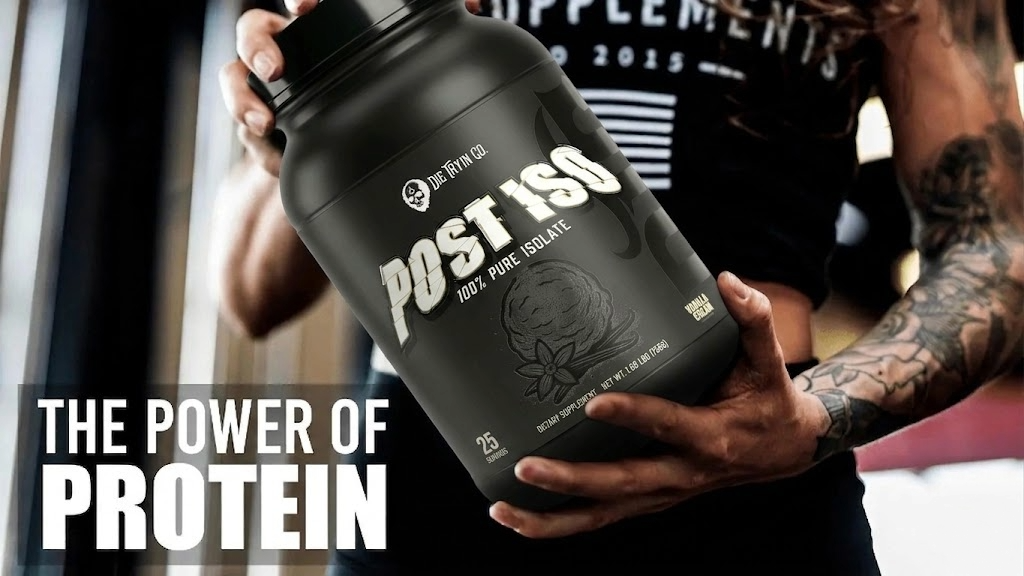
DTC’s protein: Post Iso — 24g whey isolate per scoop, <1g carbs, DigeZyme multi-enzyme complex, 5 in-stock flavors. Why this matters: Why Protein Matters: 8 Real Benefits Beyond Muscle and Does Protein Cycling Actually Work?
THE BOTTOM LINE
Take care of your body and your mind by training with intention, not intensity-for-intensity's-sake. Find the minimum effective dose — the amount of work that drives consistent progress — and do that, every day, for years. One step at a time.
If you're new to this, working with a certified trainer for even a few sessions can save you months of guessing. If you're serious about long-term progress: build the basics, supplement smart, and let consistency do the rest.
Smart training. Smart fueling. Smart supplementation. That's the framework.
FAQ
How do I know if I'm overtraining?
Common signs: persistent fatigue, declining performance despite consistent effort, sleep disruption, elevated resting heart rate, joint pain that doesn't resolve, low motivation. If you're hitting two or more of these for over a week, take a recovery week (3–5 days of light or no training).
What's the minimum effective dose for strength and hypertrophy?
For most natural lifters: 3–5 training sessions per week, 10–20 working sets per muscle group per week, 1.6–2.2 g/kg/day protein, and 7–9 hours of sleep. Less than that, you stagnate. More than that, returns diminish quickly.
Does "more reps with lighter weight" beat heavy training?
For pure hypertrophy, both work when sets are taken close to failure. For maximum strength, heavier loads (3–8 reps) outperform high-rep work. Mix both phases across your training year via periodization rather than picking one approach forever.
If I miss a few workouts, did I waste my consistency?
No. Missing 2–3 sessions in an otherwise consistent month doesn't reset your progress. Missing 2–3 weeks consistently does start to matter. The body responds to overall trends, not single sessions. Focus on the next workout, not the missed one.
Why are most pre-workouts overloaded with caffeine?
Marketing — "feeling something" sells. High caffeine is cheap to formulate and produces an immediate sensation users equate with "working." But the performance-supporting effects of caffeine plateau around 200–300mg for most adults; above that, you mostly get jitters, anxiety, and sleep disruption. For the honest breakdown: Good Pre-Workout vs. Questionable.
Is one multivitamin really enough?
For most adults, a quality multi covers the broad micronutrient floor. If you have specific deficiencies (low ferritin, vitamin D, B12), individual supplementation at higher doses may be appropriate — talk to your doctor and get bloodwork. A multi isn't a replacement for diagnostic testing.
How do I know if I need a protein supplement?
Track your protein intake for 5–7 days. If you're consistently hitting 1.6 g/kg/day from food, you don't need a supplement. If you're under (most lifters are), a whey isolate is the simplest solution to close the gap without adding significant calories.
READY TO GEAR UP?
The minimum effective supplement stack for serious lifters:
- Post Iso — the foundation. 24g whey isolate per scoop for consistent daily protein.
- Daily Essentials — the gap filler. Premium chelated multi with gut-health stack.
- Creatine — 5g daily, every day. The most-researched performance supplement.
- SEND IT 3.0 — clinically dosed pre-workout for days you need the focus bump.
For deeper dives: Ultimate Guide to Training Mindset | Ultimate Guide to Muscle Building | Ultimate Guide to Recovery. For the 5 most common training mistakes: 5 Workout Mistakes That Kill Progress.
Not sure where to start? Take the DTC supplement quiz — two minutes, dialed-in recommendation.
ALWAYS FORWARD.
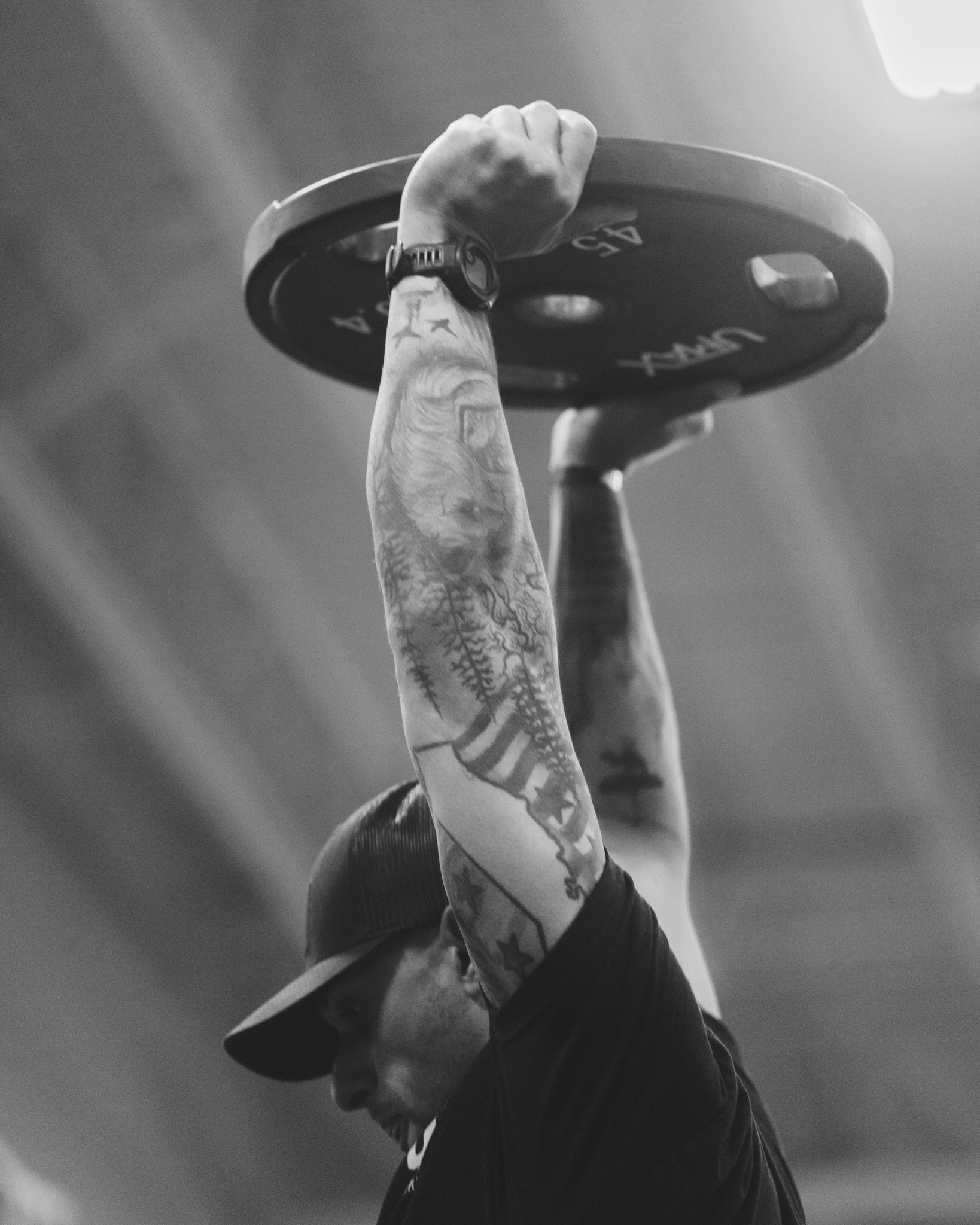
GEAR THAT FITS THIS POST
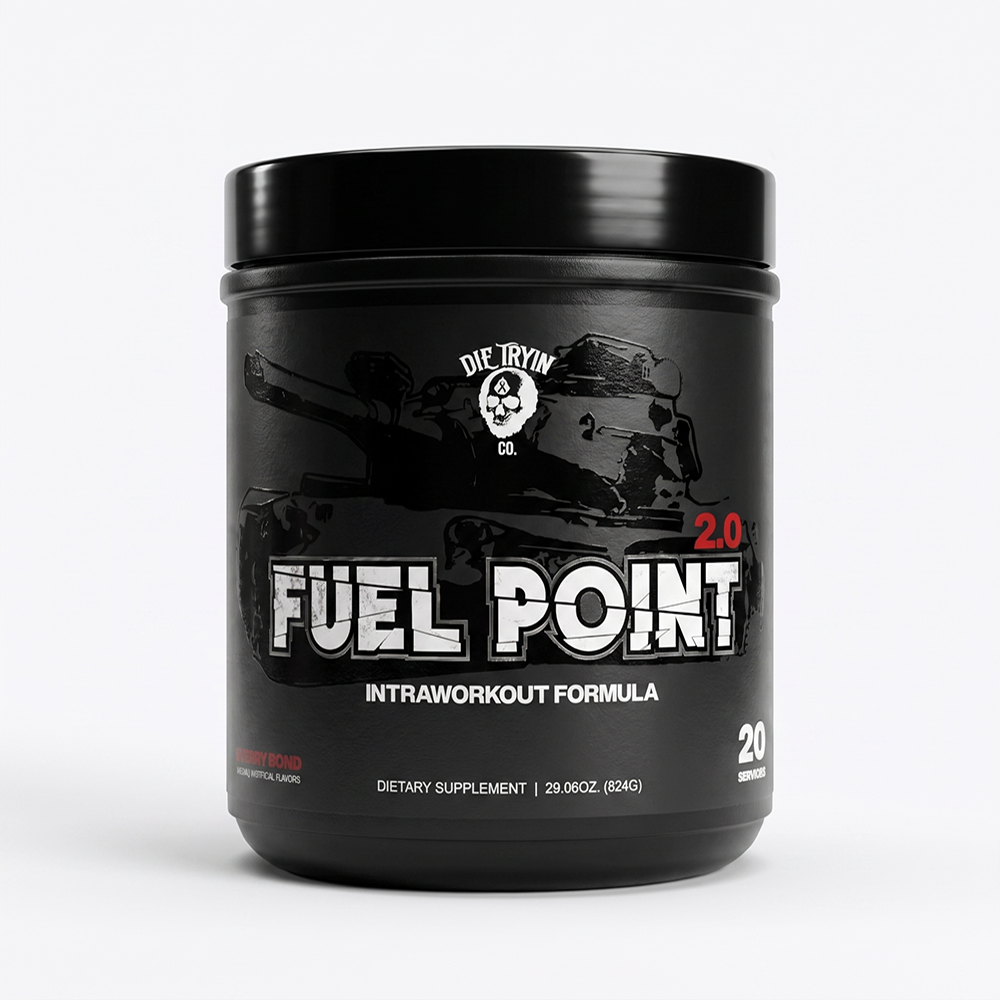
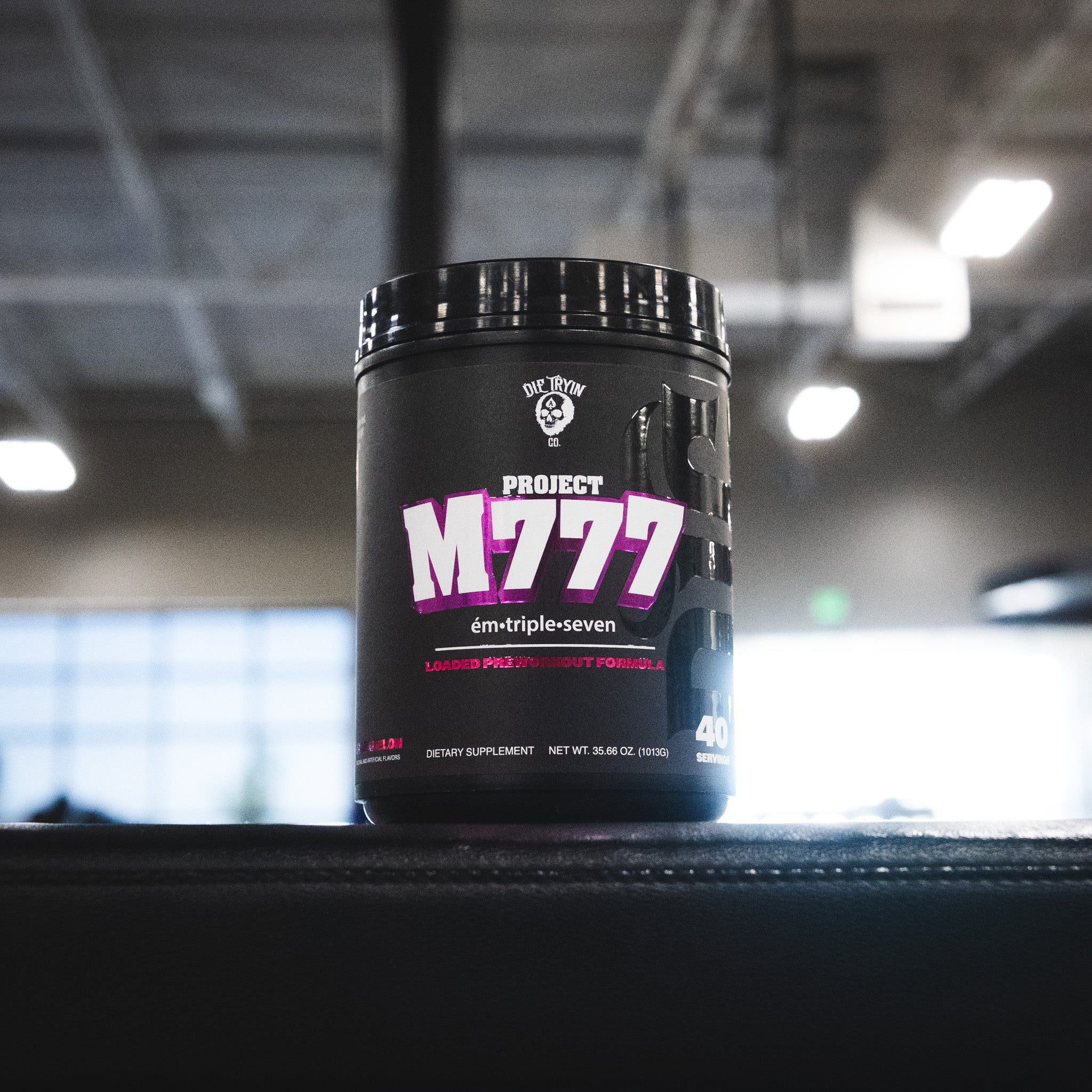
The products this article actually talks about. Real doses, disclosed labels, veteran owned.

Read more
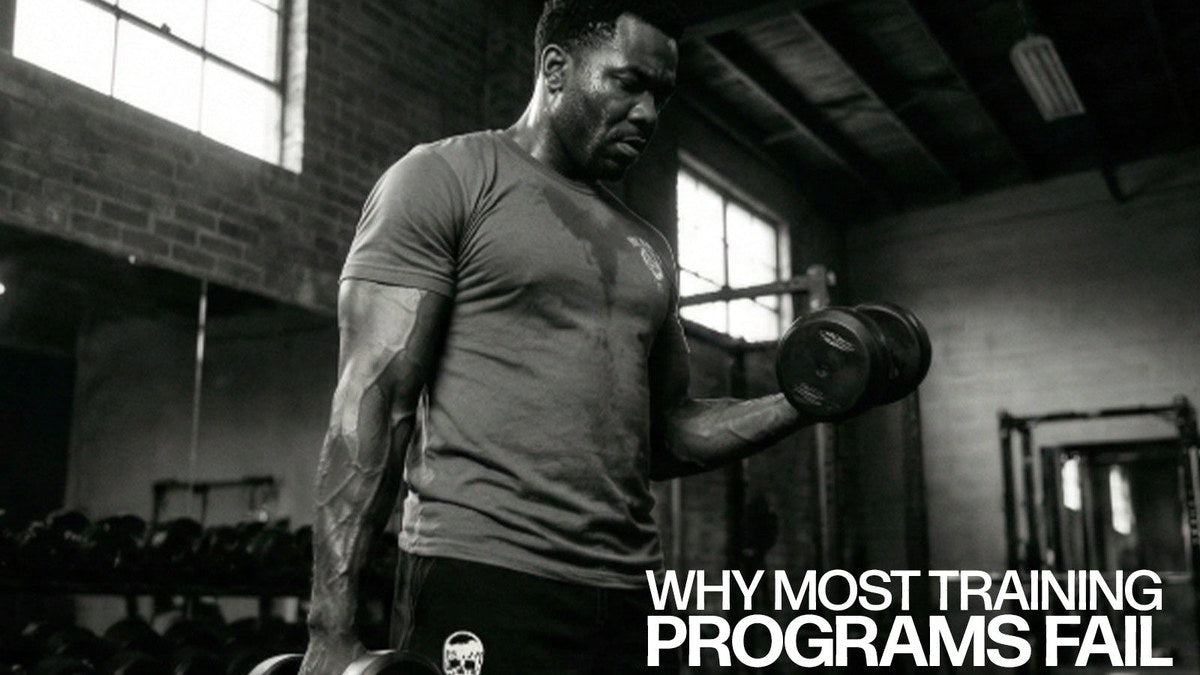
The honest playbook for building the discipline that actually lasts. Motivation fails — discipline gets built. Here's how.
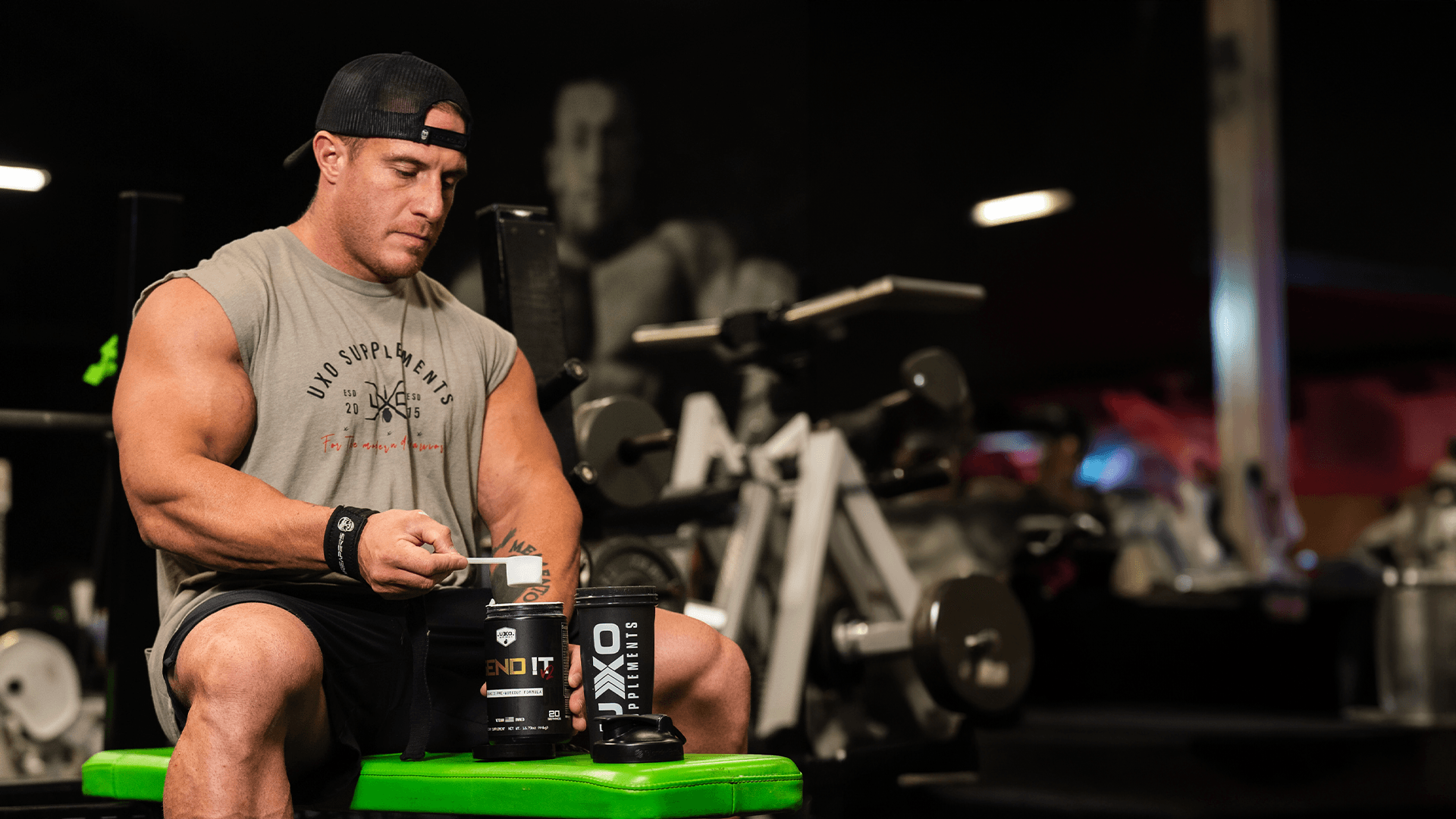
The honest pre-workout buyer's guide — 6 things that actually matter (real doses, banned-substance testing, smart caffeine, no proprietary blends) plus which DTC pre-workout fits your goal.
Protein does more than build muscle. 8 real benefits ranked by evidence strength: satiety, metabolic boost, bone density, sarcopenia prevention, and more.
Protein cycling promises better muscle outcomes by alternating high and low protein. Three meta-analyses say otherwise. Here's what actually works.
Most pre-workouts are built for margins, not performance. 6 markers of a real formula vs. 5 red flags that tell you it's expensive caffeine in a flashy tub.

The complete playbook for building muscle that actually lasts. Training, nutrition, recovery, and the supplements that move the needle — no hype.