



Why Protein Matters: 8 Real Benefits Beyond Muscle
By Jon Klipstein, U.S. Army Combat Veteran & Founder of Die Tryin Co.
Science reviewed by Onur Oncer, BS Physiology and peer-reviewed published researcher.
PROTEIN: THE MOST UNDERSOLD NUTRIENT IN FITNESS
Most lifters know protein builds muscle. Fewer know it also regulates appetite, supports bone density, raises baseline metabolic rate, and preserves function as you age. The marketing has flattened protein into a "muscle building" pitch — but the actual physiology is broader, and the evidence behind some benefits is stronger than others.
This is the honest breakdown of what protein does, ranked by evidence strength. Some benefits are airtight. Some are real but oversold. A couple are weaker than the marketing suggests.
WHAT PROTEIN ACTUALLY DOES IN YOUR BODY
Protein is broken down into amino acids in digestion. Those amino acids enter a "plasma amino acid pool" — circulating in your bloodstream and getting pulled out as the body needs them for specific jobs:
- Building and repairing muscle tissue (the most discussed)
- Producing enzymes (catalyze every metabolic reaction)
- Producing hormones (insulin, glucagon, growth hormone all require amino acids)
- Producing neurotransmitters (serotonin, dopamine, GABA — built from amino acids)
- Producing antibodies (immune function)
- Transporting molecules (hemoglobin moves oxygen)
- Building new cells throughout the body
Protein isn’t just "the muscle nutrient." It’s a structural and functional necessity for every system in your body. If your intake is too low, the body prioritizes essential functions (organs, enzymes, neurotransmitters) and pulls amino acids from muscle to cover the deficit. That’s how chronic underconsumption leads to muscle loss even without obvious "protein deficiency" symptoms.
THE 8 REAL BENEFITS, RANKED BY EVIDENCE STRENGTH
| BENEFIT | EVIDENCE STRENGTH | HONEST CONTEXT |
|---|---|---|
| Muscle protein synthesis & recovery | ⭐⭐⭐⭐⭐ Strong | Dozens of meta-analyses; 1.6–2.2 g/kg/day optimal for lifters |
| Appetite regulation / satiety | ⭐⭐⭐⭐⭐ Strong | Multiple RCTs show higher protein meals reduce post-meal hunger; helps on cuts |
| Thermic effect of food (metabolic boost) | ⭐⭐⭐⭐ Strong | ~20–30% of protein calories burned in digestion vs ~5–10% for carbs/fats; real but small |
| Sarcopenia prevention (older adults) | ⭐⭐⭐⭐ Strong | Higher protein (1.2–1.6 g/kg) preserves muscle in adults 65+ better than the standard RDA |
| Bone density support | ⭐⭐⭐ Moderate | Higher protein associated with better bone outcomes; older "protein hurts bones" myth has been refuted |
| Immune function support | ⭐⭐⭐ Moderate | Antibodies require amino acids; deficiency impairs immune response. Surplus over needs doesn’t add bonus immunity. |
| Skin, hair, nail health | ⭐⭐ Contextual | Protein contributes to keratin/collagen synthesis. Adequate protein supports these tissues, but doesn’t override genetics, sleep, or sun damage. |
| Blood pressure regulation | ⭐⭐ Mixed | Some studies show modest BP benefit from higher protein; others show neutral. Effect depends heavily on protein source (lean vs processed) |
UNPACKING THE STRONGEST BENEFITS
1. Muscle protein synthesis and recovery
The most well-established benefit, with dozens of meta-analyses confirming the relationship. Current consensus from the ISSN Position Stand on Protein and Exercise: 1.4–2.0 g/kg of body weight per day is enough to build and maintain muscle for most people who train (ISSN, 2017). The Morton et al. 2018 meta-analysis (49 RCTs) found muscle gains plateau at ~1.6 g/kg/day, with the upper end of the confidence interval near 2.2. More isn’t better past that for muscle building. To see where you land in that range, use our protein calculator.
2. Appetite regulation and satiety
If you struggle with hunger on a cut, more protein is the simplest tool. Higher-protein meals reduce ghrelin (the hunger hormone) more effectively than equivalent carb or fat calories, and the satiety effect lasts longer. That hunger control is a bonus on top of the main job: the cutting target (2.3–3.1 g per kg of lean mass, see the table above) is set to protect muscle, and the same intake makes the deficit livable.
3. Thermic effect of food (TEF)
Your body burns calories digesting food. Protein has the highest TEF: ~20–30% of protein calories are burned in digestion, vs ~5–10% for carbs and 0–3% for fats. Translation: 100g of protein costs your body 20–30 calories just to process. Real, measurable, but small in absolute terms. Over a year, the TEF difference between a high-protein and low-protein diet might be 5–10 pounds of fat — meaningful as one of several small wins, not the primary driver of body composition.
4. Sarcopenia prevention
Sarcopenia is age-related muscle loss. After age 30, untrained adults lose ~3–8% of muscle mass per decade; after 60, the rate accelerates. Higher protein intake combined with resistance training is the most effective intervention. Nunes et al. 2022 meta-analysis found that adults 65+ benefit from 1.2–1.6 g/kg/day — substantially more than the standard RDA of 0.8 g/kg/day, which was set decades ago and was never optimized for muscle preservation.
HOW MUCH PROTEIN YOU ACTUALLY NEED
| SITUATION | DAILY PROTEIN TARGET |
|---|---|
| Sedentary adult (just want to stay healthy) | 0.8–1.0 g/kg body weight |
| Active adult (lifting 3+ days/week) | 1.4–1.8 g/kg body weight |
| Lifter building muscle | 1.6–2.2 g/kg body weight |
| Cutting (deficit, preserving muscle) | 2.3–3.1 g/kg of lean mass, not body weight (gentle cut near the bottom, aggressive cut near the top) |
| Older adult (65+, preserving muscle) | 1.4–1.8 g/kg body weight, the same daily range as an active adult; the per-meal dose is what goes up |
For the full strategy + meal distribution and timing, see the Ultimate Guide to Protein.
BEST PROTEIN SOURCES
Quality matters, but consistency matters more. Hitting your daily target every day is more important than which sources you use. Best options:
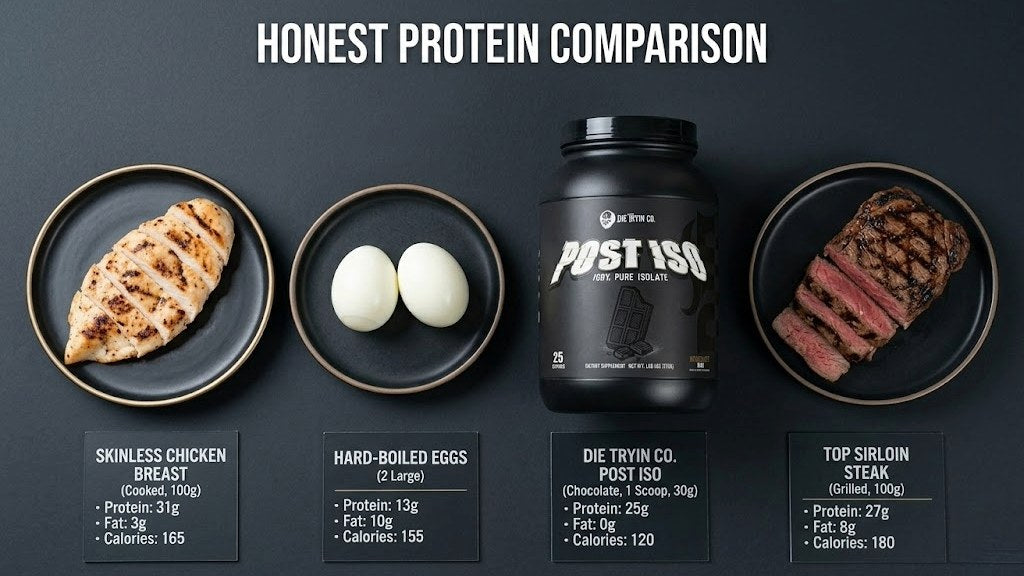
- Lean meats and poultry: chicken breast (31g per 100g), turkey breast, lean beef (27g per 100g top sirloin), pork tenderloin — complete amino acid profiles, dense protein-per-calorie
- Fish and seafood: tuna, salmon, cod, shrimp — complete protein with omega-3 bonus from fatty fish
- Eggs: 6–7g protein per large egg; cheap, versatile, complete profile
- Dairy: cottage cheese (especially low-fat), Greek yogurt (high-protein varieties), cheese in moderation
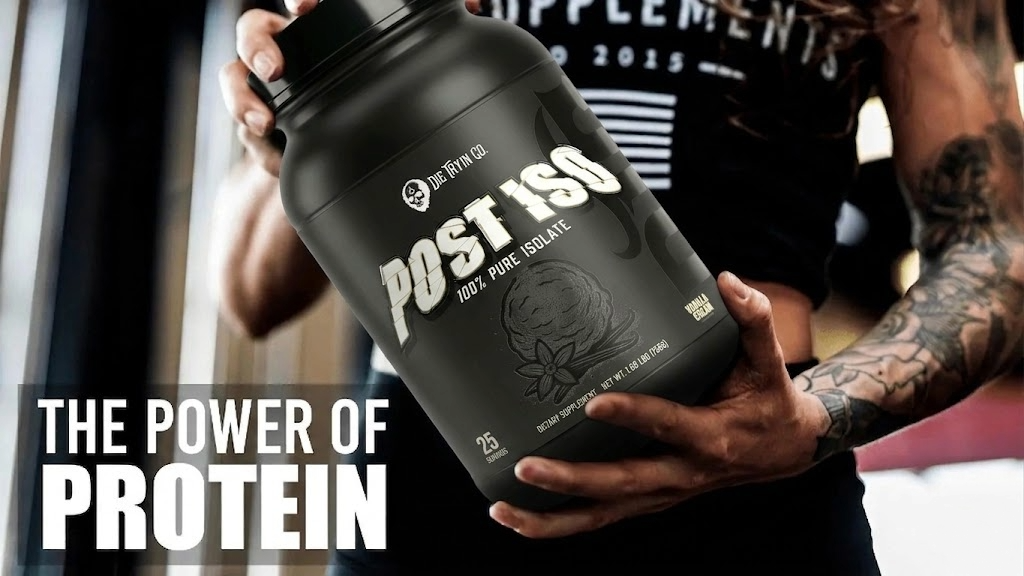
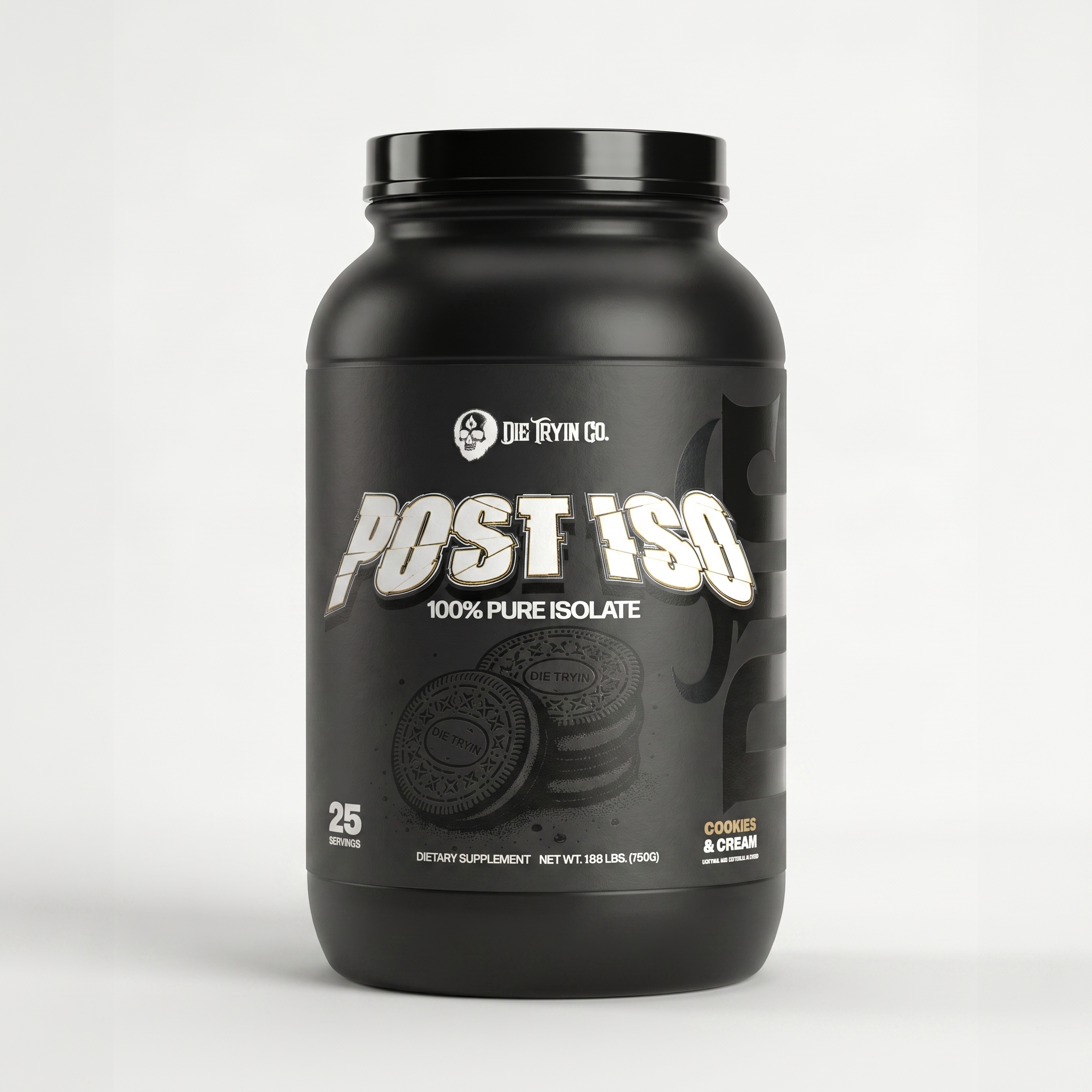
- Whey isolate: Post Iso delivers 24g whey isolate per scoop with DigeZyme digestive enzymes — minimal carbs, minimal lactose, designed for fast absorption without GI issues common with concentrate
- Plant proteins: tofu, tempeh, seitan, lentils, beans — useful for variety, but require larger doses to match animal-protein amino acid profiles for MPS purposes
- Vegetables with notable protein: broccoli (3g per cup), Brussels sprouts (3g per cup), spinach (3g per cup raw) — small contributions but add up over a day
WHY POST ISO FITS
If you train hard and struggle to hit your daily protein target through whole foods alone, a whey isolate supplement is the simplest convenience tool. Post Iso is 100% whey isolate — one of the purest forms of protein available, with minimal carbs, lactose, and cholesterol. Designed to give you the protein hit without the stomach issues that come with whey concentrate or budget protein blends.
24g protein per scoop. DigeZyme multi-enzyme complex for better absorption. Available in Vanilla Cream, Strawberry Cheesecake, Rocky Road, Salted Caramel, and Cinnamon Cereal flavors. Post-workout, mid-morning, mixed into oats — the simplest way to hit your number consistently.
FAQ
Can you eat too much protein?
For healthy adults, the upper limit is far higher than most people eat. Antonio et al. studies pushed intake to 4.4 g/kg/day for months in resistance-trained adults with no adverse outcomes on kidney function, bone density, or other markers. For people with pre-existing kidney disease, liver conditions, or other medical issues, protein intake should be discussed with a doctor — not because protein is dangerous in healthy people, but because pre-existing conditions change the calculus.
Does protein really boost metabolism?
Yes, modestly, via the thermic effect of food. 20–30% of protein calories are spent in digestion vs 5–10% for carbs and 0–3% for fats. Over time this adds up, but it’s not a substitute for a calorie deficit if fat loss is the goal — it’s a small assist, not the primary driver.
Is whey protein better than plant protein?
For muscle protein synthesis specifically, yes — whey isolate has the highest leucine content per gram and the fastest absorption profile. Plant proteins work but require larger doses (and ideally combining sources like pea + rice) to match the MPS response. For total protein intake and general health, both work fine. Choice often comes down to dietary preference and GI tolerance.
How much protein per meal is optimal?
Around 0.4 g/kg of body weight per meal (~25–40g for most adults) approximates the upper end of acute muscle protein synthesis stimulation in young adults. Older adults may benefit from higher per-meal doses (~0.6 g/kg) due to anabolic resistance. Spreading total daily protein across at least four meals tends to outperform 1–2 large meals.
Does protein cause kidney damage?
In healthy adults with no pre-existing kidney disease, no. This is one of the most stubborn protein myths. Multiple long-term studies (Antonio et al., Devries et al.) have pushed protein intake well above 2.0 g/kg/day for months and found no adverse changes in kidney markers in healthy populations. People with existing kidney disease should consult their doctor about appropriate intake.
Should I take protein right after a workout?
The "anabolic window" is wider than 90s broscience claimed. Getting 20–40g of protein within ~2 hours of training supports muscle protein synthesis better than waiting 3+ hours, but you don’t need to slam a shake the second you rack the bar. Daily total intake matters more than timing precision.
Does protein help with weight loss?
Yes, indirectly — through three mechanisms: satiety (you eat less), thermic effect (you burn more processing it), and muscle preservation during a deficit (you lose more fat instead of muscle). High-protein cuts produce better body composition outcomes than equivalent-calorie lower-protein cuts.
READY TO GEAR UP?
If hitting your daily protein target consistently is the bottleneck:
- Post Iso — 24g whey isolate per scoop, DigeZyme enzymes, 5 in-stock flavors. The simplest tool for closing the daily protein gap.
- EAAs — essential amino acids for intra-workout muscle support during long sessions or fasted training
- Creatine — 5g daily, every day; works with protein for muscle hypertrophy
For the deep dives: Ultimate Guide to Protein covers everything from daily targets to per-meal distribution to source quality. Ultimate Guide to Muscle Building covers the training side. For myth-busting on protein cycling: Does Protein Cycling Actually Work?
Looking for protein-boosted recipes? Try our Protein Brownies (canonical), Easy Protein Brownies with Chocolate Drizzle, or 3 High-Protein Whey Isolate Recipes.
Not sure where to start? Take the DTC supplement quiz — two minutes, dialed-in recommendation.
ALWAYS FORWARD.

GEAR THAT FITS THIS POST
The products this article actually talks about. Real doses, disclosed labels, veteran owned.

Read more
The complete protein playbook — how much you need, when timing matters, which sources deliver, and the myths costing you money.

The complete playbook for building muscle that actually lasts. Training, nutrition, recovery, and the supplements that move the needle — no hype.
Protein cycling promises better muscle outcomes by alternating high and low protein. Three meta-analyses say otherwise. Here's what actually works.
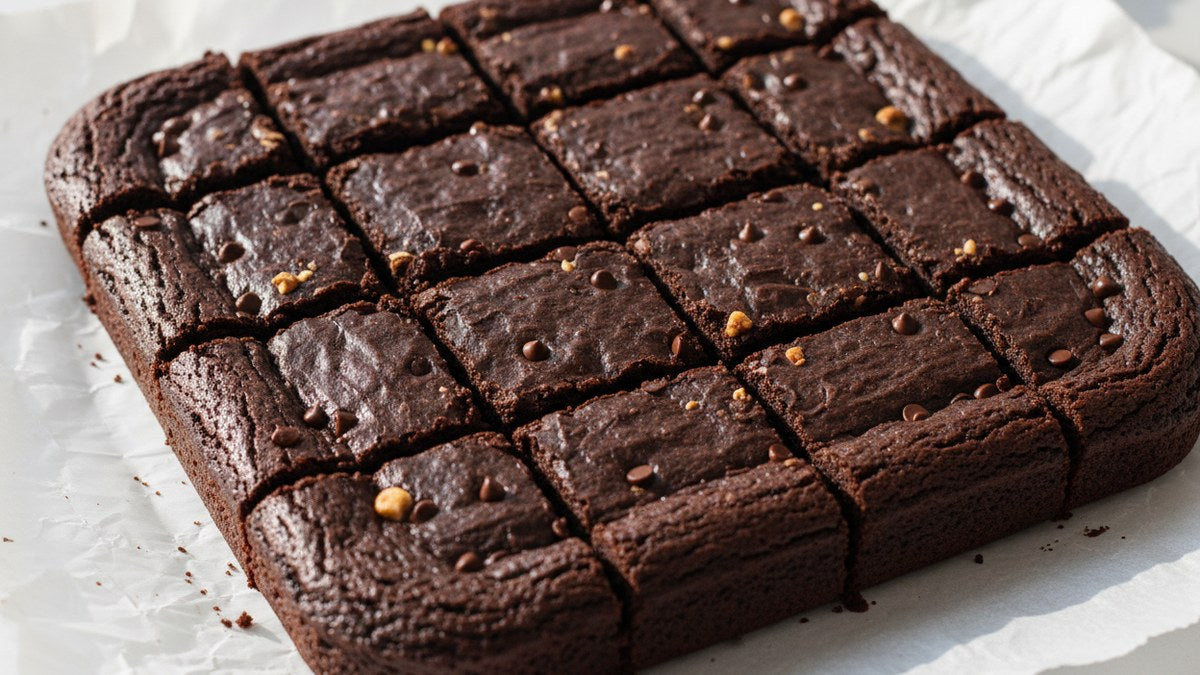
Fudgy, high-protein brownies you can feel good about — an easy recipe made with whey isolate to crush the chocolate craving and keep your gains.
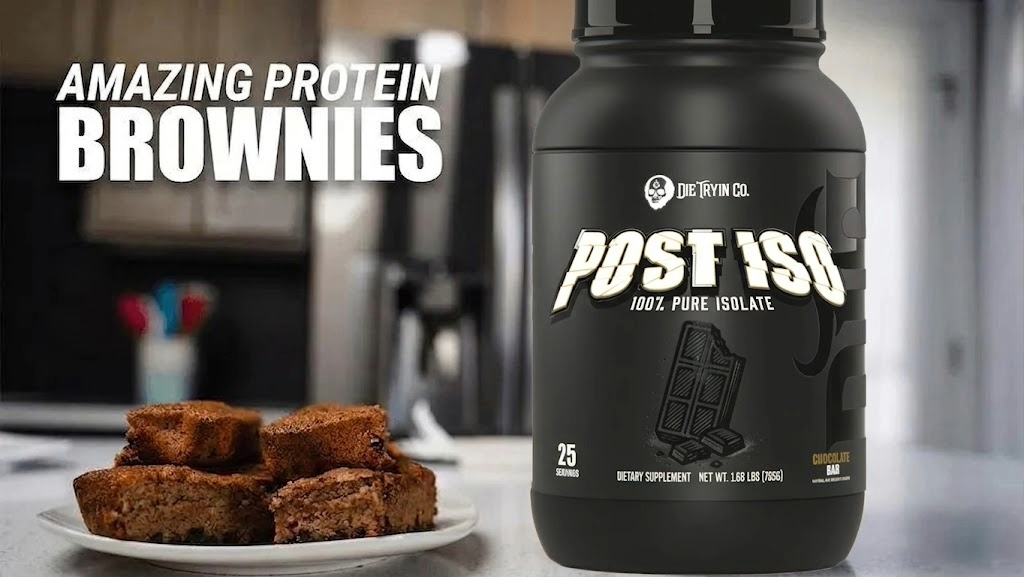
An easy classic-style protein brownie recipe using pantry ingredients, applesauce as the moisture trick, and Post Iso Chocolate Bar for a protein bump.
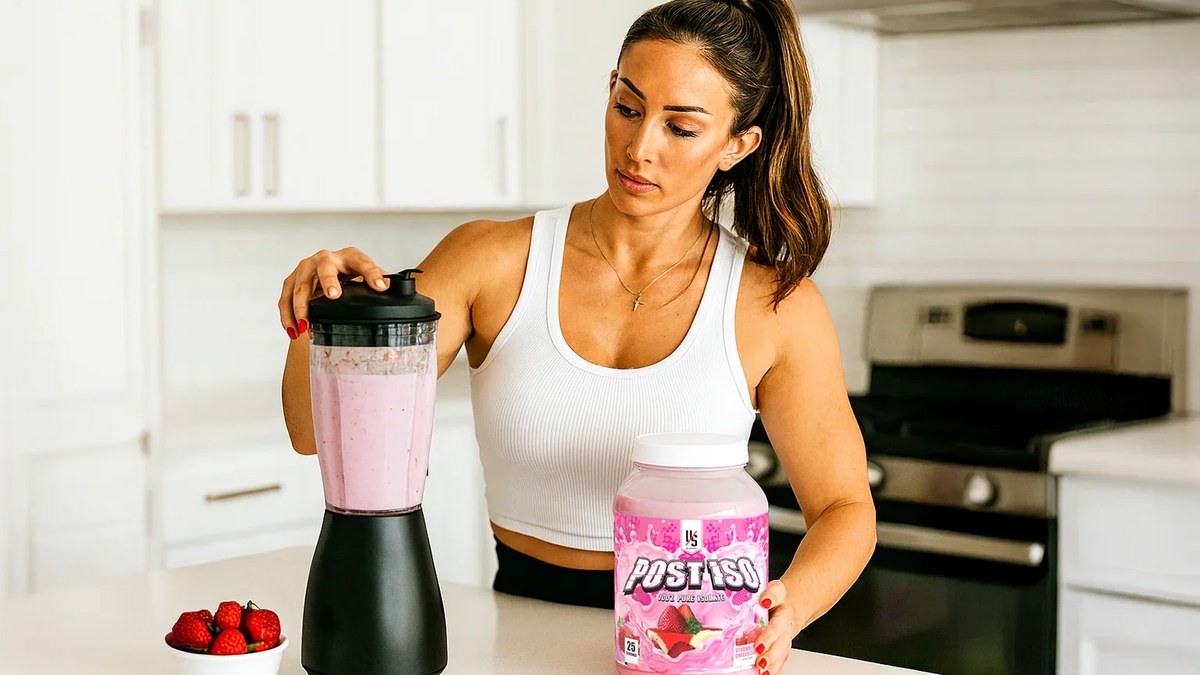
Three quick, high-protein recipes — mocha mug cake, strawberry cheesecake smoothie, and chocolate protein oatmeal — that actually taste like food.