



Foods That Boost Metabolism: The Honest Truth
By Jon Klipstein, U.S. Army Combat Veteran & Founder of Die Tryin Co.
Science reviewed by Onur Oncer, BS Physiology and peer-reviewed published researcher.
BOOST YOUR METABOLISM? KIND OF.
Here's the truth: most of what you've read about "metabolism-boosting foods" is marketing. The supplement industry loves selling you the idea that a magic food or pill will turn your body into a furnace. It won't. There's no cheat code.
What matters isn't the number on the scale — it's body composition. How much muscle you carry versus how much fat you're storing. Two people can weigh the same and look completely different. That's why we care about fat, not just weight.
So do any foods actually help? A few have real, peer-reviewed evidence behind them. But the effects are modest, and none of them will out-train a bad diet. We're going to walk through the three most-hyped ones — fish oil, coffee, and apple cider vinegar — and tell you exactly what the research shows. No spin. Basics beat hype.
| FOOD | WHAT THE RESEARCH ACTUALLY SHOWS | HONEST VERDICT |
|---|---|---|
| Fish oil (EPA + DHA) | Supported recomposition (less fat, more lean) and lower cortisol — no change in resting metabolism or scale weight. | Real, modest. Recovery and body-comp support, not a metabolism switch. |
| Coffee (caffeine) | Roughly doubled fat used as fuel during exercise and improved endurance output. | Shifts fuel use during training. Not a standalone fat-loss tool. |
| Apple cider vinegar | Modest drops in body weight, BMI, and visceral fat in one industry-funded RCT (~1–1.7 kg). | Small potential add. No magic, and no substitute for a deficit. |
FISH OIL
This is the one people get most wrong — including the old version of this very post. So let's set it straight.
In a six-week study, 44 adults took either 4 grams a day of fish oil (1,600 mg EPA + 800 mg DHA) or safflower oil as a control. The fish oil group gained about half a kilo of lean mass and lost about half a kilo of fat. Researchers also saw a tendency toward lower salivary cortisol, and that drop correlated with the body-composition changes (Noreen et al. 2010).
Here's the honest part the hype skips: there was no significant change in scale weight, and no significant change in resting metabolic rate. So fish oil did not "boost metabolism" and it did not cause weight loss. What it supported was recomposition — slightly less fat, slightly more lean — alongside lower cortisol. That's a recovery and body-comp story, not a fat-burning one.
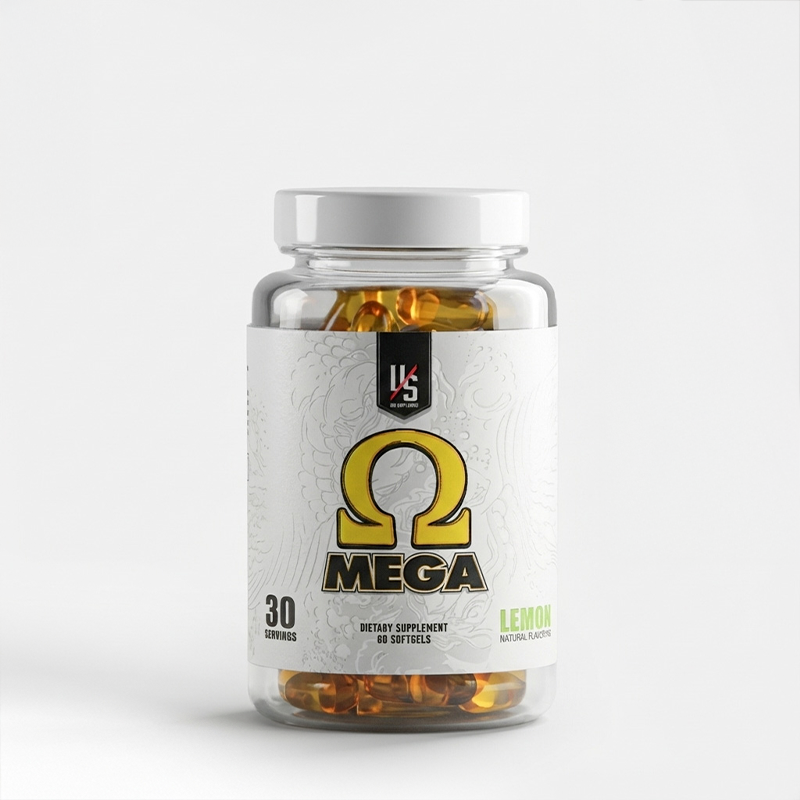
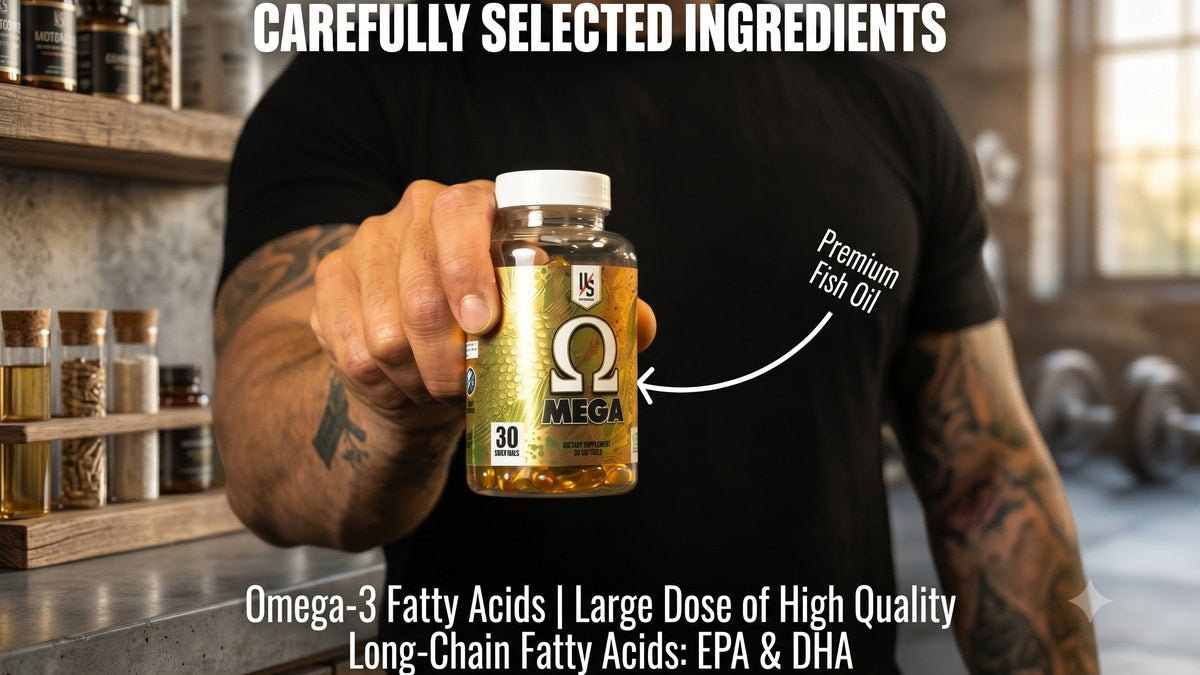
And that's exactly the lane DTC Omega is built for: real EPA and DHA to support body composition and recovery. Not a fat burner. Real doses of real ingredients. If you want the deep dive on why EPA and DHA matter beyond body comp, read Omegas for Internal Health.
COFFEE & CAFFEINE
Coffee earns more of its reputation than fish oil does — but read the fine print.
In a classic study, nine trained cyclists took 330 mg of caffeine 60 minutes before exercise. Fat oxidation roughly doubled during the session (118 g versus 57 g), and time-to-exhaustion improved (according to PubMed, Costill et al. 1978).
Sounds great — and caffeine before training is legit. But understand what that study is and isn't. It's small, it's old (1978), and it's about endurance athletes and how they fuel a workout. Caffeine shifts your body toward burning more fat as fuel during a session and can improve your output. It is not a standalone weight-loss tool. Total calories still decide whether you lose fat.
Real caffeine doses live in DTC pre-workouts, and yes — taking one before you train puts you in that "more fat as fuel, better output" zone. But we will never call a pre-workout a fat burner. It's a training tool. If you want to understand why most "fat burner" pills are a scam, read Fat Burners Don't Work? You're Using the Wrong Kind.
APPLE CIDER VINEGAR
ACV is the internet's favorite "weight-loss hack." Here's where it actually lands.
In a 12-week double-blind randomized controlled trial, obese Japanese adults took 15–30 mL of vinegar per day. The vinegar groups saw modestly lower body weight, BMI, visceral fat, waist circumference, and triglycerides versus placebo — roughly a 1 to 1.7 kg difference (Kondo et al. 2009).
A real RCT — but read it honestly. The effects were modest, it was run in a specific population (obese Japanese subjects), and it was funded by a vinegar company, which is a conflict of interest worth naming. We don't sell ACV and we're not here to push it. The honest take: it may be a small add for appetite, blood sugar, or modest fat over time. It is not a magic bullet, and it's no substitute for a calorie deficit.
WHAT ACTUALLY DRIVES YOUR METABOLISM
Now the part nobody's selling, because you can't bottle it.
Muscle mass. More lean tissue means a higher baseline burn around the clock. This is the single biggest lever you control, and you build it by training hard and eating enough protein. Consistency beats intensity here.
Protein intake. Your body burns more energy digesting protein than carbs or fat — that's the thermic effect of food. Hit your protein target every day and you get a free, repeatable metabolic bump plus the raw material to build and keep muscle. If you've never run your numbers, start with What Are Macros? How to Count Protein, Carbs & Fats.
Daily activity. Steps, NEAT, the calories you burn just by moving more outside the gym. It's unglamorous and it adds up fast.
Put those three on top of a calorie deficit and you have an actual fat-loss plan. The foods above? They're small accelerants riding on top of the fundamentals — never the plan itself. For the full strategy, read How to Burn Fat Quicker: 6 Real Strategies and 2 Steps to Success With Fat Loss. Discipline beats motivation.
FREQUENTLY ASKED QUESTIONS
Do any foods actually boost your metabolism?
Not dramatically. A few — like coffee and fish oil — show real but modest effects in research. In the fish oil study, resting metabolism didn't even change. Real metabolic drivers are muscle mass, protein intake, and daily activity, not any single food.
Does fish oil help you lose weight?
Research suggests fish oil may support body recomposition — slightly less fat, slightly more lean — and lower cortisol. But studies have not shown it changes scale weight or resting metabolic rate. Think recovery and body composition, not weight loss.
Does coffee burn fat?
Caffeine can shift your body toward using more fat as fuel during exercise and improve your output. That's useful for training, but it's not a standalone fat-loss tool. Your total calorie intake still decides whether you lose fat.
Does apple cider vinegar work for fat loss?
One randomized controlled trial showed modest reductions in body weight and visceral fat with daily vinegar — but the effects were small and the study was industry-funded. It may be a minor add, not a substitute for a calorie deficit. We don't sell it and we don't oversell it.
What's the single best way to raise my metabolism?
Build and keep muscle. More lean tissue raises your baseline burn around the clock. Train hard, eat enough protein, and stay consistent. Basics beat hype.
How much protein do I need for the thermic effect to matter?
Hit a daily protein target appropriate for your bodyweight and goals — consistency matters more than any single meal. Run your numbers in our macros guide, then keep it dialed every day.
READY TO GEAR UP?
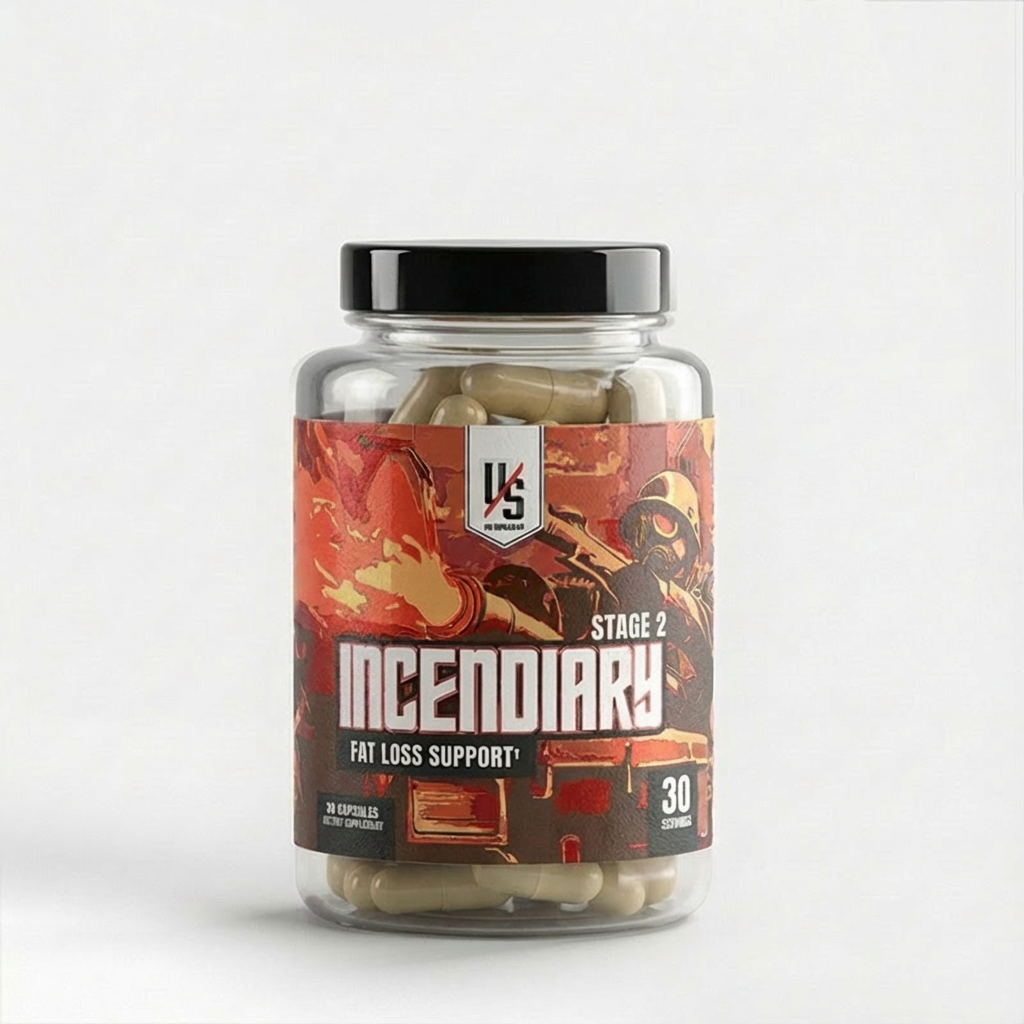
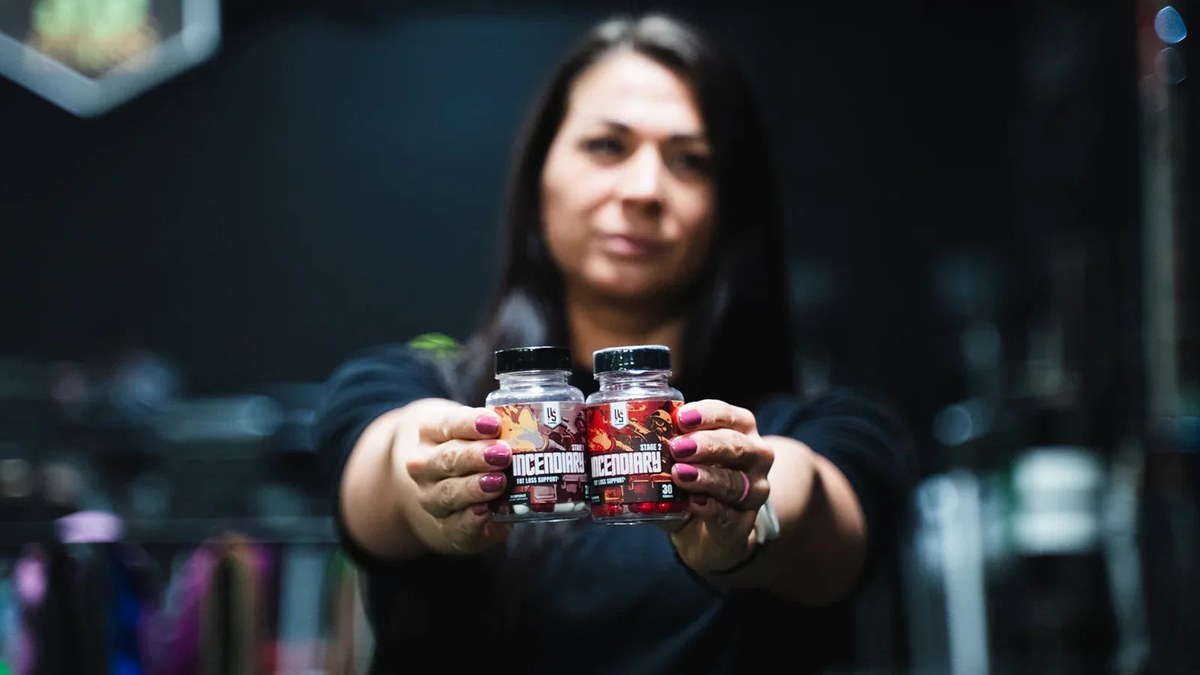
If you want fish oil that's actually dosed right for body composition and recovery, that's DTC Omega — real EPA and DHA, no fat-burner nonsense. And if you're not sure where to start with your goals, take the Die Tryin Co. quiz and we'll point you at what actually fits your training. No magic foods. Just the work, done right. For metabolic support that is honest about what it does, Incendiary Stage 2 (MitoBurn) is the one we point people to.
ALWAYS FORWARD.

GEAR THAT FITS THIS POST
The products this article actually talks about. Real doses, disclosed labels, veteran owned.
Read more
Fish oil is the most-skipped foundational supplement in lifting. Here's what omega-3s actually do, the ALA/EPA/DHA difference, and why most fish oils underdeliver.
Fat burners aren't a scam because the ingredients are fake. They're a scam when they're sold as a substitute for a calorie deficit. Here's the honest version.
You can't out-train a bad diet. Here's the no-BS guide to macros — what they are, why they matter, and how to count them so you actually hit your goals.

How Do I Burn Fat Quicker? Since starting the company, we have received a lot of questions regarding ways to lean out (or the most common

Most fat-loss attempts fail because the target was never defined. Set the target, build the momentum — the two steps that turn intention into result.
Your gut lining runs the same creatine energy system as your muscles. Here is what the research shows on stomach upset, IBS, colitis and leaky gut, and exactly where the human evidence stops.