





What Are Macros? How to Count Protein, Carbs & Fats
By Jon Klipstein, U.S. Army Combat Veteran & Founder of Die Tryin Co.
Science reviewed by Onur Oncer, BS Physiology and peer-reviewed published researcher.
Listen up. Most people obsess over the wrong thing in the gym. They chase the perfect workout split, the trendiest pre-workout, the newest piece of equipment — while completely ignoring what they put in their mouth.
Here's the truth: you can't out-train a bad diet. And you can't reach your physique goals without understanding macronutrients — macros — and how to count them.
This isn't about obsessing over every gram for the rest of your life. It's about knowing what you're putting in, why it matters, and how to use that information to actually hit your goals instead of spinning your wheels.
WHAT ARE MACROS?
Macronutrients — macros — are the three nutrients your body needs in large amounts to function, train, and recover. There are exactly three of them:
- Protein — builds and repairs muscle, organs, and tissue. 4 calories per gram.
- Carbohydrates — your body's primary fuel source for high-intensity training. 4 calories per gram.
- Fats — supports hormone production, brain function, and long-term energy. 9 calories per gram.
Every calorie you consume comes from one of these three sources (alcohol aside — that's 7 calories per gram and a separate conversation). Micronutrients like vitamins and minerals matter for your health, but they don't contain calories. That's why you count macros, not micros.
WHY MACROS MATTER MORE THAN JUST CALORIES
The classic advice — "eat fewer calories than you burn" — isn't wrong. But it's incomplete. Two people eating 2,000 calories per day can have dramatically different body composition outcomes depending on where those calories come from.
Here's what happens when you ignore macros:
- Not enough protein? You'll lose muscle along with fat when cutting. You'll struggle to build muscle when bulking. Your strength will plateau.
- Not enough fat? Your hormones — including testosterone — take a hit. Fat-soluble vitamins don't absorb properly. Recovery suffers.
- Not enough carbs? Your training intensity drops. Your central nervous system gets tired. Long sessions feel impossible.
Counting macros isn't about being a bodybuilder. It's about making sure your training, recovery, and body composition goals actually have the raw materials to happen.
HOW MUCH PROTEIN DO YOU NEED?
This is the macro most people get wrong — usually by under-eating it. Protein is the most important macro for anyone training seriously because it directly impacts muscle building, recovery, and satiety.
The research-backed range from the International Society of Sports Nutrition Position Stand on Protein and Exercise recommends 1.4–2.0 grams of protein per kilogram of bodyweight daily for athletes and lifters. By goal, the numbers break down roughly like this:
- Maintenance / general fitness: 1.4–1.8 g per kg of bodyweight (about 0.64–0.82 g per pound)
- Muscle building / strength training: 1.6–2.2 g per kg of bodyweight (about 0.73–1.0 g per pound; Morton et al., 2018)
- Cutting (any calorie deficit): 2.3–3.1 g per kg of lean body mass (about 1.04–1.4 g per pound of lean mass; Helms et al., 2014); gentle cuts sit near the bottom, aggressive cuts near the top
For a 180-pound athlete with 15% body fat (roughly 153 pounds of lean mass), that works out to about 115–145g a day to maintain and 130–180g to build (both from bodyweight), and 160–215g on a cut (from lean mass). The protein calculator narrows that down for your weight and goal.
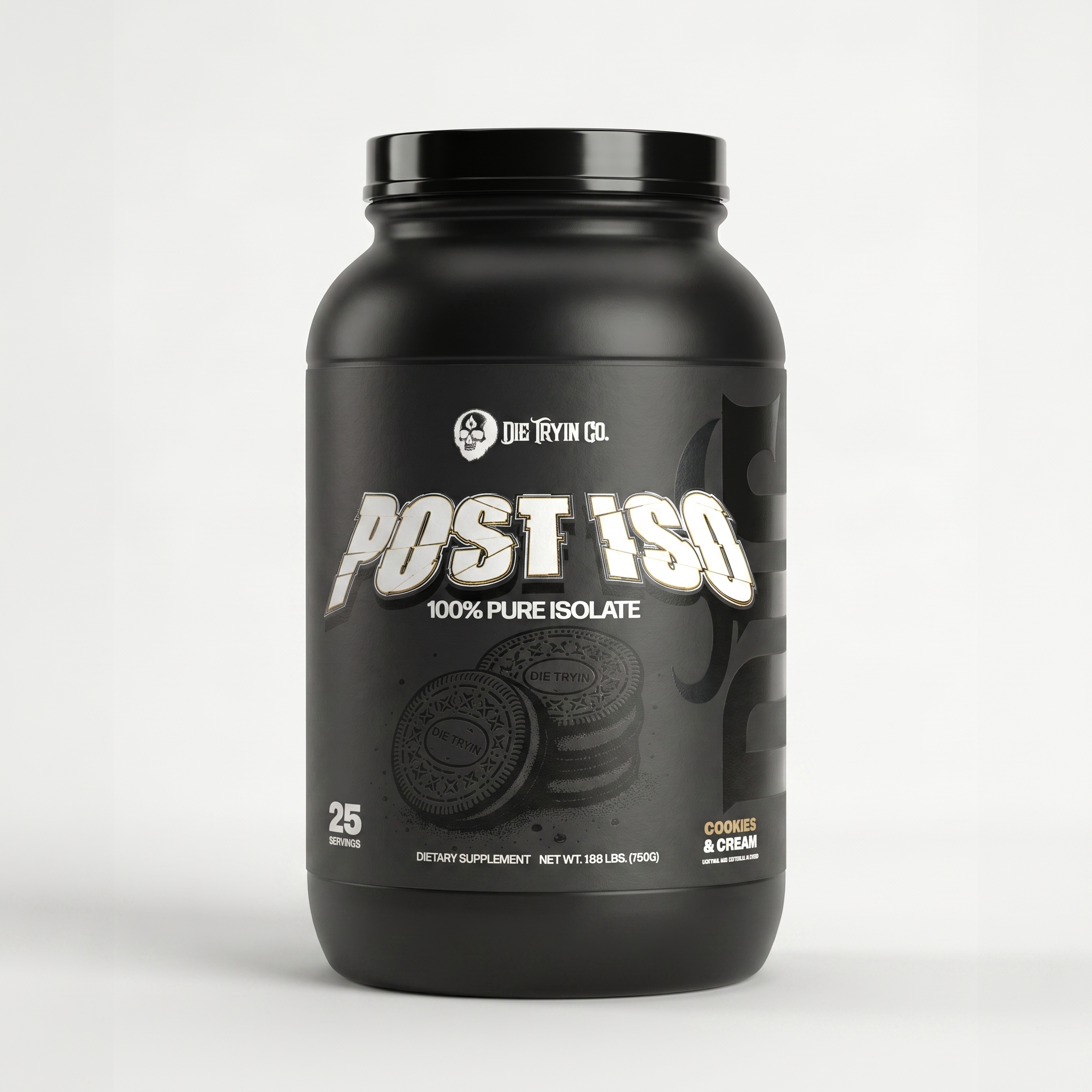
Hitting these numbers from whole food alone takes effort. That's where a clean whey isolate like Post Iso earns its place — 24g of pure whey isolate per scoop with DigeZyme digestive enzymes added so you actually absorb it. No fillers, no junk, full label transparency.

HOW MANY CARBS DO YOU NEED?
Carbs get unfairly demonized. They're not the enemy — they're your body's preferred fuel for high-intensity training. The question isn't whether to eat carbs, but how many your goals require.
General ranges based on training intensity:
- Low-intensity / sedentary: 0.5–1.0 g per pound of bodyweight
- Moderate training (3–4 days/week): 1.0–1.5 g per pound
- High-volume training / endurance: 1.5–3.0 g per pound
If you're cutting, you'll be on the lower end. If you're bulking or running heavy training volume, you'll need more. Endurance athletes can push even higher — the ISSN Position Stand on Nutrient Timing supports up to 4.5g per pound for sustained high-volume work.
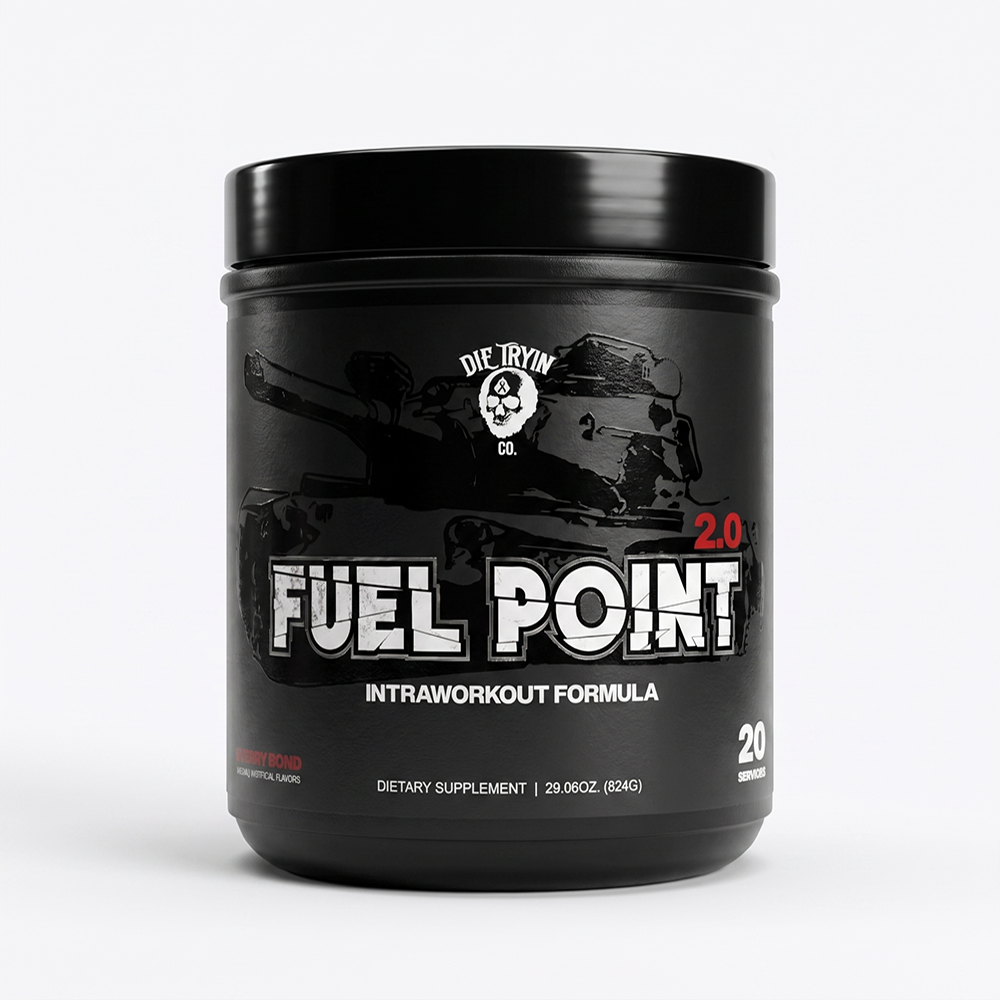
For intra-workout carb fuel during long sessions, Fuel Point delivers clean carbohydrate energy without crashing. (Fuel Point 2.0 with added EAAs is launching soon — built for athletes who want fuel and amino acids in one scoop.)
For more on adjusting carbs strategically based on training days, see our breakdown on carb cycling.

HOW MUCH FAT DO YOU NEED?
Fats are the most overlooked macro. Cut them too low and your hormones tank, your recovery suffers, and your training quality drops. Eat too much and you blow your calorie budget fast because fat is 9 calories per gram (more than double carbs or protein).
Target range:
- Minimum: 20% of total calories (anything below risks hormonal disruption)
- Standard: 25–35% of total calories
- Higher-fat approaches (keto-leaning): 40%+ of total calories
In grams per pound of bodyweight, most lifters do well at 0.3–0.5g per pound. For a 180-pound lifter, that's 54–90g of fat daily.
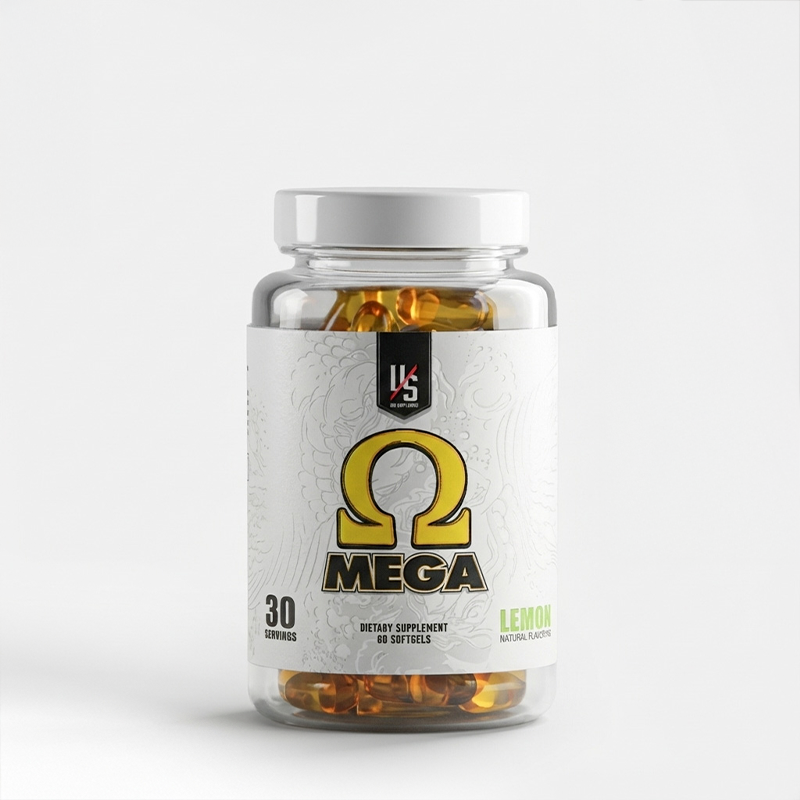
Quality matters here. Prioritize whole-food fat sources: fatty fish, eggs, nuts, avocados, olive oil, grass-fed beef. Supplement with omegas when your dietary intake falls short — that's where Omega fits the picture.
HOW TO COUNT MACROS — THE REAL MATH
Remember: macros contain calories, micronutrients don't. Let's break down the math using a real-world example — our Post Iso whey isolate nutrition panel.

The calorie math:
- 1g of Protein = 4 calories
- 1g of Carbs = 4 calories
- 1g of Fat = 9 calories
Post Iso nutrition panel breakdown:
- Protein: 24g × 4 calories = 96 calories
- Carbs: 3g × 4 calories = 12 calories
- Fat: 0.5g × 9 calories = 4.5 calories
- Total: 112.5 calories from macros
This matches almost exactly with the 110 calories listed on the label — that's what a clean, transparent product looks like. The math works because there's no hidden filler.
WHEN LABELS DECEIVE YOU
Now here's where most people get burned. A lot of "healthy" products lie to you through serving sizes and creative labeling.

Look at this "nutrition" bar. The label claims 110 calories. But read carefully — that's per serving, and the bar contains 2 servings. Most people eat the whole bar in one sitting. Let's do the real math:
- Fat: 2g × 2 servings × 9 cal = 36 calories
- Carbs: 23g × 2 servings × 4 cal = 184 calories
- Protein: 1g × 2 servings × 4 cal = 8 calories
- Real total: 228 calories — more than double what the label suggests
And look at the macro breakdown — 184 calories of carbs vs. only 8 calories of protein. That's not a "protein bar" or a "healthy snack." That's a candy bar with a marketing budget.
This is exactly why label literacy matters. Don't trust the marketing. Read the nutrition panel.
PUTTING IT ALL TOGETHER
Macros aren't magic. They're a framework. Here's how to actually use them:
- Figure out your daily calorie target based on your goal (maintain, cut, bulk).
- Set protein first — pick a number in your target range and hit it consistently.
- Set fat second — minimum 20% of calories to protect hormones.
- Carbs fill the rest — adjust up or down based on training intensity.
- Track for 2–4 weeks using a food scale and an app (MyFitnessPal, Cronometer, etc.).
- Adjust based on results — your body, your data, your goals.
This is the foundation. Whether your goal is fat loss, muscle building, or performance, macros are the lever that makes everything else work.
For more on combining macros with structured training for fat loss, check out our guides on strength training and burning fat and 2 steps to success with fat loss.
Need help with daily food choices? See our breakdown on healthy snacking.
Struggling with motivation? Read this on staying motivated with your weight loss goals.
And if you're considering fat loss supplements alongside dialed-in macros, read why fat burners don't work — and what does, and learn how a glucose disposal agent like GlucoVantage can support your physique goals.
FREQUENTLY ASKED QUESTIONS
Do I have to count macros forever?
No. Count for 4–8 weeks to learn what portion sizes and meals hit your targets. Once you've built that awareness, most people transition to "eyeballing" with periodic check-ins. Counting is a tool for building knowledge, not a lifelong commitment.
What if I can't hit my protein target from whole food?
That's exactly what protein supplements are for. A whey isolate like Post Iso delivers 24g of protein in roughly 110 calories — almost impossible to match efficiently from whole food. Use it to fill the gap, not replace meals.
Can I eat the same macros every day?
Yes, and many people do for simplicity. Some advanced lifters cycle carbs based on training intensity (more carbs on training days, fewer on rest days). For most people, consistent daily macros work just fine.
What's more important — calories or macros?
Both. Calories drive whether you gain, lose, or maintain weight. Macros drive what KIND of weight (muscle vs. fat) and how you feel doing it. Get calories right first, then dial in macros for body composition.
Are some calories worse than others?
From a pure energy standpoint, a calorie is a calorie. But the source matters for satiety, hormones, and performance. 200 calories of chicken breast and 200 calories of soda are equal calories but wildly different impact on your body, training, and progress.
How do I count macros at restaurants?
Approximate. Most chain restaurants publish nutrition info online — check before you go. For non-chain meals, estimate using basic portion sizes (palm-sized protein, fist-sized carbs, thumb-sized fats). Won't be perfect, but close enough.
Macros aren't optional if you're serious about your physique. They're the basics. Master them, then layer everything else on top.
Train smart. Eat smart. Measure what matters.
ALWAYS FORWARD.

GEAR THAT FITS THIS POST
The products this article actually talks about. Real doses, disclosed labels, veteran owned.
Read more

Carb cycling means rotating high, low, and moderate carb days around your training. Here's how it works — and the honest truth about whether it burns more fat.
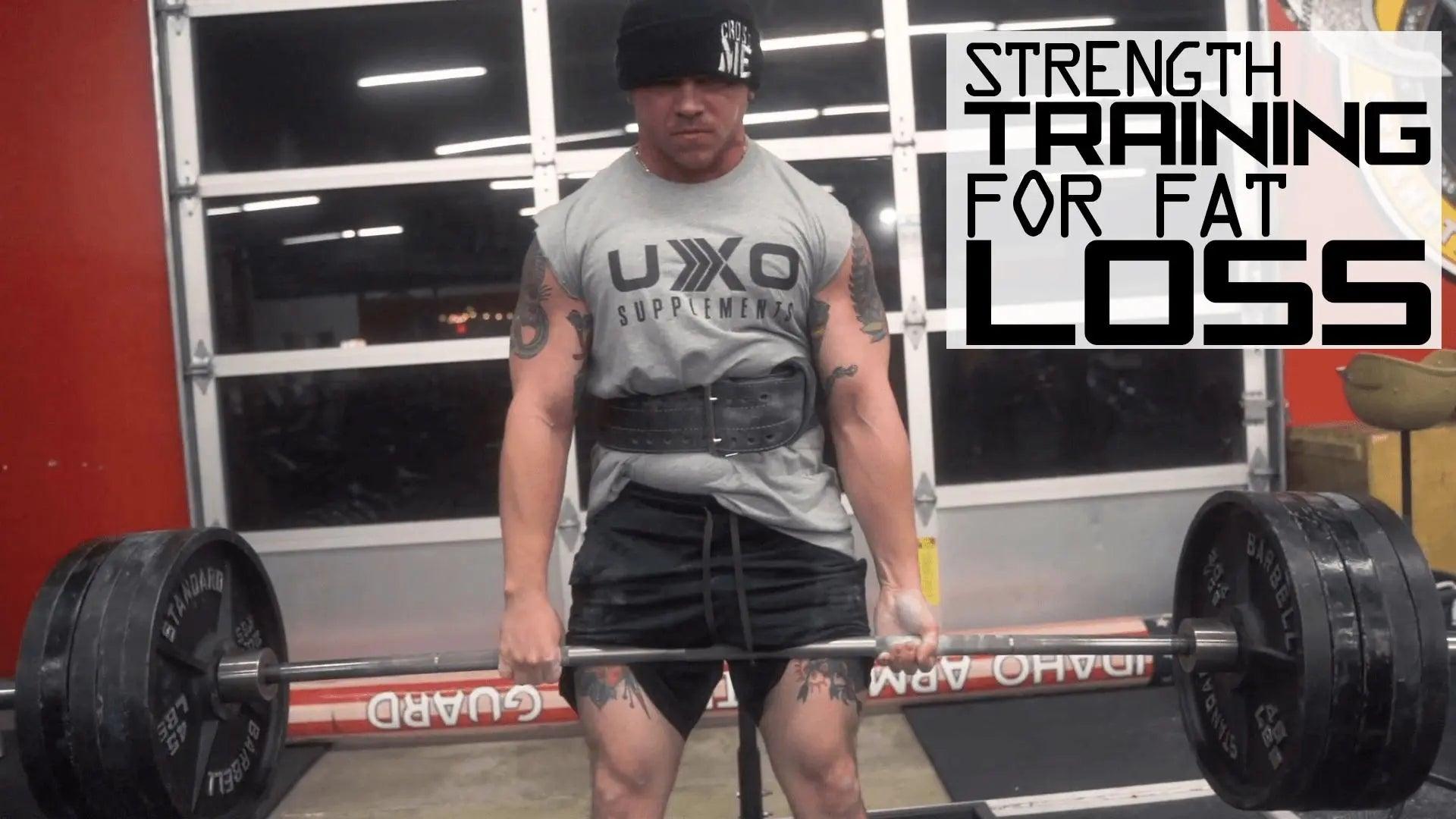
Think you shouldn't lift weights while losing fat? It's a myth. Here's how strength training preserves muscle, protects your metabolism, and beats cardio alone.

Most fat-loss attempts fail because the target was never defined. Set the target, build the momentum — the two steps that turn intention into result.

Snacking is a tool, not a moral failure. The protein-plus-fiber framework and the swaps that beat the vending machine.
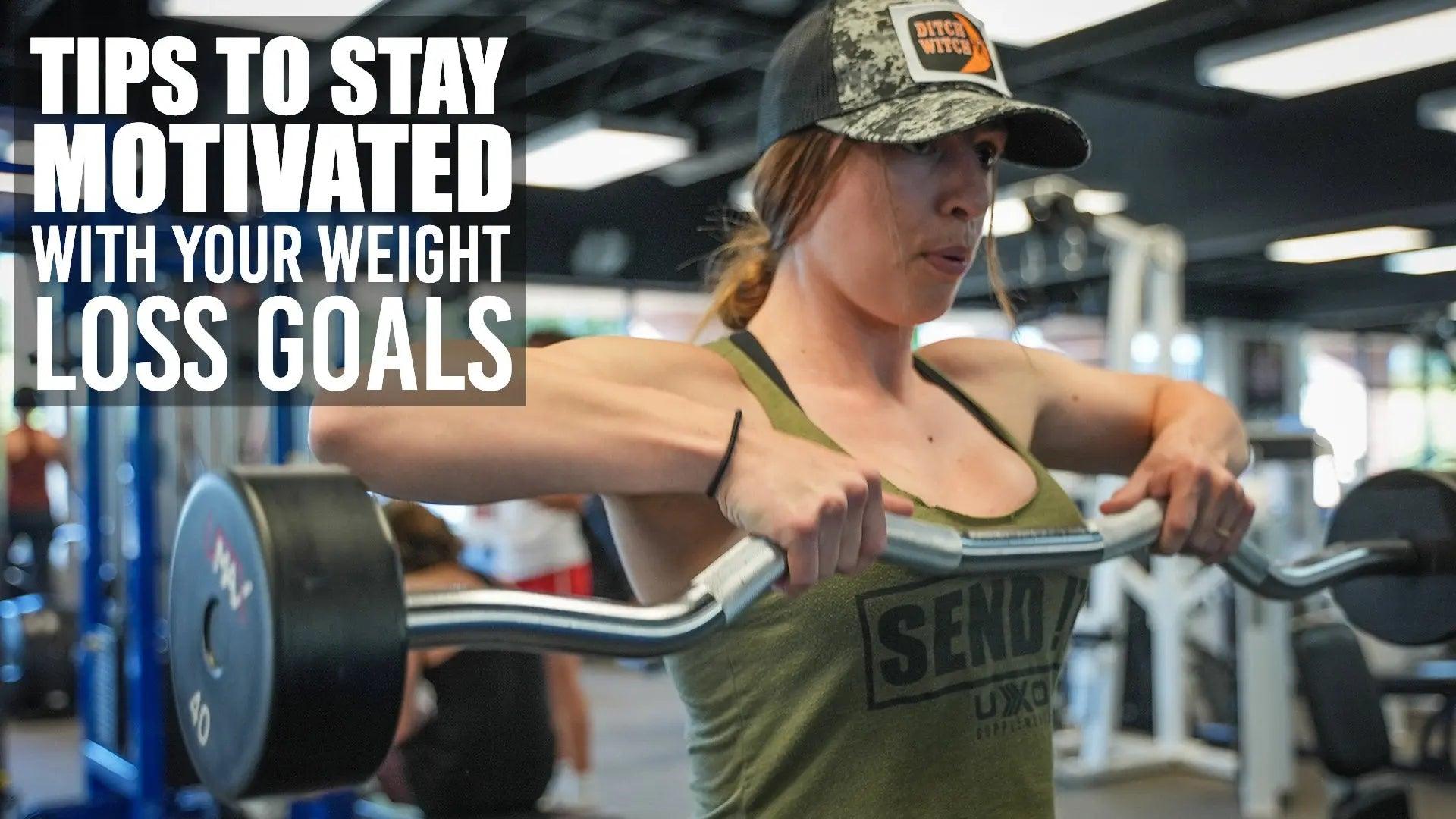
Motivation is a feeling, and feelings go quiet by week three. Here's the system that keeps weight loss moving after the feeling is gone.
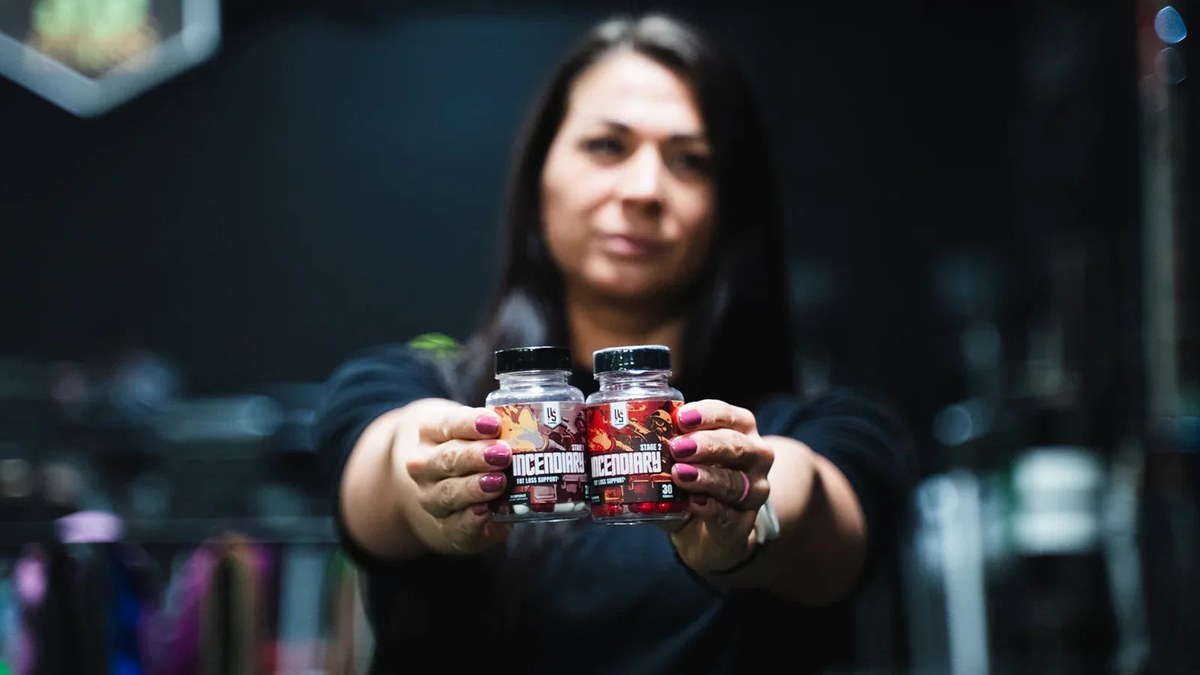
Fat burners aren't a scam because the ingredients are fake. They're a scam when they're sold as a substitute for a calorie deficit. Here's the honest version.