






What Is Carb Cycling? How It Works & How to Use It
By Jon Klipstein, U.S. Army Combat Veteran & Founder of Die Tryin Co.
Science reviewed by Onur Oncer, BS Physiology and peer-reviewed published researcher.
CARB CYCLING, NO BS
Carb cycling sounds complicated. It isn't. The idea is simple: eat more carbs on the days you train hard, fewer on the days you don't. That's it. Everything else is detail.
The internet has turned a basic timing strategy into a science-fair project. Here's the honest version — what carb cycling actually is, what the research really supports, and whether it's worth your time. Spoiler: it's a useful tool, not a magic fat-loss switch.
WHAT IS CARB CYCLING?
Carb cycling means rotating your carbohydrate intake across the week instead of eating the same amount every day. You run high-carb days, low-carb days, and sometimes moderate days — and you line them up with how hard you're training.
Hard leg day or a long session? High carbs, to fuel the work and refill the tank. Rest day or a light session? Pull the carbs back. Your protein stays high and consistent the whole time — you're only moving carbs (and total calories) up and down.
HOW CARB CYCLING ACTUALLY WORKS
Carbs are your body's fast fuel. You store them as glycogen in your muscles and liver, and that's what powers high-intensity training. Hard sessions burn through glycogen; rest days barely touch it. Carb cycling just matches your intake to that demand instead of overfilling the tank on days you're not using it.
There's a more advanced angle too. Research suggests that training with low glycogen now and then can nudge your muscles to build more mitochondria — the engines that burn fat for fuel — which may improve endurance and fat oxidation over time. The catch: most of this "train low" research is in endurance athletes, and the ISSN Position Stand on Nutrient Timing is clear that total daily intake matters far more than clever timing for most people.
DOES CARB CYCLING BURN MORE FAT?
Here's where we keep it real. Carb cycling does not have magic fat-burning powers. Fat loss comes down to one thing: eating fewer calories than you burn, with enough protein to hold onto muscle. A review of diet types and body composition found that when calories and protein are equal, the exact carb strategy barely moves the needle — what wins is the plan you can actually stick to.
So why bother? Because for a lot of people, carb cycling makes a deficit easier to follow. You get real carbs on your hardest days — better workouts, better mood, fewer crashes — and you save the calories on days you don't need them. It's a structure, not a shortcut. Calories and protein still run the show.
3 WAYS TO CYCLE YOUR CARBS
From simplest to most advanced:
- Fuel for the work required (start here). Match carbs to the day's training: high carbs on hard/heavy days, moderate on medium days, low on rest or light days. Practical, flexible, and the easiest to live with.
- Train high, sleep low. Train with carbs available, then keep the evening low-carb so you sleep in a glycogen-depleted state. Researched mostly in endurance sport — effective, but fussy.
- Two-a-days. A harder morning session, then a lighter low-carb session later to push more fat-burning. Advanced, and overkill for most lifters.
WHO SHOULD BOTHER — AND WHO SHOULDN'T
Carb cycling makes the most sense if you're an endurance athlete, you're dieting and want carbs concentrated around your hardest training, or you just feel better with structure. If you're chasing fat loss, it can be a useful framework on top of a calorie deficit.
Skip it if you're a beginner still learning to count macros, or if you're trying to build strength and size — chronically low glycogen can blunt your hardest sessions and leave performance on the table. Under-fuel for too long and you also risk worse recovery and getting run down. Use it as a tool, not a religion.
HOW TO START WITHOUT OVERCOMPLICATING IT
Three steps:
- Set your daily calories and protein first — that's the foundation, cycling comes after.
- Put your highest carbs on your two hardest training days, moderate on medium days, lowest on rest days. Keep weekly totals in line with your goal.
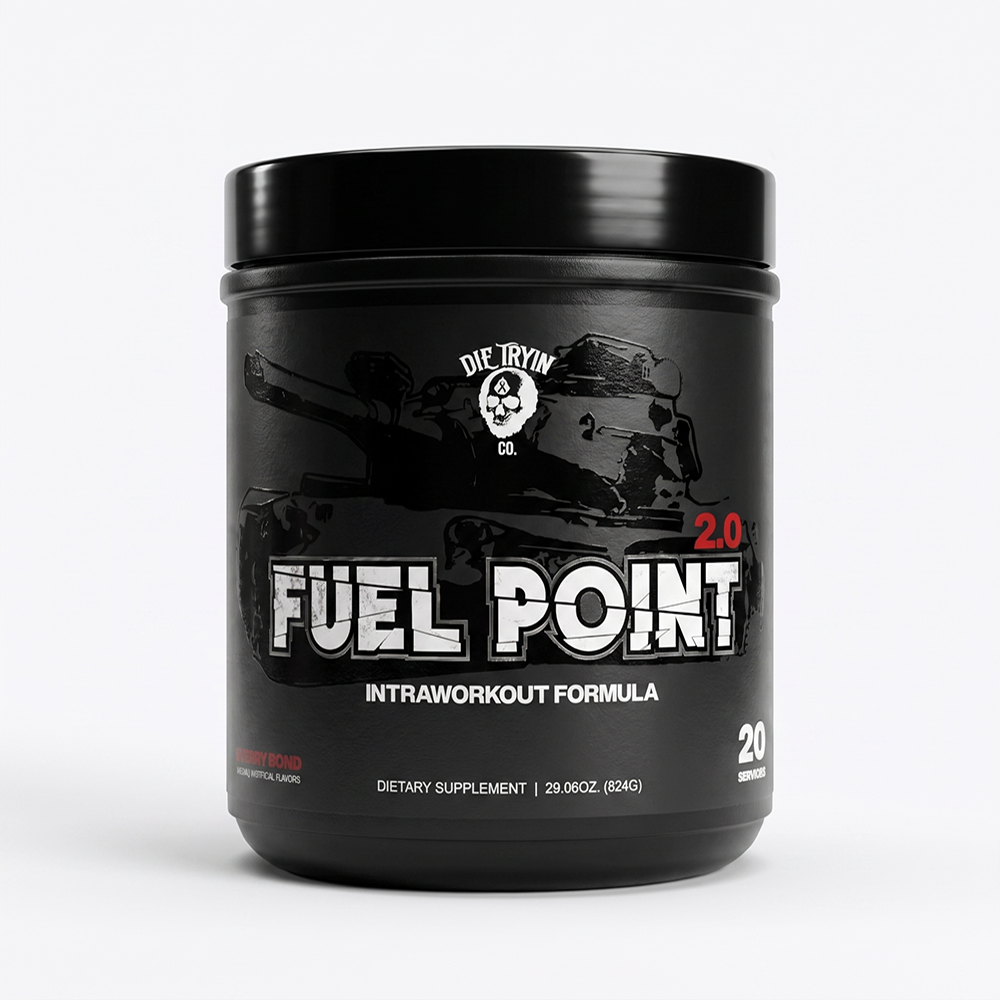
- Fuel the big sessions properly. Going heavy on leg day and emptying the tank mid-workout? A fast-digesting intra-workout carb like Fuel Point keeps you topped off without the sugar crash.
Then watch how you respond and adjust. Nutrition is individual — the "right" split is the one that keeps your training strong and your diet on track.
FREQUENTLY ASKED QUESTIONS
What is carb cycling in simple terms?
Eating more carbs on hard training days and fewer on rest or light days, while keeping protein high and consistent. You're matching fuel to demand.
Does carb cycling actually help you lose fat?
Only because it can make a calorie deficit easier to stick to. Fat loss still comes down to total calories and protein — carb cycling is a structure, not a fat-burning trick.
What should I eat on a low-carb day?
Keep protein high, lean on healthy fats and plenty of vegetables, and pull starchy carbs down. You're trimming carbs, not slashing calories to zero or cutting protein.
How many high-carb days per week?
Usually 2–3, lined up with your hardest sessions. Match the number of high days to how many genuinely demanding workouts you do each week.
Is carb cycling good for building muscle?
It can work, but building size needs fuel. If strength and growth are the goal, don't run low-carb on your biggest training days — you'll cut your performance short.
Do I need supplements to carb cycle?
No — it's a food strategy first. Some lifters add a fast-digesting carb for big sessions, or a glucose-support product on high-carb days, but those are optional add-ons, not requirements.
READY TO GEAR UP?
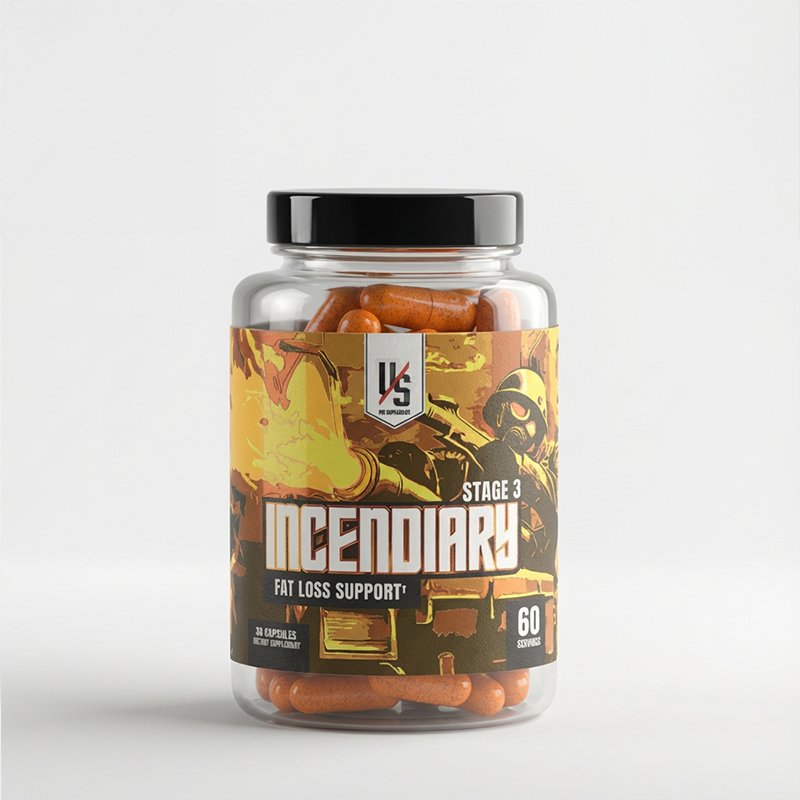
Carb cycling is about putting carbs to work. Fuel Point is our clean, fast-digesting intra-workout carb for the days you train hard and need to stay fueled. On big carb days, Incendiary Stage 3 (GlucoVantage® dihydroberberine) is built to support healthy glucose metabolism so those carbs get put to use. Not sure where to start? Take the quiz and we'll build your stack around your goals.
ALWAYS FORWARD.

GEAR THAT FITS THIS POST
The products this article actually talks about. Real doses, disclosed labels, veteran owned.
Read more

You can't out-train a bad diet. Here's the no-BS guide to macros — what they are, why they matter, and how to count them so you actually hit your goals.

The no-BS playbook for losing fat without losing muscle. Energy balance, protein, training, sleep, and the supplements that actually help.

Your gut lining runs the same creatine energy system as your muscles. Here is what the research shows on stomach upset, IBS, colitis and leaky gut, and exactly where the human evidence stops.

Creatine gummies can work if the creatine is actually in them, and lab tests keep finding it often is not. Here is why a scoop of Creatine Monohydrate powder still wins.
Flavor doesn't change what creatine does; taking it every day is what counts. How to pick flavored or unflavored, what to mix it with, and how long it lasts once mixed.
Whey protein concentrate now costs more than four times its early-2023 low. Here is what is driving it, what the 2027 forecasts actually say, and how to pay less per gram of protein without getting...