




Athlete's Fueling Guide: Macros for Strength & Endurance
By Jon Klipstein, U.S. Army Combat Veteran & Founder of Die Tryin Co.
Science reviewed by Onur Oncer, BS Physiology and peer-reviewed published researcher.
FUEL LIKE THE TRAINING ACTUALLY MATTERS
When you train with intent — chasing a PR on the platform, grinding through a long conditioning block, prepping for a competition — your body isn't just burning calories. It's managing fuel systems. How well those systems are supplied determines everything: how strong you feel, how long you last, and how fast you recover.
Most athletes don't fail because of effort or programming. They fail because they're under-fueled, poorly timed, or guessing their way through nutrition.
This guide breaks down the three macronutrients that drive performance and how to use each one strategically. Carbs for output. Protein for recovery. Fats for hormones and endurance. No magic, no fads — just the actual physiology of fueling a hard-training body.
MACROS FOR ATHLETES: QUICK ANSWER
| MACRO | DAILY TARGET | PRIMARY ROLE |
|---|---|---|
| Carbohydrates | 3–6 g/kg body weight (strength/lifters); 5–10 g/kg (endurance athletes) | Primary fuel for high-intensity output; replenishes glycogen |
| Protein | 1.6–2.2 g/kg body weight (~0.73–1g per lb) | Muscle repair, growth, recovery, satiety |
| Fats | 20–30% of total daily calories | Hormone production, joint support, sustained energy |
CARBOHYDRATES: THE ATHLETE'S PRIMARY FUEL
When intensity rises, your body defaults to carbs. They are the fastest, cleanest, and most readily available source of usable energy — and they directly determine performance output.
Why carbs matter so much
- They power explosive strength work
- They extend endurance during long sessions
- They spare muscle protein from being used as fuel
- They replenish glycogen, which drives performance AND recovery
Low carbs = low output. Athletes who constantly feel "flat," gassed out, or weak mid-workout usually aren't lacking motivation — they're lacking glycogen.
How to use carbs for performance
Pre-workout (60–90 min before):
- 25–60g fast-digesting carbs (rice, oats, banana, white potato)
- Ideal for strength & conditioning days
Intra-workout:
- 15–30g carbs per hour of intense training (sessions 60+ minutes)
- Enhances endurance, reduces fatigue, maintains power output
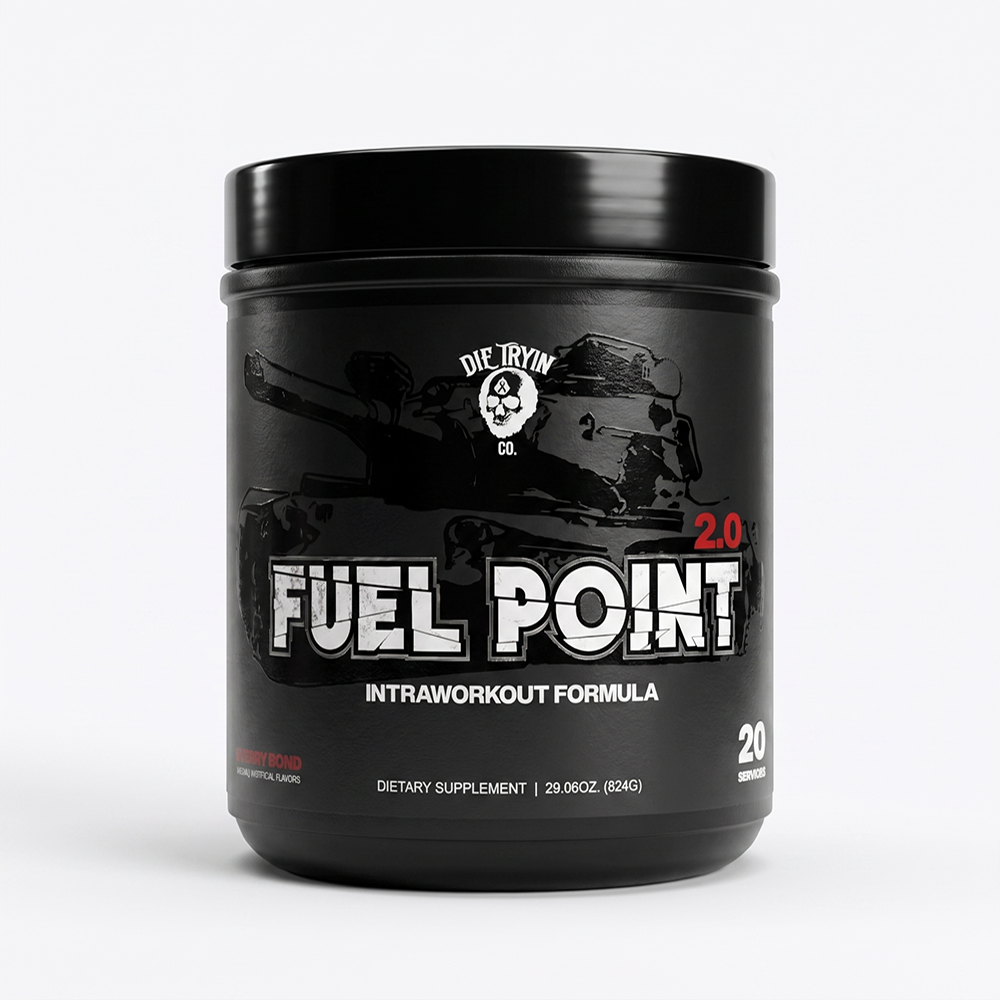
- Fuel Point is built for this exact window — steady glucose, no crash
Post-workout:
- 30–60g carbs paired with protein to restore glycogen and support muscle repair
- Rice, sweet potato, oats, fruit + a protein source = standard recovery meal
Carbs aren't the enemy. For athletes, they're the difference between surviving a workout and dominating it. Full carb-timing breakdown: Carb Cycling and Carb Cycling Meal Plan cover the day-by-day framework.
PROTEIN: THE CONSTRUCTION MATERIAL FOR MUSCLE
Protein isn't a fuel source — it's the raw material your body uses to repair tissue, build new muscle, support immune function, and maintain lean mass during heavy training phases or cuts.
Why protein matters
- Repairs training-induced muscle damage
- Supports strength adaptation
- Helps maintain muscle while dieting
- Improves satiety and stabilizes appetite
Daily intake
The research is consistent: about 0.73–1g of protein per pound of bodyweight (which is 1.6–2.2 g/kg body weight) is the sweet spot for most hard-training athletes. This is the dose-response plateau established by Morton et al. 2018 (49 RCTs, 1,863 participants) in the British Journal of Sports Medicine. More than 2.2 g/kg doesn't add muscle-building benefit, but may help with satiety on a cut. Run your own numbers in the protein calculator.
Best times to consume protein
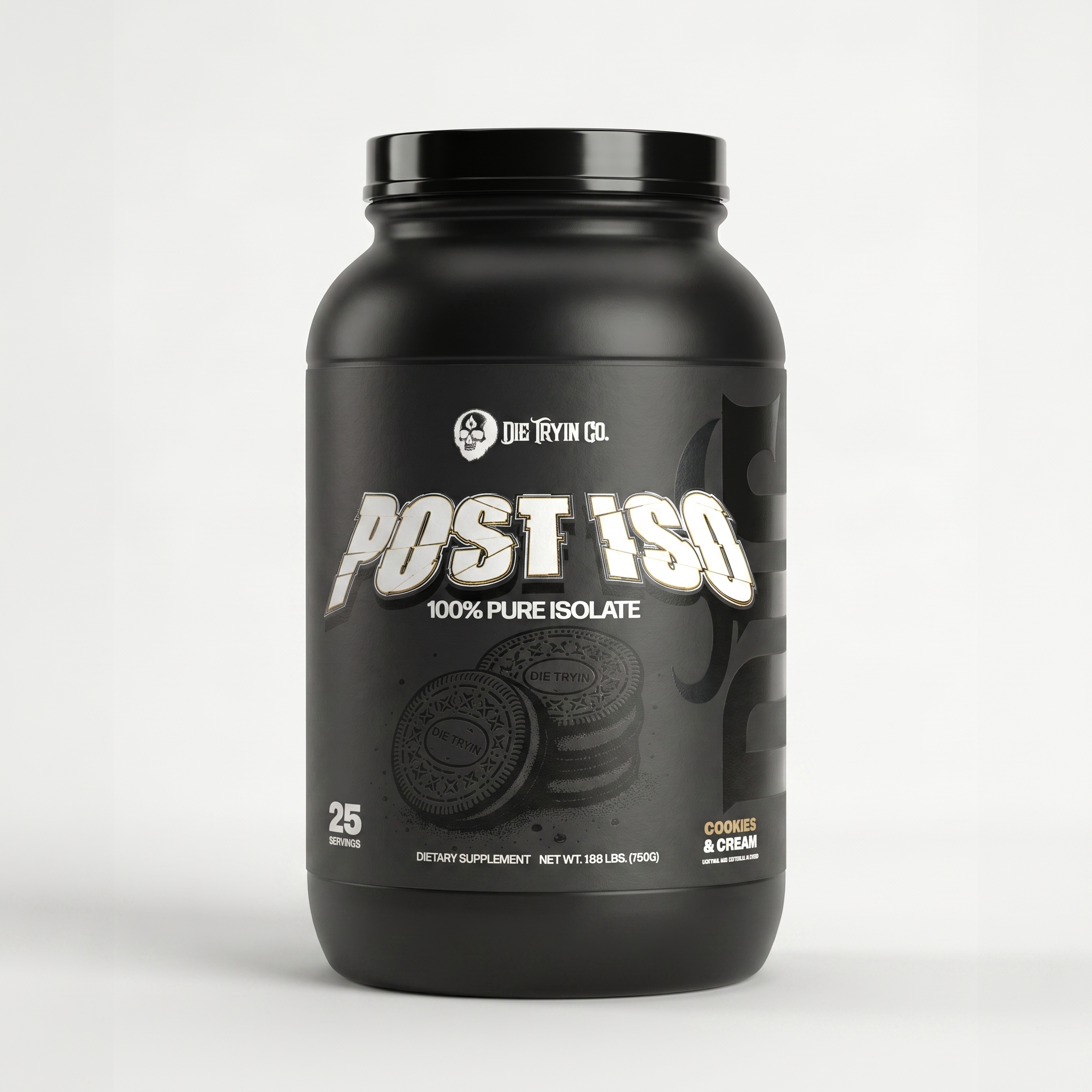
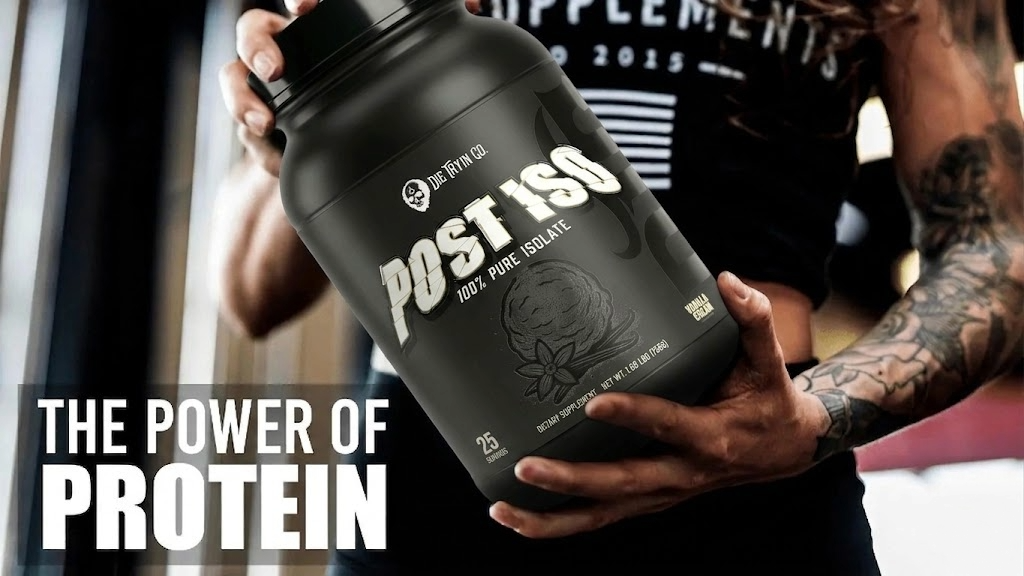
- Post-workout: 25–40g of high-quality protein (whey isolates absorb fastest; Post Iso delivers 24g per scoop)
- Before bed: slow-digesting protein (casein, cottage cheese, Greek yogurt) supports overnight recovery
- Throughout the day: aim for 3–5 protein-rich meals, each containing 25–40g (0.4 g/kg per meal optimizes per-meal MPS response)
Consistent protein intake sets the foundation for growth — supplements like Post Iso just make hitting the daily target easier. Full protein guide: Ultimate Guide to Protein. The 8 benefits beyond muscle: Why Protein Matters.
FATS: THE SLOW-BURN FUEL & HORMONE SUPPORT SYSTEM
Fats don't get enough respect in performance nutrition. They're not just "extra calories" — they're essential for hormone production, joint health, and long-duration aerobic work.
Why fats matter
- Support testosterone and hormone regulation (chronic very-low-fat diets are associated with reduced testosterone in men)
- Fuel low-intensity / long-duration efforts (Zone 2 cardio, endurance work)
- Improve joint lubrication and brain function
- Slow digestion for sustained energy between meals
Daily intake
Most athletes perform best when 20–30% of total calories come from healthy fats:
- Avocado
- Olive oil and other plant oils
- Fatty fish (salmon, mackerel, sardines)
- Nuts & seeds
- Whole eggs
- Grass-fed beef and lean dairy
Fats keep your hormonal engine running — critical for strength, recovery, and longevity. For testosterone-specific nutritional support, see Ultimate Guide to Men's Hormonal Health.
MACRONUTRIENT TIMING: WHEN YOU EAT MATTERS
Fuel timing isn't complicated, but it's underrated. The simplest and most effective approach:
Pre-workout (60-90 min before)
- Carbs for fuel (25–60g)
- Protein for muscle protection (20–30g)
- Minimal fats (they slow digestion and can cause GI discomfort during training)
Intra-workout (during sessions 60+ min)
- Fast carbs during long or high-volume training (Fuel Point)
- EAAs for muscle protein support (DTC EAAs)
- Electrolytes to maintain hydration and prevent cramping (Aqua Spike for heavy-sweat sessions)
Post-workout (within 30-60 min)
- Carbs to replenish glycogen (30–60g)
- Protein to kickstart recovery (25–40g)
- Real meal within 2 hours for sustained recovery
Athletes who time fuel properly recover faster, train harder, and maintain more muscle across all phases. Complete pre/intra/post breakdown: Pre, Intra, Post Workout: Complete Supplement Timing Guide.
COMMON FUELING MISTAKES ATHLETES MAKE
Most people sabotage their performance by:
- Training fasted for hard sessions (some fasted training is fine for low-intensity cardio; not optimal for strength or hypertrophy)
- Eating too low-carb when training intensity is high (keto can work for endurance at low intensity but compromises max-effort output)
- Neglecting intra-workout fuel during long sessions (glycogen drops, performance drops with it)
- Under-consuming protein (~50% of recreational lifters fail to hit even 1.6 g/kg/day consistently)
- Fear of fats (chronic very-low-fat diets reduce testosterone and impair recovery)
- Relying on energy drinks instead of actual nutrition (caffeine isn't a substitute for fuel; Pre-Workout vs Energy Drinks covers why)
These mistakes don't just slow progress — they build plateaus.
FAQ
How do I calculate my exact macros?
Start with bodyweight: protein at 0.73–1g per pound, carbs at 1.4–2.7g per pound (lifters) or 2.3–4.5g per pound (endurance athletes), fats at 20–30% of total calories. Multiply protein by 4 (cal/g), carbs by 4, fats by 9. Total = your daily calorie target. Adjust up or down for surplus (muscle gain) or deficit (fat loss). For a step-by-step counting framework: What Are Macros? How to Count Protein, Carbs & Fats.
Do I need to count macros every day?
For 4–8 weeks initially, yes — to understand portion sizes and what your typical intake looks like. After that, you can transition to "auto-pilot" eating that hits the targets without strict tracking. Most experienced athletes track macros during specific phases (cut, comp prep) and eat by feel otherwise.
What if I'm not progressing despite hitting my macros?
Check: (1) total calories — too low blocks muscle gain, too high blocks fat loss; (2) training stimulus — progressive overload, adequate volume; (3) sleep — under 6 hours blunts recovery and muscle protein synthesis; (4) consistency — one week of hitting macros doesn't override 3 weeks of guessing.
Should I cycle carbs?
Yes — carb cycling has real research support for athletes in caloric deficits. Higher carbs on training days, lower on rest days. See Carb Cycling for the framework. (Note: carb cycling has evidence; protein cycling does NOT — see Does Protein Cycling Work? for that breakdown.)
Can I build muscle on a plant-based diet?
Yes, but it requires larger total protein doses to match the muscle protein synthesis response of animal-based protein. Aim for the higher end of the protein range (2.0+ g/kg/day) and combine plant protein sources (pea + rice, tofu + beans) for complete amino acid profiles.
What's the most underrated macro mistake?
Under-eating carbs on training days. Most lifters fear carbs because of low-carb diet trends, but for high-intensity training, glycogen is non-negotiable. Low-carb athletes train at 70–80% of their potential without realizing it.
Do energy drinks count as pre-workout?
No. Energy drinks deliver caffeine and sugar without the pump, endurance, or focus ingredients of a real pre-workout. They also don't provide any actual fuel (just sugar). Use a proper pre-workout for training; coffee or water for everything else.
THE BOTTOM LINE
When you train like an athlete, you need to fuel like one. Carbs drive intensity. Protein drives recovery. Fats drive hormonal balance and long-term durability.
You can't out-train bad fueling. And you can't reach your potential under-fed.
The Die Tryin standard isn't just about grinding harder — it's about giving your body the resources it needs to deliver when the work gets heavy.
READY TO GEAR UP?
The supplement stack for athletes who fuel right:
- Fuel Point — clean intra-workout carbs for sustained energy during long or high-volume training
- Post Iso — 24g whey isolate per scoop for the post-workout protein hit
- EAAs — all 9 essential amino acids, in the same Fuel Point 2.0 scoop, for intra-workout muscle support
- Aqua Spike — electrolyte replacement for heavy-sweat sessions or hot training environments
- Creatine — 5g daily, every day, for ATP regeneration and strength output
For deeper dives on every system: Ultimate Guide to Protein | Ultimate Guide to Muscle Building | Ultimate Guide to Fat Loss | Ultimate Guide to Recovery.
Not sure where to start? Take the DTC supplement quiz — two minutes, dialed-in recommendation.
ALWAYS FORWARD.
GEAR THAT FITS THIS POST
The products this article actually talks about. Real doses, disclosed labels, veteran owned.


Read more

Carb cycling means rotating high, low, and moderate carb days around your training. Here's how it works — and the honest truth about whether it burns more fat.
The carb cycling meal plan, simplified: high/low/moderate days mapped to a 7-day training week, with food lists and how to set your own gram targets.
The complete protein playbook — how much you need, when timing matters, which sources deliver, and the myths costing you money.
Protein does more than build muscle. 8 real benefits ranked by evidence strength: satiety, metabolic boost, bone density, sarcopenia prevention, and more.
The honest playbook for healthy testosterone — sleep, body composition, training, stress, and what the research really says about boosters. No hype.

What to take before, during, and after training — and exactly when. The complete pre/intra/post supplement timing guide. No filler, no 12-bottle stacks.