


Best Workout Split: PPL vs. Upper/Lower
By Jon Klipstein, U.S. Army Combat Veteran & Founder of Die Tryin Co., and Chelsea Rodgers, IFBB Pro & Die Tryin Co. Athlete
THE BEST WORKOUT SPLIT IS THE ONE YOU'LL STICK TO
Your training split matters for building strength, muscle, and a body that performs under pressure. But here's the truth most people don't want to hear: there's no "perfect" split — only the one that matches your goals, your schedule, and your ability to stay consistent.
The two splits that dominate the gym right now are the push pull legs split (PPL) and the upper lower split. Both build muscle. Both push you past plateaus. But they thrive under different circumstances. Let's break down each one and figure out the best workout split for you.
| DAYS YOU'LL ACTUALLY TRAIN | RUN THIS SPLIT | WHY IT FITS |
|---|---|---|
| 3 days/week | Full-body | High frequency without needing 5 to 6 days |
| 4 days/week | Upper/lower | Twice-weekly frequency on every muscle with plenty of recovery |
| 5 days/week | Upper/lower + an extra weak-point day, or a PPL/UL hybrid | Every muscle hit twice a week, and the fifth session makes room for more weekly sets |
| 6 days/week | Push/pull/legs | Max muscle growth: the king of volume, specialization, and bodybuilding-style development |
Found your split? Now get your daily protein target: plug your weight and goal into our protein calculator.
THE PUSH PULL LEGS SPLIT (PPL)
A classic bodybuilding-style rotation that splits your training by movement pattern. How it works:
- Day 1 — Push: chest, shoulders, triceps
- Day 2 — Pull: back, biceps (our pull day blueprint lays out the full session)
- Day 3 — Legs: quads, hamstrings, glutes, calves
- Repeat 1–2× per week (so 3 or 6 days)
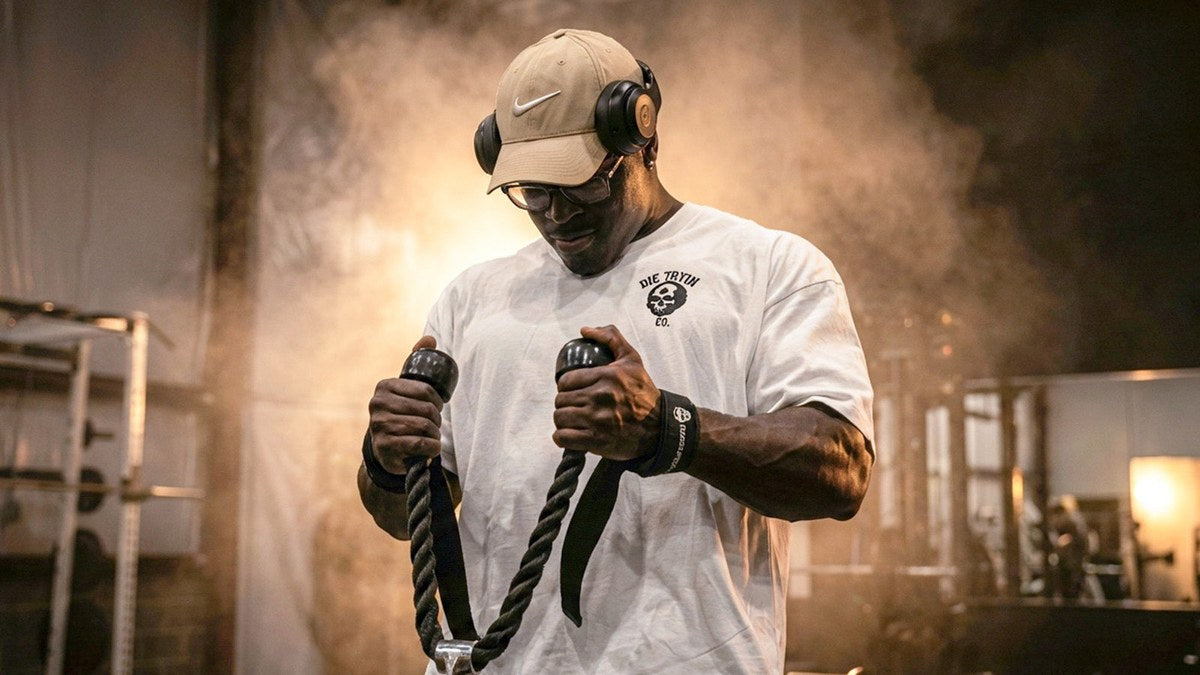
Here's a push day in action:
Pros:
- High volume per muscle group — you hammer each muscle with focus and intensity. Great for hypertrophy.
- Simple mindset — walking in knowing "it's push day" keeps things structured.
- Balanced development — training by movement pattern reduces imbalances.
- Scales to 6 days/week — if you love training, PPL lets you practically live in the gym.
Cons:
- Time-demanding — to get the full benefit, most people need 5–6 sessions a week.
- Legs get skipped — leg day is brutal and long, so it's the first thing people undertrain.
- Easy to overdo — without solid recovery, the volume leads to fatigue and burnout.
- Miss a day and the rhythm breaks — PPL works best run in sequence.
Best for: lifters chasing muscle growth and aesthetics who can train 5–6× per week.
THE UPPER LOWER SPLIT
A simple, brutally effective split that trains your whole body twice a week. How it works:
- Day 1 — Upper: chest, back, shoulders, arms
- Day 2 — Lower: quads, hamstrings, glutes, calves
- Rotate across 4–5 sessions per week
Pros:
- Efficient — just 4 solid days a week delivers serious results.
- Higher frequency per muscle — you hit everything twice weekly with manageable volume. Research on training volume shows that spreading sets across the week drives growth.
- Easy to recover from — no single session is as taxing as a full PPL day.
- Flexible — miss a day and you just pick up where you left off.
- Great for strength — the big compound lifts get repeated often enough to build mastery.
Cons:
- Longer sessions — you're hitting more muscles per workout.
- Less isolation — if you love sculpting individual body parts, it can feel too general.
- Fatigue carryover — heavy upper days can tax grip and arms for the next session.
- Less pump-focused volume than a dedicated PPL day.
Best for: lifters with tight schedules, anyone prioritizing strength and performance, and people who thrive on a structured but realistic weekly routine.
PPL VS. UPPER/LOWER — WHICH SPLIT IS BEST?
Here's the Die Tryin Co. take:
- Want max muscle growth and can train 6 days a week? Run PPL. It's the king of volume, specialization, and bodybuilding-style development.
- Want strength, sustainability, and a plan built for real life? Run upper/lower. It's easier to recover from, easier to stick to, and still delivers serious gains.
At the end of the day, the best workout split is the one you can execute with intensity and consistency — the one you'll actually show up for.
WHAT ABOUT FULL-BODY OR OTHER SPLITS?
If you can only train 3 days a week, a full-body split (hitting everything each session) often beats both — you get high frequency without needing 5–6 days. Bro splits (one muscle per day) can work for advanced lifters with the time, but for most people PPL, upper/lower, or full-body cover it. Match the split to the days you'll realistically train, not the days you wish you could.
PPL/UL HYBRID SPLIT: 5 DAYS, EVERY MUSCLE TWICE
The PPL/UL hybrid runs push, pull, legs, then upper, lower: five sessions, every muscle hit twice a week. Got five days, not four or six? This is your split. The two hits aren't copies. Push, pull and legs carry the volume and isolation work. Upper and lower go heavy on the big compounds. Put a rest day after each leg session and every muscle group gets at least two full days off before it's trained again.
| DAY | SESSION | TRAINS | HOW TO RUN IT |
|---|---|---|---|
| Mon | Push | Chest, shoulders, triceps | Volume: 8–12 reps, incline dumbbell press, flyes, raises, pushdowns |
| Tue | Pull | Back, biceps | Volume: 8–12 reps, rows, pulldowns, curls |
| Wed | Legs | Quads, hamstrings, glutes, calves | Volume: 8–15 reps, leg press, lunges, leg curls, calves |
| Thu | Rest | Recovery | Walk, eat, sleep |
| Fri | Upper | Chest, back, shoulders, arms | Heavy: bench, rows, overhead press at 4–8 reps, then arms |
| Sat | Lower | Quads, hamstrings, glutes, calves | Heavy: squat and a hinge at 4–8 reps, then calves |
| Sun | Rest | Recovery | Walk, eat, sleep |
- Vs. PPL twice through (6 days): same twice-a-week hit on every muscle, one fewer session, one more rest day. The trade: a little less weekly volume.
- Vs. upper/lower (4 days): the fifth session makes room for more weekly sets, and a volume meta-analysis found more weekly sets meant more growth. It's also where arm, delt and calf work fits.
- Run it if: you can commit five days and have a year or more of consistent training behind you.
- Skip it if: you're new to lifting, your schedule shifts week to week, or four days still keep your lifts climbing.
HOW TO PICK YOUR SPLIT
Make it simple — choose by how many days you'll actually train:
- 3 days/week: Full-body
- 4 days/week: Upper/lower
- 5 days/week: Upper/lower + an extra weak-point day, or a PPL/UL hybrid
- 6 days/week: Push/pull/legs
Then run it for at least 8–12 weeks, track your lifts, and progressively add weight or reps. The split sets the structure; progression builds the muscle.
FREQUENTLY ASKED QUESTIONS
What is the best workout split?
The one that fits your weekly schedule and that you'll stick to. For most lifters: full-body at 3 days, upper/lower at 4–5 days, and push/pull/legs at 6 days. Consistency beats the "perfect" split every time.
Is PPL a good split?
Yes, for lifters chasing muscle growth and aesthetics who can train 5 to 6 days a week. The cost is time and recovery: it's easy to overdo, and missing a day breaks the rhythm.
Is PPL or upper/lower better for building muscle?
Both build muscle. PPL gives more volume per muscle (great if you train 6 days), while upper/lower hits each muscle twice a week with less fatigue (great for 4–5 days). Pick based on how often you can train.
What's the best split for 4 days a week?
Upper/lower. Two upper days and two lower days give you twice-weekly frequency on every muscle with plenty of recovery — ideal for four sessions.
Is the push pull legs split good for beginners?
It can be, but most beginners do better on full-body or upper/lower at 3–4 days — the higher frequency speeds up learning the lifts, and it's easier to stay consistent than a 6-day PPL.
Can you build muscle on an upper lower split?
Absolutely. Hitting each muscle twice a week with hard, progressive sets is one of the most effective and sustainable ways to grow — many lifters build more on upper/lower than on a sloppy 6-day PPL they can't recover from.
What is a PPL/UL split?
A PPL/UL split is a 5-day hybrid: push, pull and legs, then upper and lower, hitting every muscle twice a week. Compared with PPL run twice over 6 days, it keeps the same frequency in one fewer session. Run the PPL days for higher-rep volume and the upper and lower days heavy. It fits intermediate lifters with five training days. Beginners usually do better on full-body or upper/lower.
Should you run PPL/UL or UL/PPL?
This guide runs it PPL/UL: push, pull, legs, rest, upper, lower, rest. Put a rest day after each leg session and every muscle group gets at least two full days off before it's trained again.
READY TO GEAR UP?
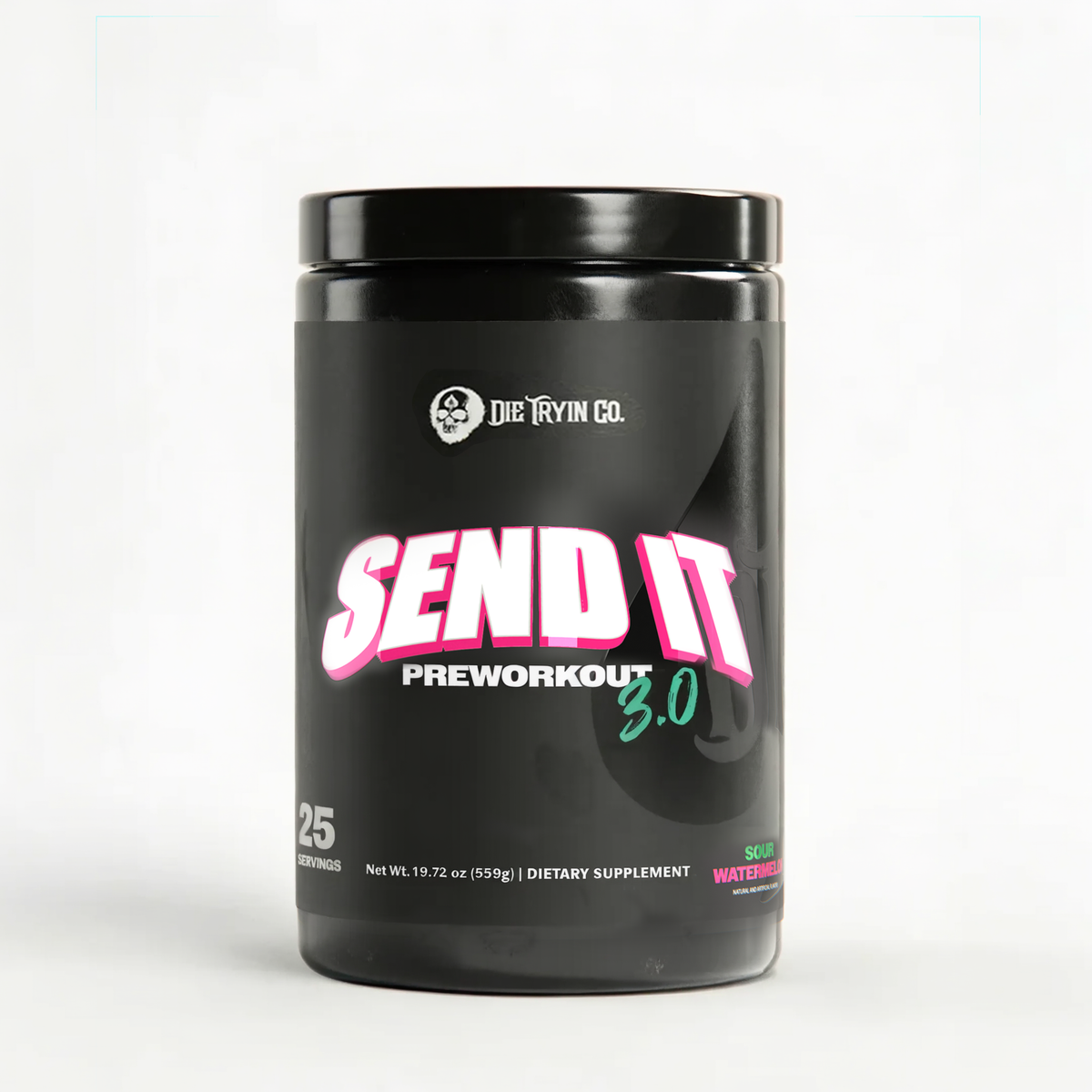
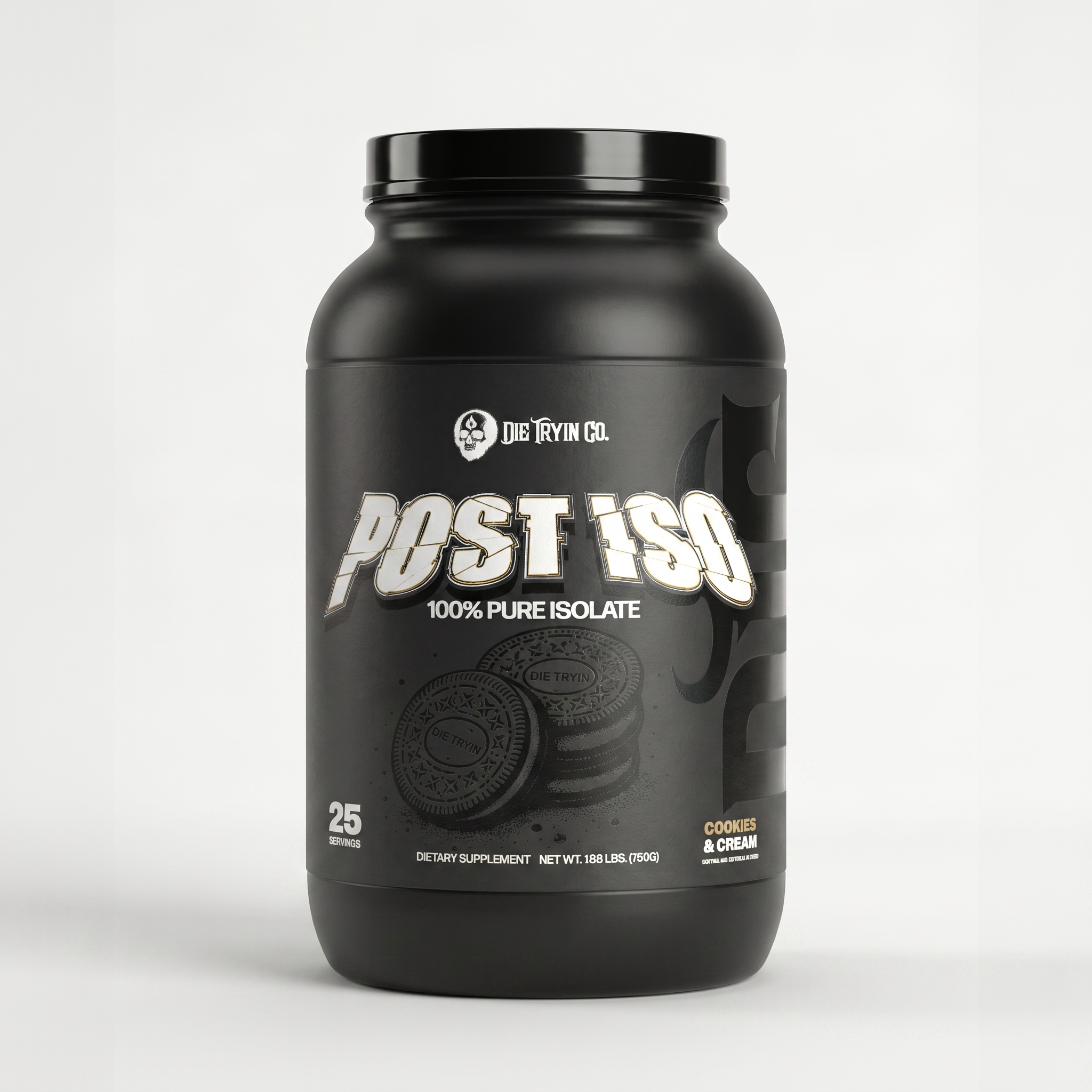
Whatever split you run, the work only counts if you show up and train hard. Fuel your sessions with SEND IT, recover with Post Iso protein, and run daily Creatine. Dial in the individual days with our best leg exercises and best tricep exercises guides — or take the quiz to build your stack.
A great split won't save weak effort. A perfect plan won't outwork inconsistency. Pick a split, commit to it, and attack every set with intent. That's how you build a body that performs — not just one that looks good.
ALWAYS FORWARD.
GEAR THAT FITS THIS POST
The products this article actually talks about. Real doses, disclosed labels, veteran owned.

Read more
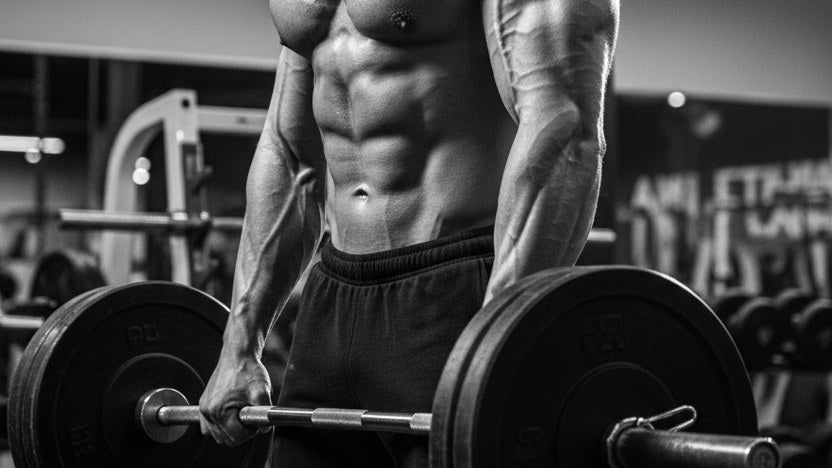
The complete playbook for building muscle that actually lasts. Training, nutrition, recovery, and the supplements that move the needle — no hype.
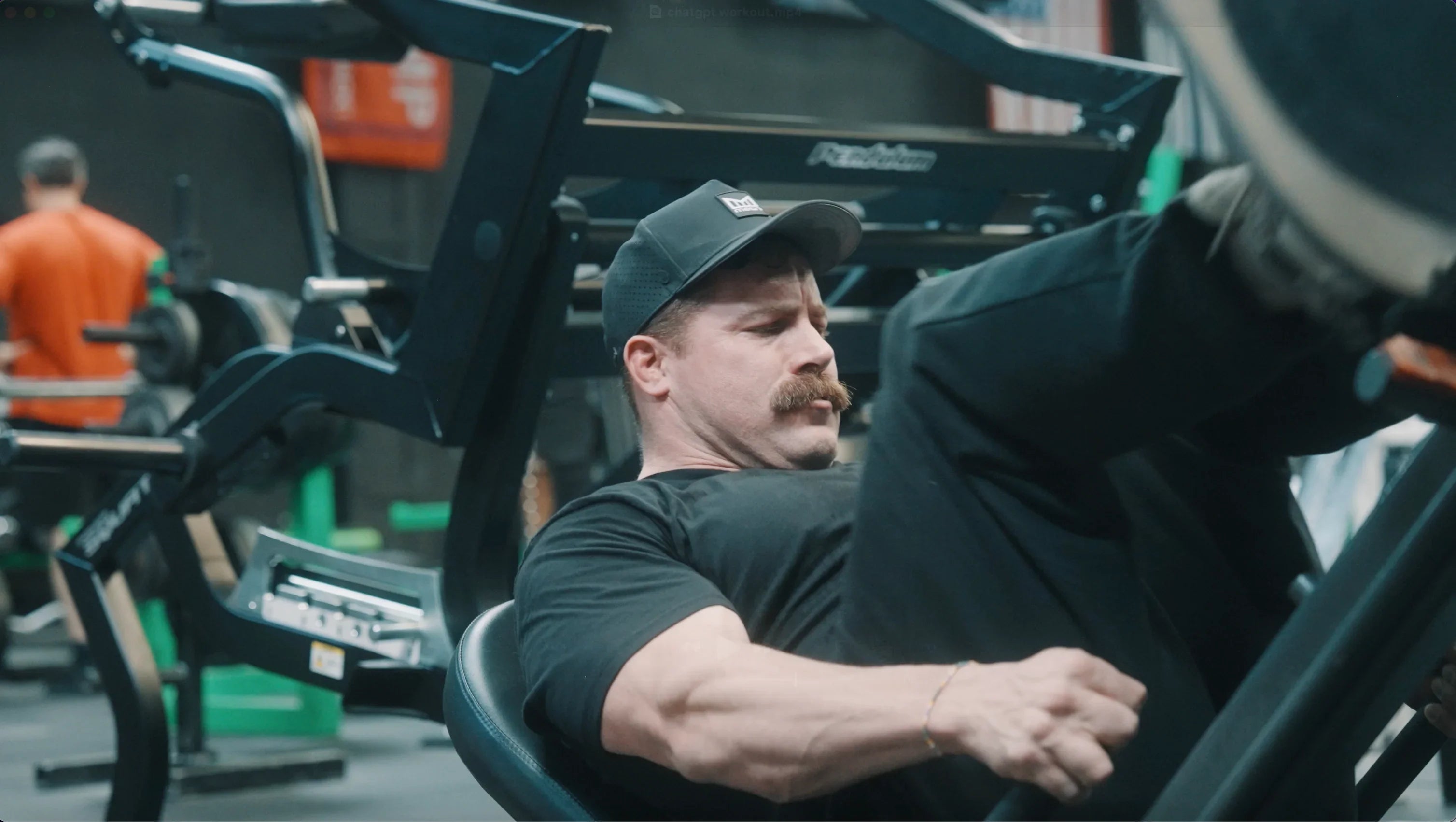
The best leg exercises that actually build wheels — 8 moves for quads, hamstrings, glutes, and calves, plus a complete leg-day plan.
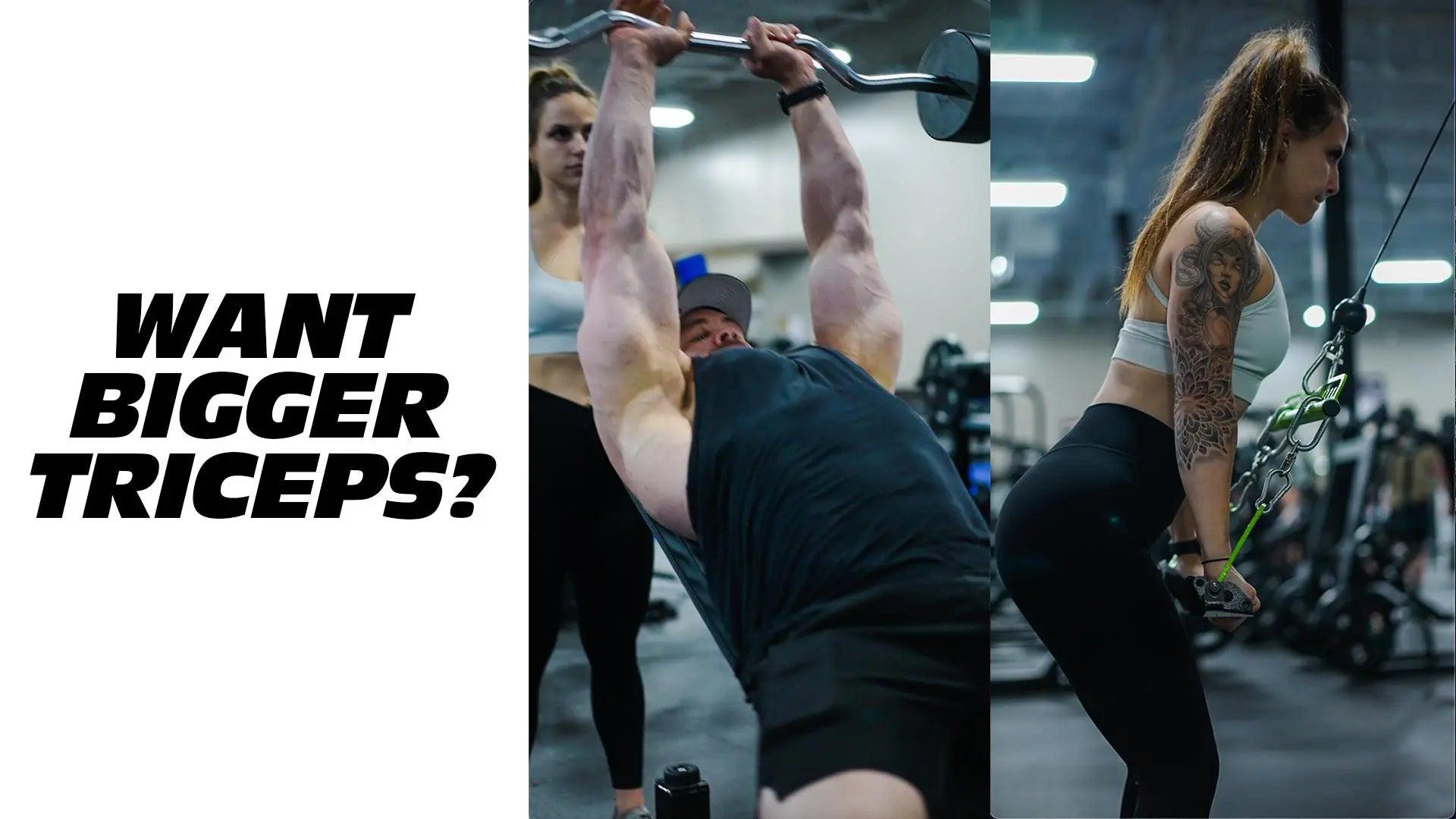
Your triceps are two-thirds of your arm. Here are the 7 best tricep exercises to hit all three heads — and how to program them for size.
Your gut lining runs the same creatine energy system as your muscles. Here is what the research shows on stomach upset, IBS, colitis and leaky gut, and exactly where the human evidence stops.

Creatine gummies can work if the creatine is actually in them, and lab tests keep finding it often is not. Here is why a scoop of Creatine Monohydrate powder still wins.
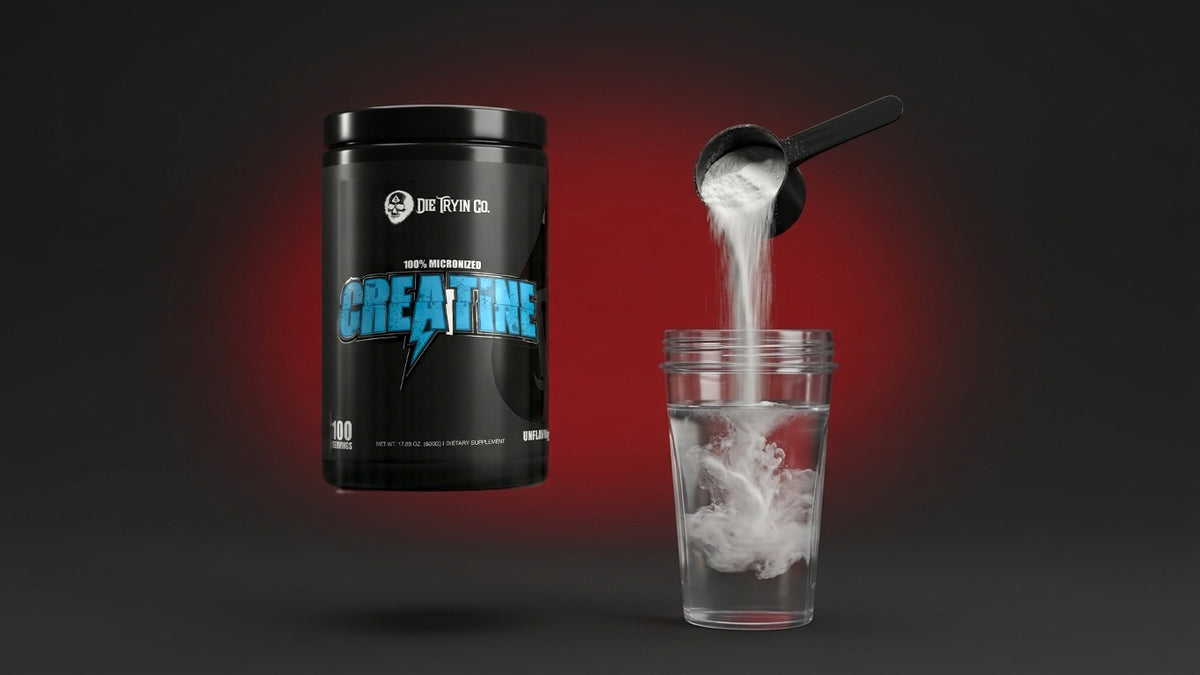
Flavor doesn't change what creatine does; taking it every day is what counts. How to pick flavored or unflavored, what to mix it with, and how long it lasts once mixed.