



How to Recover From Workouts: The Complete Guide
By Jon Klipstein, U.S. Army Combat Veteran & Founder of Die Tryin Co.
Science reviewed by Onur Oncer, BS Physiology and peer-reviewed published researcher.
RECOVERY IS WHERE GROWTH HAPPENS
You don't grow in the gym. You grow when you recover from it.
Training is a stimulus, not the adaptation itself. When you lift, you damage muscle, drain your nervous system, and deplete your fuel stores. The actual growth — bigger muscle, more strength, better conditioning — happens in the hours and days after, while you rest, sleep, and refuel. Skip the recovery and you skip the gains. It's that simple.
Most people understand training. Almost nobody takes recovery seriously. They train hard six days a week, sleep five hours, run on stress and caffeine, and wonder why they're stuck, beat down, and constantly nursing something.
This guide fixes that. The science of how recovery actually works. Sleep — the single biggest lever. Stress and the nervous system. Nutrition for repair. The framework that ties it together. And an honest breakdown of recovery modalities — what works, what's hyped, and what might even be holding you back.
Built for men and women, every training age. The principles don't change. No hype. No shortcuts. Just recovery, done right.
WHAT'S BLOCKING YOUR RECOVERY?
Quick answer before the deep dive. Match your situation to the lever.
| YOUR SITUATION | TOP LEVER | WHAT TO DO TODAY | DTC SUPPORT |
|---|---|---|---|
| Under-slept (<7 hrs nightly) | Sleep first — everything else compounds | 7-9 hrs, dark cool room, caffeine cutoff 8 hrs before bed | Post Iso for pre-sleep protein |
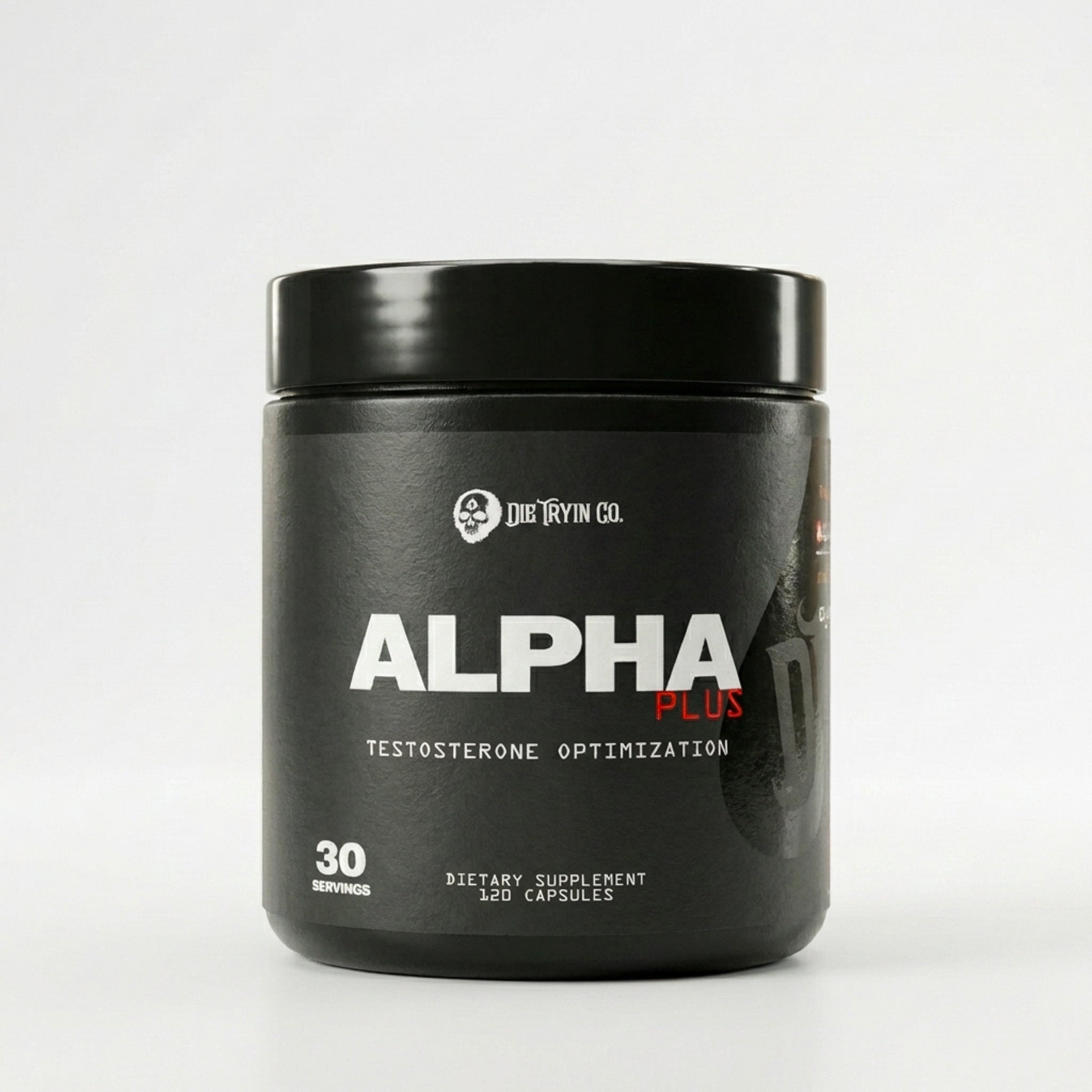
| High life stress (work/family/financial) | Total stress load management | Walking + downtime + deload training intensity | Alpha+ for cortisol/hormonal support |
| Heavy training block (high volume phase) | Fuel + active recovery + amino support | Hit protein 1.6-2.2 g/kg + daily walks + 7-9 hrs sleep | Post Iso + Glutamine |
| DOMS / persistent soreness | Protein + active recovery + sleep | Hit protein, light movement, 24-72 hr recovery window | Post Iso + Omega |
| Stalled progress (lifts dropping, beat down) | Deload + recovery audit | Reduce volume 40-50% × 1 week, audit sleep + food + stress | Foundation stack (Post Iso + Daily Essentials) |
| Not sure where to start | Quiz-matched | Take the 60-second quiz | Quiz-matched stack |
Now the deep dive on each piece.
WHY RECOVERY MATTERS — THE STIMULUS-RECOVERY-ADAPTATION CYCLE
Understand one cycle and recovery makes sense: stimulus, recovery, adaptation.
Stimulus. You train. You impose stress on the body — mechanical tension on muscle, fatigue on the nervous system, depletion of glycogen. This stress is a signal: the current capacity isn't enough. On its own, training makes you temporarily weaker and more fatigued, not stronger.
Recovery. In the hours and days after, your body repairs the damage and refills what was drained. Muscle protein synthesis rebuilds tissue. The nervous system recovers. Glycogen restores. Hormones rebalance.
Adaptation. If recovery is adequate, the body doesn't just return to baseline — it overshoots, building slightly more capacity than before so it's ready for the next bout. This is supercompensation. Repeat the cycle consistently and capacity climbs over months and years. That's progress.
Here's where people go wrong: they nail the stimulus and neglect the recovery. The result is predictable.
Train too much, recover too little, and you accumulate fatigue faster than you clear it. Progress stalls, then reverses. Performance drops. Sleep degrades. Motivation tanks. Injuries creep in. This is the overtraining — more accurately, under-recovery — zone. Learn to spot it before it derails you.
Train too little, and there's not enough stimulus to drive adaptation. Less common in serious lifters, but real.
The sweet spot is training hard enough to demand adaptation, then recovering hard enough to actually get it. More training is not automatically better. Better recovery often unlocks more progress than adding another workout. This is the science of maximizing gains between workouts. The full hypertrophy framework that recovery powers lives in the muscle-building pillar.
This is why recovery isn't passive downtime — it's the half of the equation where results are actually produced. The athletes who progress for years aren't the ones who train the hardest. They're the ones who recover well enough to train hard, consistently, without breaking down. Recovery is the most overlooked part of training.
SLEEP — THE #1 RECOVERY TOOL
If you fix one thing about your recovery, fix your sleep. Nothing else comes close.
Sleep is when the bulk of recovery happens. According to PubMed, Charest & Grandner's 2020 review on sleep and athletic performance confirms that during deep sleep, your body releases the majority of its daily growth hormone, repairs tissue, consolidates motor learning (the skill side of training), and resets the nervous system. There is no supplement, no modality, no recovery gadget that replaces it.
What sleep does for you:
- Hormonal recovery. Growth hormone peaks during deep sleep. Testosterone is largely produced during sleep. Cut sleep short and both drop.
- Muscle repair. Muscle protein synthesis runs through your sleep hours, fueled by the protein you ate during the day.
- Nervous system recovery. Heavy lifting fatigues the CNS. Sleep is when it resets. Under-slept lifters lose strength and coordination before they lose anything else.
- Glycogen and cognition. Sleep supports glycogen management and the focus, reaction time, and decision-making that keep training productive and safe.
What sleep deprivation costs you:
The research here is brutal and consistent. According to PubMed, Craven et al.'s 2022 systematic review and meta-analysis on acute sleep loss found a 7.6% average drop in physical performance after sleep loss — and the deeper the loss, the worse the drop. Hatia et al.'s 2024 narrative review on sleep restriction in athletes shows chronic restriction is worse — it suppresses recovery, spikes hunger hormones, elevates cortisol, impairs glucose tolerance, slows tissue repair, and raises injury risk. The lifter sleeping five hours a night is training with the handbrake on, no matter how good the program.
The target: 7-9 hours per night. Most adults need toward the upper end of that range when training hard. Athletes in heavy training blocks may need even more.
How to actually sleep better:
- Consistency first. Same sleep and wake time every day, including weekends. Your body runs on a clock.
- Dark, cool, quiet room. Around 65°F, blackout, no noise. The environment matters more than people think.
- Kill screens before bed. Blue light and stimulation delay sleep onset. Wind down 30-60 minutes before.
- Caffeine cutoff. Caffeine has a ~5-6 hour half-life. An afternoon pre-workout or coffee is still in your system at bedtime. Cut it 8+ hours before sleep — the full pre-workout timing framework lives in the pre-workout pillar.
- Limit alcohol. It knocks you out but wrecks sleep quality, especially deep and REM sleep.
- Pre-sleep protein. A slower-digesting protein before bed supports overnight muscle protein synthesis.
Sleep is free. It's the highest-leverage recovery tool on the planet, and the one most lifters sacrifice first. Protect it like it's part of your program — because it is. Sleep drives fat loss (covered in depth in the fat loss pillar) and no training plan is complete without a solid sleeping schedule.
STRESS, CORTISOL & THE NERVOUS SYSTEM
Your body doesn't distinguish between a hard training session, a brutal work week, and a personal crisis. To your nervous system, it's all stress — and it all draws from the same recovery budget.
Cortisol isn't the enemy — chronic elevation is. Cortisol is a normal stress hormone. It spikes during training (that's fine and necessary) and should fall afterward. The problem is when life keeps it elevated around the clock. Chronically high cortisol wrecks gains:
- Impairs muscle recovery and protein synthesis
- Promotes muscle breakdown
- Degrades sleep quality (which raises cortisol further — a vicious cycle)
- Increases hunger and cravings
- Suppresses testosterone and other recovery hormones (see the men's hormonal health pillar for the full picture)
The hidden math: your total recovery capacity is shared across everything in your life. A lifter under heavy work stress, relationship stress, or financial stress has less left over for training recovery — even if the training itself hasn't changed. This is why progress often stalls during stressful life periods that have nothing to do with the gym. Stress affects far more than your mood.
The nervous system angle. Heavy training fatigues the central nervous system, not just the muscles. CNS fatigue shows up as dropping strength, slower bar speed, poor coordination, irritability, and disturbed sleep — often before the muscles themselves feel done. Chronic stress compounds CNS fatigue. Managing both is what keeps you training hard session after session. The discipline behind managing stress consistently — that's covered in the training mindset pillar.
What to actually do:
- Protect sleep first — it's the master regulator of stress hormones
- Build in genuine downtime, not just "rest days" spent stressed about everything else
- Use low-intensity movement (walking, easy cardio) to down-regulate
- Deload when life stress is high — don't stack maximal training on top of a maximal life
- Support the foundation: adequate micronutrients, omega-3s, and for some, products targeting stress and hormonal balance like Alpha+
You can't out-train a stressed-out, under-recovered life. Manage the stress or it manages your results.
NUTRITION & HYDRATION FOR RECOVERY
Recovery runs on raw material. You can sleep perfectly and manage stress flawlessly, but if you're not feeding the repair process, it stalls.
Protein — the repair material. Muscle repair requires a steady supply of amino acids. Hit 1.6-2.2 g/kg of bodyweight daily, distributed across 3-5 meals of 30-50g each. This keeps muscle protein synthesis elevated around the clock, not just after one meal. A whey isolate scoop is the easiest way to fill gaps — Post Iso delivers 24g per serving with DigeZyme enzymes for clean digestion. The full protein framework lives in the protein pillar.
Carbs — the fuel that refills. Training depletes muscle glycogen. Carbs restore it. Cutting carbs too aggressively, especially during hard training, leaves you under-fueled, under-recovered, and flat in the next session. Eat enough carbs to support your training load.
Hydration — the overlooked basics. Even mild dehydration impairs performance, recovery, and cognition. Muscle is roughly 75% water, and recovery processes depend on fluid balance. Drink consistently across the day, not just during training, and replace electrolytes around hard or sweaty sessions.
Micronutrients — the supporting cast. Vitamins and minerals run thousands of recovery-related processes. Magnesium (sleep and muscle function), vitamin D (hormonal and immune health), zinc (recovery and hormones), and the full micronutrient spectrum all matter. A diet rich in whole foods covers most of it; a quality multivitamin and omega-3 fill the gaps that show up in busy, hard-training lifestyles.
Note: this video is from our UXO Supplements era — we've since rebranded to Die Tryin Co. Same team, same standards, same athletes.
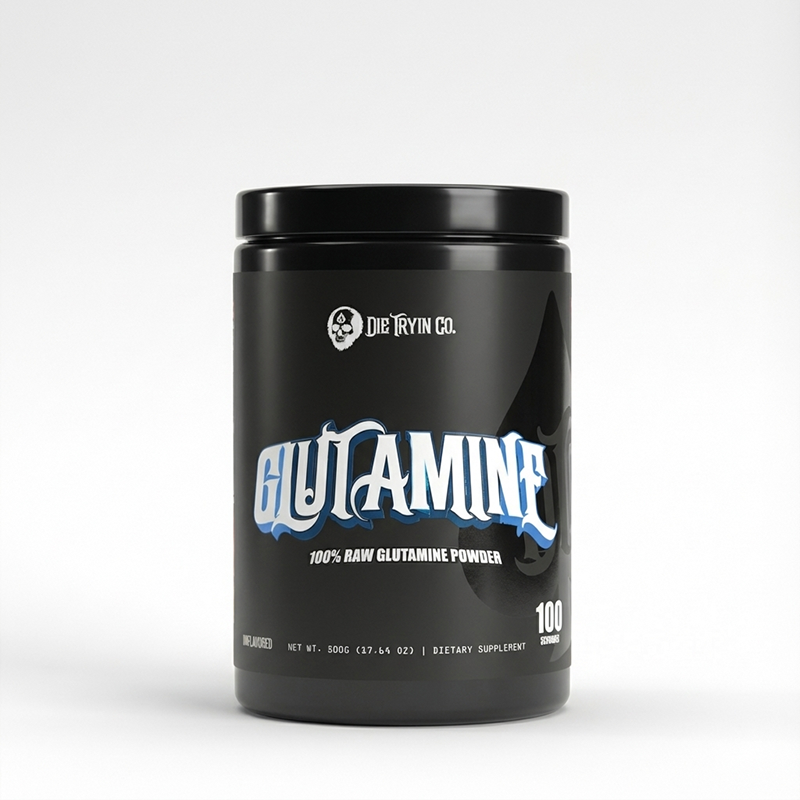
Glutamine for high-volume blocks. During heavy training phases, glutamine — the most abundant amino acid in muscle — can get depleted faster than usual. Supplementing offers modest support for gut health and recovery during those demanding blocks. Glutamine is a supporting tool, not a foundation.
Note: this video is from our UXO Supplements era — we've since rebranded to Die Tryin Co. Same team, same standards, same athletes.
"When I'm focused with intense training sessions, then yes I always make sure I load up on some glutamine. 5 grams is all you should really need... Glutamine is also fuel for your immune system cells during times of sickness or illness." — Die Tryin Co.
The recovery nutrition priorities, in order:
The recovery nutrition priorities, in order:
- Hit daily protein
- Eat enough total calories and carbs to fuel your training load
- Hydrate consistently
- Cover micronutrient gaps
- Add targeted support (glutamine, omega-3) during heavy blocks
Get the order right. The basics — protein, calories, carbs, water — do 90% of the work. Supplements fill the last 10%. Blood flow and nutrient delivery tie the whole process together.
THE RECOVERY FRAMEWORK — 6 STEPS
Six steps. Run them together.
Step 1 — Sleep 7-9 hours, consistently.
The highest-leverage recovery tool. Same sleep and wake time daily, dark cool room, caffeine cutoff 8+ hours before bed. Non-negotiable.
Step 2 — Manage your total stress load.
Recovery capacity is shared across your whole life. When life stress is high, pull back training intensity. Use walking and downtime to down-regulate. Don't stack a maximal life on top of maximal training.
Step 3 — Fuel the repair.
Hit protein (1.6-2.2 g/kg), eat enough carbs to refuel glycogen, hydrate consistently, cover micronutrient gaps. Recovery needs raw material.
Step 4 — Program rest and active recovery.
Take genuine rest days. Use active recovery — walking, light cardio, mobility — to promote blood flow without adding fatigue. Rest days aren't wasted days; they're when the work pays off. Rest periods matter inside the session too.
Step 5 — Deload regularly.
Every 4-8 weeks of hard training, take a deload week — reduced volume and/or intensity — to clear accumulated fatigue. Deloads aren't weakness; they're how you sustain progress without breaking down. Deloads are essential, not optional.
Step 6 — Read your body's signals and adjust.
Recovery isn't one-size-fits-all. Learn to read the signs:
- Strength climbing, sleeping well, motivated — recovery is matching your training. Keep going.
- Lifts dropping, sleep disturbed, irritable, persistent soreness — you're under-recovered. Add sleep, food, or a deload. Watch for the signs your body needs a break.
- Constant fatigue, elevated resting heart rate, getting sick often — back off hard. You're deep in under-recovery.
- Feeling fresh and under-stimulated — you may have room to add training.
Six steps. Sleep, manage stress, fuel, rest, deload, adjust. Run them together and recovery stops being the thing holding you back.
RECOVERY MODALITIES — WHAT WORKS, WHAT'S HYPED
The recovery industry sells a lot of gadgets and rituals. Some help. Some are neutral. One popular one might even be working against your gains. Here's the honest breakdown.
Sleep, nutrition, and stress management. The big three. They do more than every gadget combined. If your modality budget competes with your sleep, fix sleep first.
Active recovery — works. Light movement (walking, easy cycling, mobility work) on rest days promotes blood flow, helps clear metabolic waste, and aids recovery without adding meaningful fatigue. Cheap, effective, underused.
Foam rolling and self-massage — works (modestly). Reduces the perception of soreness and can improve short-term range of motion. It won't "release fascia" or "flush toxins" the way it's marketed, but it feels good and may help you move better. Low cost, low risk.
Massage — works (modestly). Similar story. Reduces soreness perception and feels good. Nice if accessible; not essential.
Sauna and heat — promising. Heat exposure may support cardiovascular health and recovery, and many lifters find it relaxing (which itself aids sleep and stress). Reasonable to include if you enjoy it.
Cold plunge and ice baths — it depends, and here's the catch. Cold-water immersion does reduce acute soreness and can be useful between same-day events or in-season for athletes who need to perform again fast. But here's the honest part most won't tell you: cold immersion done right after lifting can blunt muscle and strength gains. The cold suppresses the very inflammation signal that drives adaptation. If your goal is building muscle and strength, don't ice bath immediately after your lifting sessions — separate them by several hours, or save cold for non-lifting days. Cold has its place; right after a hypertrophy session usually isn't it. More on where cold plunges fit.
Compression gear — minimal. May modestly reduce soreness perception. Won't make or break your recovery. Fine if you like it.
Stretching for recovery — minimal. Stretching has its uses (mobility, feeling good), but it's not a major recovery driver and doesn't prevent soreness the way people believe. According to PubMed, Cheung et al.'s 2003 review on delayed onset muscle soreness confirms stretching, cryotherapy, ultrasound, and electrical current modalities show no effect on DOMS alleviation — soreness is a normal part of training, not something to chase or fully eliminate.
The honest hierarchy: sleep, nutrition, and stress management are the foundation — get those right before spending a dollar on anything else. Active recovery and movement come next. Everything else (rolling, massage, sauna, cold, compression) ranges from modestly helpful to neutral — nice additions once the basics are locked, never substitutes for them. Stack the simple recovery tips that actually work.
Don't let a $5,000 cold tub distract you from the free 8 hours of sleep that would actually move the needle.
RECOVERY FAQ
How long does it take to recover from a workout?
Most muscle groups recover in 24-72 hours depending on training intensity, volume, and your conditioning. Larger muscles and heavier sessions take longer. This is why hitting each muscle ~2x per week (with 48+ hours between) works well for most lifters.
How many rest days do I need per week?
Most lifters do well with 1-3 rest days per week, depending on training split and intensity. Rest days don't have to mean lying on the couch — active recovery like walking and mobility work counts and often helps more than total inactivity.
Does being sore mean I need to rest?
Not necessarily. Mild soreness is normal and you can usually train through it (or train other muscle groups). Sharp pain, joint pain, or soreness so severe it limits range of motion is a different signal — back off. Soreness is a poor overall gauge of recovery.
Are ice baths good or bad for recovery?
Both, depending on timing and goal. They reduce acute soreness and help when you need to perform again soon. But cold immersion right after lifting can blunt muscle and strength gains. If building muscle is the goal, keep ice baths away from your lifting sessions — separate by several hours or use them on off days.
What are the signs of overtraining?
Dropping strength, disturbed sleep, persistent soreness, elevated resting heart rate, low motivation, irritability, and getting sick more often. It's usually under-recovery, not too much training — the fix is more sleep, more food, and a deload, not necessarily less ambition.
What is active recovery?
Low-intensity movement on rest days — walking, easy cycling, swimming, mobility work. It promotes blood flow and aids recovery without adding meaningful fatigue. For most people it beats complete inactivity.
Is recovery different for women?
The core principles are identical — sleep, stress management, nutrition, and rest drive recovery for everyone. Hormonal cycles can influence energy, sleep, and perceived recovery week to week, so women may benefit from adjusting training intensity across the cycle, but the fundamentals don't change.
Does recovery change with age?
Yes. Recovery capacity declines gradually with age, so older lifters often need more time between hard sessions, more attention to sleep, and higher protein intake to overcome anabolic resistance. The principles are the same; the margins get tighter.
What supplements actually help recovery?
The foundation: enough protein (whey isolate fills gaps), adequate micronutrients (a multivitamin and omega-3), and hydration. Glutamine offers modest support during high-volume blocks. No supplement replaces sleep and nutrition — they fill gaps around the basics, not instead of them.
READ MORE ON RECOVERY
- The Science of Recovery — Maximize Gains Between Workouts
- The Most Overlooked Part of Training: Recovery
- 5 Tips for Faster Recovery Post-Workout
- Sleep & Fat Loss
- No Weight Loss Plan Is Complete Without Solid Sleep
- Effects of Stress on Mental Well-Being
- How Stress and Cortisol Wreck Gains
- The Surprising Benefits of Cold Plunges
- Signs Your Body Needs a Break From the Gym
- Longer vs. Shorter Rest Periods
- Why Deloads Are Important
- Are You Overtraining?
- Enhancing Recovery Through Increased Blood Flow
- How to Build Muscle: The Complete Guide
- How Much Protein Do You Need? The Complete Guide
- How to Lose Fat and Keep Muscle: The Complete Guide
READY TO GEAR UP?
The Die Tryin Co. recovery lineup supports the work your sleep and nutrition are already doing:
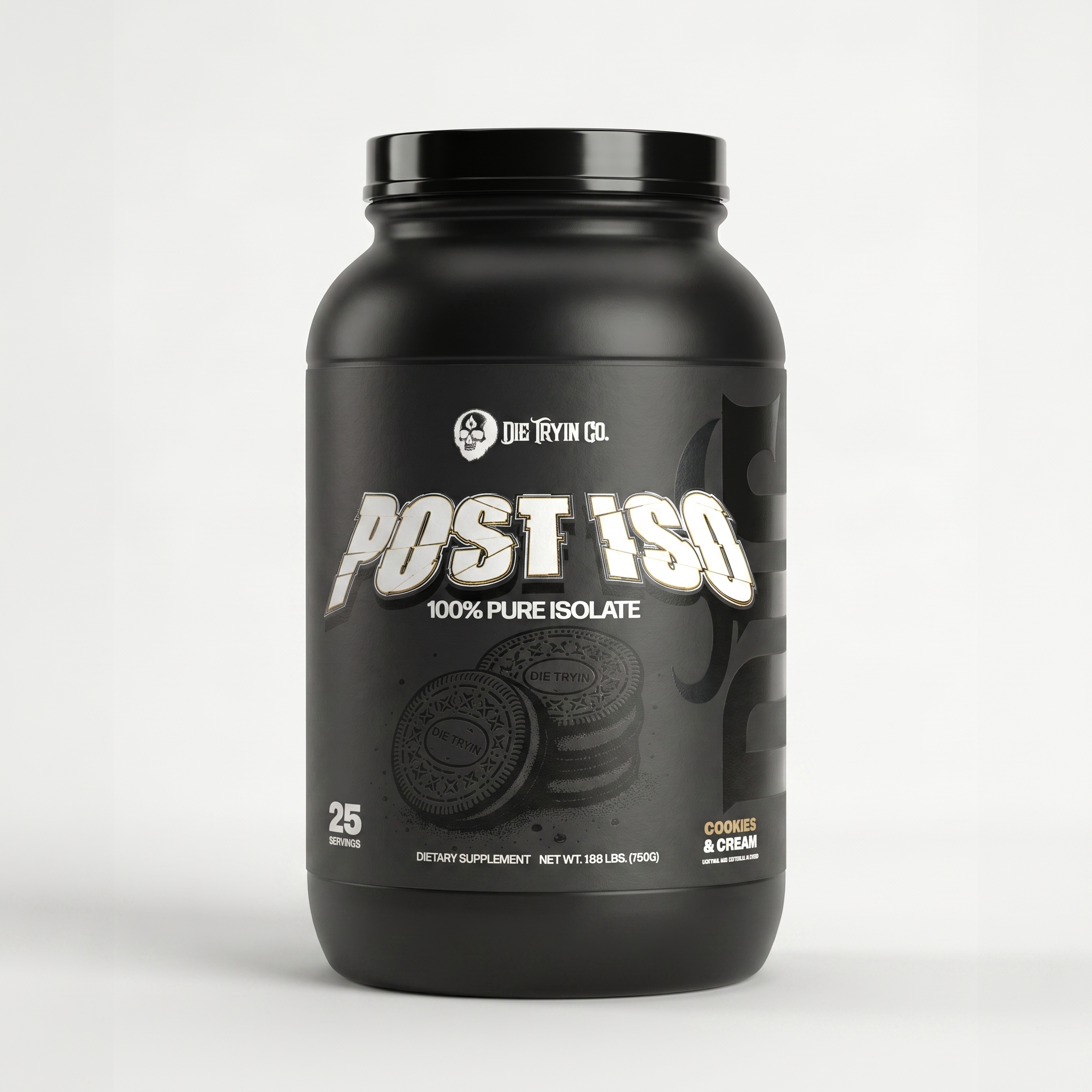
- Post Iso — 24g whey isolate to fuel muscle repair and hit your protein target
- Glutamine — recovery support for high-volume training blocks
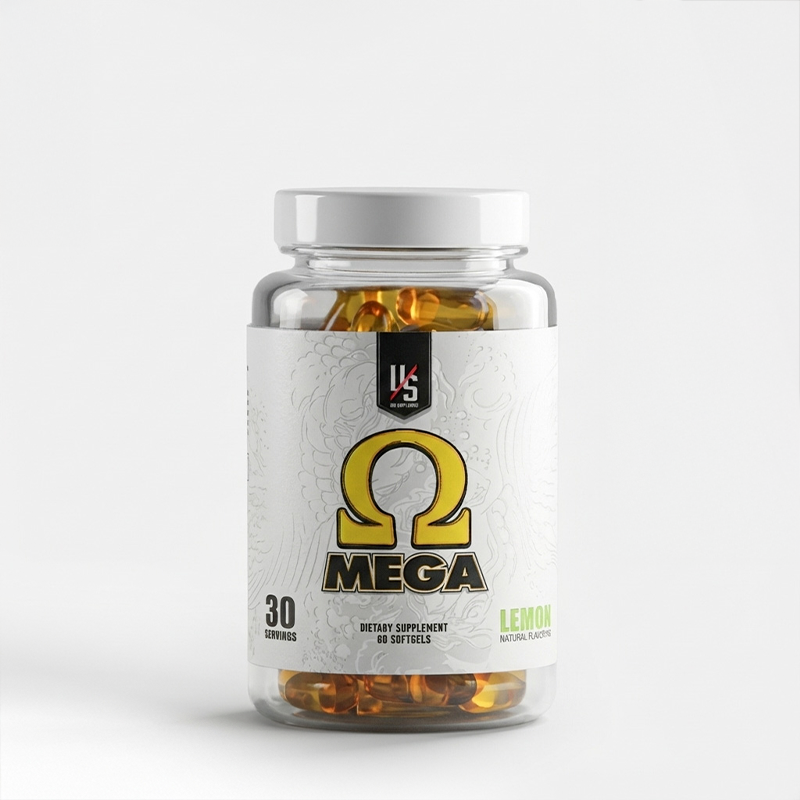
- Omega — supports inflammation management, joint health, and recovery between hard sessions
- Alpha+ — support for hormonal balance and the recovery that depends on it
- Daily Essentials — micronutrient floor for the supporting cast of recovery processes
Not sure what fits? Take the quiz.
ALWAYS FORWARD.
GEAR THAT FITS THIS POST
The products this article actually talks about. Real doses, disclosed labels, veteran owned.
Read more
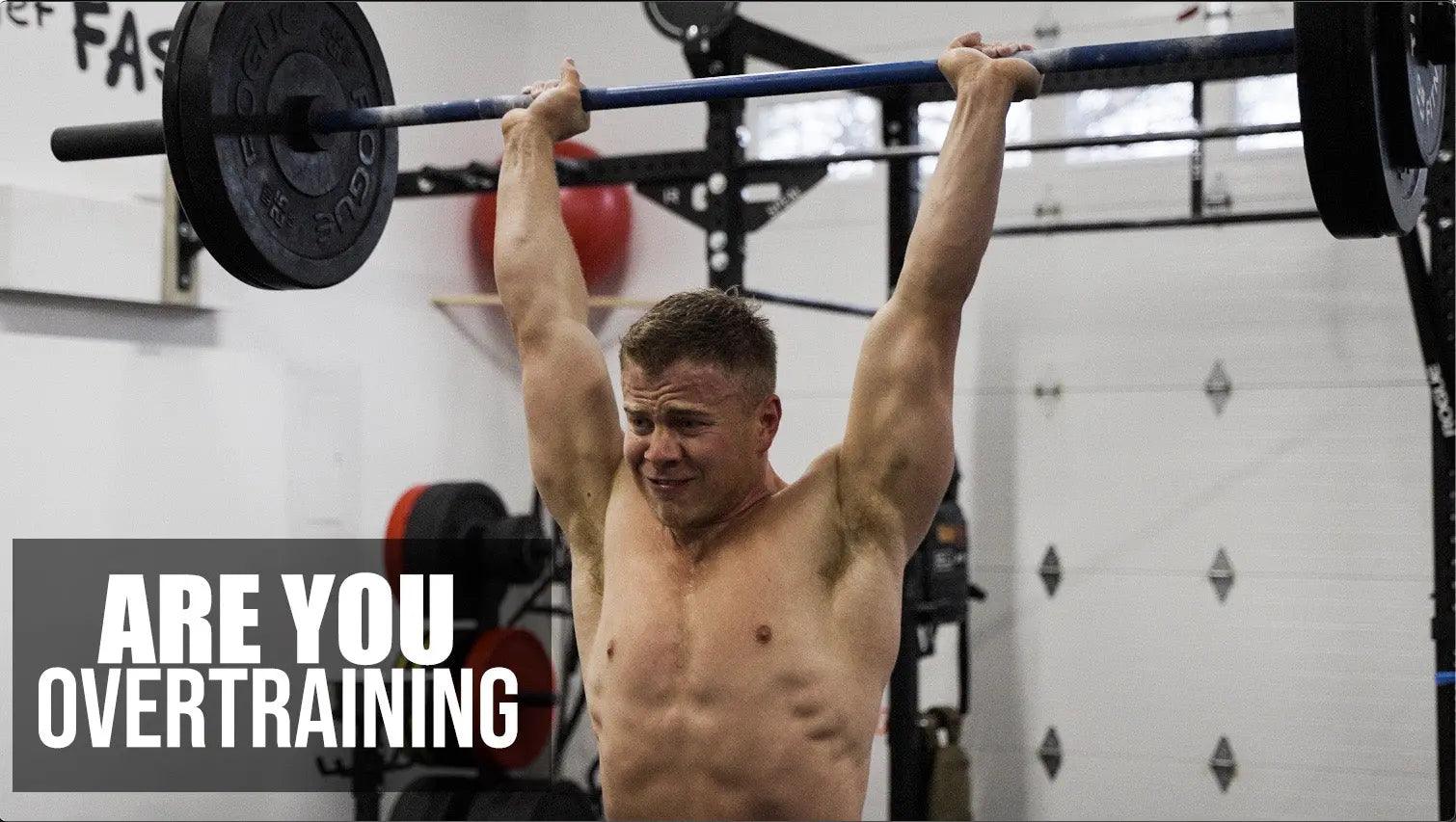
Most lifters asking if they're overtraining are actually overreaching, and there are two kinds. Here's how to tell which one you're in, and what to do about it.
Recovery is not a feeling, it is a clock. What your muscles are doing at hour 3, hour 24 and hour 48 after you train, and what to do in each window.
The complete playbook for building muscle that actually lasts. Training, nutrition, recovery, and the supplements that move the needle — no hype.
You program sets, reps, load and tempo. Then the plan stops. Recovery is a training variable, not the absence of training, and here is what leaving it blank actually costs you.
What actually works in pre-workout — ingredients, doses, timing, and how to pick the right one. Cut through the marketing. Get the real answer.

Short sleep does not necessarily stall your weight loss. It changes what you lose, and the scale will not warn you it is happening.