

How to Recover Faster After a Workout: What Actually Helps
By Jon Klipstein, U.S. Army Combat Veteran & Founder of Die Tryin Co.
Science reviewed by Onur Oncer, BS Physiology and peer-reviewed published researcher.
FASTER RECOVERY IS AN ORDER OF OPERATIONS, NOT A PRODUCT
Listen up. Most people who want to recover faster start at the bottom of the list and never reach the top. They buy the massage gun, book the ice bath, scroll for a magic powder, then sleep six hours and eat 90 grams of protein all day.
That is backwards. The 24 hours after a hard session are a queue with an order. Sleep, food, fluid, and easy movement sit at the front because they supply what repair runs on. Everything else bolts on after those four are handled.
Here is that queue, ranked by leverage. Fix only the first two and you will out-recover the guy who owns every gadget and skips both.
| WINDOW | THE MOVE | WHY IT RANKS HERE |
|---|---|---|
| Tonight (highest leverage) | 7-9 hours, consistent wake time | Nothing else on this list rebuilds tissue. Sleep does. |
| Across the whole day | Hit your total daily protein and carbs | The daily total beats any single post-workout shake |
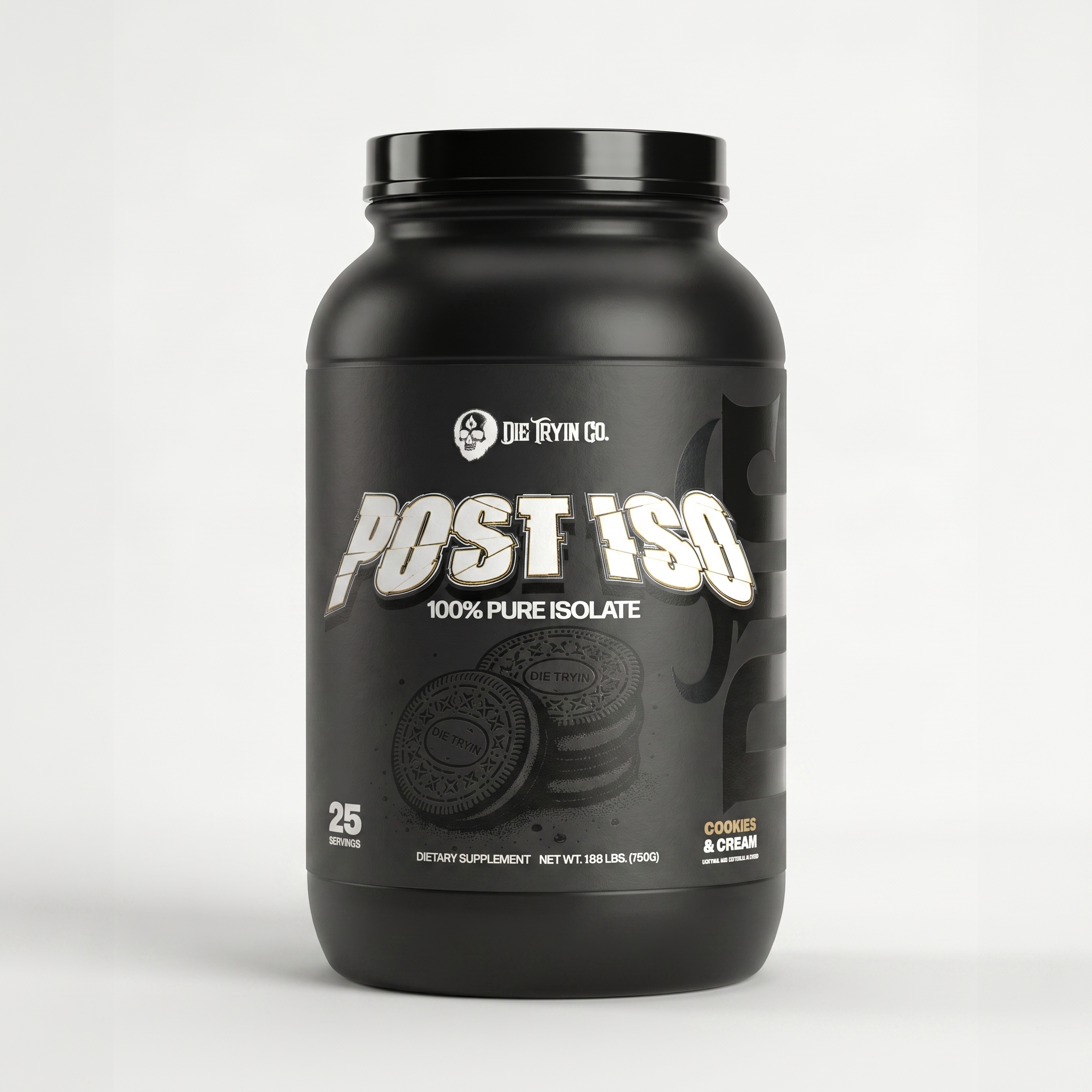
| Within a few hours | 20-40 g of quality protein, such as a scoop of Post Iso | Supplies the raw material. The window is hours wide, not minutes |
| First 1-2 hours | Fluid plus sodium to match what you sweated out | You lost electrolytes too. Water alone only covers part of it |
| Next 24-48 hours | Easy movement. Walk, ride, light full-body session | The most reliable way to dull soreness, though relief is temporary |
| Optional, dead last | Massage, compression, heat, cold plunge | Feels good. Never let it displace the five rows above it |
TIER 1: SLEEP IS THE ONLY ITEM HERE THAT REBUILDS YOU
Everything else supplies materials. Sleep is when the crew shows up and does the work. A 2021 narrative review in the Journal of Science and Medicine in Sport, written by researchers at the French Armed Forces Biomedical Research Institute alongside the medical staff at Paris Saint-Germain, reported that sleep extension improved performance, pain sensitivity, and the GH/IGF-I anabolic response, and that injury risk climbs when sleep duration drops while training load rises at the same time.
Honest framing: that paper is a narrative review, not a controlled trial, and its own authors say direct studies are still needed before anyone writes hard guidelines. It establishes direction. Short sleep stacked on heavy training is what breaks people. Protect the wake time first, because a fixed wake time drags the bedtime with it.
- Same wake time, seven days a week. Consistency beats a heroic 10-hour catch-up on Sunday.
- Cool, dark, boring. The room does more work than anything you can buy for it.
- Cut the late stimulant. If you train at 7 p.m., a 400 mg pre-workout is a sleep decision, not a training decision.
- Treat it as a training variable. That argument is made in full in the most overlooked part of training.
TIER 2: YOUR DAILY PROTEIN TOTAL BEATS THE ANABOLIC WINDOW
The 30-minute panic window is the most oversold idea in the gym. The 2017 International Society of Sports Nutrition position stand on protein puts the useful range at 1.4 to 2.0 g/kg of bodyweight per day, roughly 0.25 g/kg or an absolute 20 to 40 g per feeding, spread every three to four hours, and notes that the anabolic effect of a training session lasts at least 24 hours. A position stand is expert consensus, not new data, so check it against the trials. You are not racing a stopwatch out of the locker room.
The ceiling matters too. A meta-analysis of 49 randomized trials covering 1,863 participants found that protein intake beyond about 1.62 g/kg/day produced no further gains in fat-free mass. The benefit of supplementing at all was real but modest: roughly 0.30 kg of additional fat-free mass and 2.49 kg on one-rep max across those studies. Real doses of real ingredients, honestly sized. One scoop of Post Iso carries 24 g of whey isolate with DigeZyme enzymes, which covers one feeding, not your whole day. The deeper version of this argument lives in does protein timing matter and the power of protein.
TIER 3: REPLACE THE SODIUM, NOT JUST THE WATER
The American College of Sports Medicine position stand on fluid replacement sets the in-session target at avoiding more than 2% bodyweight loss from fluid deficit, and says that after exercise the goal is to replace the fluid and electrolyte deficit. Sweat rates vary enormously between people, so it recommends estimating your own by weighing yourself before and after a session.
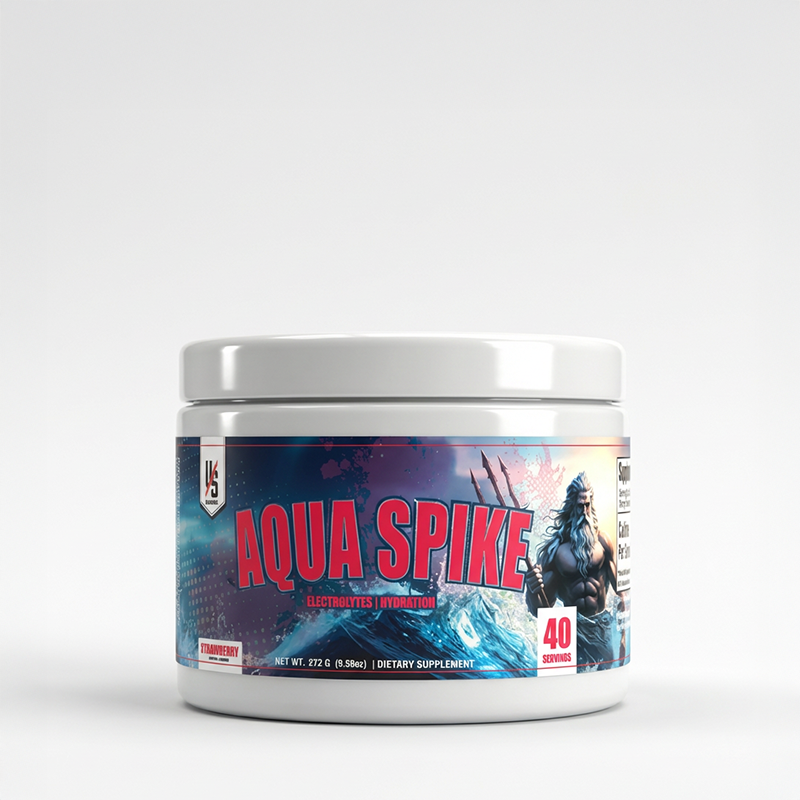
Do it once and stop guessing. Weigh in, train, towel off, weigh out. Every pound lost is roughly 16 oz of fluid to put back over the following hours, and if you are a salty sweater, plain water only covers part of the job. That gap is what Aqua Spike exists for. Full breakdown in our hydration article.
TIER 4: MOVE TOMORROW INSTEAD OF LYING DOWN
A widely cited review on delayed onset muscle soreness, published in Sports Medicine in 2003, landed somewhere most people still ignore: exercise is the most effective way to relieve soreness, and that relief is temporary. Not a fix. A dulling. Treat it that way.
The practical version is a walk, an easy bike, or a light full-body session at a fraction of your working loads. That same review recommends cutting intensity and duration for one to two days after a session that wrecked you, or training the body parts that were not hit. Why easy movement helps is unpacked in enhancing recovery through increased blood flow. Mobility work is a separate job with separate reasons, tied to your warm-up and joint health rather than your soreness score, so it gets handled on its own.
TIER 5: THE MODALITIES, AND THE ONE THAT CAN COST YOU
That 2003 review also reported that cryotherapy, stretching, ultrasound, and electrical current showed no effect on relieving muscle soreness, and that massage produced varying results depending on technique and timing. That does not make them worthless, since feeling better has value. It just puts them lower on the list than the marketing implies.
Cold water immersion is the one that earns a warning. A randomized controlled trial in The Journal of Physiology ran 21 physically active men through 12 weeks of strength training twice per week, with either 10 minutes of cold water immersion or active recovery after every session. Strength and muscle mass increased more in the active recovery group. Isokinetic work rose 19%, type II fiber cross-sectional area 17%, and myonuclei per fiber 26% in the active group and not in the cold group. The authors wrote that using cold immersion as a regular post-exercise strategy should be reconsidered. That is 21 men in a single trial, so hold it loosely. But if you are training for size, do not ice the session you just paid for. Cold has real uses. Chasing hypertrophy is not one of them.
SORENESS IS NOT A RECOVERY SCORE
Soreness tells you a muscle met something unfamiliar. It does not tell you the session worked, and its absence does not mean you wasted your time. Novel exercises and heavy eccentrics make you sore whether or not they were the right call.
Grade recovery on outputs instead. These readouts actually move with your recovery status:
- Bar speed and load. The same weight moving slower across two or three sessions is a real signal.
- Resting heart rate and appetite. Both drift when you are running a deficit you have not accounted for.
- Motivation to train. Chronic dread is data, not weakness. See are you overtraining.
- Sleep quality and mood. Track them against your training load, and read balancing cortisol.
If those readouts stay flat for two straight weeks, the answer is not another modality. It is a lighter week, and that case is made in why deloads are important.
WHERE SUPPLEMENTS ACTUALLY SIT IN THE STACK
Last, on purpose. A supplement makes the first four tiers easier to execute. None of them substitute for one. Research suggests Creatine Monohydrate earns a spot here beyond raw performance: the 2017 ISSN position stand on creatine describes it as supporting post-exercise recovery and helping athletes tolerate heavy training loads. That panel includes supplement-industry-affiliated authors, so weigh it as consensus, not verdict. It works through saturation, so the dose is 5 g daily whether you trained or not, which is why our Creatine is standalone instead of a pinch buried in a pre-workout.
- Post Iso when hitting your daily protein number on whole food alone is unrealistic.
- Creatine Monohydrate at 5 g every day, training day or rest day.
- Aqua Spike for heavy-sweat sessions and hot-weather training.
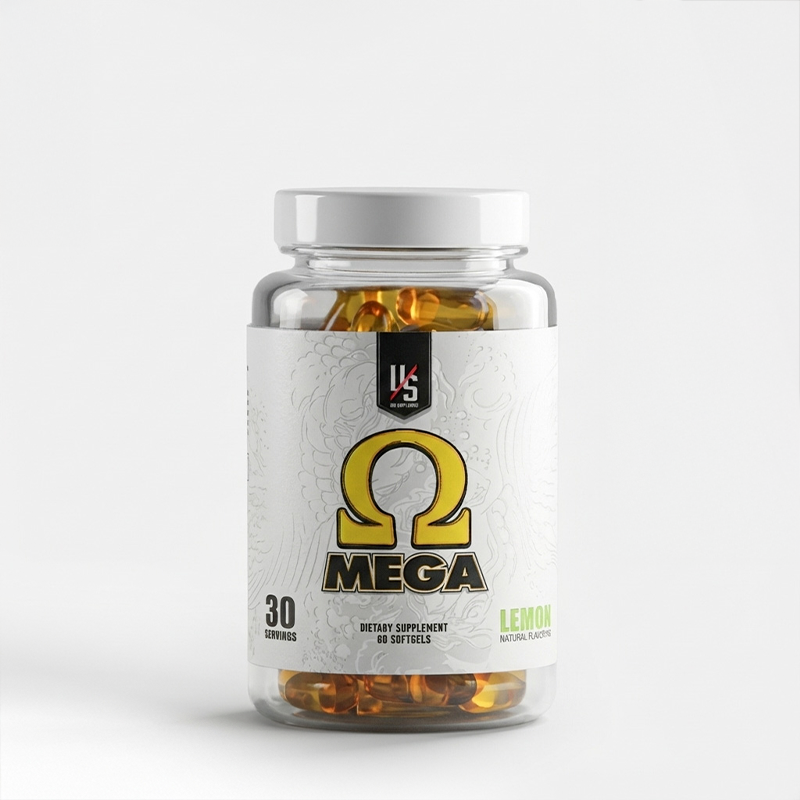
- Omega and Collagen Peptides for the long-game connective tissue and internal health side.
- Glutamine gets discussed for gut and immune support during heavy training blocks. That case needs its own article, not a bullet here.
FREQUENTLY ASKED QUESTIONS
How long should recovery from a hard workout actually take?
For a normal session, 24 to 48 hours before you hit that same muscle group hard again is the usual range. Soreness can outlast your readiness, and readiness can outlast your soreness. Judge it by whether your loads and bar speed hold, not by how tender you feel.
Do I have to drink a protein shake within 30 minutes of training?
No. The ISSN position stand describes the anabolic effect of a training session as lasting at least 24 hours, with protein doses ideally spread every three to four hours across the day. A shake right after is convenient, not urgent. Your daily total is what carries the result.
Are ice baths bad for recovery?
They are not bad for how you feel. In the 12-week trial above, the group doing active recovery instead of cold immersion gained more strength and size, so routine post-lifting cold appears to carry a cost when hypertrophy is the goal. That is one trial of 21 men, not a closed case. Keep it away from your hard lifting sessions and save it for rest days.
Does stretching after training reduce soreness?
The evidence says no. That 2003 Sports Medicine review found stretching showed no effect on relieving muscle soreness. Stretch for range of motion and because it feels good. Do not expect it to shorten recovery.
How much protein do I need per day to recover well?
The ISSN range is 1.4 to 2.0 g/kg of bodyweight per day, and the meta-analysis above found no additional fat-free mass gains from supplementing past roughly 1.62 g/kg/day. Under-eating protein is a far more common problem than overshooting it.
Should I train if I am still sore?
Usually yes, with an adjustment. Light work on sore muscles tends to feel better than sitting still, and the classic DOMS review lists exercise as the most effective temporary relief. If the soreness is severe, drop intensity and duration for a day or two, or train what is not wrecked.
What is the single biggest recovery mistake?
Buying the tier-five stuff while ignoring tiers one through four. Sleep debt and an under-fed day cannot be massaged, plunged, or supplemented away.
READY TO GEAR UP?
Build the stack from the top down: sleep, food, fluid, easy movement, then the extras. Here is what we make for the tiers a product can help with:
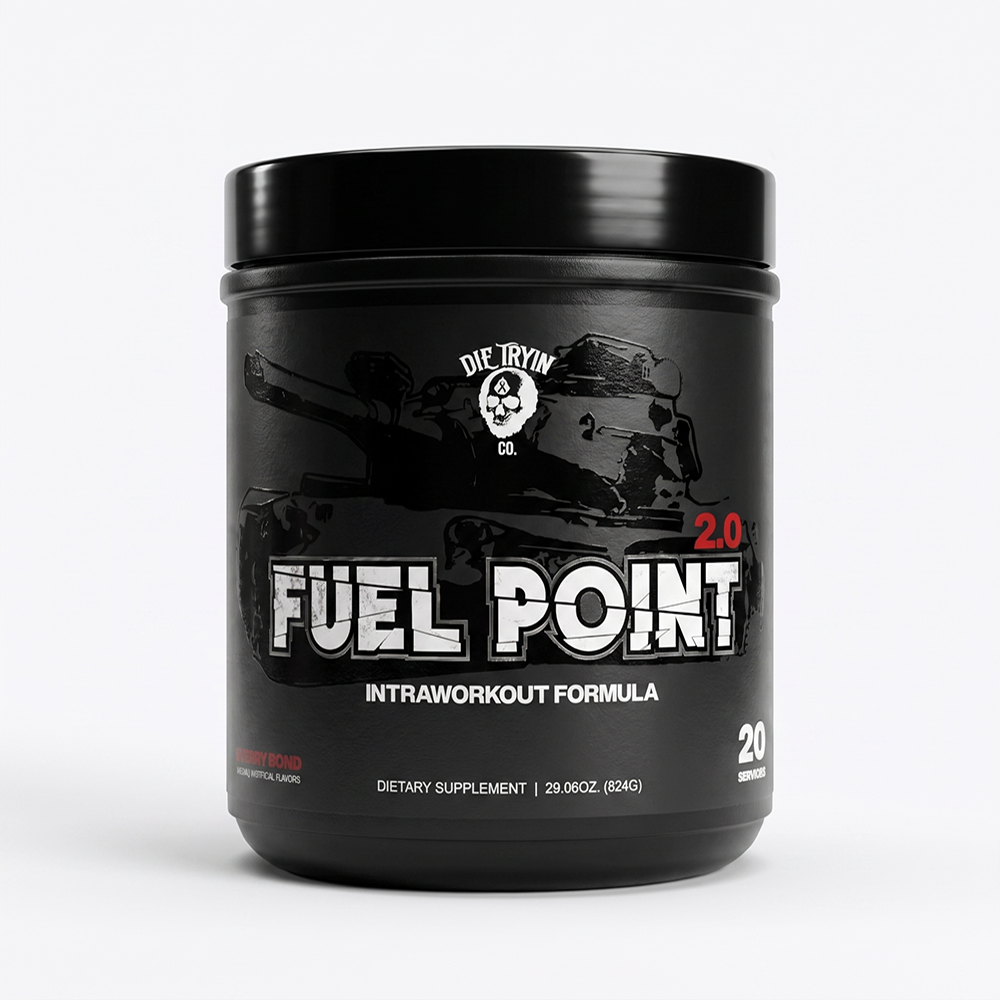
- Post Iso – 24 g whey isolate with DigeZyme enzymes for the protein tier.
- Creatine Monohydrate – 5 g micronized, standalone, no novel-form marketing.
- Aqua Spike – electrolytes for the rehydration tier, not just water.
- Daily Essentials – chelated multi with gut and absorption support.
- Omega and Collagen Peptides – the long-game joint and internal health pieces.
- Not sure where to start? Take the supplement quiz, or go deep in the Ultimate Guide to Recovery and sleep and fat loss.
ALWAYS FORWARD.
GEAR THAT FITS THIS POST
The products this article actually talks about. Real doses, disclosed labels, veteran owned.

Read more
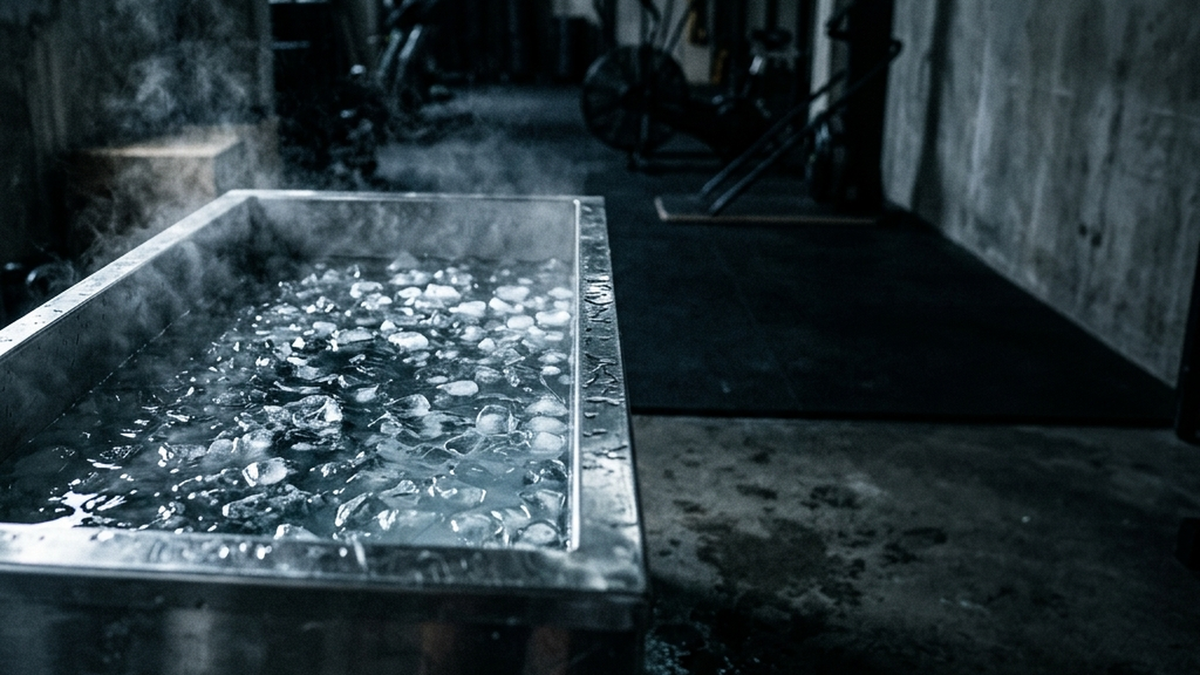
Cold water fires up your sympathetic nervous system, which makes it excellent in the morning and a problem right after you lift. Here is the timing that decides which one you get.
You program sets, reps, load and tempo. Then the plan stops. Recovery is a training variable, not the absence of training, and here is what leaving it blank actually costs you.
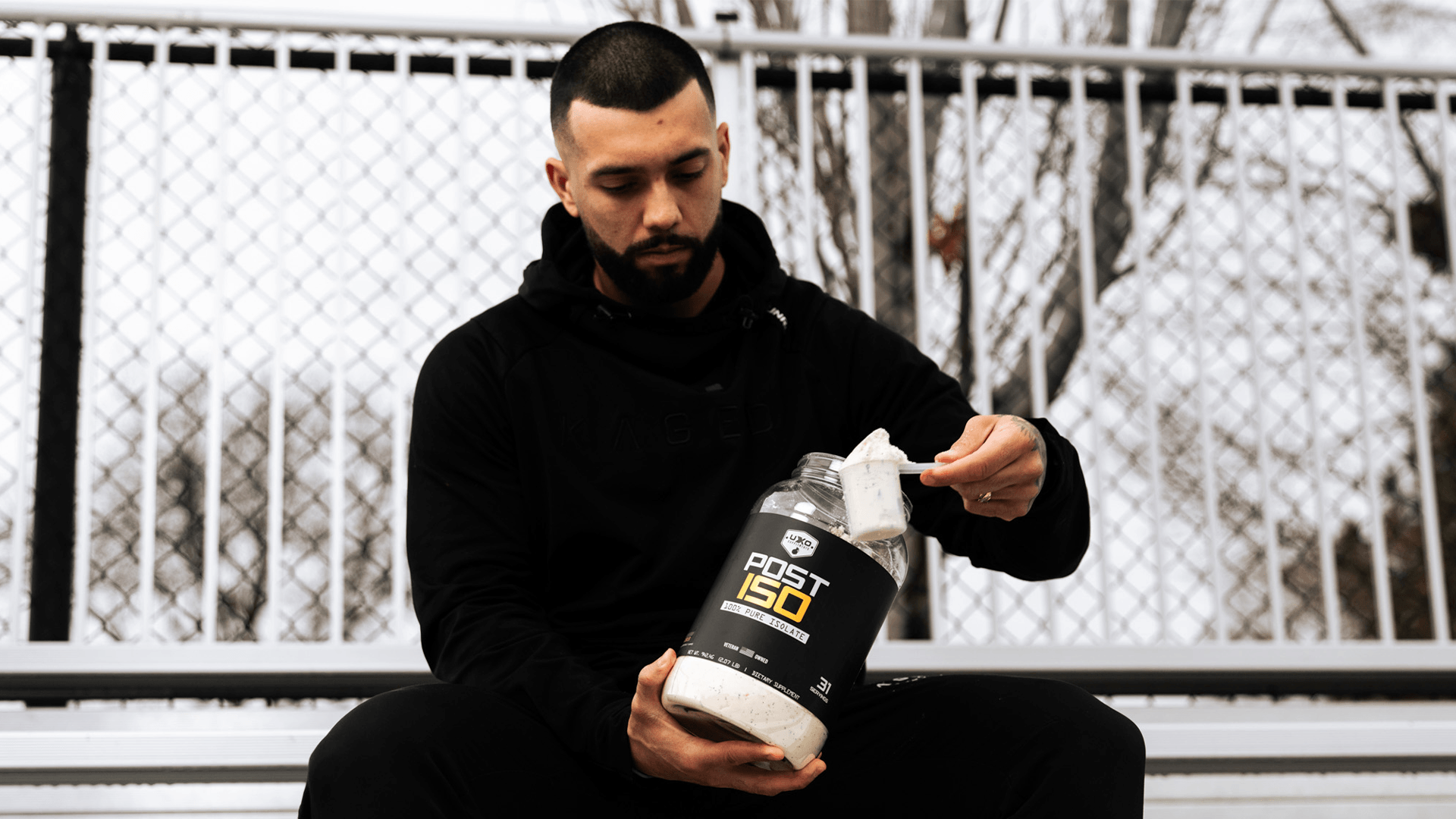
The 30-minute post-workout rush is the most oversold rule in sports nutrition. Here is what the research actually shows about the anabolic window, per-meal protein distribution, and pre-sleep protein.
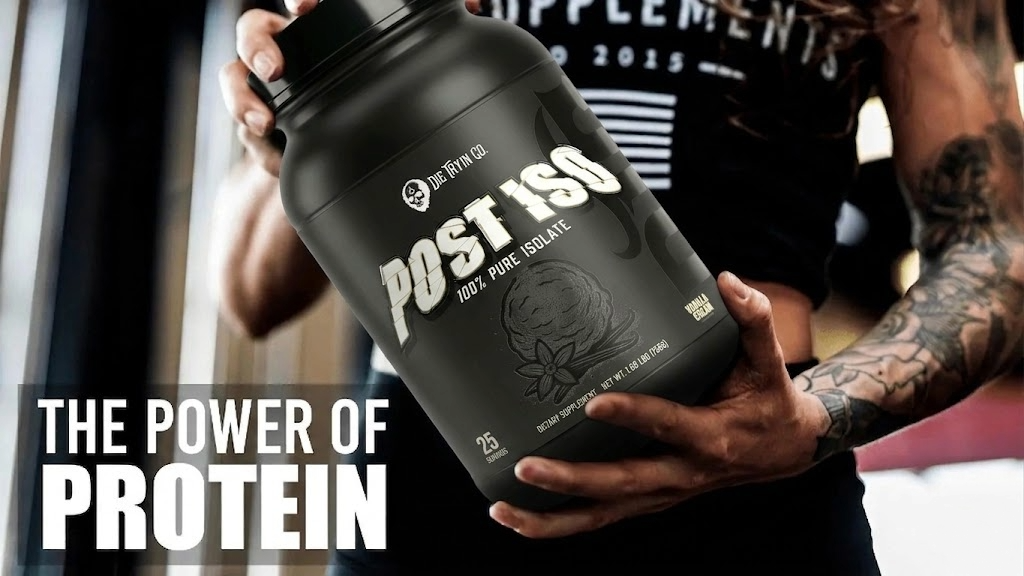
Protein does more than build muscle. 8 real benefits ranked by evidence strength: satiety, metabolic boost, bone density, sarcopenia prevention, and more.
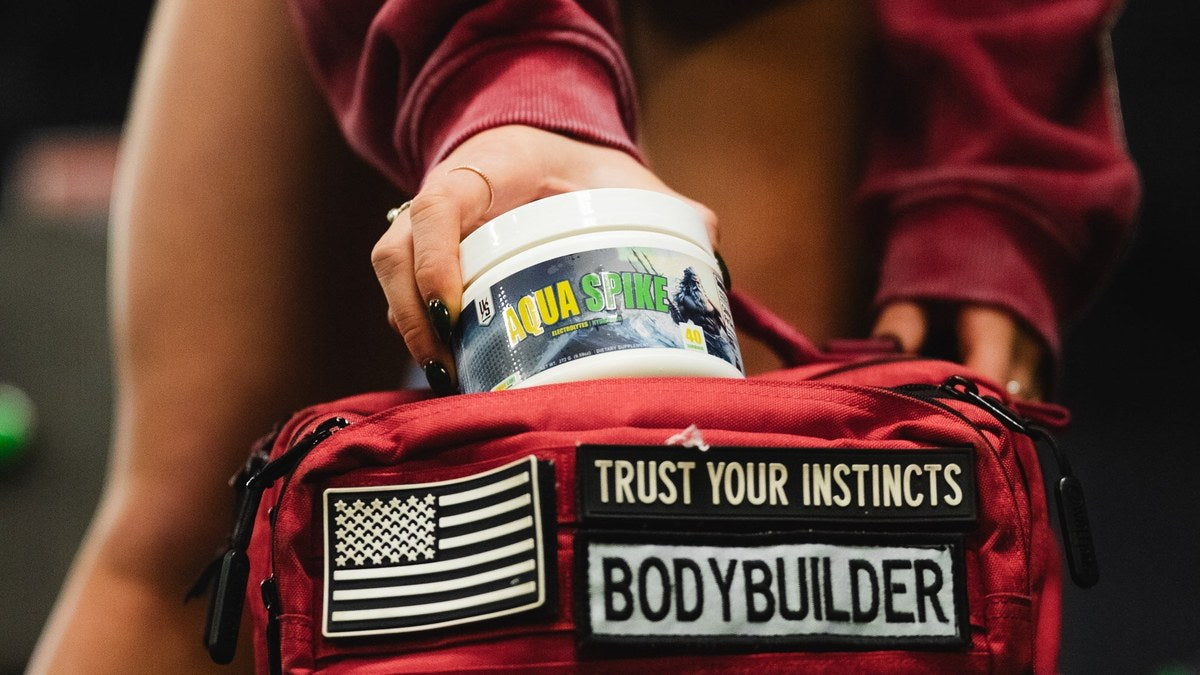
The complete hydration playbook: how much water you actually need, what dehydration does to your performance, and how to hydrate around hard training.
Every recovery gadget claims to boost blood flow. Here is what the evidence actually supports, and where the honest limits are.