


Sleep and Fat Loss: Why Bad Sleep Costs You Muscle
By Jon Klipstein, U.S. Army Combat Veteran & Founder of Die Tryin Co.
Science reviewed by Onur Oncer, BS Physiology and peer-reviewed published researcher.
SAME DEFICIT. SAME SCALE. DIFFERENT BODY.
Here's the truth about sleep and fat loss, and it isn't the version you've heard.
Bad sleep doesn't necessarily stop you from losing weight. That's why the "just sleep more" advice never lands. You cut calories, you sleep five hours, the scale still moves, so you conclude sleep is optional and keep grinding.
What bad sleep actually does is change what comes off. Same calorie deficit, same number on the scale, and a dramatically worse body at the end of it. That's a much more expensive problem than a stalled scale, because you can't see it happening until the cut is over.
| 14 DAYS, IDENTICAL DIET | 8.5 HOURS SLEEP | 5.5 HOURS SLEEP |
|---|---|---|
| Fat lost | 1.4 kg | 0.6 kg |
| Fat-free mass lost | 1.5 kg | 2.4 kg |
| Total weight lost | ~2.9 kg | ~3.0 kg (basically identical) |
| Hunger | Baseline | Increased |
WHAT THE STUDY ACTUALLY DID
According to PubMed, Nedeltcheva and colleagues ran a randomized crossover trial in which 10 overweight adults completed two separate 14-day blocks of moderate caloric restriction (Ann Intern Med, 2010). The diet was matched. The only thing that changed was sleep opportunity: 8.5 hours in one block, 5.5 in the other.
Sleep restriction reduced the proportion of weight lost as fat by 55% and increased the loss of fat-free body mass by 60%. The short-sleep block also came with more hunger and a shift in substrate use toward burning less fat.
Think about what that means on a 12-week cut. Two people run the same deficit, hit the same weight, and one of them is lean and still strong while the other is smaller and softer at the identical scale reading. Nothing about their food logs would explain the difference.
Be fair about the limits: 10 participants, two weeks, overweight adults rather than trained lifters. It's a small, short, tightly controlled trial, not a decade-long study of bodybuilders. But the mechanism is consistent and the effect size is large enough that betting against it is a bad wager.
WHY THE LOSS GOES TO THE WRONG PLACE
You're already asking your body to give up tissue. Sleep is when most of the repair work that protects muscle happens, and short sleep tilts the hormonal environment toward breaking tissue down rather than rebuilding it. Hunger regulation drifts in the wrong direction at the same time, which is why adherence quietly collapses on bad sleep before willpower ever enters the picture.
The stress axis is the other half of this. Chronically short sleep is a stressor, and stress hormones influence where your body stores fat and how readily it gives it up. That's a full topic on its own, covered in balancing cortisol.
IT ALSO WRECKS THE TRAINING THAT PROTECTS YOUR MUSCLE
The second hit is indirect and just as costly. Heavy training is what tells your body to keep the muscle during a deficit. Sleep-deprived training is worse training.
A systematic review and meta-analysis on acute sleep loss and physical performance found measurable decrements after even short-term sleep loss. Lighter top sets and shorter sessions mean a weaker retention signal, on top of the hormonal problem you already have. The two effects stack.
This is why sleep sits as one of the four levers in how to maintain muscle while cutting. It's the cheapest one and the one most people trade away first.
WHAT TO ACTUALLY DO
Keep it simple. Sleep advice gets overcomplicated because there's nothing to sell you. The list is short:
- Protect 7-9 hours of opportunity, not time asleep. If you need 7.5 hours of sleep, you need to be in bed closer to 8. Nobody falls asleep instantly.
- Fix the wake time first. A consistent wake time drags your bedtime into place. Chasing bedtime alone rarely works.
- Move caffeine earlier. Cut it 8-10 hours before bed. On a cut, appetite suppression tempts you to stack caffeine late, and that's the trade that costs you.
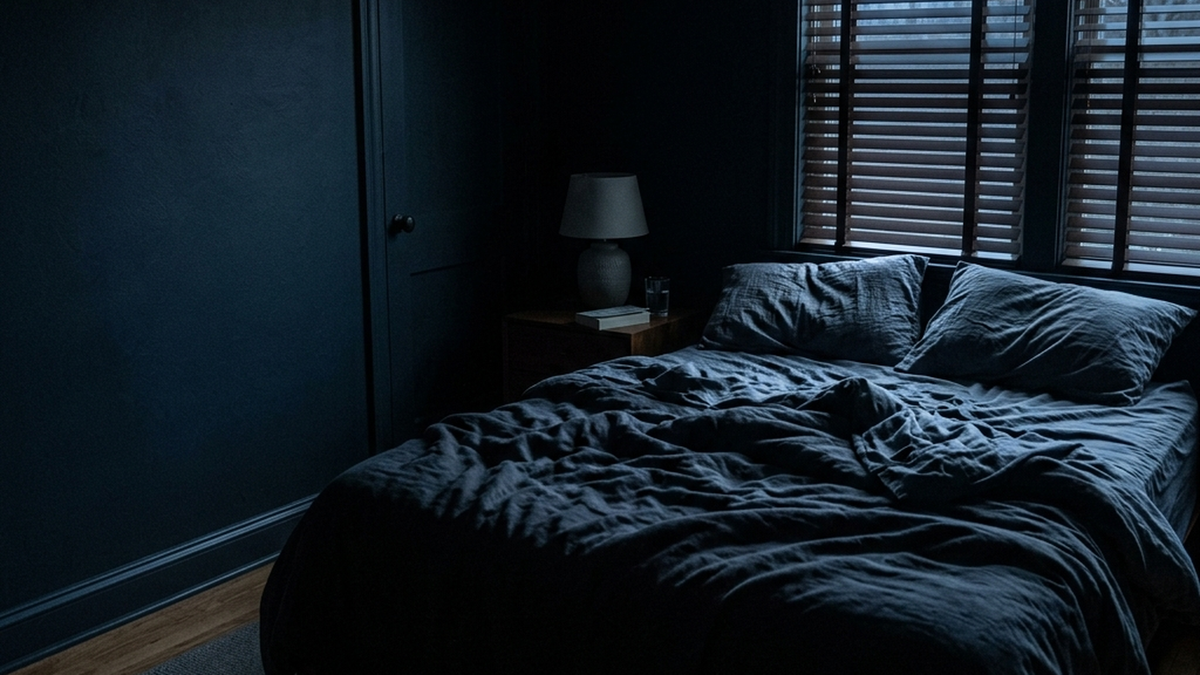
- Dark, cold, and boring. The room should be uninteresting. Phone across the room, not on the nightstand.
- If you're short on sleep, cut volume, not load. Keep the heavy work that protects your muscle. Drop the accessory sets instead.
And if you can't fix your sleep because of shift work or a newborn, cut slower. Less aggressive deficits are more forgiving when recovery is compromised. That's a real adjustment, not an excuse.
WHAT ABOUT CATCHING UP ON THE WEEKEND?
Partially, and it's better than nothing. Sleeping in on Saturday recovers some of the performance and alertness cost of a short week, which is why you feel human again by Sunday afternoon. What it doesn't appear to do is fully undo the metabolic side of chronic restriction, and the swing in schedule creates its own problem: sleeping until 11 on the weekend makes Sunday night's bedtime harder, which sets up another short week. You end up permanently jet-lagged without leaving your time zone.
The practical move is to keep your wake time within about an hour of consistent across the whole week and take the extra sleep at the front end instead. Going to bed 90 minutes earlier on Friday does more for you than sleeping 90 minutes later on Saturday, and it doesn't cost you Sunday night.
THE HONEST PART
We sell supplements. Sleep is free, and it will out-perform everything on our shelf for this specific problem. There is no product in our lineup, or anyone else's, that fixes a five-hour sleep schedule. Basics beat hype, and this is the clearest example of it in the whole fat loss conversation. Where supplements do earn their spot is covered honestly in the complete fat loss guide and the recovery guide.
FREQUENTLY ASKED QUESTIONS
Will bad sleep stop me from losing weight?
Usually not. That's exactly why it's dangerous. In the Nedeltcheva trial both conditions lost nearly the same total weight. What changed was the split between fat and lean tissue, and the scale can't show you that.
How much sleep do I actually need on a cut?
Seven to nine hours of opportunity. If you're training hard in a deficit you're closer to the top of that range than the bottom, because you're asking for more repair with less fuel.
Does napping count?
It helps, and it's better than nothing when your night is short. It isn't a full substitute for consolidated overnight sleep, so treat naps as damage control rather than a plan.
Should I skip a workout if I slept badly?
Usually no. Train, but adjust: keep your heavy top sets, cut the accessory volume, and don't chase personal records on four hours. Skipping entirely removes the signal that protects your muscle.
Is a sleep supplement worth it?
Behavior first. Consistent wake time, caffeine cutoff, and a dark cold room fix more sleep problems than any capsule. If those are genuinely dialed in and you're still struggling, that's a conversation for your doctor, not a supplement label.
Does late-night training hurt sleep?
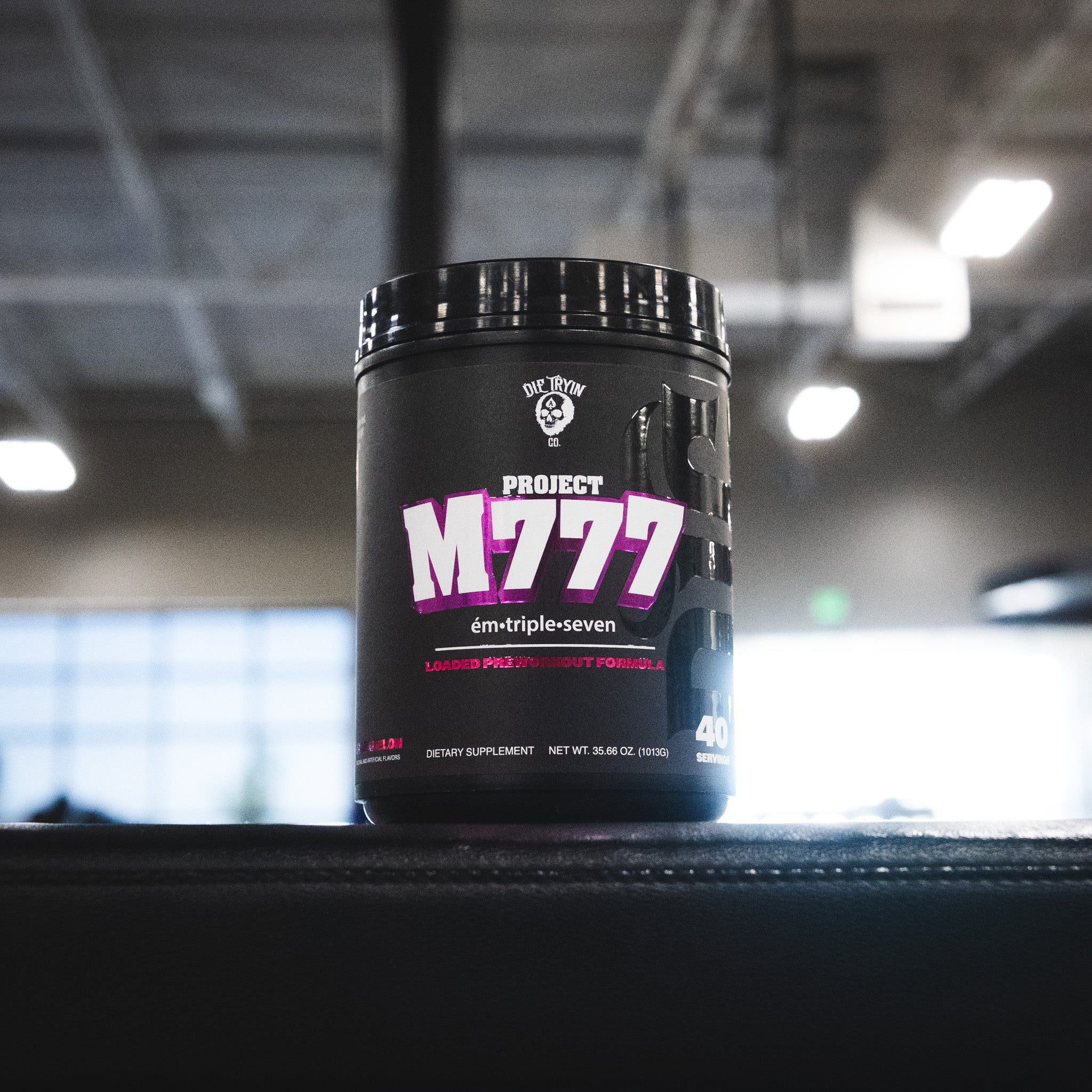
It can, mostly through stimulant timing rather than the training itself. If you train at night, use a lower-stimulant or stim-free option so your pre-workout isn't still working at midnight.
READY TO GEAR UP?
Sleep is the free lever. These handle the parts that aren't free:
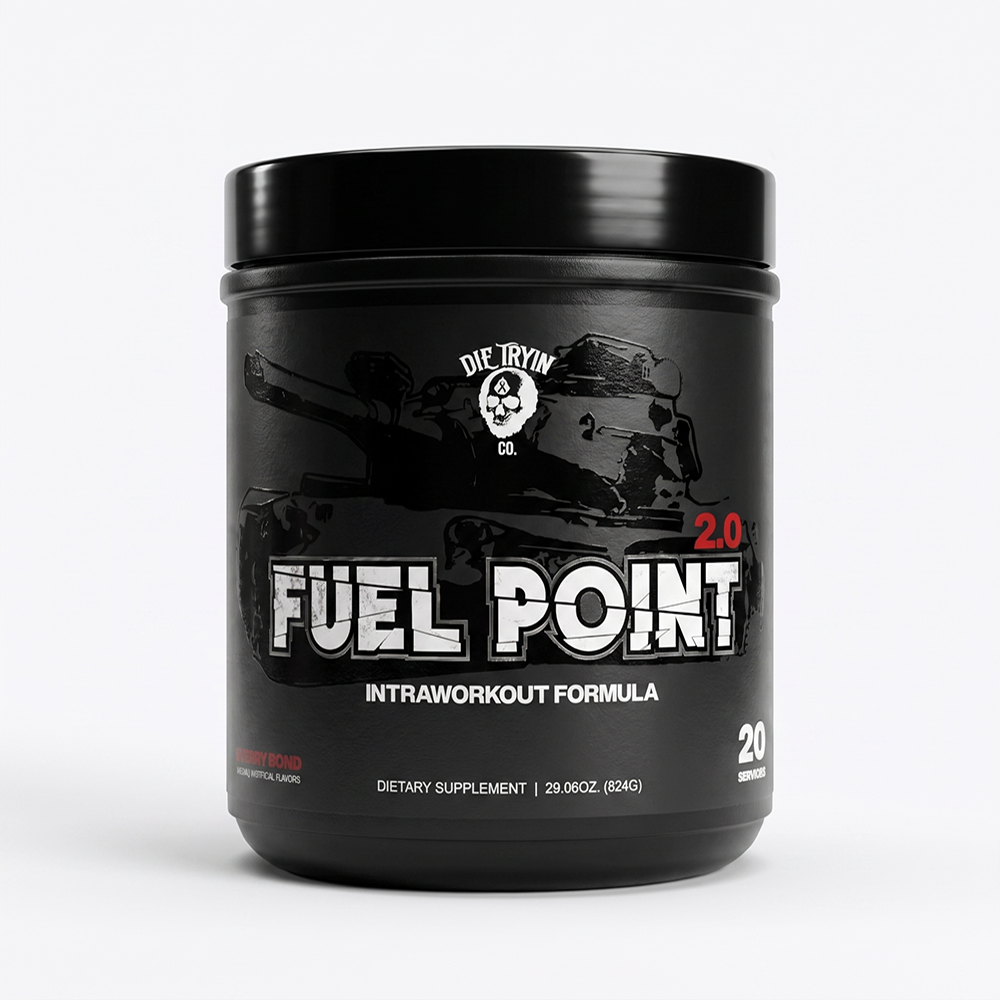
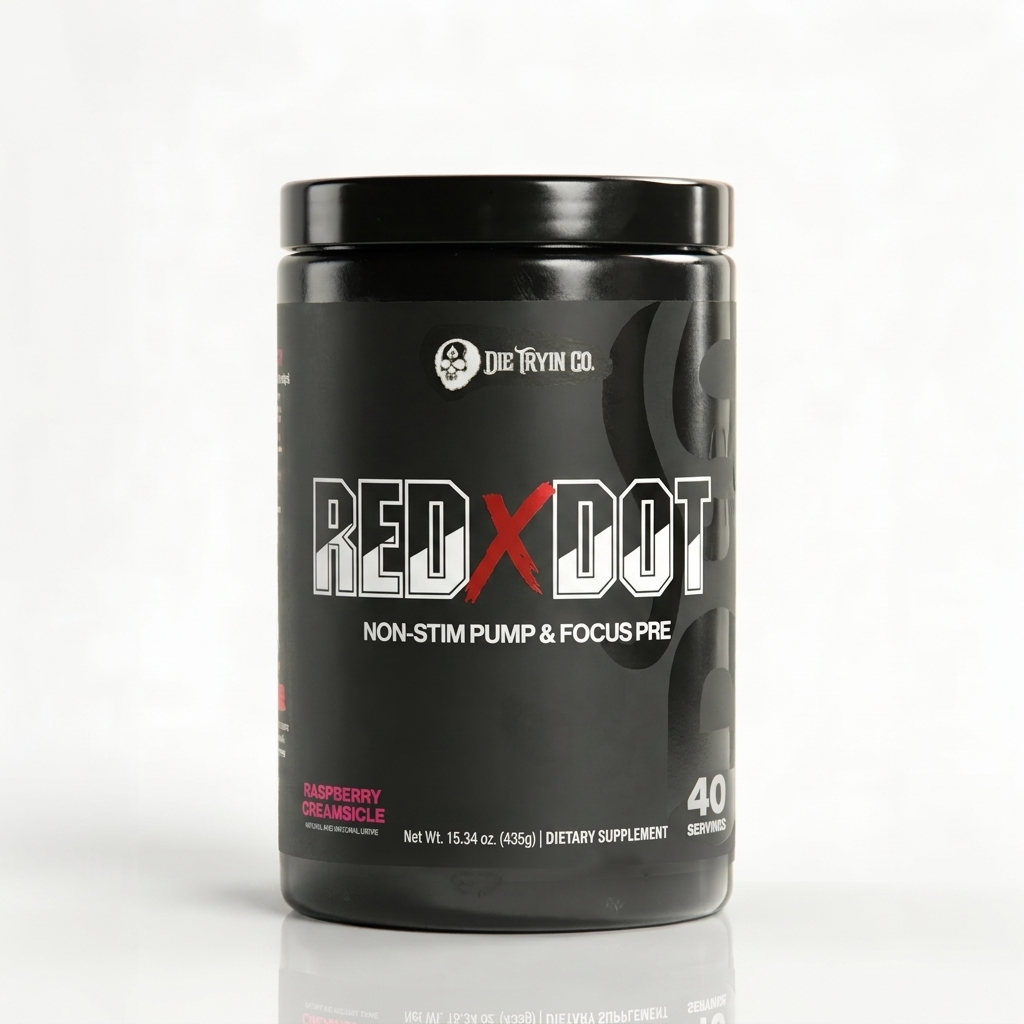
- Red Dot — stim-free pump and focus. Zero caffeine, so an evening session doesn't cost you the night.
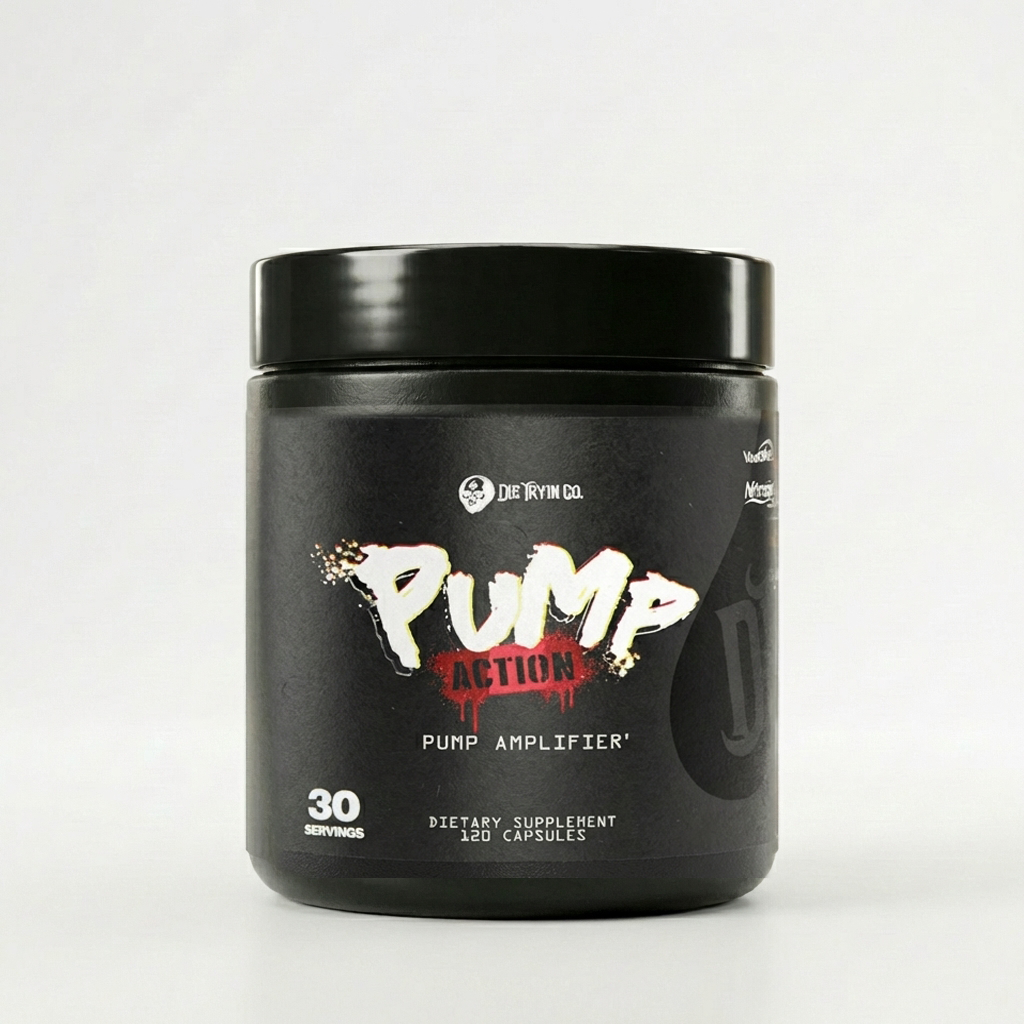
- Pump Action — stim-free pump capsules for the same reason, in a minimalist format.
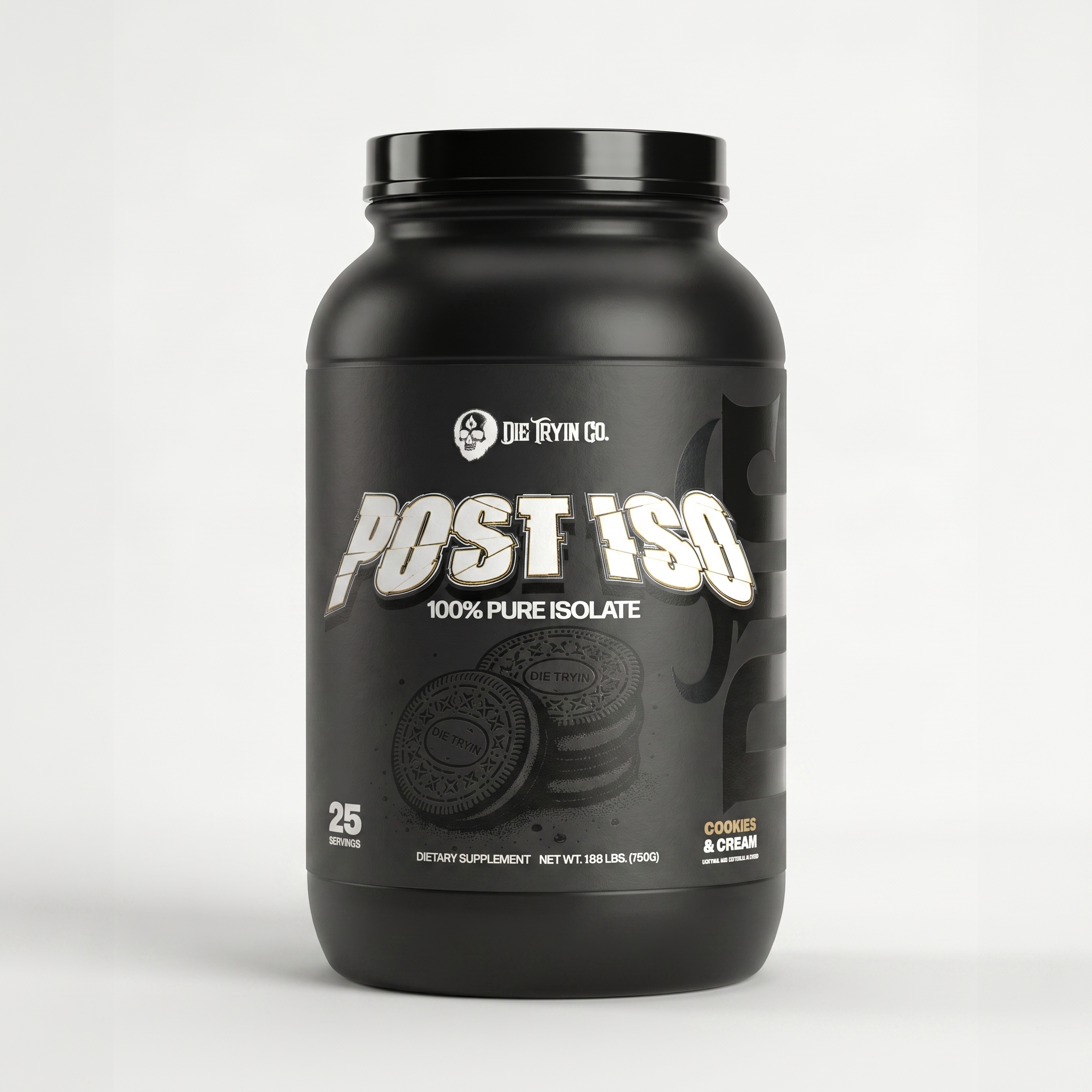
- Post Iso — 24g whey isolate to hit your protein floor while your calories are capped.
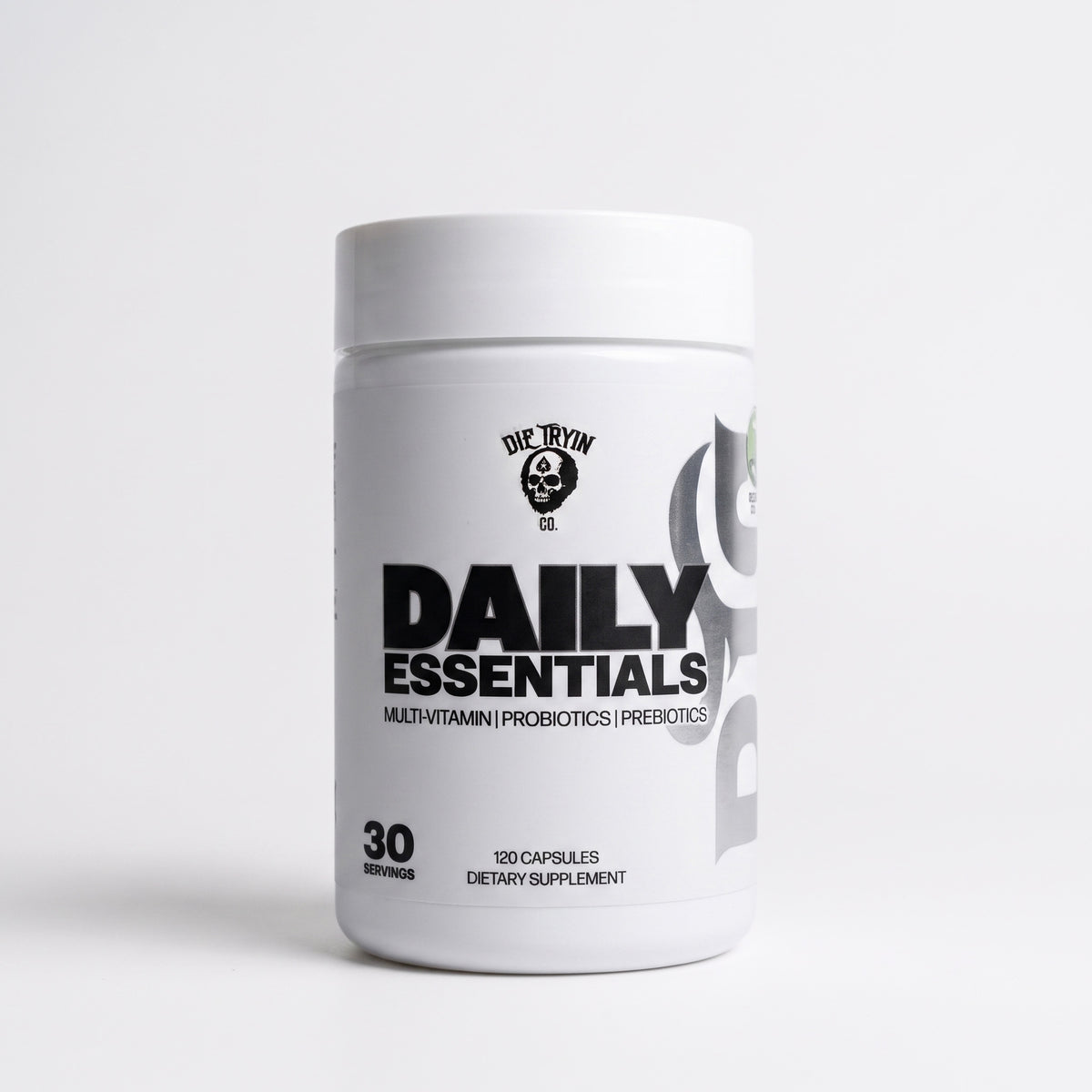
- Daily Essentials — chelated multi plus gut support for the micronutrient gaps a smaller intake creates.
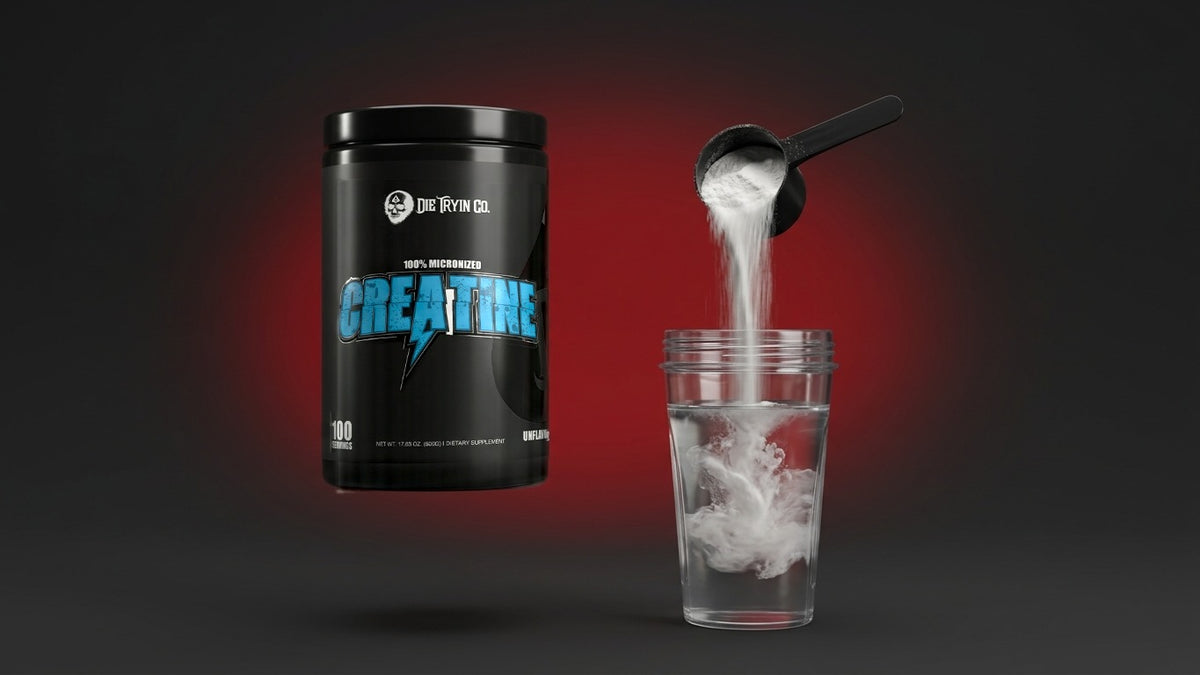
- Micronized Creatine Monohydrate — 5g daily to protect training performance in a deficit.
- Not sure what fits your phase? Take the quiz.
Discipline beats motivation, and going to bed on time is discipline nobody claps for.
ALWAYS FORWARD.
GEAR THAT FITS THIS POST
The products this article actually talks about. Real doses, disclosed labels, veteran owned.
Read more
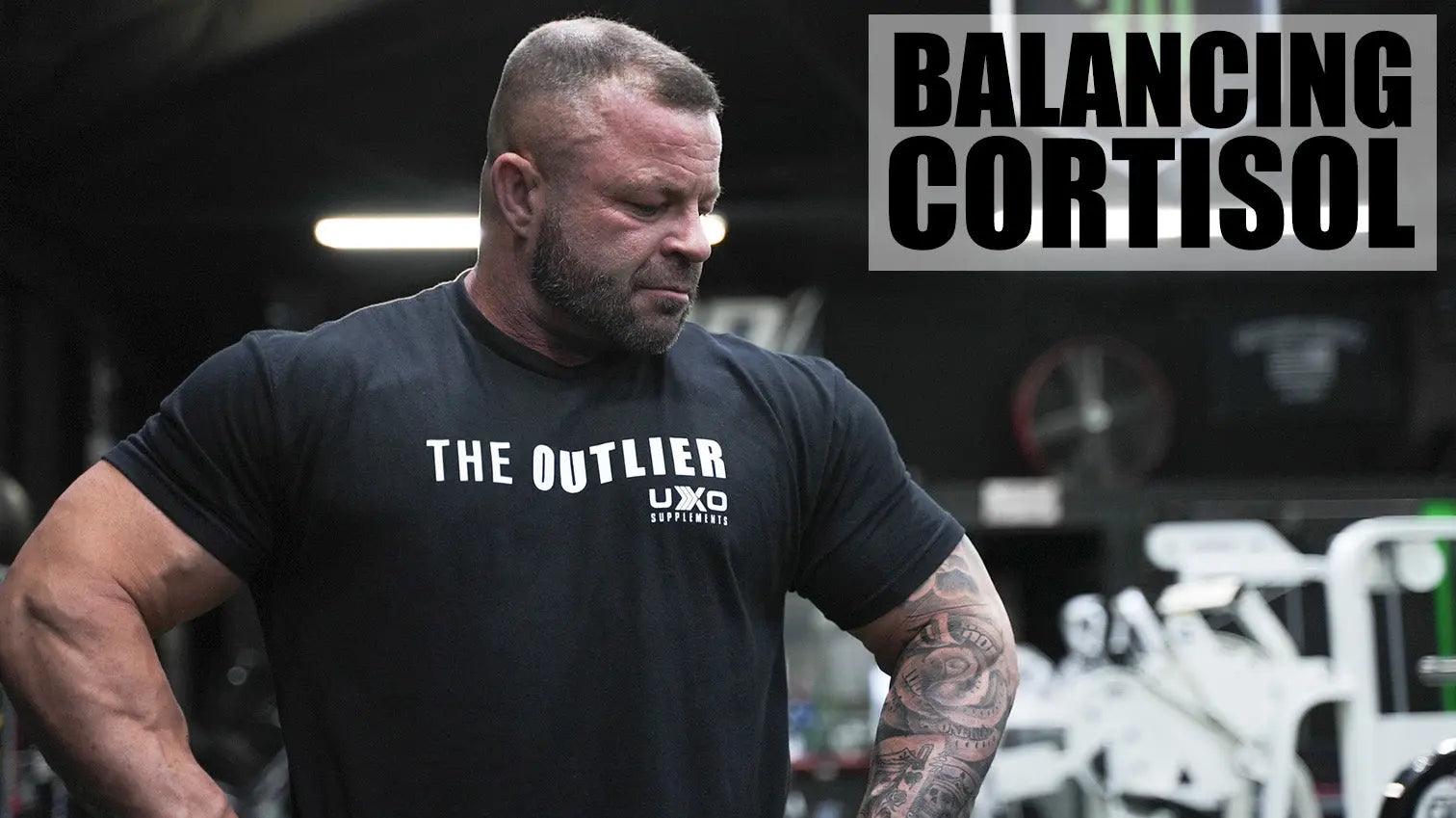
Chronic high cortisol breaks sleep, drives belly fat, and tanks recovery. The honest physiology + evidence-based strategies to normalize HPA axis function.
Anyone can lose weight. The hard part is deciding what comes off. Four levers decide whether you finish a cut lean and strong or smaller at the same scale weight.
The no-BS playbook for losing fat without losing muscle. Energy balance, protein, training, sleep, and the supplements that actually help.
The no-BS recovery playbook — sleep, stress, nutrition, modalities, and the framework that ties it all together. Recovery is where growth actually happens.
Your gut lining runs the same creatine energy system as your muscles. Here is what the research shows on stomach upset, IBS, colitis and leaky gut, and exactly where the human evidence stops.

Creatine gummies can work if the creatine is actually in them, and lab tests keep finding it often is not. Here is why a scoop of Creatine Monohydrate powder still wins.