



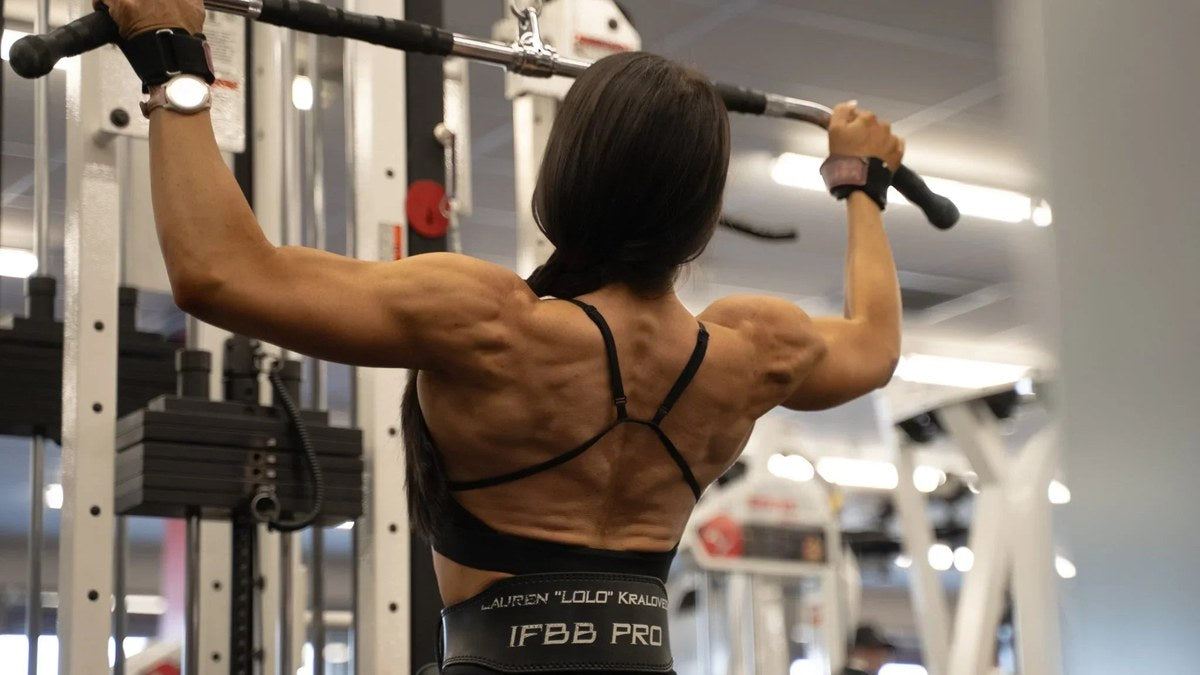
How to Maintain Muscle While Cutting: 4 Levers That Decide
By Jon Klipstein, U.S. Army Combat Veteran & Founder of Die Tryin Co.
Science reviewed by Onur Oncer, BS Physiology and peer-reviewed published researcher.
CUTTING ISN'T THE HARD PART. KEEPING THE MUSCLE IS.
Most people get this wrong. Anyone can lose weight. Slash calories, add cardio, watch the scale fall. That's the easy half, and it's the half the internet obsesses over.
The hard part is deciding what comes off. Your body doesn't care about your competition date. In a deficit it will happily strip muscle alongside fat unless you give it a specific set of reasons not to.
Here's the truth: there are four levers that decide the split between fat lost and muscle lost. Pull all four and you come out lean and still strong. Miss two of them and you come out smaller, weaker, and skinny-fat at the same body weight. Same deficit. Completely different body.
| THE LEVER | THE TARGET | WHAT IT COSTS YOU TO IGNORE |
|---|---|---|
| 1. Protein | 2.3-3.1 g per kg of lean mass. Low end on a gentle cut, high end on an aggressive one. | Your body sources amino acids from your own tissue |
| 2. Rate of loss | ~0.7% of bodyweight per week | Cutting twice as fast doesn't lose more fat, just more muscle |
| 3. Training intensity | Keep the weight on the bar. Cut volume, not load. | Light weight and high reps signals your body it can downsize |
| 4. Sleep | 7-9 hours, non-negotiable | Flips the ratio of what you lose. Same scale weight, worse body. |
This post is about the retention half specifically. If you're still setting up the deficit itself, start with the complete fat loss guide and come back here.
LEVER 1: PROTEIN IS THE FLOOR, NOT THE CEILING
In a deficit, your body needs amino acids and it's going to get them from somewhere. Either you feed it, or it takes them out of the tissue you spent years building. That's the whole mechanism, and it's why protein is the one macro you don't negotiate on during a cut.
According to PubMed, Morton and colleagues pooled 49 studies and 1,863 participants and found that protein supplementation meaningfully improved gains in strength, fat-free mass, and fiber size during resistance training, with the benefit plateauing around 1.62 g/kg/day (Br J Sports Med, 2018). Above that, more protein stopped adding gains.
On a cut, don't treat that number as your target. That plateau was measured in people building muscle at maintenance or above. A cut is the one situation where erring high is nearly free: extra protein costs you money and appetite, while falling short costs you the muscle you're cutting to show off. Asymmetric risk. Set your cutting number from lean mass, not bodyweight: 2.3-3.1 g per kg of lean mass (Helms and colleagues, 2014). Gentle cut, near the bottom. Aggressive cut, near the top. The complete protein guide covers timing, sources, and distribution in depth.
LEVER 2: HOW FAST YOU CUT DECIDES WHAT YOU LOSE
This is the lever almost nobody pulls correctly, and the research on it is brutally clear.
According to PubMed, Garthe and colleagues randomized 24 elite athletes to lose weight either slowly (0.7% of bodyweight per week) or fast (1.4% per week), with everyone doing four resistance sessions a week (Int J Sport Nutr Exerc Metab, 2011). Both groups lost the same total bodyweight, about 5.5%. Here's the part that should change how you cut: lean body mass increased 2.1% in the slow group and didn't move at all in the fast group.
Read that again. Cutting twice as fast did not produce more fat loss. It produced the same weight loss with worse composition and no lean mass gain. You paid double the misery for a worse body. If you're 200 lbs, 0.7% is about 1.4 lbs a week. That's the number. Slower is not weaker, it's smarter, and momentum beats aggression every time.
LEVER 3: KEEP THE WEIGHT ON THE BAR
Cutting season is when lifters suddenly start "toning." They drop the load, chase the burn, run the reps up to 20, and wonder why they came out of a 12-week cut looking deflated.
Heavy load is the signal that tells your body the muscle is still load-bearing infrastructure it can't afford to scrap. Take that signal away and you've told it the opposite while simultaneously starving it. That's how you end up smaller instead of leaner.
The right adjustment on a cut is to reduce volume, not intensity. You have less energy and worse recovery in a deficit, so cut a set here and an accessory movement there. Keep your top working sets heavy. Strength training is the anchor of a cut, not the thing you scale back to make room for cardio. And this is not the phase to grind every set into the ground, because failure is a tool, not a standard, and your recovery budget is already smaller than usual.
LEVER 4: SLEEP DECIDES THE RATIO
Here's the one that surprises people, and it's the most cost-effective lever on this list because it's free.
According to PubMed, Nedeltcheva and colleagues put overweight adults through 14 days of moderate caloric restriction twice, once with 8.5 hours of sleep opportunity and once with 5.5 (Ann Intern Med, 2010). Same diet. Same deficit. Sleep restriction cut the proportion of weight lost as fat by 55% and increased loss of fat-free mass by 60%. Hunger went up too.
Same scale reading, opposite body. You can execute the first three levers perfectly and hand most of the benefit back by sleeping five hours. We broke that study down in full in sleep and fat loss, and the stress side of the same coin lives in balancing cortisol.
WHAT ABOUT CARDIO?
Cardio is a tool for widening the deficit, not a requirement. Use it when you'd rather eat more than eat less, and keep it far enough from your lifting that it doesn't eat your recovery. Steady-state is easier to recover from than sprint work when you're already under-fed. We covered the full tradeoff in how cardio benefits lifters without killing gains.
And if you're getting flat, weak, and irritable a few weeks in, that's not weakness, that's under-recovery. Read the overtraining signals honestly and take a deload before your body forces one on you.
FREQUENTLY ASKED QUESTIONS
How much protein should I actually eat while cutting?
Set it from lean mass, not bodyweight: 2.3-3.1 g per kg of lean mass, about 1.0-1.4 g per pound of lean mass (Helms and colleagues, 2014). A gentle cut sits near the bottom of that range, an aggressive cut near the top. At 180 lbs and 20% body fat, that's about 150-200 g a day. Pick the fat-loss goal in the protein calculator, enter your body-fat percentage, and it sets your cutting target from lean mass.
How fast should I lose weight?
About 0.7% of bodyweight per week, which is what the Garthe study found preserved and even added lean mass. Roughly 1 to 1.5 lbs a week for most lifters. Faster didn't produce more fat loss in that trial, it just cost more lean tissue.
Should I lower my weights while cutting?
No. Lower your volume instead. Heavy load is the signal that keeps the muscle. Drop sets and accessory work to manage fatigue, but protect your heavy working sets.
Will creatine make me look bloated on a cut?
Creatine draws water into muscle, not under your skin, so it makes you look fuller rather than softer. It also helps you hold onto training performance in a deficit, which is exactly when you need it. There's no reason to cycle off during a cut.
Do I need to do fasted cardio?
No. Total energy balance decides fat loss, not whether you'd eaten before your walk. Do it fasted if it fits your schedule and doesn't wreck your session quality. Otherwise it's a preference, not a strategy.
Why am I losing strength even though I'm doing everything right?
Some strength loss late in a hard cut is normal, because you're carrying less bodyweight and recovering worse. Small dips are fine. Steady week-over-week declines mean your deficit is too aggressive or your sleep is short. Slow the cut before you cut the training.
READY TO GEAR UP?
A cut is an execution problem, not an information problem. These make execution easier:
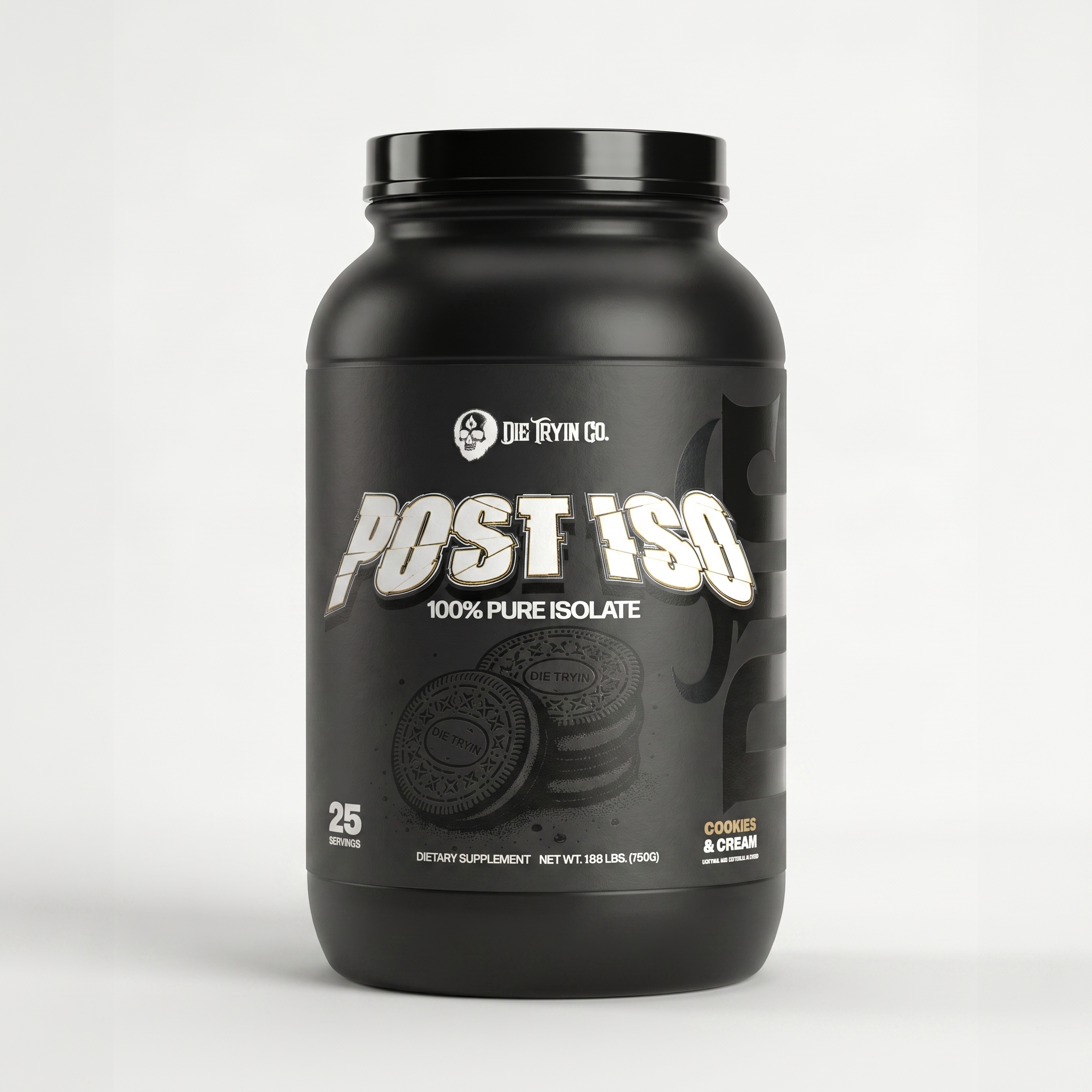
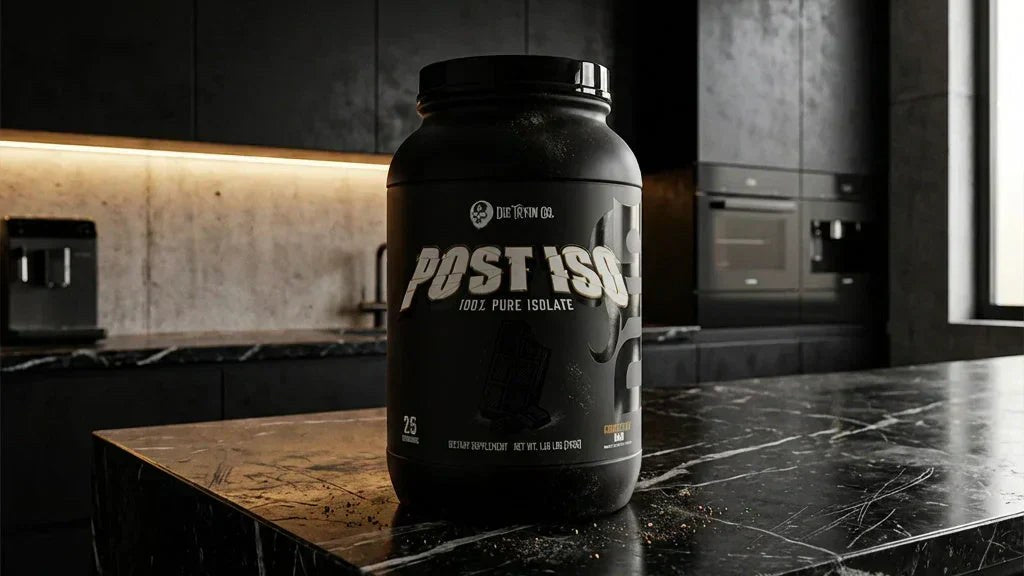
- Post Iso — 24g whey isolate per serving with DigeZyme enzymes. The easiest way to hit a protein floor when your appetite is already spoken for.
- Micronized Creatine Monohydrate — 5g daily. Protects training performance when everything else is working against it.
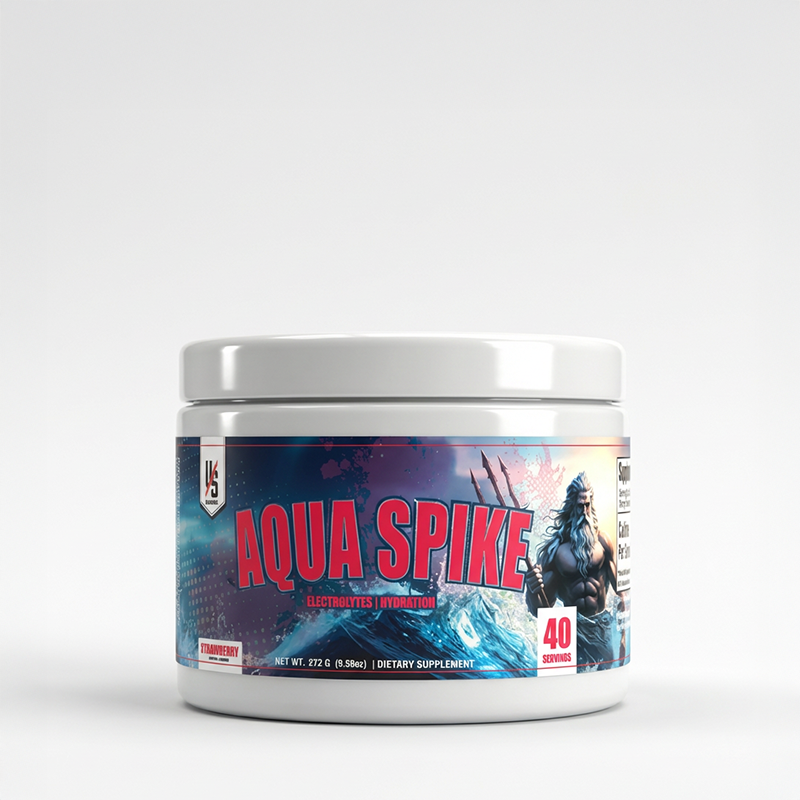
- Aqua Spike v2 — hydration and electrolytes, which matter more when you're eating less food and therefore fewer minerals.
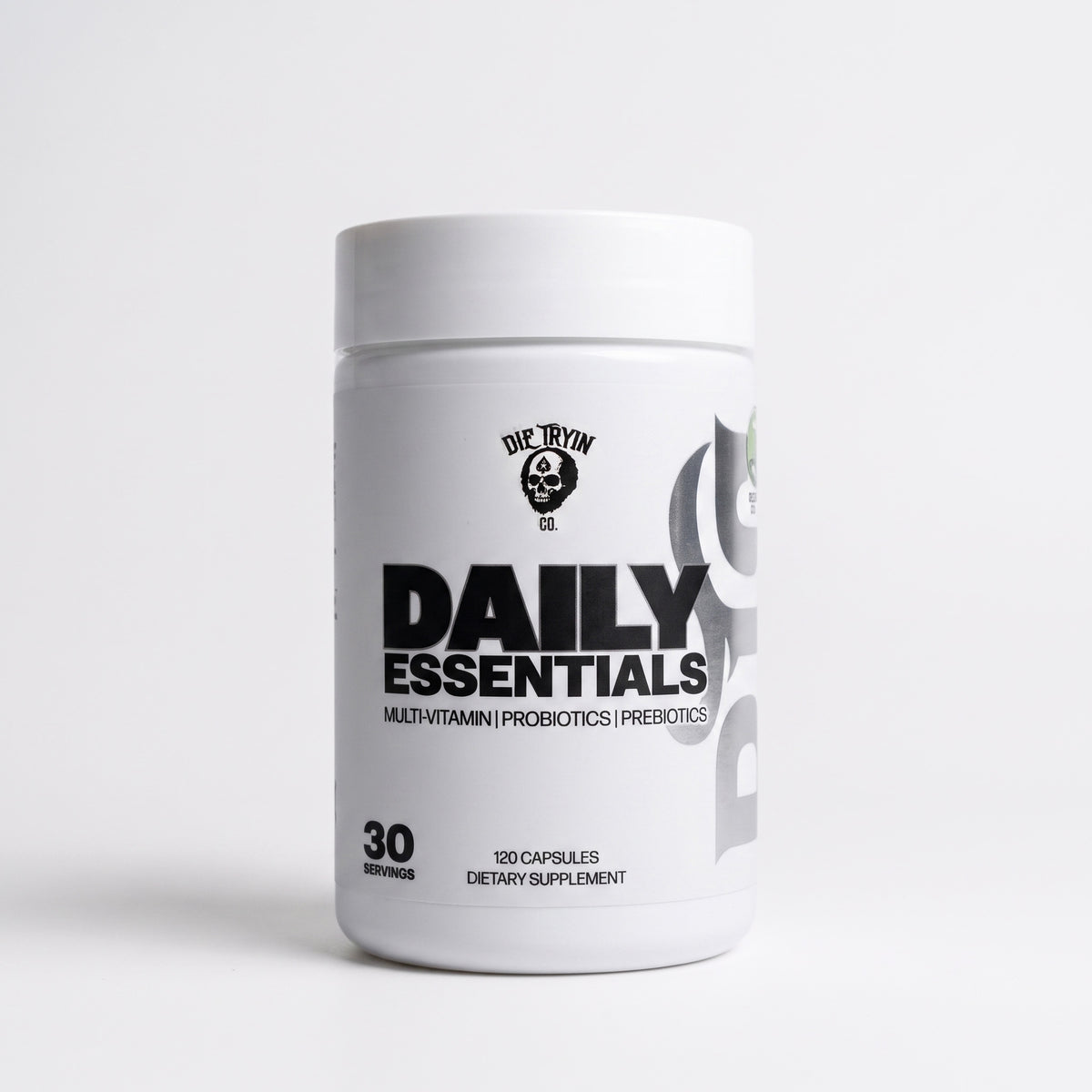
- Daily Essentials — a chelated multi plus gut support to cover the micronutrient gaps a smaller food intake creates.
- Red Dot — stim-free pump and focus for when your appetite is low and adding more caffeine to the day isn't the answer.
- DTC Athletic Tee — for when the work starts showing.
- Not sure what fits your phase? Take the quiz.
Cutting is a grind with a deadline. Discipline beats motivation, and the four levers beat every shortcut in your feed.
ALWAYS FORWARD.
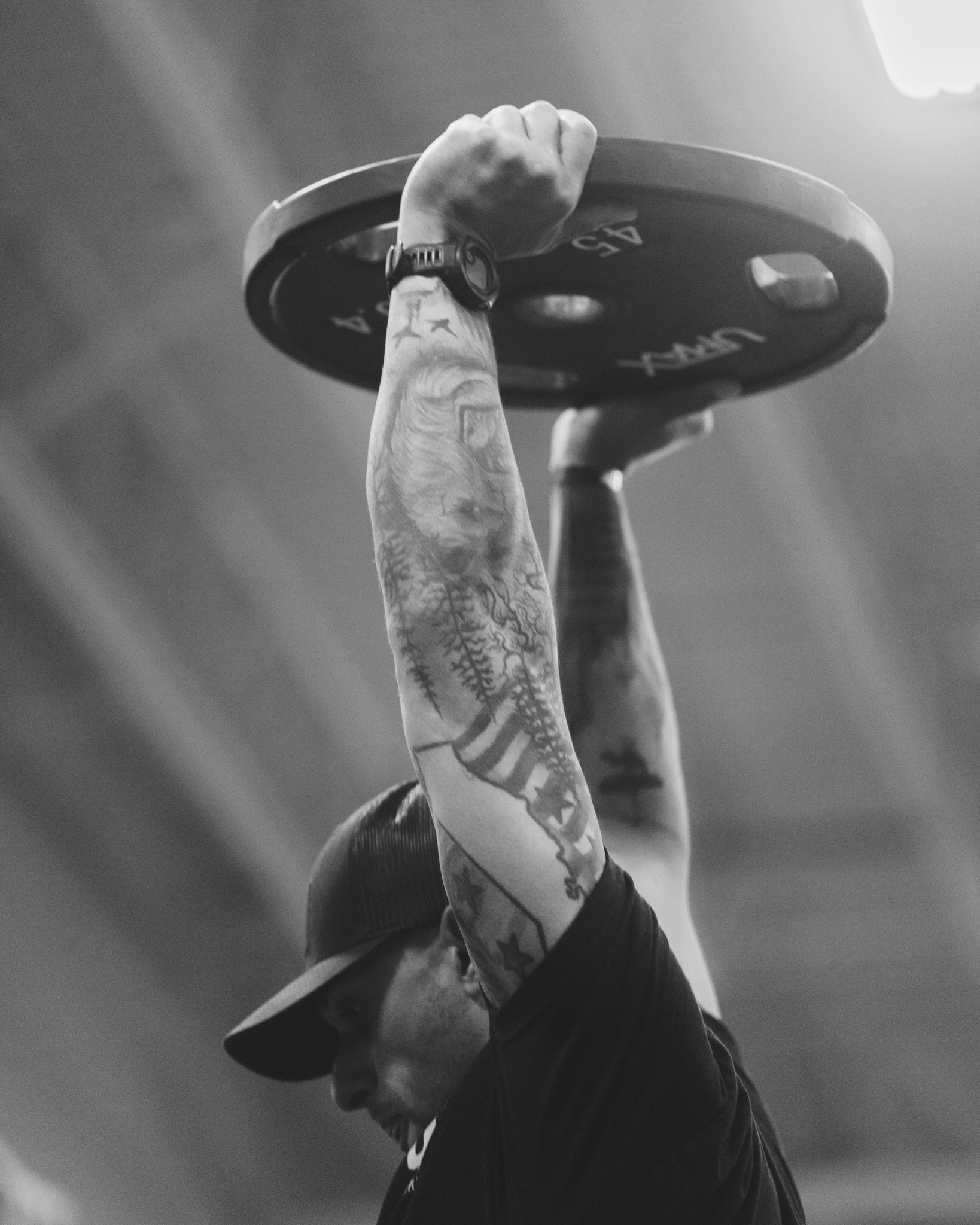
GEAR THAT FITS THIS POST
The products this article actually talks about. Real doses, disclosed labels, veteran owned.

Read more
The no-BS playbook for losing fat without losing muscle. Energy balance, protein, training, sleep, and the supplements that actually help.
The complete protein playbook — how much you need, when timing matters, which sources deliver, and the myths costing you money.

Most fat-loss attempts fail because the target was never defined. Set the target, build the momentum — the two steps that turn intention into result.
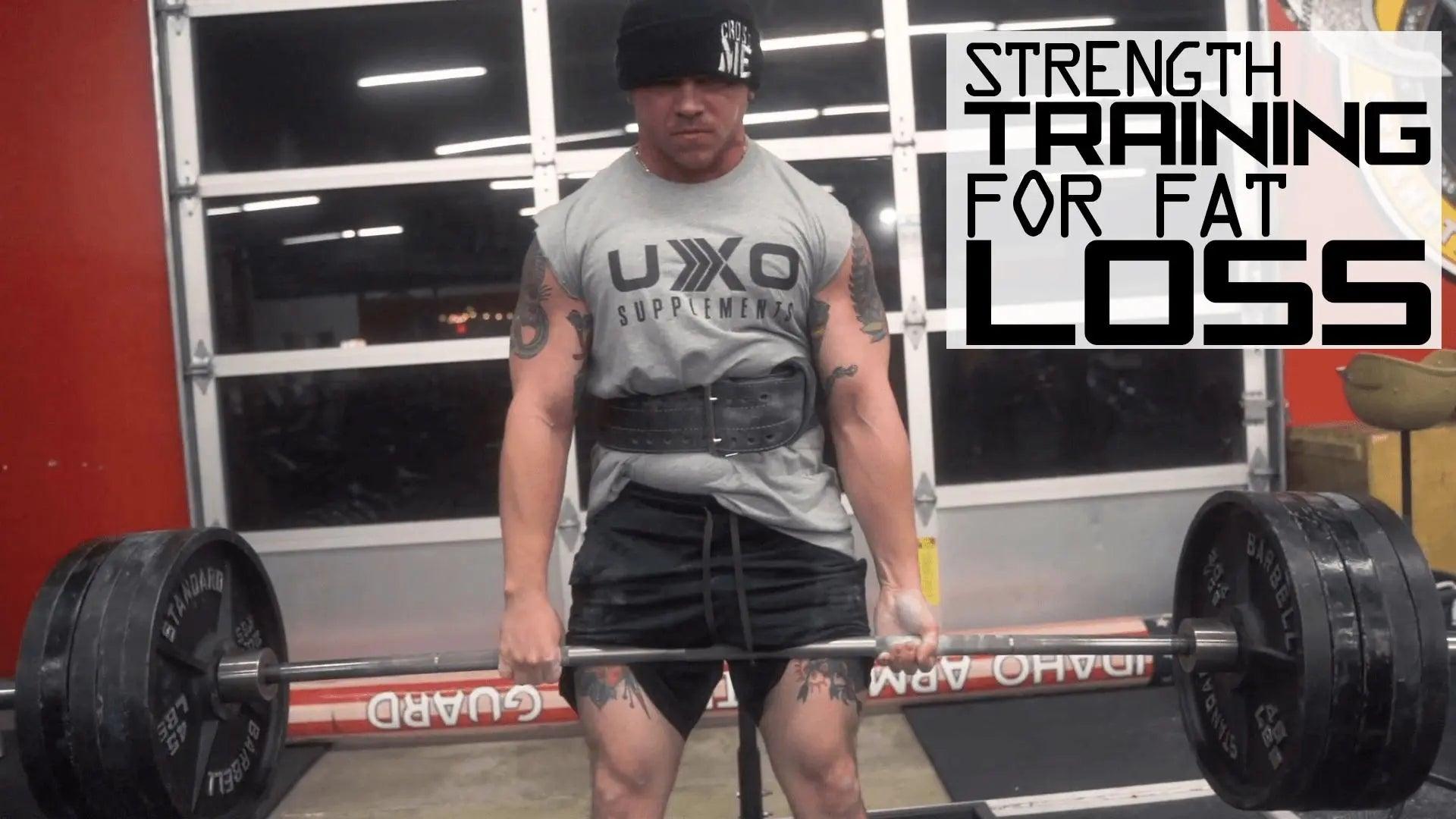
Think you shouldn't lift weights while losing fat? It's a myth. Here's how strength training preserves muscle, protects your metabolism, and beats cardio alone.
Training to failure is a tool, not a default. Here is what the research actually says for size and for strength, what the fatigue costs you, and the exact spots where taking a set to the wall earns...

Short sleep does not necessarily stall your weight loss. It changes what you lose, and the scale will not warn you it is happening.