






Deload Week: When You Need One and How to Run It
By Jon Klipstein, U.S. Army Combat Veteran & Founder of Die Tryin Co., and Chelsea Rodgers, IFBB Pro & Die Tryin Co. Athlete
RECOVERY IS THE OTHER HALF OF THE WORK
Most people get this wrong. They think a deload is time off. Permission to be soft for a week. Something you earn after you've already run yourself into the ground.
It's not. A deload is a planned reduction in training stress, usually 5 to 7 days, where you keep showing up and keep moving the same way you always do, just with the volume or the load pulled back. You still train. You just stop digging the hole.
Here's why that matters: lifting is the stimulus, not the result. Research on the mechanisms behind muscle growth points to mechanical tension, muscle damage and metabolic stress as the drivers, and every one of those is something your body has to repair before you get paid. Keep stacking stimulus without giving repair room to happen and you collect almost none of it.
The lifters who progress for years aren't the ones who never back off. They're the ones who back off on purpose, before their body makes the decision for them.
THE SIGNALS YOU NEED A DELOAD
Your body tells you. It just doesn't use words. Here's the translation:
| SIGNAL | WHAT IT MEANS | DELOAD ACTION |
|---|---|---|
| Lifts stalled or going backward for 2-3 weeks | Fatigue is masking your actual strength | Cut working sets ~50%, keep the loads |
| Joints barking (elbows, knees, low back, shoulders) | Load is stacking up faster than your joints are clearing it | Keep sets, drop load 20-30%, full range only |
| Sleep quality dropping, waking at 3 a.m. | Accumulated stress load, not just training | Full deload week, cut evening stimulants |
| Mood flat, short fuse, no drive | Systemic fatigue, not a discipline problem | Full deload week, protect sleep first |
| Dreading sessions you normally look forward to | Earliest honest warning sign you'll get | Reactive deload now, before it gets worse |
| Warm-up weights feel heavy | Nervous system hasn't cleared last week | Cut volume that day, deload the next week |
One caveat on that joint row: a deload is for the dull, accumulated ache that shows up after a hard block. Sharp pain, pain that wakes you up, or anything that doesn't settle inside two weeks is not a deload problem, it's a go-get-it-looked-at problem.
One signal on its own is a bad night's sleep. Two or three at once for more than a week is your answer. If you're already deep into that list, read our breakdown on overtraining, because you may be past the point a single week fixes.
WHAT A DELOAD ACTUALLY IS
A deload reduces training stress while keeping the pattern. That last part is the piece people skip. You still squat, hinge, press, pull and carry on your normal days. You keep the same split, the same exercise selection, the same frequency. The only thing that changes is how hard you're pushing.
Why keep the movements? Because skill decays. Squatting is a motor pattern, and a week away from a heavy barbell makes the first session back feel foreign. Keeping the groove intact means you come back sharp instead of spending three sessions relearning your own technique.
PLANNED VS. REACTIVE DELOADS
Planned means it's on the calendar before the block starts. Common structures are 3 weeks hard and 1 week deloaded, or a 5 to 6 week build when the loads are moderate. You take it whether you feel like you need it or not, and that's the whole point. Planned deloads keep fatigue from compounding quietly in the background.
Reactive means you pull the trigger because the signals showed up. Lifts stalled, sleep tanked, elbow started aching on every press. Reactive deloads are legitimate, and anyone who trains hard for long enough will need one. They're just a worse deal, because by the time the signals are loud you've already lost training quality for a week or two.
Run planned deloads. Keep reactive ones in your pocket for the weeks when life piles on outside the gym, because a stressful month at work costs you recovery the same way extra sets do.
HOW TO RUN ONE
Pick one lever and pull it. Do not pull both at once unless you're coming back from illness or injury.
- Method 1, cut volume: Keep your normal working weights, cut total hard sets by 40-50%. If a body part normally gets 16 sets a week, it gets 8. Stop 3-4 reps shy of failure on everything.
- Method 2, cut intensity: Keep your normal set count, drop the load 20-30%. Every set should feel crisp and fast. If a rep grinds, the weight is too heavy for a deload.
- Keep frequency the same. Four days a week stays four days a week. You're reducing stress per session, not sessions per week.
- Keep the movements the same. Same exercises, same order, same split.
- Keep conditioning easy. Walking, easy bike, mobility work. Nothing that leaves you breathing hard.
- Length: 5 to 7 days. Then straight back into the next block at your pre-deload numbers, not below them.
Nutrition doesn't drop with the volume. This is the week your body is actually spending resources on repair, so keep protein where it was and keep eating like you're training. Cutting calories during a deload defeats the purpose. If you're using the deload as a bridge into a growth block, our muscle building guide covers how to set up the block that follows.
WHAT NOT TO DO
Do not take the week completely off. Total rest is a different tool, and it's the right call after an illness, a real injury, or a competition. As a routine recovery strategy it costs you your rhythm, your motor patterns and, for a lot of people, the habit itself. A week of nothing turns into three more easily than anyone wants to admit.
And do not "deload" by replacing lifting with a pile of cardio. Adding 45 minutes of hard conditioning to a week where you cut your lifting volume in half is not a deload, it's a substitution. Your joints get a break, your recovery system doesn't. Same for turning the week into daily two-hour stretching and sauna marathons. Recovery work is supposed to be the low-cost part of the week.
SUPPORT THE WEEK, DON'T OVERTHINK IT
Sleep and food do the heavy lifting here. Everything else is support. Protect 7-9 hours, hit your protein, and keep hydration steady, because a deload week is often when people get sloppy with the basics they were dialed in on during the hard block. Our complete recovery guide goes deeper on the levers that actually move the needle.
FAQ
How often should I deload?
Every 4 to 8 weeks for most lifters. Newer lifters can usually go longer because they're not generating enough absolute load to bury themselves. Lifters grinding near their limit often need one every 3 to 4 weeks, because the closer you train to your ceiling, the faster fatigue stacks.
Will I lose muscle during a deload week?
Not in a week. A week of reduced volume with protein and calories held steady doesn't cost you tissue. Most lifters report coming back feeling fuller and moving better, not smaller.
Should I deload every body part at once?
Usually yes. Fatigue is systemic, not just local. The exception is a single joint issue, where you can deload that one pattern and keep training everything else hard.
What if I feel great and don't want to deload?
Take it anyway. Feeling good is exactly when a planned deload works best, because you're clearing fatigue before it costs you anything. The lifters who skip deloads because they feel strong are the ones taking reactive deloads six weeks later.
Can I test a max after a deload week?
You can, and it's often the best week to do it. Fatigue masks fitness, so a deload frequently reveals strength that was already there. Give yourself two full days after the last deload session before testing.
Is a deload the same thing as active recovery?
No. Active recovery is a single easy session inside a normal week. A deload is a structured reduction in training stress across an entire week, with your normal split intact.
READY TO GEAR UP?
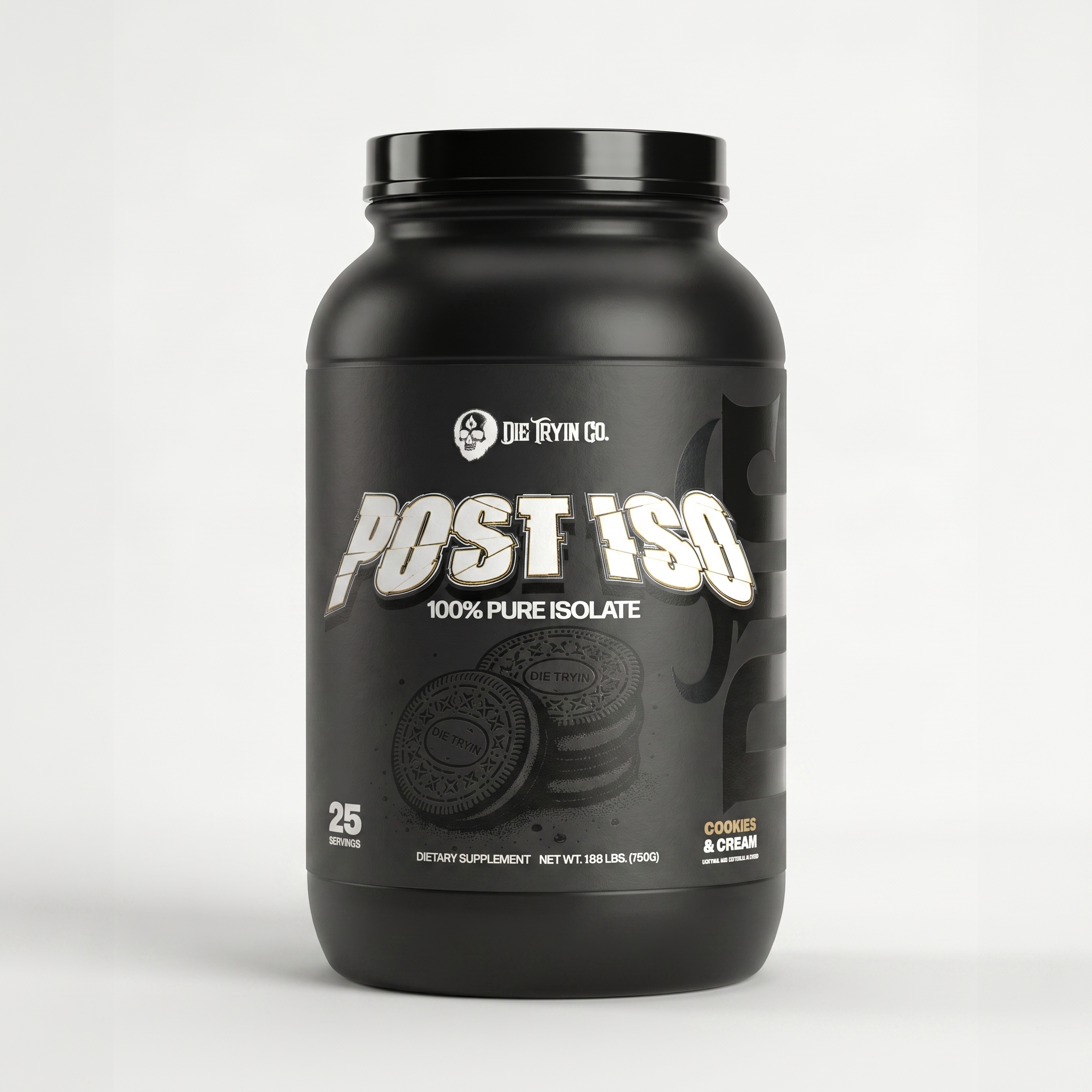
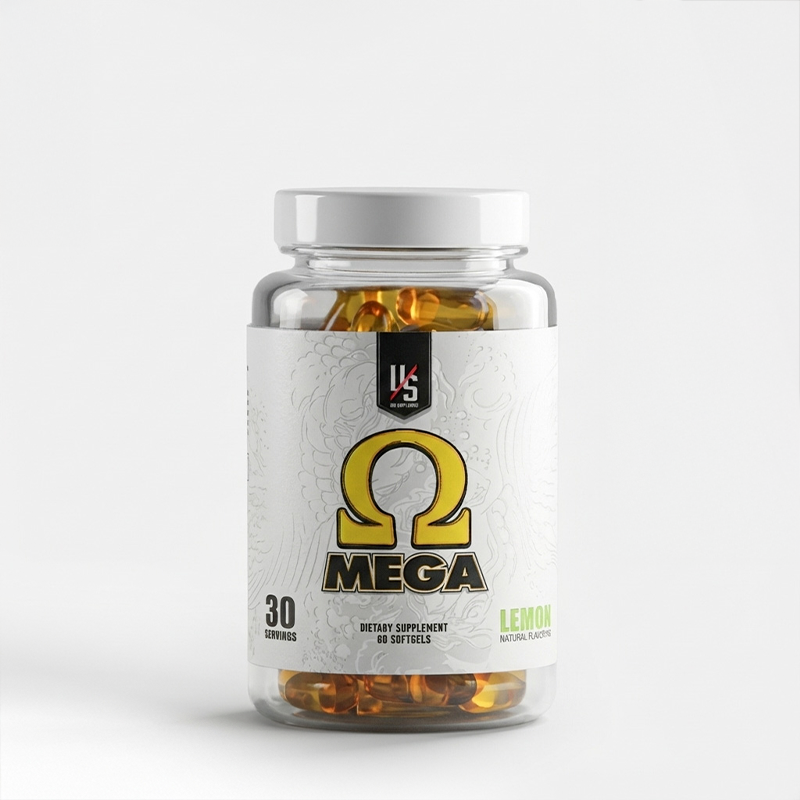
A deload week is a repair week, so feed it like one. Keep protein locked in with Post Iso, keep your fluids and electrolytes steady with Aqua Spike, and if joints are the reason you're deloading, Omega is worth having in the daily rotation year-round rather than only when something starts aching.

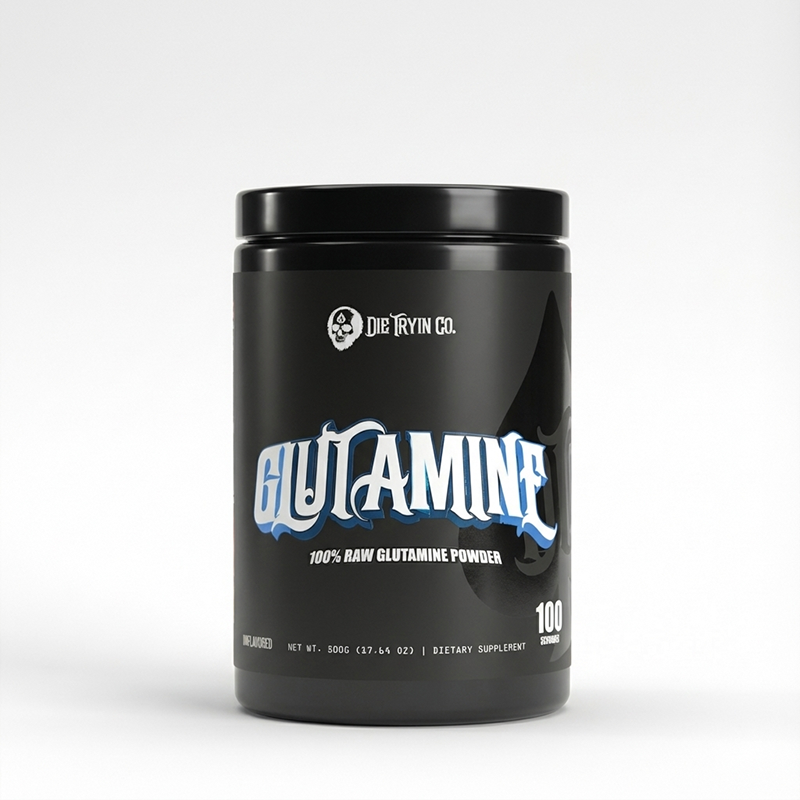
Glutamine is a simple, unflavored scoop that disappears into your post-training shake. No stim, no flavor to fight with, easy to keep in the rotation on a week when you're stripping everything else back. Shroombiosis, founded and formulated by Onur Oncer, our science reviewer, is the non-stim daily you keep taking through the week your pre-workout comes out of the rotation, and we'll be straight with you: no mushroom blend outruns a training block you refuse to back off from. Not sure where your stack should start? Take the 60-second product quiz and build from there.
ALWAYS FORWARD.
GEAR THAT FITS THIS POST
The products this article actually talks about. Real doses, disclosed labels, veteran owned.

Read more

Most lifters asking if they're overtraining are actually overreaching, and there are two kinds. Here's how to tell which one you're in, and what to do about it.

The complete playbook for building muscle that actually lasts. Training, nutrition, recovery, and the supplements that move the needle — no hype.

The no-BS recovery playbook — sleep, stress, nutrition, modalities, and the framework that ties it all together. Recovery is where growth actually happens.
Your gut lining runs the same creatine energy system as your muscles. Here is what the research shows on stomach upset, IBS, colitis and leaky gut, and exactly where the human evidence stops.

Creatine gummies can work if the creatine is actually in them, and lab tests keep finding it often is not. Here is why a scoop of Creatine Monohydrate powder still wins.
Flavor doesn't change what creatine does; taking it every day is what counts. How to pick flavored or unflavored, what to mix it with, and how long it lasts once mixed.