




How Cardio Benefits Lifters (Without Killing Gains)
CARDIO IS NOT THE ENEMY OF GAINS
By Jon Klipstein, U.S. Army Combat Veteran & Founder of Die Tryin Co.
Science reviewed by Onur Oncer, BS Physiology and peer-reviewed published researcher.
Most people get this wrong. They hear "cardio" and picture muscle melting off the frame, strength numbers dropping, and an hour a day chained to a treadmill going nowhere.
That fear costs lifters more than cardio ever has. A bigger engine means more work per session, faster recovery between sets, and better tolerance for the training volume that actually builds size. Conditioning is not the opposite of lifting. It is the support structure under it.
The problem was never cardio. It was the dose. Too much, too hard, too close to the squat rack, with no plan behind it.
Here is how to run conditioning like a tool instead of a punishment.
| GOAL | CARDIO TYPE | HOW OFTEN |
|---|---|---|
| Build muscle (protect strength) | Easy steady state. Walking, incline treadmill, bike. Conversational pace. | 2 to 3 sessions, 20 to 30 min, non-lifting days or after lifting |
| Lose fat (diet still leads) | Steady state plus daily step floor. See the fat loss guide. | 3 to 5 sessions, 25 to 45 min, plus 8k to 10k steps daily |
| Improve work capacity | Mixed. Mostly easy, one harder interval session. Bike or sled preferred. | 2 easy plus 1 interval session per week |
| General health | Whatever you will actually do. Stairs, hills, rucks, brisk walks. | 150 min per week total, any split |
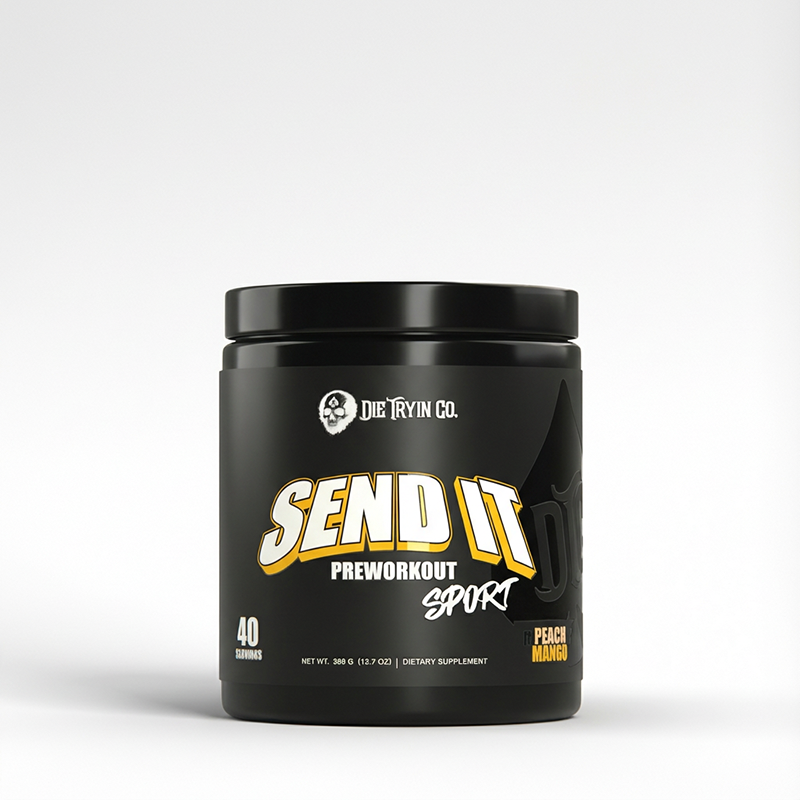
| Endurance events | Long steady state. Fuel it with SEND IT Sport and Aqua Spike. | 4 to 6 sessions, one long session weekly |
WHAT CARDIO ACTUALLY DOES TO THE ENGINE
Your heart is a muscle. Train it and it adapts. Trained over time, the left ventricle tends to fill more completely, stroke volume climbs, and resting heart rate drops because the pump moves more blood per beat.
The respiratory side adapts alongside it. Breathing gets more efficient under load, and the ventilation that used to leave you gasping at the top of a stair climb becomes background noise. Capillary density in trained muscle improves too, which means more oxygen delivered to the tissue doing the work and less of a bottleneck when the effort climbs.
None of that is a small deal. A systematic review supporting the physical activity guidelines found that regular physical activity is associated with lower all-cause and cardiovascular mortality, including all-cause mortality and cardiovascular disease risk. Research suggests the biggest jump comes at the low end, moving from doing nothing to doing something, with benefits appearing at volumes well below the full weekly target.
THE PART LIFTERS ACTUALLY CARE ABOUT: RECOVERY BETWEEN SETS
Here's the truth: your rest periods are aerobic work. The system that clears the burn and refills your tank between a brutal set of squats and the next one is the same system easy cardio trains.
Get specific about it. A heavy set drains phosphocreatine in the working muscle, and rebuilding that store between sets is an oxygen-dependent process. Better aerobic capacity means faster resynthesis, which means set two lands closer to the quality of set one instead of falling off a cliff.
A lifter with poor conditioning takes four minutes to feel ready for set two. A conditioned lifter takes two. Over a full session that is more quality volume with the same clock and the same effort ceiling, and quality volume is what drives the adaptation.
This shows up in the accessory work first. Set three of walking lunges stops being a cardiovascular emergency and starts being a leg exercise again. Same with high-rep leg press, sled pushes, and anything past the ten-rep mark where breathing becomes the limiter before the muscle does. That is when hypertrophy work gets productive.
FAT LOSS: HONEST VERSION
Cardio does not cause fat loss. An energy deficit does. Cardio is one way to widen that deficit, and it is a good one, but it will never out-run a kitchen that is not under control.
Where cardio earns its spot is flexibility. Run the math on a 200-pound lifter: 30 minutes of brisk walking burns roughly 150 to 200 calories depending on pace and incline. Do that five days a week and it is somewhere near 750 to 1,000 calories, which is a couple hundred extra calories of food per day you get to keep in the plan. That food protects training performance and makes the diet survivable. Cutting calories alone eventually starves the work that keeps muscle on your frame.
Steps matter more than most people admit. The unglamorous baseline of daily walking moves more total energy than the three sessions you post about.
ZONES WITHOUT THE COMPLICATION
Forget the seven-zone charts. For a lifter, two settings cover almost everything.
- Easy steady state. You can hold a conversation. Nose breathing is possible. This is where most of your cardio should live because it builds the aerobic base without taxing the same recovery budget your lifting draws from.
- Hard intervals. Short, sharp efforts with real rest. Thirty seconds on, ninety seconds off, eight to ten rounds. Efficient for time, but it is training stress like any hard set, and it cashes out of the same recovery account. One session a week is plenty for most lifters.
Anything in the middle, that gray zone of moderately hard for a long time, is the trap. Too hard to recover from, too easy to be a real stimulus.
HOW TO ADD CARDIO WITHOUT KILLING YOUR LIFTING
- Separate the modalities. Put hard intervals as far from heavy lower-body work as you can manage. Easy walking can go anywhere, including the day after a brutal leg session, where it often helps.
- Lift first if you have to combine them. Strength work demands a fresh nervous system. Cardio does not. More on the sequencing question in cardio before lifting.
- Pick low-impact tools. Bike, incline walk, rower, sled. Running trashes your legs with eccentric damage that competes directly with squat recovery.
- Add slow. Start with two 20-minute easy sessions. If your lifts hold for three weeks, add more. If they stall, pull back. Your logbook is the referee, not your feelings.
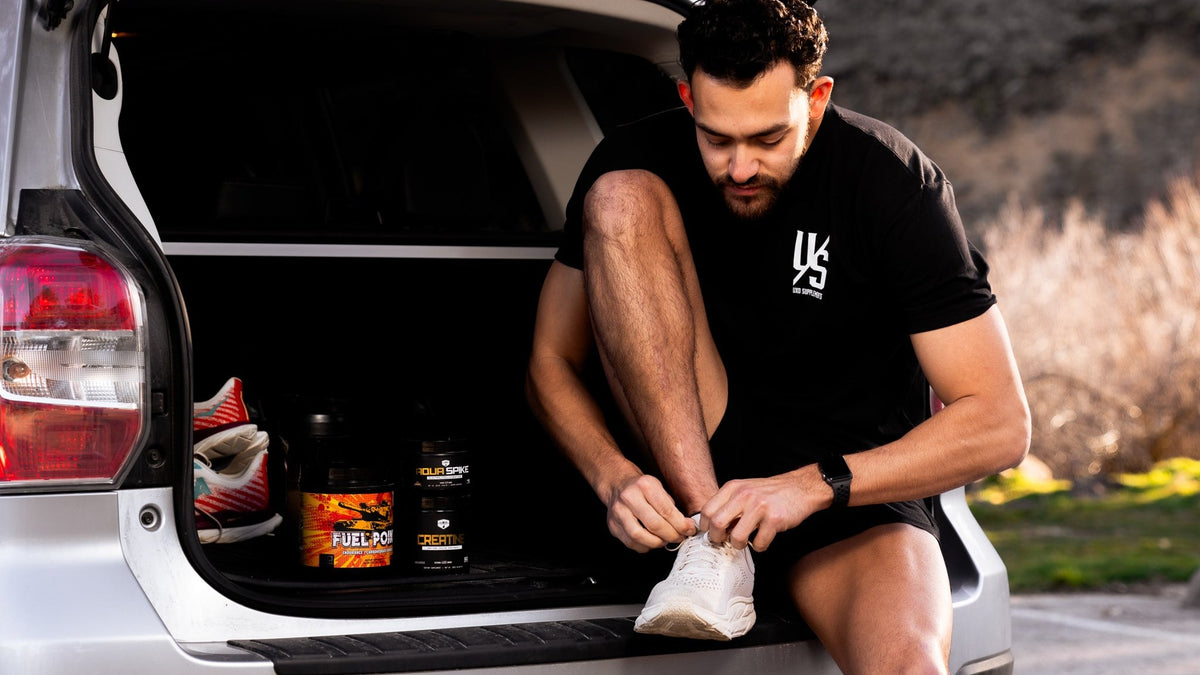
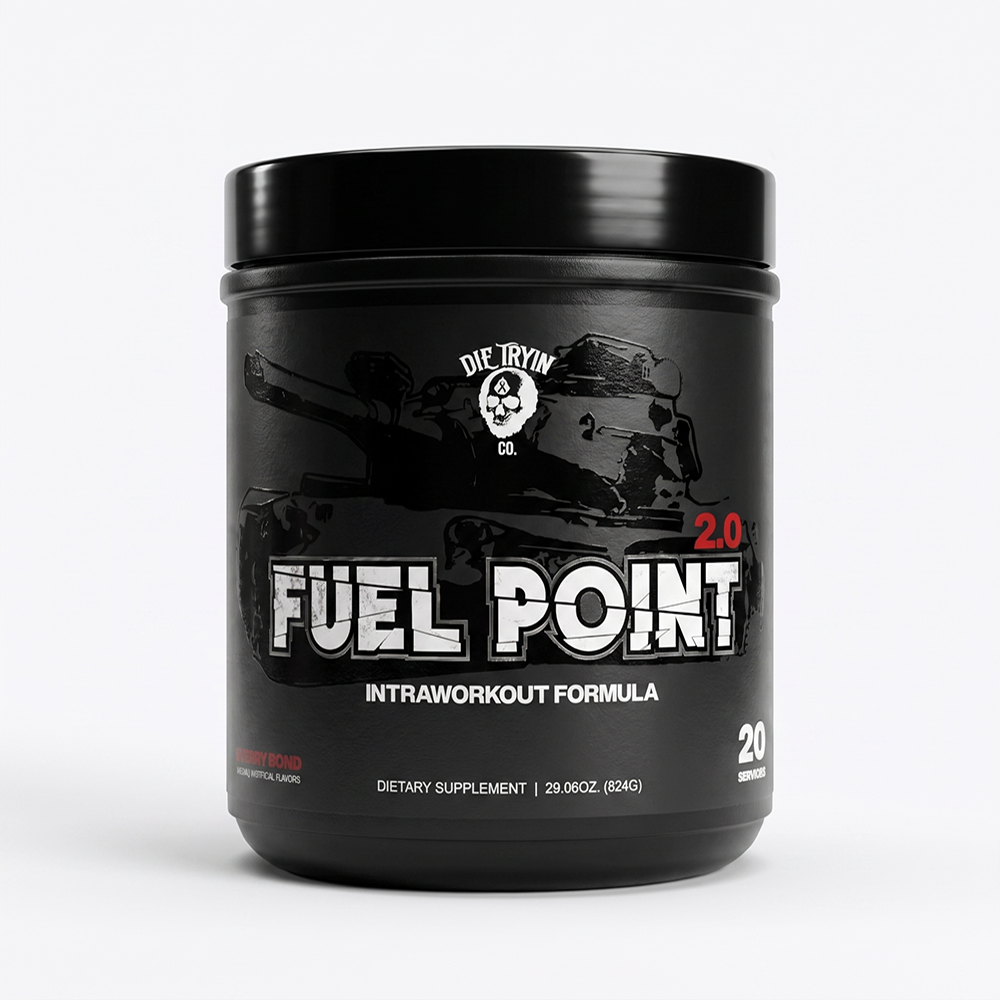
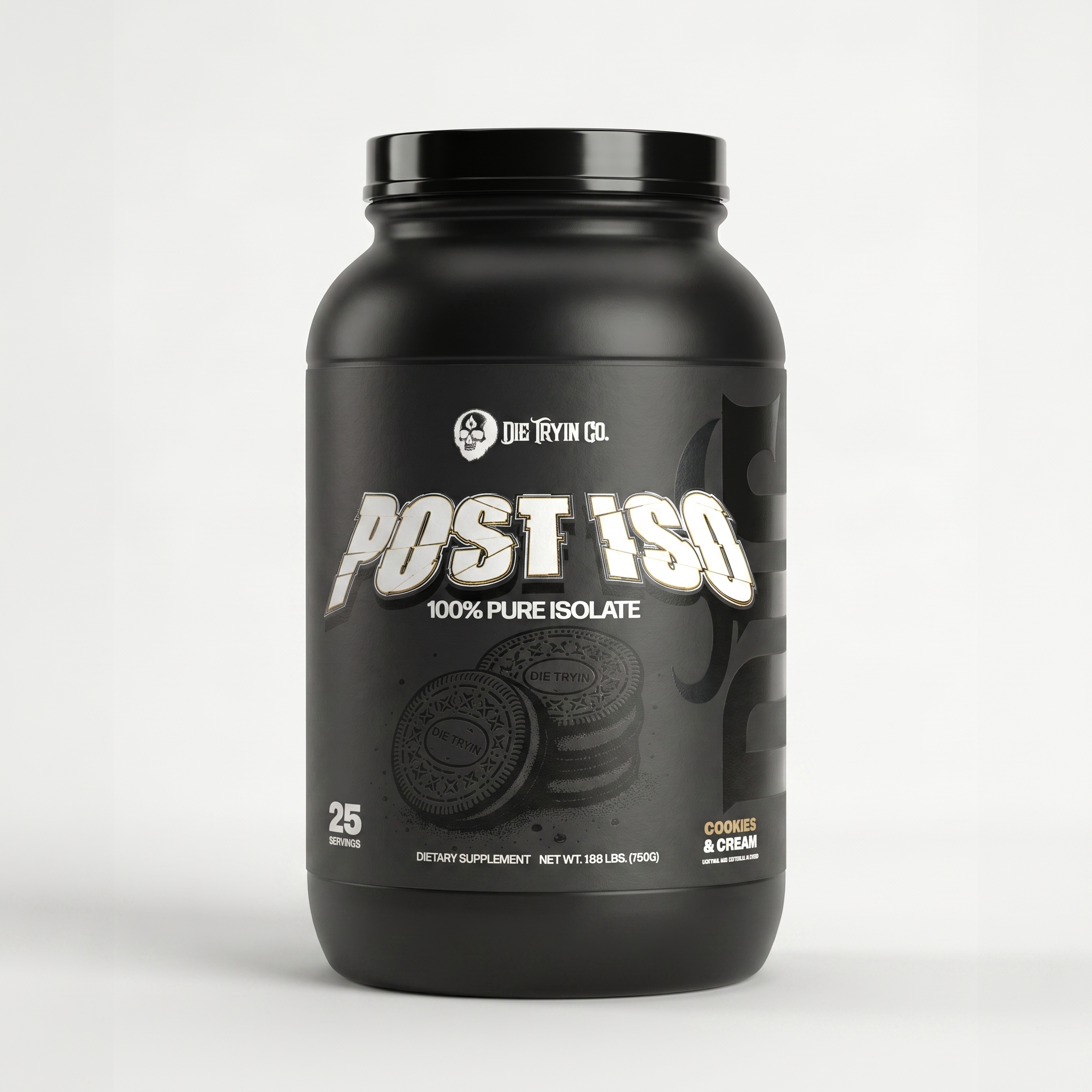
- Feed the work. More total output means more fuel and more fluid. Carbs during long sessions with Fuel Point, electrolytes with Aqua Spike, and protein after with Post Iso. Recovery is the whole game, and the recovery guide goes deeper on it.
Scheduling is simpler than it looks. On a push/pull/legs split, park the interval session the day after push and keep easy walks on the leg day and the day after it. On upper/lower, intervals go on an upper day, never the twenty-four hours before or after your heaviest lower session. The rule underneath both: hard cardio and heavy legs do not share a neighborhood.
NO EQUIPMENT, NO EXCUSE
The best conditioning tool most people own is a staircase. Second best is the sidewalk outside. Brisk walking, hills, stairs, and a weighted pack cover every requirement in the table above without a gym membership.
Consistency beats intensity. Twenty minutes you do five times a week outperforms the forty-five-minute session you skip.
FREQUENTLY ASKED QUESTIONS
Will cardio make me lose muscle?
Not at reasonable volumes with adequate protein and calories. Muscle loss tends to show up when cardio volume is extreme, protein is low, and the deficit is aggressive all at once. Fix those inputs and the conditioning is not the problem.
How much cardio is too much for a lifter?
Watch your lifts. If strength and volume hold steady week over week, your cardio dose is fine. When performance slides for two or three weeks with no other explanation, cut cardio back before you cut food.
Should I do cardio fasted?
Research suggests total energy balance drives the outcome either way. Do whichever lets you work harder and stay consistent. If fasted sessions leave you flat, eat first.
Is HIIT better than steady state?
Both work. Intervals save time and push peak conditioning harder. Steady state is easier to recover from, which matters when you are also lifting heavy. Most lifters do best with mostly steady state and one interval session.
Can I take a pre-workout for cardio?
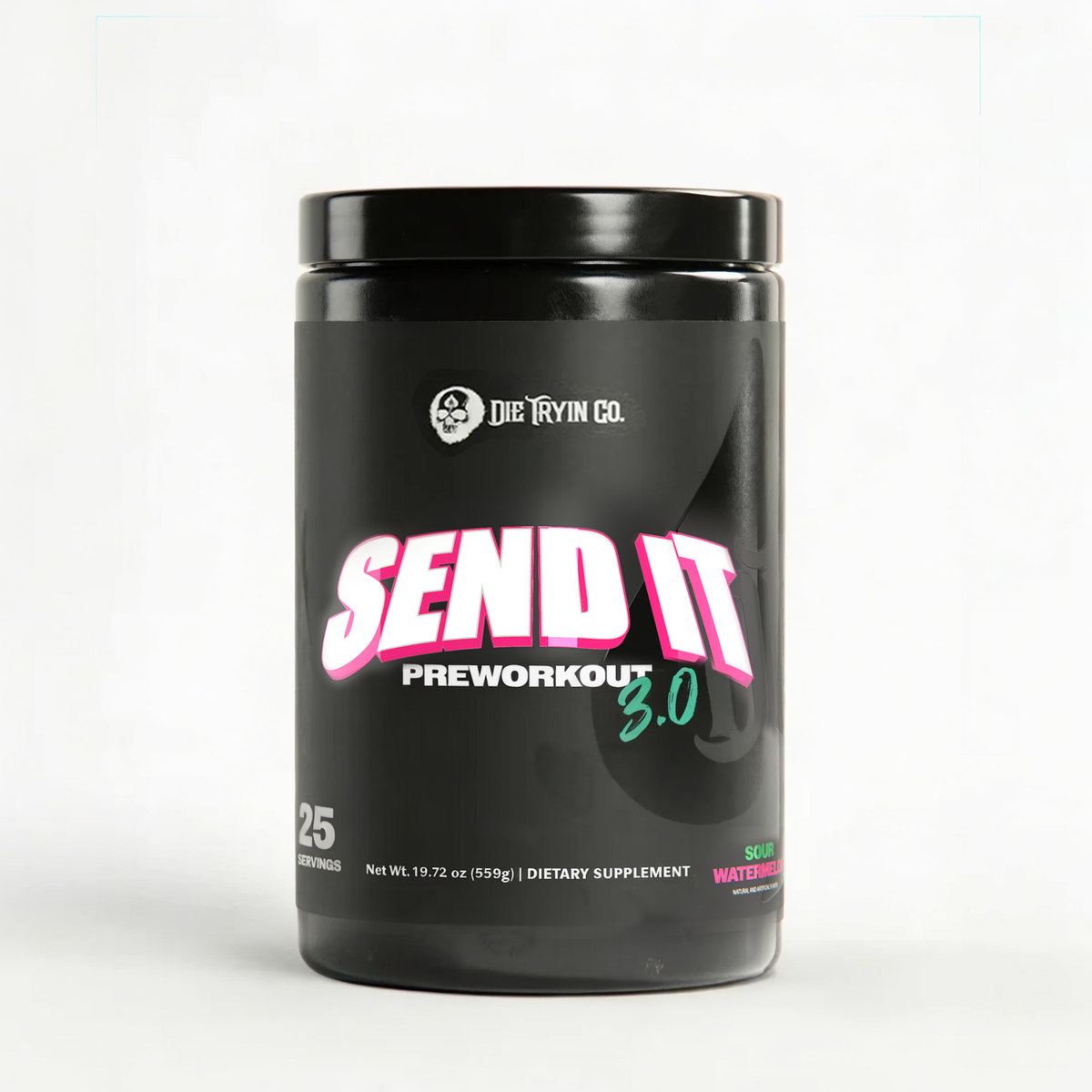
Yes, but match the stim level to the session. SEND IT Sport is built for longer, lower-stim work. Save the heavy hitters for the barbell. Not sure what fits? Run the quiz.
What is the minimum that still helps?
The U.S. Physical Activity Guidelines put the target at around 150 minutes of moderate activity per week, and it can be split however you want. Three brisk 25-minute walks plus daily steps gets most people there.
READY TO GEAR UP?
Conditioning is a discipline problem before it is a supplement problem. But once the work is on the calendar, fuel it properly. SEND IT Sport for the long low-stim sessions. Aqua Spike when you are sweating through them. Fuel Point when a session runs past an hour and you need carbs in the tank. Cold-weather conditioning is where gear matters: a dry tee and a hat after an outdoor session beat sitting in a soaked shirt on the drive home.

Real doses of real ingredients. Combat veteran-built. Train smart. Train hard.
ALWAYS FORWARD.
GEAR THAT FITS THIS POST
The products this article actually talks about. Real doses, disclosed labels, veteran owned.

Read more
The no-BS playbook for losing fat without losing muscle. Energy balance, protein, training, sleep, and the supplements that actually help.
Cardio does not kill gains. Bad scheduling does. Here is how to run both without paying for it.
The no-BS recovery playbook — sleep, stress, nutrition, modalities, and the framework that ties it all together. Recovery is where growth actually happens.
Your gut lining runs the same creatine energy system as your muscles. Here is what the research shows on stomach upset, IBS, colitis and leaky gut, and exactly where the human evidence stops.

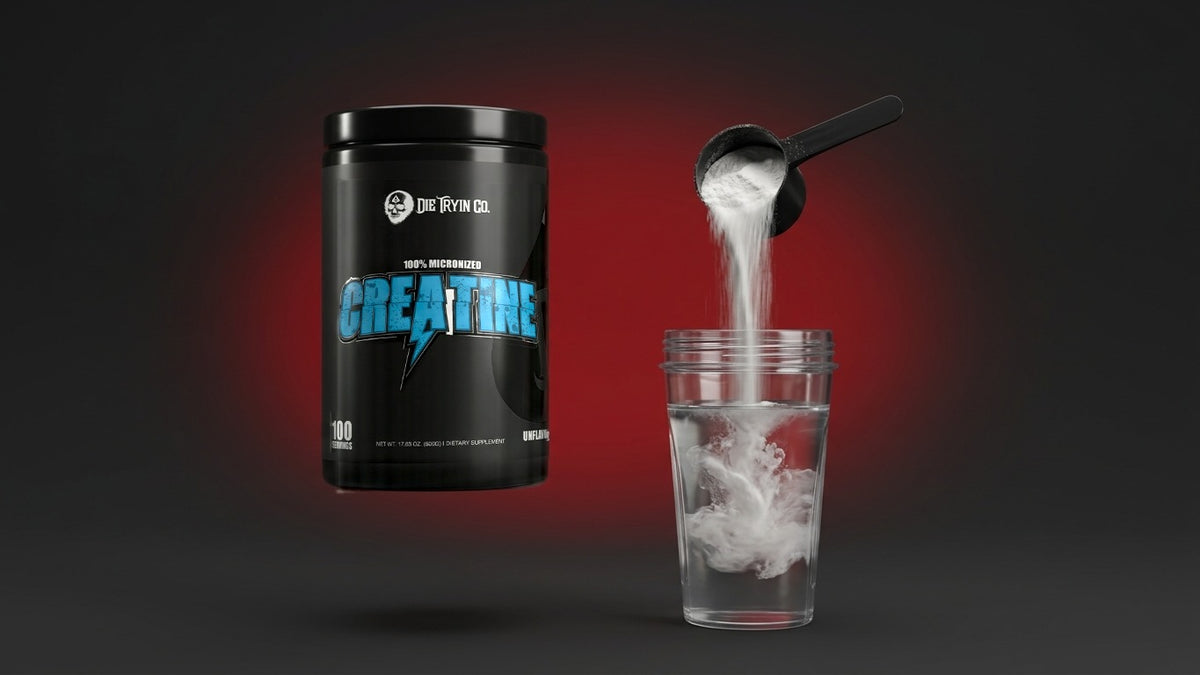
Creatine gummies can work if the creatine is actually in them, and lab tests keep finding it often is not. Here is why a scoop of Creatine Monohydrate powder still wins.
Flavor doesn't change what creatine does; taking it every day is what counts. How to pick flavored or unflavored, what to mix it with, and how long it lasts once mixed.