



How to Lose Fat and Keep Muscle: The Complete Guide
By Jon Klipstein, U.S. Army Combat Veteran & Founder of Die Tryin Co., and Kyle Panela, NCSF-CPT & NPC Men's Physique Competitor
Science reviewed by Onur Oncer, BS Physiology and peer-reviewed published researcher.
FAT LOSS, NO BS
The fat loss industry runs on noise. Detox teas. Magic fat burners. Six-minute workouts that promise a six-pack by next month. Endless variations of the same recycled "trick" that's somehow been hidden from you until now.
If any of it worked, we wouldn't be living through a global obesity crisis.
Fat loss is simple. Not easy — simple. The mechanisms have been understood for decades. Real research keeps confirming the same handful of principles, year after year. The difference between people who actually lose fat and keep it off versus the people stuck in the same cycle isn't a special supplement, a magic exercise, or a hidden hack. It's whether they execute the basics, consistently, long enough to see real results.
This guide is the complete playbook. The energy balance reality. The protein math. The training that protects muscle. The lifestyle levers most people ignore. And the supplements that actually help — versus the ones that just take your money.
Built for men and women who want real results, not promises. No hype. No shortcuts. Just what works.
WHICH FAT-LOSS APPROACH FITS YOUR SITUATION?
Quick answer before the deep dive. Match the framework to the situation.
| YOUR SITUATION | CALORIE TARGET | PROTEIN | KEY DTC STACK |
|---|---|---|---|
| Lose fat, keep muscle — most people, sustainable cut | 250-500 cal deficit (10-15% below TDEE) | 2.3-3.1 g/kg of lean mass (lower end) | Post Iso + Incendiary Stage 2 + Creatine |
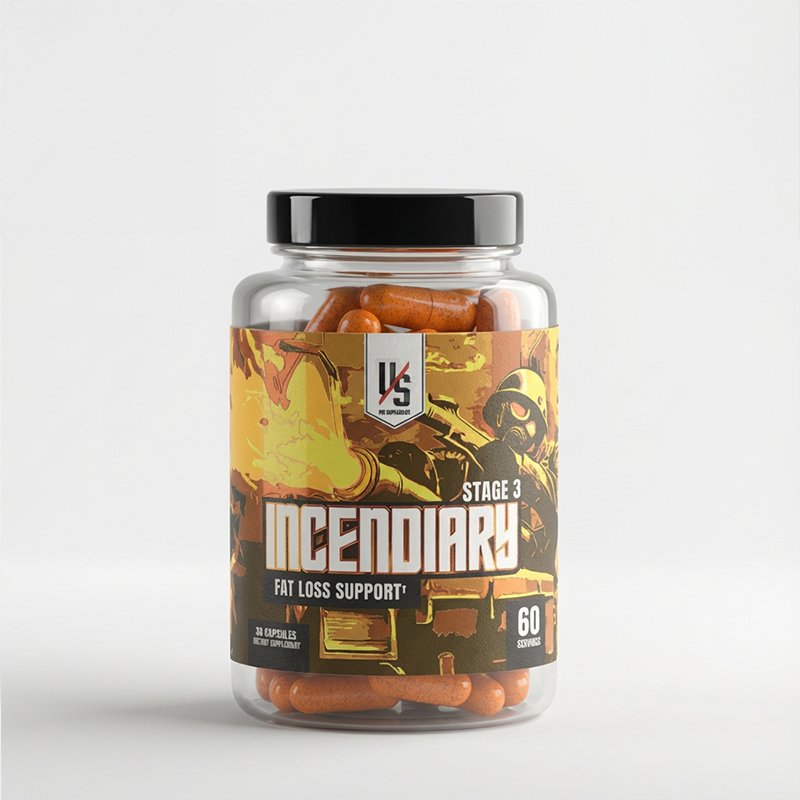
| Aggressive cut — advanced lifters, 8-12 weeks max | 500-750 cal deficit (20-25% below TDEE) | 2.3-3.1 g/kg of lean mass (upper end) | Post Iso + Incendiary Stage 3 + Creatine |
| Recomposition — new lifters or returning after layoff | At or near maintenance | 1.6-2.2 g/kg (2.3-3.1 g/kg of lean mass if in a deficit) | Post Iso + Creatine + Daily Essentials |
| Stalled out / hit a wall — long cut, no progress | Diet break 4-8 weeks at maintenance | Maintain 1.6+ g/kg | Post Iso + Ghillie Greens + Daily Essentials |
| Not sure where to start | Quiz-matched to TDEE | Calculated from inputs | Take the 60-second quiz |
Now the deep dive on each piece.
FAT LOSS COMES DOWN TO ONE LAW — ENERGY BALANCE
If you take nothing else from this guide, take this:
Fat loss happens when you consume fewer calories than your body burns. That's it. Energy in versus energy out.
Every diet that has ever worked — keto, carnivore, vegan, paleo, intermittent fasting, plain calorie counting — works for the same reason. It puts you in a caloric deficit. Every diet that has ever failed has failed for the same reason too. You stopped being in a deficit.
The "energy out" side has four components:
- BMR (Basal Metabolic Rate) — what your body burns just keeping you alive. The biggest piece (~60-70% of daily expenditure).
- TEF (Thermic Effect of Food) — energy used to digest food. Protein has the highest TEF (~20-30%), which is one reason it's so useful in a cut.
- NEAT (Non-Exercise Activity Thermogenesis) — walking, fidgeting, daily movement. The most-ignored, biggest swing factor for fat loss.
- EAT (Exercise Activity Thermogenesis) — your actual workouts. Smaller than people think.
Add them up. That's your TDEE — Total Daily Energy Expenditure. Eat below it, you lose fat. Eat above it, you gain. Across weeks and months, that's the entire game. According to PubMed, a 2021 overview of 12 systematic reviews on exercise and weight loss (Bellicha et al.) reinforces the same principle — exercise produces weight loss when it widens the energy gap, and resistance training specifically preserves lean mass during a cut. The mechanism doesn't change.
Two things people get wrong here.
"Starvation mode" is mostly hype. Yes, your metabolism adapts slightly when you cut calories. Your body becomes more efficient. NEAT drops. Hormones shift. But adaptive thermogenesis doesn't override physics. If the scale isn't moving across 2-3 weeks, you're not in a deficit, no matter what your tracker says.
The "best diet" question is the wrong question. The ISSN Position Stand on Diets and Body Composition (Aragon et al. 2017) is clear — keto, low-carb, low-fat, plant-based, and Mediterranean all produce similar fat loss when calories are matched. Pick the approach you can sustain. Adherence beats theoretical optimization every time.
The real work isn't picking a diet. The real work is finding a deficit you can hold for 8, 12, 16 weeks without quitting. Start there. Learn to track your macros if you've never done it before. Build out the 6 real strategies that work.
PROTEIN IS NON-NEGOTIABLE IN A CUT
If energy balance decides how much weight comes off, protein decides whether that weight is fat or muscle.
In a caloric deficit, your body is looking for energy. It will pull from fat stores. It will also pull from muscle if you don't give it a reason not to. Protein is that reason. For a deeper dive on protein generally, see the protein pillar — this section covers the cut-specific math.
The International Society of Sports Nutrition Position Stand on Protein and Exercise (Jäger et al. 2017) puts most exercising people at 1.4-2.0 grams per kilogram of bodyweight per day. Cutting pushes the number up and changes the math: in a deficit, work from lean mass, not bodyweight. Aim for 2.3-3.1 grams per kilogram of lean mass per day (about 1.0-1.4 g per pound of lean mass), near the bottom on a gentle cut and near the top on an aggressive one. The ISSN notes intakes in that range may be needed to maximize lean-mass retention in resistance-trained lifters during a calorie deficit, and the review it draws on (Helms et al. 2014) set the range per kilogram of lean mass.
In plain numbers, for someone at 20% body fat:
- A 150 lb (68 kg) person, 54.4 kg lean mass: ~125-170 g protein/day
- A 180 lb (82 kg) person, 65.3 kg lean mass: ~150-200 g protein/day
- A 200 lb (91 kg) person, 72.6 kg lean mass: ~165-225 g protein/day
The harder the cut, the higher in the range you run. Don't go below the low end if you want to protect lean mass. Want your own cut number? Pick the fat-loss goal in the protein calculator and add your body-fat percentage. It works from lean mass instead of total bodyweight.
Three reasons protein is the most important macro in a cut:
1. Muscle preservation. Protein provides the amino acids that signal "don't break this tissue down." Lifters who eat enough protein in a deficit lose mostly fat. Lifters who don't lose a frustrating mix of fat and muscle — and end up smaller and softer, not leaner.
2. Satiety. Protein is the most filling macronutrient. A 200-calorie protein-rich meal kills hunger longer than a 200-calorie carb or fat meal. In a deficit, that matters every single day.
3. Thermic effect. Roughly 20-30% of the calories in protein are burned just digesting it. Carbs and fats are 5-10%. A real, small, free metabolic edge.
Distribute it. Split the daily target across four or more meals, each one at least 0.4 g per kg of bodyweight (about 36 g for a 200 lb lifter). Don't backload everything into dinner — muscle protein synthesis is optimized by spread, not stacked.
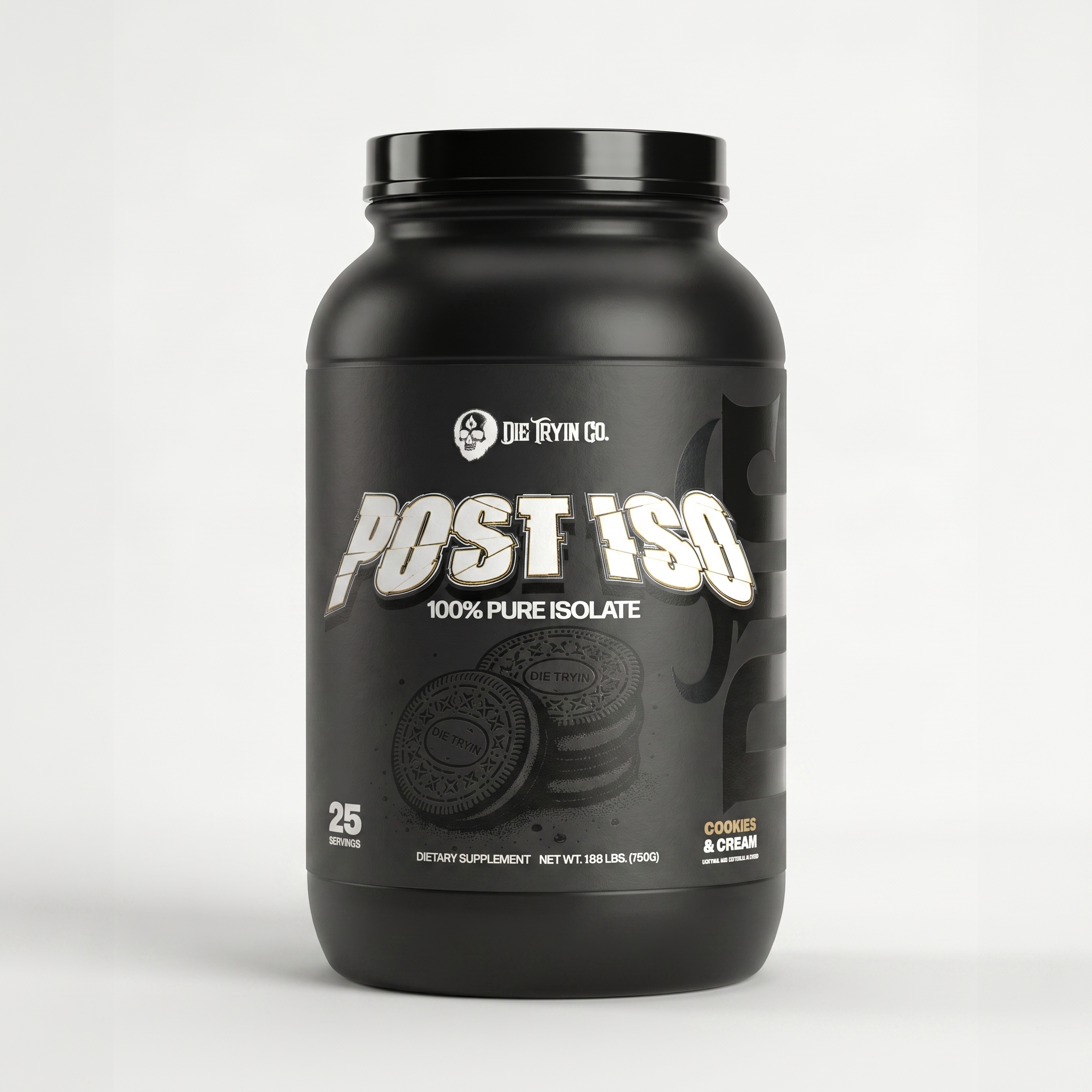
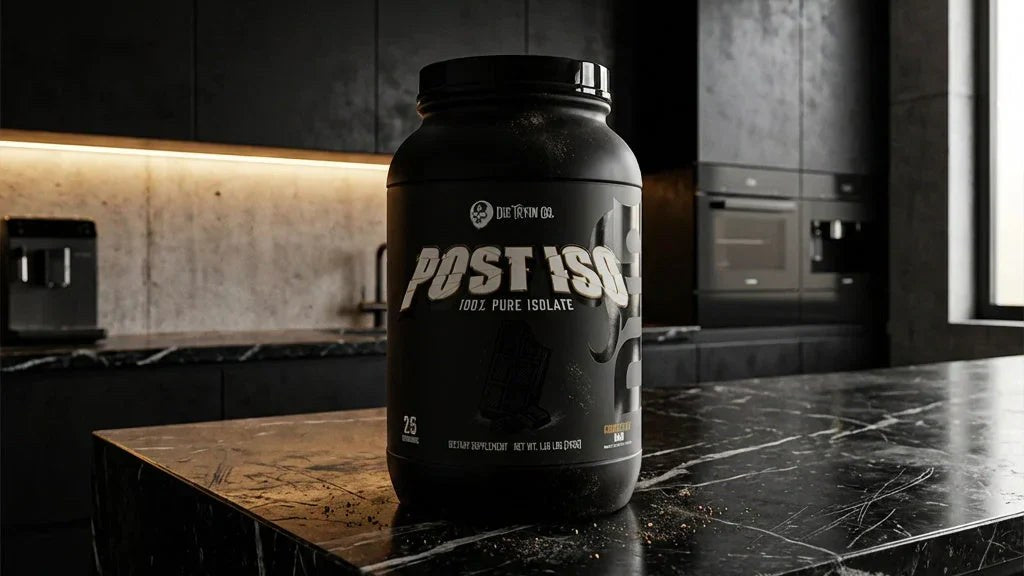
If hitting your protein target through food alone is hard, a quality whey isolate fills the gap. Post Iso delivers 24g per scoop with DigeZyme enzymes for clean digestion. No bloat. No proprietary blends. Just real protein at a real dose.
TRAIN HEAVY OR LOSE WHAT YOU BUILT
The biggest mistake people make in a cut: they switch their training.
They drop the weight. They up the reps. They start doing "toning" workouts. They add hours of cardio in place of lifting. Then they wonder why the muscle disappears.
Here's what actually keeps muscle in a deficit:
Keep lifting heavy. Same loads. Same rep ranges. Same compound movements you used to build the muscle in the first place. The signal your body needs to keep that tissue is: "we still need this. Don't break it down." Heavy load on a barbell is that signal. High-rep light circuits are not. Strength training is the engine of a clean cut, not cardio. For the full hypertrophy framework that protects muscle through a cut, see the muscle-building pillar.
Manage volume, not intensity. As recovery suffers in a deficit, you may need to pull back total sets per session — not the weight on the bar. Two heavy compound exercises beats four medium-intensity ones when you're under-fed and under-recovered.
Cardio is a tool, not the engine. Cardio burns calories. So does walking. So does standing instead of sitting. So does the lifting you're already doing. There's nothing magical about steady-state cardio for fat loss — and nothing magical about HIIT either. Both work. Pick what you'll actually do, what doesn't kill your lifting recovery, and what your joints tolerate.
NEAT is the underrated lever. Walking 8-10k steps a day burns more calories across a week than three "fat-burning" workouts combined. It doesn't tax recovery. It compounds. Most people pile on cardio and skip the walks. That's backwards.
Compound movements over isolations when calories are tight. Squats, deadlifts, presses, rows, pull-ups. The big movers protect more muscle per minute spent training.
The pattern that works: 3-5 lifting sessions per week (heavy, compound-focused), 8-10k steps daily, 1-2 lower-intensity cardio sessions if calories are tight and you need more deficit. That's it. Fuel that training intelligently and the results follow.
THE FAT LOSS FRAMEWORK — 6 STEPS
Here's the no-BS framework. Six steps. Run them all simultaneously. Skip any one and the results stall.
Step 1 — Set a moderate deficit.
10-25% below maintenance is the sweet spot. Aggressive enough to see progress in 4-6 weeks. Moderate enough to protect muscle, training quality, and sanity. For most people, that's 250-750 calories below TDEE.
Larger deficits work shorter-term but accelerate muscle loss, suppress recovery, and burn out adherence. Steady wins.
Step 2 — Lock in protein.
2.3-3.1 g/kg of lean mass, not bodyweight. Every day. Hit it through food first, supplement the gap with a quality whey isolate. Protein is the floor you build everything else on.
Step 3 — Train heavy.
Same lifts, same loads, same compound focus. 3-5 sessions per week. Manage volume if recovery suffers. Don't switch to "toning" workouts.
Step 4 — Walk every day.
Target 8-10k steps. The cheapest, most underrated fat-loss tool in the world. Doesn't tax recovery. Compounds across weeks. Costs nothing. Build the habit the right way from day one.
Step 5 — Sleep and manage stress.
This is the lever most people don't even know they're pulling against themselves. Sleep restriction does all of the following at once:
- Suppresses fat oxidation
- Spikes ghrelin (hunger hormone) and crashes leptin (satiety hormone)
- Reduces glucose tolerance
- Wrecks training recovery
- Increases cortisol, which makes the whole cascade worse
Chronic stress works the same way. Cortisol stays elevated, sleep degrades, hunger spikes, cravings hit harder. The person sleeping 5 hours and grinding through stress is fighting against themselves at the biological level.
Target 7-9 hours of sleep. Move what's controllable in your life toward less stress, not more. Sleep is the multiplier on every other step. Manage cortisol or it manages you. The full protocol lives in the recovery pillar.
Step 6 — Adjust based on data, not feelings.
Every 2 weeks: check scale weight (average of daily weigh-ins), the mirror, tape measurements (waist, hips), and lifting performance.
Patterns to read:
- Scale down, lifts holding, mirror improving — you're losing fat. Keep going.
- Scale stuck 2+ weeks, measurements stuck — you've hit a stall. Drop calories 100-150 OR add 1-2k steps daily.
- Scale down fast but lifts crashing — you're losing muscle. Bump protein, ease the deficit, deload if needed.
- Scale flat, measurements shrinking — recomposition. You're losing fat and adding muscle. Don't change anything.
Six steps. Run them simultaneously. Adjust on data. That's the framework. The discipline behind running them daily — that's what separates progress from spinning your wheels, and it's covered in depth in the training mindset pillar. The targeting and momentum behind it is the practical companion read.
WHAT DOESN'T WORK — THE LIES THE INDUSTRY SELLS YOU
The fat loss industry runs on selling you the next "hack." Here are the most expensive ones to ignore.
"Detox" teas, cleanses, and 3-day juice fasts. Your liver and kidneys already detox you. These products work by causing dehydration and laxative effects — the scale drops, then bounces right back the second you eat again. Pure water weight games.
"Fat-burning" workouts. A marketing label. Every workout you do is "fat-burning" when you're in a caloric deficit. There is no exercise that selectively melts fat. Spot reduction isn't real — you can train your obliques every single day and the fat over them won't go anywhere if you're not in a deficit.
Fasted cardio as a magic bullet. Doing cardio without breakfast does not significantly increase 24-hour fat loss compared to fed cardio. Same calories in, same calories out, same result. Fasted cardio is fine if you prefer it. It's not magic.
"Carbs at night make you fat." Calories make you fat, not the clock. According to PubMed, Schoenfeld et al.'s 2015 meta-analysis on meal frequency showed total daily intake matters far more than timing for fat loss outcomes. Eat the carbs when you'll enjoy them most. For many people, that's dinner.
"You have to eat 6 meals a day to stoke metabolism." Pure myth. Three meals work. Two meals work (that's intermittent fasting). Six meals work. Adherence beats frequency every time.
Most fat burners. The vast majority of products on the market are repackaged caffeine with filler. If you want a fat-burner-style boost, drink a cup of strong coffee — same active ingredient, $40 cheaper. Most fat burners don't work because most fat burners aren't real — they're underdosed proprietary blends. The exceptions are dose-disclosed products at full active doses.
Eternal 1200-calorie cuts. If you've been "cutting" for 6+ months at extremely low calories without seeing progress, you're not cutting — you're metabolically adapted and beat down. Spend 4-8 weeks eating at maintenance, restoring NEAT and hormonal recovery, then start a fresh deficit. Diet breaks aren't quitting. They're how serious cutters get past stalls.
"You can't lose fat after 40 / after kids / with PCOS / with low T." Hormonal context affects rate. It doesn't override energy balance. You may need more patience, more attention to sleep, more medical support — but the underlying mechanism is the same. For the testosterone side of this conversation, see the men's hormonal health pillar.
The shortcuts are mostly noise. The basics are mostly truth.
WHEN SUPPLEMENTS ACTUALLY HELP (AND WHEN THEY DON'T)
Most supplements sold for fat loss don't work. A few do. Here's how to think about it.
Tier 1 — Foundational. These support the entire process, not "fat loss" specifically.
- Whey isolate — fills protein gaps. Non-negotiable if you struggle to hit protein through food alone. Post Iso.
- Creatine Monohydrate — protects strength and muscle in a deficit. The single most-researched supplement in sports nutrition. Creatine Monohydrate.
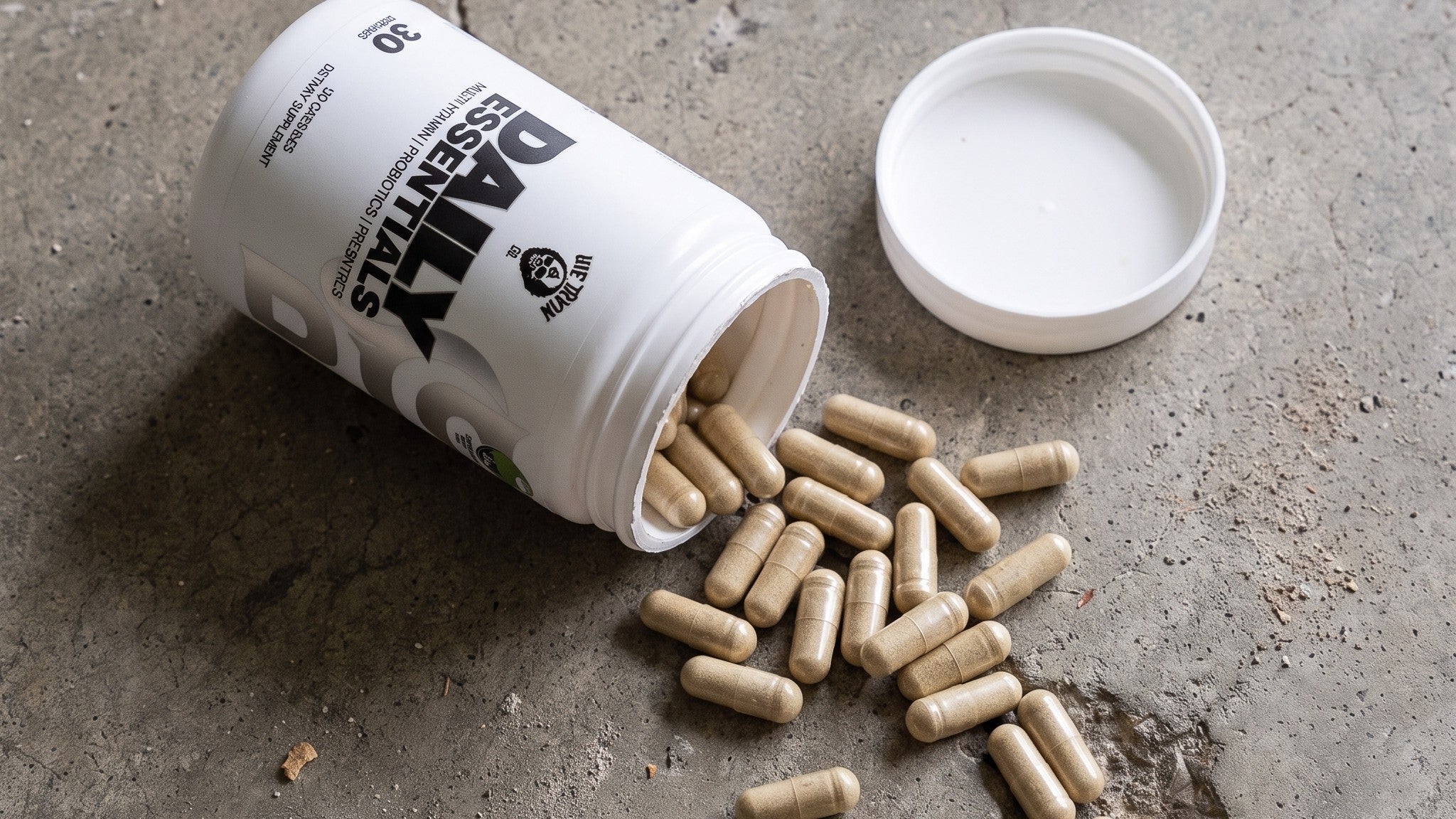
- Multivitamin — covers micronutrient gaps that show up in lower-calorie eating. Daily Essentials.
- Greens powder — micronutrient and antioxidant insurance, especially when fresh produce intake drops in a cut. Ghillie Greens.
- Omega-3 — supports recovery, inflammation, and hormonal health. Omega covers the bases; for the deeper case, see why omega-3s matter for internal health.
These don't burn fat. They keep you healthy, recovered, and performing while you do the work that does.
Tier 2 — Narrow-benefit fat-loss tools.
- Caffeine — a real, small effect on metabolic rate and exercise performance. Coffee delivers it cheap.
- L-Carnitine and beta-aminoisobutyric acid (Mitoburn) — modest research support, fully disclosed products only. More on Mitoburn here.
- Yohimbine / Rauwolscine — narrow utility, mostly relevant for stubborn-fat-pocket support in lean-already individuals. Not a beginner tool.
These are aids, not engines. They add 2-5% on top of a working foundation. They do nothing without the foundation.
Tier 3 — Skip.
- Proprietary-blend "fat burners"
- "Detox" anything
- Carnitine in random low doses
- Most "metabolism boosters" at the supplement-store-aisle level
- Anything promising 10+ lbs in a month
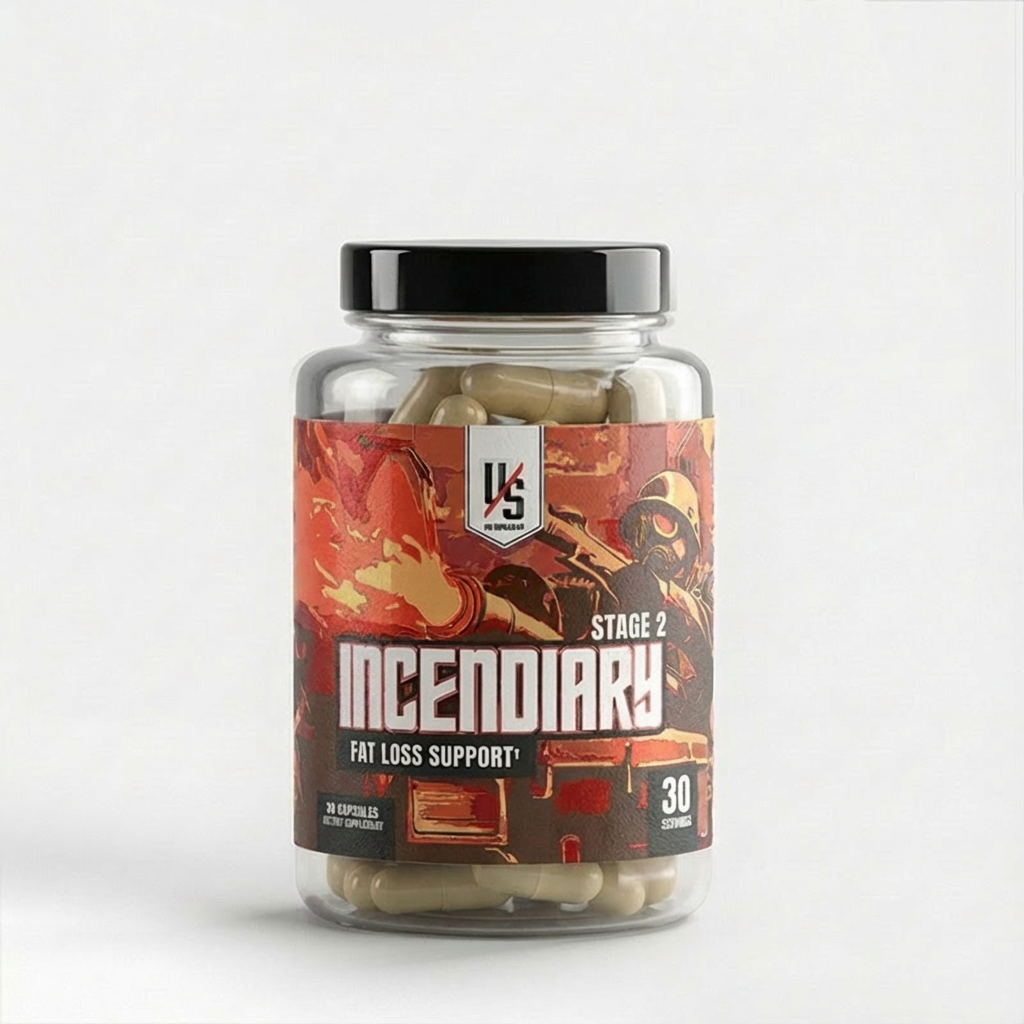
The Die Tryin Co. fat-loss stack for the person who wants the real, transparent, dose-disclosed version: Incendiary Stage 2 or Stage 3, Post Iso, Daily Essentials, and Ghillie Greens. Foundation first. Thermogenics second. No proprietary blends. No mystery doses.
Take the quiz to dial the stack to your level.
FAT LOSS FAQ
How fast can I lose fat without losing muscle?
0.5-1% of bodyweight per week is the sustainable range. Faster than that and you're risking muscle. Slower than that and you may be under-applying the deficit.
Do I need to do cardio to lose fat?
No. You need a caloric deficit. Cardio is one way to widen the deficit. Walking plus diet works. Lifting plus diet works. Cardio is a tool, not a requirement.
Are fat burners worth it?
Most aren't. The exceptions are dose-disclosed products with real ingredients — and even those add 2-5% on top of a working diet and training plan, not the other way around. Here's what to actually look for.
Why did my weight loss stall?
Three usual suspects: (1) tracking has gotten loose and you're eating more than you think, (2) NEAT has dropped because your body adapted by moving less, (3) you've been in a deficit too long and need a 4-8 week maintenance reset. More on plateau diagnosis.
Should I do refeeds or diet breaks?
Diet breaks (4-8 weeks at maintenance after long cuts) help with hormonal and psychological recovery. Refeed days (single high-carb day per week) are useful for some, optional for most. The longer the cut, the more useful the break.
Keto vs. intermittent fasting vs. low-carb — which is best?
Whichever one you'll actually do for the next 12+ weeks. The research keeps showing equal fat loss across approaches when calories match. Pick the approach that fits your life.
Should I be afraid of carbs?
No. Carbs fuel training. Carbs support recovery. Carbs support hormonal health, especially for women and especially during heavy lifting. A "low-carb" cut works only because the carb cut creates a calorie deficit — not because carbs are inherently fattening.
Can I build muscle while losing fat?
Yes, in two scenarios: (1) you're new to lifting (under 1-2 years in), or (2) you're returning after a layoff. Outside those windows, true recomposition is slow but possible with high protein, hard training, and a small deficit.
What's different about fat loss for women?
The mechanism is identical — calories, protein, training, sleep. The rate is typically slower (lower BMR, smaller absolute deficits). Hormonal cycles affect water retention and mood week to week. Track 4-week averages, not daily weigh-ins, to see the real signal.
READ MORE ON FAT LOSS
- How to Burn Fat Quicker: 6 Real Strategies That Actually Work
- 2 Steps to Success With Fat Loss: Target + Momentum
- 2 Steps to Weight Loss: The Beginner's Framework
- What Are Macros? How to Count Protein, Carbs & Fats for Real Results
- Fueling Your Body for Optimal Performance: The Macros That Work
- Strength Training for Fat Loss
- Sleep & Fat Loss
- How Stress and Cortisol Wreck Gains
- Fat Burners Don't Work? You're Just Using the Wrong Kind
- Want to Burn Fat More Efficiently?
- Weight Loss: Getting Out of the Rut
- Ingredients to Help Me Burn Fat
- Mitoburn — Unlock Fat-Burning Potential
- Caloriburn GP — The Ultimate Grains of Paradise
READY TO GEAR UP?
The Die Tryin Co. fat-loss stack is built on real doses, no proprietary blends, and what actually moves the needle:
- Incendiary Stage 2 — thermogenic support for the cutting phase
- Incendiary Stage 3 — for the more aggressive, advanced fat-loss phase
- Post Iso — 24g whey isolate for protein gaps
- Creatine Monohydrate — protects strength and muscle through the cut
- Daily Essentials — your micronutrient floor
- Ghillie Greens — superfood and antioxidant insurance
Not sure what fits? Take the quiz.
ALWAYS FORWARD.
GEAR THAT FITS THIS POST
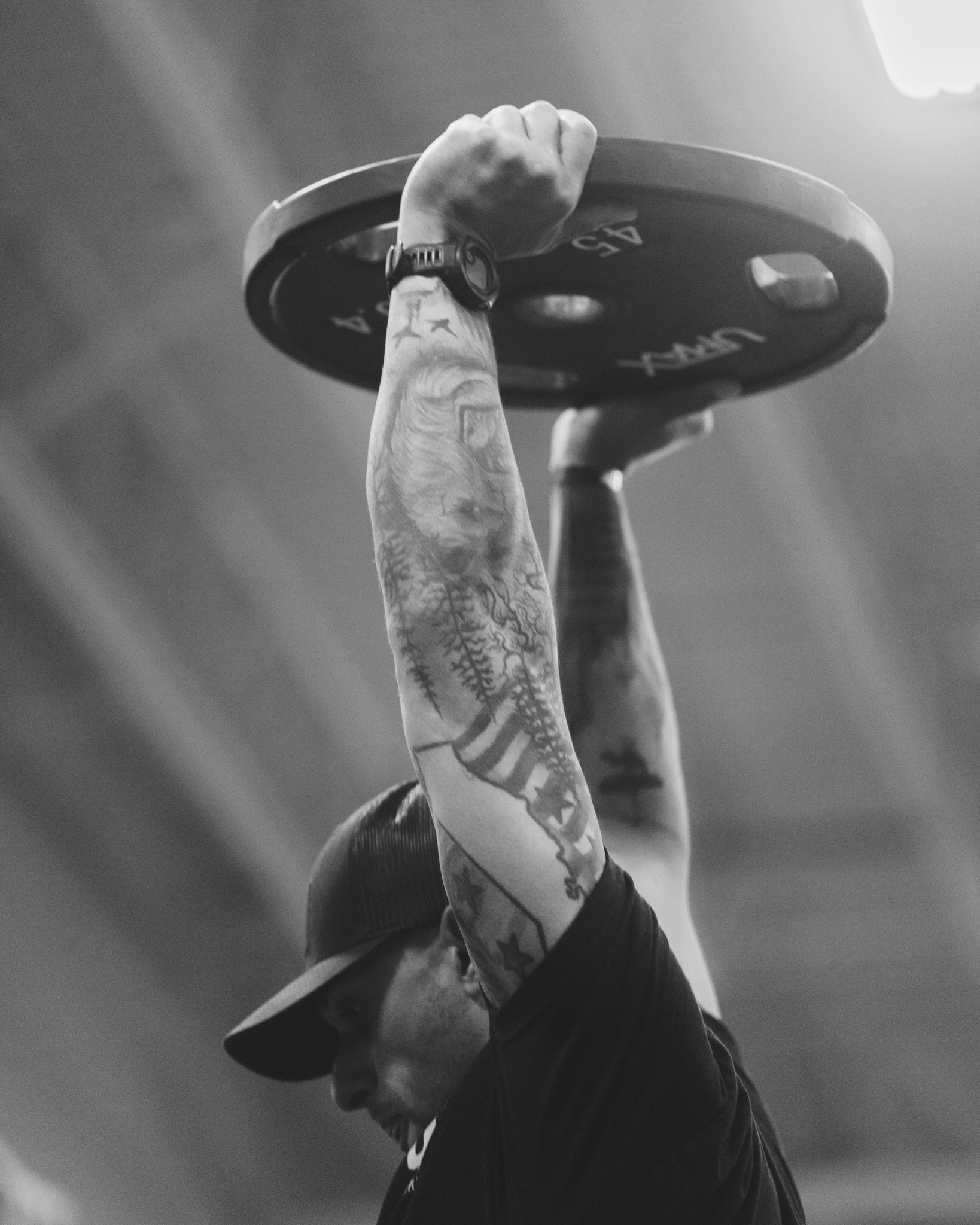
The products this article actually talks about. Real doses, disclosed labels, veteran owned.

Read more
The honest case for a multivitamin when you train hard: where the evidence stops, where the gaps are real, and why chelated minerals plus a gut stack change the math.
You can't out-train a bad diet. Here's the no-BS guide to macros — what they are, why they matter, and how to count them so you actually hit your goals.

How Do I Burn Fat Quicker? Since starting the company, we have received a lot of questions regarding ways to lean out (or the most common
The complete protein playbook — how much you need, when timing matters, which sources deliver, and the myths costing you money.
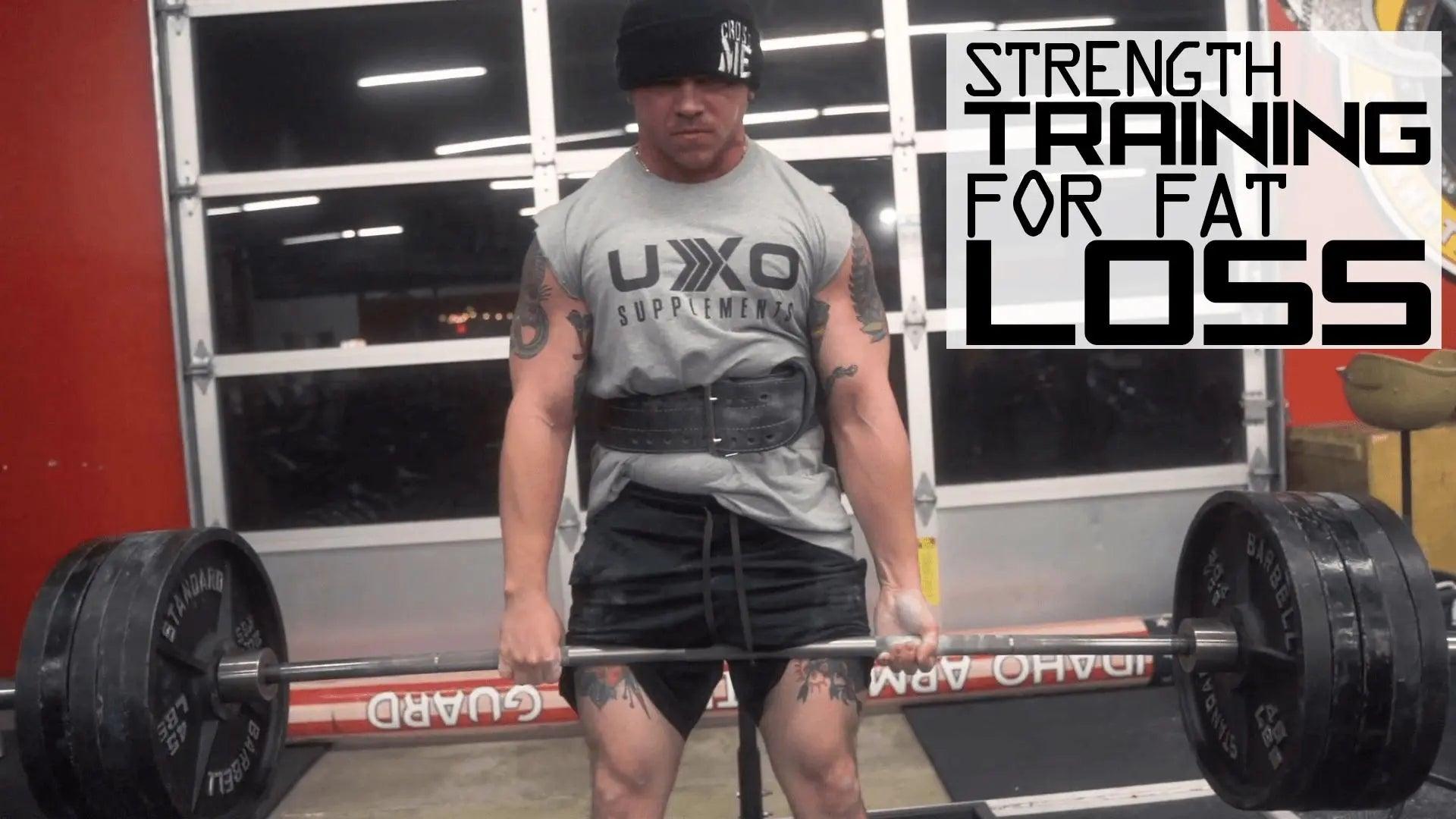
Think you shouldn't lift weights while losing fat? It's a myth. Here's how strength training preserves muscle, protects your metabolism, and beats cardio alone.

The complete playbook for building muscle that actually lasts. Training, nutrition, recovery, and the supplements that move the needle — no hype.