





2 Steps to Weight Loss: The Beginner's Framework
By Jon Klipstein, U.S. Army Combat Veteran & Founder of Die Tryin Co.
Science reviewed by Onur Oncer, BS Physiology and peer-reviewed published researcher.
Listen up. Weight loss has a reputation for being complicated. It isn't. The diet industry sells complexity because complexity sells subscriptions. The actual mechanics fit in two steps.
Step one: eat fewer calories than you burn. Step two: keep your protein high so the weight you lose is fat, not muscle. That's it. The rest is variations on those two themes.
If you've never lost weight on purpose before, this is the simplest framework that actually works. No diet books. No 40/30/30 ratios. No magic foods. Just two rules, applied consistently.
STEP 1: SET A CALORIE DEFICIT
Weight loss is a math problem before anything else. You burn more calories than you eat. The body makes up the difference by burning stored fat. Run that pattern consistently and the scale moves.
The math:
- Estimate your maintenance calories (your bodyweight in pounds × 14-16 is a rough starting point for active people)
- Subtract 300-500 calories from that number
- Eat to that target most days
For a 180-pound active person, maintenance is roughly 2,500-2,900 calories. A weight-loss target lands around 2,000-2,400. That's the deficit zone.
Don't slash deeper. Cutting 1,000+ calories a day tanks recovery, burns through muscle along with fat, and creates the rebound binge that ruins most diets. Sustainable beats aggressive every time. The ISSN Position Stand on Diets and Body Composition consistently shows that when calories and protein are matched, multiple diet structures (low-carb, low-fat, intermittent fasting, balanced) produce comparable body composition outcomes — the deficit is what drives the result, not the diet's marketing angle.
If tracking calories is new, our macros guide walks through how to set your numbers and how to track without losing your sanity.
STEP 2: HIT YOUR PROTEIN TARGET
This is the step most beginners skip. Then they wonder why they lost 15 pounds and now look softer than they did before.
When you eat in a calorie deficit, your body looks for fuel to burn. Without enough protein, some of that fuel comes from your muscle. You end up smaller, weaker, and looking worse than when you started — the classic "skinny-fat" problem.
Protein protects the muscle you have. The International Society of Sports Nutrition Position Stand on Protein and Exercise recommends 1.4-2.0 grams per kilogram of bodyweight daily for athletes. In simpler math: roughly 0.64-0.9 grams per pound. In a deficit, set it by lean mass (your bodyweight minus your fat) instead: 2.3-3.1 grams per kilogram of lean mass, about 1.0-1.4 grams per pound of lean mass. A gentle cut sits near the bottom of that range, a hard cut near the top.
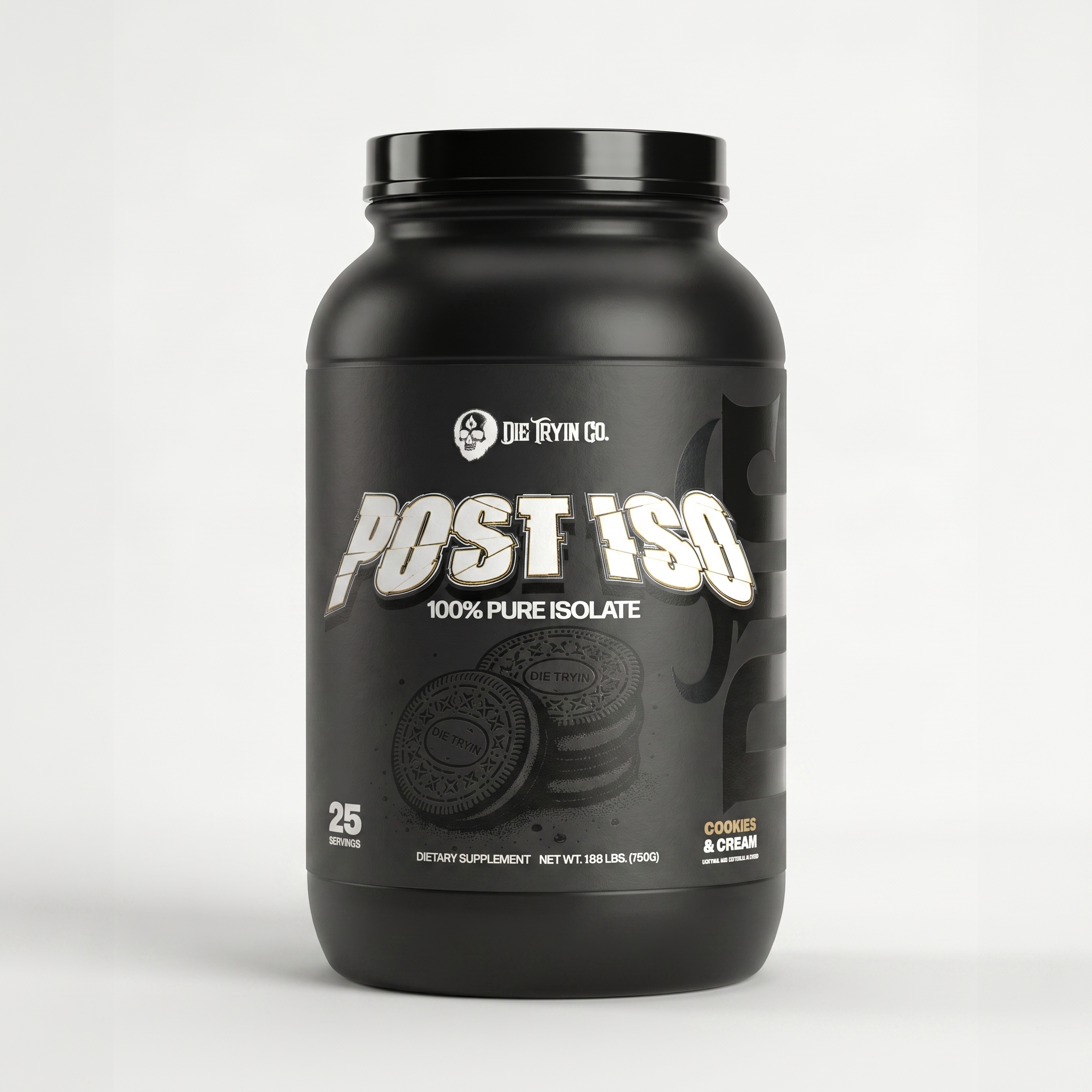
For a 180-pound person at 20% body fat (about 65 kg of lean mass), that's 150-200g of protein per day. Don't know your body fat? The protein calculator on our site estimates it from one waist measurement. Hit your number with real food first — chicken, beef, fish, eggs, dairy. Use a clean whey isolate to fill the gaps. Post Iso delivers 24g of pure isolate in 110 calories with digestive enzymes built in — exactly what you need when calories are tight.
Two steps. Calorie deficit. Protein target. That's the entire game.

WHAT TO ADD AFTER THE FIRST 30 DAYS
Once the two steps are running on autopilot — usually around the 30-day mark — start layering in the next tier:
- Resistance training, 3-4 days a week. The signal that tells your body to keep the muscle you've got while the fat comes off.
- Walking, 8,000-12,000 steps a day. Daily activity moves the needle more than people give it credit for.
- Sleep, 7-9 hours. Sleep affects hunger hormones, recovery, and the muscle-vs-fat ratio of weight loss.
- Stress management. Chronic cortisol elevation slows fat loss and increases cravings.
For the full framework on how these layer together, the complete fat-loss strategy guide covers all six pieces. And if structuring your training fuel is the next step, the performance nutrition framework walks through how to time food around training.
But start with the two steps. Master them. Then build.
FREQUENTLY ASKED QUESTIONS
How much weight can I lose with these 2 steps?
Sustainable weight loss is 0.5-1% of bodyweight per week — for most people that's 1-2 pounds. Faster than that and you're losing muscle along with fat. The two-step approach is built for the sustainable rate, which compounds into 20-40+ pounds over 6-12 months without the rebound that crashes most diets.
Do I really need to count calories?
For the first 2-4 weeks, yes. Tracking teaches you what your normal looks like. Most people are 200-500 calories off from what they think they eat. After a few weeks, you'll have built the awareness to eyeball it. The trap is "winging it" without ever doing the math — that's how protein ends up 50g short for years.
How much protein per day for weight loss?
Set it by lean mass, not total bodyweight: 2.3-3.1 grams per kilogram of lean mass, about 1.0-1.4 grams per pound of lean mass. For a 180-pound person at 20% body fat, that's 150-200g daily. The harder the cut, the closer to the top you go. Muscle preservation depends on it. Spread the protein across the day, but the daily total matters more than the per-meal distribution.
What if I'm not losing weight?
Three things to check, in order. First, are you actually in a deficit? Re-track for a week — most plateaus are calorie creep. Second, are you sleeping enough? Sleep deprivation tanks fat loss. Third, are you weighing yourself consistently — same time, same day, multi-day average? Day-to-day fluctuations are mostly water. If you've checked all three and the scale still hasn't moved in 3-4 weeks, drop calories by another 100-150.
Can I lose weight without exercise?
Yes — exercise isn't required for weight loss in the strict sense. The deficit is what drives it. But without resistance training, you'll lose more muscle along with the fat, and you'll end up looking softer at the lower weight than you'd hoped. Lifting 3-4 days a week makes the weight you lose the right kind of weight.
READY TO GEAR UP?
The two steps run on real food. Tools that fill the gaps:
- Hit your protein target → Post Iso (Whey Isolate)
- Track the deficit → Read the macros guide
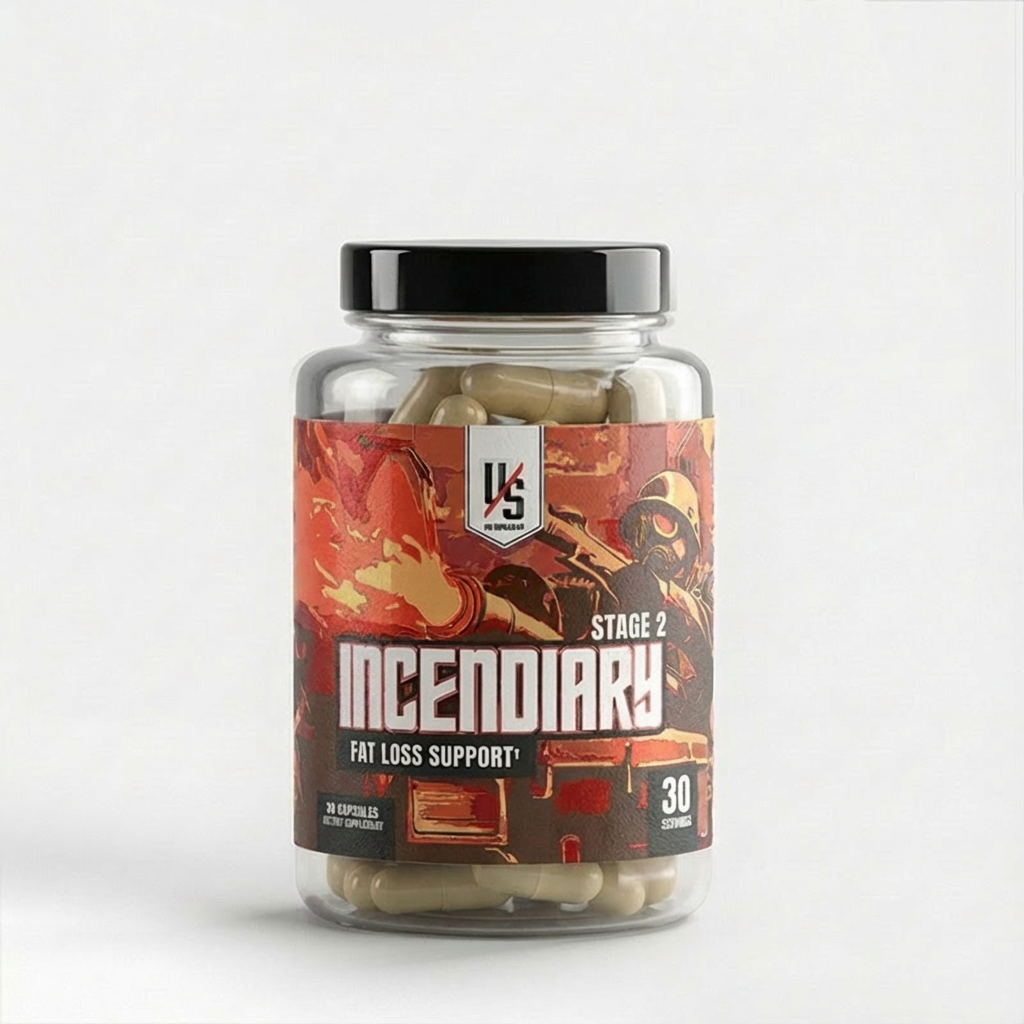
- Metabolic support → Incendiary Stage 2 (MitoBurn)
Not sure where to start? Take the quiz and get a stack matched to your goals.
Step 1. Step 2. Repeat. Need help locking in the daily discipline? Setting the right target and building momentum is what makes the two steps stick.
ALWAYS FORWARD.
GEAR THAT FITS THIS POST
The products this article actually talks about. Real doses, disclosed labels, veteran owned.
Read more
You can't out-train a bad diet. Here's the no-BS guide to macros — what they are, why they matter, and how to count them so you actually hit your goals.

How Do I Burn Fat Quicker? Since starting the company, we have received a lot of questions regarding ways to lean out (or the most common

Forget the 40/30/30 ratios from outdated diet books. Here's what actually fuels training performance — protein, carbs, fats, and timing — backed by current research.

Most fat-loss attempts fail because the target was never defined. Set the target, build the momentum — the two steps that turn intention into result.
Your gut lining runs the same creatine energy system as your muscles. Here is what the research shows on stomach upset, IBS, colitis and leaky gut, and exactly where the human evidence stops.

Creatine gummies can work if the creatine is actually in them, and lab tests keep finding it often is not. Here is why a scoop of Creatine Monohydrate powder still wins.