


Skip to content

Featured products

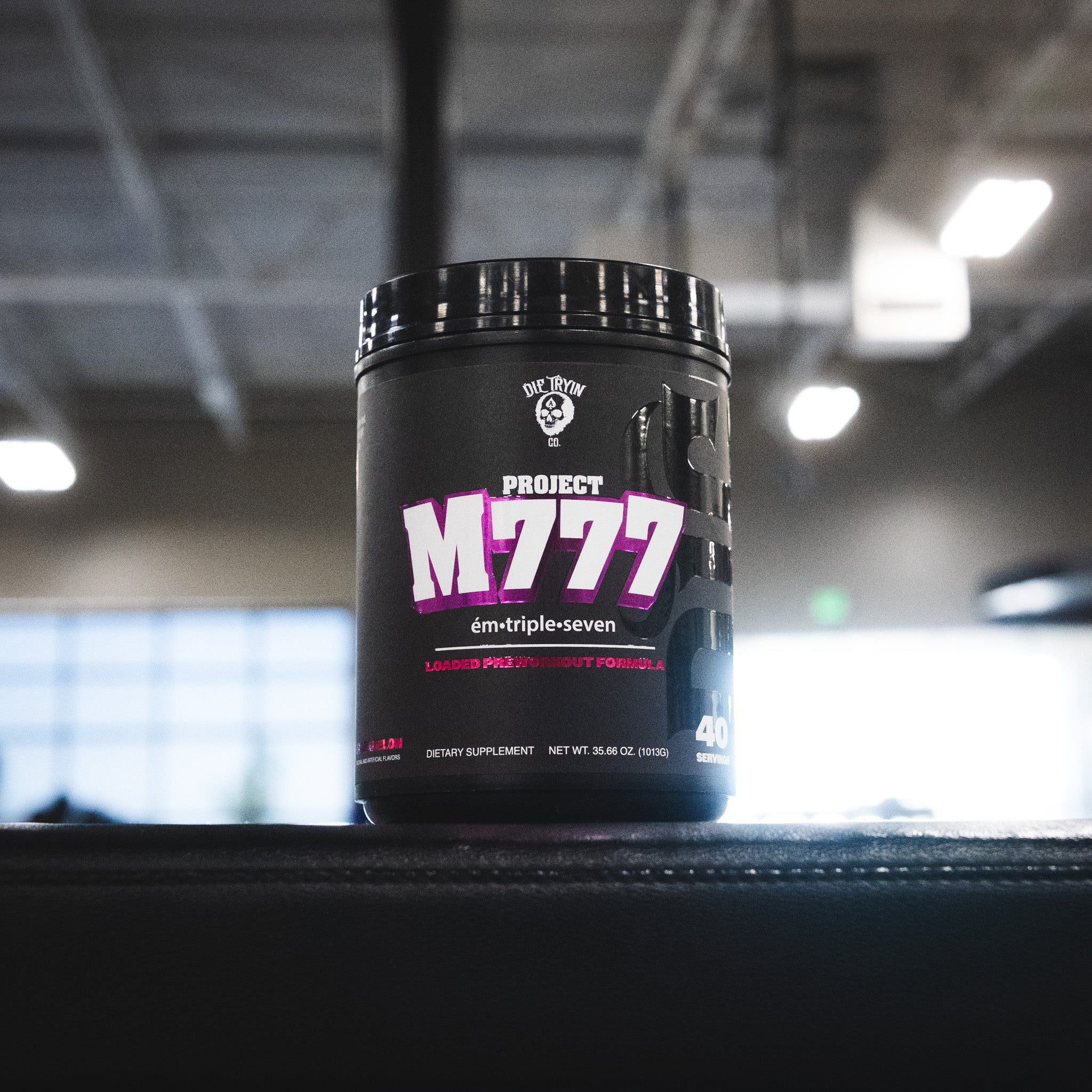
Project M777
Sale price$57.99
(144)
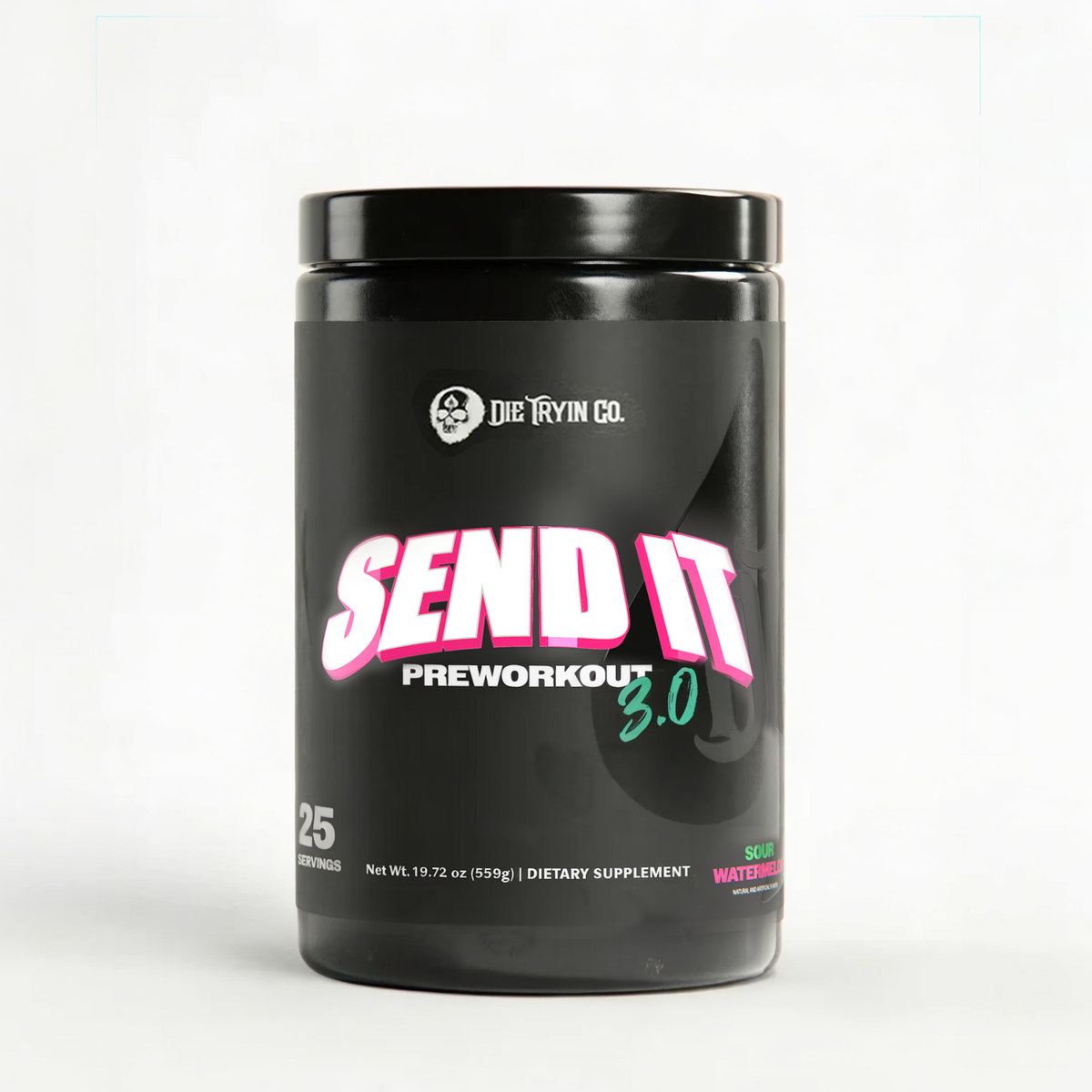
SEND IT 3.0 (ULTIMATE DAILY DRIVE PRE)
Micronized Creatine Monohydrate
Sale price$29.99
(45)
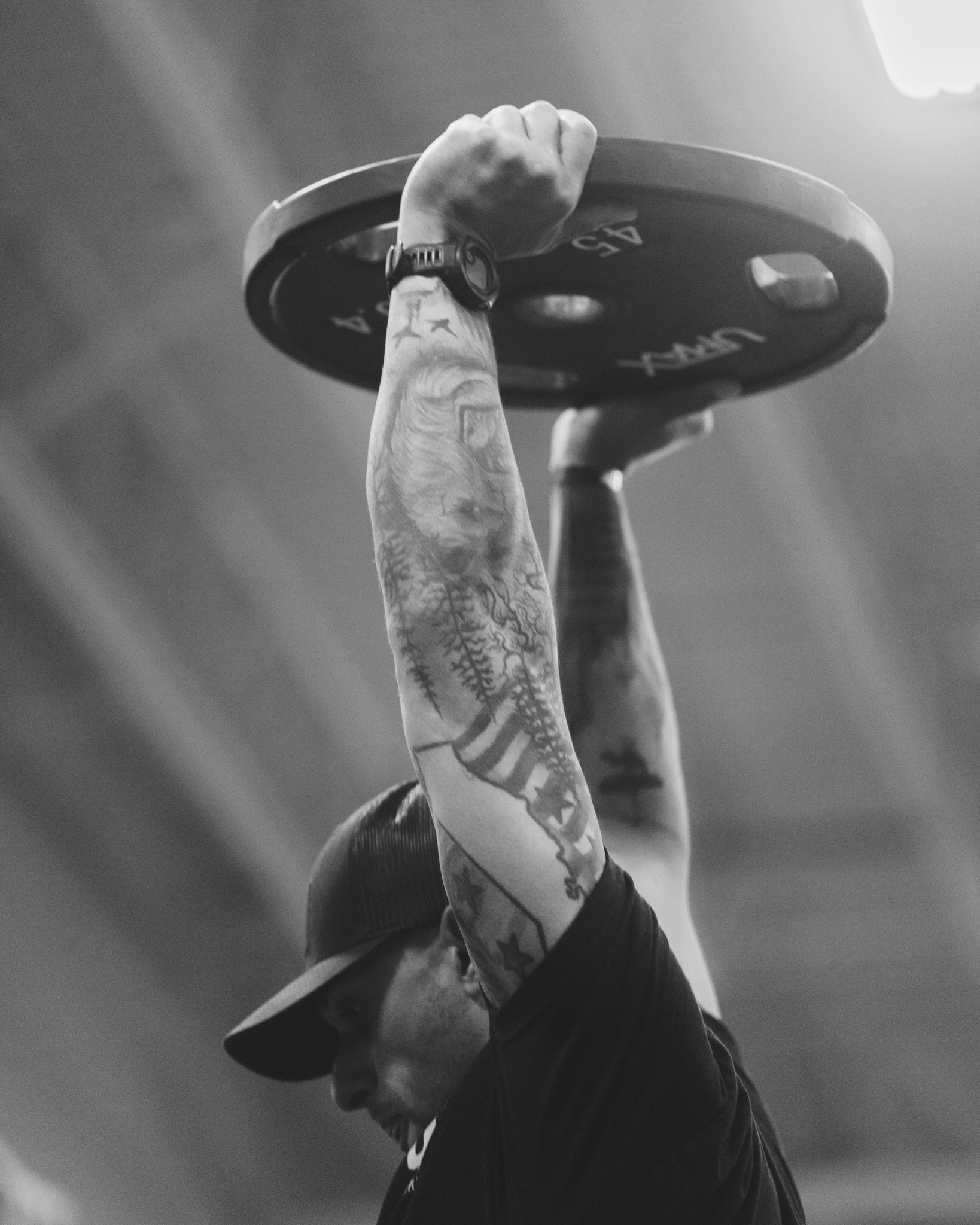
Real-food fuel for training performance — protein, carbs, healthy fats on a plate
nutritionFeb 9, 20195 min read

Fueling Your Body for Optimal Performance: The Macros That Work

By Jon Klipstein, U.S. Army Combat Veteran & Founder of Die Tryin Co.

Science reviewed by Onur Oncer, BS Physiology (Phi Beta Kappa) and peer-reviewed published researcher.

Listen up. Performance lives or dies by what you feed it. You can have the best programming on earth, the cleanest supplement stack, and the most disciplined training schedule — and if your fuel is garbage, none of it lands.

Most people get this wrong. They train hard, then under-eat. Or they eat plenty, but the food doesn't match the work. Or they chase the latest macro-ratio fad from a diet book written before the current research existed. Then they wonder why progress stalls.

Here's the framework that actually works. Three macros. Real numbers. Timing that matters and timing that doesn't.

WHY FUELING FAILURES KILL PERFORMANCE

Under-fueled training does three things at once: it limits how hard you can work in the moment, blunts the adaptation that should come from the work, and eats into muscle when there's nothing else available to break down for energy. Run that pattern long enough and you get smaller, weaker, and slower — exactly the opposite of what training is supposed to do.

You don't need a degree in nutrition science to fix it. You need three things: enough protein, the right carbs around training, and real dietary fat to support the rest of the system. The basics are basic for a reason — they work.

PROTEIN: THE NON-NEGOTIABLE

If there's one macro to lock in before anything else, it's protein.

The International Society of Sports Nutrition Position Stand on Protein and Exercise recommends 1.4-2.0 grams of protein per kilogram of bodyweight daily for athletes. In gym math: roughly 0.7-1.0 grams per pound. For a 180-pound lifter, that's 126-180g of protein daily.

Why it matters for performance:

  • Protein supports muscle protein synthesis — the building side of training adaptation
  • It blunts muscle breakdown during hard training and caloric deficits
  • It's the most satiating macro, which helps adherence on long training blocks
  • Higher protein supports body composition without sacrificing performance

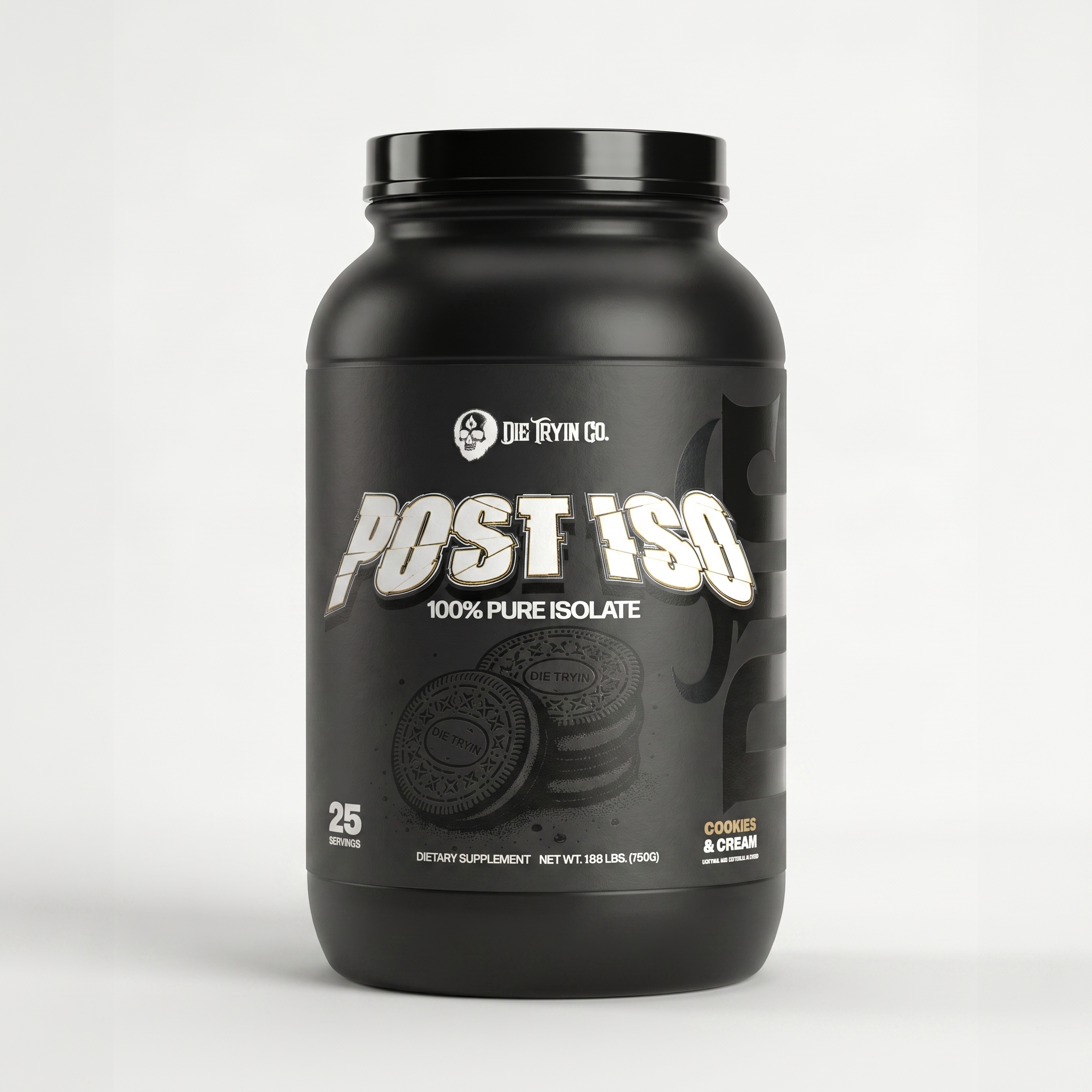
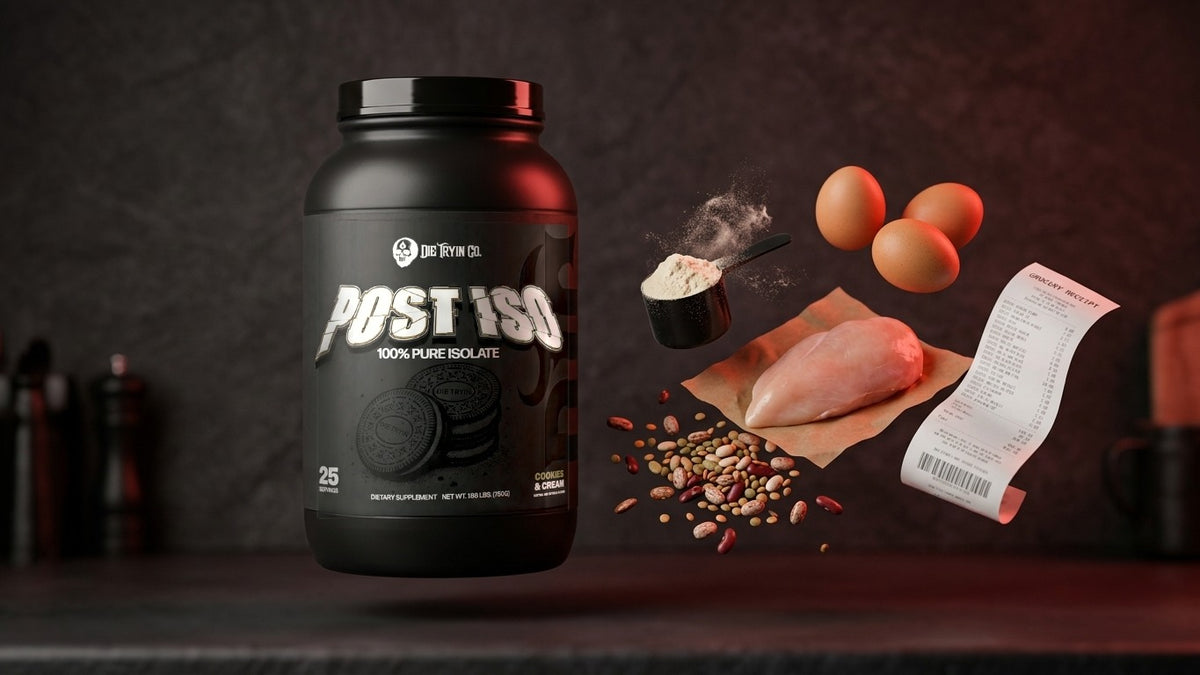
Hit your number with real food first — chicken, beef, fish, eggs, dairy. Use a clean whey isolate to fill the gaps. Post Iso delivers 24g of pure isolate in 110 calories with digestive enzymes built in.

All tracking synced. Here's the deployable post #5 with the full standard delivery format.  ---  ## POST #5 — Deploy Package  **Page title (Shopify Title field):** ``` Fueling Your Body for Optimal Performance: The Macros That Work ``` *(64 chars — slightly over Google's 60-char display limit, but keeps the slug-aligned keyword match)*  **Meta description (~155 chars):** ``` Forget the 40/30/30 ratios from outdated diet books. Here's what actually fuels training performance — protein, carbs, fats, and timing — backed by current research. ```  **Excerpt:** ``` Performance lives or dies by what you feed it. Here's the no-BS macro framework — protein, carbs, fats, and when timing actually matters. ```  **Tag:** `nutrition`  **Slug:** `fueling-your-body-for-optimal-performance` (unchanged)  **Metafield to toggle ON:** `review.medically_reviewed` (YMYL — fires Onur reviewer schema)  ---  ### Image placement & alt text  You'll probably want 1-2 images. Suggestions:  | Photo type | Where it goes | Alt text | |---|---|---| | Hero (food/training visual) | Top of post, before byline | `Real-food fuel for training performance — protein, carbs, healthy fats on a plate` | | Optional in-body (Post Iso or training fuel) | Inside the PROTEIN section after the Post Iso mention | `Post Iso whey isolate — 24g protein in 110 calories, with digestive enzymes` |  If you only want one image, the hero shot at the top is the highest-value slot.  ---  ### Full HTML (copy-paste into Shopify):  ```html <p>By <strong><a title="About Jon Klipstein" href="https://dietryin.co/pages/jon-klipstein">Jon Klipstein</a></strong>, U.S. Army Combat Veteran &amp; Founder of Die Tryin Co.</p>  <p><em>Science reviewed by <a title="About Onur Oncer, Science Reviewer" href="https://dietryin.co/pages/onur-oncer">Onur Oncer</a>, U.S. Army Combat Veteran (13B Field Artillery), BS Physiology (Phi Beta Kappa), peer-reviewed published researcher (Journal of Molecular Spectroscopy; Podiatric Medical Review), 4 years of NYCPM DPM coursework, 1,000+ clinical hours.</em></p>  <p>Listen up. Performance lives or dies by what you feed it. You can have the best programming on earth, the cleanest supplement stack, and the most disciplined training schedule — and if your fuel is garbage, none of it lands.</p>  <p>Most people get this wrong. They train hard, then under-eat. Or they eat plenty, but the food doesn't match the work. Or they chase the latest macro-ratio fad from a diet book written before the current research existed. Then they wonder why progress stalls.</p>  <p>Here's the framework that actually works. Three macros. Real numbers. Timing that matters and timing that doesn't.</p>  <h2>WHY FUELING FAILURES KILL PERFORMANCE</h2>  <p>Under-fueled training does three things at once: it limits how hard you can work in the moment, blunts the adaptation that should come from the work, and eats into muscle when there's nothing else available to break down for energy. Run that pattern long enough and you get smaller, weaker, and slower — exactly the opposite of what training is supposed to do.</p>  <p>You don't need a degree in nutrition science to fix it. You need three things: enough protein, the right carbs around training, and real dietary fat to support the rest of the system. The basics are basic for a reason — they work.</p>  <h2>PROTEIN: THE NON-NEGOTIABLE</h2>  <p>If there's one macro to lock in before anything else, it's protein.</p>  <p>The <a title="International Society of Sports Nutrition Position Stand on Protein and Exercise" rel="noopener" href="https://www.ncbi.nlm.nih.gov/pmc/articles/PMC5477153/" target="_blank">International Society of Sports Nutrition Position Stand on Protein and Exercise</a> recommends 1.4-2.0 grams of protein per kilogram of bodyweight daily for athletes. In gym math: roughly 0.7-1.0 grams per pound. For a 180-pound lifter, that's 126-180g of protein daily.</p>  <p>Why it matters for performance:</p>  <ul>   <li>Protein supports muscle protein synthesis — the building side of training adaptation</li>   <li>It blunts muscle breakdown during hard training and caloric deficits</li>   <li>It's the most satiating macro, which helps adherence on long training blocks</li>   <li>Higher protein supports body composition without sacrificing performance</li> </ul>  <p>Hit your number with real food first — chicken, beef, fish, eggs, dairy. Use a clean whey isolate to fill the gaps. <a title="Post Iso whey isolate protein" href="https://dietryin.co/products/post-iso">Post Iso</a> delivers 24g of pure isolate in 110 calories with digestive enzymes built in.</p>  <h2>CARBS: PERFORMANCE FUEL, NOT THE ENEMY</h2>  <p>Carbs are not the enemy. The decade-long "carbs are evil" cycle was marketing-driven, not science-driven. For athletes and lifters, carbs are the primary performance fuel — they're what powers heavy lifts, fast intervals, and long sessions.</p>  <p>Your body stores carbs as glycogen in muscle and liver. When that tank is full, your output stays high. When it's empty, intensity drops first, then duration, then form. The lifters who claim they "feel better on no carbs" almost always train at lower intensities than they used to — they just didn't notice.</p>  <p>Anchor on whole-food sources: oats, rice, potatoes, fruit, vegetables. Outside of training, lean toward fiber-rich versions. Around training, faster-digesting versions (rice, fruit, sports nutrition) hit faster. Need carb-cutting context? <a title="How to Burn Fat Quicker: 6 Real Strategies" href="https://dietryin.co/blogs/all-blogs/how-do-i-burn-fat-quicker">The fat-loss framework</a> covers when and how to drop them strategically without killing performance.</p>  <h2>FATS: THE HORMONAL FOUNDATION</h2>  <p>Fat doesn't make you fat. Excess calories do.</p>  <p>Dietary fat supports hormone production (including testosterone), nutrient absorption, recovery, and the kind of satiety that keeps your day stable. Cut fats too aggressively — below ~20% of calories for months — and you'll feel it in mood, recovery, and gym output.</p>  <p>Anchor on real sources: fatty fish, eggs (yolks included), nuts, olive oil, avocados, full-fat dairy when it sits well with you. Skip hydrogenated and partially-hydrogenated industrial fats — those have nothing to do with the dietary fat your body uses. 20-30% of total calories from fat is the working range for most athletes.</p>  <h2>TIMING: WHAT MATTERS, WHAT DOESN'T</h2>  <p>The "anabolic window" of 30 minutes post-workout was oversold for years. Newer research has reframed it. The <a title="ISSN Position Stand on Nutrient Timing" rel="noopener" href="https://www.ncbi.nlm.nih.gov/pmc/articles/PMC5596471/" target="_blank">ISSN Position Stand on Nutrient Timing</a> shows that total daily macro intake matters far more than the precise minute you eat. You have hours, not minutes, to land your post-training nutrition.</p>  <p>What actually matters timing-wise:</p>  <ul>   <li><strong>Pre-training (60-90 min out):</strong> Real food in the system — protein + carbs. Don't train hard on empty if you can avoid it.</li>   <li><strong>Long sessions (60+ min):</strong> Intra-workout carbs become useful. <a title="SEND IT Sport endurance pre-workout" href="https://dietryin.co/products/send-it-sport">SEND IT Sport</a> covers endurance work; <a title="Fuel Point intra-workout carbs" href="https://dietryin.co/products/fuel-point">Fuel Point</a> is built specifically for clean intra-workout carbs.</li>   <li><strong>Post-training (within a few hours):</strong> Hit protein. The exact minute matters less than the daily total.</li>   <li><strong>Daily total:</strong> Carbs, protein, fat across the day. This is where the actual results live.</li> </ul>  <p>Don't religiously time your nutrition by the clock. Hit your daily numbers, train hard, recover hard. That's the framework.</p>  <h2>PUTTING IT TOGETHER</h2>  <p>The whole framework in one line: eat enough protein, time carbs around training, anchor on real fats, and hit your daily totals more days than not. If you've never tracked your macros, that's the first step — <a title="What Are Macros? How to Count Protein, Carbs & Fats" href="https://dietryin.co/blogs/all-blogs/macros-what-are-they-and-why-should-i-count-them">our macros guide</a> walks through how to set your numbers and how to track without losing your sanity.</p>  <h2>FREQUENTLY ASKED QUESTIONS</h2>  <h3>What's the best macro ratio for athletic performance?</h3> <p>There isn't one universal ratio. Old recommendations like 40/30/30 (carbs/protein/fat) came from generic diet books, not athlete-specific research. Better approach: set protein at 0.7-1.0g per pound of bodyweight, set fat at 20-30% of total calories, and fill the rest with carbs scaled to your training volume. Heavy training days = more carbs. Rest days = fewer.</p>  <h3>How much protein do I need as an athlete?</h3> <p>1.4-2.0g per kg of bodyweight daily, per the ISSN Position Stand. In pounds, that's roughly 0.7-1.0g per pound. Push toward the upper end during a cut, or during heavy training blocks. Hit your daily total first — distribution across meals matters less than getting the number right.</p>  <h3>Do I have to count macros to perform well?</h3> <p>No, but you have to know what you're eating. Tracking for 2-4 weeks teaches you what your normal looks like. After that, most lifters can eyeball it. The trap is "winging it" without ever doing the math — that's usually how protein ends up 50g short for years without anyone noticing.</p>  <h3>Should I eat carbs around training?</h3> <p>Yes for most athletes. A meal with protein and carbs 60-90 minutes pre-training, and another protein-heavy meal within a few hours post-training. For sessions over 60 minutes, intra-workout carbs are useful. For shorter sessions, fueling well around the workout is enough.</p>  <h3>What about fasted training?</h3> <p>Fasted training works for some lifters, especially shorter morning sessions. But research consistently shows total daily intake matters more than fasted vs. fed for fat loss or performance. If fasted training fits your day, go for it. If it doesn't, eat first. Either works.</p>  <h2>READY TO GEAR UP?</h2>  <p>Fuel the work. Tools that fit the framework:</p>  <ul>   <li><strong>Daily protein floor &rarr;</strong> <a title="Post Iso whey isolate protein" href="https://dietryin.co/products/post-iso">Post Iso (Whey Isolate)</a></li>   <li><strong>Endurance sessions &rarr;</strong> <a title="SEND IT Sport endurance pre-workout" href="https://dietryin.co/products/send-it-sport">SEND IT Sport</a></li>   <li><strong>Intra-workout carbs &rarr;</strong> <a title="Fuel Point intra-workout fuel" href="https://dietryin.co/products/fuel-point">Fuel Point</a></li> </ul>  <p>Not sure where to start? <a title="Find your stack" href="https://dietryin.co/pages/quiz">Take the quiz</a> and get a stack matched to your training.</p>  <p>Eat to perform. Train to earn it. Recover to repeat it.</p>  <p style="text-align: center;"><strong>ALWAYS FORWARD.</strong></p> ```  ---  **Scorecard:**  | Constraint | Limit | This post | |---|---|---| | External links | ≤3 | 2 ✅ | | External citations | ≥1 | 2 ✅ | | Internal links (unique) | ≥4 | 8 ✅ | | Paragraph count | ≤30 | 30 ✅ | | YMYL reviewer line | Required | Present ✅ |  **Key content fixes from the original:** - Dropped "muscle protects you from diabetes" (medical-claim language) - Dropped outdated 40/30/30 ratio recommendation - Removed external author reference (Cassandra Forsythe / *New Rules of Lifting for Women*) - Anchored protein dose in ISSN range (1.4-2.0 g/kg), not unsourced claims - Added Onur reviewer line (YMYL classification)  **Duplicate flag for later:** `/blogs/all-blogs/fueling-your-body` (the shorter older version) is still live and overlaps heavily. When we get to it in the queue, you'll want to pick a canonical and 301 the loser. The one we just refreshed (`fueling-your-body-for-optimal-performance`) is the better-positioned candidate because it's longer, more keyword-rich, and now references the macros pillar.  Ready for post #6.

CARBS: PERFORMANCE FUEL, NOT THE ENEMY

Carbs are not the enemy. The decade-long "carbs are evil" cycle was marketing-driven, not science-driven. For athletes and lifters, carbs are the primary performance fuel — they're what powers heavy lifts, fast intervals, and long sessions.

Your body stores carbs as glycogen in muscle and liver. When that tank is full, your output stays high. When it's empty, intensity drops first, then duration, then form. The lifters who claim they "feel better on no carbs" almost always train at lower intensities than they used to — they just didn't notice.

Anchor on whole-food sources: oats, rice, potatoes, fruit, vegetables. Outside of training, lean toward fiber-rich versions. Around training, faster-digesting versions (rice, fruit, sports nutrition) hit faster. Need carb-cutting context? The fat-loss framework covers when and how to drop them strategically without killing performance.

FATS: THE HORMONAL FOUNDATION

Fat doesn't make you fat. Excess calories do.

Dietary fat supports hormone production (including testosterone), nutrient absorption, recovery, and the kind of satiety that keeps your day stable. Cut fats too aggressively — below ~20% of calories for months — and you'll feel it in mood, recovery, and gym output.

Anchor on real sources: fatty fish, eggs (yolks included), nuts, olive oil, avocados, full-fat dairy when it sits well with you. Skip hydrogenated and partially-hydrogenated industrial fats — those have nothing to do with the dietary fat your body uses. 20-30% of total calories from fat is the working range for most athletes.

TIMING: WHAT MATTERS, WHAT DOESN'T

The "anabolic window" of 30 minutes post-workout was oversold for years. Newer research has reframed it. The ISSN Position Stand on Nutrient Timing shows that total daily macro intake matters far more than the precise minute you eat. You have hours, not minutes, to land your post-training nutrition.

What actually matters timing-wise:

  • Pre-training (60-90 min out): Real food in the system — protein + carbs. Don't train hard on empty if you can avoid it.
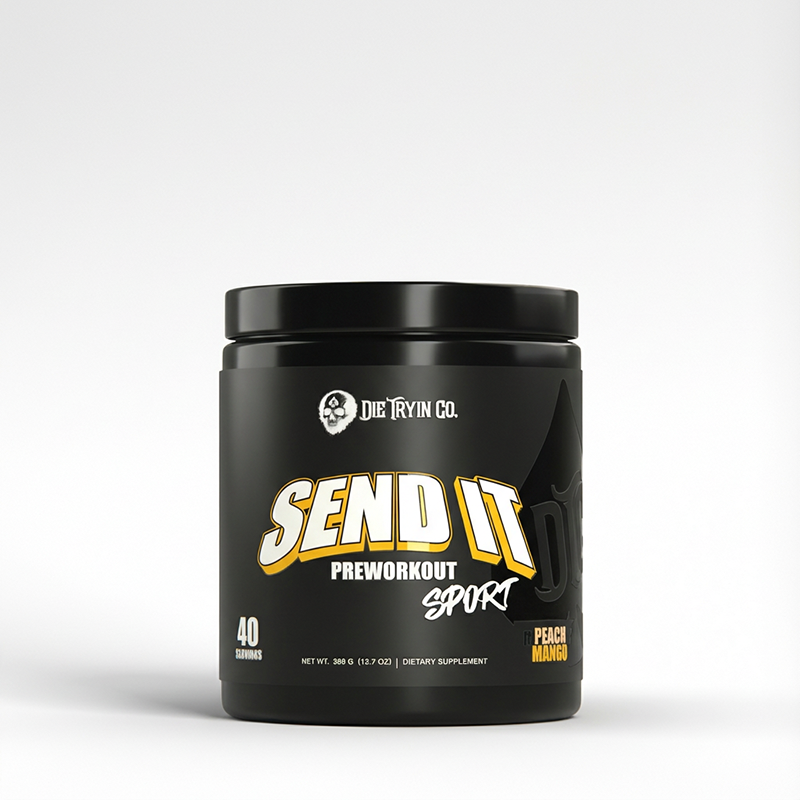
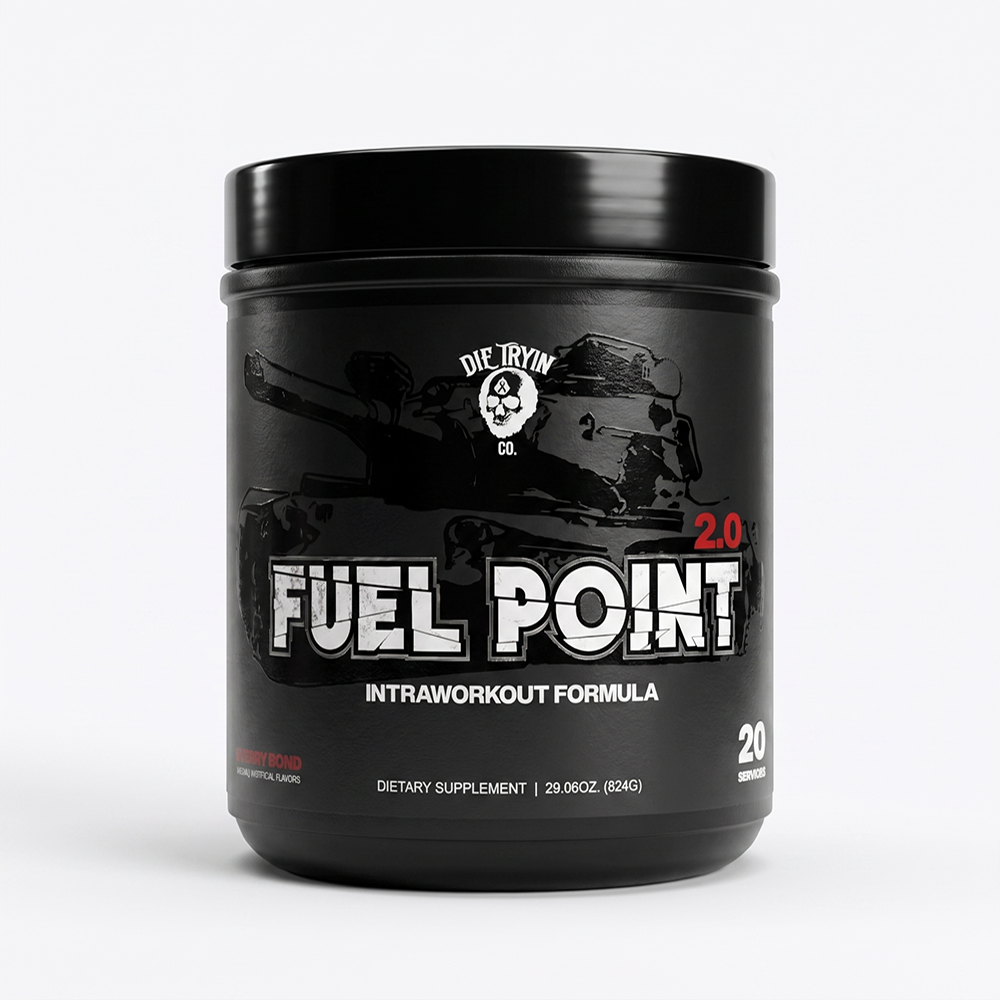
  • Long sessions (60+ min): Intra-workout carbs become useful. SEND IT Sport covers endurance work; Fuel Point is built specifically for clean intra-workout carbs.
  • Post-training (within a few hours): Hit protein. The exact minute matters less than the daily total.
  • Daily total: Carbs, protein, fat across the day. This is where the actual results live.

Don't religiously time your nutrition by the clock. Hit your daily numbers, train hard, recover hard. That's the framework.

PUTTING IT TOGETHER

The whole framework in one line: eat enough protein, time carbs around training, anchor on real fats, and hit your daily totals more days than not. If you've never tracked your macros, that's the first step — our macros guide walks through how to set your numbers and how to track without losing your sanity.

FREQUENTLY ASKED QUESTIONS

What's the best macro ratio for athletic performance?

There isn't one universal ratio. Old recommendations like 40/30/30 (carbs/protein/fat) came from generic diet books, not athlete-specific research. Better approach: set protein at 0.7-1.0g per pound of bodyweight, set fat at 20-30% of total calories, and fill the rest with carbs scaled to your training volume. Heavy training days = more carbs. Rest days = fewer.

How much protein do I need as an athlete?

1.4-2.0g per kg of bodyweight daily, per the ISSN Position Stand. In pounds, that's roughly 0.7-1.0g per pound. Push toward the upper end during a cut, or during heavy training blocks. Hit your daily total first — distribution across meals matters less than getting the number right.

Do I have to count macros to perform well?

No, but you have to know what you're eating. Tracking for 2-4 weeks teaches you what your normal looks like. After that, most lifters can eyeball it. The trap is "winging it" without ever doing the math — that's usually how protein ends up 50g short for years without anyone noticing.

Should I eat carbs around training?

Yes for most athletes. A meal with protein and carbs 60-90 minutes pre-training, and another protein-heavy meal within a few hours post-training. For sessions over 60 minutes, intra-workout carbs are useful. For shorter sessions, fueling well around the workout is enough.

What about fasted training?

Fasted training works for some lifters, especially shorter morning sessions. But research consistently shows total daily intake matters more than fasted vs. fed for fat loss or performance. If fasted training fits your day, go for it. If it doesn't, eat first. Either works.

READY TO GEAR UP?

Fuel the work. Tools that fit the framework:

Not sure where to start? Take the quiz and get a stack matched to your training.

Eat to perform. Train to earn it. Recover to repeat it.

ALWAYS FORWARD.