




How to Burn Fat Quicker: 6 Real Strategies That Actually Work
By Jon Klipstein, U.S. Army Combat Veteran & Founder of Die Tryin Co.
Science reviewed by Onur Oncer, BS Physiology and peer-reviewed published researcher.
Listen up. There is no magic pill. No belt that vibrates your gut into abs. No "fat-shredding stack" that undoes a sloppy diet while you sleep. The most common question that lands in the inbox is some version of "what supplement burns the most fat?" Wrong question. The right one: "what does the actual work look like?"
Here's the truth — fat loss comes down to a small list of non-negotiables. Supplements support the process. They don't replace the work. Below are six strategies that actually move the needle, with a few outdated ideas (looking at you, "six meals a day") cleared out along the way.
1. EAT IN A REAL DEFICIT — NOT A CRASH
Fat loss is a math problem before it's anything else. You burn more calories than you eat. That's the rule.
But — and this matters — don't slash too hard. Cutting 1,000+ calories a day kills training output, tanks recovery, and burns through muscle along with fat. A 300-500 calorie daily deficit is enough for most lifters. Sustainable beats aggressive every time.
If you don't know what you're eating, you can't manage what you're cutting. Start by tracking. Our guide to counting macros walks you through it.
2. STOP COUNTING MEALS — COUNT MACROS
"Eat six small meals to stoke your metabolism." That advice was wrong twenty years ago and it's still wrong now. A 2015 review on meal frequency and energy balance found no meaningful metabolic advantage from spreading food across more meals when total daily intake stays the same. Total calories and macros matter — meal count doesn't.
Three meals work. Four meals work. Two meals plus a shake work. Pick what fits your day, your training, and your hunger pattern. The goal is consistency — not religious adherence to a meal schedule lifted from a 1990s bodybuilding magazine.
3. USE CARBS STRATEGICALLY — DON'T FEAR THEM
Carbs aren't the enemy. They fuel your training. They protect your muscle. They keep your central nervous system firing during heavy work.
Here's what actually matters: time them around training. Most of your carbs should land in the meals before and after you lift. Outside of training, lean toward whole-food sources — oats, rice, potatoes, fruit, vegetables. Refined sugars and ultra-processed stuff are easy to overeat. That's the real issue, not "carbs" as a category.
Cutting carbs to zero is unnecessary for most lifters. Slashing junk and timing the rest around training is where the actual progress lives.
4. EAT REAL FATS — DON'T SLASH THEM
Fat doesn't make you fat. Excess calories do. Dietary fat plays a critical role in hormone production, recovery, and feeling full enough to stay in your deficit. Cut fats too aggressively and you'll feel it — lower energy, worse recovery, and a hormone profile that gets uglier the longer it drags on.
Anchor on real sources: fatty fish, eggs (yolks included), nuts, olive oil, avocados, full-fat dairy if it sits well with you. Skip the rest. Keep dietary fat at roughly 20-30% of total calories during a cut.
5. HIT YOUR PROTEIN HARD
If there's one macro to obsess over during fat loss, it's protein.
The International Society of Sports Nutrition Position Stand on Protein and Exercise recommends 1.4-2.0 grams of protein per kilogram of bodyweight daily for athletes. On a cut, set your target by lean mass (bodyweight minus fat mass) instead: 2.3-3.1 grams per kilogram of lean mass, about 1.0-1.4 grams per pound of lean mass. The harder the cut, the higher you go. Why it matters:
- Protein protects lean muscle when calories drop
- It has the highest thermic effect of any macro — your body burns more calories digesting it
- It's the most satiating macro — you stay full longer on less food
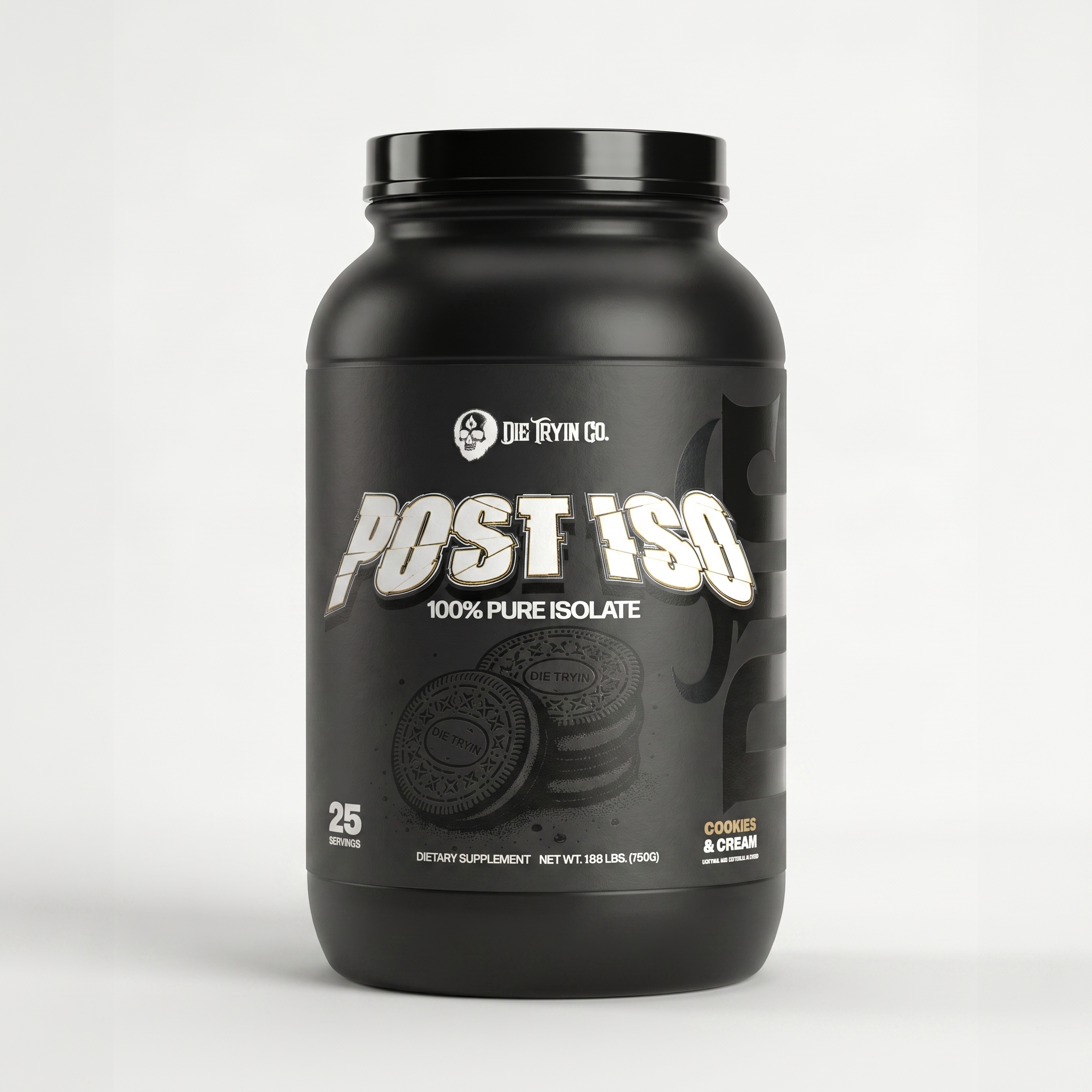
Hit your number with real food first. Use a clean whey isolate to fill the gaps. Post Iso delivers 24g of protein in 110 calories with digestive enzymes built in — designed for exactly this scenario.
6. CARDIO IS A TOOL — LIFTING IS THE FOUNDATION
Most people get this backwards. They cut calories hard, ditch the weights, and cardio themselves into oblivion. The result: a smaller body with no shape, weaker than before, and a metabolism that's slower coming out of the cut than it was going in. Here's the order that actually works:
- Lift heavy. Resistance training is the signal that tells your body to hold onto muscle while calories are low. Without it, you'll lose fat and muscle together.
- Add cardio as a fat-loss lever. Steady-state walks, incline treadmill, bike, swim, conditioning circuits — pick what you'll actually do. 3-5 sessions a week, 20-45 minutes, is plenty for most.
- Stay active outside the gym. Daily steps move the needle more than people give them credit for. 8,000-12,000 steps a day is a real fat-loss tool.
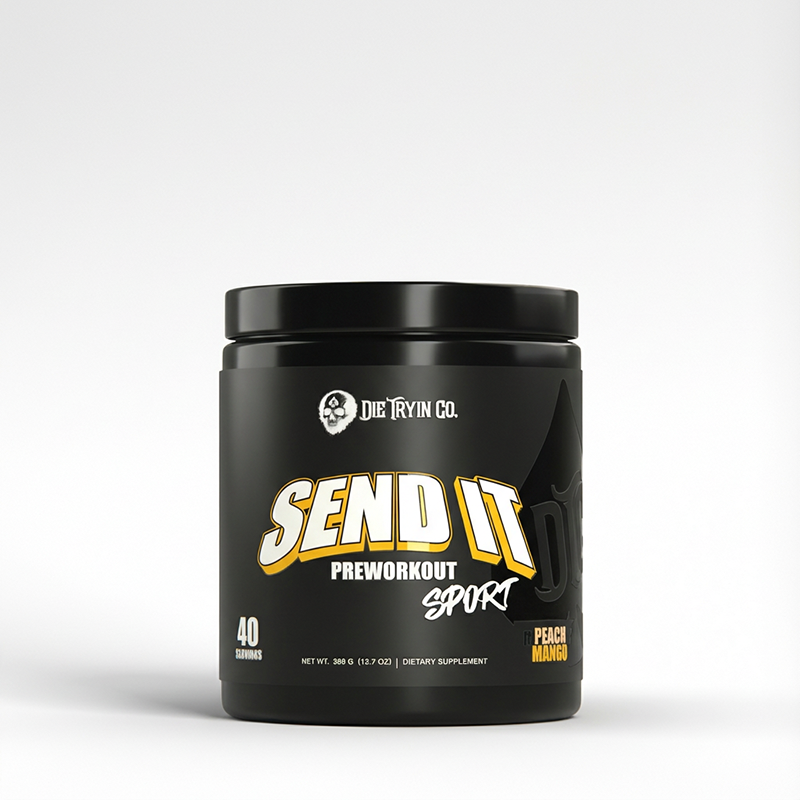
Endurance athletes and combat-sports lifters running sessions over 60 minutes need a different kind of fuel — SEND IT Sport is built for sustained output without overloading on caffeine or stimulants.
WHAT ABOUT SUPPLEMENTS FOR FAT LOSS?
Supplements support a real plan. They don't fix a broken one. What actually helps during a cut:
- Whey isolate — hit your protein target without adding calories you don't need (Post Iso)
- Creatine monohydrate — preserves strength and power output when calories are low (Creatine Monohydrate)
- A real fat-loss formula — built around metabolic support and transparent dosing, not magic claims (Incendiary Stage 2)
What to skip: hidden proprietary blends, "fat-burning belts," and any product promising results without effort. If a brand won't tell you what's in the bottle and at what dose, keep moving.

FREQUENTLY ASKED QUESTIONS
How fast can I expect to lose fat?
A sustainable rate is 0.5-1% of bodyweight per week. Faster than that and you're chewing through muscle. For most lifters, that's 1-2 pounds per week. Anything beyond that requires aggressive measures most people can't sustain — and the rebound is brutal.
Do I need to do fasted cardio?
No. Total energy expenditure for the day is what matters. Fasted cardio doesn't burn more fat in any meaningful way once daily intake equalizes. Train when it fits your schedule and lets you actually perform.
Will lifting make me bulky while cutting?
Building noticeable muscle requires a calorie surplus and years of consistent work. While cutting, lifting holds onto the muscle you already have. That's what gives you the lean, defined look — not endless cardio.
Should I cut carbs out completely?
No. Most lifters perform worse and feel worse on near-zero carbs. The ISSN Position Stand on Diets and Body Composition found that when calories and protein are matched, multiple diet structures produce comparable body composition outcomes. A moderate-carb approach timed around training works for the vast majority of athletes. Keto can work for some people — most don't need it.
Do fat burners actually work?
The legitimate ones support the process — caffeine, L-tyrosine, and a few metabolic ingredients can help with energy, focus, and adherence during a cut. They are not a replacement for a deficit and they're not magic. Read the label. If you can't see the doses, the brand is hiding something.
READY TO GEAR UP?
Real fat loss runs on a real plan. Support it with tools that actually work:
- Hit your protein target → Post Iso (Whey Isolate)
- Preserve strength on a cut → Creatine Monohydrate
- Endurance and cardio fuel → SEND IT Sport
- Step up the fat-loss support → Incendiary Stage 2
Not sure where to start? Take the quiz and get a stack matched to your training.
Discipline beats motivation. Consistency beats intensity. Real results come from real work.
ALWAYS FORWARD.
GEAR THAT FITS THIS POST
The products this article actually talks about. Real doses, disclosed labels, veteran owned.

Read more
You can't out-train a bad diet. Here's the no-BS guide to macros — what they are, why they matter, and how to count them so you actually hit your goals.
Carb timing matters less than the industry claims and more than the skeptics admit. Here is where the line actually sits.
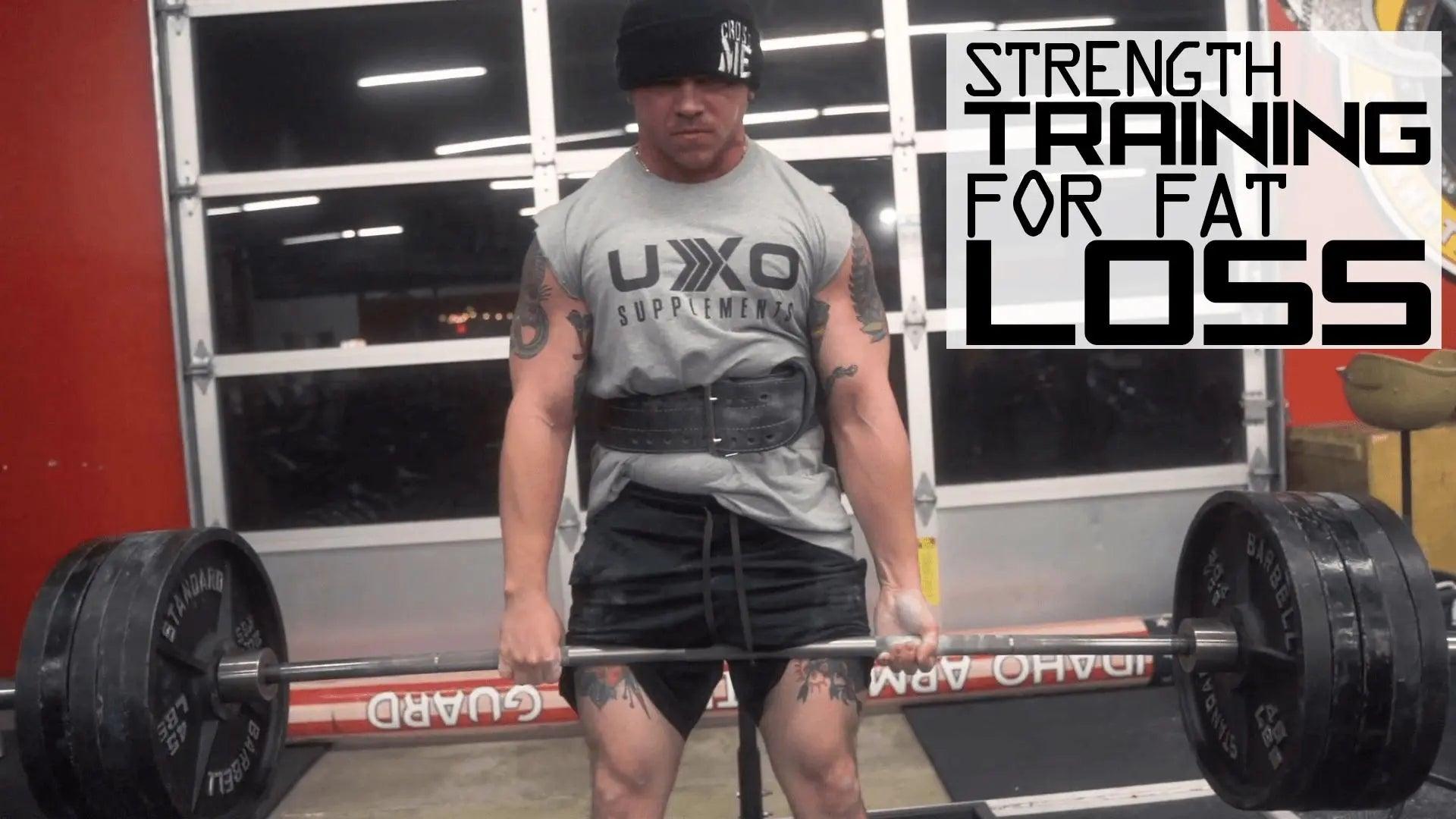
Think you shouldn't lift weights while losing fat? It's a myth. Here's how strength training preserves muscle, protects your metabolism, and beats cardio alone.

What actually works in pre-workout — ingredients, doses, timing, and how to pick the right one. Cut through the marketing. Get the real answer.
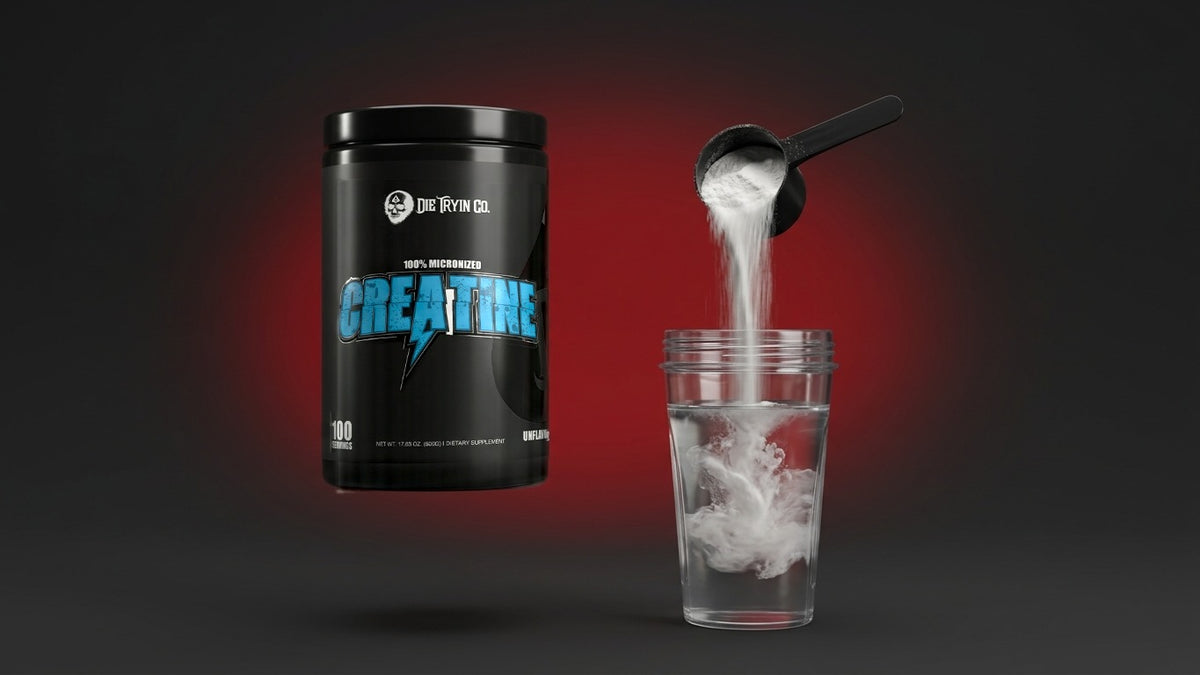
Your gut lining runs the same creatine energy system as your muscles. Here is what the research shows on stomach upset, IBS, colitis and leaky gut, and exactly where the human evidence stops.

Creatine gummies can work if the creatine is actually in them, and lab tests keep finding it often is not. Here is why a scoop of Creatine Monohydrate powder still wins.