




Training Mindset: The Complete Guide to Discipline
By Jon Klipstein, U.S. Army Combat Veteran & Founder of Die Tryin Co.
DISCIPLINE BEATS MOTIVATION
Listen up. If you're waiting to feel motivated before you train, you've already lost.
Motivation is an emotion. It comes and goes. Some mornings you wake up fired up; most mornings you don't. If your training depends on a feeling, your training is going to be as inconsistent as your feelings — which means inconsistent results, every time.
The people who actually build something — the body, the strength, the discipline that carries into the rest of their life — aren't more motivated than you. They've just stopped relying on motivation. They built a system, they show up whether they feel like it or not, and they let consistency do the work over years.
That's what this guide is about. Not hype. Not a 30-day challenge. The actual mindset that separates the people who quit from the people who don't — and exactly how to build it, even if discipline has never been your strong suit.
This is the framework. No filler. Let's get to work.
WHY MOTIVATION FAILS YOU
Here's the truth nobody selling you a fitness program wants to admit: motivation is the worst foundation you can build on.
Motivation is a mood. It's tied to how much sleep you got, how your day went, the weather, your stress, whether you saw a hype video this morning. None of that is under your control, and all of it changes daily. Build your training on motivation and you've built it on sand.
Think about how it actually plays out. January 1st, motivation is sky-high. The gym is packed. By February, the same people are gone. Nothing about their goals changed — the motivation just wore off, like it always does. They were never going to make it, because they were running on fuel that always runs out.
The deeper problem is what waiting for motivation teaches your brain. Every time you skip a session because you "didn't feel like it," you reinforce that feelings get a vote. You train yourself to negotiate. And the brain is a brilliant negotiator — it will always find a reason to take the easier path when you give it the option.
In the military, nobody asked if you felt motivated. The mission didn't care about your mood. You executed because that's what you committed to, and the standard didn't move based on how you felt that morning. That's not a knock on emotion — it's just reality. The work that matters rarely lines up with the moments you feel like doing it.
So stop chasing motivation. It's not coming to save you, and even when it shows up, it doesn't stay. The answer isn't more motivation. It's needing less of it. Motivation is temporary — discipline is built. That's the whole game, and the rest of this guide is how you build it.
DISCIPLINE IS A SKILL YOU BUILD
Most people treat discipline like a personality trait — you either have it or you don't. That's a lie, and it's a convenient one, because it lets you off the hook.
Discipline is a skill. Like any skill, it's weak when you start and it gets stronger the more you train it. The first time you drag yourself to the gym on a day you'd rather not, it feels like climbing a wall. Do it fifty times and it's just Tuesday. You didn't become a different person — you built the muscle.
Here's how discipline actually gets built:
Start stupidly small. The biggest mistake people make is going all-in on day one — two-a-days, perfect diet, no off days. That's not discipline, it's a motivation spike, and it collapses in a week. Real discipline is built with reps small enough that you can't talk yourself out of them. Ten minutes. One set. Show up and do the minimum. The win isn't the workout — it's proving to yourself you do what you said you'd do.
Make it non-negotiable, not optional. Decisions are where discipline dies. Every time something is "optional," you have to win an argument with yourself, and some days you'll lose. Take the decision off the table. You don't decide whether to train any more than you decide whether to brush your teeth. It's just what you do.
Detach it from feelings entirely. Discipline means the action and the mood are no longer connected. You can feel tired, unmotivated, sore, stressed — and train anyway, because the feeling was never the deciding factor. This is the single most important shift, and it's exactly what combat training drilled into me: you execute regardless of how you feel.
"We're a mindset, a movement for the underdogs. Those who refuse to quit. The ones who will give everything they have. And yet, it's still not enough. They'll die trying." — Jon Klipstein, Founder
Discipline compounds. Every rep makes the next one easier. Weak habits create weak men — and strong ones build the opposite. You're not born with it. You build it, one kept promise at a time.
SYSTEMS BEAT GOALS
Everybody has goals. "I want to lose 30 pounds." "I want to add 100 to my bench." Goals are fine — they point you in a direction. But goals don't get you anywhere. Systems do.
A goal is the destination. A system is the vehicle. You don't rise to the level of your goals — you fall to the level of your systems. The guy who "wants" to get strong but has no plan loses to the guy who just trains the same four days every week without thinking about it.
Here's how to build a system that runs without willpower:
Schedule it like an appointment. Same days, same time, locked in. When training lives at a fixed time, it stops competing with everything else for a slot in your day. It's already got one.
Remove the friction. Every obstacle between you and the work is a place to quit. Lay your clothes out the night before. Pack the bag. Keep the gym on the way home, not across town. Make starting so easy there's nothing to resist. Clear the clutter — physical and mental — that gives you an excuse.
Stack it onto something you already do. Attach the new habit to an existing one. Coffee, then gym. Work ends, gym. The established habit pulls the new one along until the new one stands on its own.
Set the target, then forget it and work the system. Use a real goal to aim — a specific, measurable one — then put your attention entirely on the daily inputs. You can't control the scale on any given day. You can control whether you showed up and did the work. Win the inputs and the outputs take care of themselves.
Motivation asks "do I feel like it?" A system never asks. It just runs.
THE MENTAL TOOLS THAT ACTUALLY WORK
Discipline and systems get you to the gym. These are the tools that keep your head right once life starts testing you — because it will.
Visualization — and not the woo-woo kind. Seeing the work before you do it primes you to execute it. Picture the session, the heavy set, the version of you that finishes. Visualization isn't magic — it's rehearsal. You're walking the path in your head so your body knows it when you get there.
Run your own self-talk. There's a voice in your head that wants to quit, take the easy day, skip the last set. Jon calls it the inner bitch — the part of you negotiating for less. You don't get rid of it. You just stop letting it drive. Don't let the inner bitch take over. Notice the voice, then do the opposite of what it's asking.
Train under pressure on purpose. The bad days — tired, stressed, unmotivated — are the ones that build you. Anyone can train when conditions are perfect. Showing up when they're not is where the mental toughness gets forged. Learning to thrive under pressure in the gym carries straight into the rest of your life.
Use accountability. Discipline is easier when you're not doing it alone. A training partner who expects you to show up turns a private negotiation into a commitment you have to keep. A good training partner is one of the most underrated tools there is.
None of these replace the work. They protect it — they keep your head in the fight on the days that try to take you out.
CONSISTENCY: THE ONLY THING THAT COMPOUNDS
If discipline is the engine, consistency is the result — and it's the only variable that actually matters over time.
Consistency beats intensity. Every time. The guy who trains hard four days a week for three years buries the guy who goes berserk for six weeks and burns out. One brutal workout does almost nothing. A thousand decent workouts, stacked back to back without long gaps, change everything. Your body adapts to what you do repeatedly, not to what you do once.
This is why most people never see results. It's not their program. It's not their genetics. It's that they keep stopping. They go hard, fall off, restart, fall off again — and spend years on the same starting line. The reason most people never see results is almost always inconsistency wearing a different mask.
Note: this video is from our UXO Supplements era — we've since rebranded to Die Tryin Co. Same team, same standards, same athletes.
"28 shows to go from newbie to Olympian. There was a lot of ups and downs in that journey and a lot of learning experiences. I wouldn't take any of it back. If something was given to me too quickly, I don't know if I would have appreciated it so much." — Lauren Krabec, IFBB Bikini Pro & 2025 Olympian
The math is brutal and simple. Two months on, one month off, repeated, is mostly treading water — you spend each comeback rebuilding what you lost. Eight months unbroken, even at a lower intensity, leaves the start-stop crowd in the dust. Showing up at 70% every week beats showing up at 100% when you feel like it.
The hard part isn't January. Everybody trains in January. The separation happens in the gray months — the random Tuesday in March when it's cold, you're tired, and nobody would know if you skipped. Sustaining it past January is the entire ballgame.
You will have off days. You'll miss a session. That's not failure — quitting is failure. Missing one workout and getting right back to it is just being human. The goal was never perfection. The goal is to never stop for long. Keep moving forward — that's the only rule that counts.
THE MINDSET FRAMEWORK — 6 STEPS
Here's the no-BS framework. Six steps. This is how you stop relying on motivation and build the discipline that actually lasts.
Step 1 — Define the mission.
Get clear on what you're actually after and why it matters to you — not a vague "get in shape," but a real target with a reason behind it. The why is what holds the line when it gets hard. Know what drives you, then build around it.
Step 2 — Build the system.
Set fixed training days and times. Make them non-negotiable appointments, not options. Decide once, so you don't have to decide every day.
Step 3 — Remove the friction.
Clear every obstacle between you and the work. Clothes ready, bag packed, plan written. Make starting effortless so there's nothing to resist.
Step 4 — Show up on the bad days.
This is where discipline is actually built. Tired, unmotivated, stressed — train anyway, even if it's the bare minimum. Every bad-day rep makes you harder to stop.
Step 5 — Track your consistency, not your perfection.
Don't measure how good each workout was. Measure whether you showed up. Mark every session on a calendar and protect the streak. The chain of kept promises becomes its own motivation.
Step 6 — Stack small wins and stay in the fight.
Discipline compounds. Each kept promise strengthens the next. When you miss — and you will — get right back to it without the guilt spiral. Never stop for long. That's the entire secret.
Six steps. Define the mission, build the system, kill the friction, show up on the bad days, track the streak, and never quit for long. Do that and motivation becomes irrelevant — which is exactly where you want it.
TRAINING MINDSET FAQ
How do I stay motivated to work out?
You don't — and that's the point. Motivation is unreliable. Instead of trying to stay motivated, build a system and discipline so you train whether you feel motivated or not. The goal is to need motivation less, not chase more of it.
How do I build discipline if I've never had it?
Start stupidly small — small enough you can't talk yourself out of it — and make it non-negotiable. Discipline is a skill, not a trait. Every time you do what you said you'd do, it gets stronger. Fifty reps in, what felt impossible feels routine.
Why do I keep falling off after a few weeks?
Almost always because you started on motivation instead of a system, and went too hard too fast. The fix: scale the commitment down to something sustainable, schedule it as a fixed appointment, and detach it from how you feel that day.
How do I work out when I really don't feel like it?
Lower the bar to "just start." Tell yourself you'll do the warm-up or one set. Starting is the hard part; momentum handles the rest. And remember — the days you don't feel like it are the ones that build you the most.
Are goals or habits more important?
Habits and systems, by far. Goals set the direction, but you fall to the level of your systems. Set a clear target, then put all your attention on the daily inputs you can actually control.
Does visualization actually work?
Yes, when it's used as rehearsal rather than wishful thinking. Picturing the work before you do it primes you to execute. It doesn't replace the work — it sharpens it.
How long until discipline feels automatic?
It varies, but expect weeks to months of deliberate reps before it stops feeling like a fight. The early phase is the hardest because you're building the skill from scratch. Push through it and consistency starts running on its own.
How do I get back on track after falling off?
Immediately, and without the guilt spiral. Missing a session isn't failure — quitting is. Don't try to "make up" for it with punishment. Just do the next workout as scheduled. Never stop for long, and you're still winning.
READ MORE ON MINDSET & DISCIPLINE
- Motivation Is Temporary. Discipline Is Built
- Weak Habits Create Weak Men
- Don't Let the Inner Bitch Take Over
- The Power of Visualization and Manifesting
- SMART Goal Setting
- What Motivates You?
- The Key to Thriving Under Pressure
- 5 Benefits to Having a Training Partner
- Fueling Your Fitness Journey: Sustain Motivation Beyond January
- Why Most People Never See Results in the Gym
- What Combat Training Taught Me About Fitness
- I'm Up, He Sees Me, I'm Down: A Combat Veteran's Approach to Training
- Is Clutter Holding You Back?
THE MINDSET CARRIES INTO EVERYTHING
Discipline isn't just for the gym. The same mindset that gets you under the bar on a cold Tuesday is the one that builds every other result in your training — and your life. Put it to work on a goal:
- Build muscle — the long game where consistency wins
- Lose fat and keep muscle — discipline at the dinner table, not just the gym
- Fuel the work — hitting daily protein is the most consistent habit there is
- Recover right — discipline includes the rest, not just the work
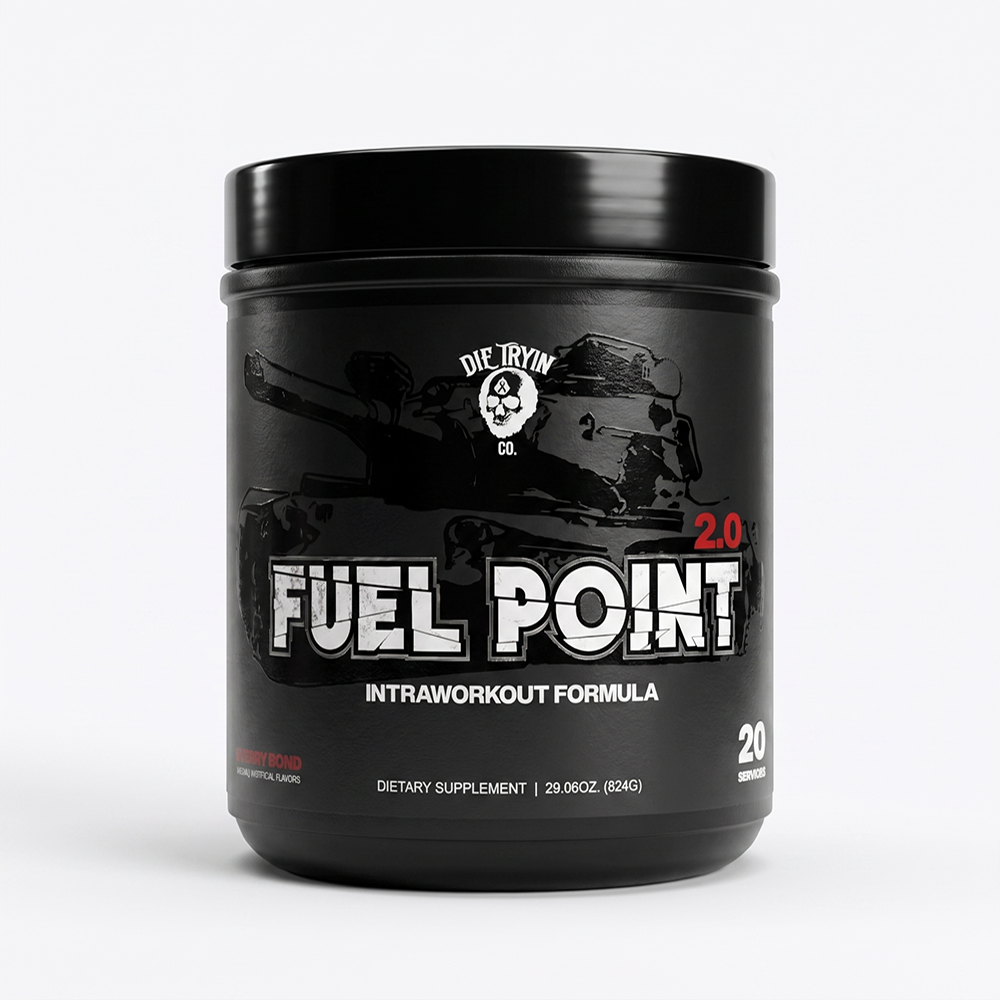
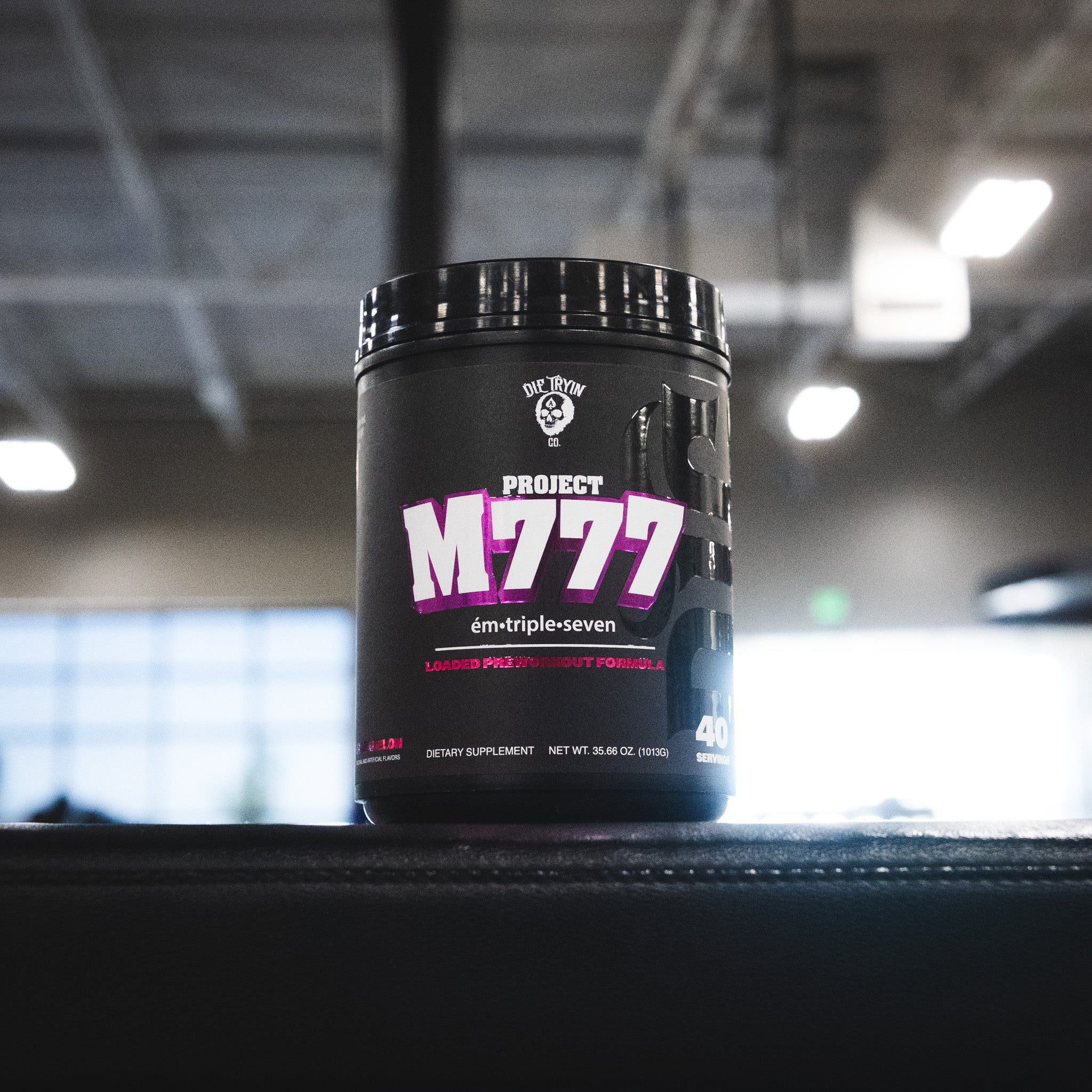
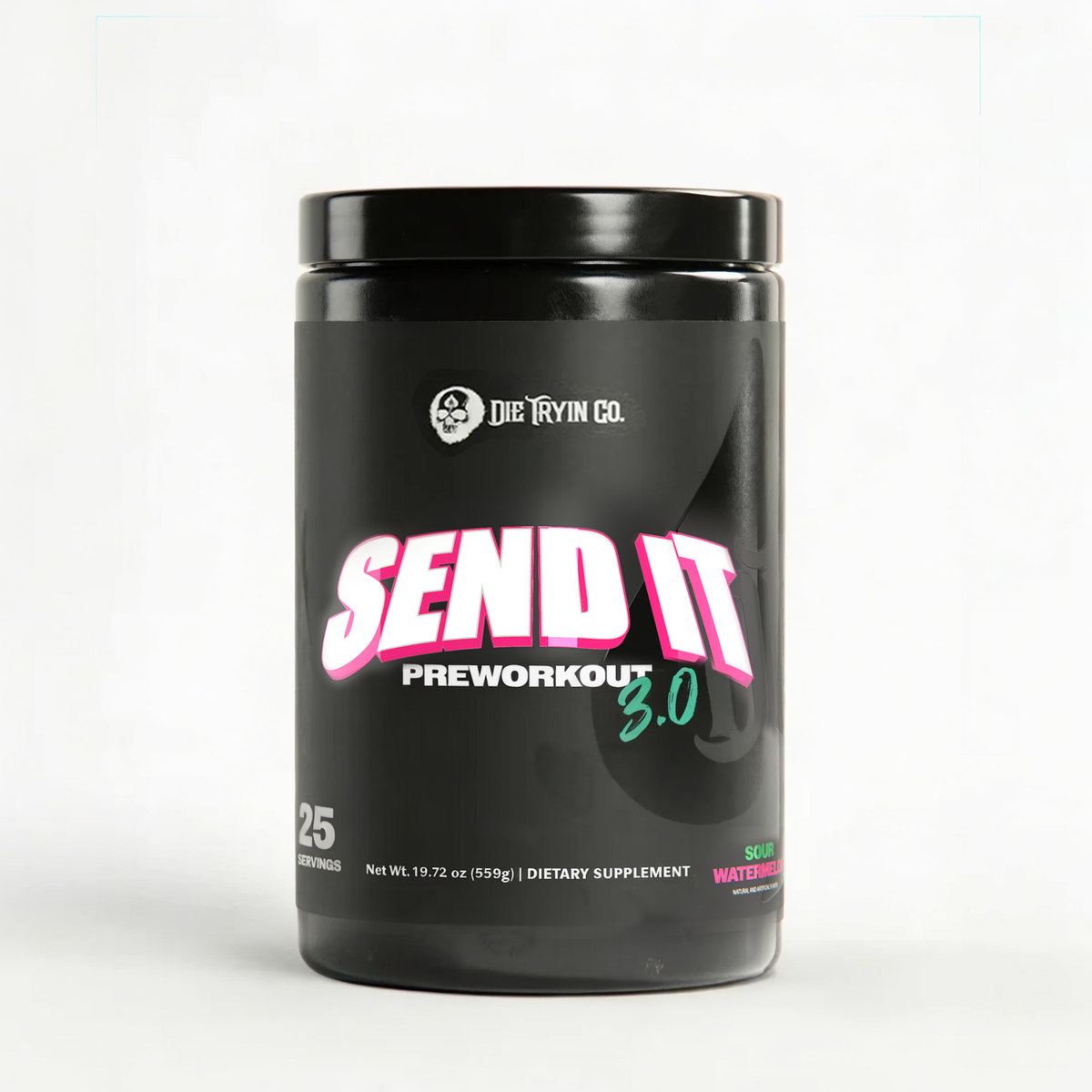
- Show up dialed in — on the days you need an edge, a real pre-workout helps you execute
When you're ready to gear up, take the quiz to find what fits your goals. But know this: no supplement replaces showing up. The discipline comes first. Everything else is a tool.
ALWAYS FORWARD.

GEAR THAT FITS THIS POST
The products this article actually talks about. Real doses, disclosed labels, veteran owned.



Read more

Motivation fades. Discipline doesn’t.If progress only happened when you felt inspired, everyone would be winning. The truth is, real change is built in the moments when showing up feels inconvenien...

Dragging dummies, 24-mile rucks, sprinting in full gear. A combat veteran on the brutal drills that built real strength — and how to apply them in the gym.
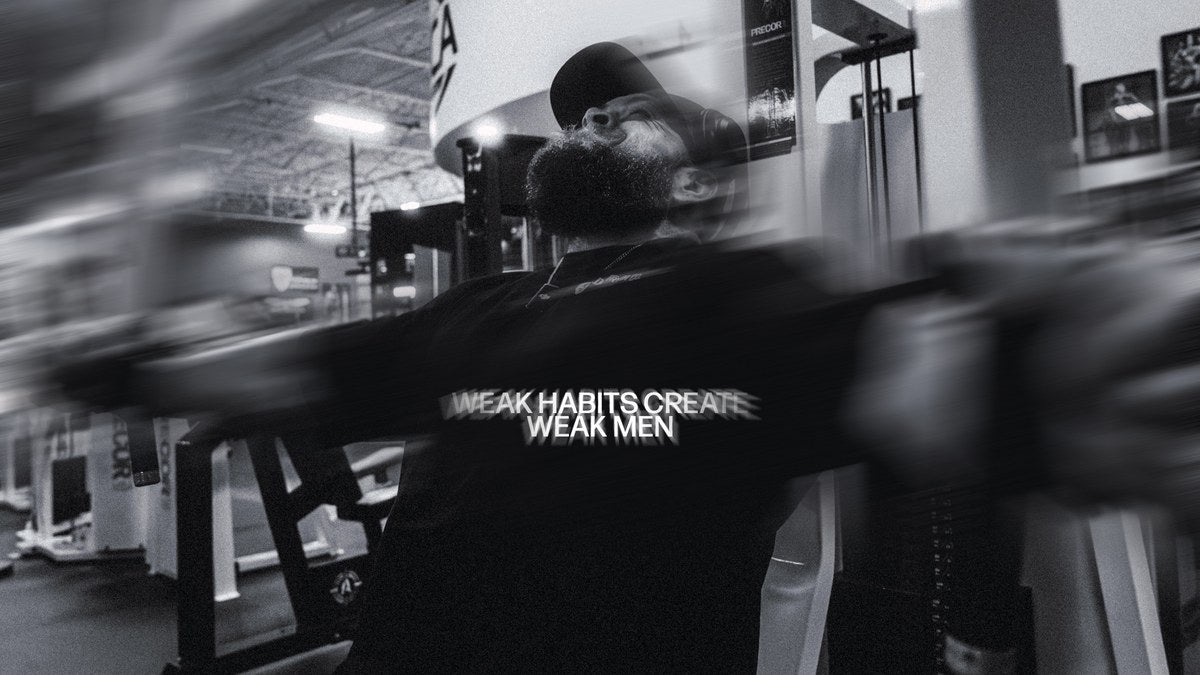
Nobody becomes weak overnight — it happens through small habits repeated daily. The weak vs. strong habit framework, plus the 8 non-negotiables that build men who hold up under pressure.

Most gym goals fail because they are outcomes you do not control. Process goals survive contact with a real week.

Mental rehearsal isn't woo-woo. It's peer-reviewed and the military has been using it for decades. The science of visualization in training — and how to actually do it.

Two voices in your head — one builds you, one destroys you slowly. The inner bitch wants comfort. Discipline beats motivation. Here's how to silence weakness.