

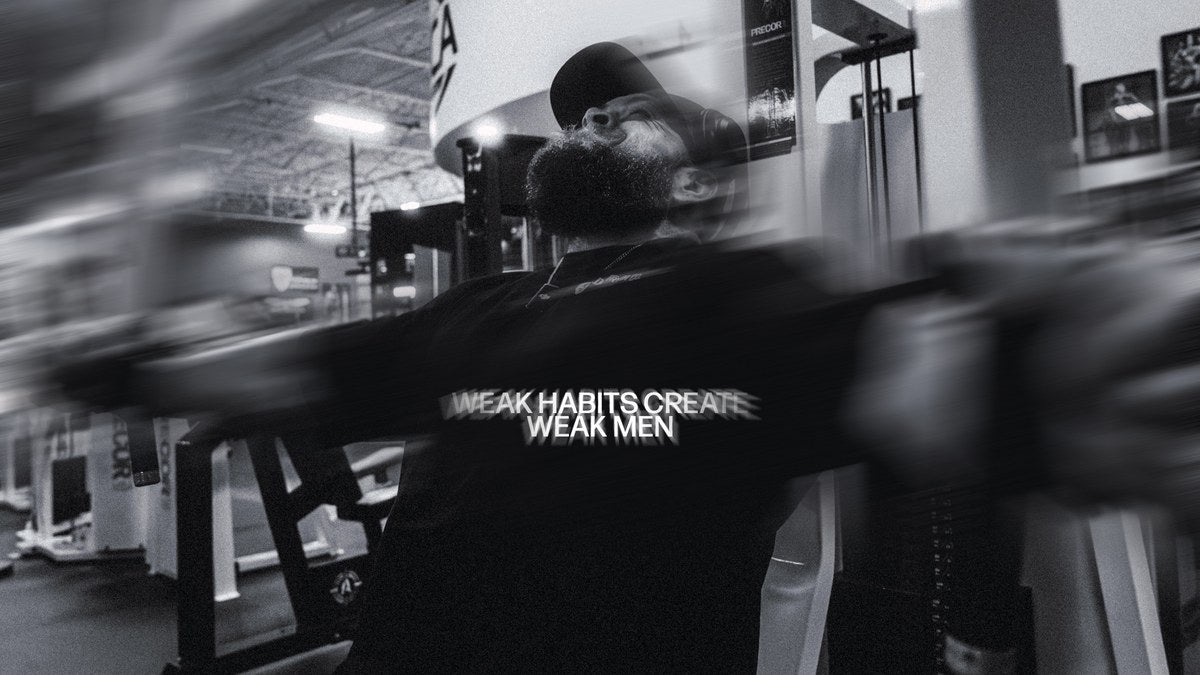
Weak Habits Create Weak Men
By Jon Klipstein, U.S. Army Combat Veteran & Founder of Die Tryin Co.
WEAK HABITS CREATE WEAK MEN
Comfort is addictive.
Most men don’t wake up one day and suddenly become mentally weak, physically unhealthy, unmotivated, or lost. It happens slowly. Quietly. Through repeated habits that chip away at discipline, confidence, and self-respect over time.
Weak men are often built by weak routines — skipping the gym because you “don’t feel like it,” choosing distraction over purpose, taking shortcuts, avoiding discomfort, making excuses instead of making progress.
These habits seem small in the moment. Repeated daily, they shape who you become.
Your habits are building you — or breaking you.
WEAK HABITS vs. STRONG HABITS, SIDE BY SIDE
| WEAK HABITS (BUILD FRAGILITY) | STRONG HABITS (BUILD RESILIENCE) |
|---|---|
| Skip workouts when you don’t feel like it | Train consistently regardless of feeling |
| Eat like trash “just for today” | Eat to fuel performance |
| Sleep in / hit snooze | Wake up with purpose |
| Spend hours scrolling | Read, learn, build |
| Let stress become an excuse to quit | Use training to process stress |
| Take shortcuts | Do uncomfortable things regularly |
| Break promises to yourself | Keep promises to yourself |
| Surround yourself with comfort-seekers | Surround yourself with disciplined people |
The list on the left feels easier in any given moment. The list on the right builds the man other people respect — including yourself.
DISCIPLINE IS BUILT THROUGH REPETITION
Every action you take reinforces an identity.
When you consistently wake up early, train hard, eat with intention, and keep promises to yourself, you begin to build confidence. Not fake confidence. Real confidence. The kind earned through action.
On the flip side, every time you avoid discomfort or quit when things get difficult, you reinforce weakness.
The dangerous part is that weakness rarely feels dangerous at first. Comfort feels good. Excuses feel justified. Avoidance feels easier. Until one day you look in the mirror and realize you’ve become someone you no longer respect.
This is the same pattern that explains why most people never see results in the gym — not effort, but inconsistency. And it’s the same voice that the inner bitch uses to negotiate you out of your standards. Same root cause, three different angles.
WEAK HABITS START SMALL
Nobody plans to become undisciplined. It starts with:
- Missing one workout
- Eating like trash “just for today”
- Sleeping in instead of attacking the morning
- Spending hours scrolling instead of building
- Letting stress become an excuse to quit
One bad choice won’t destroy you. But repeated bad choices absolutely will. Habits compound.
Just like consistent training builds muscle over time, repeated weakness builds a weaker mindset. The standards you tolerate eventually become your lifestyle.
STRONG MEN DO HARD THINGS
Strength is built through resistance. That applies in the gym, in business, in relationships, and in life.
The men who grow are usually the men willing to embrace discomfort:
- Training when motivation disappears
- Staying disciplined when nobody is watching
- Continuing forward during setbacks
- Choosing long-term growth over short-term pleasure
Real growth happens when you stop negotiating with weakness. Because discipline is not punishment — discipline is self-respect. It’s the way you tell yourself, through action, that your future matters more than your current comfort.
The combat-vet framework on this — how military discipline translates to civilian life — lives in I’m Up, He Sees Me, I’m Down. Same principle, applied with stakes.
THE MODERN WORLD REWARDS WEAKNESS
Most people today are overstimulated, distracted, and addicted to convenience.
Everything is designed to make life easier: instant gratification, fast food, endless entertainment, shortcuts everywhere.
But easier doesn’t make you stronger. A comfortable life without discipline creates fragile people. And fragile people break the moment life gets difficult.
One of the foundational habits the modern world has eroded: sleep. The research on sleep and athletic performance is clear: chronic sleep deficits compromise physical performance, cognitive function, injury risk, and recovery. You cannot “hustle” your way past sleep debt — the system breaks down. The men who hold up under pressure are the ones treating sleep as a non-negotiable habit, not a luxury they earn after grinding for years.
That’s why training matters. That’s why structure matters. That’s why suffering with purpose matters.
The gym isn’t just about building muscle. It’s about building standards. The deeper biological angle — how chronic stress, sleep, and recovery interact with men’s hormonal health — lives in the Men’s Hormonal Health pillar.
BUILD HABITS THAT MAKE YOU HARDER TO BREAK
If you want to become stronger mentally and physically, start with your daily habits.
Not motivation. Not inspiration. Habits.
The non-negotiables that build men who hold up under pressure:
- Train consistently. 4-5 sessions per week, every week, regardless of how you feel.
- Wake up with purpose. Same time daily. Move within 30 minutes of waking. Don’t reach for the phone first.
- Keep promises to yourself. Every small commitment you hit reinforces self-trust. Every one you break erodes it.
- Eat to fuel performance. Real food, hit your protein target, drink water before caffeine.
- Read and learn daily. Even 15 minutes. Inputs shape outputs.
- Limit distractions. The dopamine loop of scrolling is the modern world’s favorite weapon against discipline.
- Do uncomfortable things regularly. Cold exposure, hard cardio, a difficult conversation, finishing the project you’ve been avoiding. Build voluntary suffering into the week.
- Surround yourself with disciplined people. Environment is the cheat code. The crew you spend time with sets the floor of your standards.
Small actions repeated daily create powerful transformations over time. You don’t need to overhaul your life. Pick three of those eight, hit them every day for 30 days, and watch what happens.
For the deeper framework on building this kind of mental discipline that holds, the Training Mindset pillar covers the full system. For how to train smarter on tired days, see train smarter, not harder. For the small-commitment habit-stacking version, read what 10 minutes of abs taught us about discipline and visualization leads to actualization. For the “motivation vs discipline” framing, read motivation is temporary — discipline is built and always forward — the training mindset that carries beyond the gym.
WEAKNESS IS A CHOICE REPEATED DAILY
Nobody accidentally becomes dangerous, disciplined, or resilient. It’s earned.
Every workout. Every early morning. Every hard decision. Every moment you choose growth over comfort.
Weak habits create weak men. Strong habits create men capable of handling pressure, responsibility, and adversity.
The physical infrastructure that lets all this translate into actual progress lives in the Muscle Building pillar and the Recovery pillar. The discipline shapes the man; the systems make the discipline pay off.
The question is simple: what are your habits creating?
FAQ
How long does it take to build a strong habit?
Behavioral research suggests 60-90 days of consistent execution before a habit feels automatic. The first 30 days are the hardest — you’re fighting the old pattern. After 60 days the new pattern starts running on autopilot. Don’t evaluate a habit at week 2 and decide it doesn’t work. Run it for 90 days and judge then.
What’s the most important habit to build first?
Sleep, hands down. Sleep underpins energy, focus, hormonal balance, and recovery. If you’re trying to build other habits while running on 5 hours a night, you’re fighting a war you can’t win. Fix sleep first. Same time every night, screens off 30 minutes before bed, 7-8 hours minimum.
How do I break weak habits I already have?
Don’t try to delete them — replace them. Every habit fills a function (stress relief, dopamine, boredom). If you cut the habit without replacing what it did, you’ll return to it. Find a strong-habit substitute that fills the same role. Scrolling for stress relief? Replace with 10 minutes of training. Junk food for boredom? Replace with a protein-dense meal that takes the same time to prep.
What if I fall off?
Get back on the next day. One bad day doesn’t reset the work. Two weeks of bad days does. The pattern of how fast you return is what determines whether the habit holds. Falling off isn’t failure. Staying off is.
Is this just bro-talk or is there real science behind it?
Real science. Behavior change is well-studied at this point. Identity-based habits (defining yourself as “someone who trains” vs. “someone trying to train”) consistently outperform goal-based habits in long-term adherence research. The biological infrastructure that supports discipline — sleep, food, training adaptation, hormonal health — is also well-documented. The framing in this post is the behavioral side of that biology.
What does this have to do with supplements?
Nothing, directly. We sell supplements and we’ll tell you straight: no supplement on the market builds discipline. Discipline is built by daily action. Supplements assist the work — the work itself is yours to do.
READY TO GEAR UP?
Audit your habits. The weak ones are quietly building the version of you you don’t want to become. The strong ones are quietly building the version you do. Pick three to upgrade. Run them for 30 days. Watch what changes.
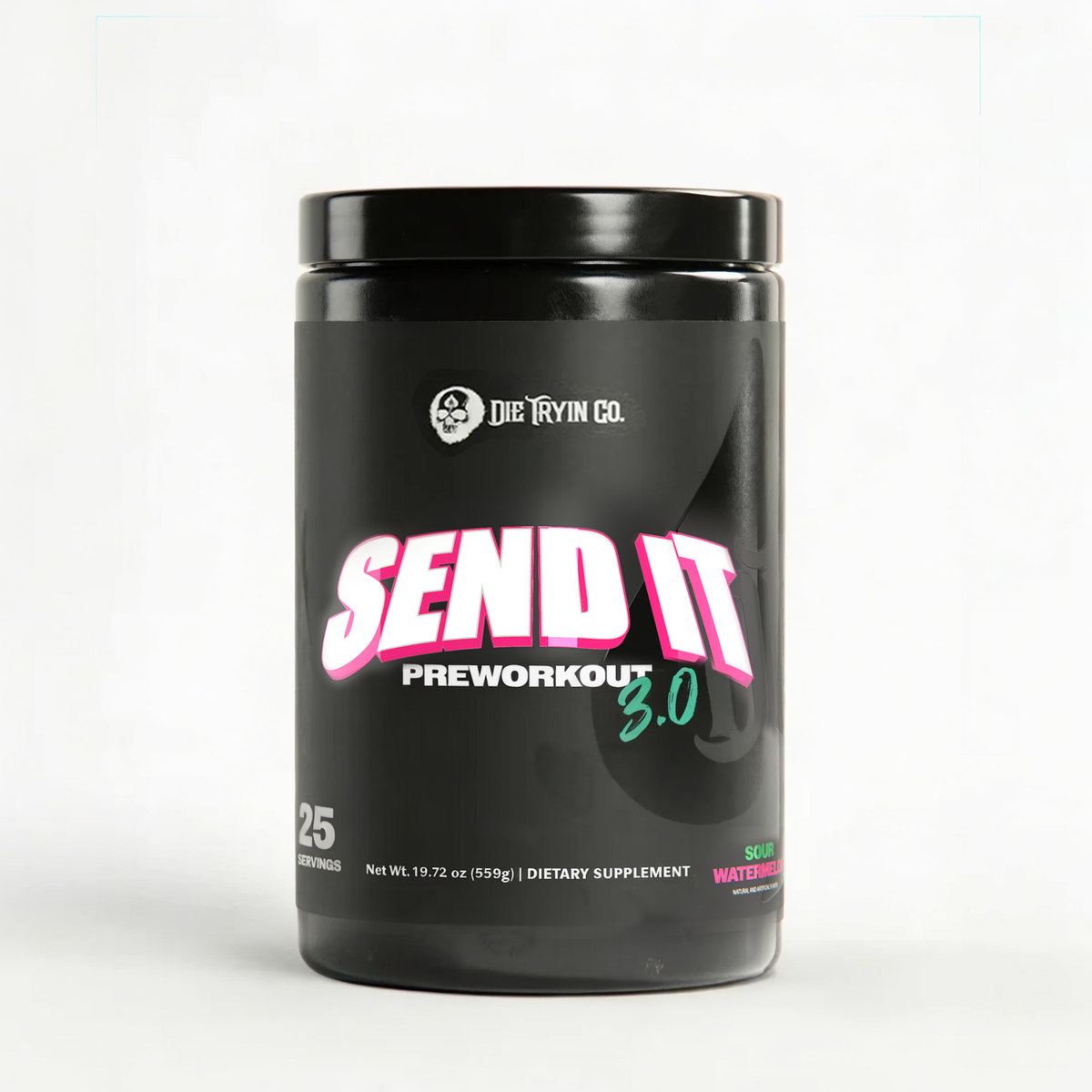
Need a stack to support the work on hard days? SEND IT 3.0 for the focus and pump to push through tired sessions. Or take the quiz for a stack matched to where you actually are.
ALWAYS FORWARD.
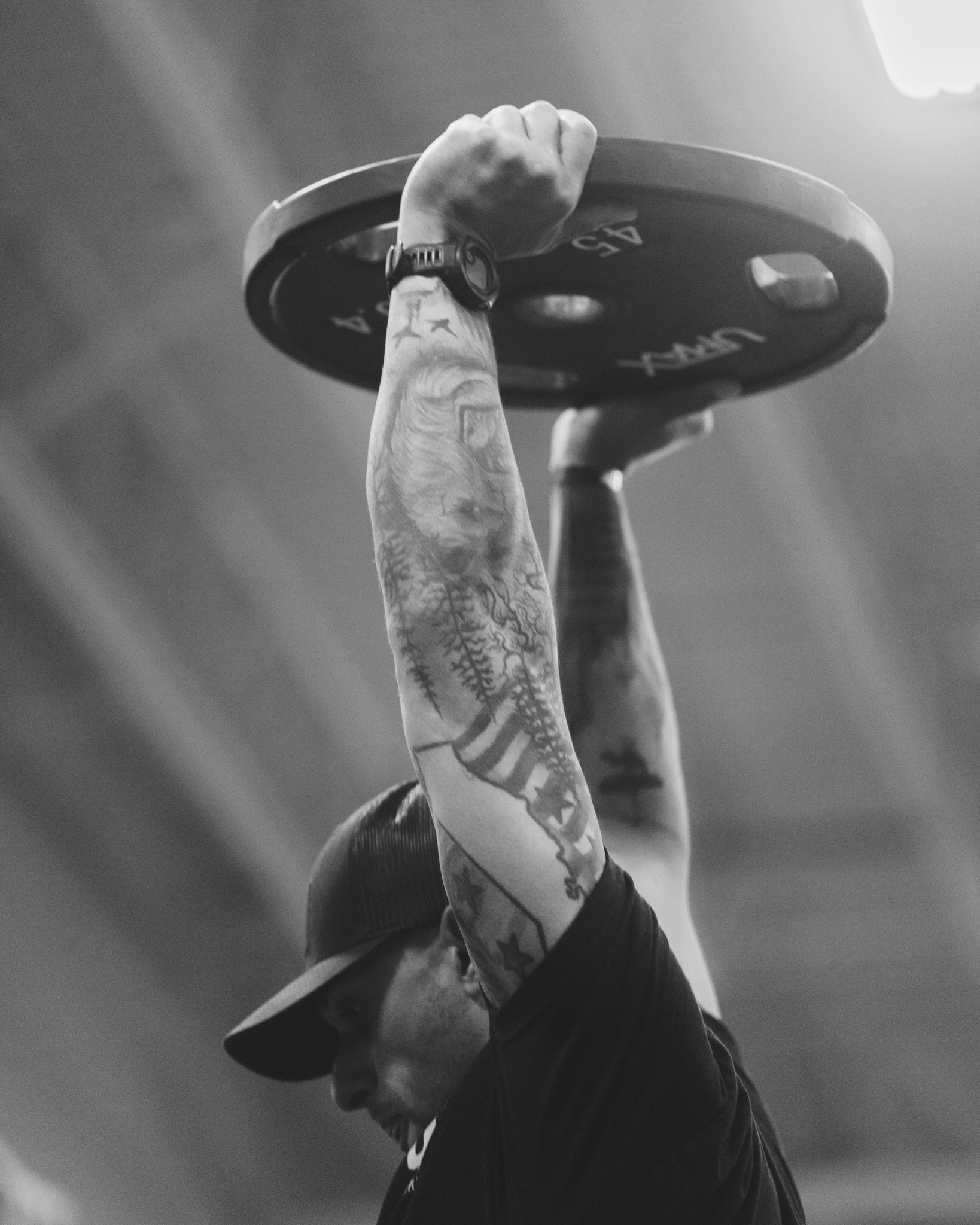
GEAR THAT FITS THIS POST
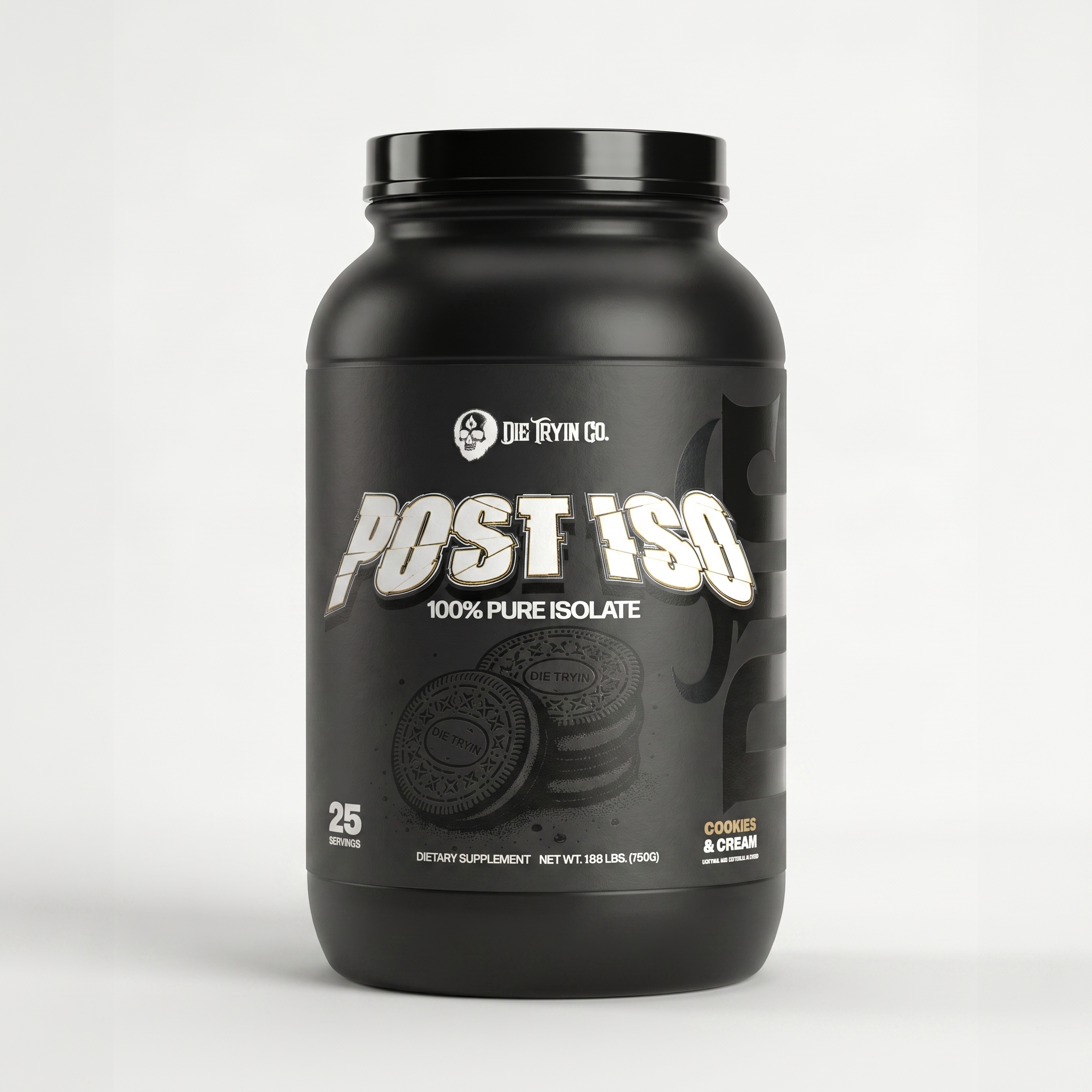
The products this article actually talks about. Real doses, disclosed labels, veteran owned.


Read more
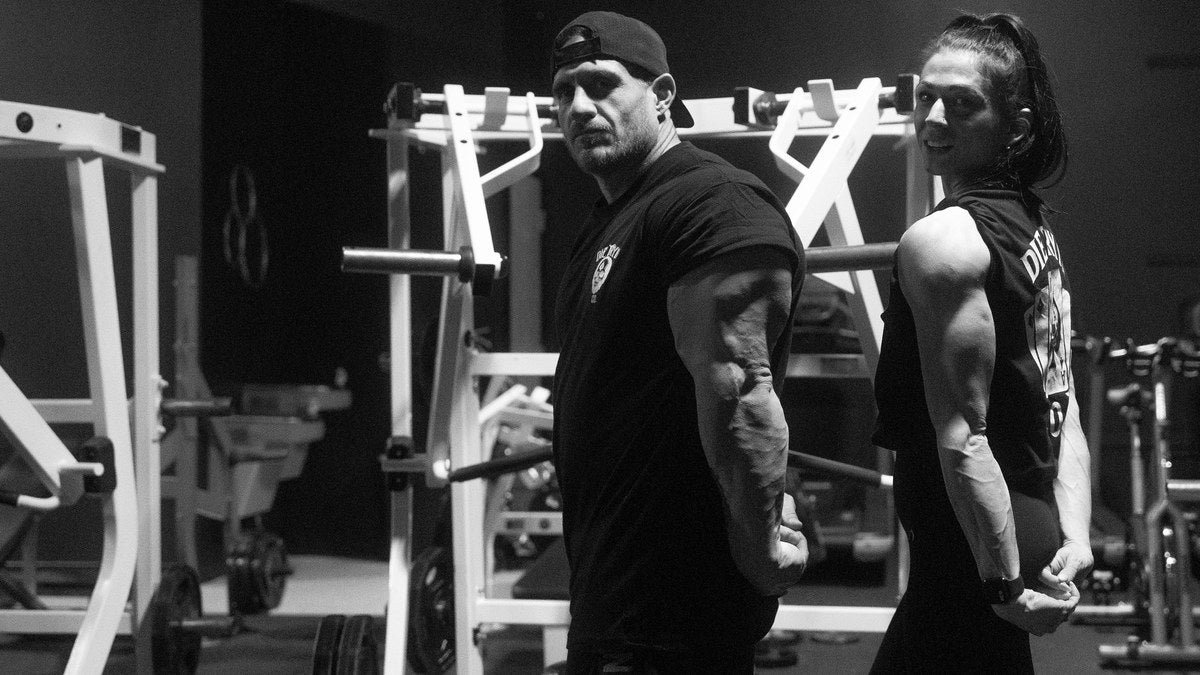
The reason most lifters never see results isn't a bad program or weak motivation. It's inconsistency. Here's what actually builds physiques — and why the basics work.

Two voices in your head — one builds you, one destroys you slowly. The inner bitch wants comfort. Discipline beats motivation. Here's how to silence weakness.
Bounding overwatch is a Field Artillery movement drill. The structure works just as well on the gym floor — prep, burst, recover, repeat.
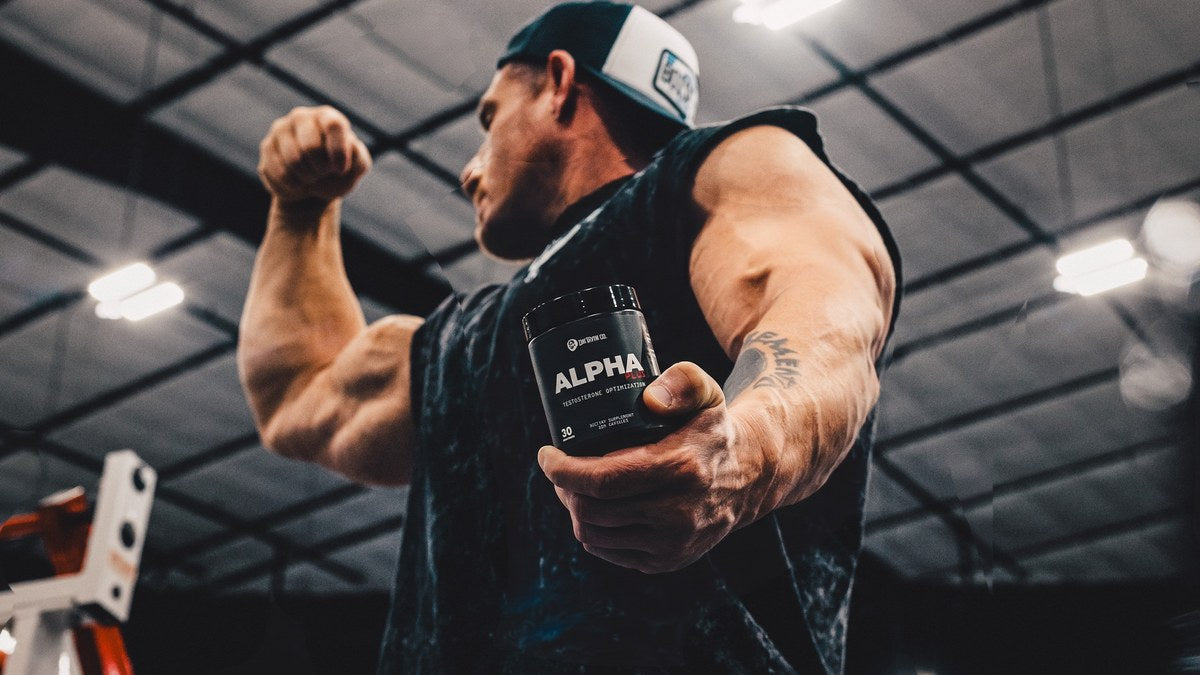
The honest playbook for healthy testosterone — sleep, body composition, training, stress, and what the research really says about boosters. No hype.
The honest playbook for building the discipline that actually lasts. Motivation fails — discipline gets built. Here's how.
Overtraining doesn't build faster results — it builds injuries and burnout. The minimum effective dose principle for training, recovery, and smart supplementation.