



10 Minutes of Abs a Day: What It Actually Taught Me
By Jon Klipstein, U.S. Army Combat Veteran & Founder of Die Tryin Co.
Science reviewed by Onur Oncer, BS Physiology and peer-reviewed published researcher.
TEN MINUTES A DAY. HERE IS WHAT IT ACTUALLY BUILDS.
Listen up. Ten minutes of abs a day is one of the most popular promises in fitness and one of the most oversold. It will not carve a six-pack out of you. It will not strip fat off your waist. Those are separate jobs, and one of them gets settled in the kitchen.
What it does deliver is smaller than the marketing and more useful than you think: a trunk that holds position under load, a spine that stops folding on the last heavy rep, and one honest repetition per day of the only skill nobody can sell you in a tub. Showing up when it is inconvenient.
This post is about the daily ten-minute core habit itself. Whether it works, whether you can run it every day, and what to put in it. Whether the abs ever become visible is a body-fat question, and that belongs in a fat-loss conversation instead of a core-training one.
| THE 10-MINUTE QUESTION | THE HONEST ANSWER | WHERE IT GETS SETTLED |
|---|---|---|
| Will it burn belly fat? | No. Six weeks of near-daily ab training moved none of the fat measurements in a controlled trial. | A deficit you can actually hold |
| Will my core get stronger? | Yes. Muscular endurance responds fast, even at low daily volume. | The four-pattern template below |
| Can I really do it every day? | Mostly yes, if you keep the load light and rotate patterns. Heavy, near-failure ab work needs rest days like anything else. | Your recovery, not your ego |
| Will it help my big lifts? | Some of them. Jumping and change-of-direction improved in the research. Straight-line sprint speed did not. | Bracing under a loaded bar |
| How long until it feels automatic? | There is no magic number of days. Repetition drives it, and the timeline is wildly individual. | The training mindset pillar |
WHAT SIX WEEKS OF DAILY ABS ACTUALLY CHANGED
Somebody already ran this experiment properly. Researchers took 24 healthy, sedentary adults aged 18 to 40, randomly assigned them to either an abdominal training group or a no-training control, and had the training group perform seven ab exercises for two sets of ten reps, five days a week, for six weeks. Everyone held an isocaloric diet so food could not muddy the result.
The outcome, published in the Journal of Strength and Conditioning Research: no significant change in body weight, body fat percentage, android fat, abdominal circumference, abdominal skinfold or suprailiac skinfold. Zero. What did change was performance. The training group hit 47 ± 13 curl-up repetitions at the retest against 32 ± 9 in the control group.
Be honest about the limits before you take that to the bank. It is one small trial, 24 people, six weeks long, in sedentary beginners, with calories deliberately held flat. It does not prove ab work is useless. It proves the thing lifters keep refusing to hear: training a muscle does not drain the fat sitting on top of it. Your core got fitter. Your waistline never got the memo.
SO WHAT DOES A STRONGER CORE ACTUALLY BUY YOU?
Transfer is where the honest case for core work lives, and the evidence there is mixed in a specific, useful way. A 2025 systematic review and meta-analysis pooled 37 studies and 1,174 soccer players aged 9 to 30 to test what core stability training changes.
The pooled result: vertical jump improved by 1.66 cm (95% CI 0.53 to 2.79), and agility improved on the t-drill by 0.71 seconds (95% CI 0.14 to 1.27) and the Illinois test by 0.56 seconds (95% CI 0.06 to 1.05). Those confidence intervals are wide, so read the direction, not the decimal. Sprinting did not budge. The 30-metre sprint changed by 0.04 seconds and the 20-metre by 0.05 seconds, neither of them significant. Core training bought better positions and better direction changes. It did not buy raw speed.
That is a soccer population, not a room full of powerlifters, so treat the transfer as directional rather than exact. It still matches what you feel on the platform. Bracing is a skill, and a trunk that refuses to collapse keeps tension where the load actually is. The people stalling out year after year are usually leaking force somewhere in the middle.
CAN YOU TRAIN ABS EVERY SINGLE DAY?
Your abs are skeletal muscle. They are not special, they are not fatigue-proof, and they get no exemption from recovery. What makes daily work realistic is the load, not the muscle. Ten minutes of planks, dead bugs and slow eccentrics is a low-damage stimulus. Ten minutes of weighted decline sit-ups taken to failure is not, and running that seven days a week leaves you stiff, sore and worse at everything else.
Run it by these rules and every day is fine:
- Keep most days at RPE 7 or below. Leave two or three reps in reserve. You are accumulating quality work, not testing yourself.
- Rotate the pattern daily. Hammering the same movement seven days straight is how you find a hip flexor problem.
- Cap loaded, near-failure sessions at two per week. Weighted cable crunches, hanging leg raises and ab wheel rollouts are real training. Program them like real training.
- Skip a day if your lower back is barking. A streak is not worth a tweak, and backing off on purpose is a skill, not a failure.
THE 10-MINUTE TEMPLATE: FOUR JOBS, NOT FIFTY CRUNCHES
Your trunk has four jobs. Crunches address one of them, which is why most ab routines are mostly redundant. Build every ten-minute session from one movement in each bucket, three rounds, minimal rest.
- Anti-extension (stop the low back arching): plank, dead bug, ab wheel rollout, hollow hold.
- Anti-rotation (stop the torso twisting): Pallof press, single-arm farmer carry, bird dog.
- Anti-lateral flexion (stop the torso tipping): suitcase carry, side plank, offset kettlebell march.
- Loaded flexion (shorten the abs against resistance): cable crunch, hanging knee or leg raise, decline sit-up.
Ten minutes covers roughly three rounds of four exercises at 30 to 45 seconds each. Track it the way you track a working set, because vague effort produces vague results, which is the entire argument for writing the target down before you start. On lifting days I stack it as a finisher after the last set. On off days it runs behind a real warm-up so I am not going couch to hollow hold cold.
THE STREAK IS THE POINT
Here is the part the industry cannot monetize. A daily ten-minute block is a rehearsal for keeping a promise to yourself, and the research on how that hardens into a habit is more nuanced than the "21 days" line you have heard a thousand times. A 2024 micro-randomized trial followed 24 adults through a 105-day app-delivered program built around one cue-triggered 15-minute brisk walk per day, measuring automaticity daily.
Two findings matter here. Repeating the behavior after a consistent cue increased habit strength, and the relationship did not run in reverse. And the individual habit-strength trajectories were, in the authors' own word, idiosyncratic. No shared timeline everyone converged on. Small sample, walking rather than core work, so hold it loosely. The practical read is still clean: attach the ten minutes to a fixed cue you already hit every day, repeat it, and stop scanning the calendar for a finish line that does not exist.
WHAT TEN MINUTES A DAY WILL NOT DO
It will not out-train your kitchen. It will not replace heavy compound work, and a trained core is not a substitute for squats, carries and pulls that load the trunk under real weight. Visible abs come from low enough body fat, which comes from a deficit you can sustain, propped up by lifting that protects your muscle while you lose.
Basics beat hype. Discipline beats motivation. Ten minutes of abs is not a shortcut to a physique. It is one small daily rep of the standard you are trying to hold everywhere else. That is a real reason to do it. It is just not the reason you were sold.
HOW TO RUN IT FOR THE NEXT 30 DAYS
- Pick the cue, not the time. "After my last working set" beats "sometime this evening."
- Same four buckets, rotating movements. Write the week out in advance so you are never deciding at 9pm.
- Log it with one character. An X on a calendar. Nothing more complicated survives contact.
- Hydrate through it. Ten hard minutes still costs you fluid and electrolytes, and hydration is not a training-day-only problem.
- Miss one, never miss two. One skipped day is noise. Two in a row is a new pattern forming.
FREQUENTLY ASKED QUESTIONS
Is 10 minutes of abs a day enough?
Enough for what you can honestly ask of it, yes. Ten focused minutes covering all four trunk patterns is plenty of stimulus for core strength and endurance. It is not enough to change your body fat, and no amount of extra ab volume would be.
Will 10 minutes of abs a day give me a six-pack?
Only if your body fat is already low enough for the muscle to show. Ab training builds what is underneath. Whether you can see it is decided by nutrition, total training volume and where your body prefers to store fat.
Can training abs every day cause overtraining?
It can if you go heavy and near failure daily. Keep most sessions submaximal, rotate movements, and cap loaded near-failure ab work at roughly twice a week. If your lower back or hip flexors are still sore from yesterday, take the day off.
Should I do abs before or after my workout?
After. Core fatigue going into squats, deadlifts or overhead pressing compromises the exact bracing those lifts depend on. Finish the heavy work, then spend your ten minutes.
Do supplements help with a daily ab habit?
Not directly, and anyone telling you otherwise is selling something. What supplements support is the training around it: pre-workout for focus, protein for recovery, electrolytes for hydration. None of that substitutes for the calorie deficit if fat loss is the actual goal.
What if I miss a day?
Do the next one. The habit research points to repetition after a consistent cue, not to unbroken streaks, and every honest look at adherence shows people miss days. Missing one costs you almost nothing. Quietly deciding you have blown it costs you everything.
READY TO GEAR UP?
Ten minutes is the standard. Here is what stays in the rotation around it:
- Project M777 — high-stim pre-workout for the hardest training days, when the ab block is a finisher on top of real work.
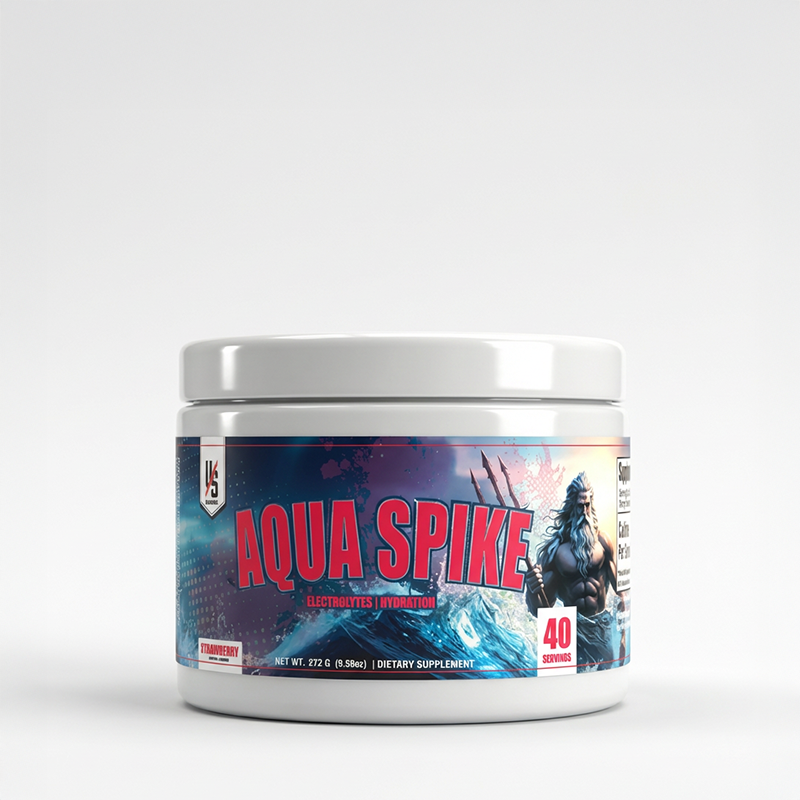
- Aqua Spike — electrolytes to sip through circuits so ten sweaty minutes does not leave you flat.
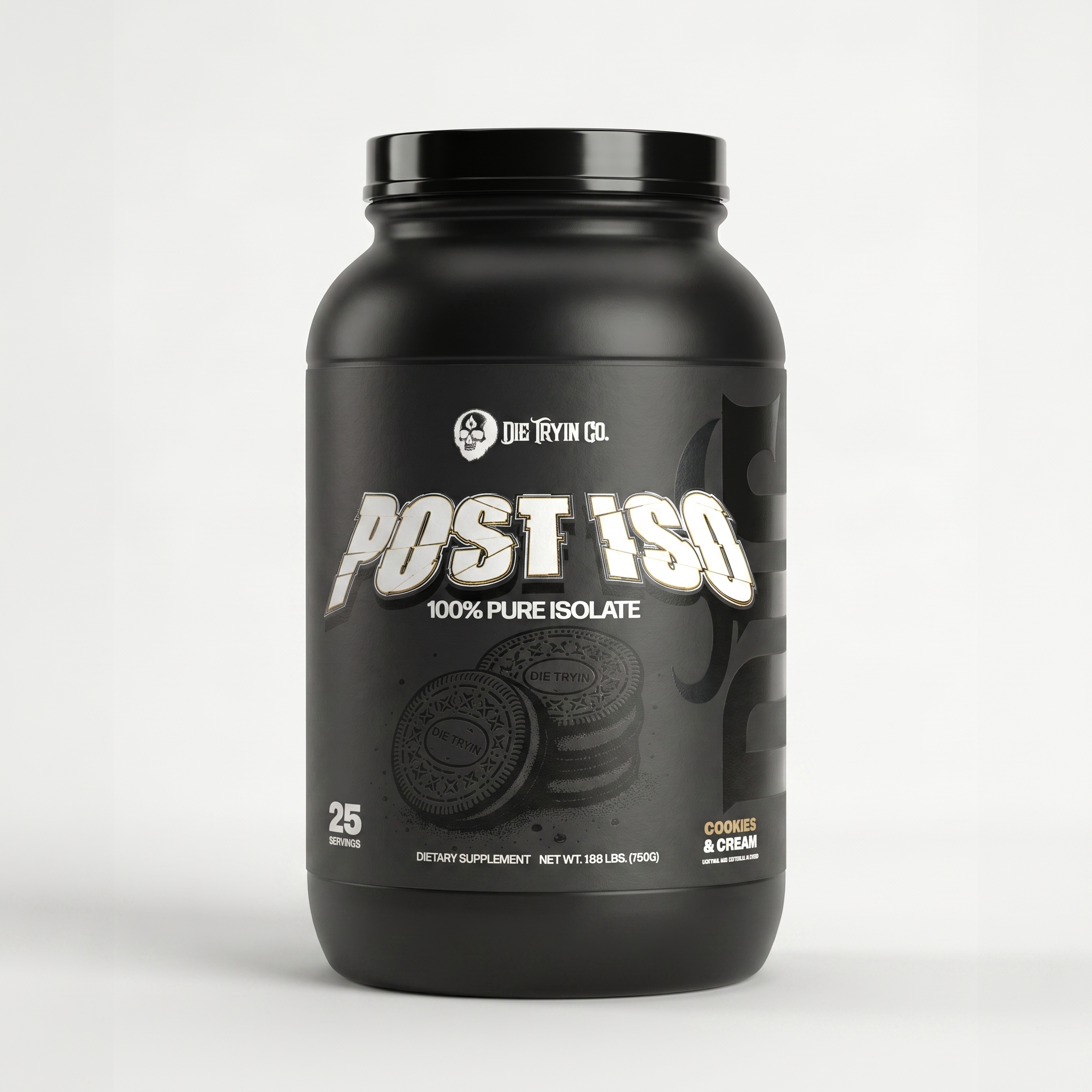
- Post Iso — 24g whey isolate with DigeZyme enzymes to recover without the bloat.
- Creatine Monohydrate — 5g micronized, the most researched performance supplement on the shelf. Basics beat hype.
- Incendiary Stage 2 — metabolic support for a cutting phase. The deficit still does the work.
- Straight Leg Joggers — because half of these sessions happen on a living room floor.
- Take the quiz — two minutes to find the stack that fits how you actually train.
ALWAYS FORWARD.
GEAR THAT FITS THIS POST
The products this article actually talks about. Real doses, disclosed labels, veteran owned.


Read more
The no-BS playbook for losing fat without losing muscle. Energy balance, protein, training, sleep, and the supplements that actually help.
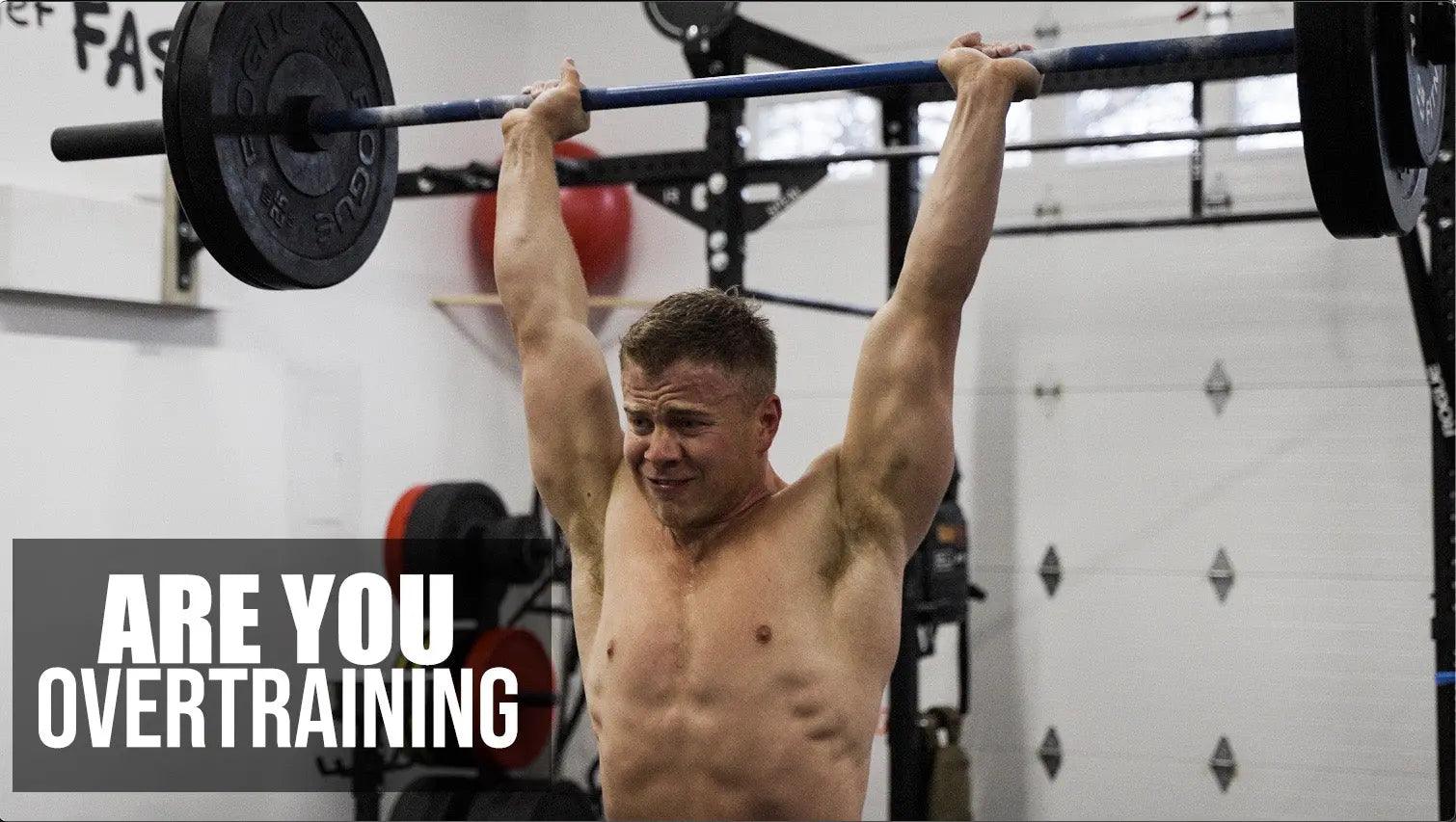
Most lifters asking if they're overtraining are actually overreaching, and there are two kinds. Here's how to tell which one you're in, and what to do about it.
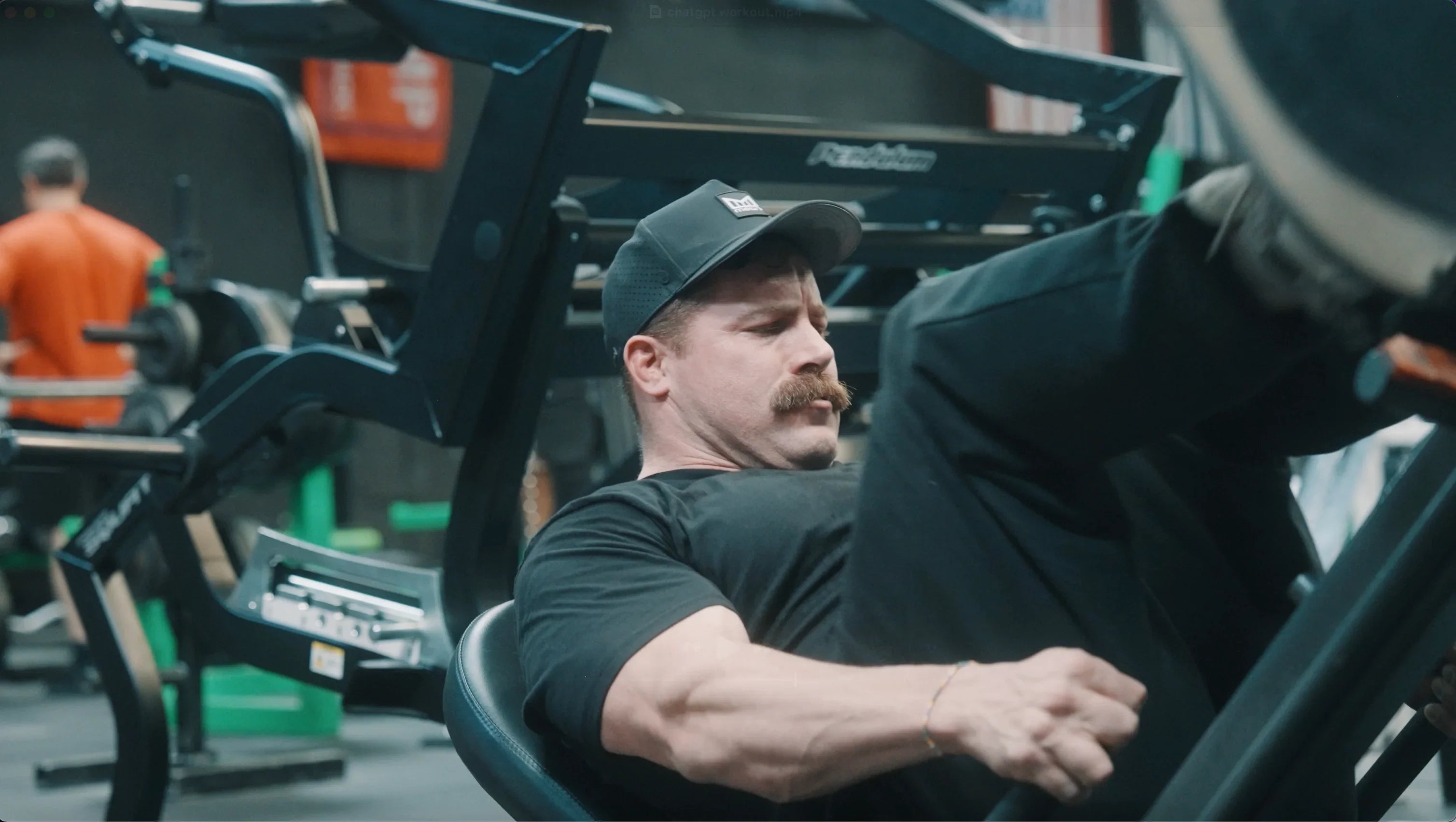
The best leg exercises that actually build wheels — 8 moves for quads, hamstrings, glutes, and calves, plus a complete leg-day plan.
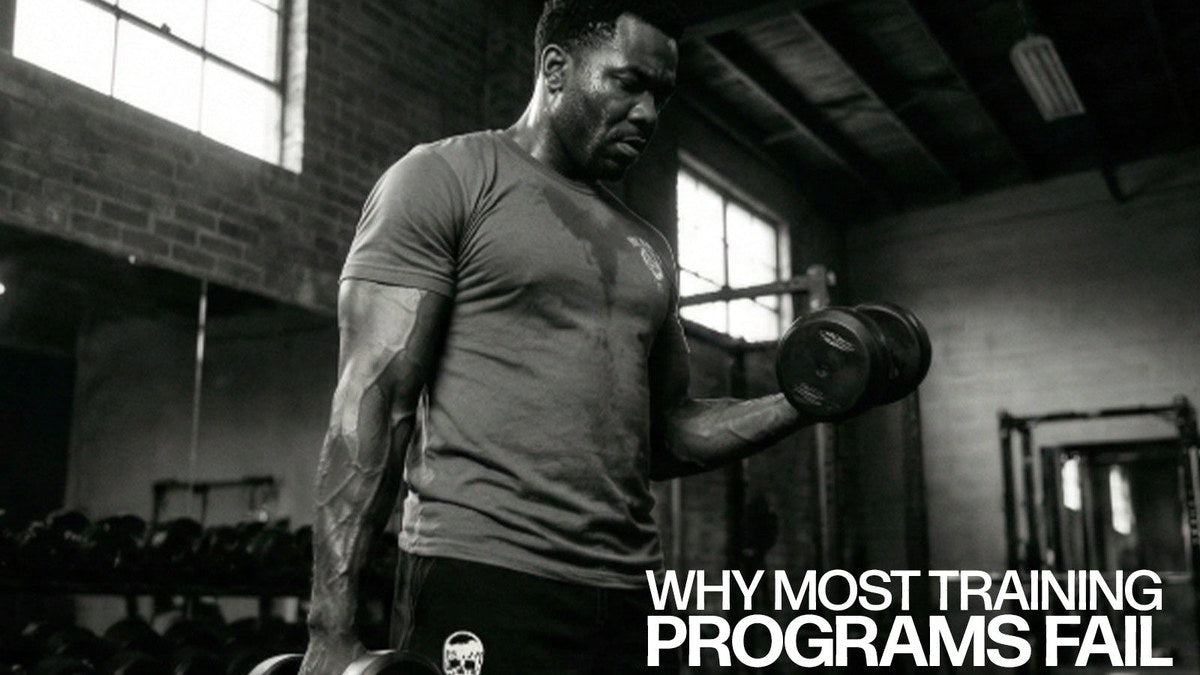
The honest playbook for building the discipline that actually lasts. Motivation fails — discipline gets built. Here's how.
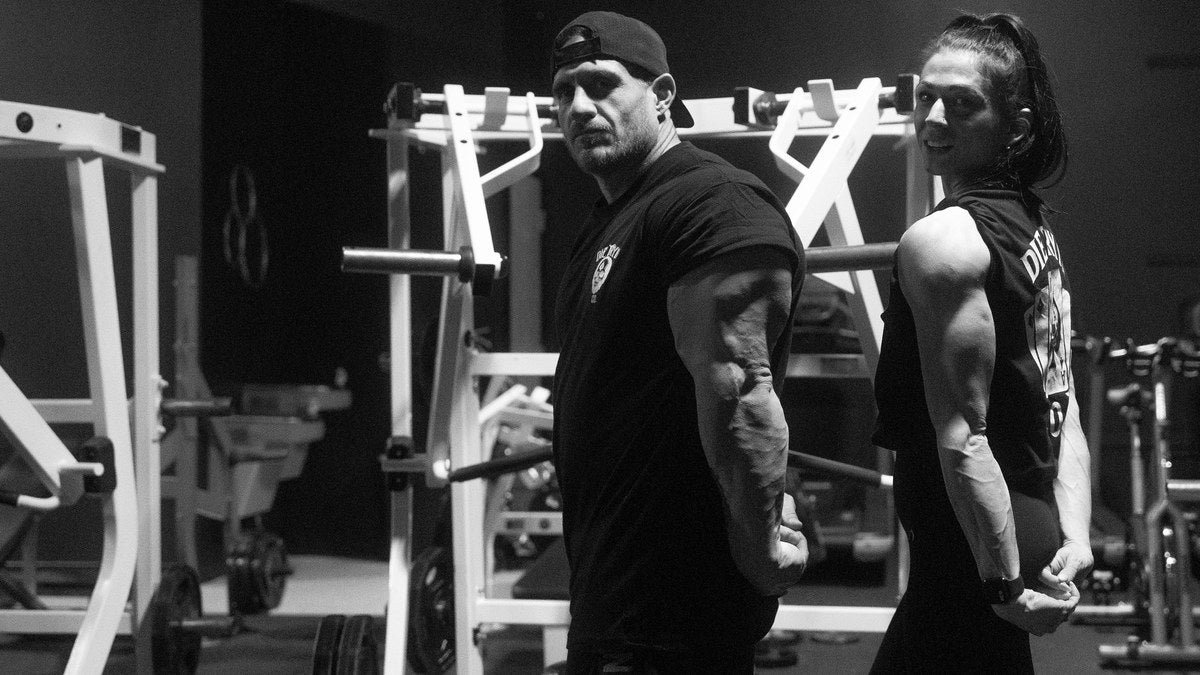
The reason most lifters never see results isn't a bad program or weak motivation. It's inconsistency. Here's what actually builds physiques — and why the basics work.
Recovery is the other half of adaptation. The signals you need a deload, and exactly how to run one without losing progress.