

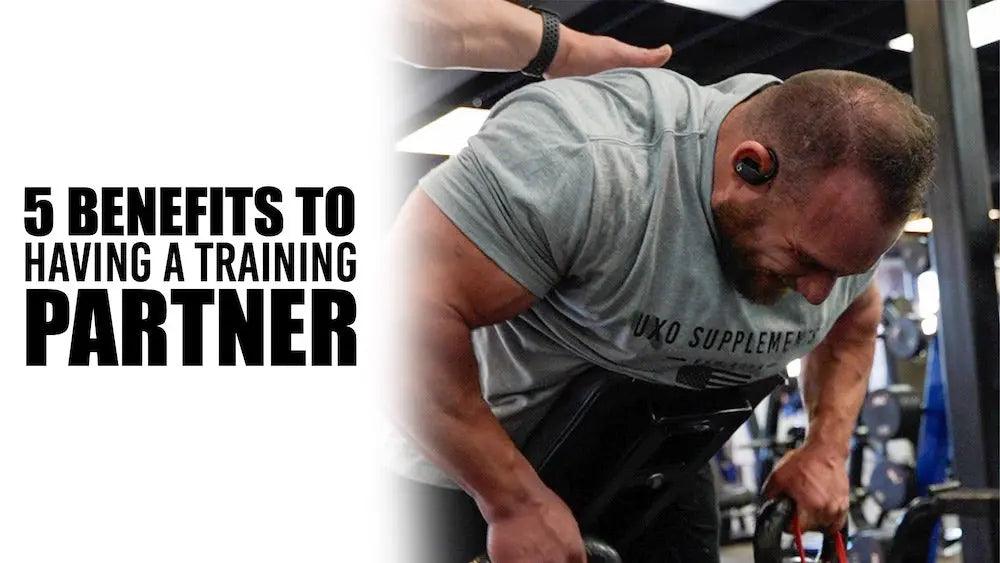
Training Partner Benefits: 5 Reasons to Stop Lifting Alone
By Jon Klipstein, U.S. Army Combat Veteran & Founder of Die Tryin Co.
TRAINING ALONE BUILT ME. THE RIGHT PARTNER BUILT ME FASTER.
Listen up. I find working out solo has its benefits. It clears my head. As the endorphins release, ideation starts to slip in, the creative juices unlock, and new energy starts to flow. Some of the best thinking I've ever done happened between sets with headphones in and nobody talking to me.
But when I train with a gym partner (the right gym partner), something else happens. We encourage each other. We push each other harder. The bar moves on days it has no business moving.
Here's the truth: a training partner is not a social accessory. It's a performance variable. Researchers have actually measured what happens to a lifter's output when somebody else is standing there, and the numbers are not small.
Here are 5 benefits to training with a buddy, and what each one is actually worth on the floor.
| BENEFIT | WHAT IT ACTUALLY BUYS YOU | GO DEEPER |
|---|---|---|
| 1. Competition | More weight on the bar at the same bodyweight, on the same program | Progressive Overload |
| 2. It's more fun | Sessions you actually show up for, week after week | Weak Habits Create Weak Men |
| 3. New eyes on your form | Technique errors caught before they turn into a layoff | 5 Workout Mistakes |
| 4. Assisted reps | Access to the last few reps you will never touch alone | Training to Failure |
| 5. Distraction removed | Shorter rest periods, tighter sessions, phone stays in the bag | 7 Tips to Stay Focused |
1. COMPETITION DRIVES REAL OUTPUT
Having the right individual as your training partner helps you push new limits. Healthy competition. Try to outperform each other. Bottom line, competition drives results.
That is not just a gym-floor opinion. A study in the Journal of Strength and Conditioning Research put 32 recreationally trained lifters through a 1RM bench press under three conditions: a baseline lift with no competition and no crowd, a head-to-head competitive lift, and a lift performed in front of an audience. Rhea et al. (2003) reported the highest averages in front of an audience (105 kg) and in competition (103 kg), against 93 kg in the baseline condition.
Same lifters. Same bar. Roughly 10 to 12 kg of difference that came from nothing but who was standing there watching. That is a free variable most people never use.
2. YOU WILL HAVE MORE FUN
Crushing the workout is obviously the top priority. One way you crush a workout is by making it engaging. Switching things up keeps the mind fresh, and a fresh mind trains harder than a bored one.
Boring programs don't fail because the science is wrong. They fail because you stop running them. Consistency beats intensity, and a partner waiting on you at 5 a.m. is one of the cheapest consistency tools there is. If your sessions have gone stale, that's usually the real problem, not the split. Most people who never see results in the gym aren't undertrained. They're inconsistent.
3. NEW IDEAS AND A SECOND SET OF EYES
Having another set of eyes on your form is always a huge plus. I've been lifting for over a decade. That doesn't mean I know everything.
You can't see your own back angle. You can't see your knee caving on rep eight. You feel a set from the inside, and the inside is a terrible camera. A partner who knows what they're looking at will catch a breakdown two sessions before it turns into a tweak that costs you a month.
In this lifestyle you have to stay open to new perspectives and new ways of thinking. Just like in life, that's how you grow and get better. Some of the best cues I use today came from somebody else calling out a thing I'd been doing wrong for years. Cross-check your technique against the most common workout mistakes and have your partner watch for them.
4. ASSISTED REPS LET YOU PUSH THE ENVELOPE
Having a spotter there means you can really push the envelope, whether that's adding weight or taking a set closer to true failure. You stop leaving reps on the table because you're worried about getting pinned under the bar.
The spotter-presence research backs this hard. In a deception study published in the Journal of Strength and Conditioning Research, 12 trained lifters ran three sets to failure at 60% of 1RM twice: once with spotters clearly visible, once with the spotters hidden from view. Sheridan et al. (2019) found that with spotters visible, lifters completed 4.5 more total reps and moved 209.6 kg more total weight. Rated exertion went down. Self-efficacy went up.
More total work at the same load, from the same body, on the same day. The only thing that changed was whether somebody was standing behind the bench. Use it like a tool, not a standard. Training to failure has a time and a place, and forced reps on every set is how you dig a recovery hole you can't climb out of.
5. DISTRACTION GETS REMOVED
Working with a partner generally means you're alternating sets and spotting. Somebody is always either working or watching. That keeps the focus on the session and doesn't leave room for outside distractions to take over.
Rest periods stop being 4 minutes of scrolling and start being the 90 seconds they were supposed to be. Sessions get shorter and denser. If your phone is the reason your last training block stalled, a partner fixes that faster than any app. There's more on that in 7 tips to keep focused in the gym.
HOW TO PICK THE RIGHT PARTNER
Every benefit above depends on one word: right. The wrong partner turns your session into a 90-minute conversation with some lifting in it. Look for these:
- A schedule that actually matches yours. The best partner in the world is useless if they train at 6 p.m. and you train at 5 a.m.
- Close strength, not identical strength. Near enough to share plates and chase each other. Far enough apart that one of you is always reaching.
- The same split. If you're running push/pull/legs and they're on upper/lower, half your sessions won't line up. Agree on one split before you agree to train together.
- Honesty over comfort. You want somebody who tells you the rep was garbage, not somebody who counts it.
- They show up. Non-negotiable. Discipline beats motivation, and a partner who flakes is teaching you the wrong habit twice a week.
And know when to go it alone. Deload weeks, technique work, and the days you need your head clear are solo days. I still take them, and I'd tell anybody to keep taking them.
FREQUENTLY ASKED QUESTIONS
Do I need a training partner to build muscle?
No. Plenty of serious lifters train alone their entire career and do fine. A partner is a force multiplier on top of a program that already works, not a replacement for one. Get the basics right first, then add the partner.
What if my partner is a lot stronger or weaker than me?
A moderate gap is a good thing. It gives you something to chase and gives them something to defend. A huge gap gets annoying fast because you're stripping and reloading the bar every set. If the plate math is eating the session, run separate bars and just spot each other.
Is training alone bad?
Not at all. Solo training clears your head and builds self-reliance, and there's a real mental edge in learning to grind with nobody watching. Most people get the best of both by running the majority of sessions with a partner and keeping a couple solo.
How do I find a training partner?
Start with the people already in your gym at your time slot. Same hour, same days, similar build, similar seriousness. Ask to work in on a set. If the fit is right after two or three sessions, propose a trial week.
Should we run the exact same program?
Run the same structure, not the same numbers. Same training days, same movement order, weights set to each person's own level. That keeps the session flowing while both of you train at the right intensity.
Do assisted reps actually add anything?
They let you extend a set past the point you'd stop on your own, which adds total work. Worth being precise about the research though: the spotter study above measured unassisted reps to failure, so that gain came from a spotter being present, not from the assistance itself. Save forced reps for the last set of a movement, not every set, and keep the assistance minimal (just enough to keep the bar moving).
READY TO GEAR UP?
Partner sessions run harder and longer than solo sessions. Fuel them like it:
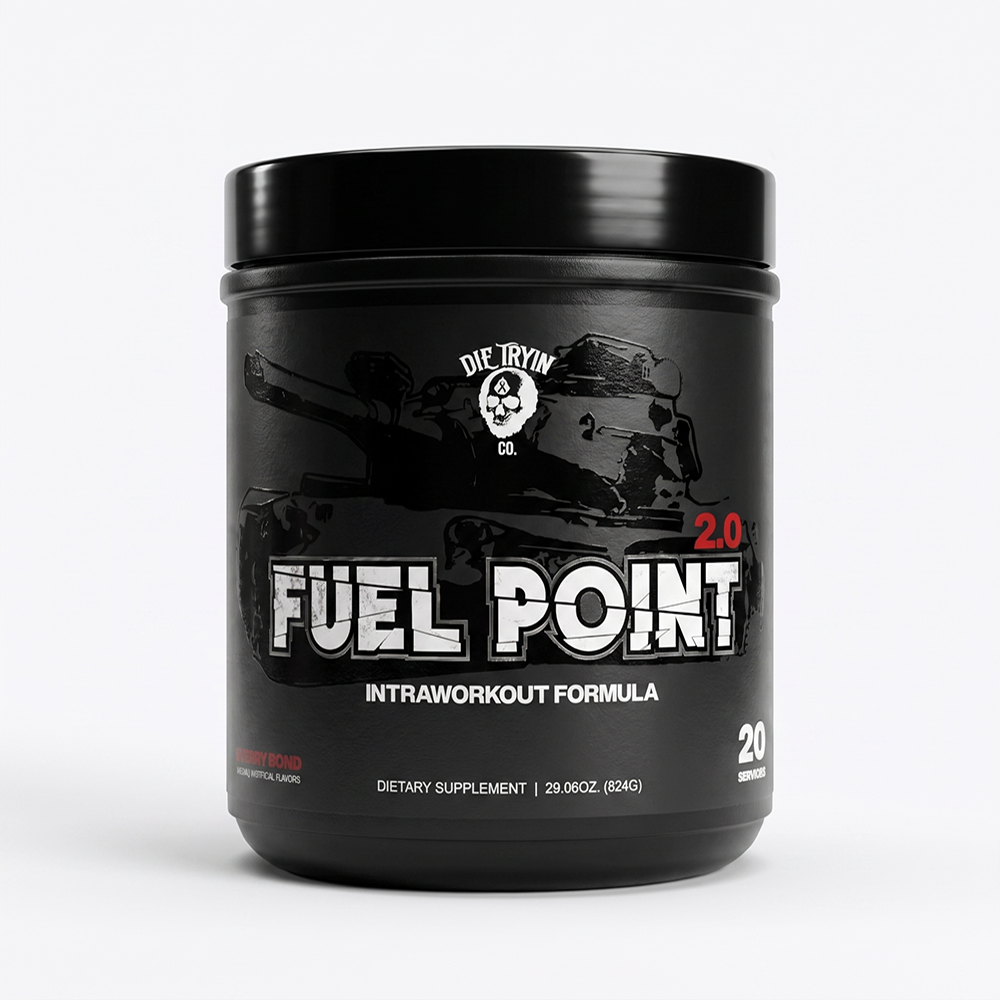
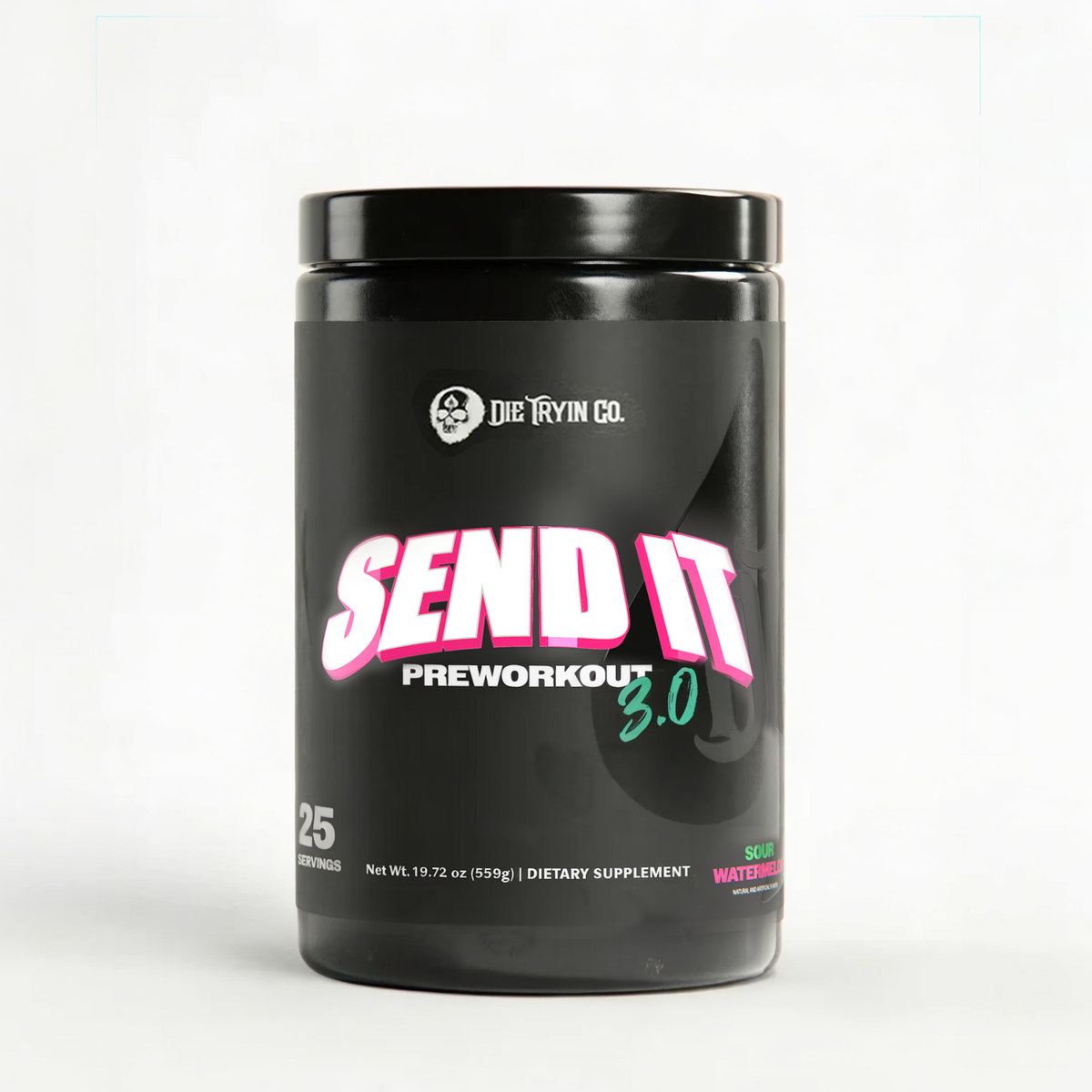
- The daily driver: SEND IT 3.0 for the 4 to 6 sessions a week you and your partner are actually running.
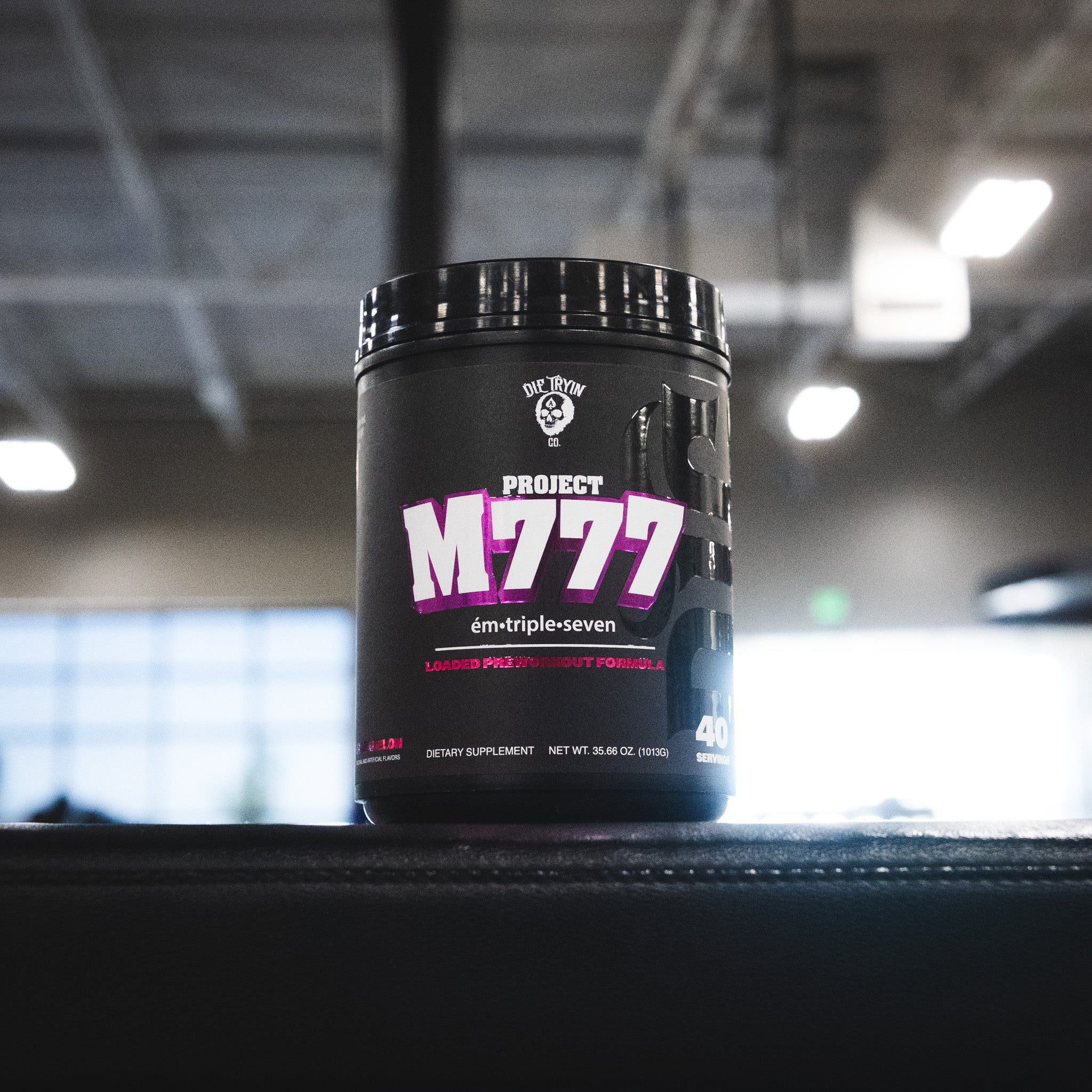
- PR day: Project M777 for the hardest sessions, when there's a spotter behind the bench and a number you're chasing.
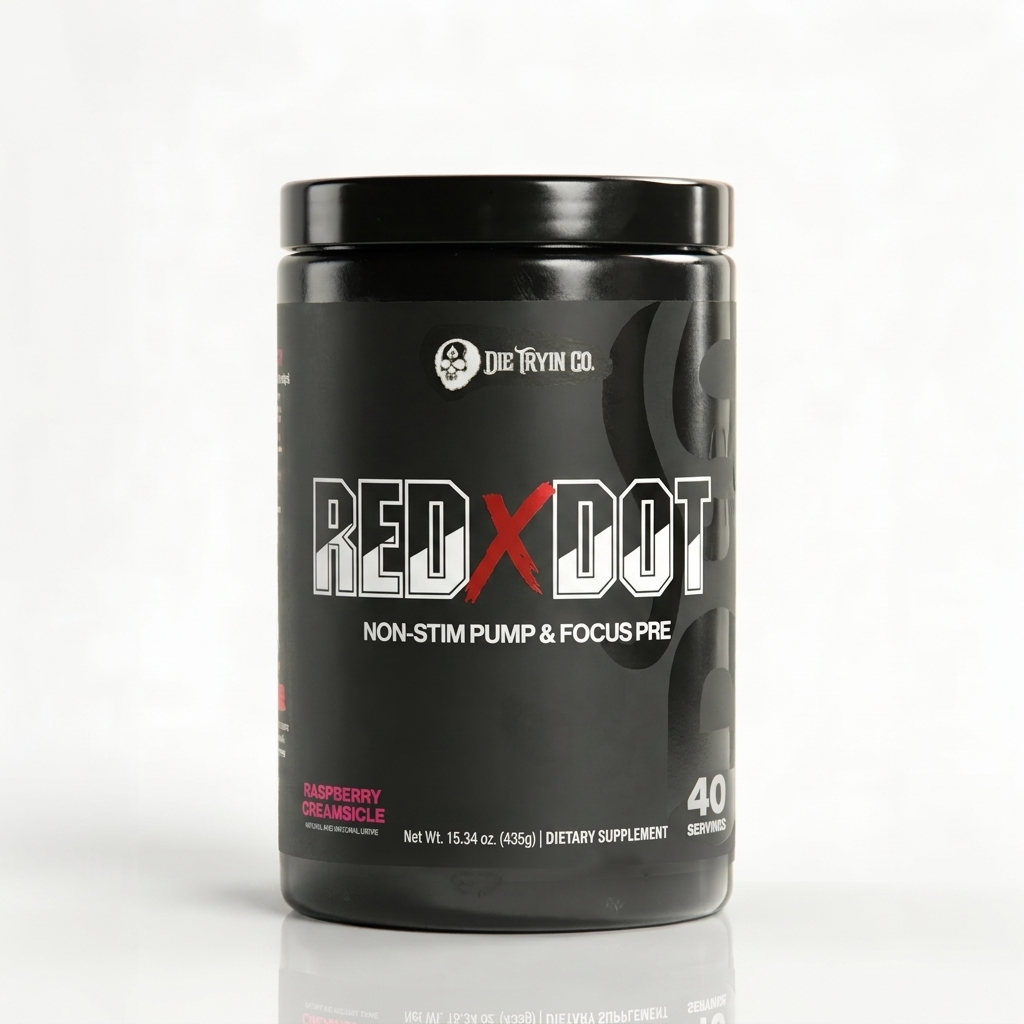
- Evening or second sessions: Red Dot, fully stim-free, for when your partner's only open slot is 8 p.m.
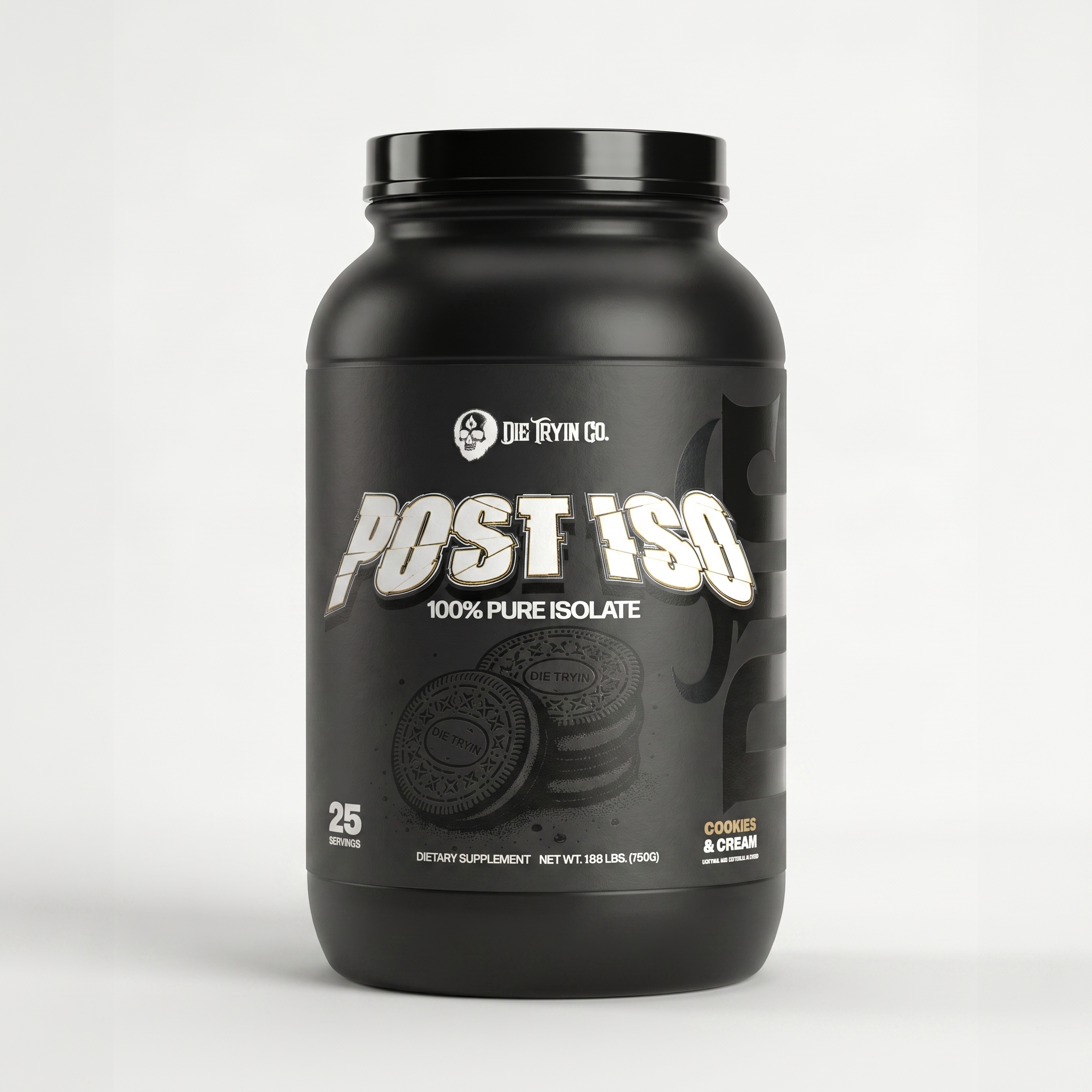
- After the session: Post Iso, 24g of whey isolate per serving.
- Not sure where to start? Take the product quiz, or read the complete guide to pre-workout before you buy anything.
Discipline beats motivation. But a partner standing in the parking lot at 5 a.m. makes discipline a whole lot easier to find. Pick the right one. Then go earn it together.
ALWAYS FORWARD.
GEAR THAT FITS THIS POST
The products this article actually talks about. Real doses, disclosed labels, veteran owned.

Read more
Muscle grows when demand grows, everything else is detail. The load-vs-reps research, the double progression method, and how to escape a plateau without wrecking recovery.
Nobody becomes weak overnight — it happens through small habits repeated daily. The weak vs. strong habit framework, plus the 8 non-negotiables that build men who hold up under pressure.
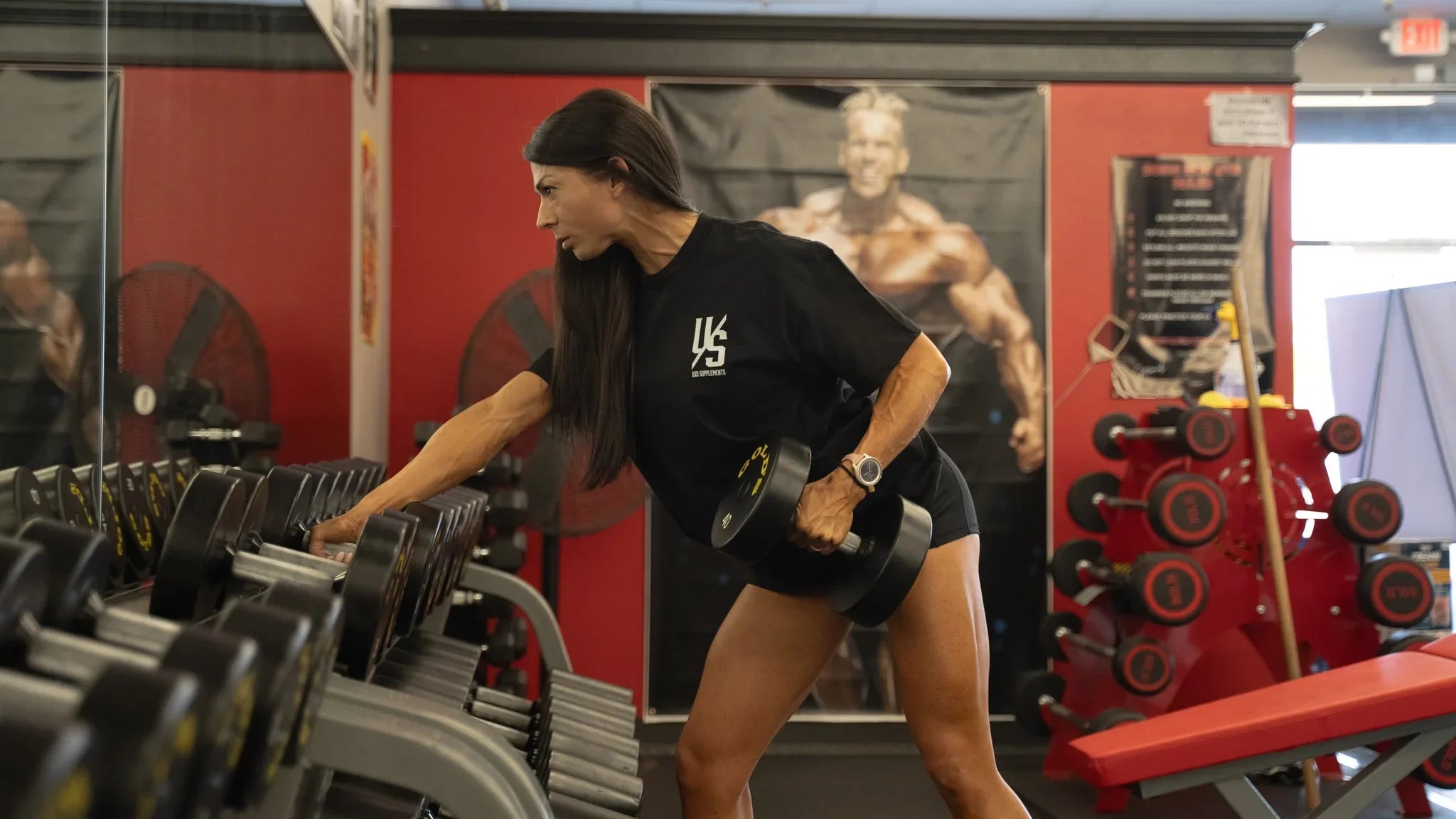
Most plateaus aren't a programming problem — they're execution. The 5 most common workout mistakes (poor form, overtraining, lack of variety, no warm-up, bad nutrition) and the practical fixes.
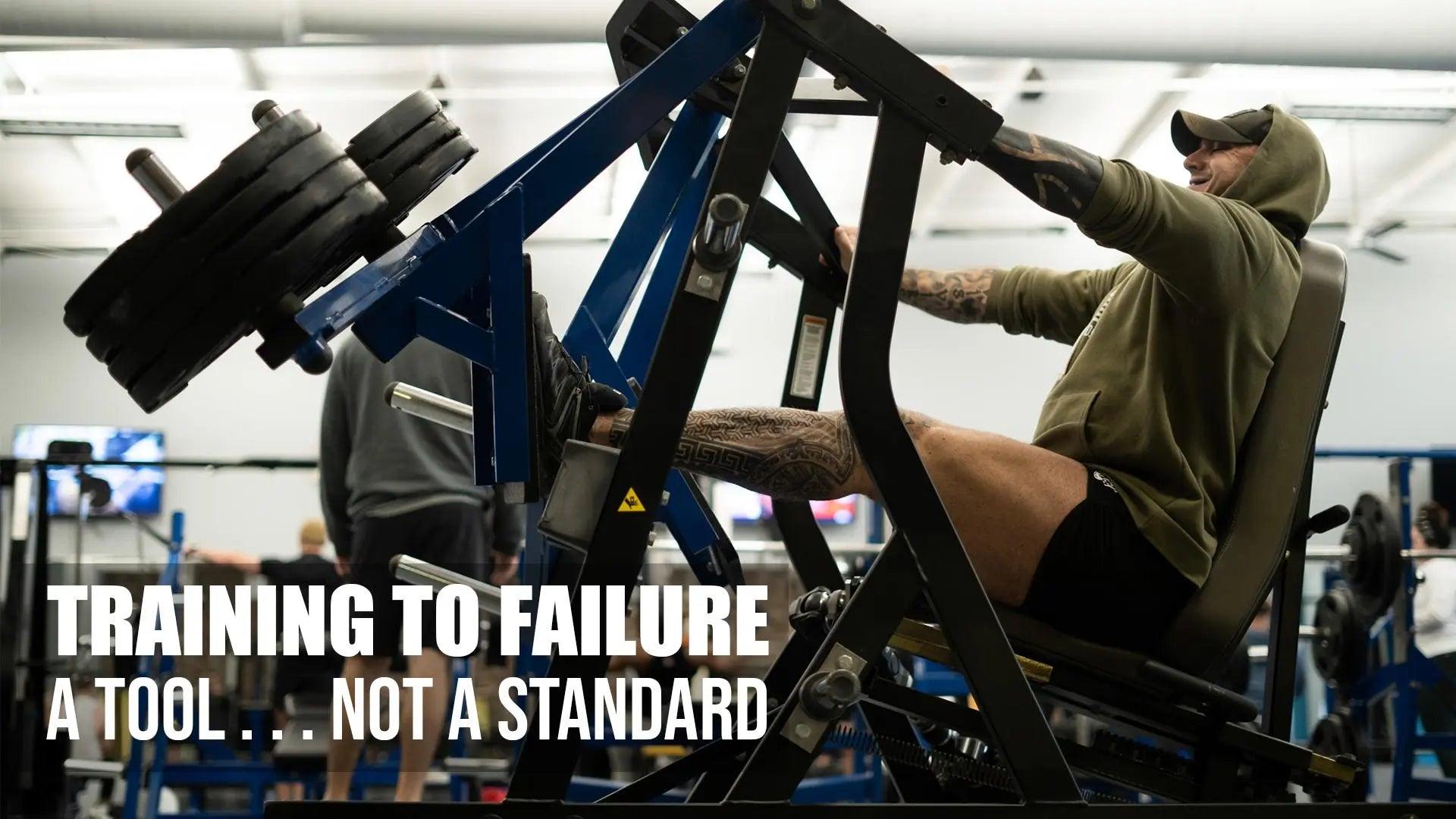
Training to failure is a tool, not a default. Here is what the research actually says for size and for strength, what the fatigue costs you, and the exact spots where taking a set to the wall earns...
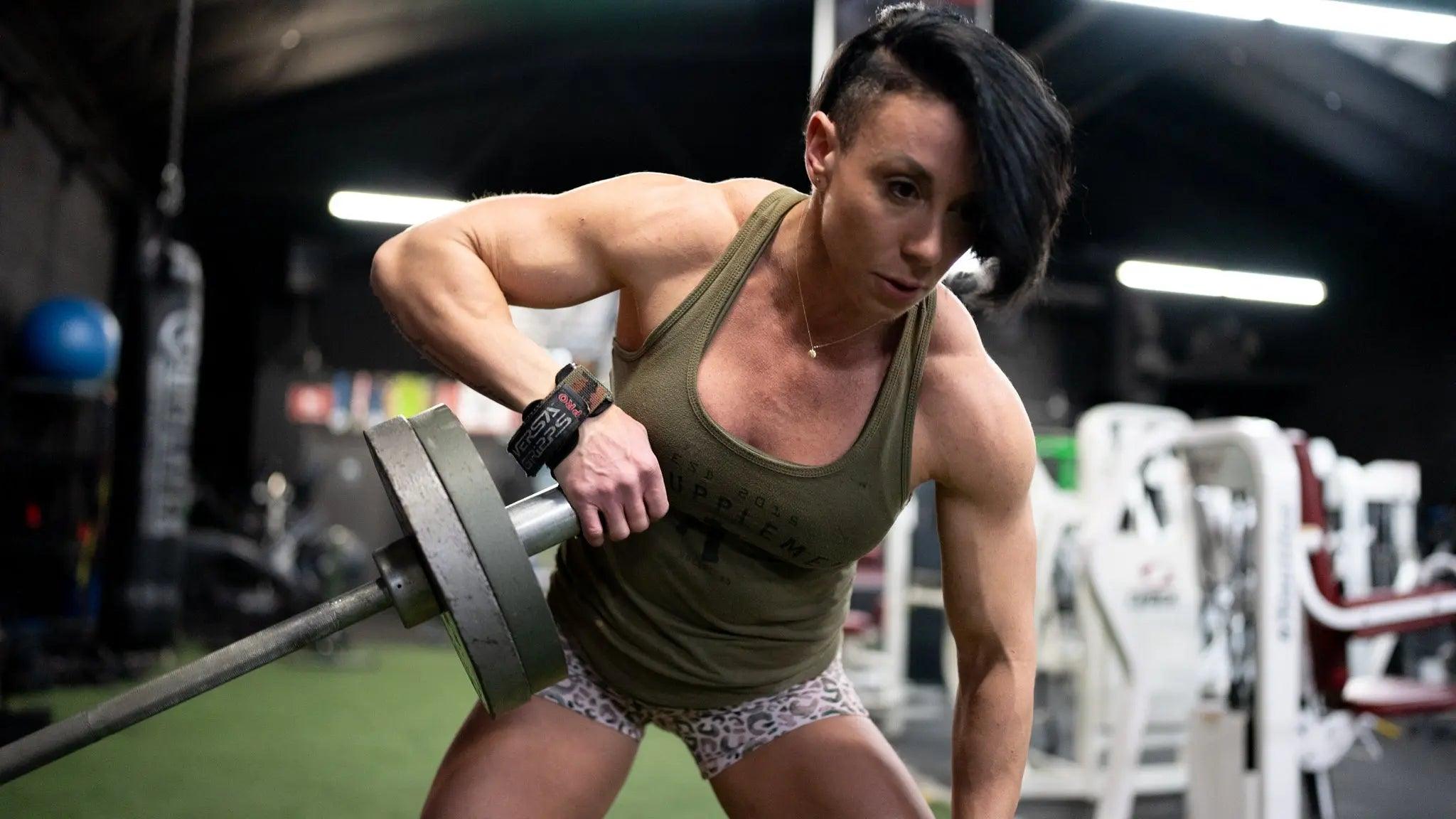
Focus is a system you build, not a mood you wait for. Seven tactics that hold up through a real session.
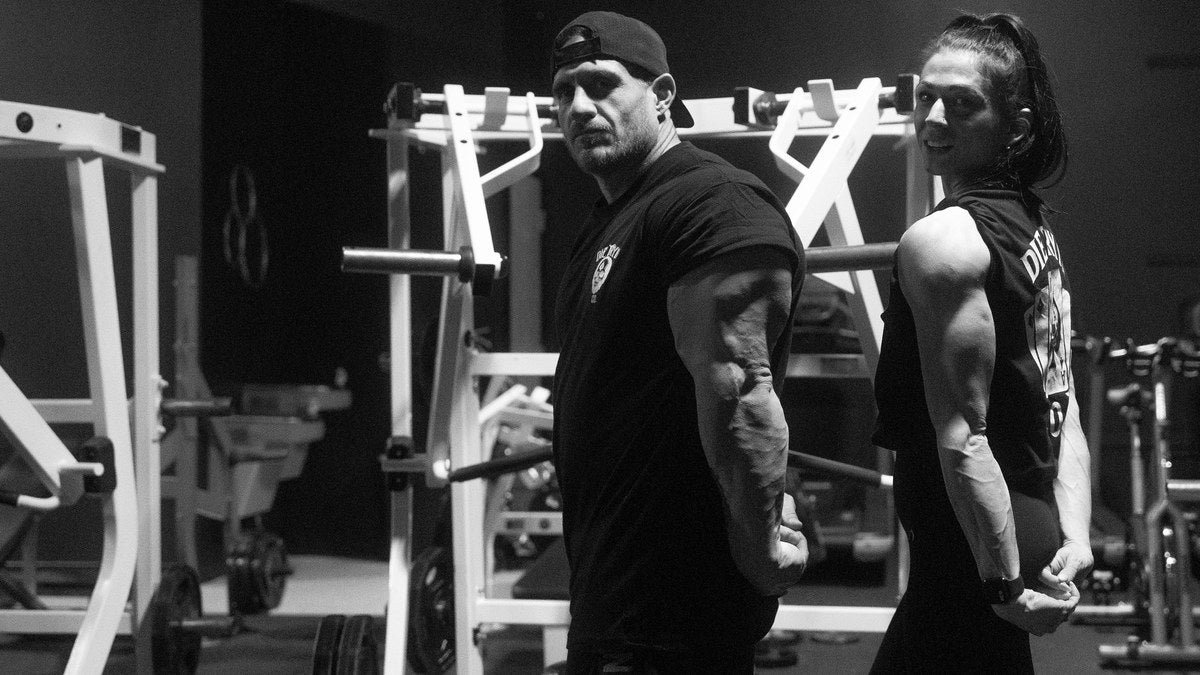
The reason most lifters never see results isn't a bad program or weak motivation. It's inconsistency. Here's what actually builds physiques — and why the basics work.