




Progressive Overload: The Only Rule That Matters
By Jon Klipstein, U.S. Army Combat Veteran & Founder of Die Tryin Co., and Garrett Ussery, NASM-CPT & 2025 Idaho Cup Overall Champion
THE ONLY RULE THAT NEVER CHANGES
Listen up. Programs change, splits change, influencers change. The reason muscle grows has not changed since humans started picking up heavy things: the body adapts to demands, and it only keeps adapting if the demand keeps rising. That is progressive overload, and every successful training program in history is just a delivery system for it.
Most people spin their wheels for months doing the same weights for the same reps, then blame the program. The program was fine. The overload was missing. This guide covers what progressive overload actually is, what the research says about the best way to progress, and the practical system that makes it automatic.
WHAT PROGRESSIVE OVERLOAD MEANS
Progressive overload is the gradual increase of stress placed on the body during training. In simple terms: you have to challenge your muscles more over time to force them to adapt. Lift heavier, perform more reps, add more sets, or make each rep harder. Muscle grows primarily through mechanical tension, the force a muscle produces under load, and progressive overload is how tension keeps climbing. Without rising demand, there is no new signal, and your body files your workout under maintenance.
The catch is that adaptation is exactly why yesterday's hard workout becomes today's easy one. The set of 10 at 135 that built muscle in March is a warm-up by June. Overload is not a phase of training you graduate from, it is the permanent job description.
LOAD OR REPS? THE RESEARCH SAYS: YES
The classic version of overload is adding weight to the bar. But an 8-week randomized trial in resistance-trained lifters compared exactly this, one group progressing load at constant reps, one group progressing reps at constant load, and found both groups gained muscle and strength with differences of questionable practical significance (Plotkin et al., 2022). Strength slightly favored the load group, which makes sense, strength is specific, but hypertrophy did not care which lever was pulled.
That is liberating. It means the barbell does not have to go up every session for progress to be real, more clean reps at the same weight is progress too. Volume itself follows the same logic: a dose-response meta-analysis found more weekly hard sets produced more muscle growth, with roughly 10+ sets per muscle per week outperforming lower volumes (Schoenfeld et al., 2017). Load, reps, and sets are all valid currencies. You just have to keep paying in one of them.
DOUBLE PROGRESSION: THE SYSTEM THAT RUNS ITSELF
Here is the method that turns the research into autopilot. Pick a rep range for each exercise, say 8 to 12. Keep the weight fixed and add reps session to session until you hit the top of the range on every set. Then add the smallest jump available, usually 5 lb, which drops you back near the bottom of the range, and climb again.
Double progression works because it never asks for a leap of faith. Each session's target is one or two reps better than last time, the weight only rises after the reps prove you have earned it, and form has time to stay honest at every load. It is boring, it is slow, and it out-builds every clever program that skips the part where you write things down.
FIVE WAYS TO PROGRESS, RANKED
1. Add reps, then load, the double progression above, your default on almost everything. 2. Add load directly, best on big compound lifts early in training when weekly jumps still stick. 3. Add sets, when reps and load both stall, a set per muscle per week is a real dose increase, within the recoverable range. 4. Improve execution, slower eccentrics, deeper range, less momentum, the same weight becomes a harder stimulus. 5. Reduce rest, cautiously, useful for conditioning-flavored goals, but it trades load quality for density, so keep it off your main lifts.
WHAT OVERLOAD LOOKS LIKE ACROSS A TRAINING CAREER
Year one is the golden era: the nervous system learns the lifts so fast that adding weight weekly is normal, and a beginner who just shows up and adds 5 lb to the bar is running a world-class program by accident. Years two and three, the weekly jumps die and rep progression takes over, this is where double progression stops being optional. Past that, progress hides in smaller places: a rep here, a cleaner rep there, a set added to a lagging muscle, a technique fix that makes 315 feel the way 295 used to. The principle never changes, but the unit of progress shrinks from plates to breadcrumbs, and lifters who cannot celebrate breadcrumbs quit right before the physique shows up.
RECOVERY: THE OTHER HALF OF THE EQUATION
Overload is a demand, and demands get paid out of recovery. You cannot progressively overload on six hours of sleep and a protein intake you never measured, the body simply refuses the invoice. The boring checklist that keeps progression alive: seven to nine hours of sleep, 0.73 to 1g of protein per pound of body weight (on a cut, 1.0 to 1.4g per pound of lean mass instead), and calories that match the goal, surplus to build, slight deficit to lean out. When those are handled, the log book moves. When they are not, no programming trick on this page will save you.
TRACK IT OR IT DIDN'T HAPPEN
If you are not logging weights and reps, you are guessing, and guessers regress to the mean. A notebook or a notes app with three numbers per exercise, weight, reps, sets, is the entire technology. Before each session, look at last time's numbers and beat one of them by the smallest possible margin. That single habit is worth more than any supplement in this store, and we sell the supplements.
WHEN THE NUMBERS STOP MOVING
Stalls have exactly three causes, in order of likelihood: recovery debt, missing volume, or a technique ceiling. Start with recovery, if sleep is short and the log has been flat for weeks, our overtraining guide tells you whether you need a deload before you need a new plan. Then audit the plan against the strength plateau playbook. And if the honest answer is that the program is fine and the execution drifted, read the hard truth, because the fix is usually in the mirror, not the spreadsheet. Discipline beats motivation, and the log book is where discipline lives.
FREQUENTLY ASKED QUESTIONS
How fast should I add weight to the bar?
As fast as clean reps allow and no faster. Beginners can often add 5 lb weekly on compound lifts. Past the first year, expect load jumps monthly rather than weekly, with rep progression doing the work in between.
Does progressive overload work for muscle growth or just strength?
Both. Growth follows rising tension and volume, strength follows heavier loads plus skill. The load-vs-reps trial found either progression path builds muscle, so pick the one your joints and your log book like.
Can I progressively overload with bodyweight training?
Yes: more reps, harder variations, slower tempos, added pauses, or a backpack with plates. The principle cares about rising demand, not about what supplies it.
What if I can't beat my last workout?
One flat session is noise, ignore it. Two weeks of flat or falling numbers is data, check sleep, food, and stress first, then take a deload before assuming the program failed.
Do I need to train to failure for overload to count?
No. Most working sets should end one to three reps shy of failure. Failure training spikes fatigue faster than it adds stimulus, which slows the very progression you are chasing.
READY TO GEAR UP?
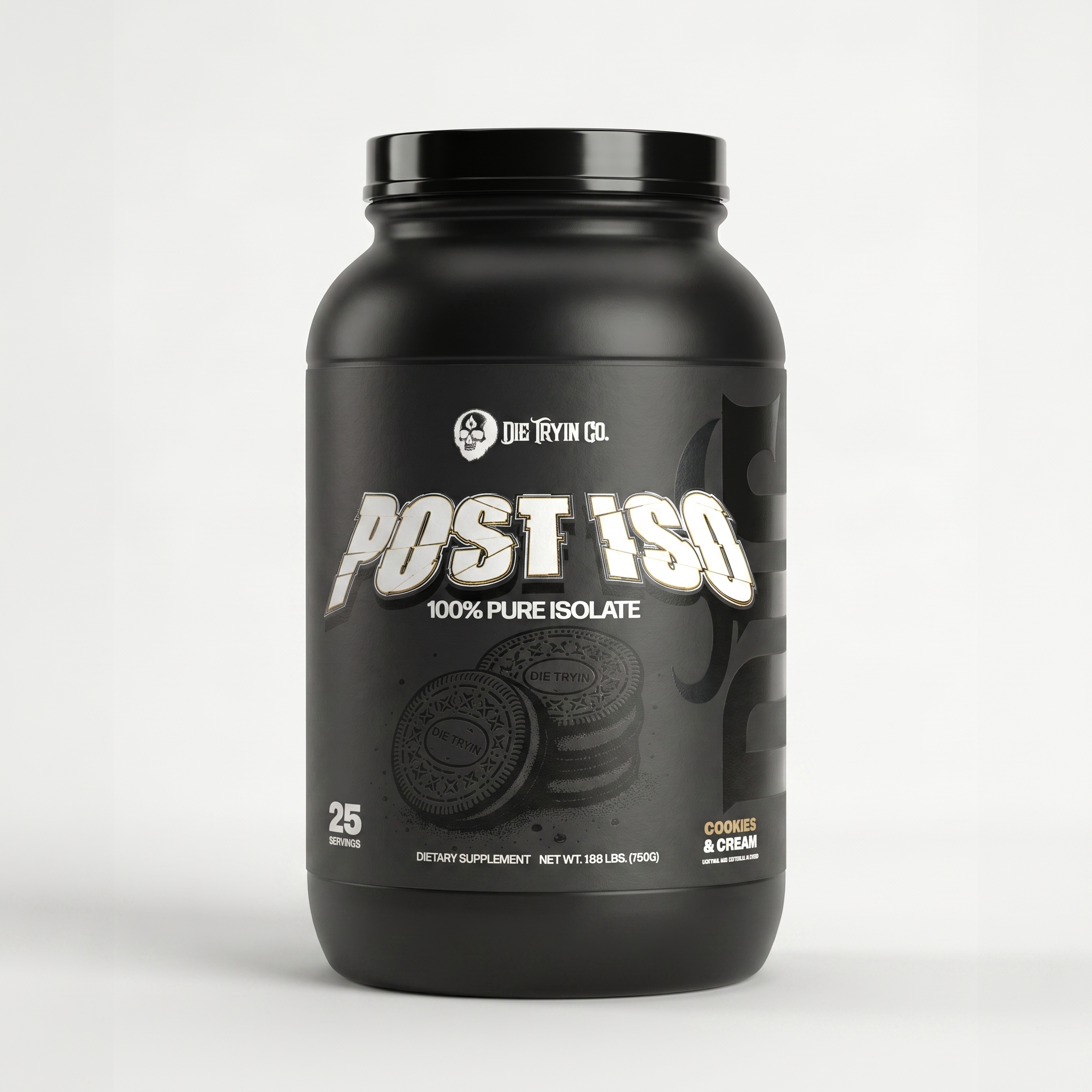
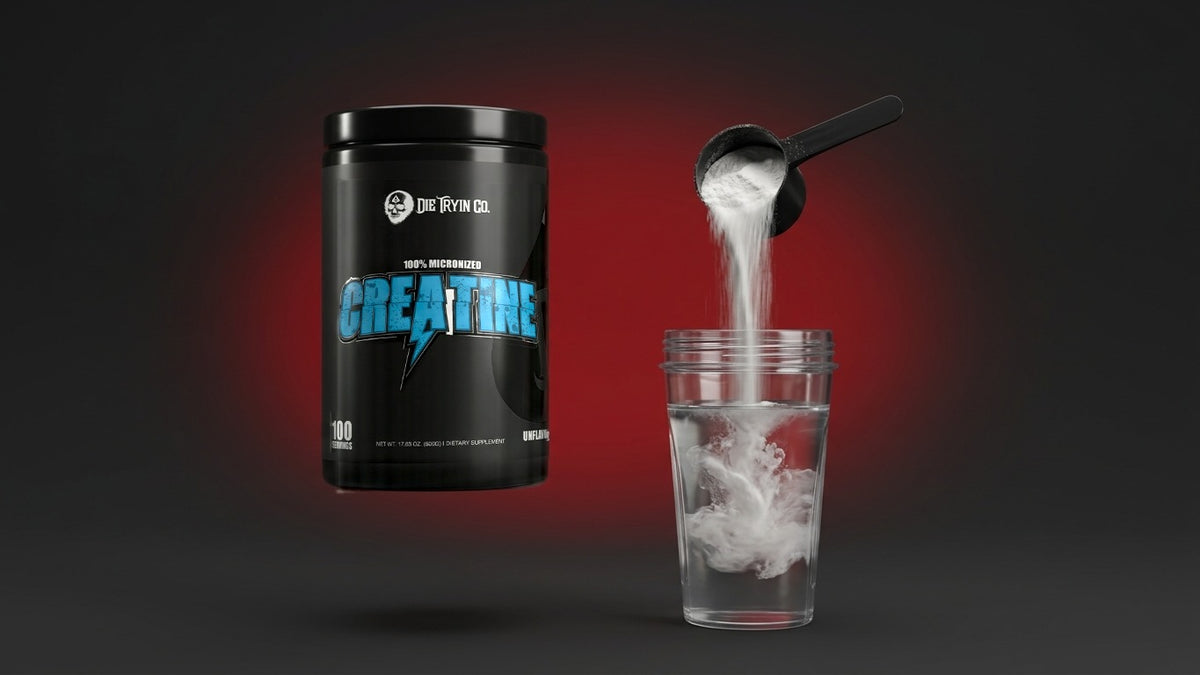
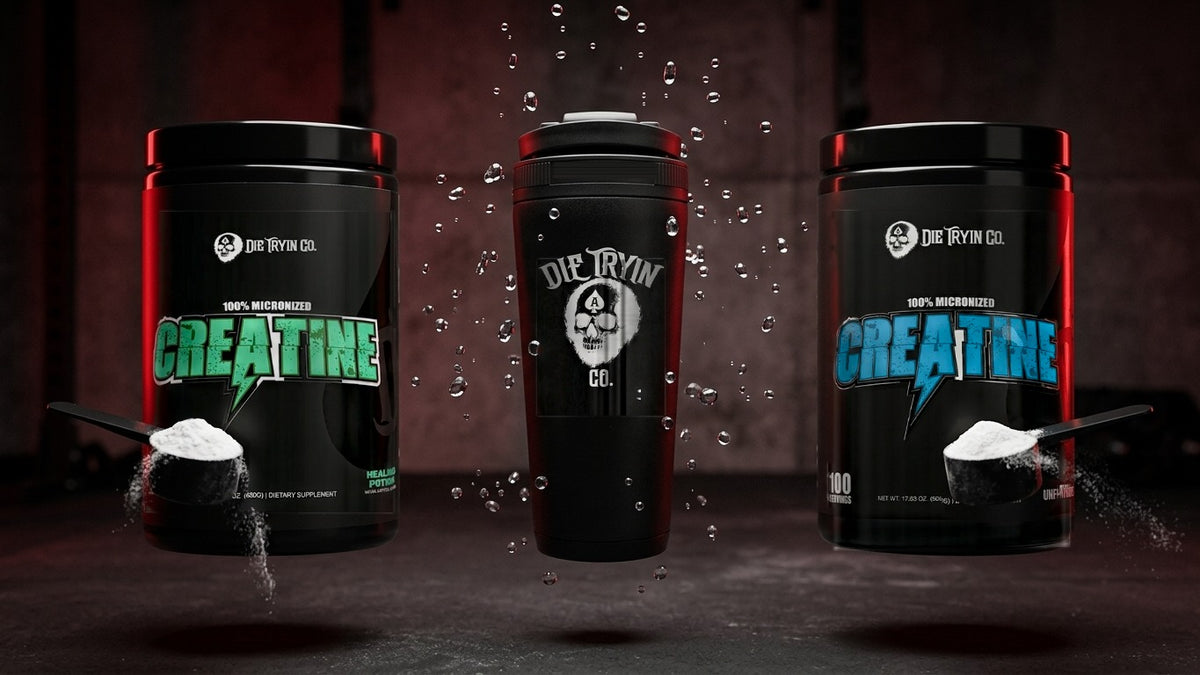
Overload is demand, recovery is supply, and the basics cover the supply side. Creatine Monohydrate daily, the most-studied strength supplement there is, Post Iso to make protein targets easy, and the quiz to match the rest of the stack to your goal. Real doses of real ingredients, then go beat the log book.
ALWAYS FORWARD.
GEAR THAT FITS THIS POST
The products this article actually talks about. Real doses, disclosed labels, veteran owned.

Read more

Most lifters asking if they're overtraining are actually overreaching, and there are two kinds. Here's how to tell which one you're in, and what to do about it.

The plateau is not a mystery, it is a checklist. Five research-backed moves that restart a stalled squat, bench or deadlift, and the lift-specific guides to go deeper.
The Hard Truth About Progress: It’s Probably Not Your Program Every athlete hits a point where progress feels slower than expected. The weights don’t jump as fast.The endurance plateaus.Motivation ...
Your gut lining runs the same creatine energy system as your muscles. Here is what the research shows on stomach upset, IBS, colitis and leaky gut, and exactly where the human evidence stops.

Creatine gummies can work if the creatine is actually in them, and lab tests keep finding it often is not. Here is why a scoop of Creatine Monohydrate powder still wins.
Flavor doesn't change what creatine does; taking it every day is what counts. How to pick flavored or unflavored, what to mix it with, and how long it lasts once mixed.