




5 Strength Tips That Break Plateaus
By Jon Klipstein, U.S. Army Combat Veteran & Founder of Die Tryin Co., and Garrett Ussery, NASM-CPT & 2025 Idaho Cup Overall Champion
THE FRAMEWORK
Listen up. A strength plateau is almost never a mystery and almost always a checklist. Strength is part muscle, part skill, and part recovery math, and when the bar stops moving, one of those three has been neglected for weeks while you blamed the program. Here are the five checks, in the order a coach actually runs them, with the lift-specific playbooks linked where they exist. Run them honestly and most plateaus turn out to be self-inflicted, which is the best possible news, because self-inflicted problems are the only kind you can fix by Friday.
1. GO HEAVY, BECAUSE STRENGTH IS SPECIFIC
The load research is unambiguous on this one point. A meta-analysis of 21 studies comparing light and heavy training taken to failure found muscle growth similar across loads, but one-rep-max strength clearly favored heavy training (Schoenfeld et al., 2017). A later volume-matched meta-analysis sharpened it: even when total work is equalized, the heaviest loading wins for 1RM gains (Carvalho et al., 2022). A 2021 meta-analysis by Refalo and colleagues in the Journal of Sports Sciences confirmed the same split: size grows across the load spectrum, maximal strength demands heavy bars.
Translation: if your training lives at twelve reps and your 1RM is stalled, the missing ingredient is exposure to weights above 80 percent. Two to five reps, multiple sets, on the lift you want to move. Strength is a skill, and skills are practiced at the intensity you want to express them.
2. PRACTICE THE TEST
Maxing is its own skill: bracing under near-limit load, hitting positions when everything is heavy, staying composed through the grind. If you never handle weight near your limit, test day is your first rehearsal, and first rehearsals go badly. Work up to a heavy single at 90-95 percent every few weeks, not to set a record, just to keep the skill warm. Between those days, use rep-max math to steer: our 3 percent rule guide turns any rep max into a working 1RM estimate so every session has a number to beat without the cost of maxing.
3. PERIODIZE LIKE AN ADULT, WHICH MEANS SIMPLY
The plateau-proof structure is embarrassingly plain: three to five weeks of adding small load or reps, one easier week, repeat with slightly heavier starting points. Wave the volume down as intensity climbs within each block. That is periodization, the entire concept, and it beats both random heroism and rigid year-long spreadsheets for a natural lifter with a job. The single most common plateau cause we see is the lifter who has been grinding at nine-and-a-half effort out of ten for three months straight with no easy week. Fatigue hides fitness. The deload does not lose strength, it reveals it. If the word deload makes you itch, reread the load research above: the adaptations were built by the heavy weeks and are merely displayed by the easy one, the same way sleep does not create the day's work, it banks it.
4. ATTACK THE WEAK POINT, NOT THE WHOLE LIFT
Bars stall at specific places for specific reasons: out of the hole on squats, off the chest on bench, at the knee on pulls. Generic more-volume rarely fixes a specific leak. Paused reps at the sticking point, tempo work through it, and close variations that overload it are the surgical tools. The lift-specific breakdowns go deep on exactly this: the squat 1RM plan and the six steps to a bench PR both live on this site, written for the day a lift refuses to move.
5. TREAT REST AND FUEL AS TRAINING VARIABLES
Strength work runs on full tanks. Between heavy sets that means real rest, two to four minutes for the big lifts, and we wrote the complete case in how long to rest between sets. Around training it means the boring pillars: sleep in the seven-to-nine range, eating at least at maintenance during a strength push, and Creatine Monohydrate daily, the single best-evidenced supplement for maximal-effort work. Trying to set 1RM records in a caloric deficit on six hours of sleep is not a plateau, it is arithmetic.
THE PLATEAU AUTOPSY, IN ORDER
When a client's lift stalls, Garrett runs the checks in this exact sequence, because each is cheaper than the next. First, the log: has load or reps actually been asked to increase in the last month, or has the program been maintenance wearing a progression costume? Second, sleep and calories over the same window, because a diet started quietly three weeks ago explains most sudden stalls. Third, specificity: count the weekly sets above 80 percent on the stalled lift, if the answer is zero, there is the answer. Fourth, the video: film the sticking point and compare it to a session from two months ago, technique drift is invisible from inside the set. Only after those four come programming changes, because reprogramming a recovery problem fixes nothing and costs a month finding that out.
A SAMPLE FOUR-WEEK WAVE
Here is the whole method on one lift. Week one: 4 sets of 5 at a weight around 80 percent, leaving two honest reps in the tank. Week two: 4x4, slightly heavier. Week three: 5x3, heavier again, one rep in the tank on the last set. Week four: pull volume in half, keep one heavy triple, sleep. Week five starts the next wave five to ten pounds above the last one, and somewhere in wave three or four you test a heavy single and discover the plateau left without saying goodbye. It is not glamorous. Glamour is why people plateau.
FREQUENTLY ASKED QUESTIONS
How long do strength plateaus normally last?
With a real cause-fix, most break within one or two training blocks, four to eight weeks. A plateau past three months means the checklist above has an unchecked box, usually recovery or specificity.
Should I max out every week?
No. Weekly true maxes accumulate fatigue faster than fitness for most lifters. Heavy singles at 90-95 percent every few weeks keep the skill sharp at a fraction of the cost.
Can I get stronger without getting bigger?
Yes, especially early in a heavy-loading phase: much of strength is neural, skill and coordination. Long term, more muscle raises the ceiling, which is why size phases and strength phases alternate.
Do I need a powerlifting program to get strong?
You need progressive heavy exposure on the lifts you care about, however it is packaged. The five principles here are what every effective strength program is made of underneath the branding.
What supplements actually help strength?
Creatine Monohydrate is the evidence king for maximal efforts. Caffeine acutely helps heavy sessions. Most everything else marketed for strength is either for other goals or for the label. Research over hype, every time.
Why did my lift stall even though my accessories went up?
Accessories transfer imperfectly. A bigger row does not automatically move a bench that is stalling off the chest at a specific angle. Audit the main lift's own heavy exposure first; accessories support the lift, they do not substitute for practicing it.
Does age change any of this?
The principles hold at every age; the dials move. Recovery weeks come more often, jumps in load come smaller, and warm-ups earn more minutes. The load research includes older lifters, and heavy still wins for strength, just with more patience in the programming.
READY TO GEAR UP?
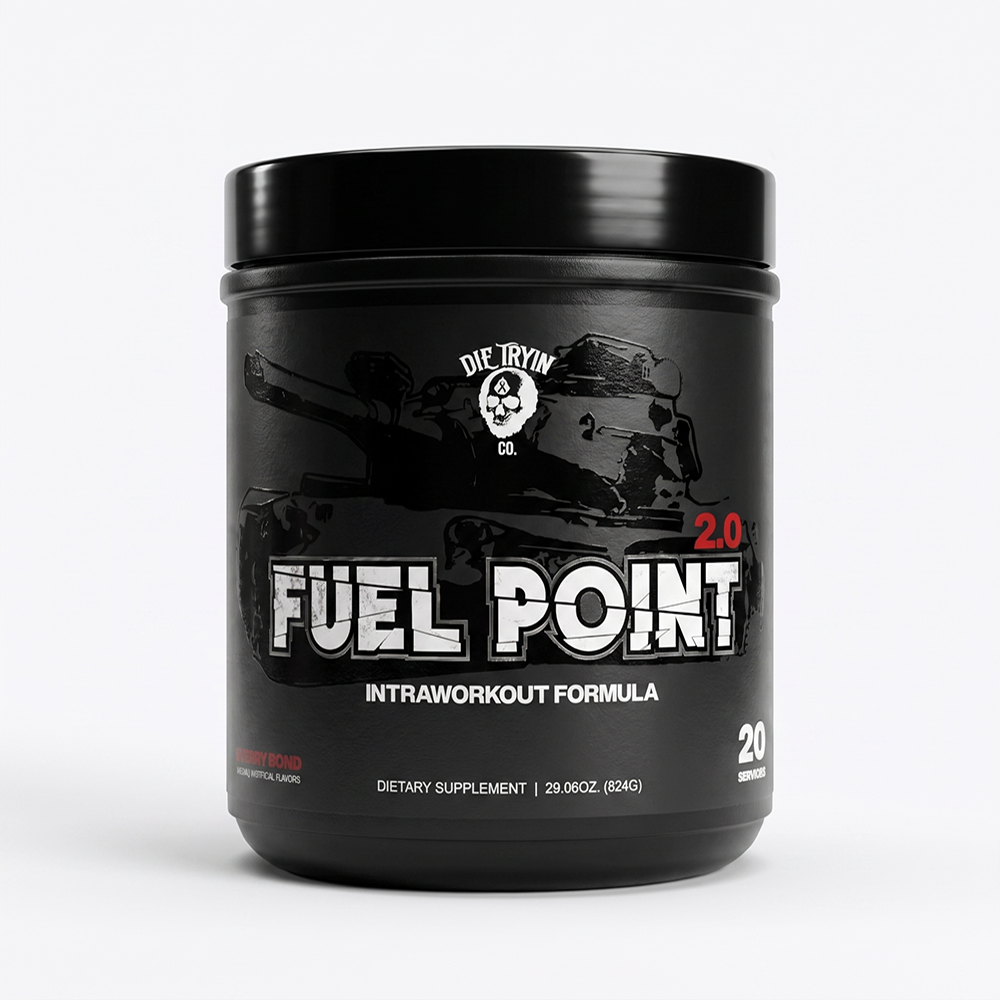
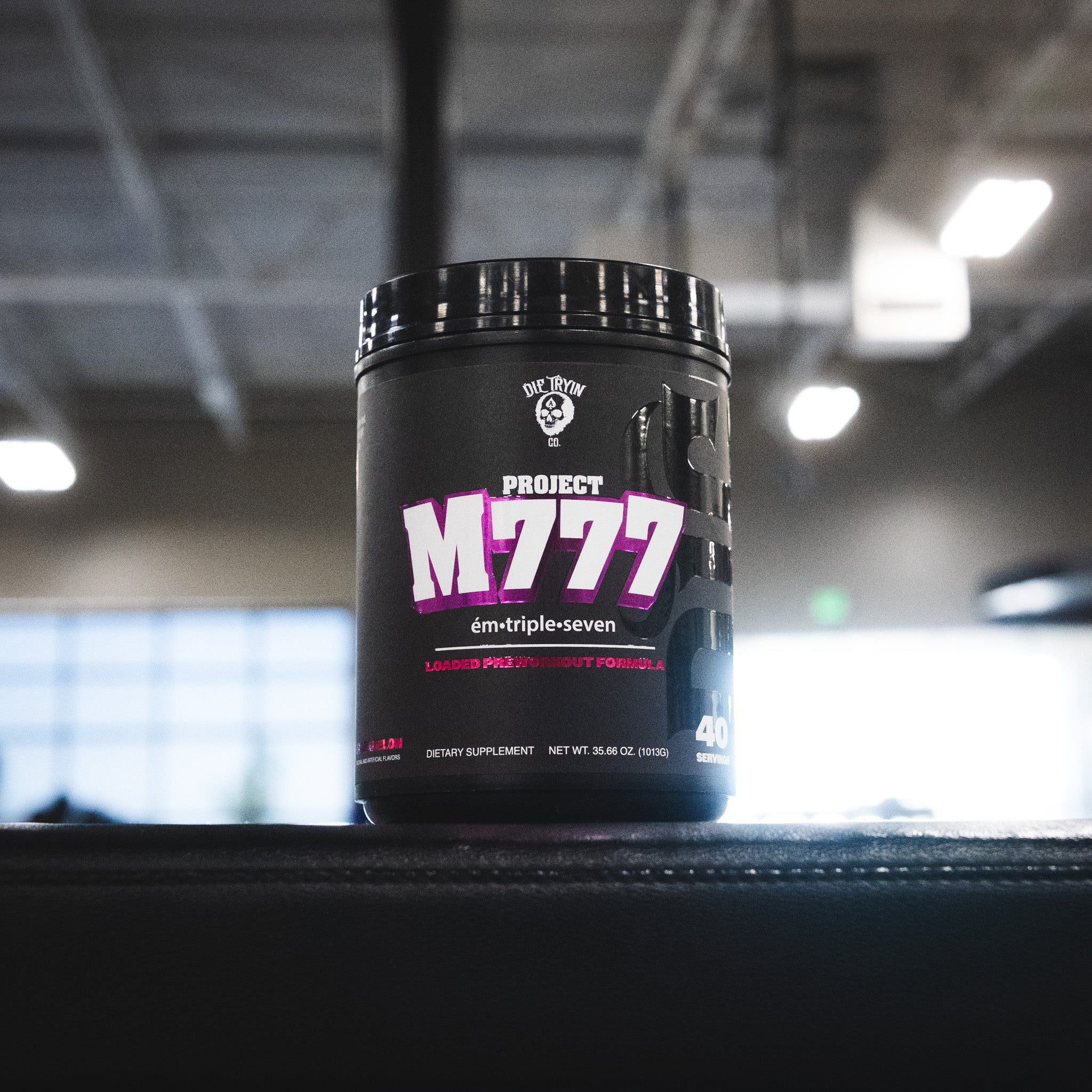
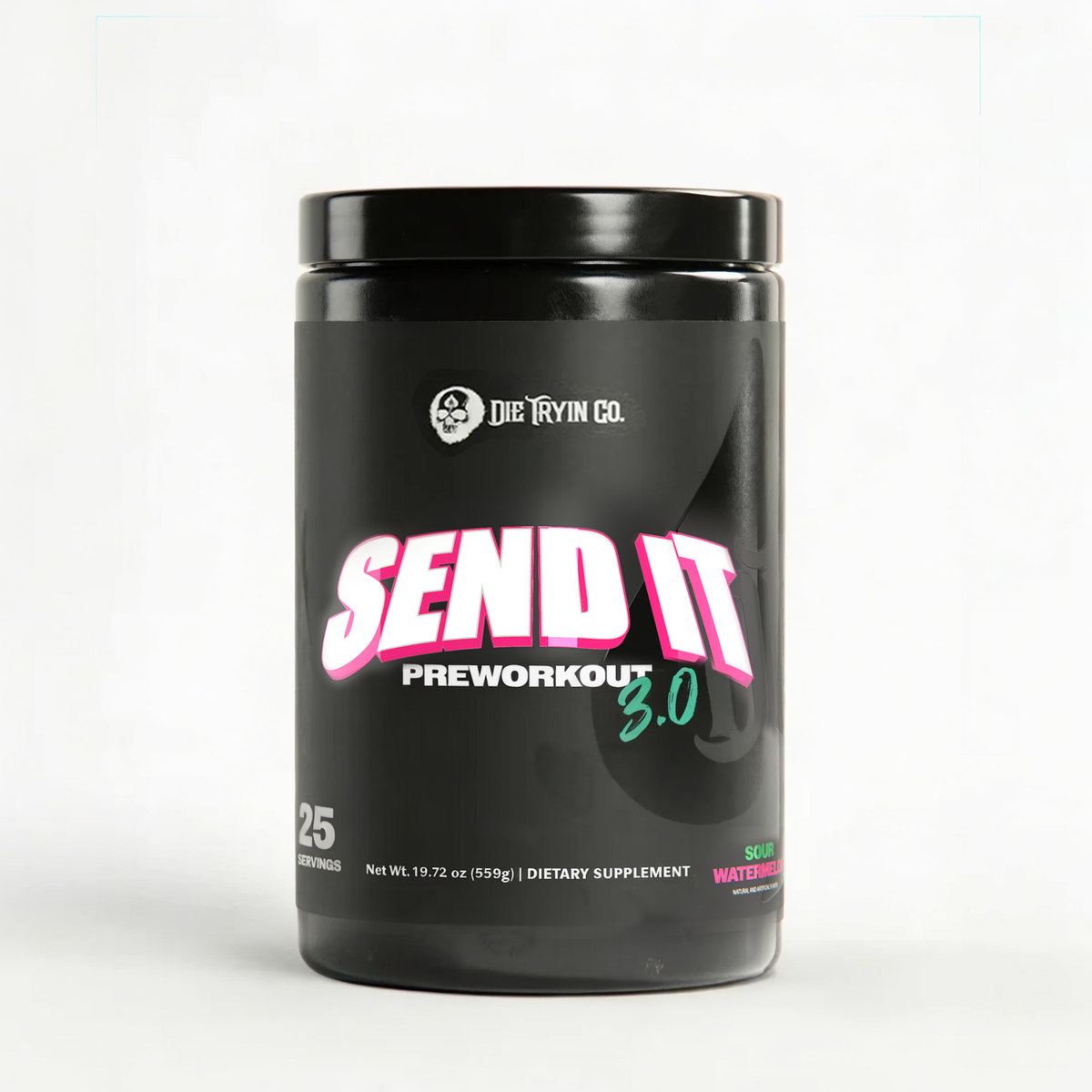
Fuel the heavy days like they matter: Creatine every day, Project M777 when the session is a maximal one, SEND IT 3.0 for everything between. Then go break something: the squat plan or the bench plan is your next read. Not sure what fits? Take the quiz.
ALWAYS FORWARD.
GEAR THAT FITS THIS POST
The products this article actually talks about. Real doses, disclosed labels, veteran owned.


Read more
Intensity is a number, not a feeling. The 3% Rule converts any rep max into a percentage of your 1RM so you can program instead of guess.
Where you fail tells you what to train. The practical guide to adding weight to your squat without wrecking yourself.
6 evidence-based strategies to increase your bench press — progressive overload, technique fixes, accessory work, and the recovery framework that turns training into real PRs.
The 60-second rest rule costs you reps you needed. Here is what the research actually supports.
Your gut lining runs the same creatine energy system as your muscles. Here is what the research shows on stomach upset, IBS, colitis and leaky gut, and exactly where the human evidence stops.

Creatine gummies can work if the creatine is actually in them, and lab tests keep finding it often is not. Here is why a scoop of Creatine Monohydrate powder still wins.