
How to Increase Your Squat 1RM: A Real Strength Plan
By Jon Klipstein, U.S. Army Combat Veteran & Founder of Die Tryin Co., and Chelsea Rodgers, IFBB Pro & Die Tryin Co. Athlete
Science reviewed by Onur Oncer, BS Physiology and peer-reviewed published researcher.
YOUR SQUAT ISN'T STALLED. YOUR PLAN IS.
Most people get this wrong. They walk into the gym, load the bar with whatever they hit last week, grind out five ugly reps, and wonder why the number hasn't moved in six months. That's not training. That's maintenance with extra steps.
A bigger squat is not a mystery. It comes down to six things: adding stress over time, squatting the actual lift you're trying to add weight to, squatting often enough to get good at it, holding position under real load, training the specific link that gives out first, and backing off before your body forces you to.
Here's the truth: the fastest way to add weight to your squat is to find out exactly where the rep breaks down and attack that spot. Everybody fails somewhere. Very few people know where. This is the same diagnostic we run for increasing your bench press 1RM, pointed at the squat. Find your failure point below, then train it.
| WHERE YOU FAIL | WHAT IT MEANS | WHAT TO TRAIN |
|---|---|---|
| Stuck in the hole (bottom position) | Weak starting strength out of full depth, or you're collapsing instead of staying tight | Paused squats (2-count), pin squats at your sticking depth, front squats |
| Fail mid-range (halfway up) | Quads and glutes can start the rep but can't finish it under load | Heavy singles and doubles, Bulgarian split squats, walking lunges |
| Back rounds (the "good morning" squat) | Upper back and bracing give out before your legs do | Front squats, barbell rows, heavy carries, dedicated bracing practice |
| Knees cave in | Glutes and hip external rotators aren't holding the knee tracking | Tempo squats at lighter load, hip thrusts, banded warmup sets |
| Grinding every rep | You're under-recovered, not under-strong | Programmed deload, sleep audit, protein and calorie check |
PROGRESSIVE OVERLOAD IS THE WHOLE GAME
Strength is an adaptation to stress. No new stress, no new strength. That's it. Most lifters interpret "overload" as "add five pounds every session," then quit when that stops working at week four. Overload has more levers than weight on the bar. You can add a rep at the same load. Add a set. Slow the descent. Cut rest between sets. Take a rep further from failure this week and closer next week. All of it counts as more stress than last time.
The mechanism underneath it is not complicated. Research on muscle growth points to mechanical tension, metabolic stress, and muscle damage as the pathways training works through (Schoenfeld, 2010). Heavy squats deliver tension better than almost anything else in the building. Use them. Pick one lever, run it for four to six weeks, and log every session, because if the number isn't moving on paper it isn't moving in real life.
SPECIFICITY: YOU GET GOOD AT WHAT YOU DO
If you want a bigger squat, you have to squat. Leg press, hack squat, and belt squat all build tissue, and tissue matters. None of them teach your nervous system to hold 405 on your back and stand up with it.
The barbell back squat with a full range of motion is the movement you're trying to improve, so it needs to be the movement you practice most. Everything else is a supporting cast that fixes your specific weak point. Not a substitute for the main lift.
Close variations are your friend. Front squats, paused squats, and pin squats keep the pattern intact while hammering a specific position. Our breakdown on bench squats and depth control is worth reading if you're not confident hitting the same depth every rep.
FREQUENCY: TWO TO THREE TIMES A WEEK BEATS ONE
Squatting once a week and going to war every time is the slowest way to progress. You get one exposure to the pattern, you're wrecked for four days, and half your training week is spent recovering from a session that mostly built fatigue.
Spread the work. Two to three squat exposures a week, with only one of them genuinely heavy, gives you more practice reps at good technique and better recovery between hard efforts. Day one heavy, day two moderate volume, day three light and technical.
Build the rest of your lower-body work around those exposures instead of stacking a random leg day on top of them. Accessories serve the squat. They don't compete with it.
TECHNIQUE UNDER LOAD IS A STRENGTH SKILL
Technique that holds at 60% and falls apart at 90% is not technique. It's a warmup habit. Three things to lock down before your heaviest set: brace hard against your belt or your midsection before you unrack, not after; drive your upper back into the bar so it can't slide; and keep the bar stacked over midfoot the whole way down and up. Lose any of those and the weight wins.
Film your top set from the side, every heavy session. You will see things you cannot feel. If your knees are drifting in or your hips are shooting up out of the hole, read our 5 tips to avoid injury while squatting before you add another plate.
ACCESSORIES THAT FIX YOUR WEAK POINT, NOT SOMEBODY ELSE'S
Accessory selection isn't a menu you pick from because the exercises look cool. Go back to the table. Pick the row that matches your failure point and run those movements for a training block.
Two to four accessories after your main squat work is plenty. Three sets each, taken close to failure but not past it, in the 6 to 15 rep range. Add a hamstring movement regardless of your weak point, because most lifters are quad-dominant, and hamstring strength is part of what keeps the knee stable under heavy load.
DELOAD BEFORE YOUR BODY MAKES YOU
Every rep grinding, joints barking, warmups feeling like working sets, sleep getting worse. That's not weakness. That's accumulated fatigue masking the strength you already built.
Program a deload every fourth to sixth week. Cut volume roughly in half, keep the bar speed fast, hold intensity around 60 to 70%. You'll come back the following week and hit a weight that felt impossible three weeks earlier, because the strength was there the whole time and fatigue was sitting on top of it.
Recovery is not just the deload week. It's protein hitting your target every day, sleep you actually defend, and hydration you don't have to think about. That's the boring part nobody posts about, and it's the part that decides whether the program works.
FAQ
How long should it take to add 50 pounds to my squat?
In our experience, a newer lifter on a well-run six-month block can do it. Intermediate lifters should plan on 20 to 40 pounds a year on a true 1RM. Slower than the internet promises, faster than doing nothing.
Should I test my 1RM often?
No. Testing is a max-effort skill that costs recovery and returns no training stimulus. Test every 12 to 16 weeks at the end of a block. Track heavy triples and doubles the rest of the time and estimate from there.
Do I need to squat deep to get stronger?
Train the depth you intend to be strong in. Full depth builds more usable strength through the hardest range of the lift. If mobility limits you, work the range you can control with good position and open the rest up over time.
Will creatine actually help my squat?
Creatine Monohydrate is one of the most researched supplements available and may support strength output and training volume over time. It won't replace a program. It gives a well-run program more to work with.
What if I stall for three weeks straight?
Deload first, before you change anything else. Most stalls are fatigue, not a programming flaw. If the number still won't move after a deload and two clean weeks, then adjust volume or swap your accessory focus.
READY TO GEAR UP?
Nothing in a tub adds weight to your squat by itself. The program does that. What good supplementation does is let you train harder, recover faster, and show up for the next session with something in the tank.

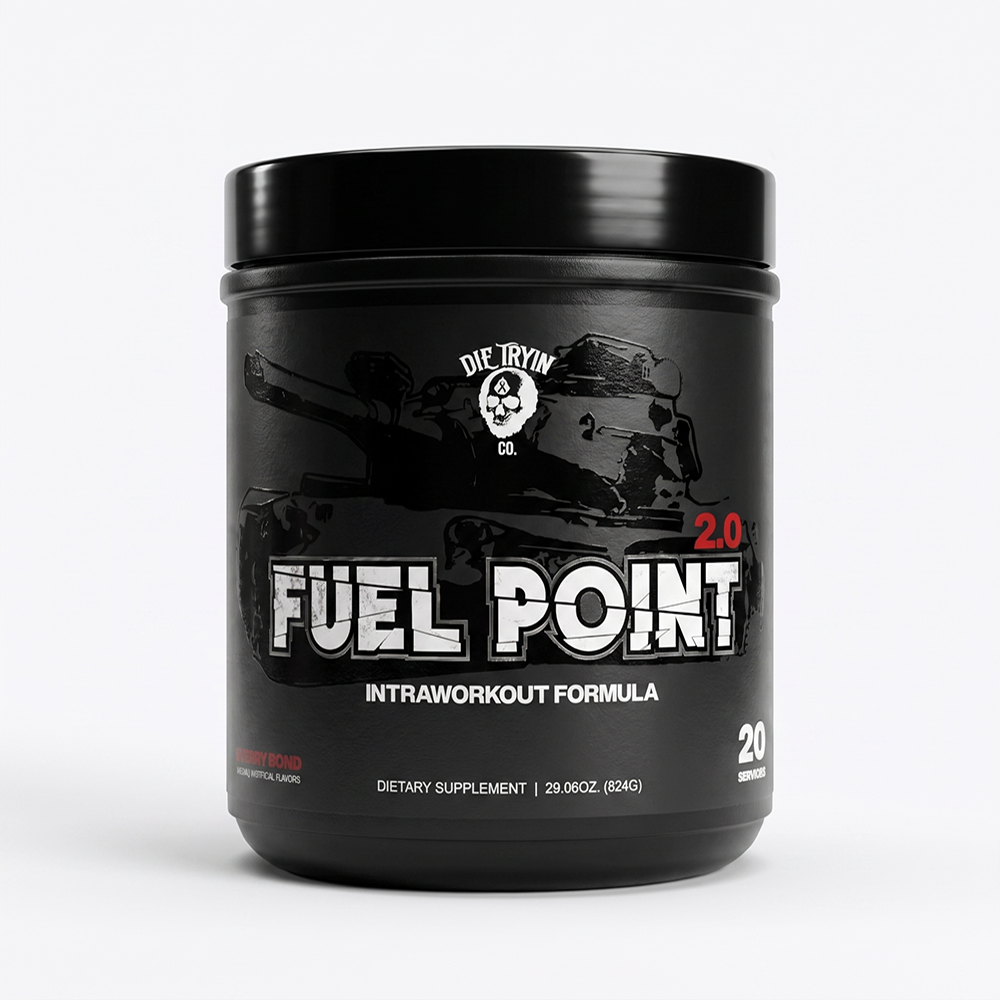
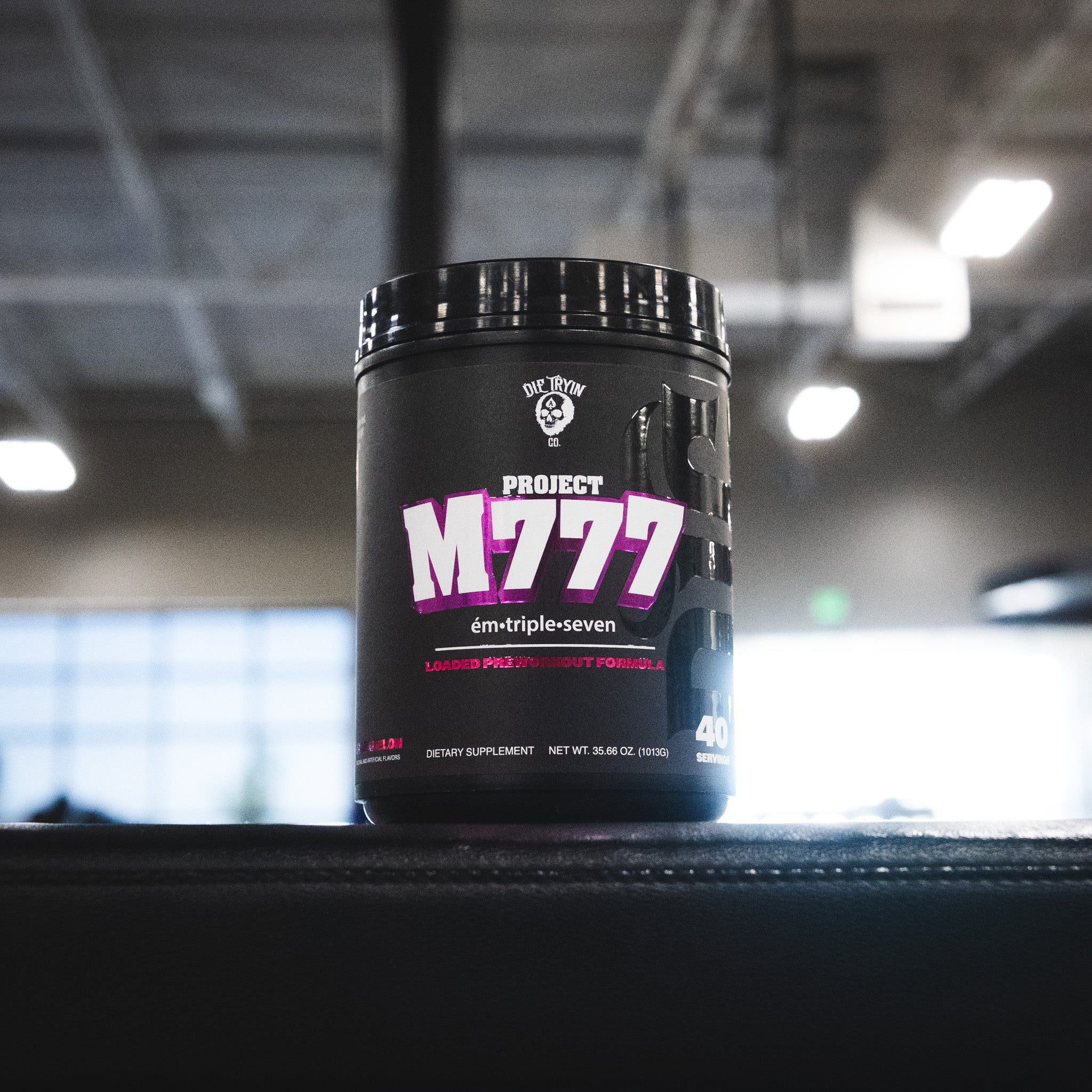
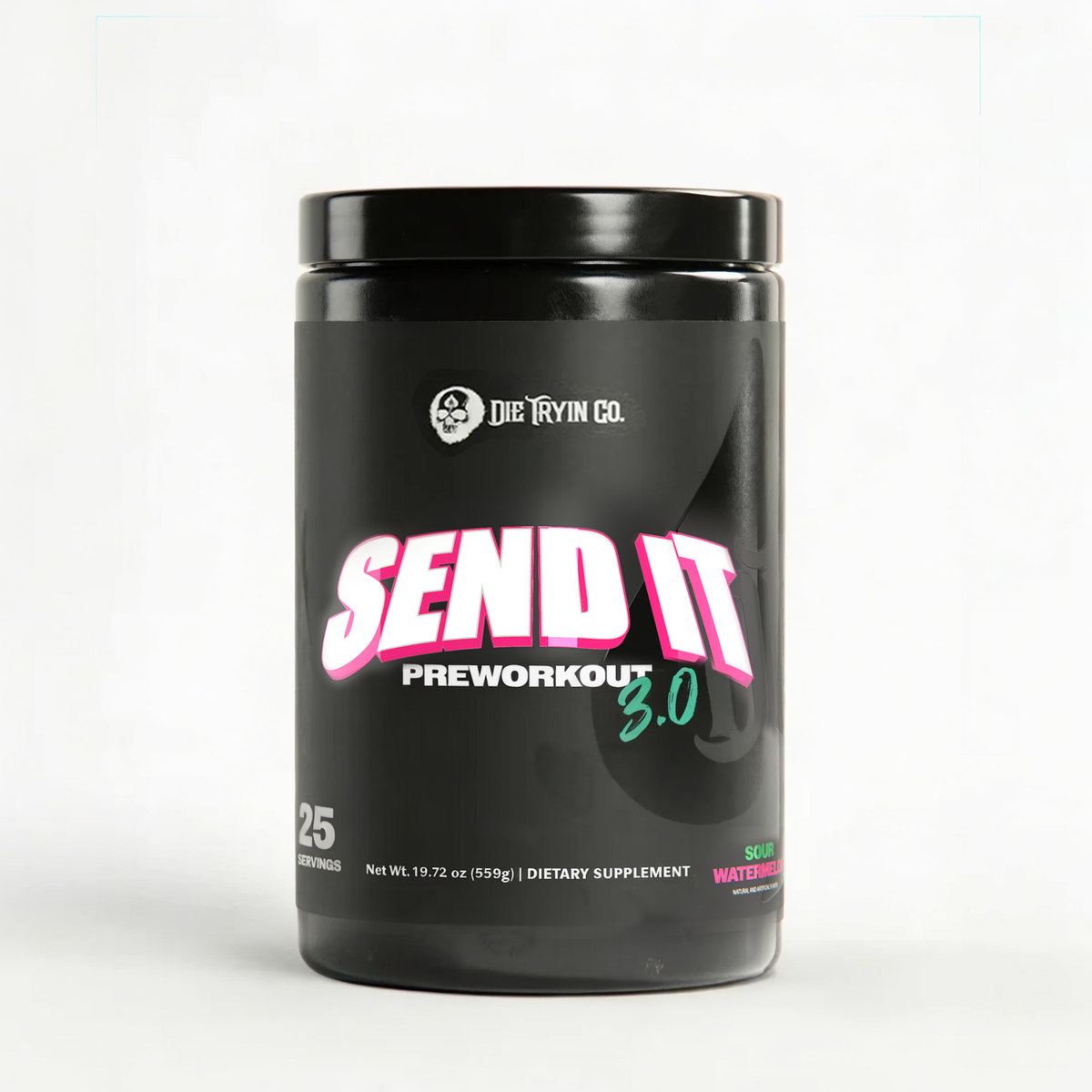
Creatine is the first thing we'd hand a lifter chasing a strength number: 5g of micronized Creatine Monohydrate, no proprietary blend, no novel-form marketing. For your heaviest squat day, Project M777 is built for the sessions that demand everything. If stimulants aren't your thing or you train at night, Red Dot delivers pump and focus with zero caffeine.
Post-training, Post Iso gets 24g of whey isolate in fast so recovery starts on time. Heavy squatting is also a big ask of connective tissue, and Collagen Peptides may support the joints and tendons doing that work.
Not sure where to start? Take the supplement quiz and we'll point you at the stack that matches how you actually train. Then go find your failure point, train it, log it, and deload when the plan says to instead of when your body forces the issue. Discipline beats motivation, and consistency beats intensity every single time.
ALWAYS FORWARD.
GEAR THAT FITS THIS POST
The products this article actually talks about. Real doses, disclosed labels, veteran owned.


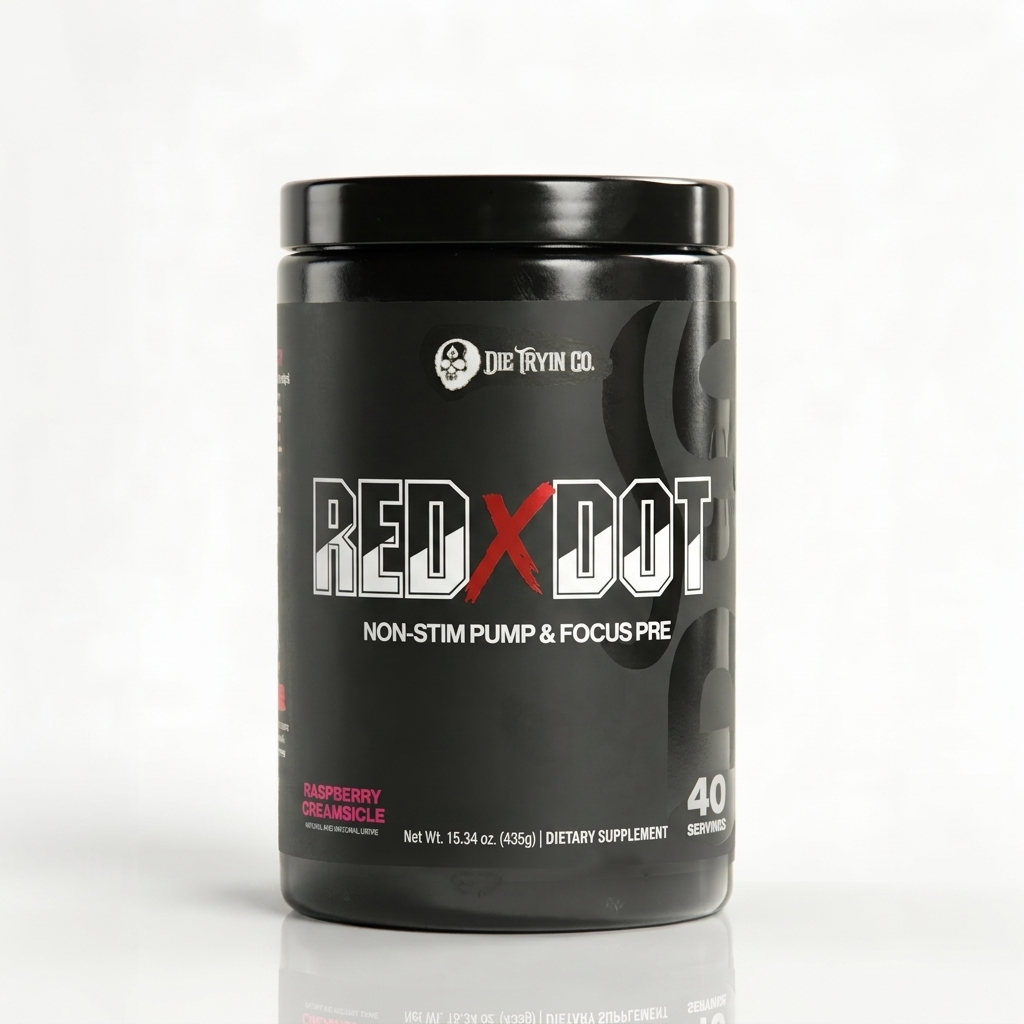
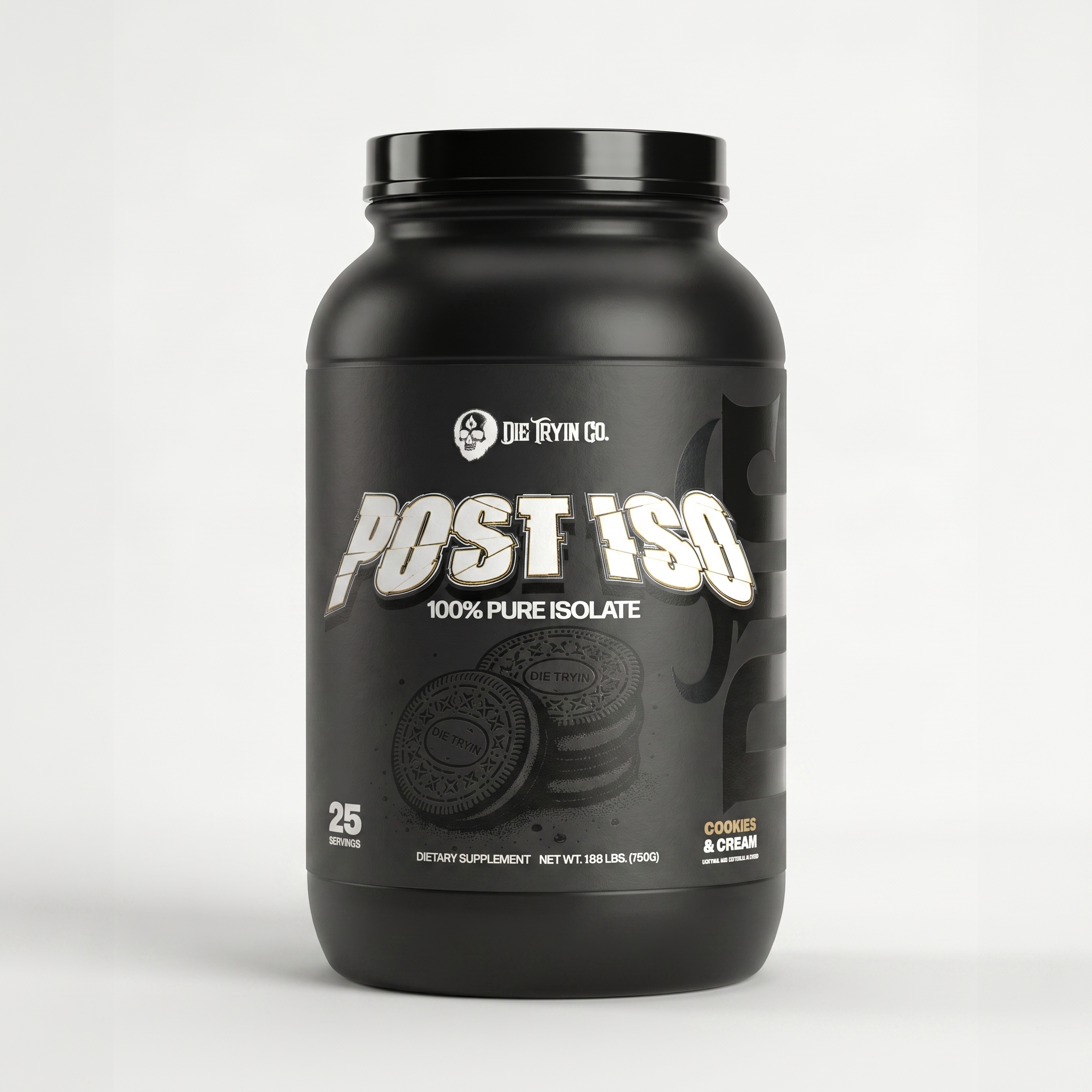
Read more
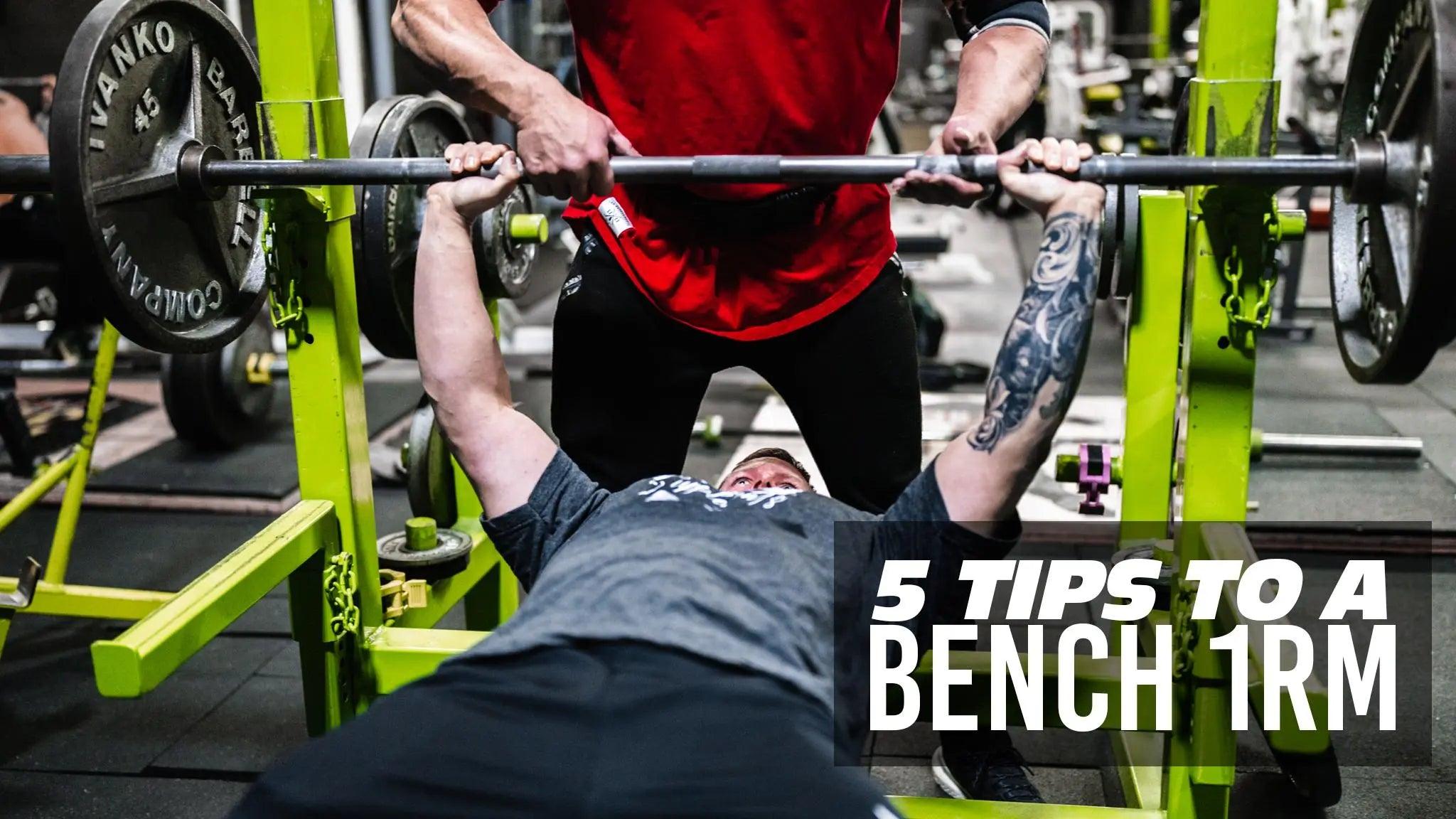
6 evidence-based strategies to increase your bench press — progressive overload, technique fixes, accessory work, and the recovery framework that turns training into real PRs.
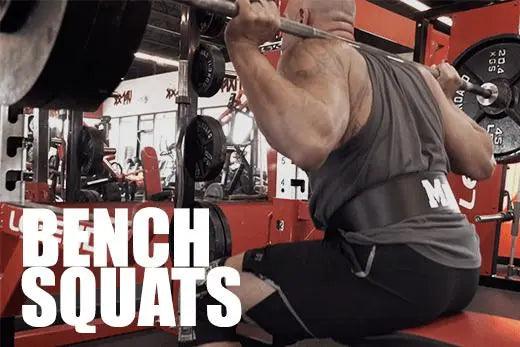
Use a bench as a depth reference, fix the half-squat habit, and come back to your free squat with honest range of motion.
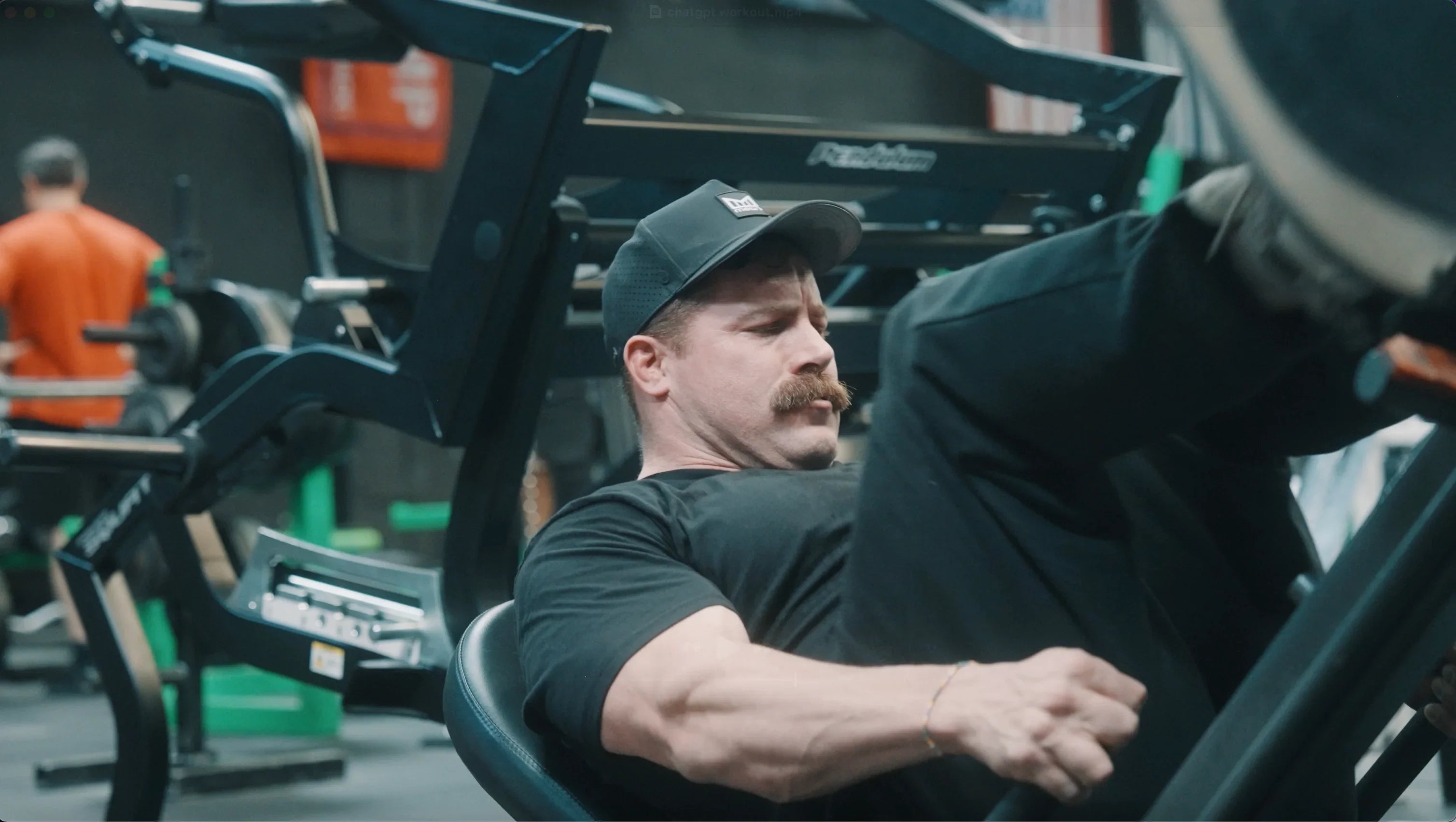
The best leg exercises that actually build wheels — 8 moves for quads, hamstrings, glutes, and calves, plus a complete leg-day plan.
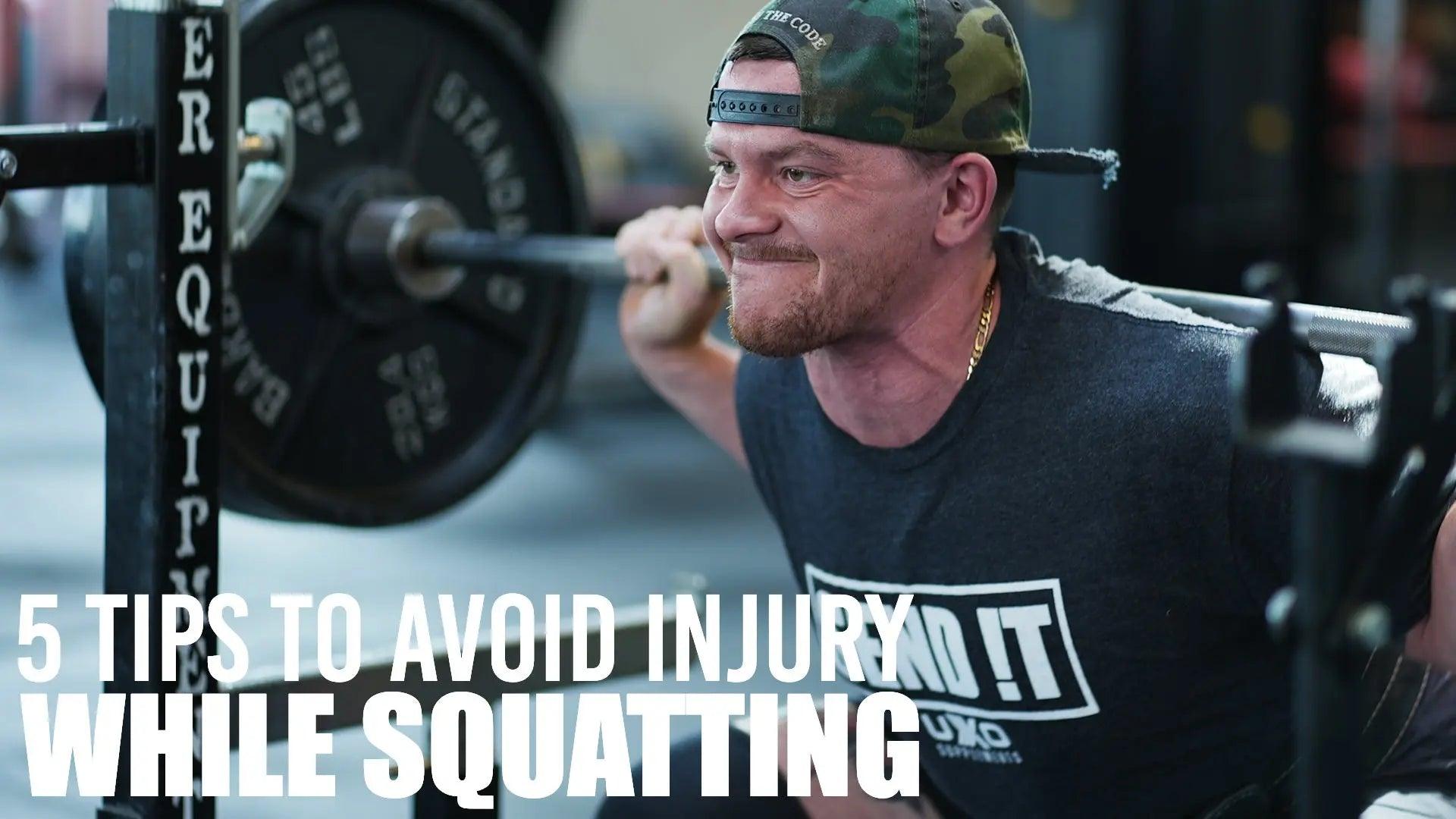
Knees caving, weight on the toes, losing the brace. The five squat errors that hurt people, and the fix for each one.
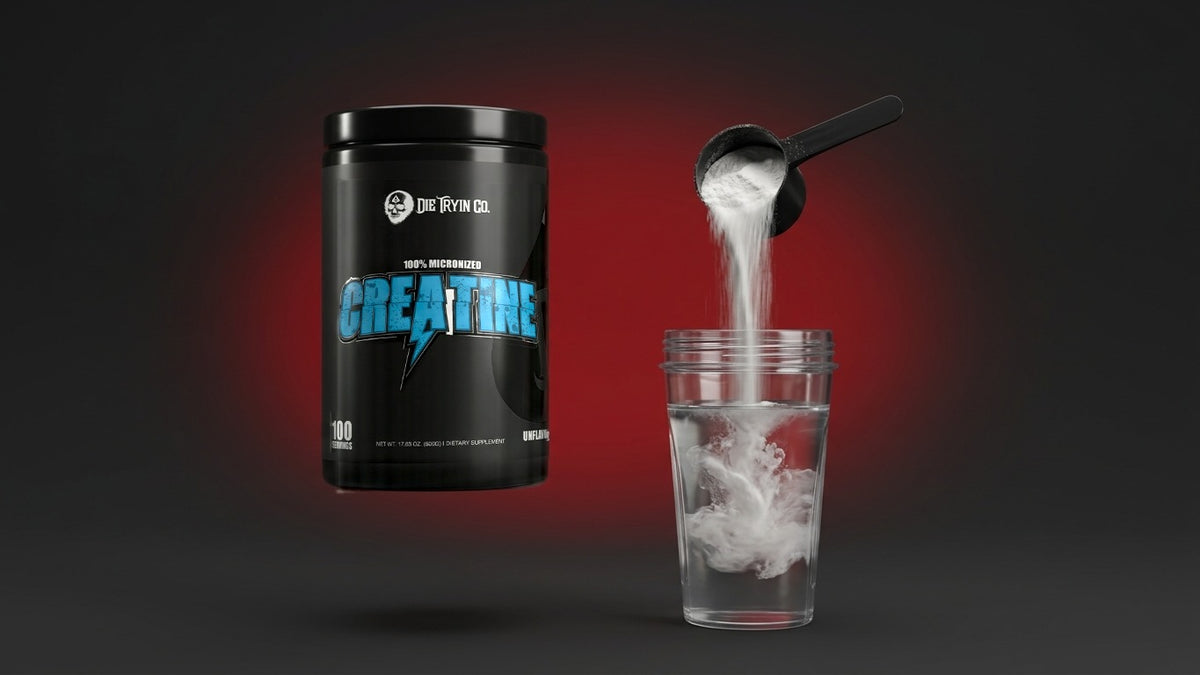
Your gut lining runs the same creatine energy system as your muscles. Here is what the research shows on stomach upset, IBS, colitis and leaky gut, and exactly where the human evidence stops.

Creatine gummies can work if the creatine is actually in them, and lab tests keep finding it often is not. Here is why a scoop of Creatine Monohydrate powder still wins.