

5 Squat Mistakes That Cause Injury (And How to Fix Them)
THE SQUAT ISN'T DANGEROUS. YOUR EXECUTION IS.
By Jon Klipstein, U.S. Army Combat Veteran & Founder of Die Tryin Co., and Chelsea Rodgers, IFBB Pro & Die Tryin Co. Athlete
Science reviewed by Onur Oncer, BS Physiology and peer-reviewed published researcher.
Listen up. The squat has been blamed for more wrecked knees and blown backs than any lift in the gym, and almost none of that is the squat's fault. It's the execution. Bad positions under load, repeated for months, is what breaks people down.
Most lifters don't get hurt because they squatted. They get hurt because they squatted a pattern they never owned, with weight they hadn't earned, on a body that couldn't hold the position long enough to finish the set.
Here are the five errors that actually cause problems, what each one looks like on the platform, and how to fix it. One of these is going to sound familiar.
| THE MISTAKE | WHAT IT LOOKS LIKE | THE FIX |
|---|---|---|
| Knees caving in (valgus collapse) | Knees track inward out of the hole, usually on the last reps | Screw the feet into the floor, drive the knees out, back off the load |
| Weight on the toes | Heels lift, hips shoot back, bar drifts forward over the toes | Pressure on the whole foot, tripod stance, slow the descent down |
| Losing the brace | Lower back rounds at the bottom, chest folds, air leaks out early | Big belly breath, 360 brace, hold it until the rep is finished |
| Chasing depth you can't control | Position falls apart below a certain point every single time | Squat to the depth you can own, then work mobility to extend it |
| Loading before owning the pattern | Form changes between rep 1 and rep 5 of every working set | Drop 20 percent, rebuild the reps, add load once form holds |
MISTAKE 1: LETTING THE KNEES CAVE IN
Valgus collapse is the knees tracking inward as you come out of the hole. It usually shows up on the last two reps of a hard set, when the glutes tap out and the body starts looking for any path back to standing. A little inward travel on a true max attempt isn't a death sentence. A knee that dives inward on rep two of a working set is a warning.
The fix starts at the floor. Set your feet, then screw them into the ground like you're trying to spread the floor apart without actually moving your feet. That external rotation torque at the hip is what keeps the knee stacked over the mid-foot instead of drifting inward. Cue it on the way down, not just on the way up, because the collapse is usually built into the descent before you ever reverse the rep.
If the knees still cave with a corrected setup, the weight is the problem. Strip it back to something you can control for a hard set of eight, then run that for two to three weeks while you build hip strength with dedicated posterior chain work from our best leg exercises for size and strength breakdown. Earn the load back instead of hoping the knees sort themselves out.
MISTAKE 2: SHIFTING ONTO YOUR TOES
Watch a lifter's heels. If they peel off the floor at the bottom, the center of mass has already moved forward of where it needs to be, and the lower back is now paying for it on every single rep of the set.
Think tripod foot. Big toe, little toe, heel, all three loaded. Pressure stays over the middle of the foot from the first inch of the descent to lockout, and the bar path stays vertical over the mid-foot. If you can't feel it, slow the eccentric to a three-count and pay attention to where the pressure migrates.
Ankle mobility is often the real culprit. Ten minutes of ankle work before you load the bar is worth more than another piece of gear in your bag. If your front squats collapse forward specifically, our simple front squat hack fixes the rack position that's dumping you onto your toes.
MISTAKE 3: LOSING YOUR BRACE
The brace is the whole thing. Not the belt, not the shoes, the brace. Big breath into the belly, expand 360 degrees against your midsection, and hold it until the bar is racked.
When lifters exhale on the way down or breathe at the bottom, the torso loses rigidity and the lower back rounds under load. Loaded spinal flexion is the position to avoid, and losing the brace is how you end up there.
Practice the brace with something you can't cheat. A paused bottom position at 50 percent teaches you what real intra-abdominal pressure feels like faster than any cue someone shouts at you mid-set.
MISTAKE 4: CHASING DEPTH YOUR BODY CAN'T CONTROL
Here's the truth: "squatting too low is dangerous" is broscience as a blanket statement. Deep squats aren't the problem. Deep squats you can't control are.
Your usable depth is determined by hip structure, ankle range, and how well you hold position under load. Hip socket depth and angle vary from person to person, which is why one lifter hits a clean bottom position with a narrow stance and toes forward while another needs a wider stance with the toes turned out to get anywhere near the same depth. Two lifters with identical training age can have very different honest depths, and neither one is wrong.
The line is simple. Go as deep as you can go while keeping a neutral spine and a locked brace. The rep where your pelvis tucks under and your back rounds is one inch past your current depth. Film your set from the side, find the frame where position breaks, and train just above it. Work mobility outside of the session, adjust your stance width until the bottom feels stable, and the line moves over time.
MISTAKE 5: ADDING LOAD BEFORE YOU OWN THE PATTERN
This one causes the other four. Ego load makes knees cave, heels lift, and braces fail all at once. Progressive overload is still the engine of growth, and Schoenfeld's review on the mechanisms of muscle hypertrophy lays out why mechanical tension drives adaptation. Tension you can't control isn't a stimulus. It's a liability.
The standard: your fifth rep should look like your first. If it doesn't, you're not training the squat, you're surviving it. Pull 20 percent off the bar and rebuild. For a structured way to add weight without leaking form, work through our tips for a big squat, and if you want a technique-focused variation to rebuild the groove, bench squats force consistent depth without guesswork.
THE RECOVERY SIDE NOBODY TALKS ABOUT
Technique keeps you safe rep to rep. Recovery keeps you training month to month. Under-slept, under-fed lifters lose position faster and hit failure earlier, which is exactly when technique falls apart.
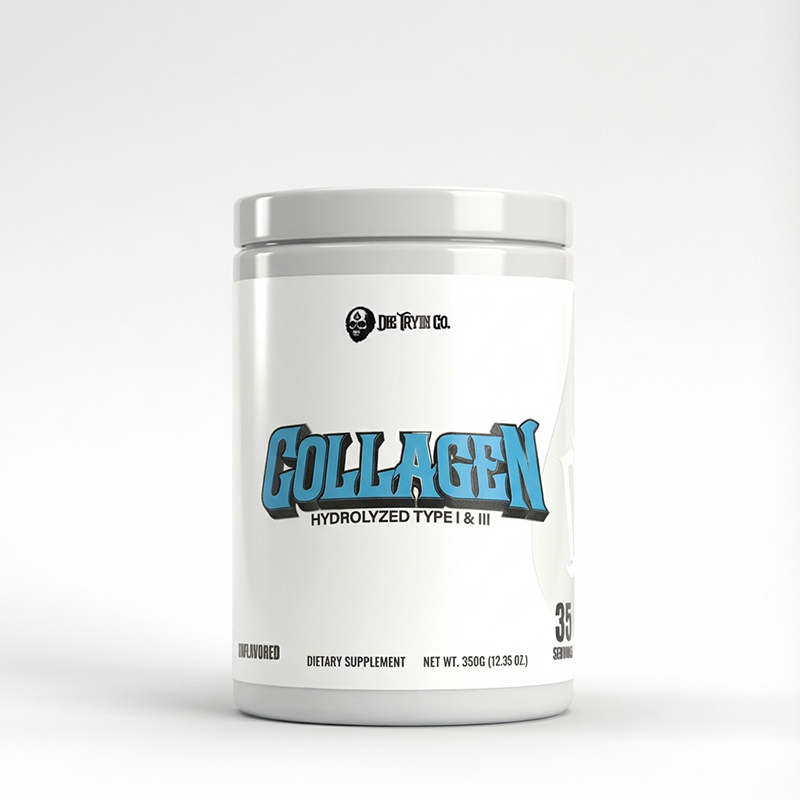
That's the honest case for joint and connective tissue support as your squat volume climbs. Collagen may support connective tissue while the loading demand goes up, and it works best alongside a training plan that adds weight at a rate your body can absorb. It doesn't replace a smart approach to loading. It supports one.
SQUAT INJURY FAQ
Why do my knees cave in when I squat heavy?
Usually weak hip external rotators, a foot position that doesn't let you generate torque, or simply too much weight. Fix the setup first, then reduce the load if it persists.
Should my heels come off the ground at the bottom?
No. Heels lifting means your weight has shifted forward. Limited ankle dorsiflexion is the common cause, and lifting shoes with a raised heel can help while you build the range.
Is squatting below parallel bad for your knees?
Not inherently. Depth isn't the variable that matters most, control is. What matters is whether you can hold a neutral spine and stable knee tracking at that depth.
Do I need a belt to squat safely?
A belt gives your brace something to push into on heavy sets. It doesn't create the brace. Learn to brace beltless first, then add the belt for your top-end work.
How do I know if the weight is too heavy?
Compare your first and last rep. If your positions visibly change, bar speed drops off a cliff, or form breaks before your muscles do, the weight is too heavy for that day.
Can supplements prevent squat injuries?
No. Technique, programming, and recovery prevent injuries. Supplements support training quality, they don't compensate for bad execution under a loaded bar.
READY TO GEAR UP?
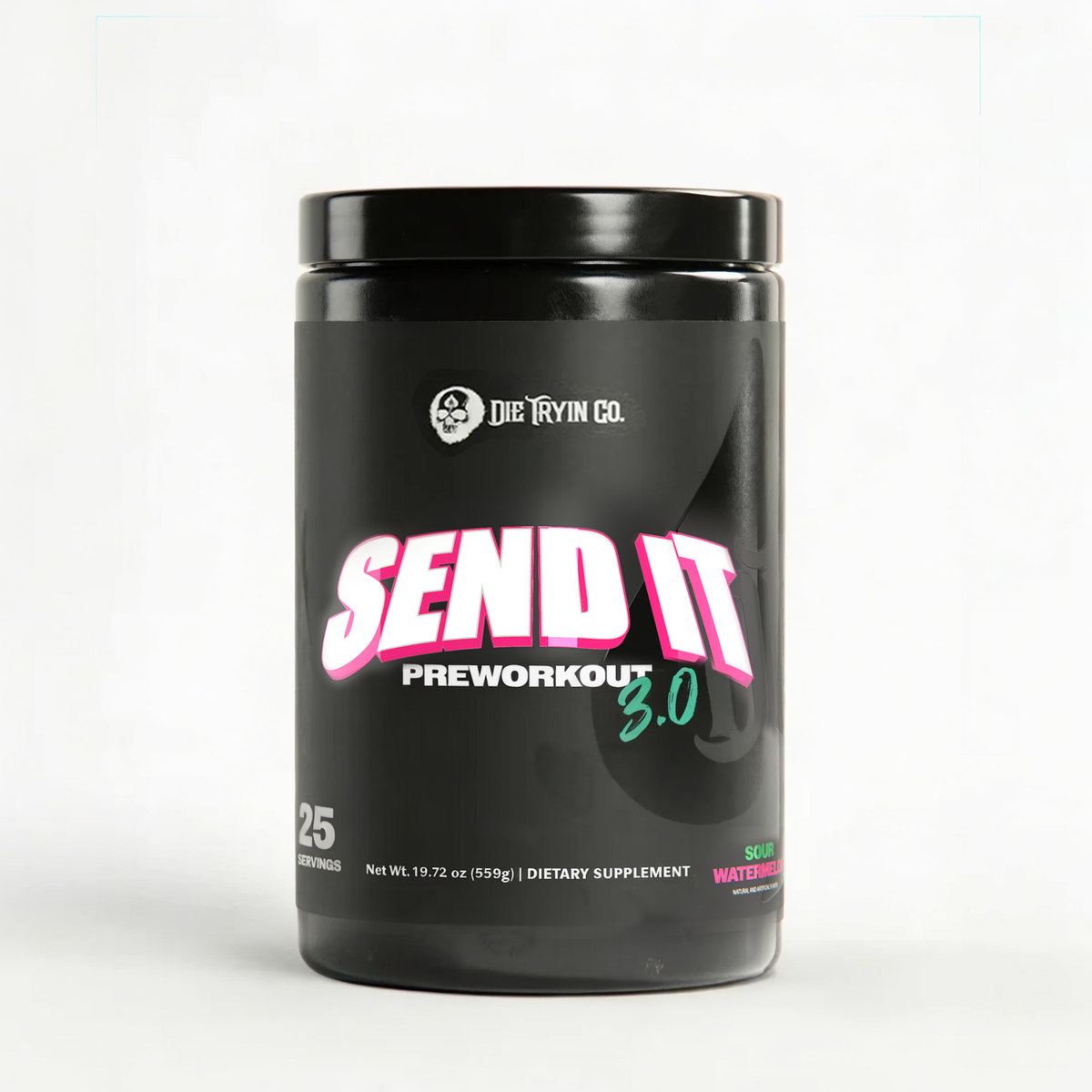
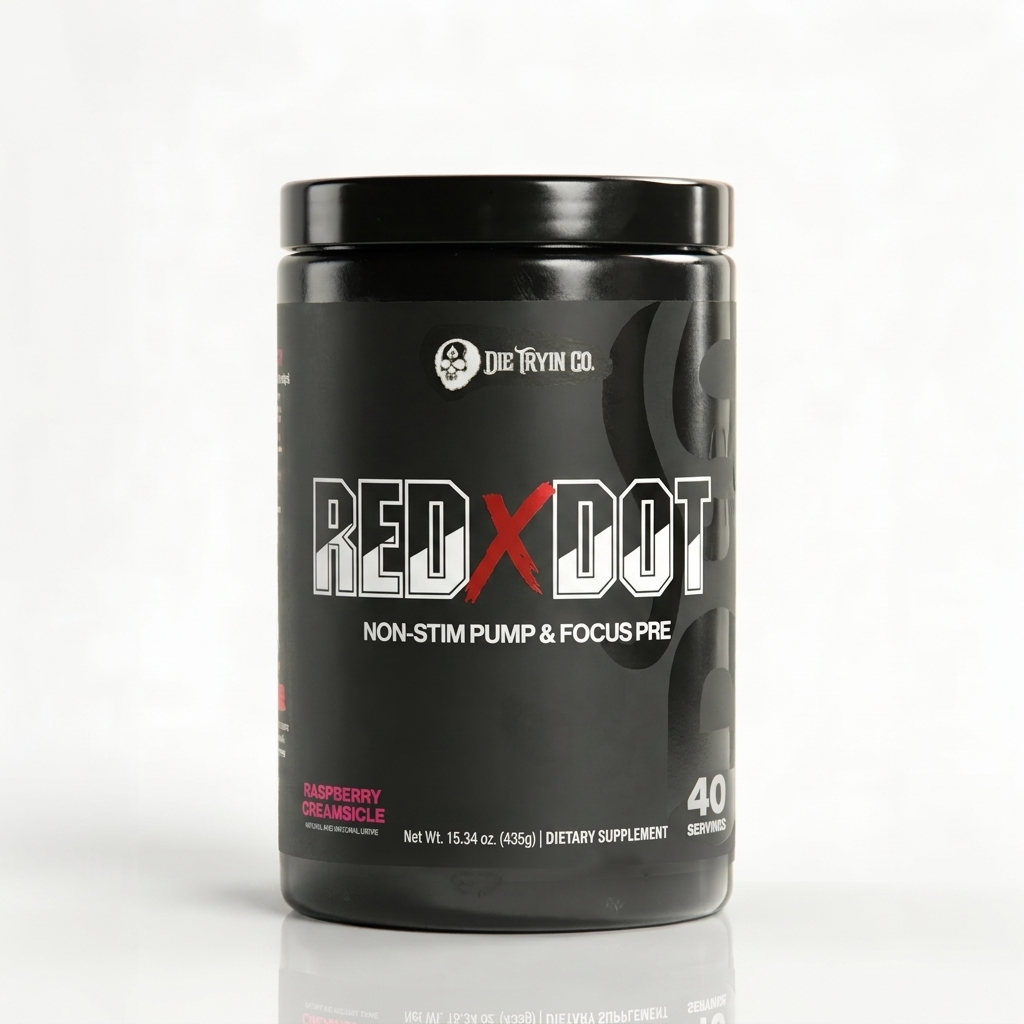
Heavy leg day demands focus, not just stimulants. SEND IT 3.0 is the daily driver when you want clinical doses without frying your nervous system, and Red Dot is the stim-free option when you're training late and still need to lock in on bar path. Save Project M777 for the days you're genuinely chasing a number. Train in something that lets you hit depth: our gym apparel is cut for lifting, not lounging.

Creatine Monohydrate at 5g daily is about as well-studied as sports supplements get, and it may support strength output across sets. Not sure where to start? Take the supplement quiz and we'll point you at the right stack for your goal. Own the pattern. Then load it.
ALWAYS FORWARD.
GEAR THAT FITS THIS POST
The products this article actually talks about. Real doses, disclosed labels, veteran owned.

Read more
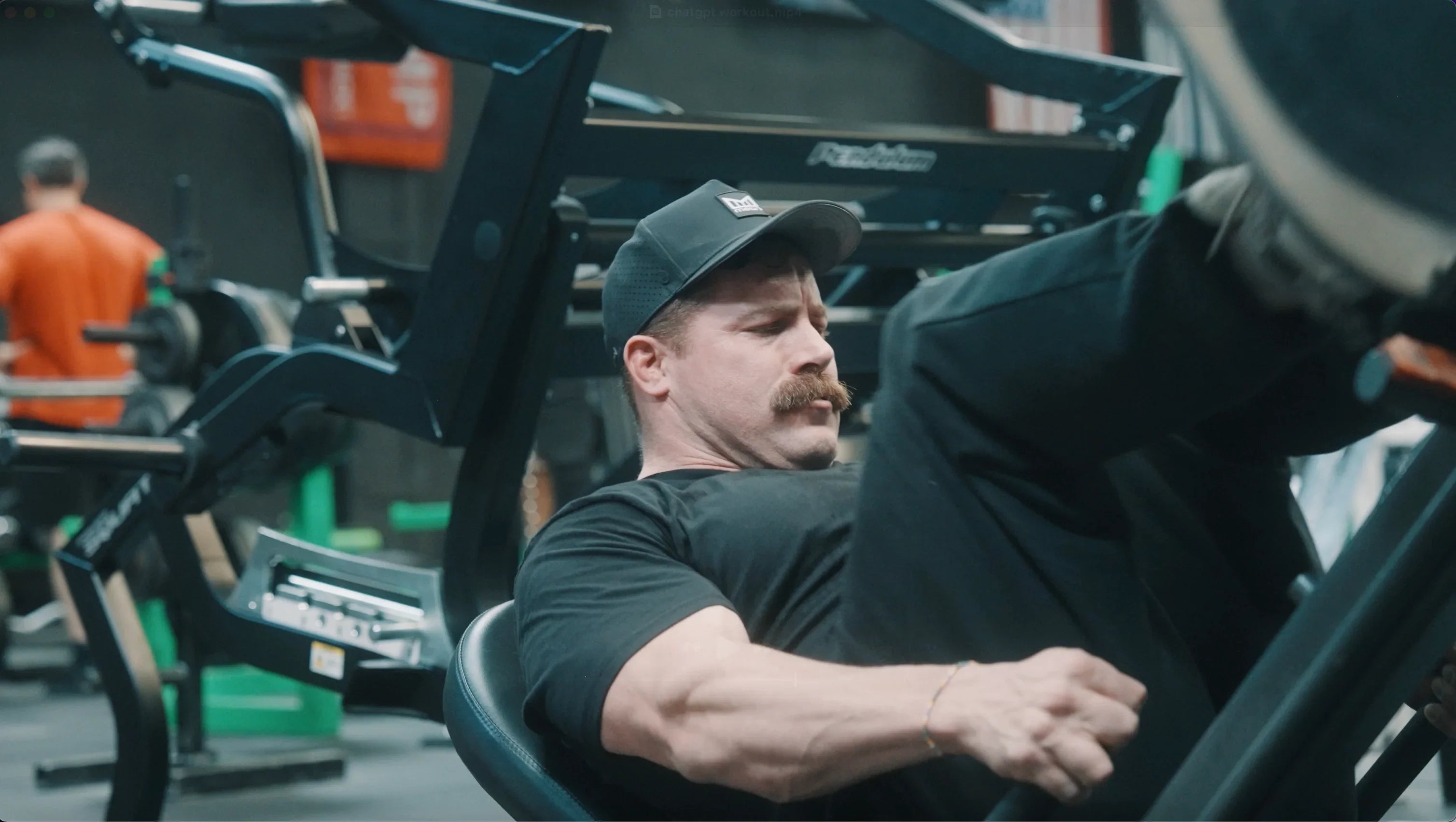
The best leg exercises that actually build wheels — 8 moves for quads, hamstrings, glutes, and calves, plus a complete leg-day plan.
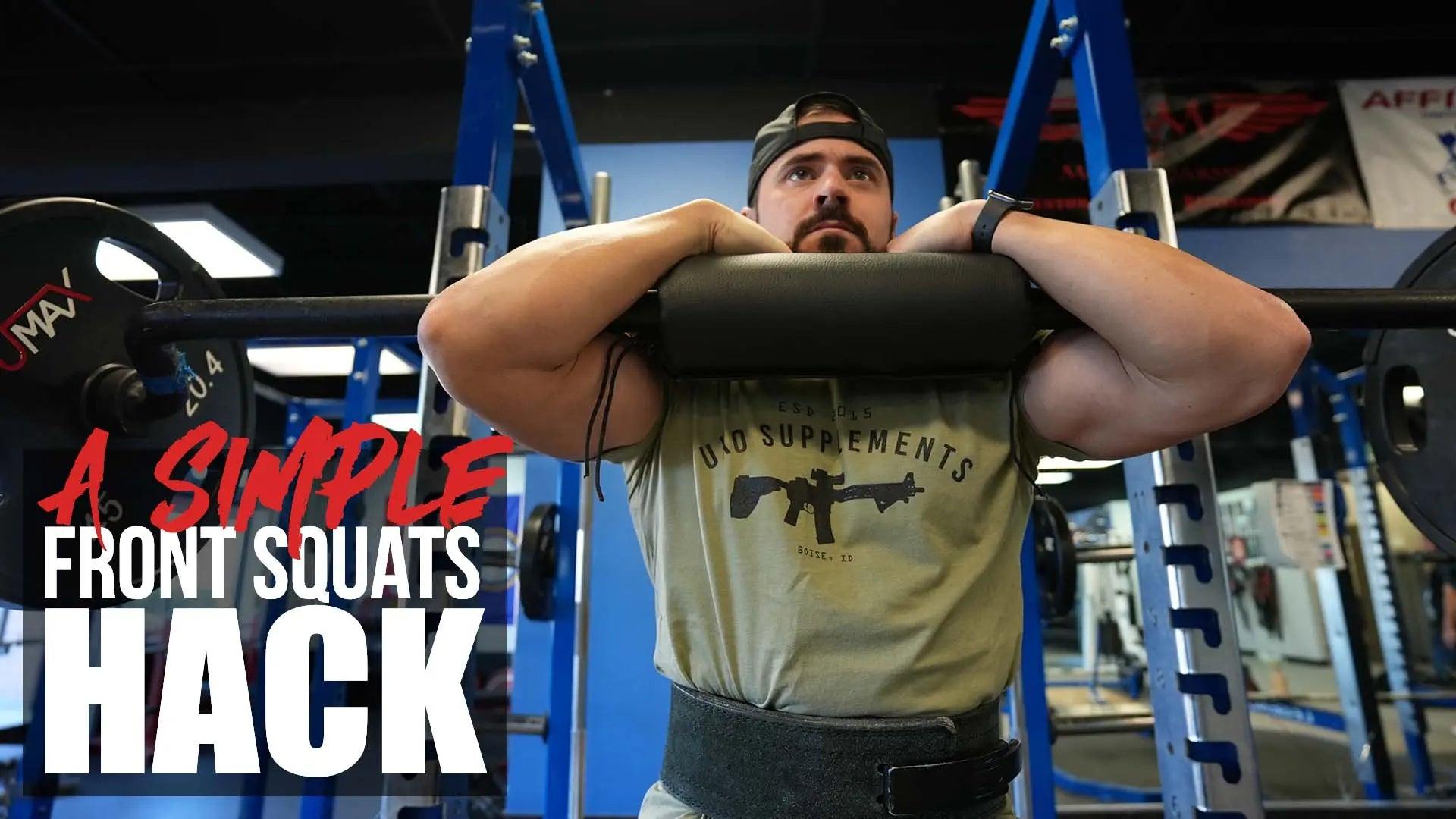
Do you despise front squats as we do? They choke you, it's painful on the shoulder, difficult to do because of limited mobility, bad posture because of bar placement hurts your lower back, etc. ...
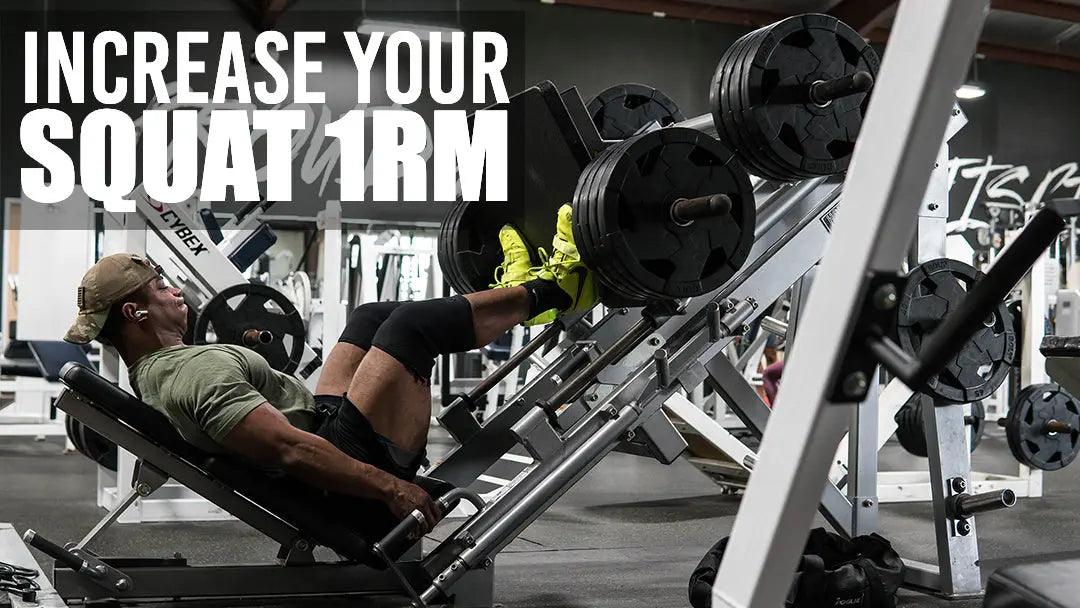
Where you fail tells you what to train. The practical guide to adding weight to your squat without wrecking yourself.
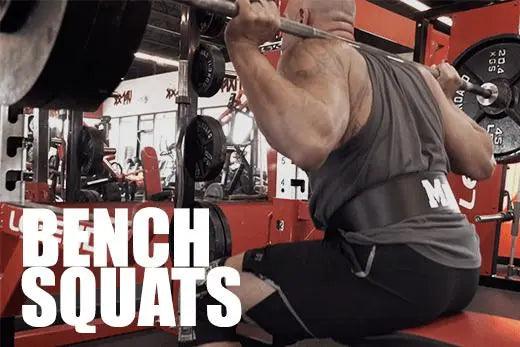
Use a bench as a depth reference, fix the half-squat habit, and come back to your free squat with honest range of motion.
Your gut lining runs the same creatine energy system as your muscles. Here is what the research shows on stomach upset, IBS, colitis and leaky gut, and exactly where the human evidence stops.

Creatine gummies can work if the creatine is actually in them, and lab tests keep finding it often is not. Here is why a scoop of Creatine Monohydrate powder still wins.