






Bench Squats: The Form Drill That Fixes Your Depth
By Jon Klipstein, U.S. Army Combat Veteran & Founder of Die Tryin Co., and Kyle Panela, Transformation Coach & NPC Men's Physique Competitor
THE FORM DRILL THAT FIXES YOUR DEPTH
Most lifters cheat their squat depth without realizing it. They stop short of parallel, especially when the weight gets heavy, and tell themselves they hit depth. Eight weeks later they wonder why their legs aren’t growing.
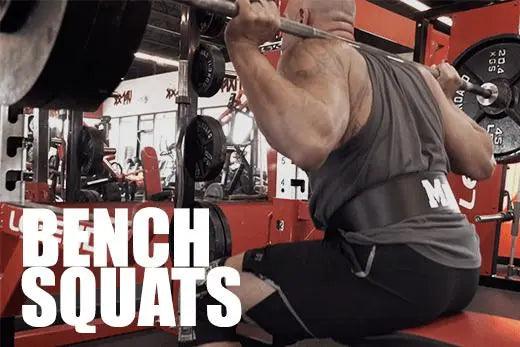
Bench squats fix the problem. Set a bench behind you at the depth you want to hit, squat down until your glutes lightly tap the surface, drive up. The bench is a physical reference point your body can’t lie about. Either you hit it or you don’t.
Here’s how to set up the drill, execute it cleanly, and use it to clean up your regular squat.
WATCH THE FORM
This form-demo video is from our Die Tryin Co. archive. UXO Supplements is now Die Tryin Co. — same crew, new name.
The video runs silent — pure form demo. Watch the setup (bar placement, foot stance, bench position), the controlled descent (no flopping onto the bench), the brief contact at the bottom (glutes tap, no rest), and the drive up through the heels with a flat back. The cues in the body below match what the video shows.
WHAT A BENCH SQUAT ACTUALLY IS
A bench squat is a back squat performed to a bench set behind you at parallel-thigh depth. You descend in a controlled motion until your glutes lightly contact the surface, then drive up. The bench is the reference, not the rest stop. You don’t sit, you don’t pause, you don’t use it to bounce. It’s a depth-marker, nothing more.
Done right, the bench squat is harder than a free squat at the same weight. Why: a free squatter can shave a few degrees of depth on every rep without noticing. The bench removes that option. Every rep either reaches the bench or it doesn’t — and the ones that don’t are obvious to you, your training partner, and anyone watching. That accountability forces honest depth, which forces real mechanical tension on the legs across full ROM. The hypertrophy research is clear that mechanical tension across full range of motion is one of the primary drivers of muscle growth. Bench squats put you in that range on every rep.
WHEN TO USE BENCH SQUATS
Bench squats aren’t a daily squat replacement. They’re a form drill you use in specific situations:
1. You’ve been cheating depth. If your training partner, coach, or video review is telling you your squats are high, run a block of bench squats to retrain the depth.
2. You just bumped your working weight. Heavier loads often pull lifters out of full ROM on the squat. Bench squat your new working weight for a session or two to lock in depth before going back to free squats.
3. You’re coming off a layoff. Time away from squatting kills the proprioception that tells you where parallel is. Bench squats rebuild that fast.
4. You’re teaching a newer lifter. Bench squats are one of the cleanest ways to demonstrate what parallel actually means without the lifter having to feel it in the dark.
HOW TO SET UP AND EXECUTE
Equipment. Squat rack, barbell, bench (flat or padded box at parallel-thigh height for your build), weight belt and knee sleeves recommended on heavier sets.
Bench position. Set the bench directly behind your squat stance, far enough back that your glutes contact it at parallel depth but not so far back that you have to lean to reach it. Test the position with bodyweight first.
Bar placement. The meaty part of the upper back — high enough to sit on the traps and rear delts, low enough that the bar doesn’t roll onto your neck. Don’t use a high-bar position thinking it’ll be more comfortable; the bar sits where the muscle is.
Setup before the rep. Brace the core, roll the shoulder blades back and down, take the bar off the rack, walk it out, set the feet about shoulder-width with toes pointed slightly out. Big breath, hold it.
The descent. Push the hips back first, then bend the knees. Keep the chest up and the back flat. Lower in a controlled motion — not a free fall — aiming the glutes back toward the bench.
The contact. Glutes lightly touch the bench. Don’t sit, don’t rest, don’t bounce. Light contact is the cue. If you’re crashing onto it, the weight is too heavy or the descent isn’t controlled.
The drive. Push through the heels and mid-foot, drive the chest up, finish standing tall. Don’t lock the knees at the top — stay a few degrees short of full extension to keep tension on the quads.
COMMON MISTAKES
Flopping onto the bench. The bench is a reference point, not a seat. Losing control of the descent means losing the muscular tension you’re trying to build. If you can’t control the bottom, drop the weight.
Bowing forward. Hunching the chest down to make the descent easier shifts the load off the legs and onto the lower back. Keep the chest up the entire rep. A weight belt helps cue this.
Knees collapsing in. The knees should track over the toes through the full rep. If they’re caving in, weak glutes are usually the culprit — address with banded warmups and direct glute work.
Knees past toes excessively. Some forward knee travel is normal and fine. Excessive forward knee drift means you’re quad-dominant at the bottom and not loading the hips. Push the glutes back harder on the descent.
Locking out at the top. Snapping the knees straight at the top of each rep removes tension and stresses the joint. Stay a few degrees short of lockout.
HOW TO PROGRAM BENCH SQUATS
Treat bench squats as a form-block tool, not a permanent fixture. Run them for 2-4 weeks at a time when one of the four use cases above applies, then return to free squats.
Sample block: 4 sets of 5 reps at 70-80% of your free-squat working weight, twice per week, for 3 weeks. Then re-test your free squat — you’ll often find your depth has improved and your perceived difficulty at the same weight has gone down because you’re actually hitting the position.
Fits into any program structure — PPL or upper/lower split, replacing your main squat movement on leg day for the duration of the block.
BEYOND BENCH SQUATS
Bench squats are one piece of the squat-mastery puzzle. The rest:
For the full leg day blueprint, read Chelsea’s 8 best leg exercises — the canonical leg session this drill fits inside. For pushing your squat 1RM after you’ve fixed depth, see how to increase your squat 1RM. For general squat technique cues that apply to free squats and bench squats alike, read tips for a big squat. And to make sure you stay healthy under load, 5 tips to avoid injury while squatting covers the safety side.
The full muscle-building framework that turns squat work into actual leg growth lives in the Muscle Building pillar. The recovery side — sleep, food, deload weeks — lives in the Recovery pillar.
FAQ
Will bench squats make me weaker at regular squats?
No — the opposite. Bench squats force honest depth, and full-depth squats build more leg mass and strength than partial-depth ones. After a 2-4 week bench-squat block, most lifters come back to their free squat stronger because they’re hitting the right position.
Can I do bench squats with dumbbells or a goblet hold?
Yes — the principle is the same. Bench-referenced depth, controlled descent, light contact, drive up. Use whatever loaded position you’re comfortable with. Barbell back squat is the standard, but goblet bench squats are a great warmup or accessory.
How high should the bench be?
At a height where your thighs are parallel to the floor when your glutes contact the bench. For most lifters that’s a standard flat bench (17-18 inches). Taller lifters may need to add a thin pad; shorter lifters may need a slightly lower box.
Should I use a weight belt?
For heavier sets, yes — a belt cues bracing and protects the lower back. Lighter warmup sets don’t need one. Use the belt as a tool, not a crutch.
What if I’m crashing onto the bench every rep?
The weight is too heavy, or the descent is uncontrolled. Drop the weight 10-20% and re-run the set focusing on a 2-3 second descent under control. The bench should be a checkpoint, not a landing pad.
How do bench squats compare to box squats?
Box squats sit on the box (full rest, full tension off the legs) and explode up — powerlifting variation for breaking the squat into separate concentric and eccentric phases. Bench squats only touch the bench — the legs stay under tension the whole time. Different tools for different goals.
READY TO GEAR UP?
Run the bench squat block. Honest depth, controlled descent, drive through the heels. Two to four weeks is enough to fix most depth problems and prime you for stronger free squats.
Need a stack to back the work? SEND IT 3.0 for pre-leg-day focus and pump, Creatine Monohydrate for the training volume that builds legs. Or take the quiz for a stack matched to your goals.
ALWAYS FORWARD.
Read more

There's no perfect split — only the one you'll stick to. PPL vs. upper/lower broken down, plus how to choose the best workout split for your week.
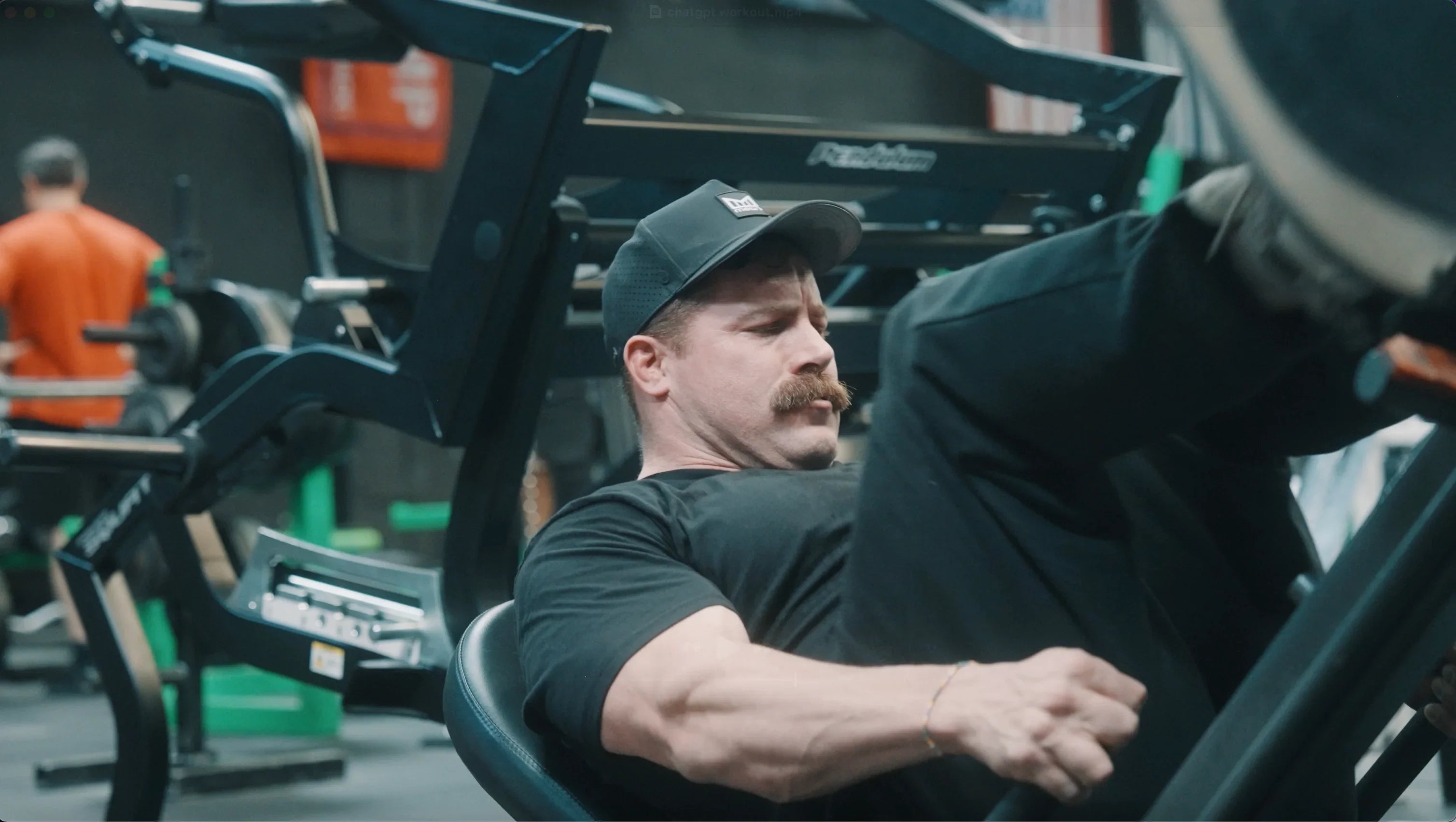
The best leg exercises that actually build wheels — 8 moves for quads, hamstrings, glutes, and calves, plus a complete leg-day plan.
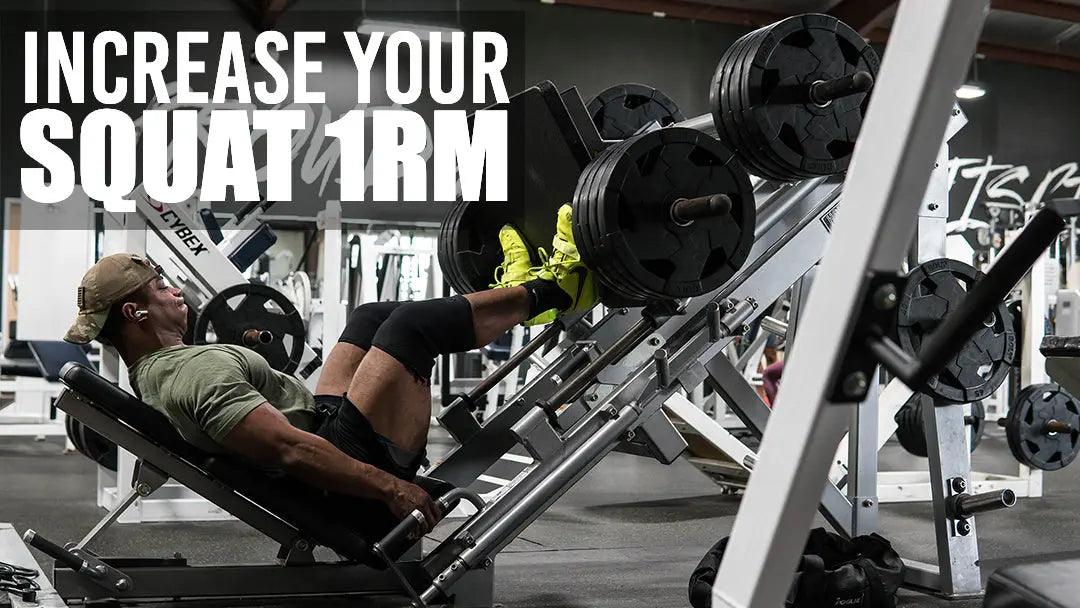
Where you fail tells you what to train. The practical guide to adding weight to your squat without wrecking yourself.
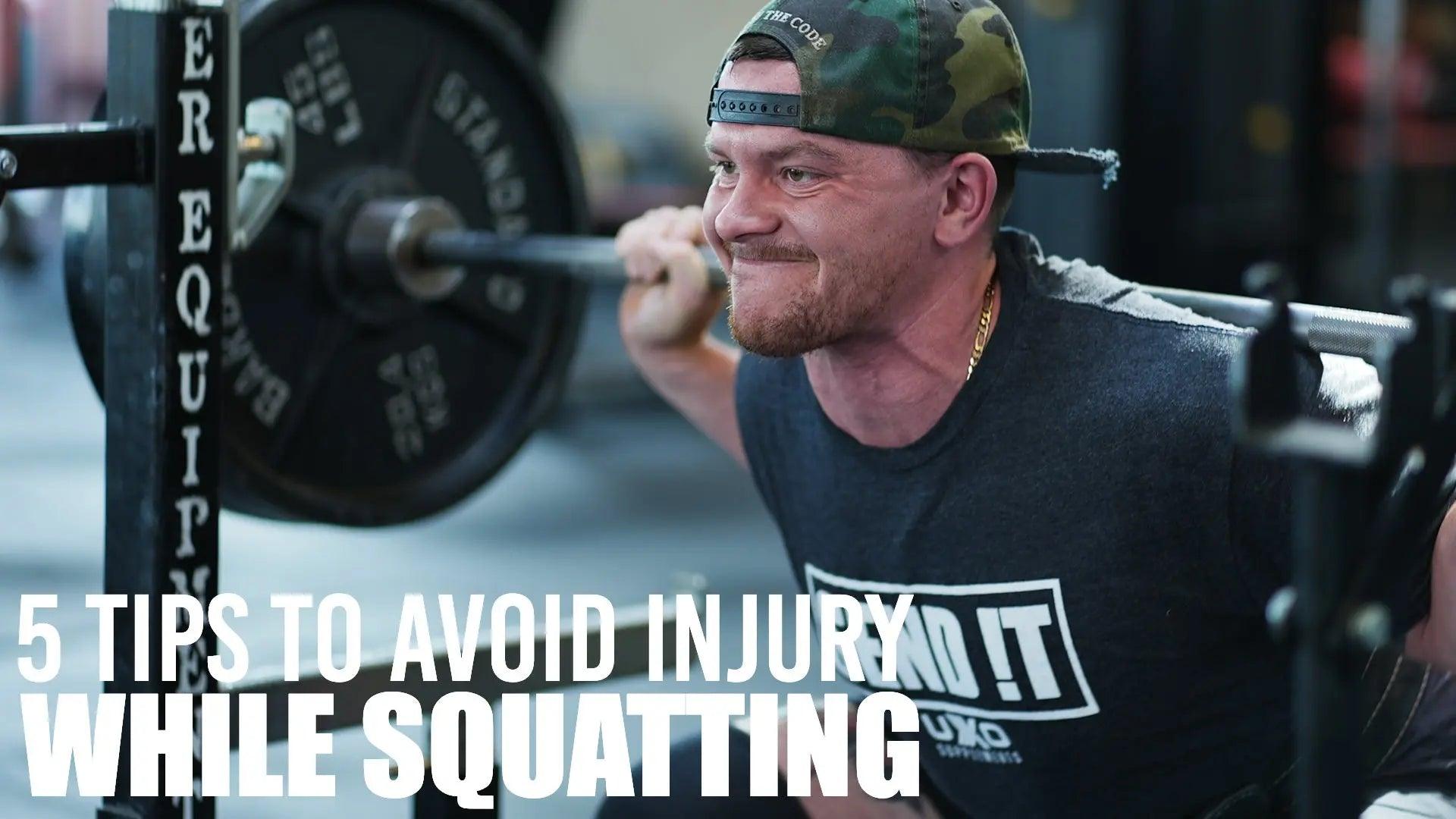
Knees caving, weight on the toes, losing the brace. The five squat errors that hurt people, and the fix for each one.

The complete playbook for building muscle that actually lasts. Training, nutrition, recovery, and the supplements that move the needle — no hype.
The no-BS recovery playbook — sleep, stress, nutrition, modalities, and the framework that ties it all together. Recovery is where growth actually happens.
GEAR THAT FITS THIS POST
The products this article actually talks about. Real doses, disclosed labels, veteran owned.
