




5 Workout Mistakes That Kill Progress (And the Fixes)
By Jon Klipstein, U.S. Army Combat Veteran & Founder of Die Tryin Co.
Science reviewed by Onur Oncer, BS Physiology and peer-reviewed published researcher.
5 MISTAKES KILLING YOUR GAINS (AND THE FIXES)
Most plateaus aren't a programming problem. They're an execution problem. Same lifter, same gym, same goal — but they're stuck because five preventable mistakes are quietly eating into every training session. Form breaks down. Recovery gets skipped. Nutrition gets winged. Months go by without real progress.
This is the breakdown of the five most common training mistakes — and the practical fixes for each. Whether you're new to the gym or you've been training for years, fixing even two of these accelerates progress more than any new program.
QUICK ANSWER: THE 5 MISTAKES AND FIXES
| MISTAKE | THE FIX |
|---|---|
| 1. Poor form | Drop the weight, slow the tempo, master the movement before adding load |
| 2. Overtraining | Schedule 1–2 rest days, listen to fatigue signals, prioritize sleep |
| 3. Lack of variety | Rotate exercises every 4–6 weeks; use periodization to phase strength/hypertrophy/endurance |
| 4. Skipping warm-ups and cool-downs | 5–10 min dynamic warm-up, 5 min cool-down minimum every session |
| 5. Neglecting nutrition | Hit your daily protein target (1.6–2.2 g/kg); fuel pre and post-workout; stay hydrated |
MISTAKE #1: POOR FORM
The problem: Arching your back during deadlifts. Knees caving in on squats. Swinging weights on bicep curls. Half-rep bench presses with a stack that's too heavy. Poor form not only limits the muscle stimulus you're trying to create — it dramatically increases injury risk over time.
The fix:
- Drop the ego, drop the weight. Use a load you can move with strict form across every rep. Form-first lifters out-progress weight-first lifters over years — not weeks.
- Slow the tempo. 3 seconds eccentric (lowering), pause at the bottom, controlled concentric. Forces good form by removing the option to bounce or swing.
- Film yourself. Side-angle phone video of working sets is the cheapest form-coach available. Watch back, compare to standard, adjust.
- Get coached. A qualified trainer for even a few sessions will fix patterns that watching YouTube videos won't catch.
For technique-specific guides on the main lifts: How to Get a Bigger Chest, How to Increase Your Bench Press, Best Leg Exercises, and Best Tricep Exercises.
MISTAKE #2: OVERTRAINING
The problem: More is not always better. Training every day with insufficient recovery doesn't just slow progress — it actively reverses it. Chronically elevated cortisol, sleep disruption, joint pain, persistent fatigue, blunted strength, and eventual injury are all overtraining markers. The body adapts during recovery, not during training. Without recovery, there's no adaptation.
The fix:
- Schedule 1–2 rest days per week minimum. Most natural lifters perform best on 4–5 training days, not 6–7.
- Listen to fatigue signals. Persistent soreness past 3 days, declining performance, sleep issues, low motivation, elevated resting heart rate — these aren't toughness tests. They're data.
- Active recovery on rest days. Walking, light cardio, mobility work, foam rolling. Movement supports recovery; total inactivity doesn't.
- Prioritize sleep. 7–9 hours per night drives recovery more than any supplement on the market. Under 6 hours blunts muscle protein synthesis and elevates cortisol.
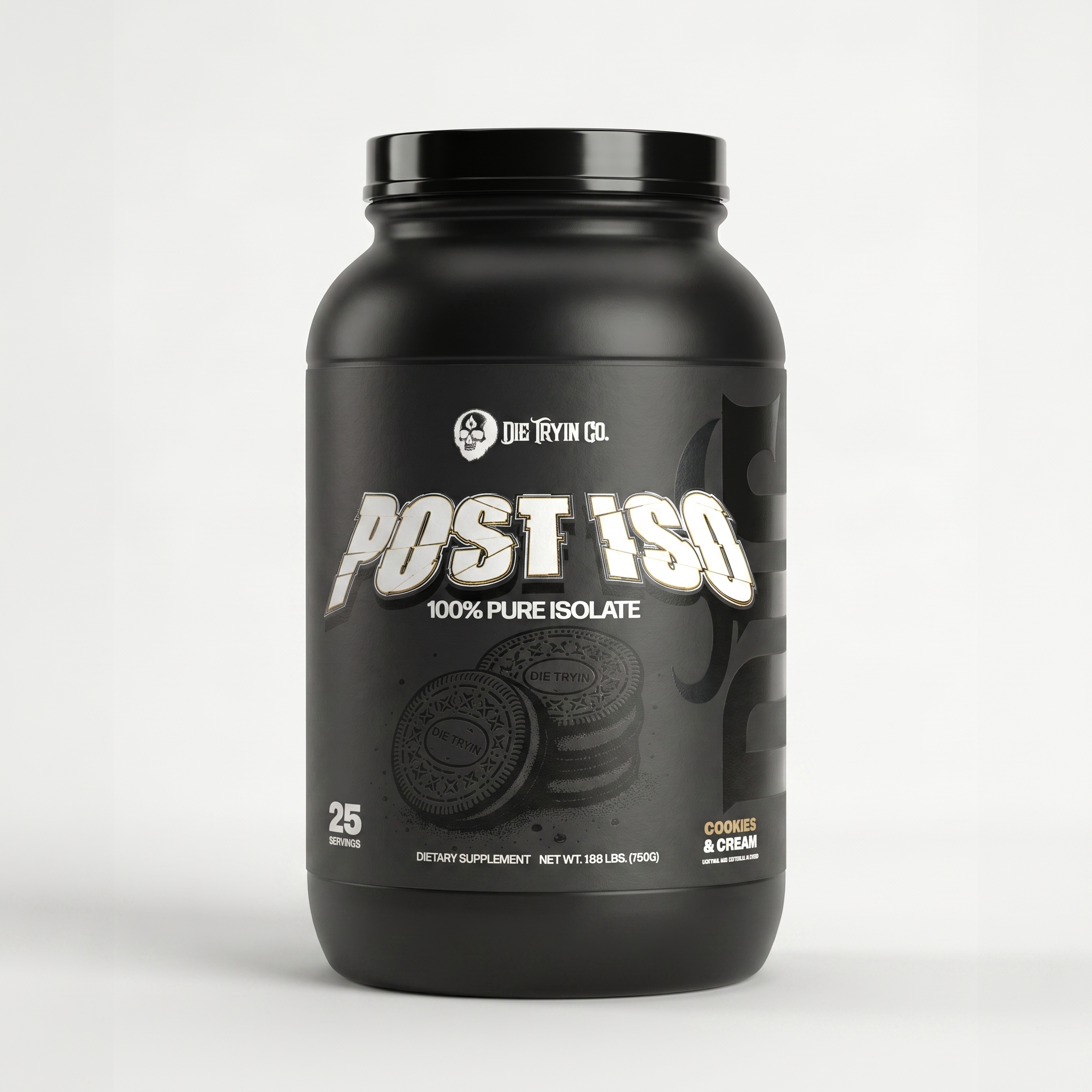
- Support recovery with smart supplementation. Adequate protein (24g of Post Iso post-workout), EAAs intra-workout for long sessions, and creatine daily for ATP regeneration.
Full recovery breakdown: Ultimate Guide to Recovery.
MISTAKE #3: LACK OF VARIETY
The problem: Performing the same exercises in the same order with the same loading scheme month after month produces a plateau. Muscles adapt to the stimulus. Once adapted, the same stimulus stops producing growth or strength gains.
The fix:
- Rotate exercise variations every 4–6 weeks. If you've been doing barbell bench, switch to dumbbell bench, incline dumbbell, or weighted dips. Same muscle group, new stimulus.
- Adjust loading schemes. Heavy strength block (3–6 reps, longer rest) → hypertrophy block (8–12 reps, moderate rest) → endurance block (15+ reps, short rest). Cycle phases.
- Use periodization. Plan training blocks of 4–6 weeks with specific goals — strength, hypertrophy, or endurance — instead of trying to do everything every session.
- Mix in different training styles. Powerlifting one block, hypertrophy the next, then a conditioning block. Different challenges = different adaptations.
For training split decisions: Best Workout Split: PPL vs. Upper/Lower.
MISTAKE #4: SKIPPING WARM-UPS AND COOL-DOWNS
The problem: Walking into the gym, loading up the bar, and starting working sets cold is a recipe for blown joints, pulled muscles, and suboptimal performance. Skipping cool-downs misses an easy win for mobility and recovery.
The fix:
- 5–10 minutes of dynamic warm-up. Light cardio (rowing, biking, jump rope) to elevate heart rate, then movement-specific dynamic stretches and warm-up sets. Squat day = bodyweight squats + ramp-up sets with the bar.
- Skip the long static stretching pre-workout. Static stretching cold muscles before heavy lifting can actually reduce strength output. Save static stretches for the cool-down.
- 5 minutes of cool-down minimum. Light aerobic activity (treadmill walk, easy bike) + static stretching of the muscles you trained. Reduces post-workout stiffness.
- Foam rolling. Post-workout or on rest days. Improves tissue quality and mobility over time. Not a substitute for mobility work; a complement to it.
MISTAKE #5: NEGLECTING NUTRITION
The problem: You can't out-train a bad diet. Most lifters under-eat protein, ignore pre/post-workout fuel, and wonder why progress stalls. Training creates the stimulus; nutrition determines whether your body can respond to it.
The fix:
- Hit your daily protein target. 1.6–2.2 g/kg of body weight (or 0.8–1g per pound) supports maximum muscle protein synthesis. Most lifters miss this target. Track it for 2 weeks; you'll be surprised how often you're under.
- Fuel pre-workout. Balanced meal with protein + carbs 2–3 hours before training. If you're short on time, a protein shake + a banana works.
- Post-workout matters. Get 25–40g of protein within ~2 hours after training (the "anabolic window" is wider than 90s broscience claimed). Post Iso delivers 24g of whey isolate per scoop — the simplest way to hit that target.
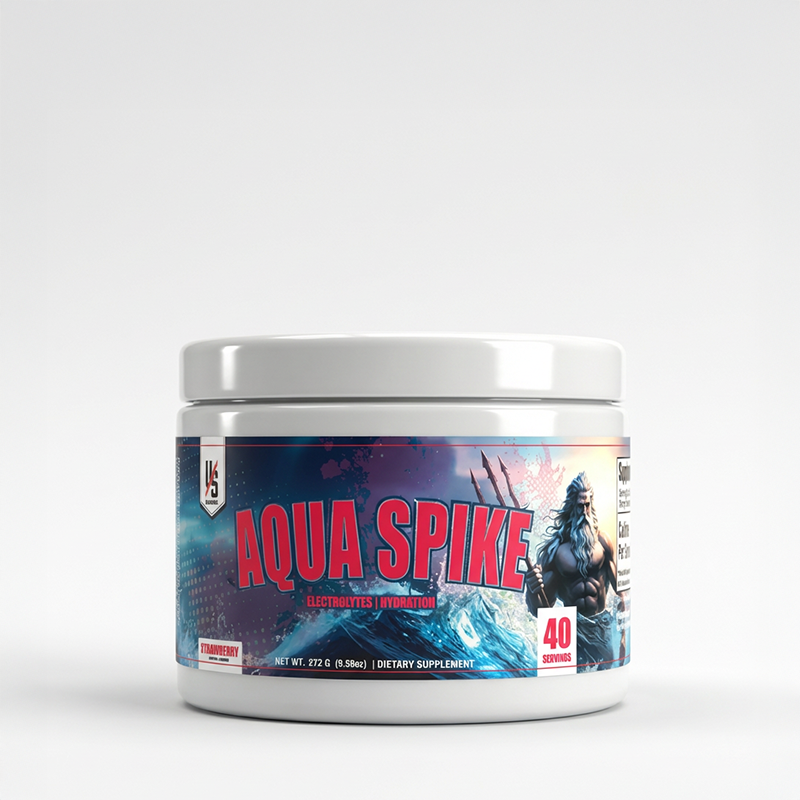
- Stay hydrated. Dehydration even at 2% body weight loss drops performance measurably. For heavy-sweat sessions or hot training environments, Aqua Spike handles electrolyte replacement.
- Don't fear carbs on training days. Glycogen drives high-intensity output. Low-carb athletes often train at 70–80% of their potential. See Athlete's Fueling Guide for the framework.
Full nutrition strategy: Ultimate Guide to Protein and What Are Macros?
FAQ
How do I know if my form is bad?
Film yourself from the side on heavy sets and compare to standard technique videos for that movement. Common form red flags: lower back rounds on deadlifts, knees cave in on squats, elbows flare on bench, weight swings on curls. If something hurts in joints (not muscles), form is almost always the culprit.
How many rest days do I actually need?
Most natural lifters perform best with 1–2 full rest days per week. Advanced lifters with smart programming can train 5–6 days. If you're hitting personal records consistently, your recovery is adequate. If you're stalling and exhausted, add a rest day.
How often should I change my workout routine?
Every 4–6 weeks for most lifters. Long enough to make measurable progress on the current exercises; short enough to introduce new stimulus before the body fully adapts. Some lifters use longer 8-12 week blocks for strength-focused training.
Is the "anabolic window" really only 30 minutes?
No — that was 90s-era broscience. Current ISSN consensus: getting 20–40g of protein within ~2 hours of training supports muscle protein synthesis better than waiting 3+ hours, but you don't need to slam a shake the moment you rack the bar. Daily total intake matters more than precise timing.
Should I work out fasted?
Depends on the training. Low-intensity fasted cardio is fine for fat loss; high-intensity strength or hypertrophy fasted typically produces worse output. If you train fasted, add intra-workout EAAs to give muscle some amino acid availability during the session.
What's the single most impactful fix?
For most lifters: hitting daily protein consistently. It's the easiest variable to control and produces the largest body-composition return. After protein, prioritize sleep, then training consistency, then form, then variety.
Should I do cardio if I want to build muscle?
Yes, in moderation. 2–3 short cardio sessions per week (20–30 min) supports cardiovascular health without compromising muscle building. Excessive cardio (5+ hours per week of high-intensity work) can interfere with strength gains. Walking is essentially free and supports recovery.
THE BOTTOM LINE
Avoiding these five mistakes accelerates progress more than any new program, supplement, or piece of equipment will. Focus on proper form. Listen to fatigue signals. Vary your routine. Warm up and cool down. Prioritize nutrition and recovery.
Consistency is the foundation, but smart training is the multiplier. Whether you're chasing a new PR or trying to stay strong as you age, small fixes here compound into massive returns over time.
READY TO GEAR UP?
The supplement stack for athletes who train smart:
- Post Iso — 24g whey isolate per scoop; post-workout protein delivery for muscle repair
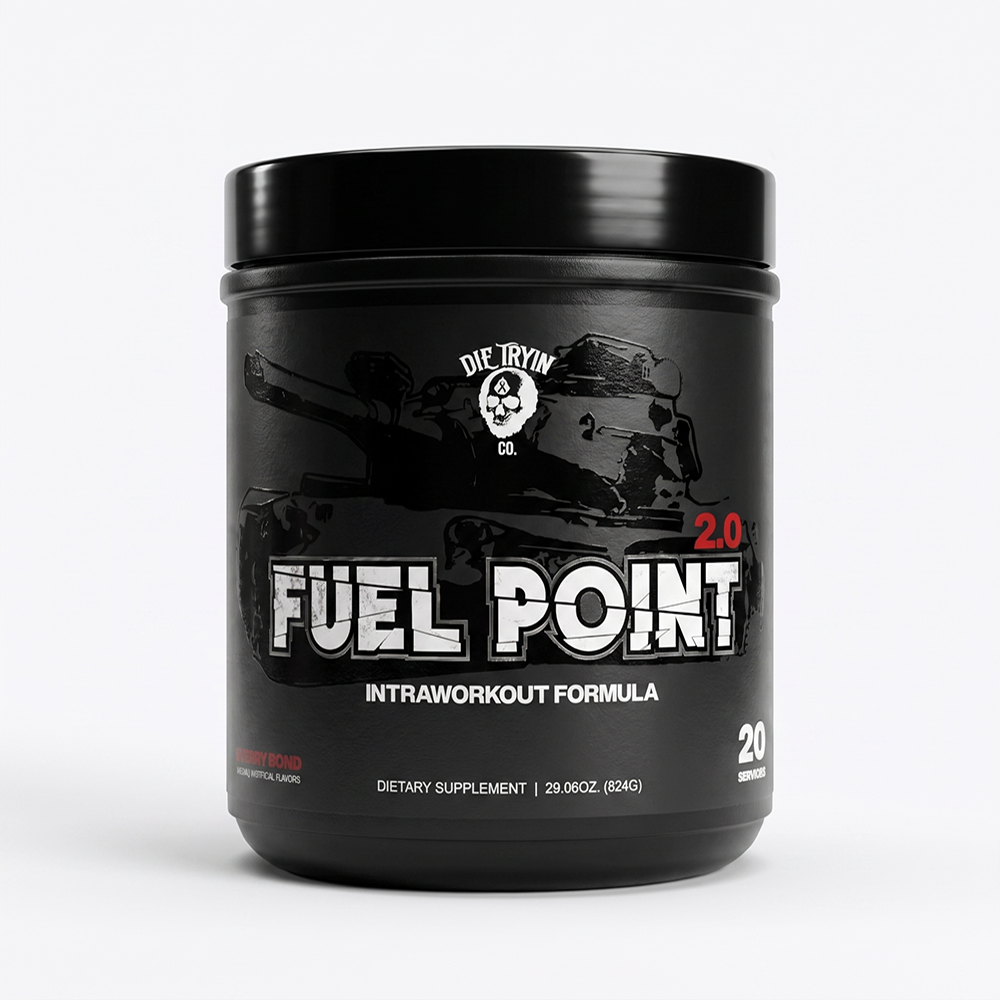
- EAAs — all 9 essential amino acids, built into Fuel Point 2.0, for intra-workout muscle support
- Creatine — 5g daily, every day, for ATP regeneration and strength output
- Aqua Spike — electrolyte replacement for heavy-sweat or hot training environments
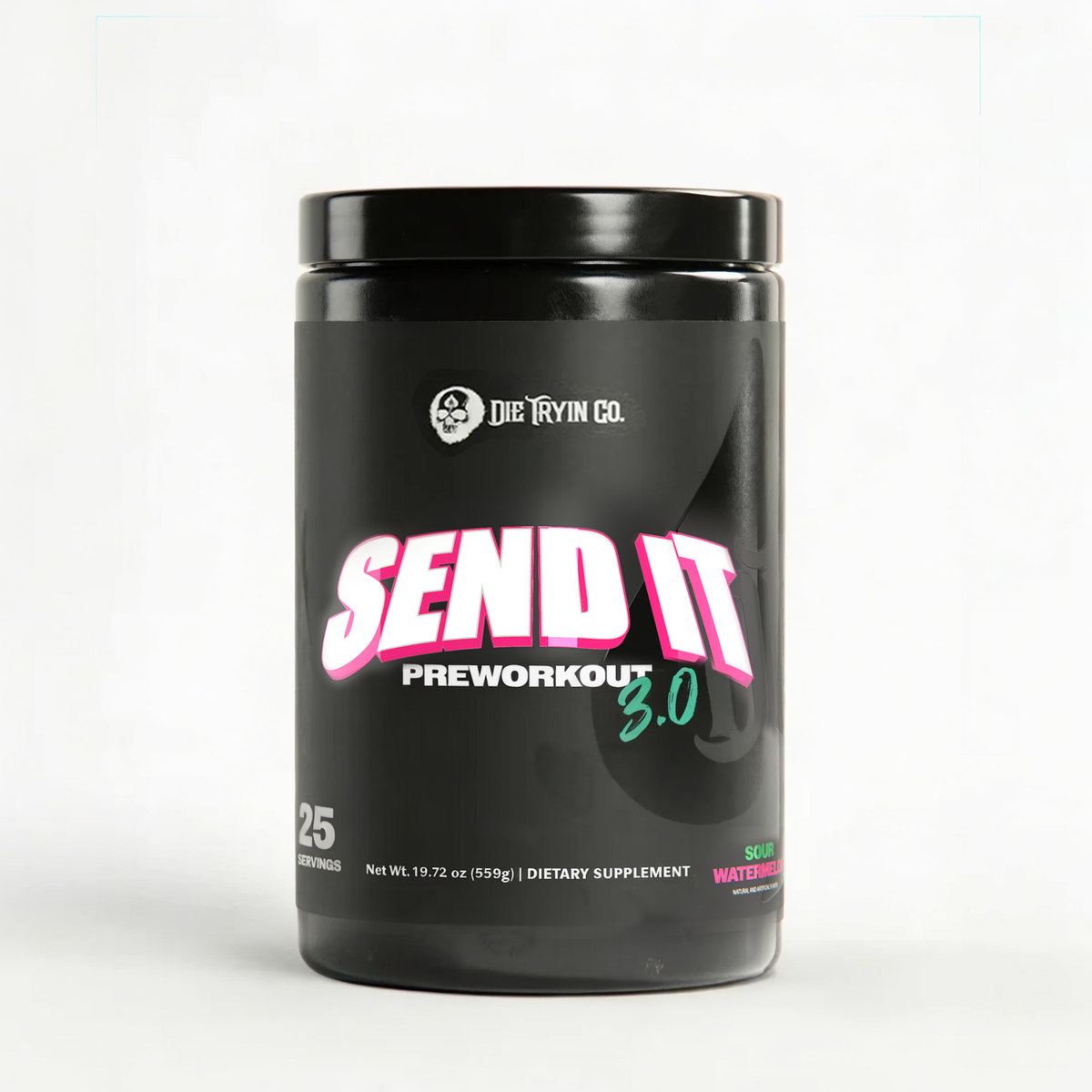
- SEND IT 3.0 — daily-driver pre-workout for the days you need a focus and energy bump
For deeper dives: Ultimate Guide to Muscle Building | Ultimate Guide to Recovery | Ultimate Guide to Protein | Ultimate Guide to Training Mindset.
Not sure where to start? Take the DTC supplement quiz — two minutes, dialed-in recommendation.
ALWAYS FORWARD.
GEAR THAT FITS THIS POST
The products this article actually talks about. Real doses, disclosed labels, veteran owned.

Read more

The 7 chest exercises Garrett Ussery uses to build mass on himself and his clients — upper, middle, and lower pec coverage, plus how to program a chest day.
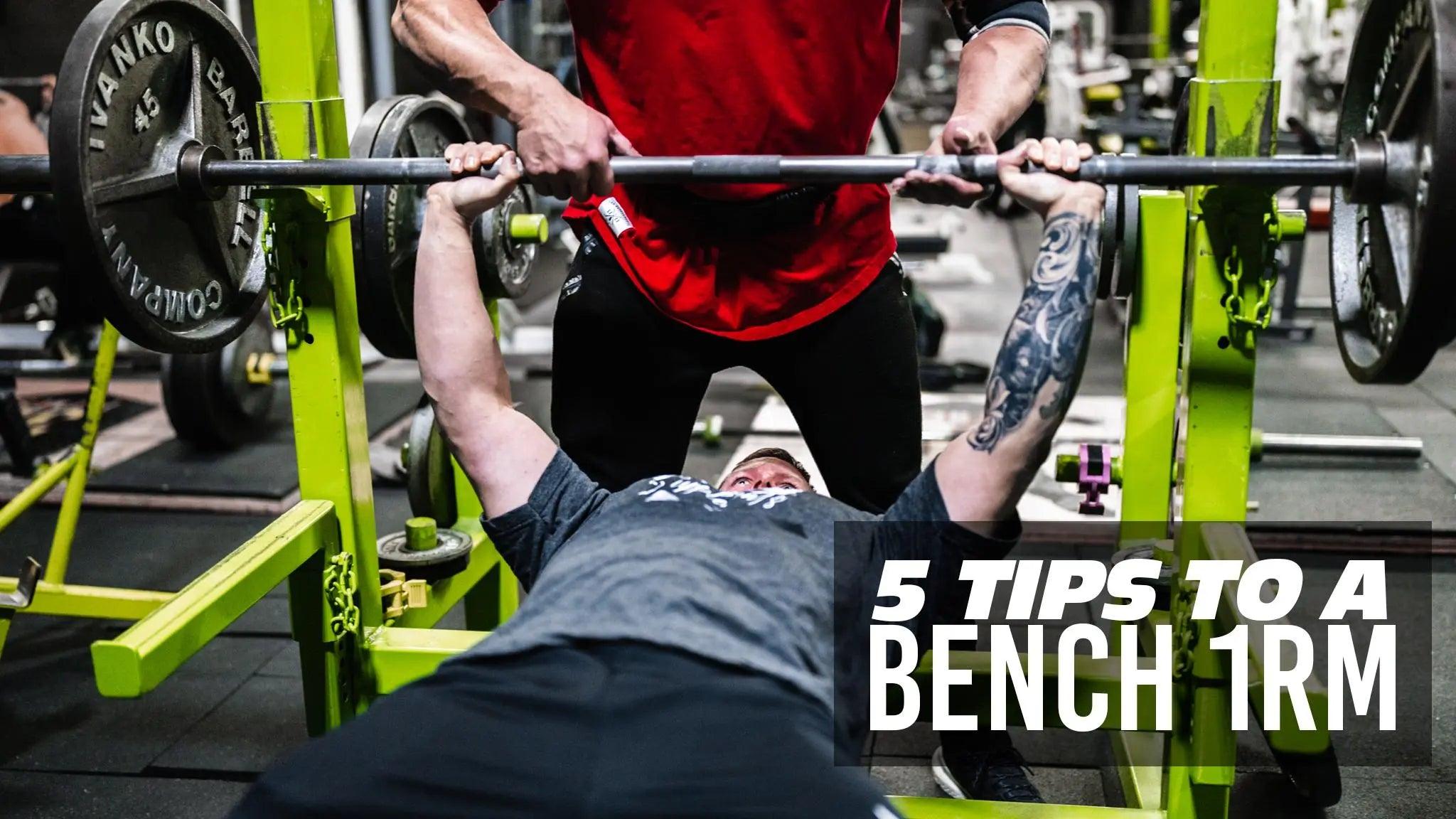
6 evidence-based strategies to increase your bench press — progressive overload, technique fixes, accessory work, and the recovery framework that turns training into real PRs.
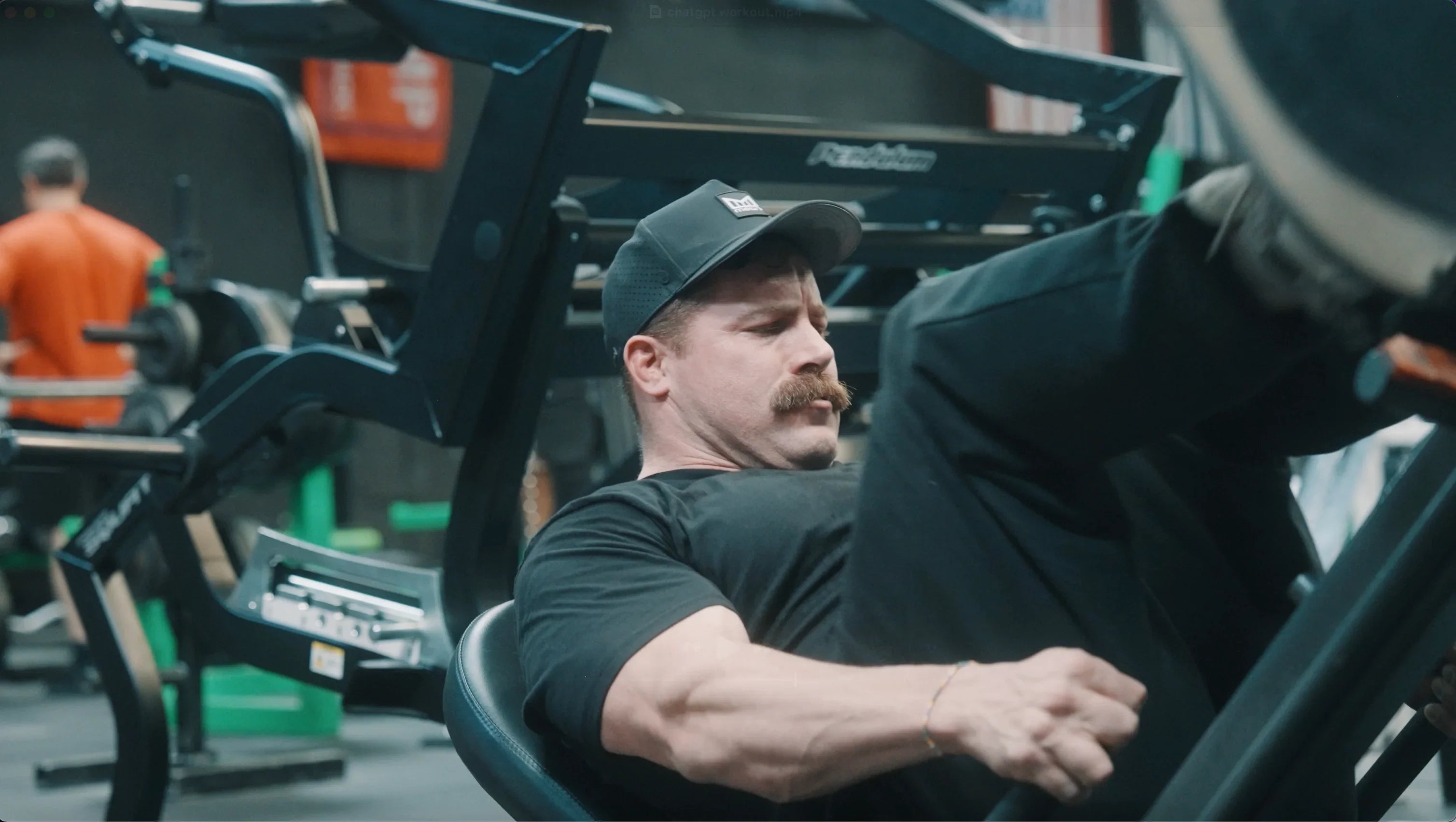
The best leg exercises that actually build wheels — 8 moves for quads, hamstrings, glutes, and calves, plus a complete leg-day plan.

Your triceps are two-thirds of your arm. Here are the 7 best tricep exercises to hit all three heads — and how to program them for size.
The no-BS recovery playbook — sleep, stress, nutrition, modalities, and the framework that ties it all together. Recovery is where growth actually happens.

There's no perfect split — only the one you'll stick to. PPL vs. upper/lower broken down, plus how to choose the best workout split for your week.