


How to Build a Supplement Stack for Your Actual Goal
By Jon Klipstein, U.S. Army Combat Veteran & Founder of Die Tryin Co.
Science reviewed by Onur Oncer, BS Physiology (Phi Beta Kappa) and peer-reviewed published researcher.
MOST STACKS ARE BUILT BACKWARD
Listen up. Most people build a supplement stack the way they build a playlist. Whatever sounded good that week. A fat burner because a guy at the gym mentioned it. A second pre-workout because the first stopped hitting. Three tubs deep, no honest answer to what any of it is doing.
A stack is not a shopping list. It is a support system built around one goal, where every product has a job you can say out loud in one sentence. If you cannot name the job, it does not go in the stack.
Here is the framework: three tiers, bottom up. Tier one gets handled first, every time, because nothing stacked on a broken foundation does much of anything.
| YOUR GOAL | FOUNDATION (NON-NEGOTIABLE) | GOAL LAYER | WHERE WE FIT |
|---|---|---|---|
| Build muscle | Protein to close the daily gap, Creatine Monohydrate, water and electrolytes | More quality reps at the same effort | Post Iso + Creatine + SEND IT 3.0 |
| Lose fat | Protein high enough to protect lean mass, hydration, micronutrients | Holding training output while calories are down | Post Iso + Daily Essentials + Incendiary Stage 2 |
| Endurance / work capacity | Fluid and sodium, carbohydrate availability, protein for repair | Fuel and fluid during the session, not just around it | Aqua Spike + Fuel Point + SEND IT Sport |
| Train late / stim-sensitive | Same foundation as your primary goal | Pump and focus without touching sleep | Red Dot or Pump Action |
THE THREE-TIER RULE
Every product you own belongs in one of three tiers. Sort your shelf into these and the gaps become obvious fast.
- Tier 1, Foundation. The stuff that works regardless of your goal because it closes a nutritional gap: protein, Creatine Monohydrate, water and sodium. Nothing here is exciting. All of it is load-bearing.
- Tier 2, Goal layer. The products that only make sense given a specific target. A pre-workout for training quality. Intra-workout carbohydrate for long sessions. Metabolic support in a cut.
- Tier 3, Margins. Real, small, and slow: omega-3s, greens, collagen, gut support. Worth owning once tiers one and two are locked. Never worth buying first.
Most people invert it. They buy tier three because the marketing is prettiest, skip tier one because it is boring, then blame the supplement when nothing moves. Basics beat hype, every time.
TIER 1: THE FOUNDATION NOBODY OUTGROWS
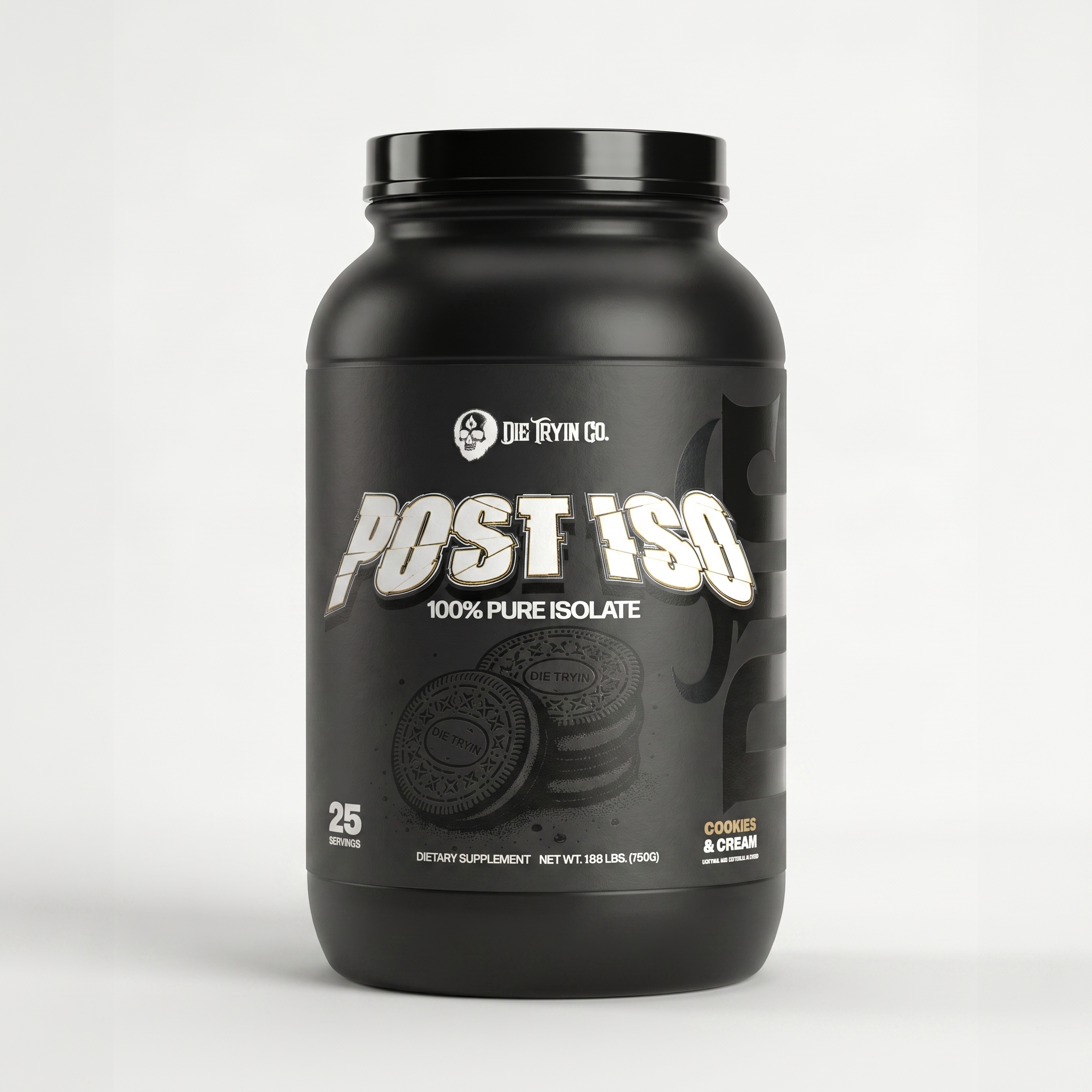
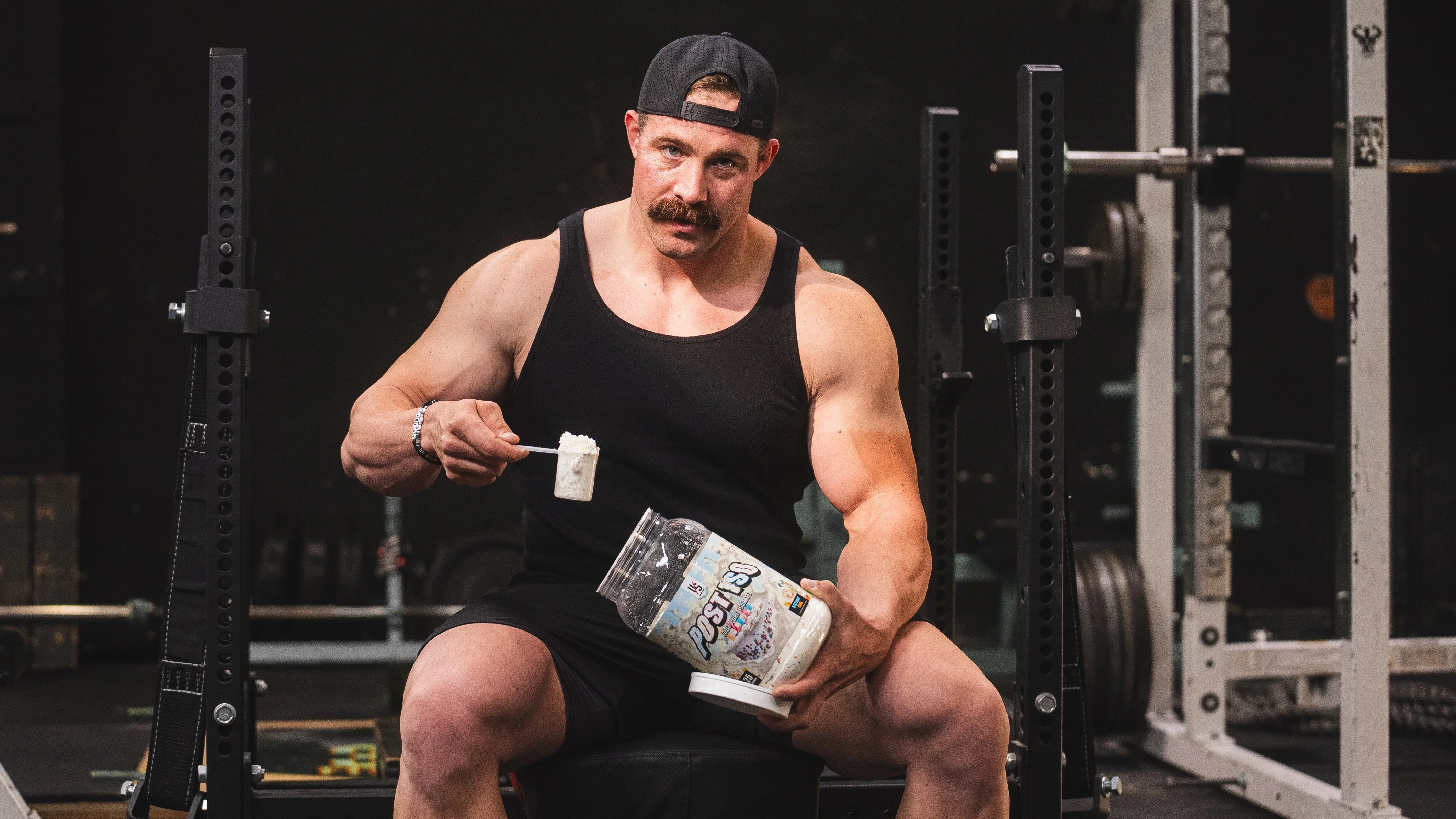
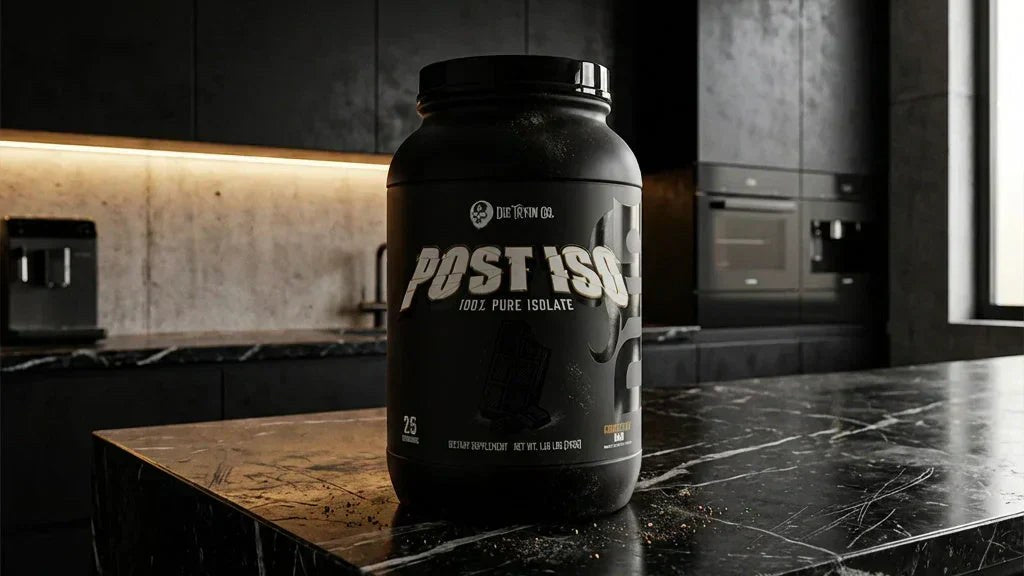
Protein first, because it has the deepest evidence base and the highest chance of already being short in your day. A systematic review and meta-analysis by Morton and colleagues in the British Journal of Sports Medicine pooled 49 studies and 1,863 participants. Protein supplementation added an average of 0.30 kg of fat-free mass and 2.49 kg to one-rep max strength across a prolonged training block. Honest read: that is real, and it is modest. The same analysis found gains in fat-free mass stopped improving past roughly 1.62 g/kg/day of total protein, ran stronger in already resistance-trained people, and weakened with age. Protein powder is not magic. It is the cheapest way to hit a number you are probably missing. Our Post Iso puts 24 g of whey isolate in a scoop with DigeZyme enzymes. Still deciding between isolate and a blend? We broke that down in protein isolate vs. blends.
Creatine Monohydrate is the second foundation piece and the most-researched sports supplement on the shelf. The International Society of Sports Nutrition position stand on creatine reports consistent increases in intramuscular creatine and improved high-intensity exercise performance, and describes short- and long-term supplementation as safe and well tolerated in healthy people. Caveat worth naming: a position stand is a society review, not an independent meta-analysis, and several of its authors list sports-nutrition industry affiliations. The underlying trial base is still the deepest in the category. Five grams a day of plain Creatine Monohydrate. Not a novel salt, not a buffered version with a trademark. Monohydrate is the form the research was run on, and the cheapest thing in your stack.
Third: fluid and sodium. Research suggests fluid loss starts blunting output before thirst catches up, which makes hydration the most common silent hole in an otherwise decent stack. Handle it with Aqua Spike or plain water plus salt, and read why hydration is non-negotiable.
GOAL LAYER: BUILDING MUSCLE
Once the foundation is set, the muscle-building layer has one job: let you do more quality work at the same perceived effort, then recover in time to do it again. No supplement builds tissue on its own, and anything sold on that promise is selling the wrong story.
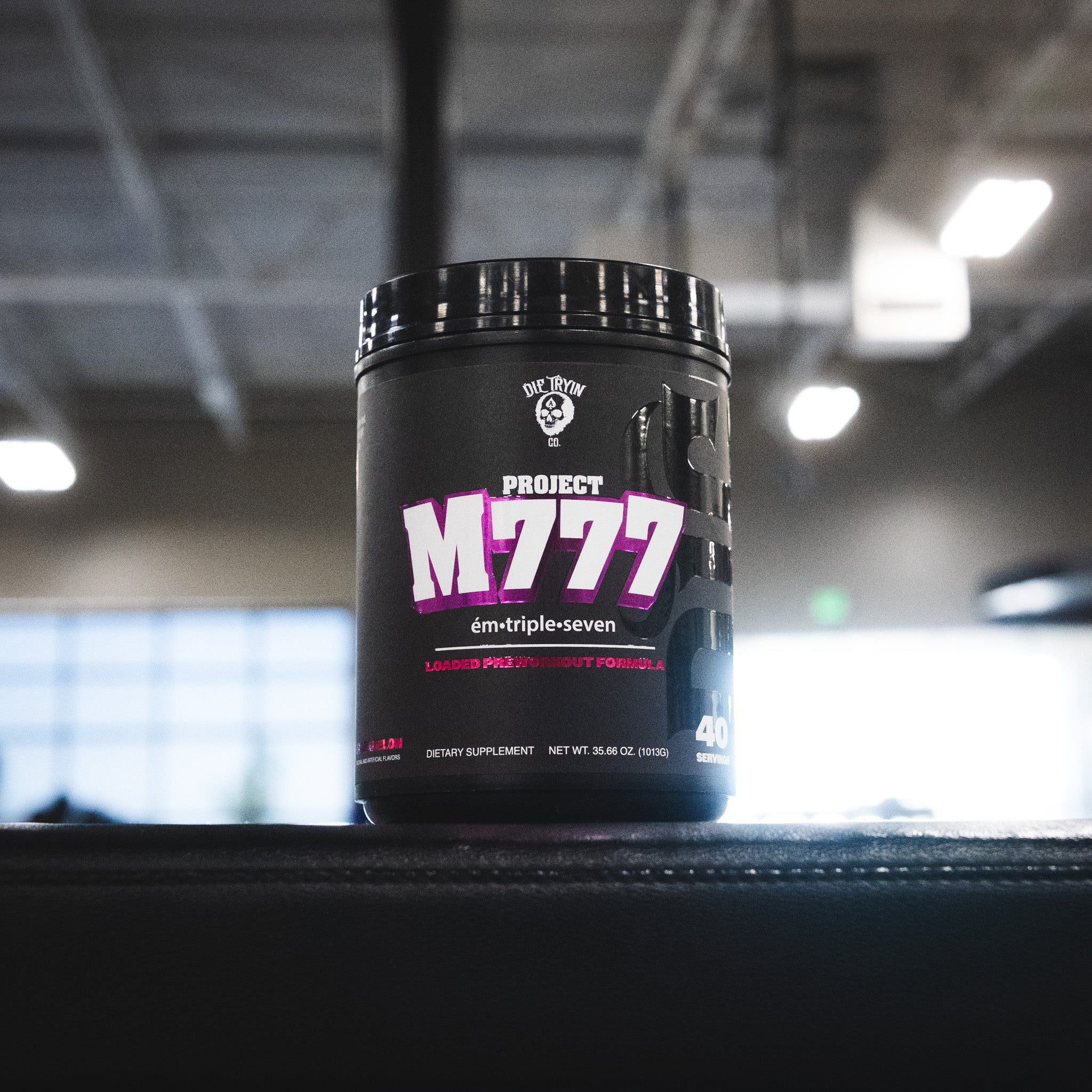
That means a pre-workout with real doses, not a proprietary blend hiding a caffeine pill behind eleven ingredients. SEND IT 3.0 is the daily driver: clinical doses of L-Citrulline and Beta-Alanine alongside Alpha-GPC, with roughly 286 mg of total caffeine including a zumXR extended-release portion. Project M777 is the heavier option, for your hardest sessions and established stimulant tolerance only. What belongs in a pre-workout, and at what dose, lives in our ultimate guide to pre-workout.
- Protein: hit your daily target first, supplement the gap. Full detail in the protein pillar.
- Creatine Monohydrate: 5 g daily, timing basically irrelevant.
- Pre-workout: one, matched to the session and to your tolerance.
- Stim-free option: Red Dot for evening training, so your stack does not cost you sleep.
GOAL LAYER: LOSING FAT
Fat loss is a calorie problem. Supplements do not solve calorie problems. What they can do is protect the two things a deficit erodes: lean mass and training output. Protein goes up, not down. Micronutrients matter more, because you are eating less food. That is the whole fat-loss stack, and it looks suspiciously like the muscle stack for a reason.
On the performance side, caffeine is the honest one, with honest limits. A 2018 systematic review and meta-analysis by Grgic and colleagues pooled ten studies for strength and ten for power, and found small but statistically significant improvements in both (standardized mean difference 0.20 for maximal strength, 0.17 for power). The subgroup analysis is the part nobody quotes: upper-body strength reached significance, lower-body strength did not (SMD 0.15, 95% CI −0.05 to 0.34). Small effect, from a small pool of trials, not uniform across lifts, and it does not burn fat off you. It helps you train hard while under-fed. See the fat-loss pillar for the part that actually moves the scale.
- Protein, higher: Post Iso makes a high target survivable on low calories.
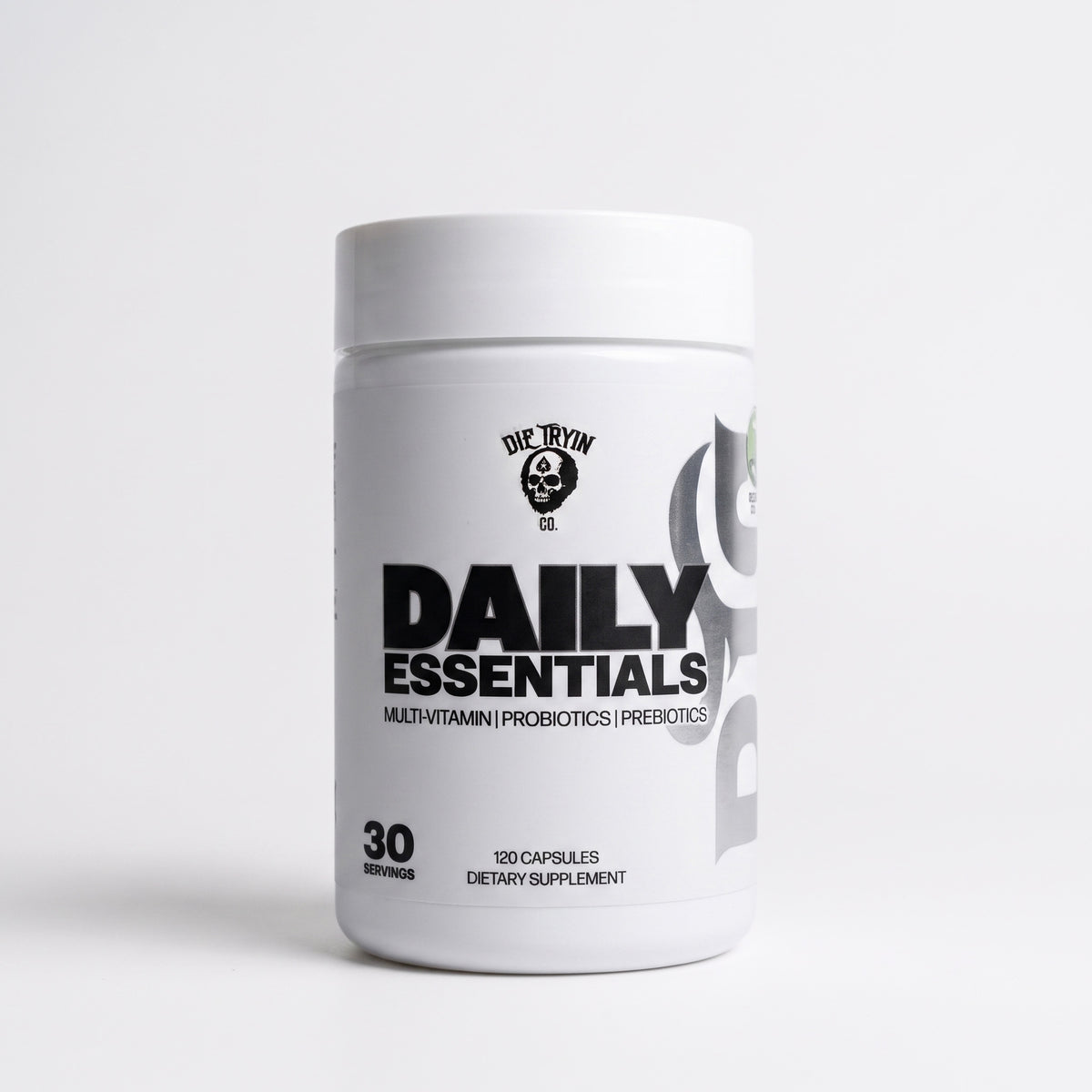
- Micronutrient cover: Daily Essentials and Ghillie Greens when food volume drops.
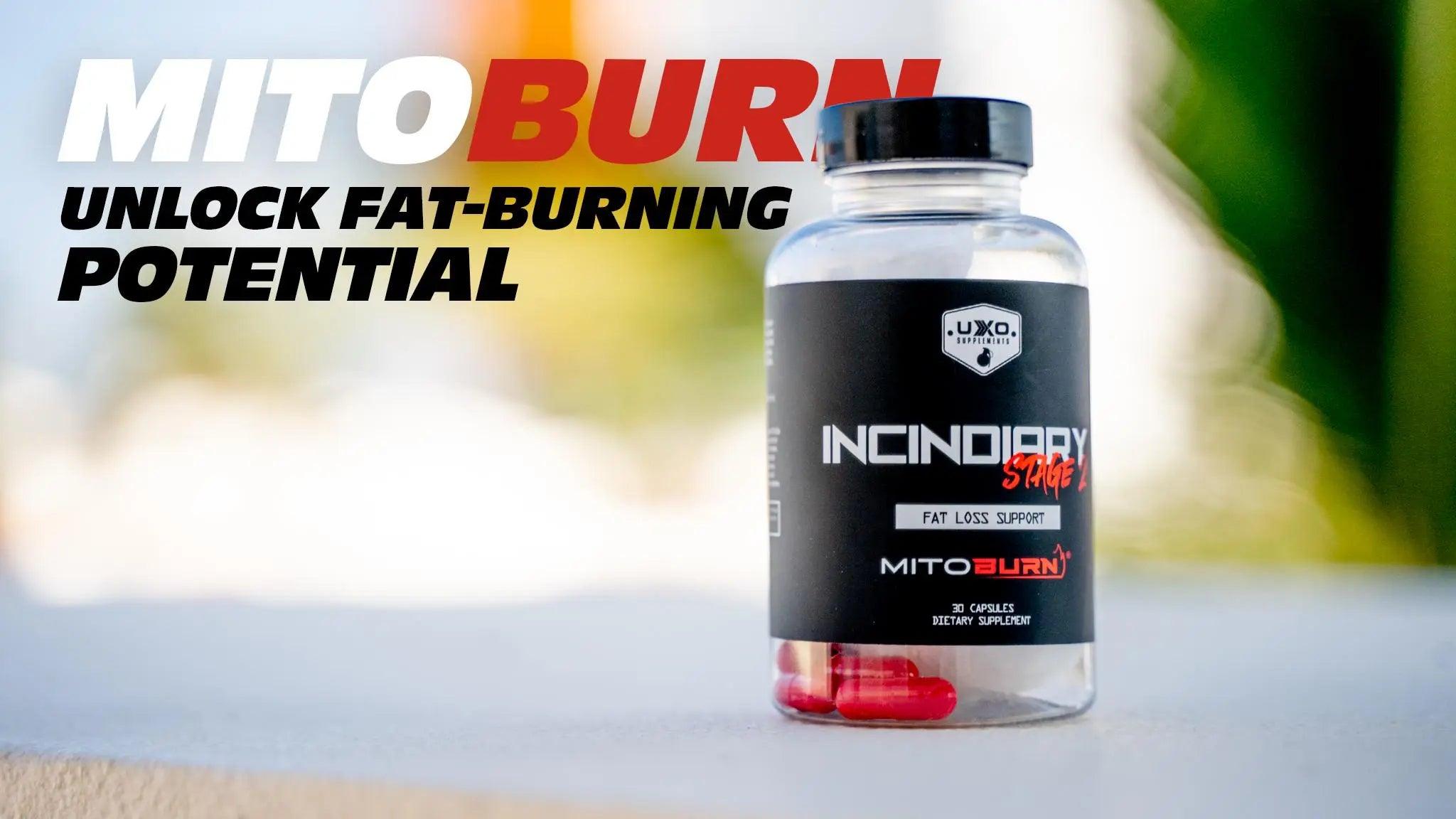
- Metabolic support: Incendiary Stage 2, filed under margins, not mechanism. We are not going to tell you it burns fat off you. More in our Mitoburn breakdown.
- Know your numbers: a stack cannot outrun an untracked deficit. Start with macros, explained.
GOAL LAYER: ENDURANCE AND WORK CAPACITY
Long sessions fail for two reasons: you run out of fluid, or you run out of fuel. An endurance stack is built around what happens during the session, which is the piece lifters skip because a 50-minute workout rarely needs it.
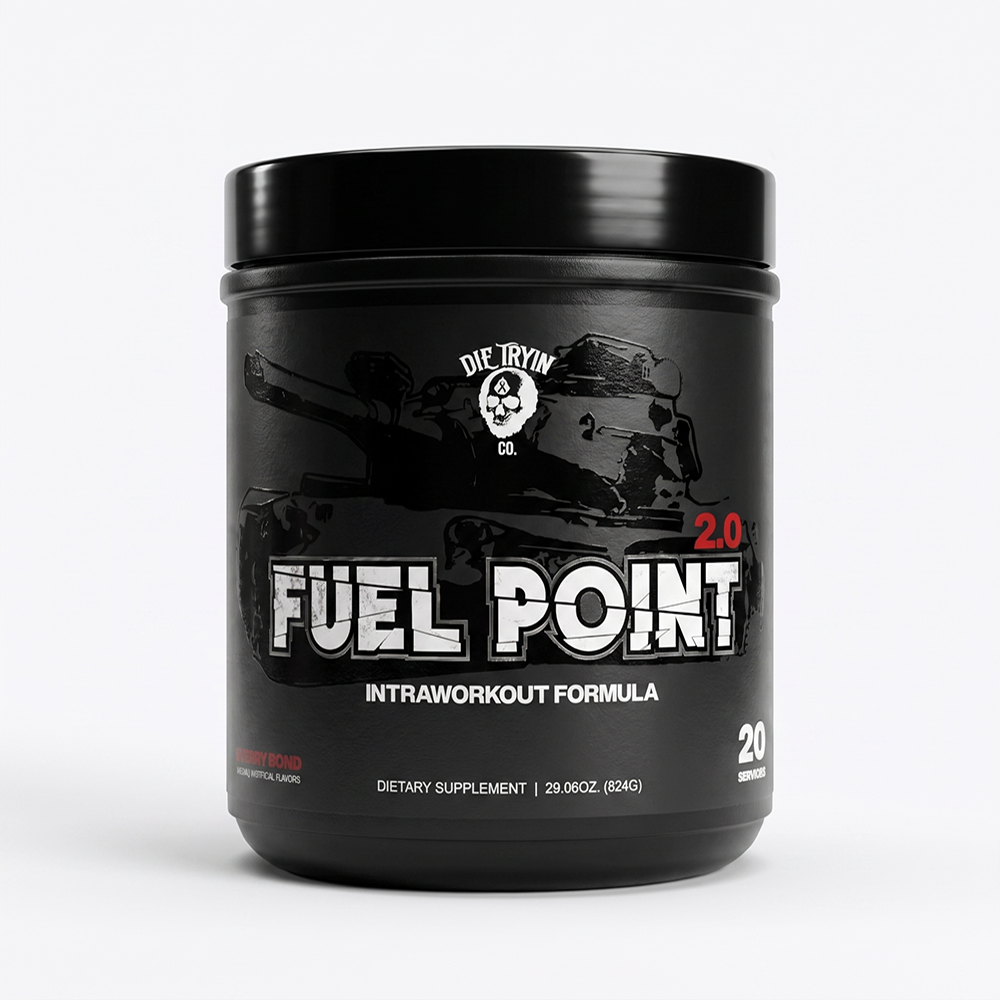
Sodium and fluid go in first through Aqua Spike. Carbohydrate second through Fuel Point, once sessions run past about an hour of hard continuous work. Stimulants come last and stay low, which is why SEND IT Sport carries 145 mg of caffeine instead of triple that. For timing on all three, see the pre, intra and post-workout guide and the athlete's guide to fueling.
TIER 3: THE MARGINS
Margins are real. They are just slow, and they get bought first by people avoiding the hard part. Once tiers one and two have run consistently for a couple of months, this is where the next few percent live.
- Omega, general dietary gap-filling for people who do not eat fish.
- Collagen Peptides, connective tissue support alongside heavy training.
- Glutamine, 5 g, gut and recovery support during hard blocks.
- Gut health, where you should start with these basics before buying anything.
ADD ONE THING AT A TIME
Here is what separates people who know what works from people who own a lot of powder. Add one product. Give it four weeks. Change nothing else. Track two numbers: total volume on your main lifts, and how you feel at set four. If you cannot tell whether it did anything, that is an answer, and it is the one that saves you money. Stacking four new things in a week guarantees you never learn which one earned its spot.
WHAT SEPARATES A REAL STACK FROM A SHELF OF POWDER
Real doses of real ingredients. That is the entire test, and most of the industry fails it on purpose. A proprietary blend exists so a brand can list an impressive ingredient at a dose that does nothing, while you pay for the name.
What to demand before anything goes in your stack:
- Full disclosure. Every ingredient, every milligram. No blends.
- Doses that match the research, not doses that match the marketing budget.
- Third-party batch testing for label accuracy and purity.
- A job you can name. If nobody can tell you what a product does in one sentence, it is decoration.
FREQUENTLY ASKED QUESTIONS
What is a supplement stack, exactly?
A set of products chosen to support one goal, where each covers a different gap: a nutritional shortfall, a training-performance need, or a recovery need. The word "stack" implies layers, and that is the useful part. Foundation first, goal layer second, margins last.
How many supplements should I actually take?
Fewer than you think. Two or three products used consistently beat seven used sporadically. From zero, protein and Creatine Monohydrate cover most of the available upside. Everything past that is optimization on top of a foundation that must exist first.
Do I need a pre-workout to have a real stack?
No. A pre-workout is a training-quality tool, not a requirement. Training hard and sleeping enough already? It adds a margin. Using it to paper over four hours of sleep? Wrong solution. Research suggests caffeine's effect on strength is small and not uniform across lifts, so treat it as a nudge, not a step change.
Can I run a fat-loss stack and a muscle-building stack at the same time?
The foundations are nearly identical. Protein, Creatine Monohydrate, hydration and a pre-workout serve both. What changes is calories and the goal layer sitting on top. Pick one primary goal so the deficit or surplus is unambiguous, and let the stack follow.
How long before I know if a stack is working?
Four to six weeks per change, tracked. Creatine Monohydrate tends to show up as extra reps within a few weeks. Protein shows up as body composition over months. Anything promising visible results in seven days is selling water weight and a story.
Is a stack worth it if my diet is not dialed in?
Partially. Protein powder is useful precisely when your diet is not dialed in, because it closes the gap you keep missing. A fat burner in that same situation is money set on fire. Fix sleep, calories and training first. Supplements support a system, they do not replace one. Not sure where you land? Take the supplement quiz.
READY TO GEAR UP?
Build from the bottom up. Foundation, goal layer, margins, every time.
- Post Iso, 24 g of whey isolate with DigeZyme enzymes. Start here.
- Creatine, 5 g micronized Creatine Monohydrate. The most-researched item on the shelf.
- SEND IT 3.0, the daily driver, every dose disclosed.
- Red Dot or Pump Action, stim-free pump and focus for late sessions.
- Aqua Spike, the cheapest performance fix in the building.
- Want it pre-built? The M777 Dual Mission Stack pairs both pre-workouts, the Mission Pump Stack adds a dedicated stim-free pump layer, and the Thermogenic Stack covers training, metabolism and strength in one box.
- Take the quiz and we will build the tiers for your goal.
Discipline beats motivation. Consistency beats intensity. Your stack should reflect both.
ALWAYS FORWARD.
Read more
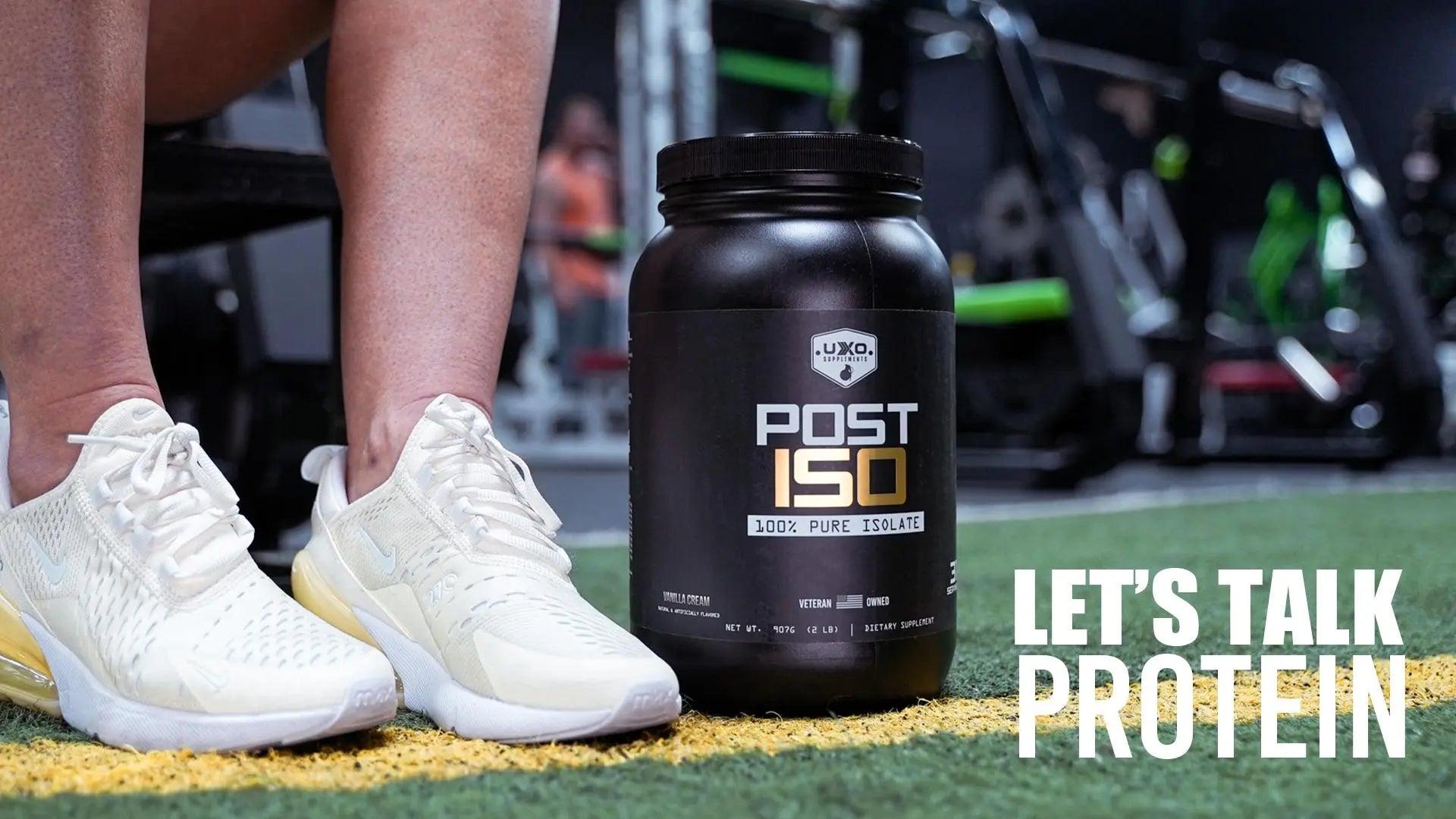
Isolate or blend is a smaller decision than the label suggests. Here is what genuinely separates them, and what matters more.
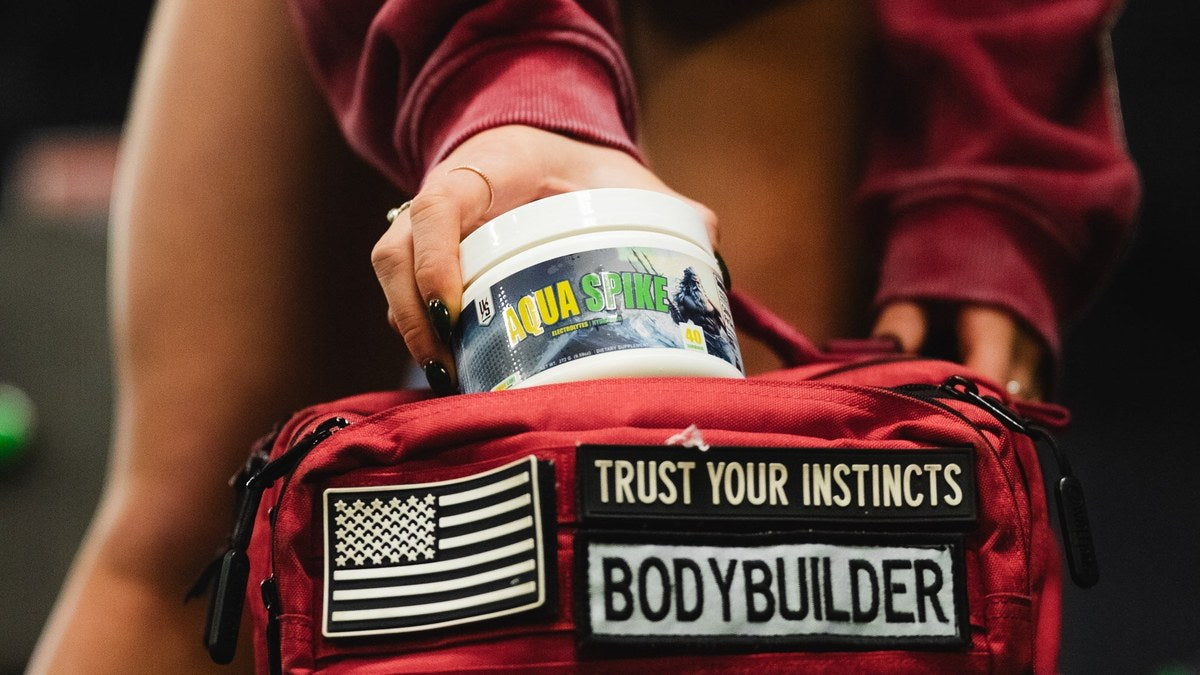
The complete hydration playbook: how much water you actually need, what dehydration does to your performance, and how to hydrate around hard training.

What actually works in pre-workout — ingredients, doses, timing, and how to pick the right one. Cut through the marketing. Get the real answer.
The complete protein playbook — how much you need, when timing matters, which sources deliver, and the myths costing you money.
The no-BS playbook for losing fat without losing muscle. Energy balance, protein, training, sleep, and the supplements that actually help.
MitoBurn is built on L-BAIBA, a molecule your muscles release when you train. Here is the honest state of the evidence.
GEAR THAT FITS THIS POST
The products this article actually talks about. Real doses, disclosed labels, veteran owned.