





Weight Loss Plateau: Why It Stalled and How to Fix It
By Jon Klipstein, U.S. Army Combat Veteran & Founder of Die Tryin Co.
Science reviewed by Onur Oncer, BS Physiology and peer-reviewed published researcher.
THE PLATEAU IS MATH, NOT FAILURE
Listen up. The scale stopped moving and you decided your body is broken, your metabolism is "damaged," or you need something more extreme. None of that is true.
A stall is information. It is your body telling you that the plan that worked six weeks ago no longer matches the person standing on the scale today. That is not a betrayal. That is arithmetic catching up with you.
Nobody wants to hear the honest version because the honest version has no supplement attached to it and no 21-day promise. The honest version is that early fat loss is partly an illusion, your maintenance calories moved, and your tracking got sloppier than you think it did.
No shame in any of that. Everybody drifts. Here is what is actually happening and what to do about it, in order.
| WHY IT STALLED | WHAT IT LOOKS LIKE | THE FIX |
|---|---|---|
| The water and glycogen drop ended | Weeks one and two flew, then it flattened out hard | Judge progress on a 3 to 4 week trend, not day to day |
| Smaller body, smaller burn | The exact target that worked in month one does nothing in month three | Recalculate your target for your current bodyweight (start with macros) |
| Daily movement quietly dropped | Fewer steps, less pacing, more couch, more "I earned this rest day" | Set a hard step floor and hold it before you touch food |
| Tracking drift | Eyeballed portions, bites and sips, weekends that never get logged | Weigh everything for 10 straight days, no exceptions |
| You have been dieting too long | Flat scale, garbage sleep, dead training sessions, constant hunger | Take a planned maintenance break, then re-enter |
THE FIRST TEN POUNDS LIED TO YOU
When you cut carbs and calories, your body burns through stored glycogen. Every gram of glycogen holds water alongside it. Drop the stores, drop the water, and the scale falls off a cliff in the first week or two. It feels incredible. It is also not mostly fat.
So when week three arrives and the number barely moves, you are not slowing down. You are finally seeing your real rate of fat loss without the water inflating the numbers. The "slowdown" is partly just the illusion wearing off. Most people quit right here, at the exact moment the honest work starts.
A SMALLER BODY BURNS LESS FUEL
Here's the truth: you lost weight, so you now cost less to operate. Less tissue to haul around, less energy to move it, less energy to maintain it. The calorie target you set at your starting weight was built to create a 500-calorie gap. At your current weight, that same target creates a smaller one. Same number on the app, less gap underneath it.
The bigger factor is the one nobody logs. As dieting drags on, unconscious movement tends to fall. You take fewer steps. You sit longer. You stop bouncing your leg at your desk. You drive to the closer parking spot. None of it feels like a decision, and all of it adds up over a week.
Movement is worth defending for reasons that go well past the scale. A 2019 systematic umbrella review in Medicine & Science in Sports & Exercise pooled the evidence on physical activity and reported consistent associations between being more active and lower all-cause and cardiovascular mortality risk (Kraus et al., 2019). Steps are not just a fat-loss lever. They are a health lever that happens to help.
THE TRACKING DRIFT NOBODY ADMITS TO
This is the uncomfortable section. Nobody logs as accurately as they think they do, and the people most confident in their numbers are usually the furthest off. Not because they are lying. Because portions creep and small stuff disappears from memory.
Run the audit on yourself honestly:
- Peanut butter, oils, and dressings measured by eye instead of by scale
- Bites while cooking, the last three bites off your kid's plate, the handful from the pantry
- Liquid calories: creamers, juice, beer, the "small" weekend cocktails
- Two accurate weekdays followed by two untracked weekend days, which is enough to erase the whole week's deficit
- Trusting the treadmill's calorie readout, which is an estimate wearing a confident font
None of that makes you weak. It makes you normal. But you cannot fix a number you are not actually measuring.
THE FIX, IN ORDER
Work these top to bottom. Do not skip to the bottom because it feels more aggressive. Aggressive is not the same as effective.
- Recheck the target. Recalculate calories and protein for the bodyweight you have right now, not the one you started with. Set protein first and build the rest around it.
- Tighten measurement for 10 days. Food scale out, everything logged, weekends included. Half the time the "plateau" resolves itself here and nothing else needs to change.
- Add movement before you cut more food. Steps are the cheapest lever you own. Raise your daily floor and hold it for two weeks before you take a single calorie away.
- Protect the muscle. Keep training heavy and keep protein high. Strength training during a cut is what decides whether you finish looking lean or just smaller.
- Consider a maintenance break. Two to four weeks eating at maintenance is not quitting. It is a reset for sleep, training output, and sanity, and it makes the next deficit block far easier to execute.
If you want the whole system laid out instead of a patch job, our complete fat-loss guide covers the calorie math, protein targets, and training structure in one place.
WHEN A STALL IS ACTUALLY FINE
Not every flat week is a problem. If you started a new lifting program, added a hard session, or came back from a long layoff, you may be gaining a little muscle and losing a little fat at the same time. Scale flat, body changing. Sodium, hydration status, stress, travel, and the menstrual cycle can all park the scale for a week or more with nothing wrong underneath.
That is why the scale should never be your only instrument. Take waist measurements, take monthly photos in the same light, and watch how your training numbers move. If the tape is shrinking and the bar is still going up, you are winning. Stay the course and stop renegotiating your plan every Monday morning.
FREQUENTLY ASKED QUESTIONS
How long does a real plateau last before I change something?
Three to four weeks of no movement in weight, waist measurement, and photos while you are genuinely tracking. Anything shorter than that is usually normal week-to-week noise, not a plateau.
Should I just cut calories harder?
That is the last lever, not the first. Cutting deeper while your steps are falling and your tracking is loose usually buys a week of progress and a month of misery. Fix measurement and movement first.
Is my metabolism damaged?
Almost certainly not. Energy expenditure does shift as you get smaller and as daily movement drops, and that is a normal adjustment rather than permanent damage. Recalculating your target for your current bodyweight handles most of it.
Do refeeds or diet breaks actually help?
A planned maintenance break can help with training output, sleep quality, and adherence, which is often what a long diet actually needs. It is a strategy for staying in the fight, not a metabolic trick.
How much protein should I be eating in a deficit?
Keep it high. Protein is the nutrient that helps protect muscle when calories are low, and it is the single most useful thing to lock in before you fine-tune anything else. Set the floor, hit it daily, then adjust carbs and fats around it.
Will a fat burner break my plateau?
No supplement creates a calorie deficit. If your deficit is not real, nothing in a bottle fixes it. Support products are a small edge on top of a plan that is already working, not a replacement for the plan.
READY TO GEAR UP?
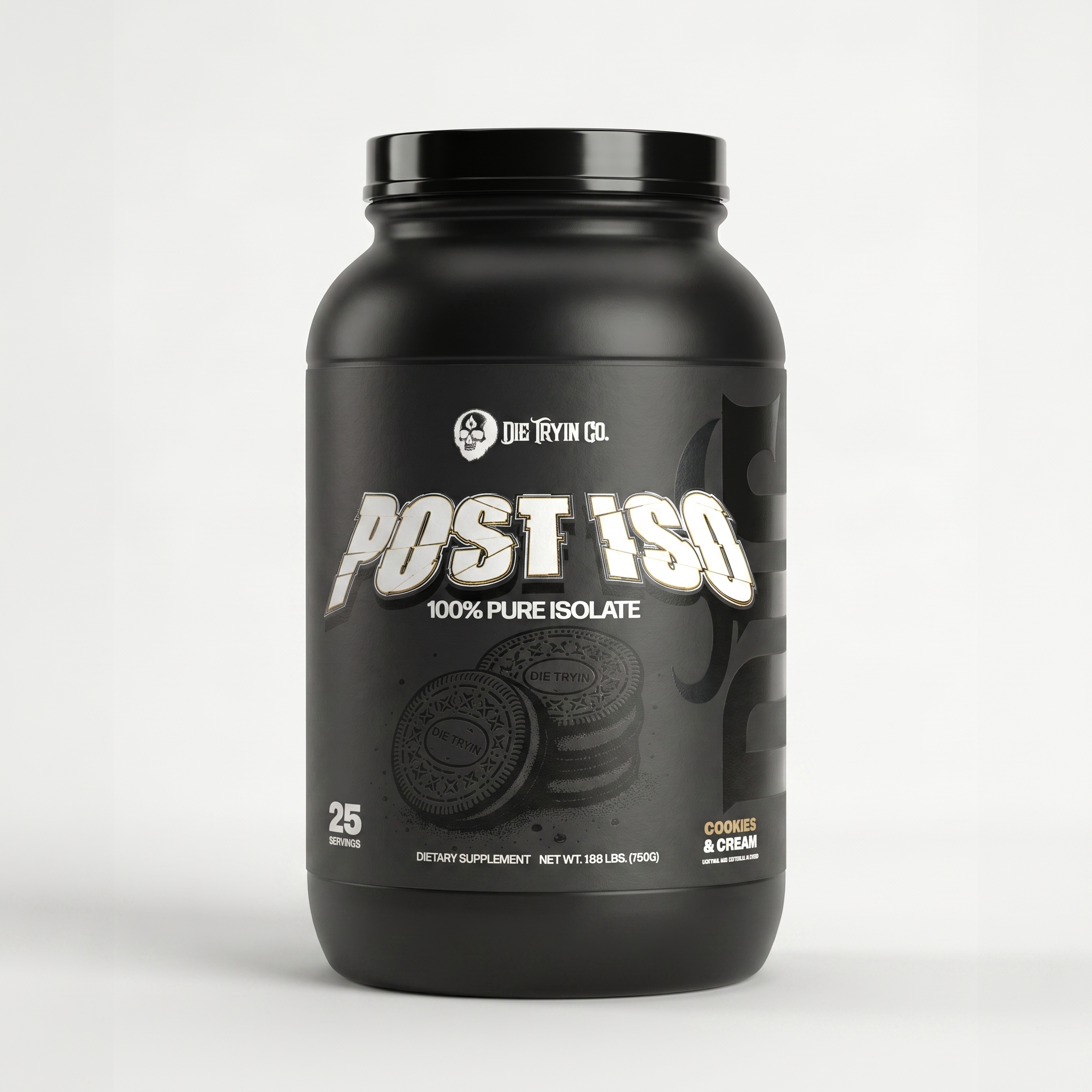
Basics beat hype, and the basics on a cut are protein, hydration, and training you can actually recover from. Post Iso is the easiest way to hold a protein floor when calories are tight, at 24g of whey isolate per serving with digestive enzymes built in. Hitting protein is the difference between losing fat and losing everything.

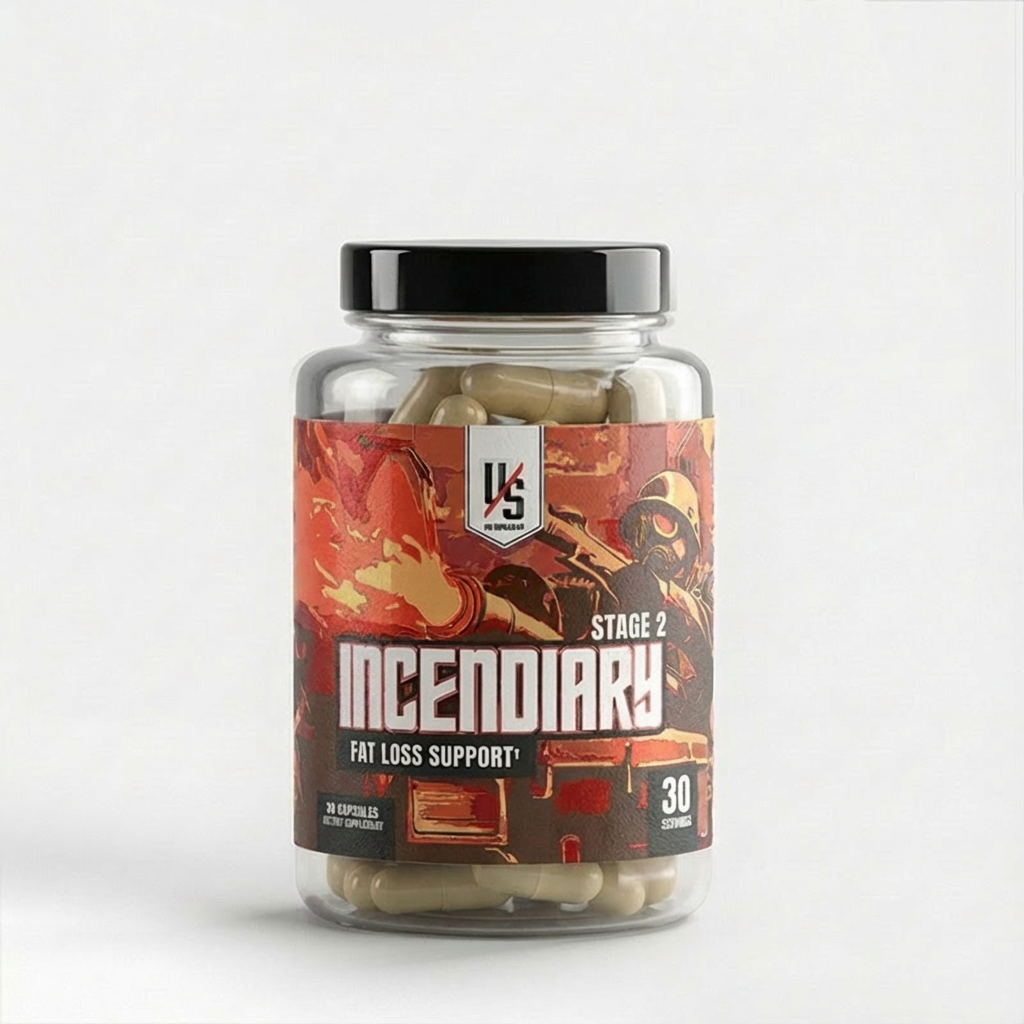
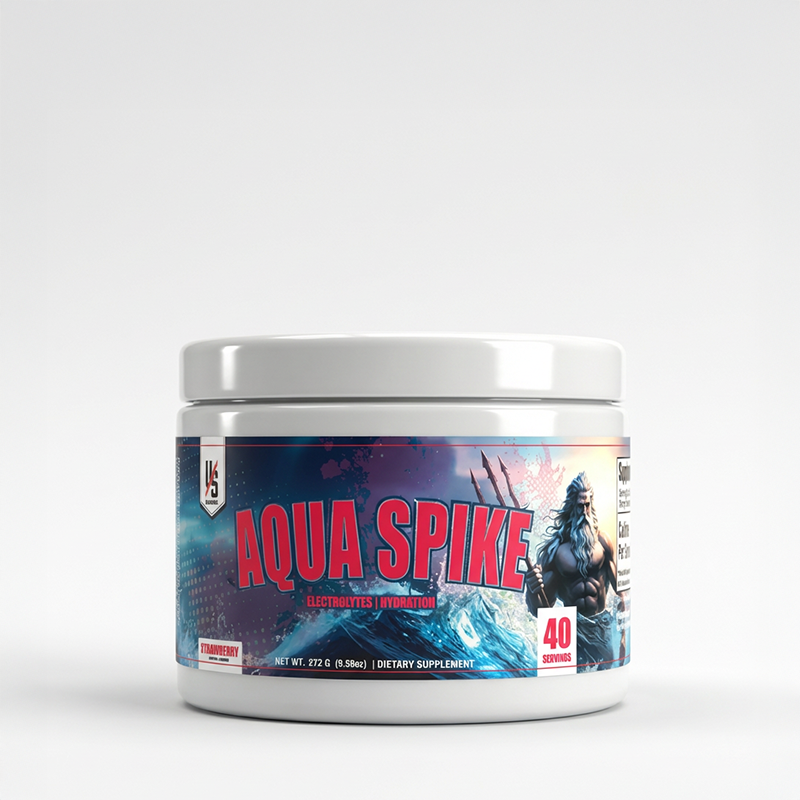
Hydration deserves the same discipline. Aqua Spike keeps electrolytes consistent, which may support training performance and takes one variable out of the day-to-day scale noise that sends people into a spiral. And if you want a metabolic-support product layered on top of a deficit that is already dialed in, Incendiary Stage 2 (MitoBurn) is built for that role. Support, not shortcut. It works alongside the work, never instead of it.
Not sure which stack fits where you are right now? Take the supplement quiz and get a straight answer in two minutes. Then go execute. Discipline beats motivation, and consistency beats intensity every single time.
ALWAYS FORWARD.

GEAR THAT FITS THIS POST
The products this article actually talks about. Real doses, disclosed labels, veteran owned.
Read more

You can't out-train a bad diet. Here's the no-BS guide to macros — what they are, why they matter, and how to count them so you actually hit your goals.
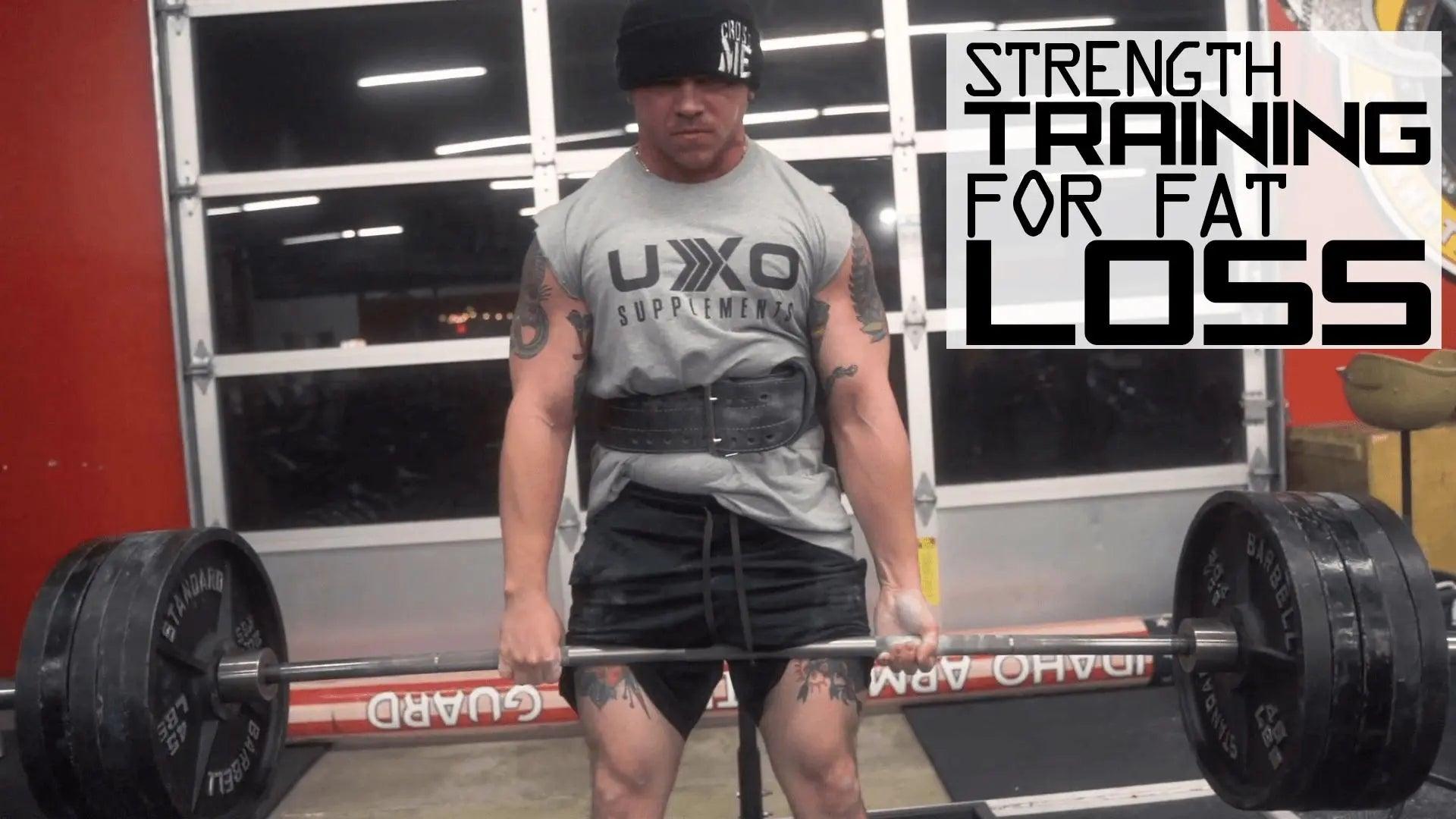
Think you shouldn't lift weights while losing fat? It's a myth. Here's how strength training preserves muscle, protects your metabolism, and beats cardio alone.

The no-BS playbook for losing fat without losing muscle. Energy balance, protein, training, sleep, and the supplements that actually help.
Your gut lining runs the same creatine energy system as your muscles. Here is what the research shows on stomach upset, IBS, colitis and leaky gut, and exactly where the human evidence stops.

Creatine gummies can work if the creatine is actually in them, and lab tests keep finding it often is not. Here is why a scoop of Creatine Monohydrate powder still wins.
Flavor doesn't change what creatine does; taking it every day is what counts. How to pick flavored or unflavored, what to mix it with, and how long it lasts once mixed.