
Cold Plunge for Athletes: When It Helps, When It Costs You
By Jon Klipstein, U.S. Army Combat Veteran & Founder of Die Tryin Co.
Science reviewed by Onur Oncer, BS Physiology and peer-reviewed published researcher.
THE COLD WORKS. THE TIMING DECIDES WHICH WAY.
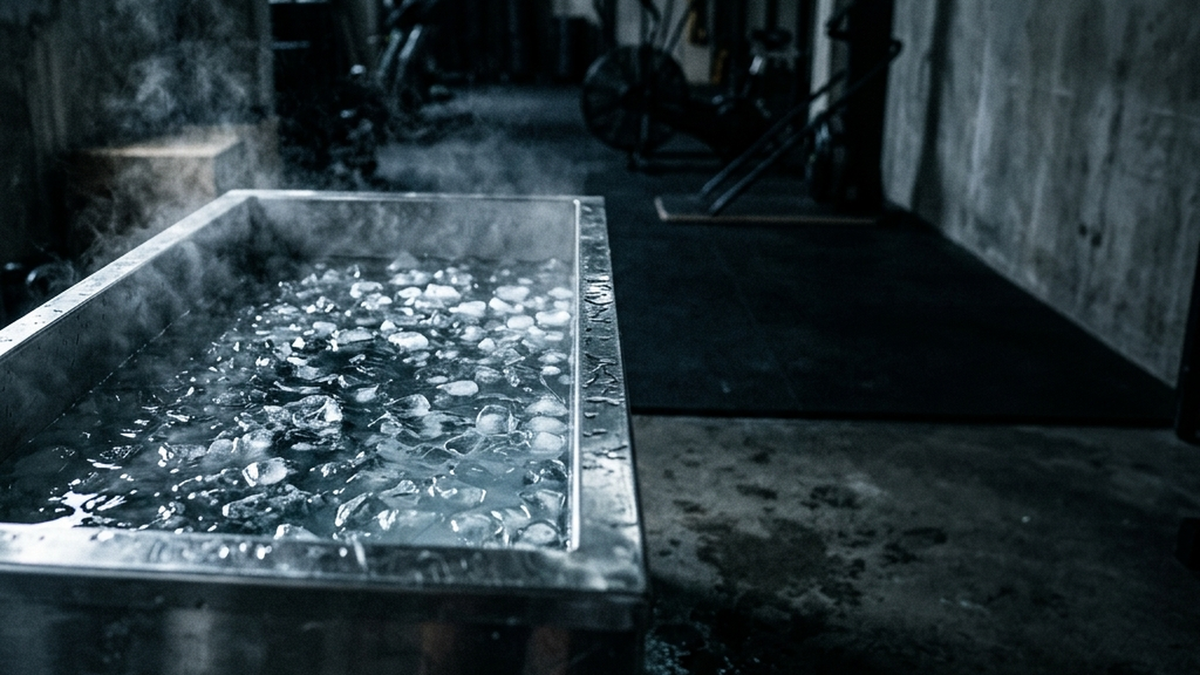
Listen up. Cold plunging is not a scam, and it's not a miracle. It's a tool with a very specific on-switch, and most people are pulling it at the wrong hour of the day.
Here's the truth: cold water is one of the most reliable ways to fire up your sympathetic nervous system. That makes it excellent first thing in the morning. It also makes it a problem in the exact window after a lifting session, because the same response that wakes you up also quiets the signal your muscle uses to grow.
Same tub. Same water. Opposite outcome, depending on when you get in.
| WHEN YOU PLUNGE | WHAT'S ACTUALLY HAPPENING | VERDICT |
|---|---|---|
| Morning, before training or work | Big noradrenaline response. Alertness, drive, focus. Nothing to blunt yet. | ✅ Best use case. This is the one. |
| Right after lifting for size | Suppresses the inflammatory and anabolic signaling that drives fiber growth. | ❌ Costs you. Prioritize building muscle instead. |
| After conditioning, a game, or a brutal event | Cuts soreness and gets you functional faster for the next effort. | ✅ Legit. Performance now beats adaptation later. |
| Between two-a-days | Same logic. You need session two to be good, not session one to be maximal. | ✅ Legit. |
| Off day, hours from any session | You get the nervous-system and mood effect with no adaptation to interfere with. | ✅ Free win. |
WHAT COLD ACTUALLY DOES TO YOUR NERVOUS SYSTEM
The sympathetic nervous system response is where this all starts, and the research is unusually clean on it. According to PubMed, Šrámek and colleagues put young men through one-hour head-out immersions at three different water temperatures and measured what moved (Eur J Appl Physiol, 2000). At 14°C, plasma noradrenaline climbed 530% and dopamine 250%. Metabolic rate went up 350%. Their conclusion was direct: the responses induced by cold are mainly due to increased activity of the sympathetic nervous system.
Two details in that study matter more than the headline number. First, adrenaline did not change. This isn't a panic dump. It's a noradrenaline response, which is the chemistry of focus and drive rather than the chemistry of a fire alarm. Second, cortisol tended to go down, not up. If you've been avoiding cold because you heard it spikes your stress hormone, that fear is pointed at the wrong molecule. Cortisol is worth managing, but that's a sleep and stress conversation, not a cold-water one.
Be honest about the dose, though. That study used a full hour in the water. Nobody is sitting in a plunge for sixty minutes, and a three-minute dip will not produce a 530% catecholamine response. What the research establishes is the direction and the mechanism, not a dose you can copy. Temperature drives the size of it: at 20°C metabolic rate roughly doubled, at 14°C it more than quadrupled. Colder pulls harder.
THE MORNING PLUNGE IS YOUR BEST USE CASE
This is where cold earns its reputation, and it's the version almost nobody argues about.
You wake up flat. You get in cold water for a couple of minutes. Your nervous system throws a switch it would otherwise take you two hours and three cups of coffee to find. There's no training stimulus sitting in your body yet, so there's nothing to interfere with. You get the alertness at zero cost.
For a lot of people that's the honest reason to own a plunge: it's a discipline tool. Getting in cold water when you don't want to is a rep. You do a hard thing before the day has a chance to negotiate with you, and the rest of it arrives on your terms. Same muscle you use when the alarm goes off at 0430 and the bar doesn't care how you feel. Discipline beats motivation.
AFTER A HARD SESSION: IT DEPENDS WHAT KIND OF HARD
Here's where most cold plunge advice falls apart, because "after a rough workout" isn't one situation. It's two, and they want opposite things from you.
If you just squatted heavy and the goal is a bigger, stronger body six months from now, the soreness you're feeling is not the enemy. The inflammatory response you want to shut off is part of the message telling the muscle to adapt. Kill the messenger and you get less of the adaptation you did the work for.
If you just finished a conditioning block, a competition, or the first of two sessions today, the calculation flips. You aren't trying to maximize adaptation from that specific session. You need to be functional again fast. Different job, and cold does it well.
THE HYPERTROPHY PROBLEM, IN NUMBERS
This isn't theoretical. According to PubMed, Roberts and colleagues ran 21 physically active men through 12 weeks of strength training, twice a week, with either 10 minutes of cold water immersion or active recovery after every session (J Physiol, 2015). Strength and muscle mass increased more in the active recovery group. Type II fiber cross-sectional area rose 17% and myonuclei per fiber rose 26% in the active recovery group, and did not rise in the cold group. Satellite cell activity was blunted by the cold. The authors wrote that using cold water immersion as a regular post-exercise recovery strategy should be reconsidered.
A second study sharpens the picture. Fyfe and colleagues had 16 men train three days a week for seven weeks, following each session with 15 minutes at 10°C or passive recovery (J Appl Physiol, 2019). Type II fiber growth was again attenuated by cold, and anabolic signaling was suppressed both one hour and 48 hours after training. But maximal strength was not affected. Leg press 1RM improved about the same in both groups.
Read that carefully, because it's the useful part. If you're chasing size, cold right after lifting works against you. If you're a strength athlete who cares about the number on the bar and not the tape measure, the penalty is smaller than the internet suggests. Know which one you are before you decide.
HOW TO RUN IT
Nothing exotic. The protocols that produced real physiological responses in the research above sat between roughly 10°C and 14°C (50–57°F) for 10 to 15 minutes, and the alertness version works at much shorter durations. Practical structure:
- Morning session: 2–5 minutes is plenty. You're after the nervous-system flip, not an endurance test.
- Post-conditioning or between sessions: 10–15 minutes in the 10–14°C range, matching the protocols above.
- Lifting days: separate the plunge from the session by several hours, or move it to a non-lifting day entirely.
- Breathe. The first 30 seconds are the hardest part. Slow, controlled exhales are the difference between training your stress response and just panicking in cold water.
- Rewarm passively. Dry off, layer up, move around. Jumping straight into a hot shower erases part of the metabolic response you just paid for.
One real safety note: cold water immersion triggers an involuntary gasp reflex and a jump in heart rate and blood pressure. Never plunge alone, never plunge in open water you don't know, and if you have a heart condition, blood pressure issues, or you're pregnant, clear it with your doctor before you start. This is not a push-through-it situation.
WHAT TO DO INSTEAD AFTER YOU LIFT
If cold is off the table in the hour after your session, the replacement is boring and it works. Basics beat hype.
- Move, don't freeze. Active recovery was the winning arm in the Roberts study. Walk. Ride easy. Ten minutes is enough.
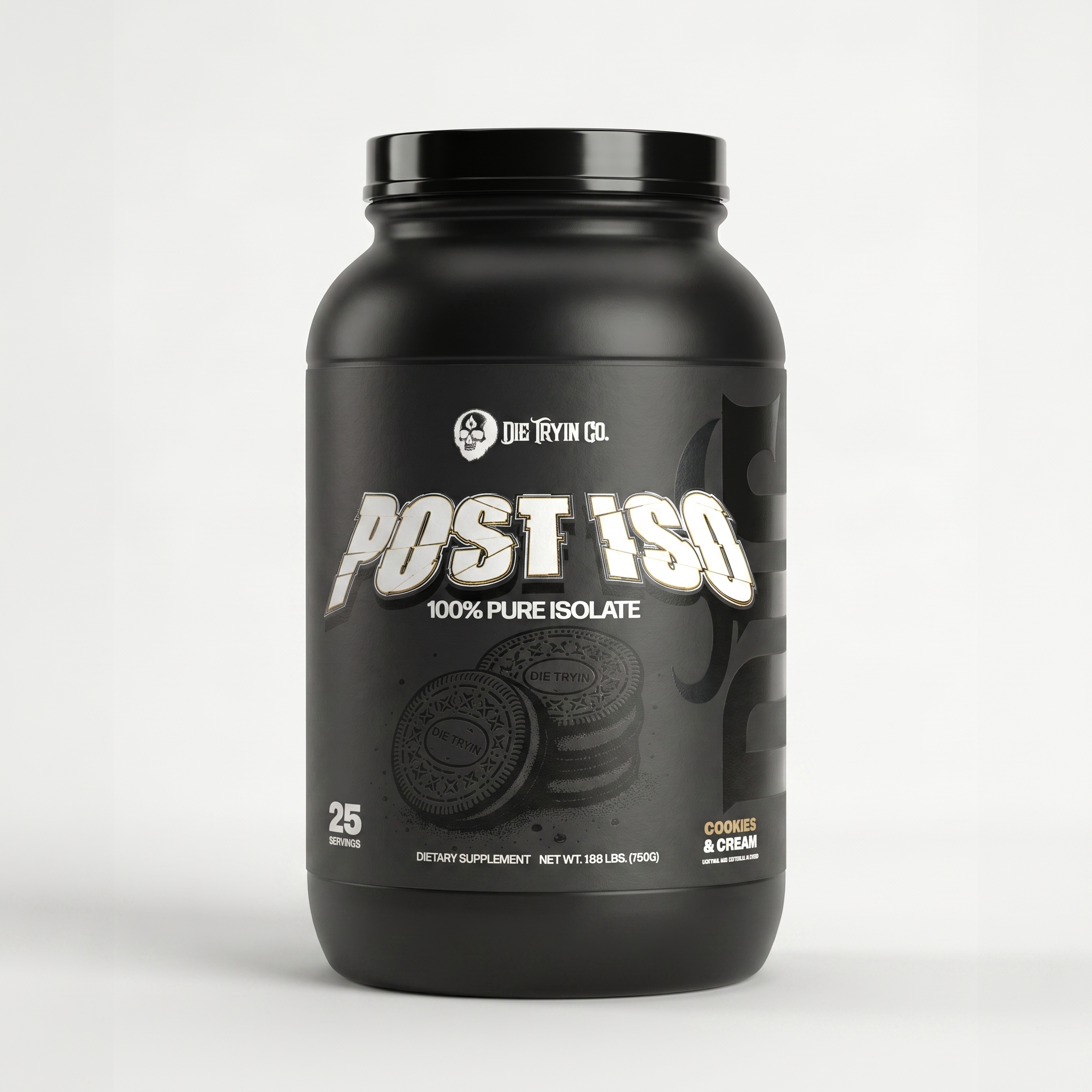
- Eat. Protein and carbs. Post Iso gets 24g of whey isolate in fast when you don't feel like cooking.
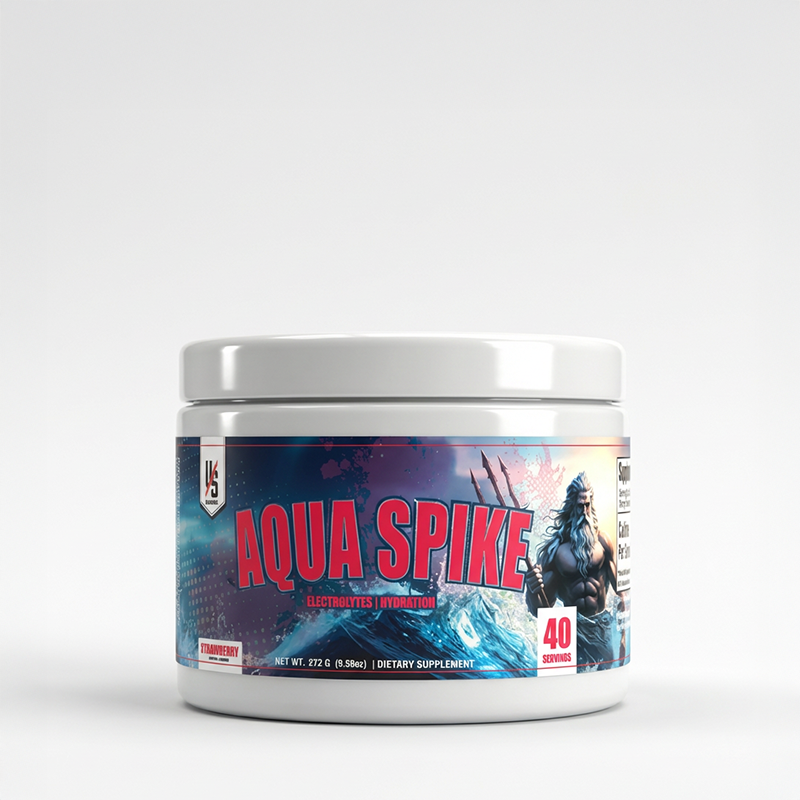
- Rehydrate properly. Fluid and electrolytes, not just water. Aqua Spike handles that.
- Keep the adaptation drivers loaded. Creatine Monohydrate at 5g daily is the most supported supplement in the category, and it works on the exact process cold interferes with.
- Sleep. It outperforms every modality in this article, and it's free. The complete recovery guide ranks all of it honestly.
And if you're plunging because you're constantly beat up, the plunge is treating a symptom. Chronic soreness, flat sessions, and dragging motivation usually mean under-recovery, not a missing ice bath. Check whether you're actually overtrained and whether it's time for a deload. Cold water won't fix a program problem, and recovery is a variable you program, not a thing you buy.
FREQUENTLY ASKED QUESTIONS
How cold does the water need to be?
The studies that produced meaningful physiological responses used roughly 10–14°C (50–57°F). Colder pulls a bigger response. In the Šrámek data, 20°C water roughly doubled metabolic rate while 14°C more than quadrupled it. You don't need to chase the bottom of the thermometer, especially starting out.
Does a cold shower work the same way?
Directionally yes, in magnitude no. A cold shower hits a fraction of your skin at a temperature you control, and you can step out of it whenever you want. It's a reasonable entry point and a legitimate morning tool. It won't reproduce full immersion, which is why the research uses tubs.
Will cold plunging spike my cortisol?
The evidence points the other way. In the Šrámek study, cortisol tended to decrease during immersion and adrenaline didn't move at all. The big responder was noradrenaline. If cortisol is your concern, look at your sleep, your stress load, and your training volume first.
How long do I have to wait after lifting?
Several hours is the practical guidance, and a different day is cleaner. The anabolic signaling suppression in the Fyfe study was still measurable 48 hours later, so if hypertrophy is the whole point of your program, keep cold well away from your lifting sessions rather than trying to thread a window.
I'm a strength athlete, not a bodybuilder. Do I care?
Less. Fyfe found maximal strength gains were essentially unaffected by post-training cold even though fiber growth was blunted. If your sport is measured in kilos on a bar rather than cross-sectional area, the tradeoff is much softer. It's still not free.
Is cold plunging good for fat loss?
It raises metabolic rate substantially while you're in the water, but that's a small number against a daily energy budget, and shivering is not a training plan. Treat it as a nervous-system and recovery tool. Fat loss is decided by the food and the training, every time.
What about training outdoors in the cold instead?
Different thing entirely, and it changes your warm-up, your grip, and your energy cost. We covered that separately in cold weather workouts.
READY TO GEAR UP?
Cold water is a tool, not a substitute for the work. Here's what actually supports the adaptation you're training for:
- Post Iso — 24g whey isolate with DigeZyme enzymes. The post-session job cold plunging can't do.
- Micronized Creatine Monohydrate — 5g, no proprietary nonsense. Real doses of real ingredients.
- Aqua Spike v2 — hydration and electrolytes for hard sessions and hot days.
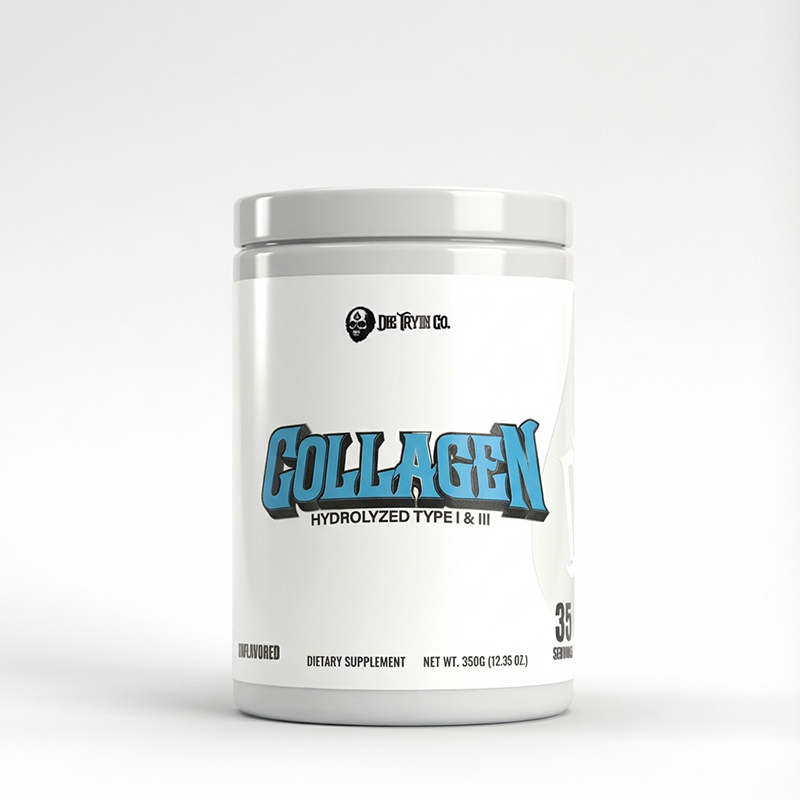
- Collagen Peptides — connective tissue support for joints taking a beating.
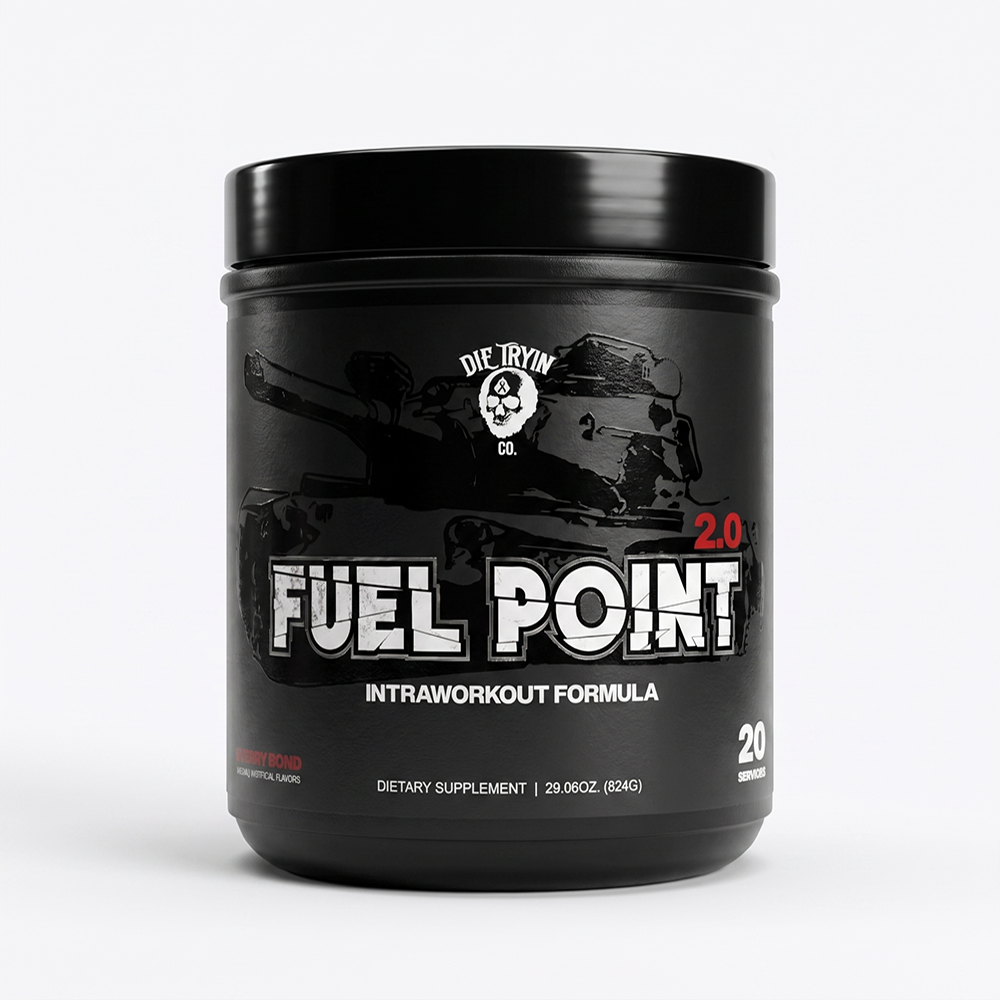
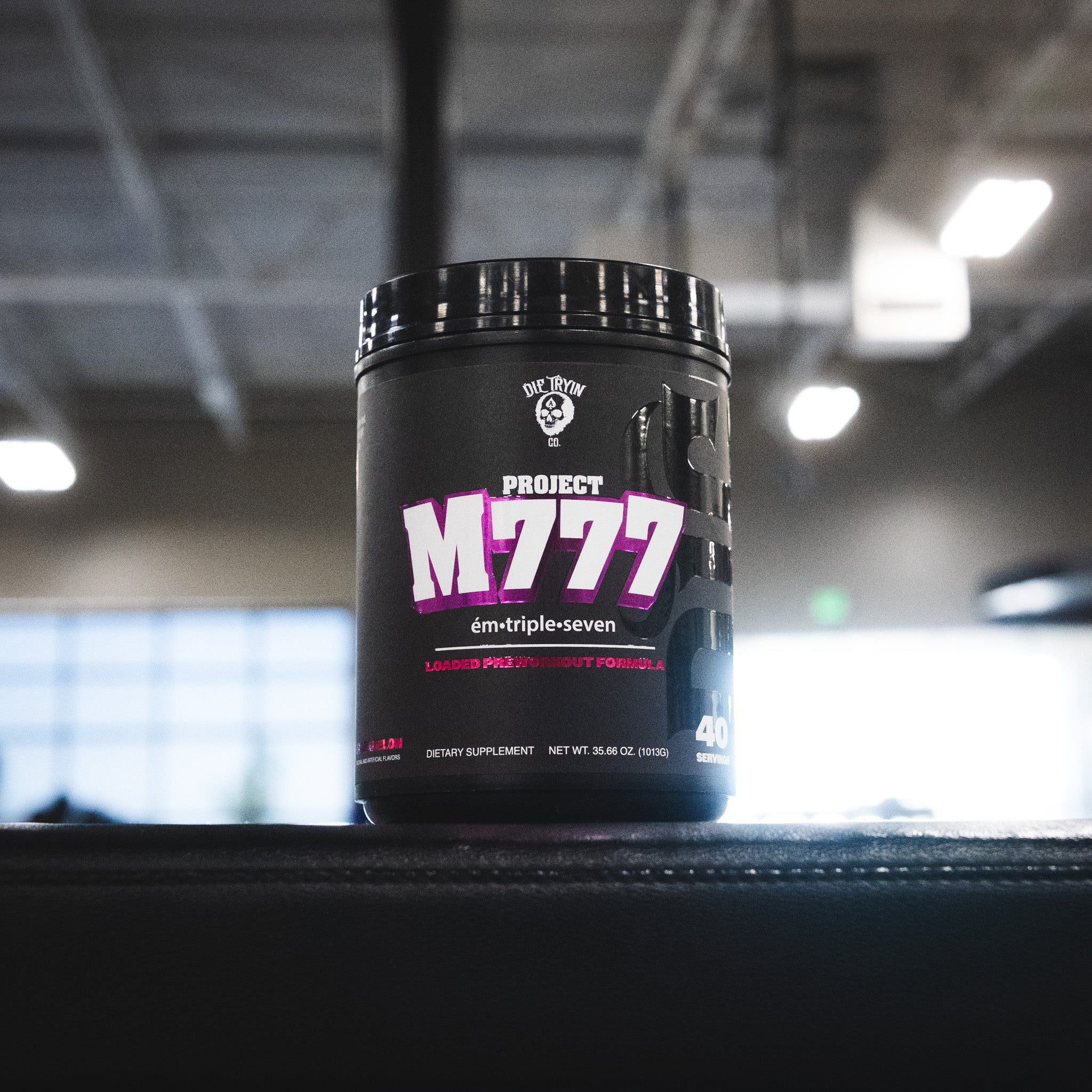
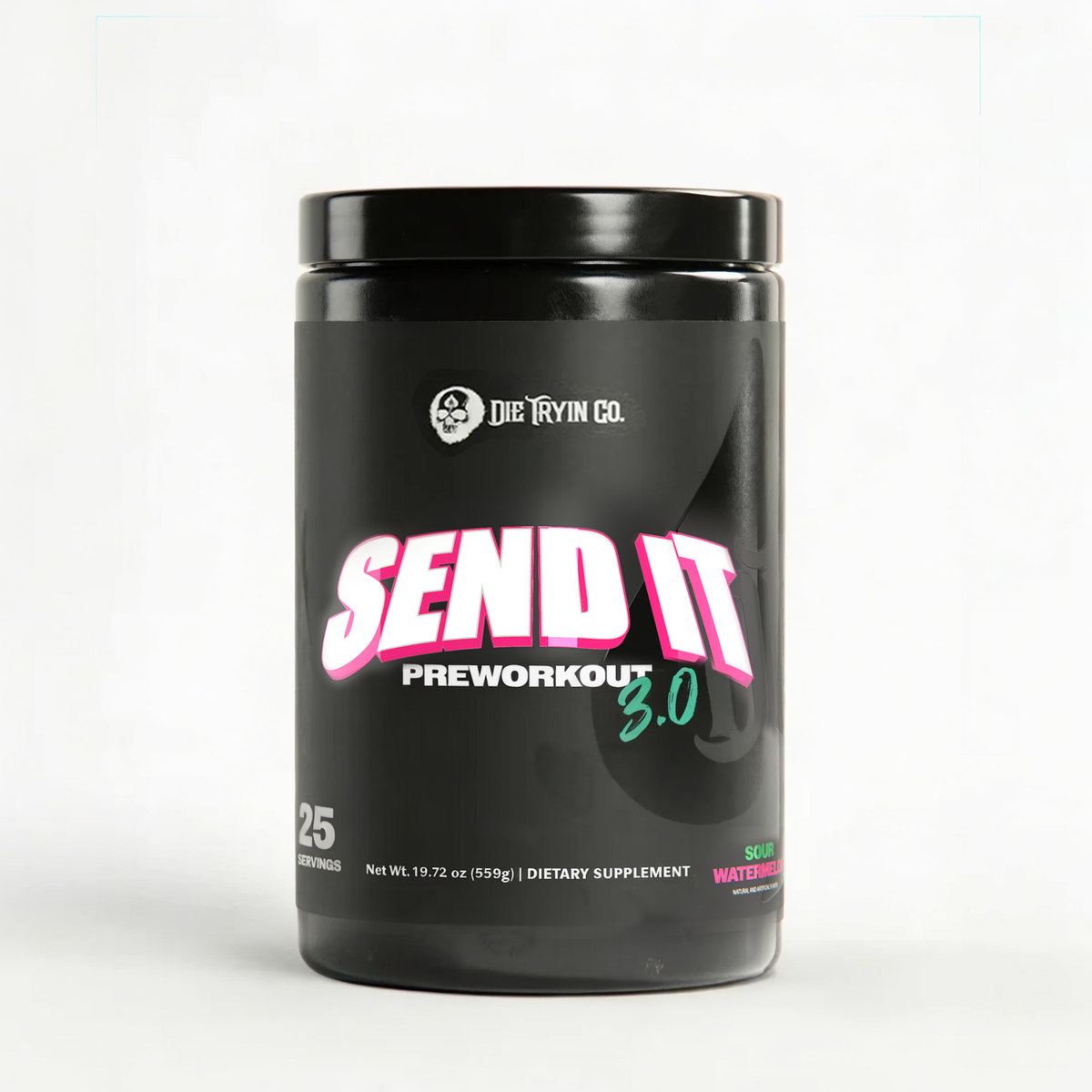
- SEND IT 3.0 — when the morning needs more than cold water. Clinical doses, extended-release caffeine.
- Summer Night Athletic Hoodie — what you put on for the rewarm.
- Stainless Steel IceShaker — keeps your shake cold longer than you'll last in the tub.
- Not sure where to start? Take the quiz and we'll point you at the right stack.
ALWAYS FORWARD.
GEAR THAT FITS THIS POST
The products this article actually talks about. Real doses, disclosed labels, veteran owned.

Read more
The complete playbook for building muscle that actually lasts. Training, nutrition, recovery, and the supplements that move the needle — no hype.
Chronic high cortisol breaks sleep, drives belly fat, and tanks recovery. The honest physiology + evidence-based strategies to normalize HPA axis function.
The honest playbook for building the discipline that actually lasts. Motivation fails — discipline gets built. Here's how.
The no-BS recovery playbook — sleep, stress, nutrition, modalities, and the framework that ties it all together. Recovery is where growth actually happens.
Most lifters asking if they're overtraining are actually overreaching, and there are two kinds. Here's how to tell which one you're in, and what to do about it.
Recovery is the other half of adaptation. The signals you need a deload, and exactly how to run one without losing progress.