




Recovery for Lifters: The Variable You Don't Program
By Jon Klipstein, U.S. Army Combat Veteran & Founder of Die Tryin Co.
Science reviewed by Onur Oncer, BS Physiology (Phi Beta Kappa) and peer-reviewed published researcher.
RECOVERY IS A TRAINING VARIABLE, NOT A DAY OFF
Most lifters get this wrong. You program sets. You program reps. You program load, tempo, rest between sets, exercise order, and which day the heavy bench falls on. Then you get to recovery and the program just stops. Recovery becomes whatever is left over after work, kids, traffic, and your phone take their cut.
That is the real problem with recovery for lifters. Not that nobody knows sleep matters. Everybody knows sleep matters. The problem is that recovery never gets a number, never gets a slot on the calendar, and never gets audited when progress stalls. It is the one input in your training week that has no plan attached to it.
Here is the truth: the workout is a request. Recovery is where the request gets filled. Training does not make you bigger or stronger by itself. It writes an order. The interval between sessions is where your body decides whether it can afford to fill it.
This post is the argument, not the manual. If you want the full protocol, the sleep targets, the modality rankings, and the step by step, that lives in How to Recover From Workouts: The Complete Guide. What follows is why the variable exists, why serious lifters leave it blank, and what it costs when they do.
| THE INPUT | WHAT IT ACTUALLY BUYS YOU | GO DEEPER |
|---|---|---|
| Sleep | The window where repair and hormonal signaling actually run | Balancing Cortisol |
| Protein and calories | Raw material for the repair your training just ordered | The Protein Guide |
| Planned deloads | Clears accumulated fatigue before fatigue clears your progress | Why Deloads Are Important |
| Rest days | The interval where the adaptation is built, not the time it is lost | Signs You Need a Break |
| Daily Creatine Monohydrate | Keeps phosphocreatine stores topped up between hard efforts | Creatine Monohydrate |
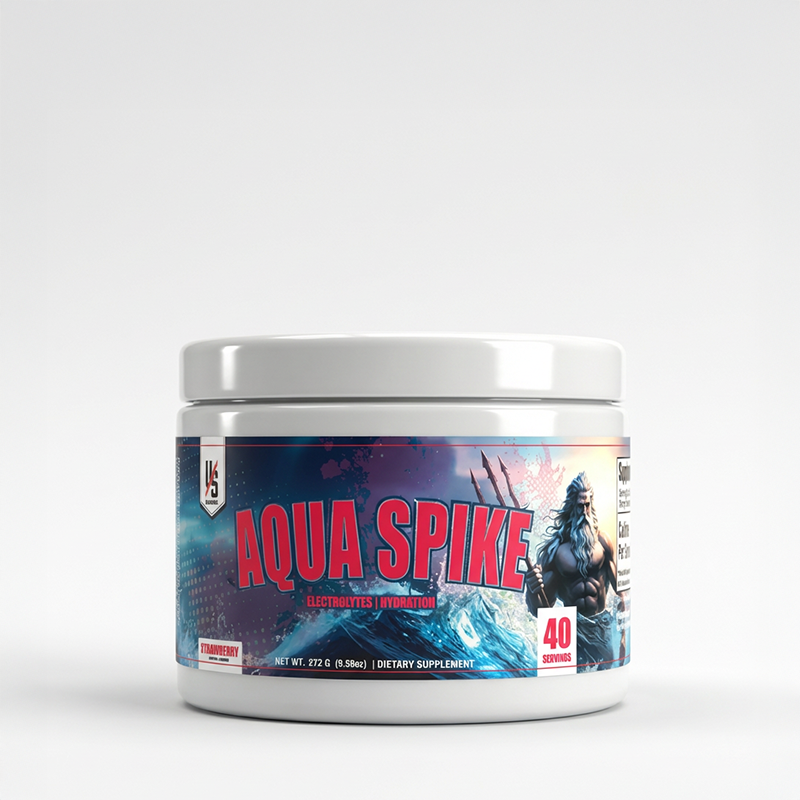
| Hydration and electrolytes | Keeps session quality from decaying on heavy sweat days | Aqua Spike |
WHAT ADAPTATION ACTUALLY REQUIRES
Under a barbell you generate a stimulus. Mechanical tension, metabolic stress, and a small amount of structural disruption. That is the signal. None of it is the adaptation. The adaptation is what your body builds afterward, out of the raw material and the time you hand it.
A 2015 Sports Medicine review on resistance training and muscle protein synthesis describes hypertrophy as the summation of repeated post-training rises in protein synthesis, not the output of any single session. You do not build muscle in the gym. You accumulate a long series of build windows, and the physique you end up with is the sum of them. Miss enough windows and the sum gets smaller, no matter how hard each session was.
That same review flags something most lifters never hear. As you get more trained, the protein synthesis response to a session becomes shorter lived and peaks earlier. The advanced lifter gets a narrower window out of the same work. Which means the further along you are, the more deliberately the interval between sessions has to be managed. Beginners can out-recover bad habits for a while. Nobody does it forever. More on how that adaptation stacks lives in the complete guide to building muscle.
WHY LIFTERS SYSTEMATICALLY UNDER-RECOVER
Under-recovery is not a discipline problem. The most disciplined people in the gym are usually the worst offenders. It is a measurement problem, and it comes from four places.
- Effort is the only input you can feel. You can feel a set. You cannot feel protein synthesis. So the brain defaults to the thing it can feel.
- Recovery has no scoreboard. Nobody logs a great night of sleep the way they log a PR. There is no number to beat, so there is no reason to compete with yourself on it.
- Volume is the culture's currency. Nobody built a following posting a rest day. The whole feed rewards more, and the honest answer is usually less but better.
- It is free, so it gets priced at zero. Sleep, food, and a planned light week cost nothing at checkout. Anything free tends to get valued at what it costs instead of what it returns.
Notice what all four have in common. None of them are about ignorance. They are about recovery being invisible in a sport where every other variable gets counted, posted, and compared. What does not get counted does not get programmed. What does not get programmed gets the leftovers.
That is why posts like Are You Overtraining? land so hard on people. By the time symptoms get loud enough to go searching, the debt has already been building for weeks.
RECOVERY DEBT AND WHAT IT COSTS YOU
Recovery debt behaves like financial debt. No single short night bankrupts you. It compounds quietly, and the bill shows up as a plateau nobody can explain. The cost lands in three places: output, risk, and time. Output first. Show up under-recovered and the session you run is not the session you programmed. The top set moves slower. The back-off sets get trimmed. You logged the workout, but you delivered a smaller stimulus than the plan called for. Do that for six weeks and the program did not fail you. It never actually got run.
Then risk. A 2021 review on sleep and recovery from exercise-induced muscle injury, written largely out of the French Armed Forces Biomedical Research Institute, reports that injury risk climbs when sleep duration drops at the same time training load rises. Those two lines cross constantly in real life. Work gets busy, sleep gets short, and that is exactly the block where you decided to push. The review also notes that extending sleep improved performance, pain sensitivity, and anabolic hormone responses, which is about as close to a free upgrade as this sport offers.
Then time. Every session you run under-recovered produced less than it could have. That is not rest you saved. That is training you already paid for and never collected on.
THE RECOVERY INDUSTRY SELLS MODALITIES, NOT MARGIN
Cut the fluff. Most of what gets marketed as recovery is a gadget with a charging cable. The foundational Sports Medicine review on delayed onset muscle soreness worked through the common treatments and found that cryotherapy, stretching, ultrasound, and electrical current showed no effect on soreness. Exercise itself gave the most reliable relief, and only temporarily. The practical advice the authors gave athletes training daily was blunt: after a session that leaves you badly sore, cut intensity and duration for a day or two, or train the body parts that are less affected.
Read that again, because it is the entire argument compressed into one recommendation. The answer was not a device. The answer was a change to the program.
Soreness is not the metric either. Soreness tracks novelty and eccentric load more than it tracks how well you are adapting. Bar speed, session quality, appetite, sleep, mood, and whether you actually want to train tomorrow tell you far more than how much your quads hurt walking down stairs.
HOW TO TREAT RECOVERY LIKE A VARIABLE YOU CONTROL
Programming recovery is not complicated. It is just unglamorous, and the rules are about the calendar, not the supplement shelf. Write it before the week starts. Rest days and light days go in the plan at the same time the training days do, not on Thursday when you feel beat up. Give it a number so it can be tracked, the same way load and reps get tracked. And when output drops, audit recovery before you add anything to the program. Most lifters respond to a stall by adding volume, which is the one move guaranteed to make an under-recovery problem worse. The planned version of that audit is the deload, covered in Why Deloads Are Important.
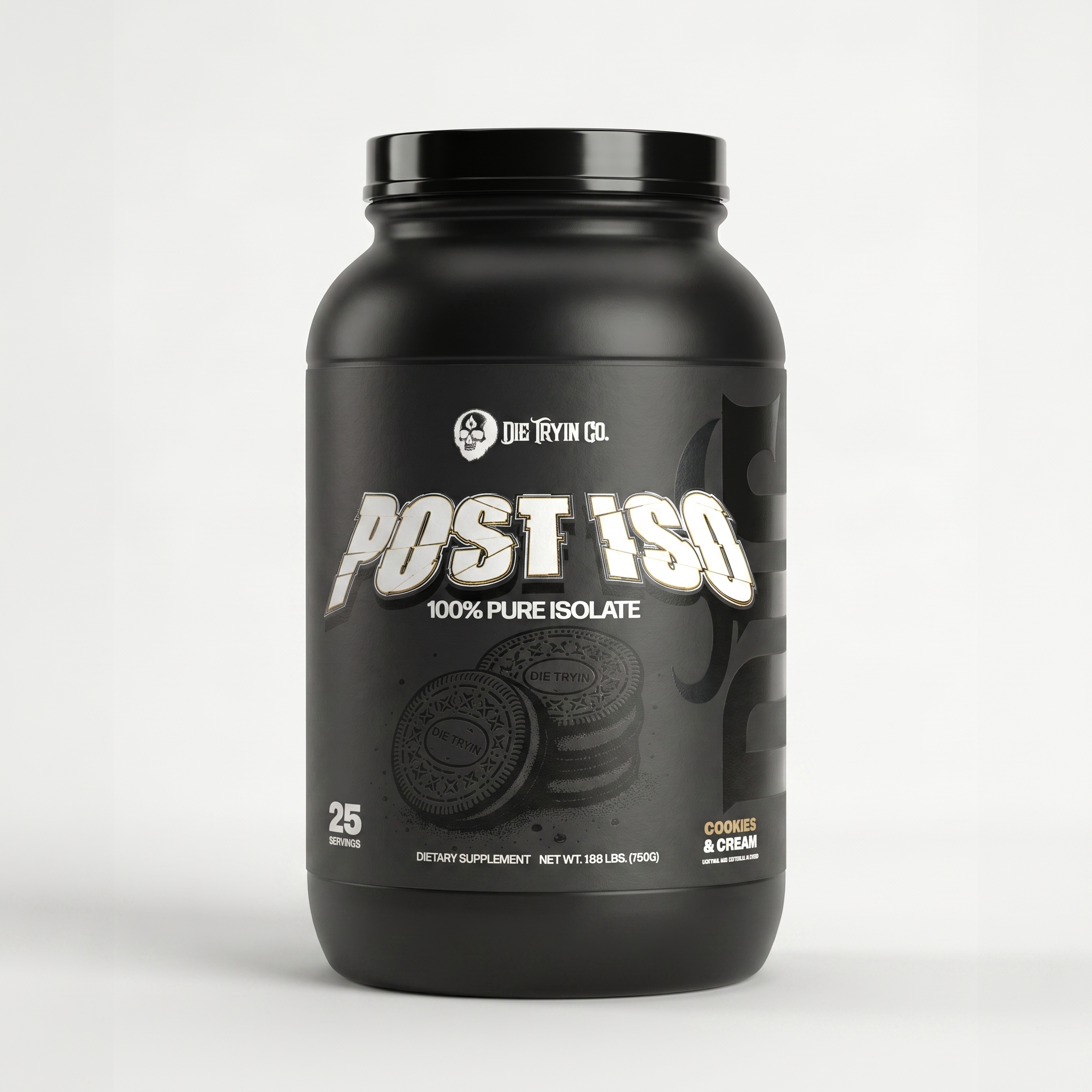
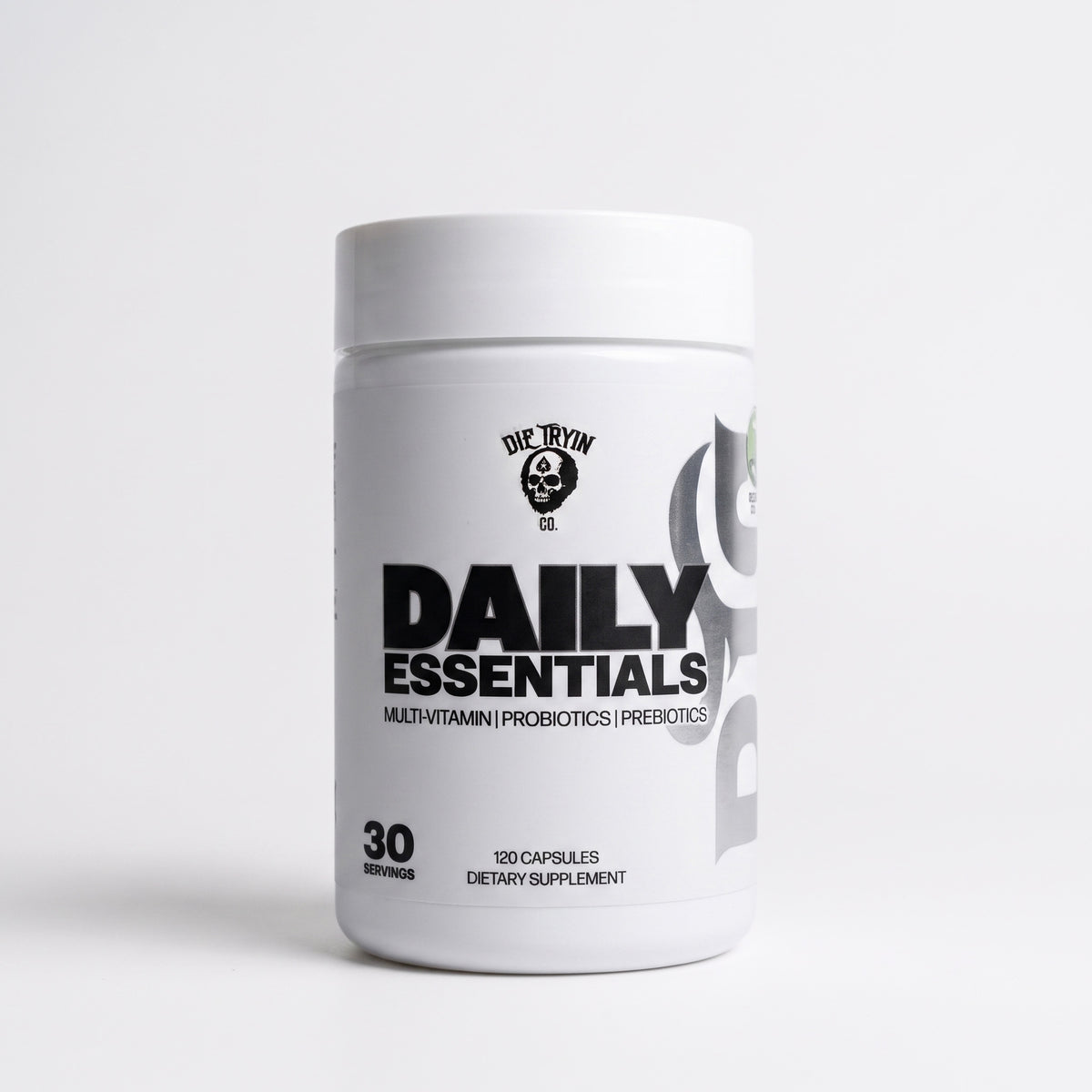
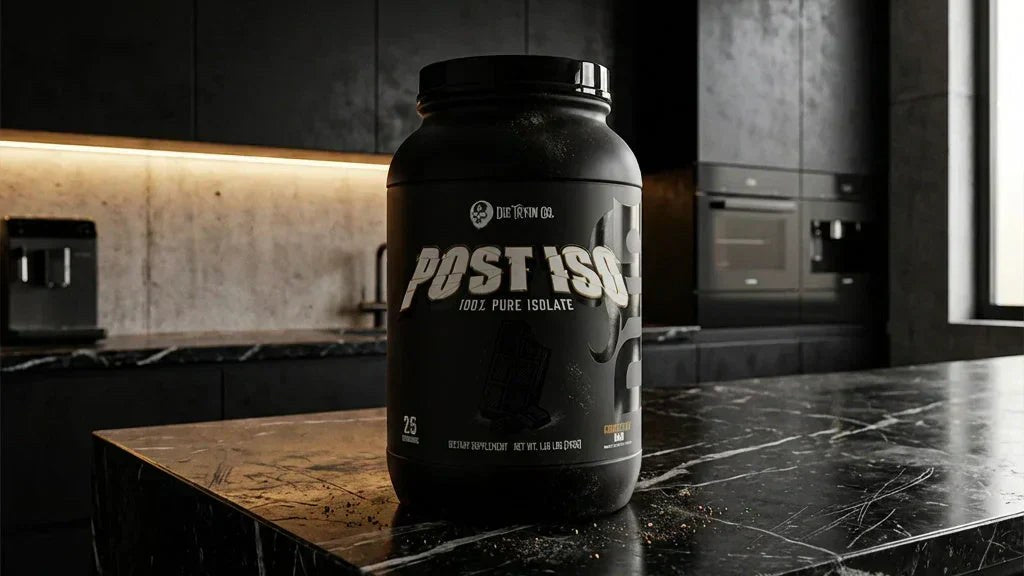
Supplements do not buy you recovery. They support the inputs that do. Protein gives the repair process something to build with, which is why a fast-digesting isolate like Post Iso earns its place on hard days, and why the daily target matters more than the timing. Creatine Monohydrate works through daily saturation, not acute dosing, so it goes in every day whether you train or not. Micronutrient coverage from Daily Essentials and real hydration handle the boring floor. None of that replaces sleep. It just stops you from making the hole deeper. For the full protocol, including how much sleep to actually chase and what to do on a bad week, go to the complete recovery guide.
FREQUENTLY ASKED QUESTIONS
Is recovery the same thing as rest?
No. Rest is one input into recovery. Recovery is the whole process your body runs to repair, refuel, and adapt to the work you did, and it is happening every hour of the week, not only on the days you skip the gym. Rest is a lever. Recovery is the outcome you are pulling it for.
How many rest days do lifters actually need?
There is no universal number, and anyone selling you one is guessing. It moves with training age, weekly volume, sleep, stress, and how physical your life is outside the gym. The useful question is not how many days off you are allowed. It is whether your sessions are still hitting the numbers the plan called for. When they stop, that is your answer. The recovery guide walks through how to set that up.
Does soreness mean I recovered badly?
Not reliably. Soreness mostly reflects novelty and eccentric loading, which is why a new exercise wrecks you and a familiar one does not, even at higher volume. Research on the popular soreness remedies found several of them showed no measurable effect on it at all. Judge recovery by performance and readiness instead.
Can supplements make up for poor sleep?
No, and any product marketed that way is selling you a story. Research suggests supplements support the raw materials and the energy systems involved in recovery. Nothing on the market replaces the repair signaling that runs while you are asleep. Fix the sleep, then use the tools.
What is the difference between under-recovering and overtraining?
Scale and timeline. Under-recovering is the day to day gap between what you demanded and what you gave back. True overtraining is a much deeper, longer state that takes serious time to dig out of. Most lifters never get to the second one. Nearly all of them live in the first. Signs Your Body Needs a Break covers what to watch for.
If recovery matters this much, should I train less?
Usually you should train the same amount and recover on purpose. Cutting volume is the blunt fix. The precise fix is closing the gap between the work you order and the resources you supply, which is sleep, food, hydration, and a planned light week before you need one.
READY TO GEAR UP?
Recovery is the variable you already own and probably are not using. Program it first. Then use the tools that support it:
- Post Iso for fast-digesting protein on the days that take the most out of you
- Creatine Monohydrate at 5g daily, every day, training or not
- Aqua Spike for heavy sweat sessions and daily hydration
- Daily Essentials for the micronutrient floor most lifters never cover
- Straight Leg Joggers because a rest day is still a training day, and you are still in uniform
Not sure which pieces you actually need? Take the Die Tryin Co. quiz and get a stack built around how you train instead of what is trending. Train hard. Recover harder. Discipline beats motivation, and that includes the discipline to go home.
ALWAYS FORWARD.
Read more
The no-BS recovery playbook — sleep, stress, nutrition, modalities, and the framework that ties it all together. Recovery is where growth actually happens.
Chronic high cortisol breaks sleep, drives belly fat, and tanks recovery. The honest physiology + evidence-based strategies to normalize HPA axis function.
The complete protein playbook — how much you need, when timing matters, which sources deliver, and the myths costing you money.
Recovery is the other half of adaptation. The signals you need a deload, and exactly how to run one without losing progress.
Most lifters asking if they're overtraining are actually overreaching, and there are two kinds. Here's how to tell which one you're in, and what to do about it.

The complete playbook for building muscle that actually lasts. Training, nutrition, recovery, and the supplements that move the needle — no hype.
GEAR THAT FITS THIS POST
The products this article actually talks about. Real doses, disclosed labels, veteran owned.