




The 45-Minute Workout That Outtrains Your 2 Hours
By Jon Klipstein, U.S. Army Combat Veteran & Founder of Die Tryin Co., and Chelsea Rodgers, IFBB Pro & Die Tryin Co. Athlete
THE FRAMEWORK
Listen up. The two-hour session is usually not two hours of training. It is forty minutes of work wrapped in eighty minutes of scrolling, chatting and wandering between benches. The lifter who walks out at the 45-minute mark did not train less. They cut the packaging off the same product.
This is not a motivational claim. Time-efficient training is now its own research literature, and the findings are blunt: keep the working sets, compress everything around them, and the adaptations do not care how long you were in the building.
| TIME THIEF | THE FIX | MINUTES SAVED |
|---|---|---|
| Straight sets, full rest, phone out | Antagonist supersets: pull while the push recovers | Roughly half the session |
| Six exercises per muscle | Multi-joint lifts that pay two or three muscles per set | 15-20 |
| 20-minute general warm-up | Exercise-specific ramp sets only | 10-15 |
| Untimed rest | A running clock: 60-120 seconds, tracked | 10+ |
WHAT THE TIME-EFFICIENCY RESEARCH ACTUALLY SAYS
The anchor paper here is a Sports Medicine review built on exactly this problem, and its prescription is simple: prioritize bilateral multi-joint lifts, cover a leg press or squat pattern, an upper push and an upper pull, and hit a minimum of about four hard sets per muscle per week in the 6-15 rep range. Weekly volume matters more than how many days you slice it across, and the warm-up that earns its minutes is the exercise-specific kind, ramping the lift you are about to do rather than touring the stretching mats (Iversen et al., 2021).
The same review's headline for busy lifters: advanced set structures, supersets, drop sets and rest-pause, roughly halve session time while holding training volume. And the superset claim now has meta-analytic backing of its own: across 19 studies, supersets matched traditional training for total reps, volume load, muscle activation and, crucially, long-term strength and hypertrophy, while cutting session duration sharply (Zhang et al., 2025). The trade is honest: supersets feel harder, spike lactate higher, and can demand more recovery between sessions. You pay in discomfort, not in results.
And if the question is how low the floor goes, an overview of minimal-dose strategies found that even single-set programs and one-session-a-week lifting measurably build strength in people who otherwise would not lift at all (Nuzzo et al., 2024). Forty-five focused minutes is not a compromise. It sits comfortably above the dose the evidence says produces growth.
THE 45-MINUTE TEMPLATE
Here is the structure we run when the clock is the boss. Three blocks, antagonist pairs, a running rest clock, phone in the locker.
Minutes 0-5, the ramp. Two or three ascending sets of the first lift only. The warm-up for bench is bench, lighter. Nothing else earns minutes.
Minutes 5-35, two paired blocks. Block A: your main push and main pull, alternated, 3-4 working sets each, 60-90 seconds between efforts. While the chest recovers, the back works. Block B: the second pattern pair, squat or hinge matched with a hamstring or single-leg movement, same structure. Eight to twelve hard sets are done by minute 35, which is more focused volume than most two-hour sessions ever log.
Minutes 35-45, the finisher. One isolation superset for whatever you are prioritizing, arms, delts, calves, taken close to failure, then a drop set to close the account. Rack the weights, leave.
Run that four days a week and the weekly ledger reads 35-45 hard sets across every major muscle, comfortably past the evidence-based minimums, on three hours of total gym time. For the rest-clock details, our breakdown of how long to rest between sets covers when 60 seconds is enough and when strength work deserves three minutes.
A DAY FROM THE TEMPLATE, NAMED
Upper day, on the clock. Ramp: bench press, two ascending sets, five minutes. Block A: bench press paired with chest-supported row, four working sets each, alternating, 75 seconds between efforts, about fourteen minutes. Block B: seated dumbbell press paired with lat pulldown, three sets each, another twelve minutes. Finisher: cable curls paired with rope pushdowns, two sets to within a rep of failure, drop set on the last one, eight minutes. Total: 44 minutes, 16 hard sets, every upper-body muscle paid.
Lower day runs the same skeleton: ramp the squat, pair squats with Romanian deadlifts in block A, pair leg press with seated leg curls in block B, finish calves and abs as the superset. The pattern is the whole trick. Once you stop inventing the workout mid-workout, the minutes stop leaking.
THE INTENT MULTIPLIER
Compressing time only works if the sets you keep are worth keeping, and this is where the short session quietly beats the long one. Knowing the clock is running changes behavior: you load the bar with intent, you take sets closer to genuine effort, and you track weights between weeks because there is no time to warm up your memory. Progressive overload, adding reps or load across weeks, is the actual engine of progress, and it fits in 45 minutes exactly as well as in 120.
The discipline transfers, too. A session with a hard boundary trains the same muscle your job and your family already demand: full presence inside the window, done means done at the edge of it. Consistency beats intensity, and nothing protects consistency like a session short enough that no realistic week can crowd it out. The two-hour plan survives until the first busy month. The 45-minute plan survives the year.
WHEN THE LONG SESSION IS RIGHT
Two hours is not a sin. Max-strength work genuinely needs long rests, skill practice needs unhurried reps, and some people are at the gym for the people. All legitimate. The problem is only the lifter who believes duration itself is the stimulus, whose progress stalled years ago, and who answers every plateau with more time instead of more intent. If that stings, our list of workout mistakes that kill progress goes deeper on the difference between effort and attendance.
FREQUENTLY ASKED QUESTIONS
Can I really build muscle in 45 minutes?
Yes. Research on time-efficient training shows adaptations track hard working sets, not clock time. Four sets per muscle weekly is the evidence-based floor, and this template clears it several times over.
Do supersets kill strength gains?
The 2025 meta-analysis found chronic strength and hypertrophy matched traditional training. Reserve straight sets and full rests for your heaviest top sets, and superset everything after them.
How many exercises fit in 45 minutes?
Five to seven done properly: four compound lifts in two paired blocks plus an isolation pair to finish. If you are hitting ten exercises, you are counting warm-up gestures as training.
Is 45 minutes enough for legs?
Yes, and legs are where the ramp matters most. One extra ascending set on squats, then pair the quad and hinge patterns. Volume math is the same, discomfort math is worse. That is leg day.
Should I train to failure to save time?
Close counts. Research supports stopping one to three reps shy on most sets, with the last set of a block pushed nearer the edge. Failure on every set costs recovery you did not budget for.
Does this work for building strength or just size?
Both, with one adjustment. Keep your top strength sets straight, with real two-to-three-minute rests, because maximal force hates hurry. Superset everything downstream of them. The research flags advanced set structures as slightly better suited to size than pure strength, so the heavier your goals, the more of the session your main lift deserves.
What if I only have 30 minutes?
Cut the finisher, not the compounds. Ramp fast, run block A and block B at 60 seconds rest, and walk out with 12 hard sets. Per the minimal-dose evidence, even that is far above the threshold where progress stops. A shortened session beats a skipped one every single time it happens.
READY TO GEAR UP?
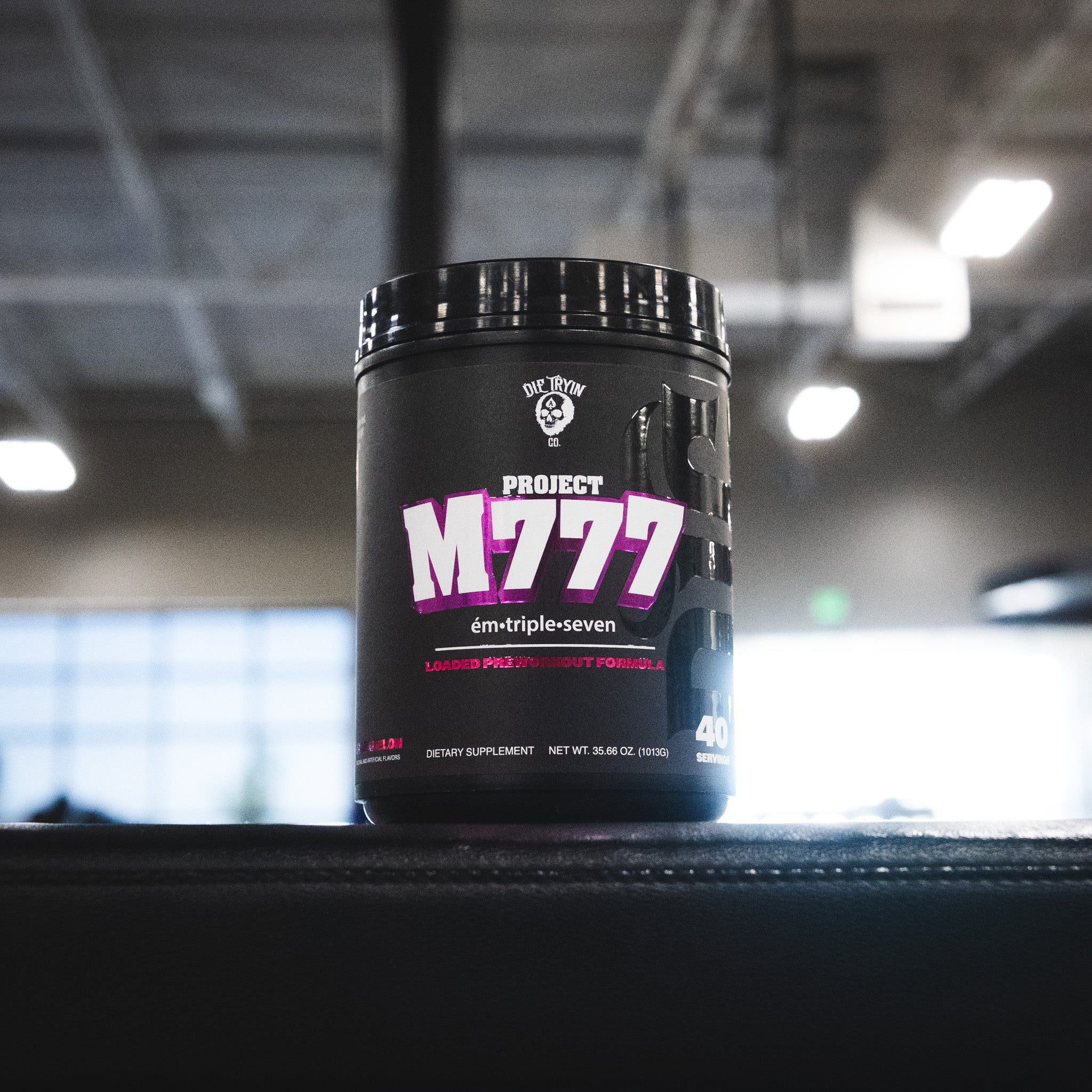
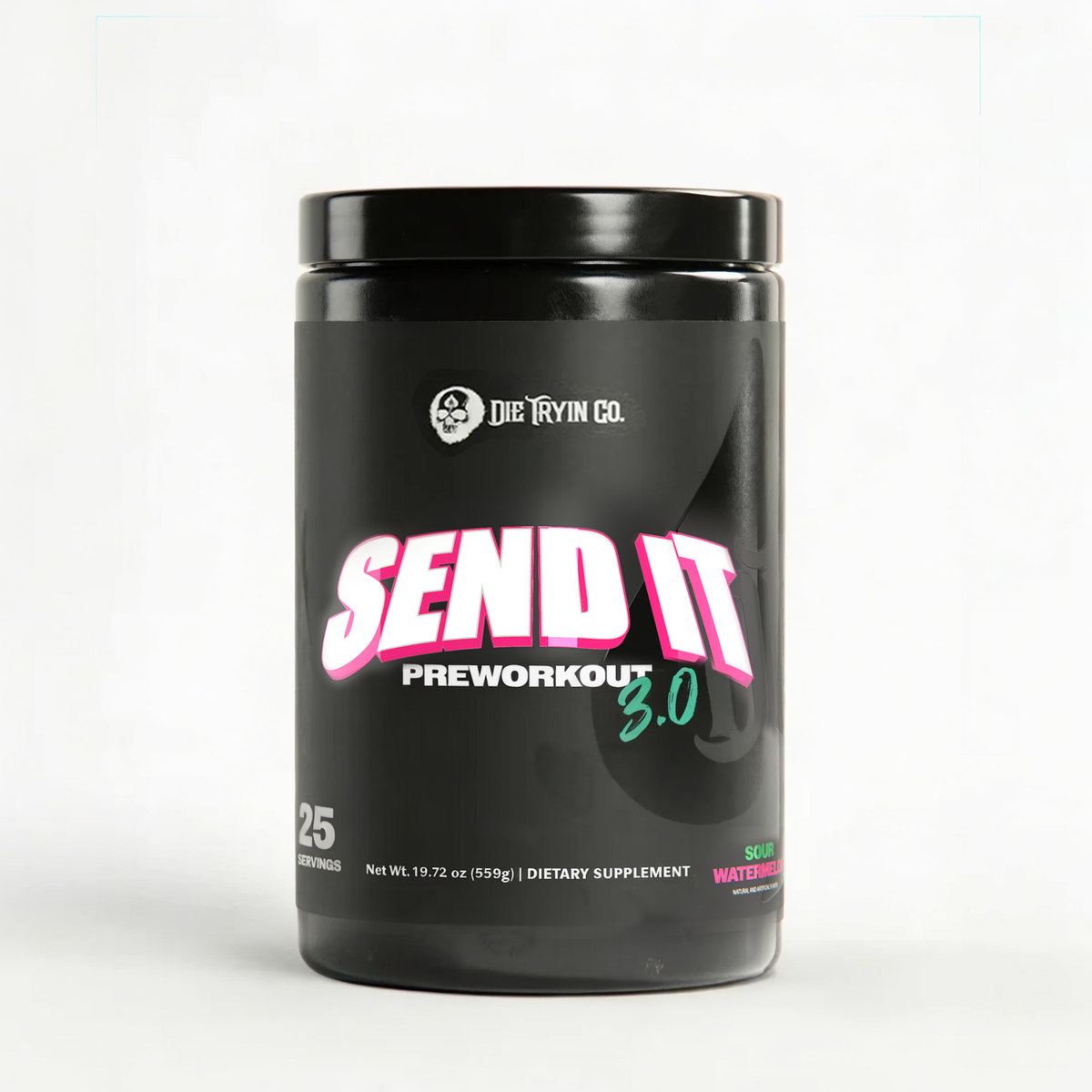
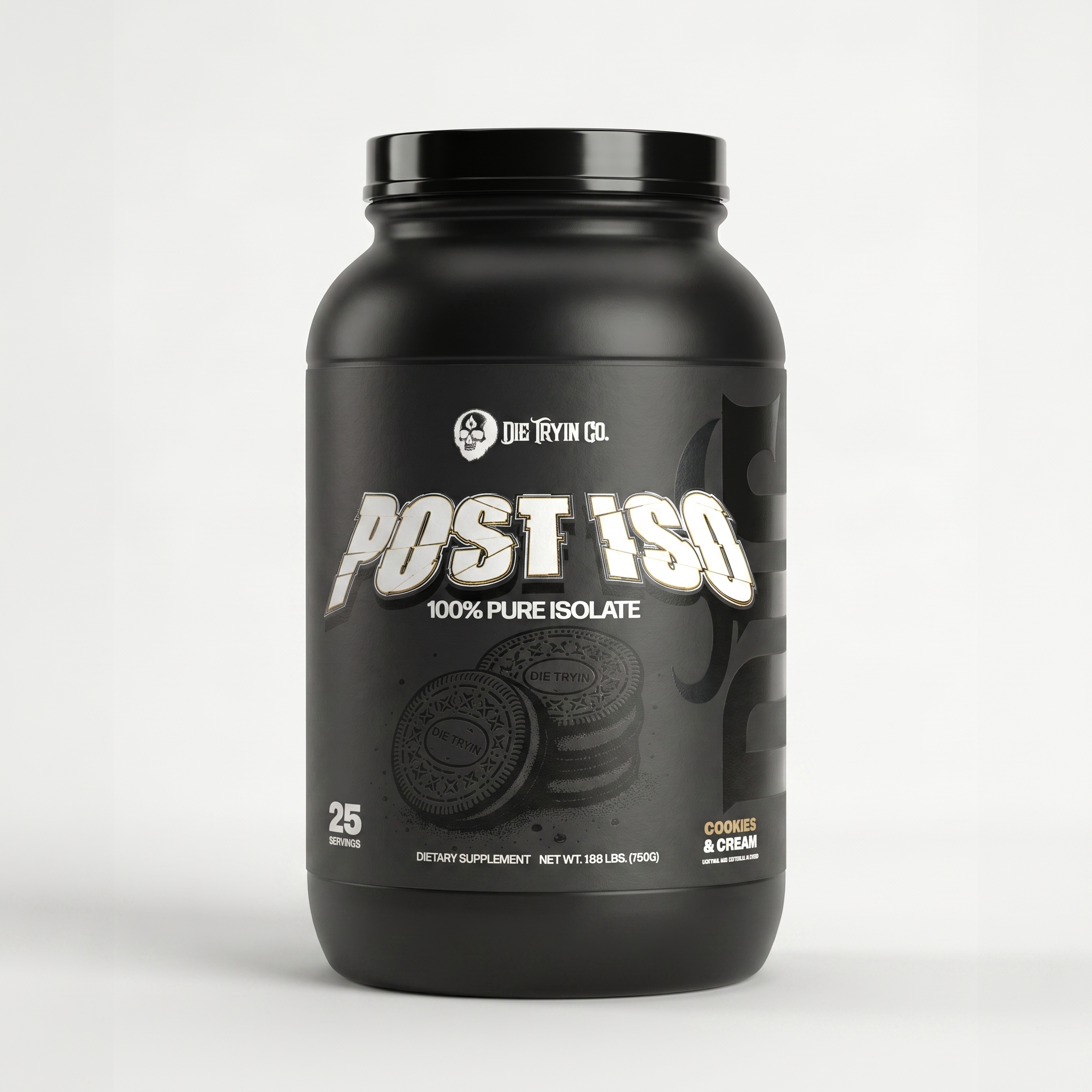
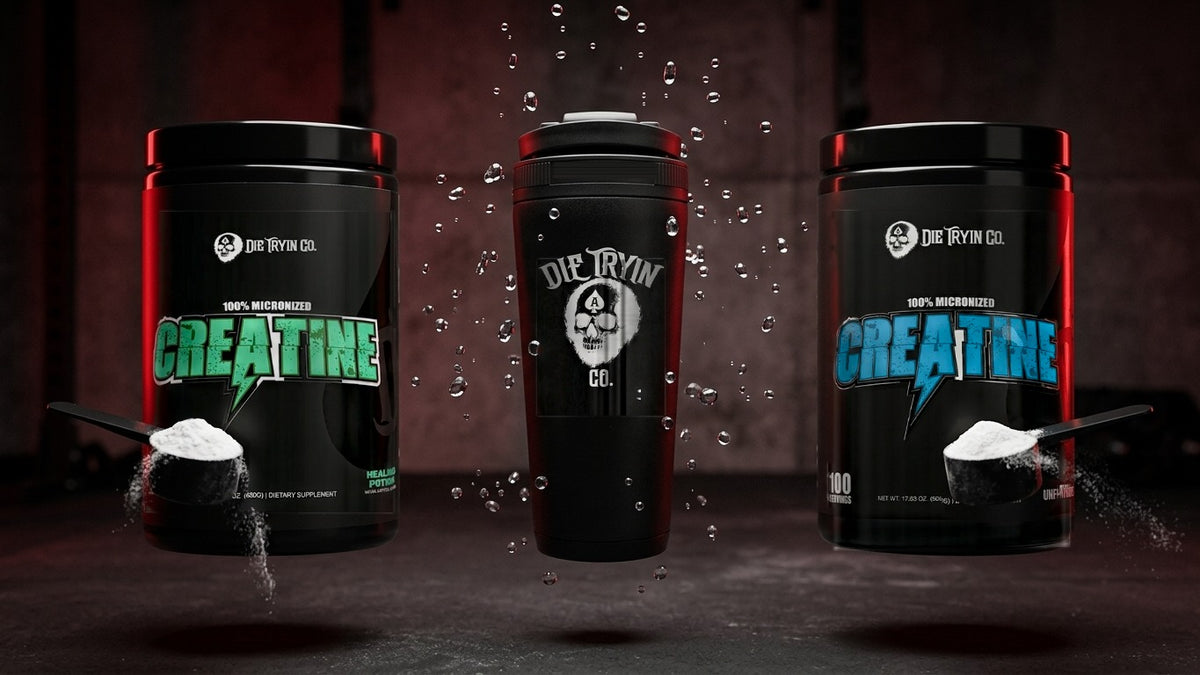
Forty-five minutes rewards showing up switched on: SEND IT 3.0 before the session, Creatine every day, Post Iso after. Full pre-workout picking guide lives in the Ultimate Guide to Pre-Workout, and if you are not sure what fits your training, take the quiz.
ALWAYS FORWARD.
GEAR THAT FITS THIS POST
The products this article actually talks about. Real doses, disclosed labels, veteran owned.

Read more
The 60-second rest rule costs you reps you needed. Here is what the research actually supports.

Most plateaus aren't a programming problem — they're execution. The 5 most common workout mistakes (poor form, overtraining, lack of variety, no warm-up, bad nutrition) and the practical fixes.

What actually works in pre-workout — ingredients, doses, timing, and how to pick the right one. Cut through the marketing. Get the real answer.
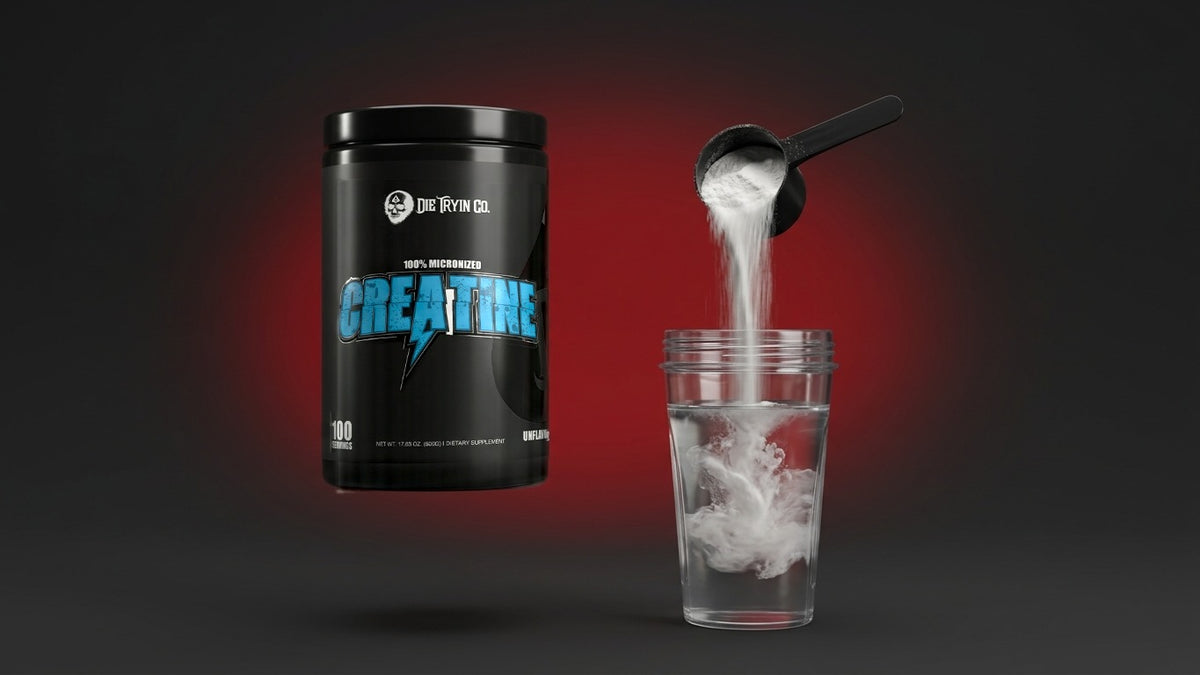
Your gut lining runs the same creatine energy system as your muscles. Here is what the research shows on stomach upset, IBS, colitis and leaky gut, and exactly where the human evidence stops.

Creatine gummies can work if the creatine is actually in them, and lab tests keep finding it often is not. Here is why a scoop of Creatine Monohydrate powder still wins.
Flavor doesn't change what creatine does; taking it every day is what counts. How to pick flavored or unflavored, what to mix it with, and how long it lasts once mixed.