



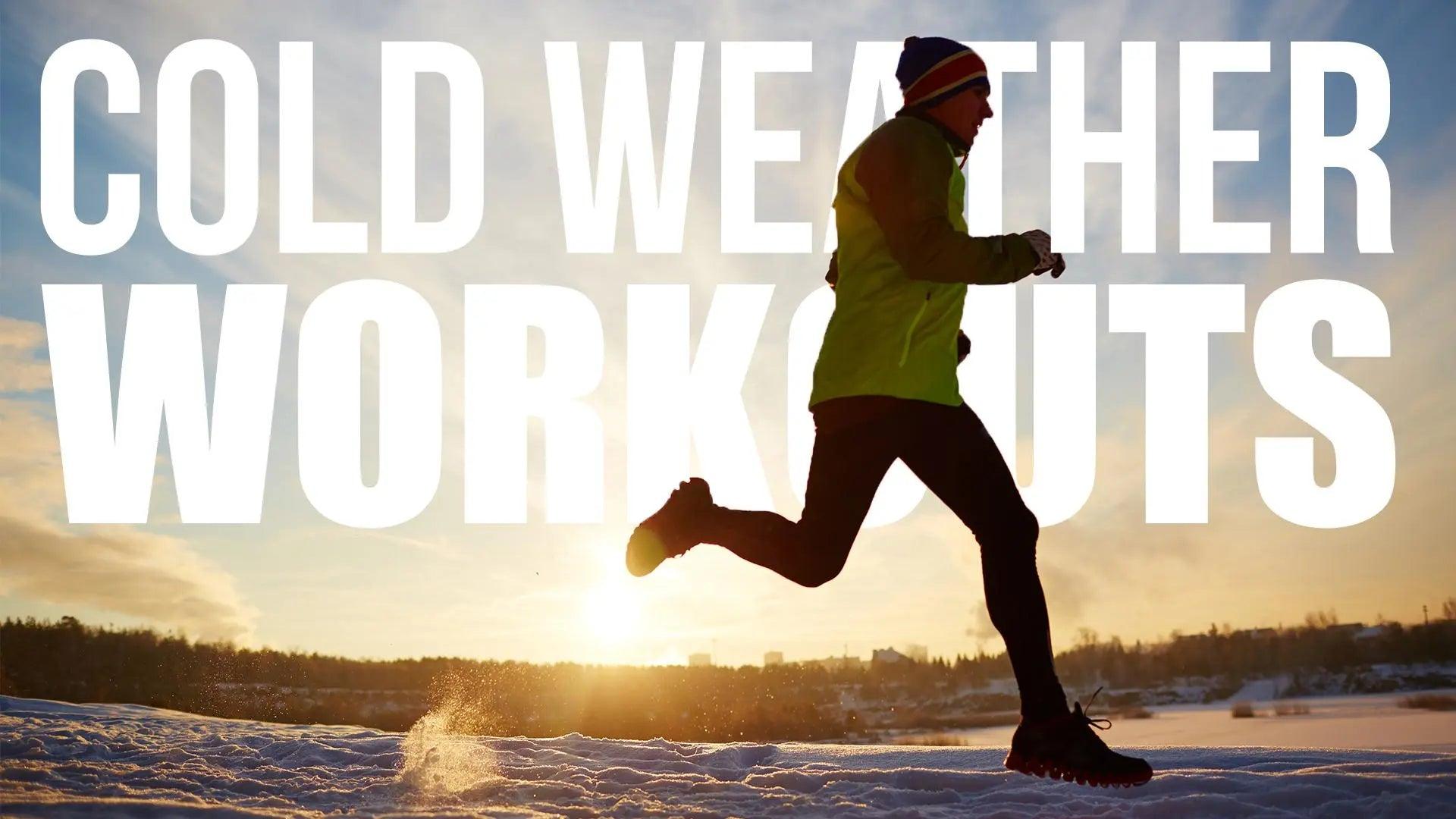
Cold Weather Workouts: What Actually Changes in Winter
By Jon Klipstein, U.S. Army Combat Veteran & Founder of Die Tryin Co.
Science reviewed by Onur Oncer, BS Physiology and peer-reviewed published researcher.
THE COLD ISN'T THE PROBLEM
Most people get this wrong. They treat winter like a valid reason to stop training, and then act surprised in March when nothing fits and nothing moves. The cold didn't do that. Twelve weeks of skipped sessions did that.
Here's the truth: your body handles cold weather far better than your excuses do. The American College of Sports Medicine states outright that exercise can be performed safely in most cold-weather environments when you manage the risk properly (Castellani et al., ACSM position stand, 2006). Managing risk means layers, a real warm-up, and knowing when the wind chill says go inside. That's it. That's the whole gate.
What follows is the field manual: what actually changes when the temperature drops, what to wear, what to drink, which winter claims are real, and which ones the internet made up.
| THE PROBLEM | WHY IT HAPPENS | THE FIX |
|---|---|---|
| Frozen for the first 10 minutes | Blood shifts toward your core and away from skin and extremities to hold body temperature | Start slightly cold in layers you can shed, like a lightweight zip up |
| Everything feels stiff | Muscle and connective tissue move less freely until tissue temperature comes up | Double the warm-up and start it indoors (why warming up matters) |
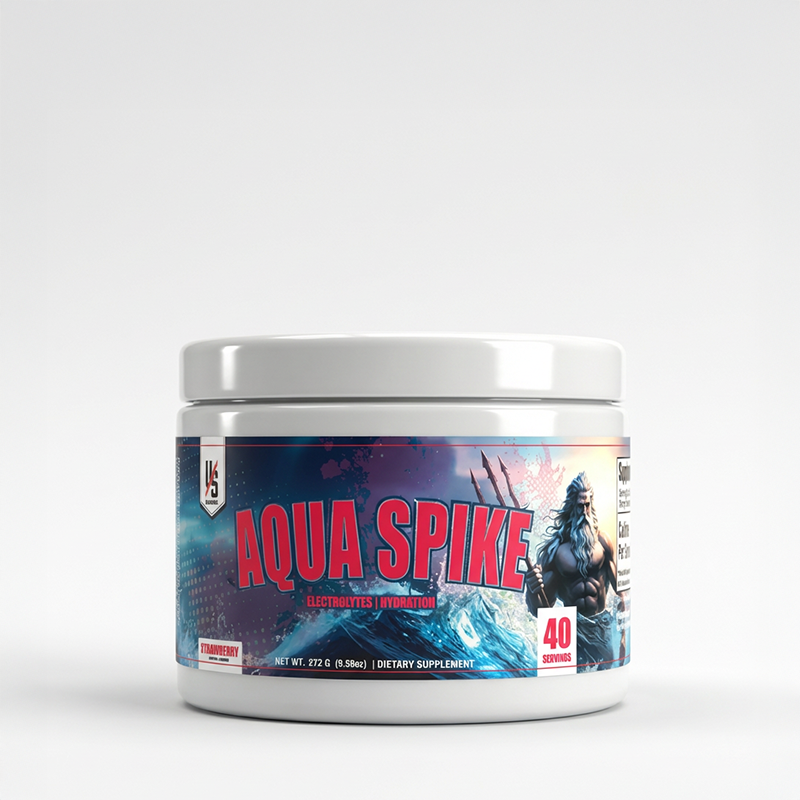
| You forget to drink | Cold blunts thirst and sweat evaporates before you ever see it | Pre-load fluid and electrolytes with Aqua Spike |
| Fingers, ears, and face go numb | Extremities lose heat fastest and are where cold injury starts | Cover them, and check wind chill instead of the raw temperature |
| Motivation falls off a cliff | Dark, cold, and early is a discipline problem, not a fitness problem | Train the schedule, not the mood (weak habits create weak men) |
WHAT THE COLD ACTUALLY DOES TO YOU
Cold air pulls heat off your skin fast, and moving air pulls it faster. Your body's first move is to protect the core: blood vessels near the surface narrow, circulation shifts inward, and your hands, feet, ears, and nose get the short end of it. That's why your fingers stop working long before you feel genuinely cold anywhere else.
The second thing that happens is shivering, which is your body generating heat the hard way. Neither of those responses is dangerous on a normal winter day. They become a problem when you're wet, underdressed, out too long, or standing around between efforts instead of moving. Wind and moisture are what turn a manageable morning into a bad one.
LAYER FOR THE WORK, NOT FOR THE WALK OUTSIDE
The most common winter mistake is dressing for how it feels when you step out the door. Ten minutes into real work you're soaked, and wet clothing against skin in the cold is the fastest way to turn a good session into a miserable one. Dress so the first few minutes feel slightly too cold.
ACSM makes a point that most people skip: cold-weather clothing should be chosen for the individual, and standardized outfits should not be mandated for a whole group. Two people in the same 28-degree parking lot need different setups. Build yours from three jobs:
- Base layer: moves sweat off your skin. Never cotton. Cotton holds water and holds cold.
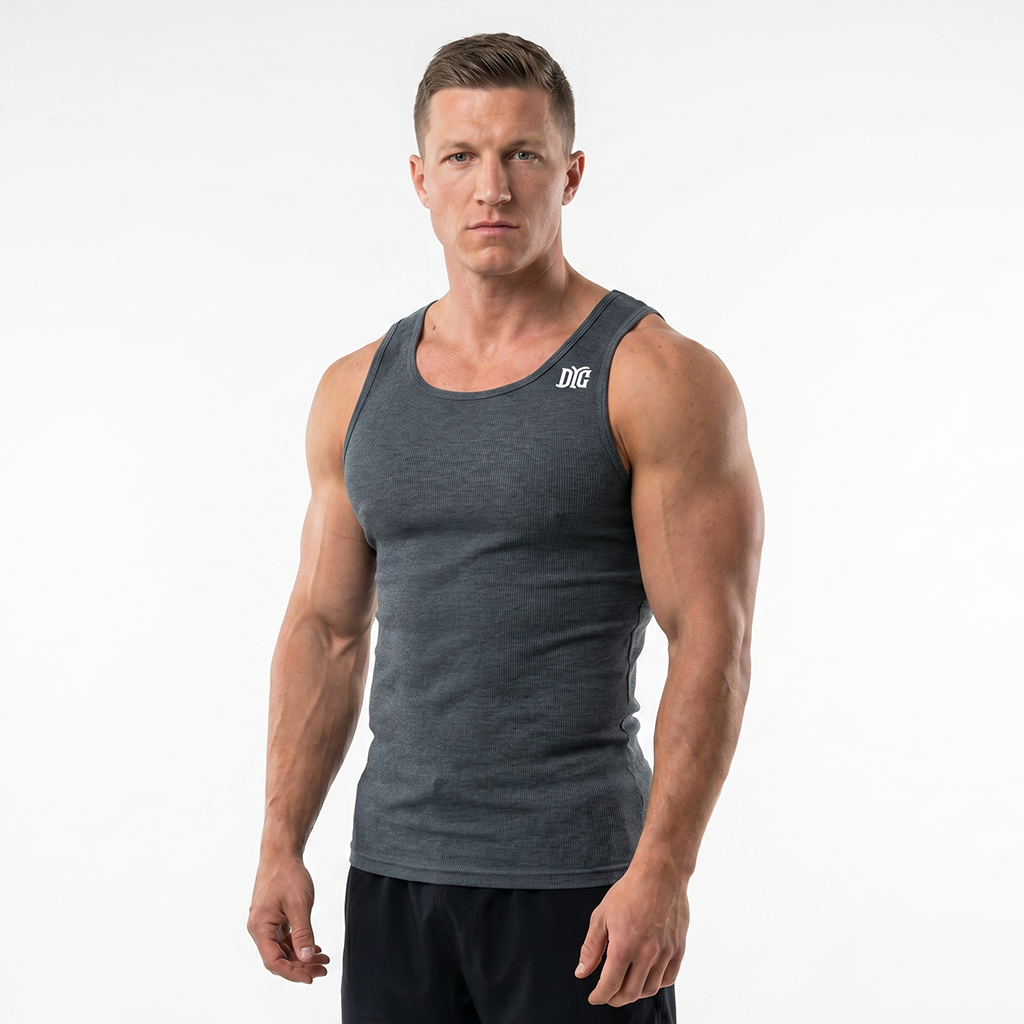
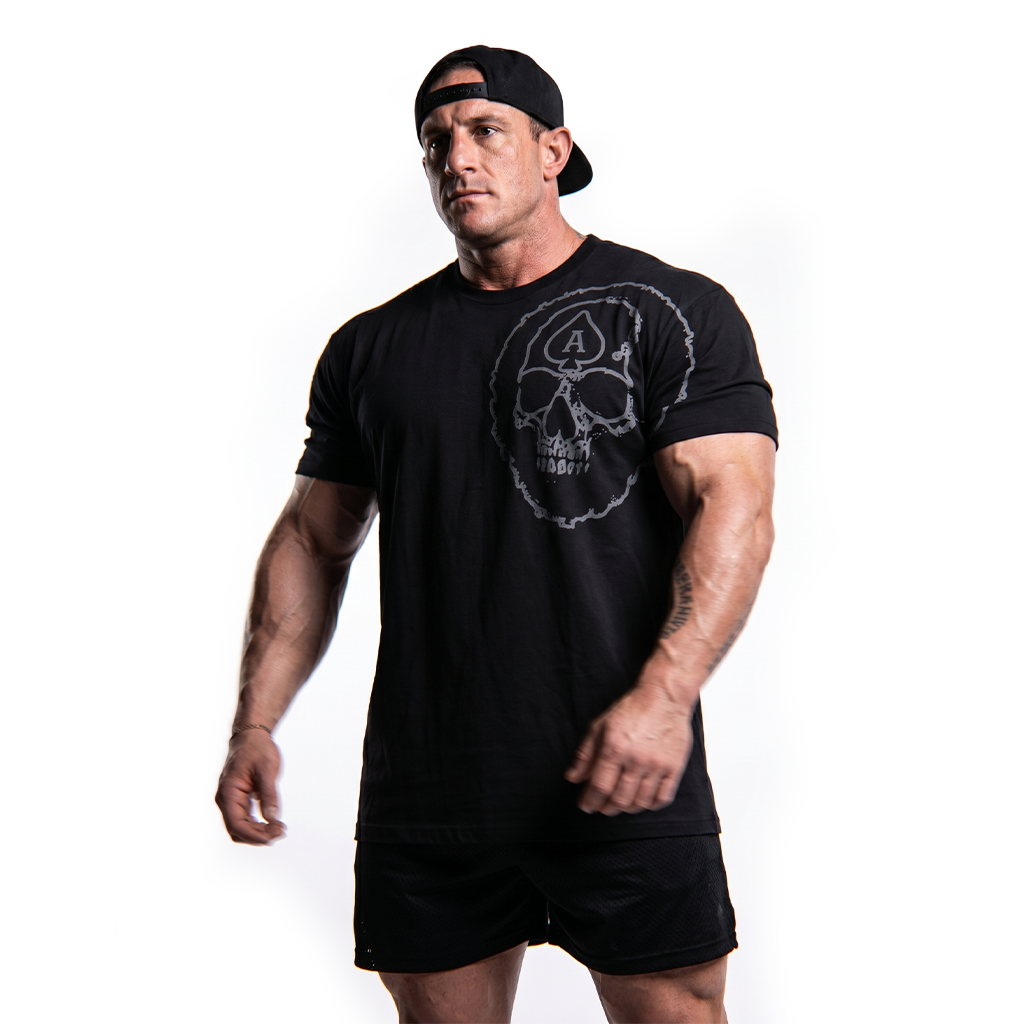
- Mid layer: holds heat. This is the layer that comes off first once you're working, so make it something easy to strip, like the lightweight DTC zip up.
- Outer layer: blocks wind and water. Wind chill is the number that matters, not the thermometer reading.
- Legs and extremities: joggers over shorts, plus gloves, a hat, and something over your ears. Extremities go first.
DOUBLE THE WARM-UP. NON-NEGOTIABLE.
In summer you can walk in and get after it. In winter you can't, and the guys who ignore that are the guys nursing something by February. Cold tissue does not move the same way warm tissue does, and your first hard rep should never be the thing that finally raises your body temperature.
Start the warm-up indoors when you can. Five to ten minutes of easy movement before you ever open the door, then ramp gradually once you're out. Add a set or two of ramp-up weight on every main lift instead of jumping straight to working sets. If your warm-up is currently three arm circles and a sip of pre-workout, fix that first: level up your warm-up and understand why it matters.
YOU STILL SWEAT AT 30 DEGREES
This is the one almost everybody gets wrong. Cold air blunts thirst, and cold air is dry, so sweat evaporates before you ever notice it on your skin. You finish an hour outside, you never felt thirsty, and you're down a real amount of fluid. Add heavy layers and the sweat loss climbs higher than you'd guess.
Drink on a schedule in winter, not on thirst. Fluid plus electrolytes beats plain water when you're training hard and sweating through layers, which is what Aqua Spike is built for. If hydration is the part of your program you've never actually thought about, start here: the importance of hydration.
COLD AIR DOESN'T MAKE YOU SICK
Viruses make you sick. Cold weather just changes your behavior, packing everyone into heated rooms with recycled air for four months. Blaming the thermometer for winter illness is like blaming the gym for your bench press. It's the environment, not the cause.
Training does play a role, and the honest version has two sides. A large exercise-immunology review found that regular moderate physical activity is associated with healthy immune function, while prolonged, heavy exertion can transiently raise upper-respiratory infection risk (Nieman & Wentz, J Sport Health Sci, 2019). Consistent training supports you. Grinding yourself into the floor on four hours of sleep does not.
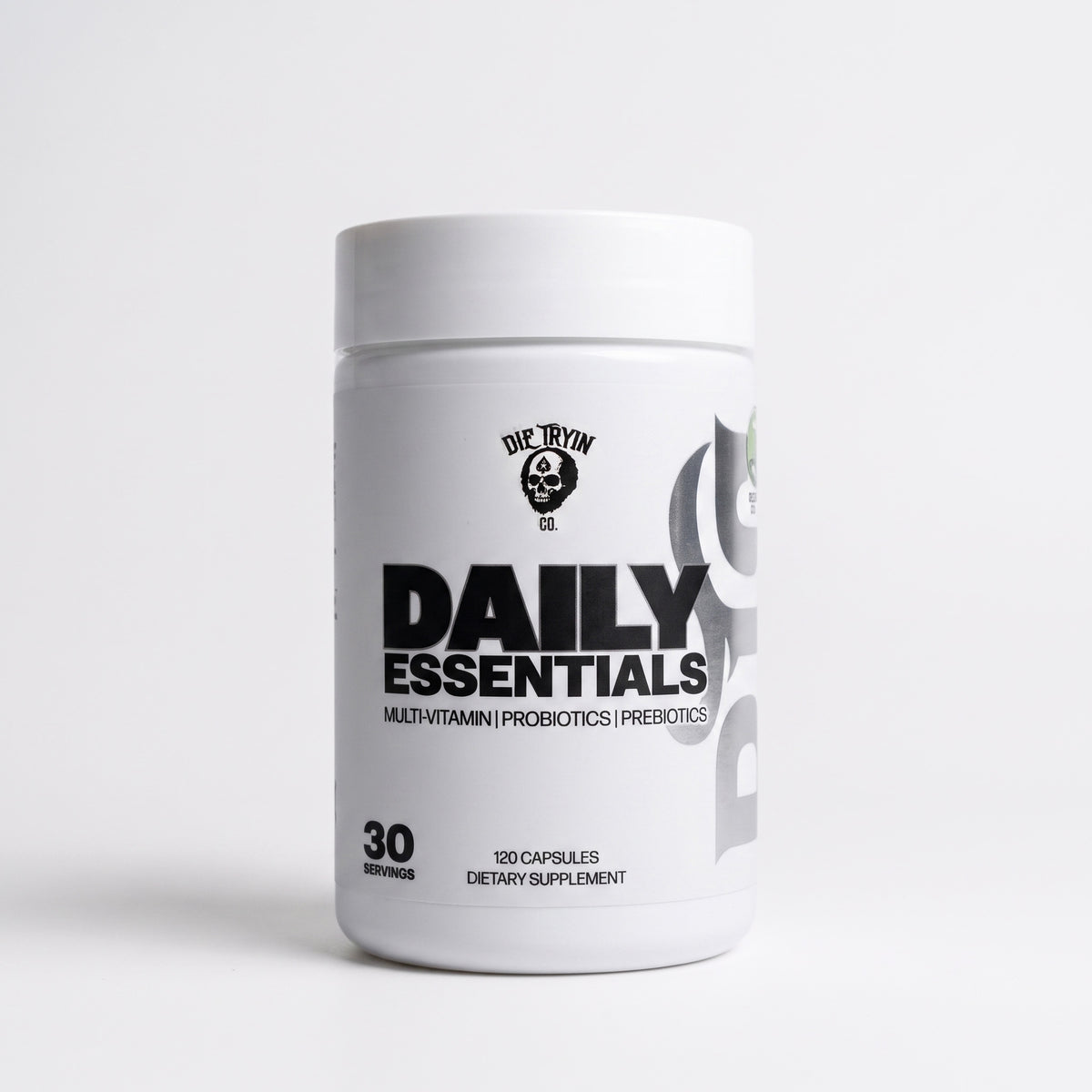
So handle the basics that actually move the needle in winter: sleep, protein, real food, and consistent training volume. Sun exposure also drops hard between November and March, which is why Daily Essentials carries 125mcg (5,000 IU) of Vitamin D3 per serving alongside its chelated minerals and gut-support blend. For the rest of the checklist, read 4 ways to support your immune system.
COOLER WEATHER CAN ACTUALLY MAKE YOU FASTER
This part of the old winter pitch holds up. Researchers analyzed decades of results from seven major marathons and found a progressive slowing of finishing times as heat stress climbed from roughly 5°C to 25°C wet-bulb globe temperature, across men, women, and every ability level they looked at (Ely et al., Med Sci Sports Exerc, 2007). Slower runners took the bigger hit as it got hotter.
Read that carefully, because it's a heat penalty, not a cold bonus. The coolest quartile studied was 5°C to 10°C wet-bulb globe temperature, not sub-freezing, so this doesn't mean colder is always faster. What it does mean: crisp fall and winter conditions are legitimately good conditions to chase a conditioning benchmark, and hiding indoors until May costs you the best training weather of the year.
THE "YOU BURN MORE CALORIES" MYTH
You've heard that winter training torches extra calories because your body works to stay warm. There's a kernel of truth in it: shivering and other heat-generating responses do raise energy expenditure while you're actually cold. Here's the catch. Once you're working hard enough to be warm, that stimulus mostly goes away. You are not cold anymore. You're a heat engine in a jacket. Treat cold weather as a good reason to train, not as a shortcut that lets you skip the part where you control your intake. Basics beat hype, in every season.
WHEN TO CALL IT AND TRAIN INSIDE
Discipline is showing up. Stupidity is ignoring conditions. ACSM recommends using the wind-chill index to gauge frostbite risk and increasing surveillance of anyone training below a wind chill of -27°C (-18°F). Pull the plug and move the session indoors when any of these are true:
- Wind chill is in dangerous territory, not just the air temperature
- Ice, black ice, or unlit roads make footing a coin flip
- You're already wet from rain, sleet, or a soaked base layer
- You have a cardiovascular or respiratory condition and haven't cleared cold-weather training with your doctor
- You're outside with no way to get warm quickly if the weather turns
Indoors is not a failure. It's a change of terrain. If the gym isn't an option either, no gym, no problem covers the bodyweight work that keeps the streak alive in a living room. And to be clear, none of this is the same thing as a cold plunge. That's a deliberate recovery tool with its own protocol. This is just training in a harder environment.
FREQUENTLY ASKED QUESTIONS
Is it safe to work out in cold weather?
For most healthy people, yes. ACSM's position is that exercise can be performed safely in most cold-weather environments with a proper risk-management approach: know the signs of hypothermia and frostbite, dress for the individual, and check conditions before you go. If you have a cardiovascular or respiratory condition, talk to your doctor first.
How cold is too cold to train outside?
There's no single cutoff, because wind and moisture matter more than the raw number. ACSM flags wind chills below -27°C (-18°F) as the point for heightened caution. Well before that, use judgment: wet clothing, ice, and no quick way to get warm are all reasons to move inside.
What should I wear for cold weather workouts?
Three layers with three jobs. A moisture-moving base layer (never cotton), a mid layer you can shed once you're working, and a wind-blocking outer layer. Cover hands, ears, and face. Dress so the first five minutes feel a little too cold, because you will heat up.
Do you burn more calories working out in the cold?
Slightly, and mostly while you're actually cold. Shivering and heat production raise energy expenditure, but once training warms you up that effect largely disappears. It's not a fat-loss shortcut and it doesn't replace managing your intake.
Do I need to hydrate as much in winter?
Yes. Cold blunts thirst and dry air hides your sweat loss, so winter dehydration sneaks up on people who never feel thirsty. Drink on a schedule instead of on thirst, and use electrolytes when you're sweating through layers.
Should I take a pre-workout before a cold session?
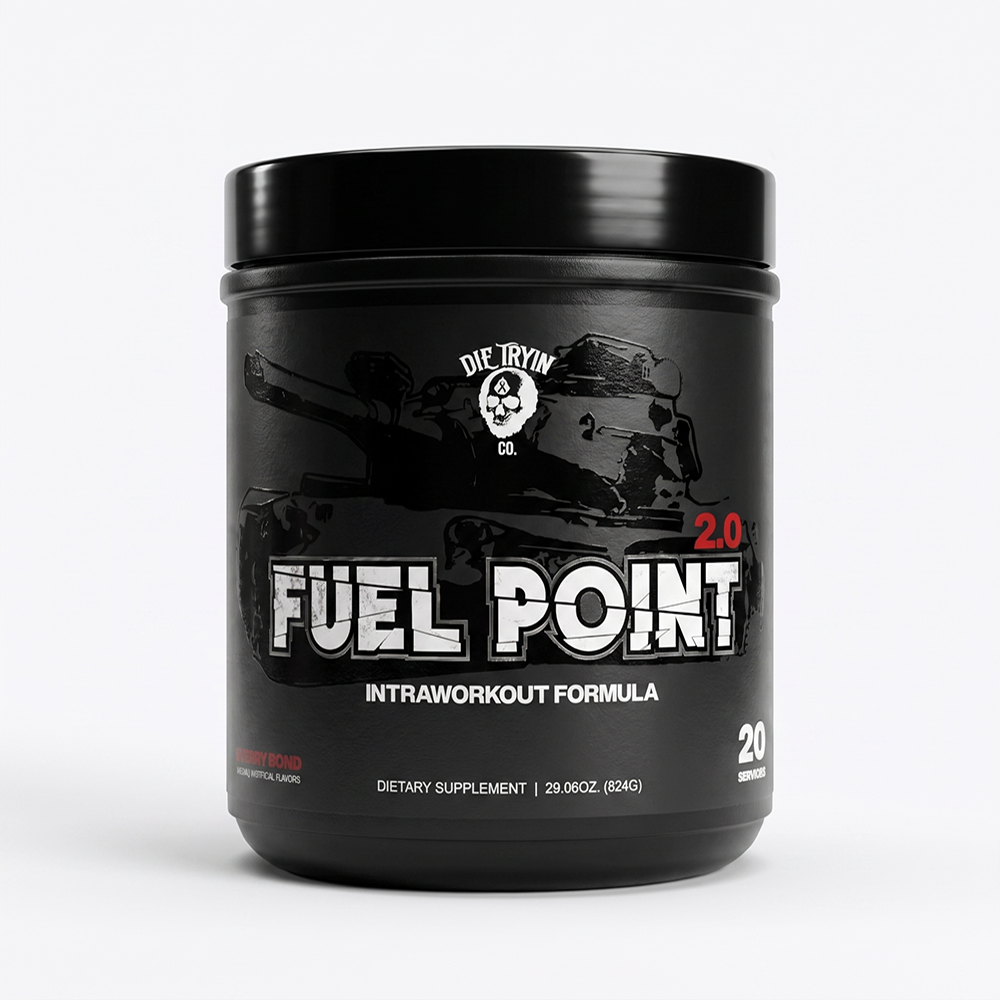
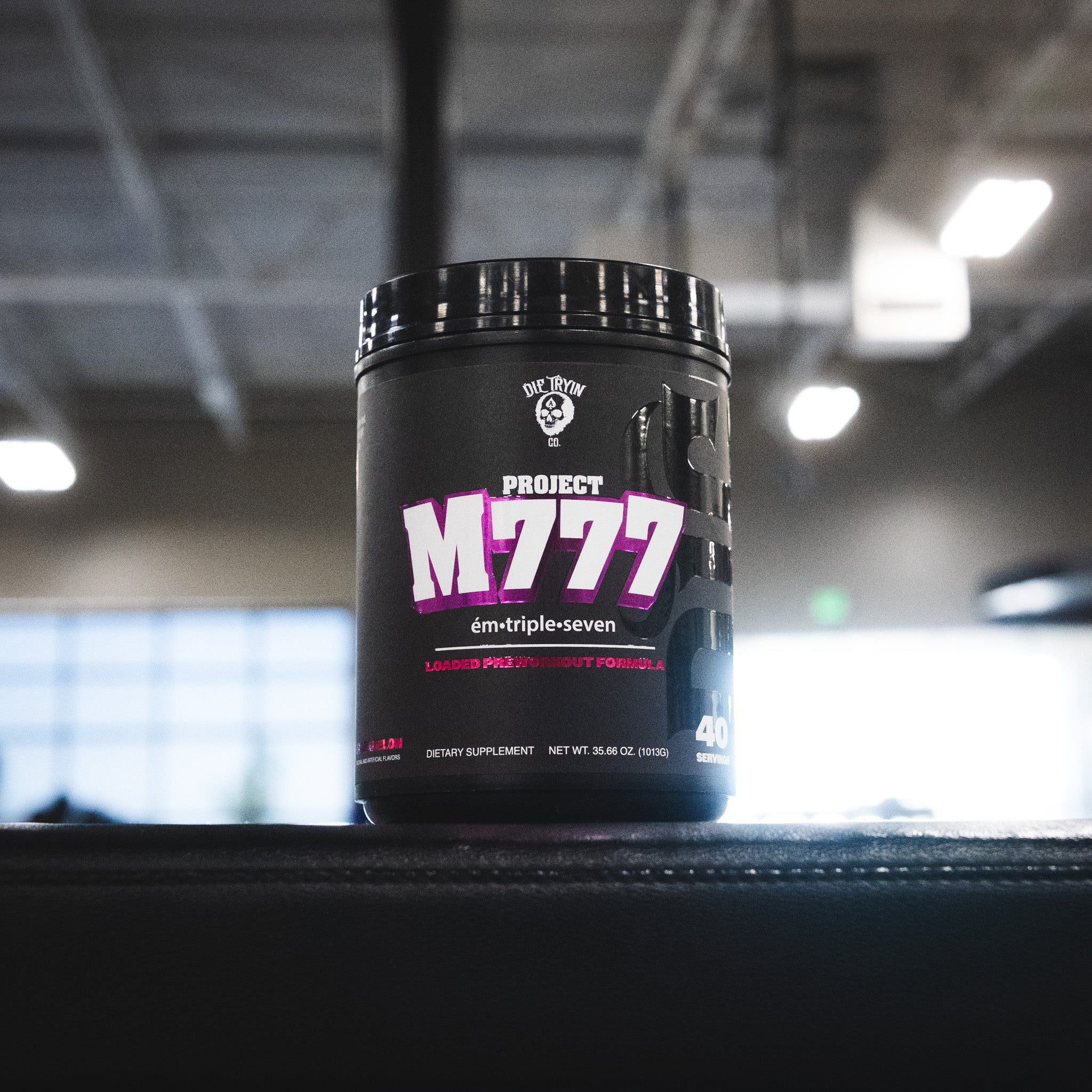
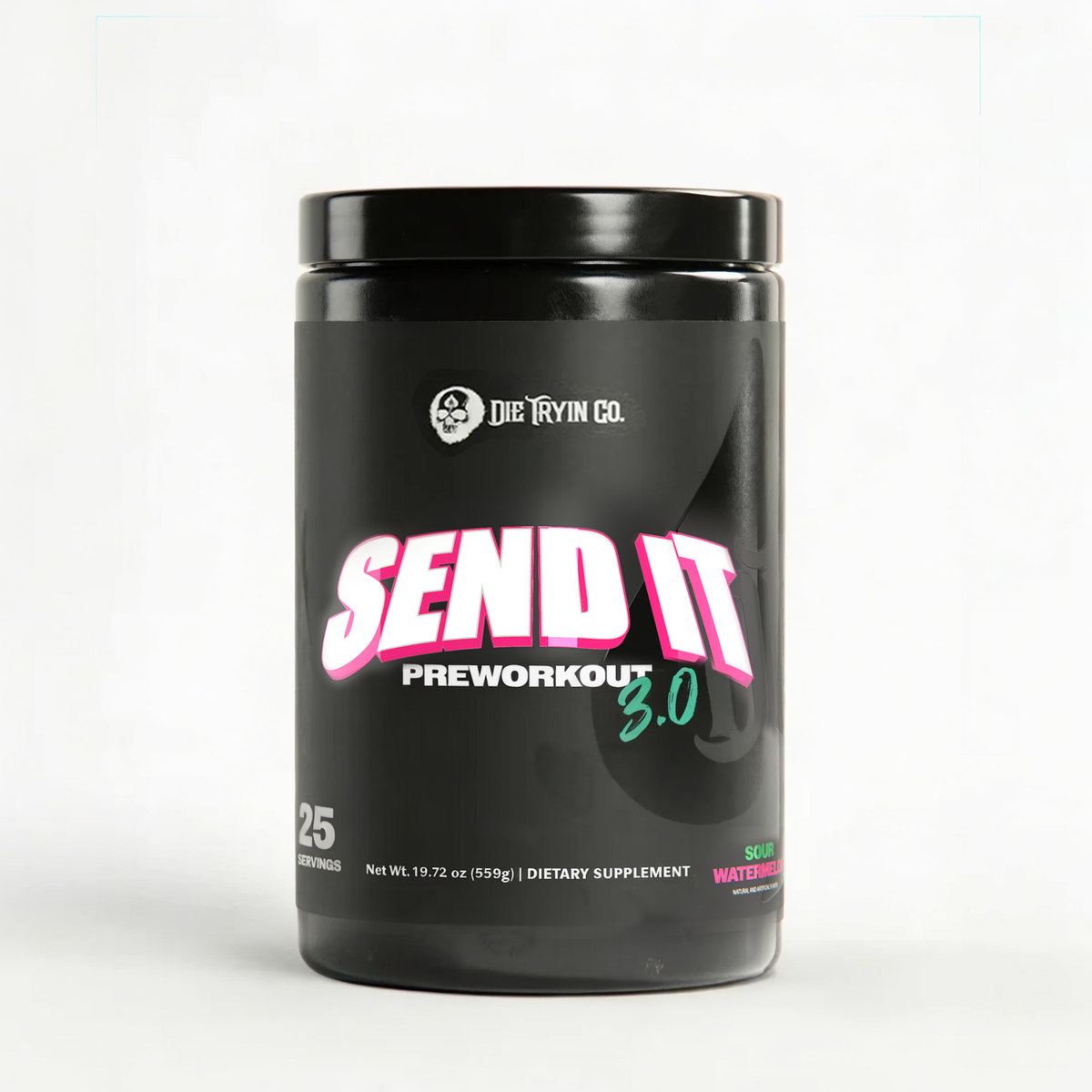
If you already use one, cold sessions are exactly where it earns its keep, on the dark early mornings when you'd otherwise talk yourself out of it. A balanced daily driver like SEND IT 3.0 works for most people. Never let it replace the longer warm-up. For how to pick one, read the complete guide to pre-workout.
READY TO GEAR UP?
Winter doesn't need a new program. It needs better gear and better habits. Here's what covers the gaps:
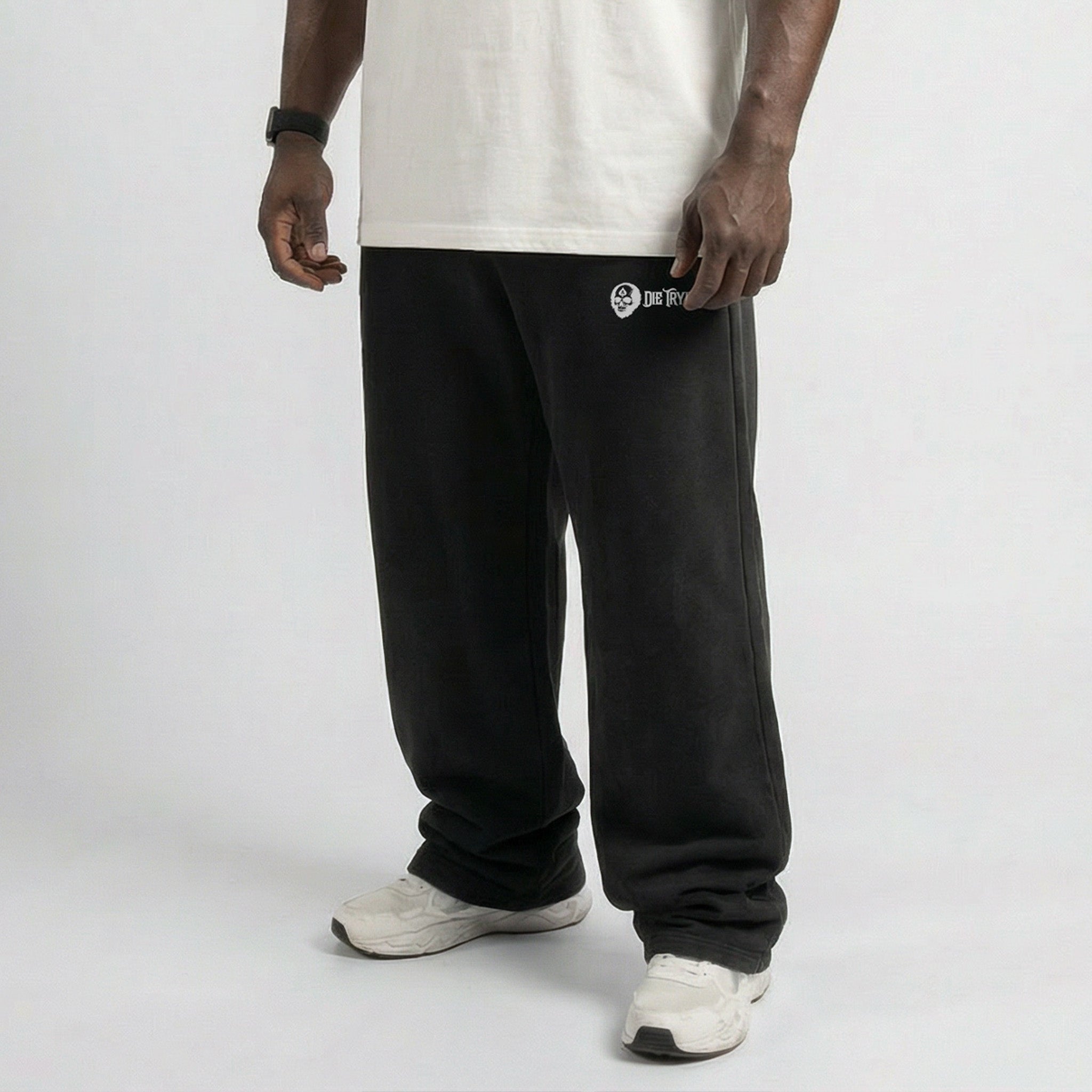
- Layer you'll actually use: Lightweight DTC Zip Up and Straight Leg Joggers
- Dark, cold, early sessions: SEND IT 3.0, the balanced daily driver
- Hydration you can't feel yourself losing: Aqua Spike
- Recovery after cold work: Post Iso, 24g of whey isolate protein per serving
- Winter baseline: Daily Essentials with 5,000 IU Vitamin D3
Not sure where to start? Take the supplement quiz and get pointed at the right tools. The weather is going to do what it does. Show up anyway. Discipline beats motivation, and it beats a thermometer every single time.
ALWAYS FORWARD.
GEAR THAT FITS THIS POST
The products this article actually talks about. Real doses, disclosed labels, veteran owned.

Read more
Most people skip the warm-up. Don't. Here are 5 research-backed reasons warming up earns its 5-30 minutes — plus the lactic-acid myth, finally put to rest.
Nobody becomes weak overnight — it happens through small habits repeated daily. The weak vs. strong habit framework, plus the 8 non-negotiables that build men who hold up under pressure.
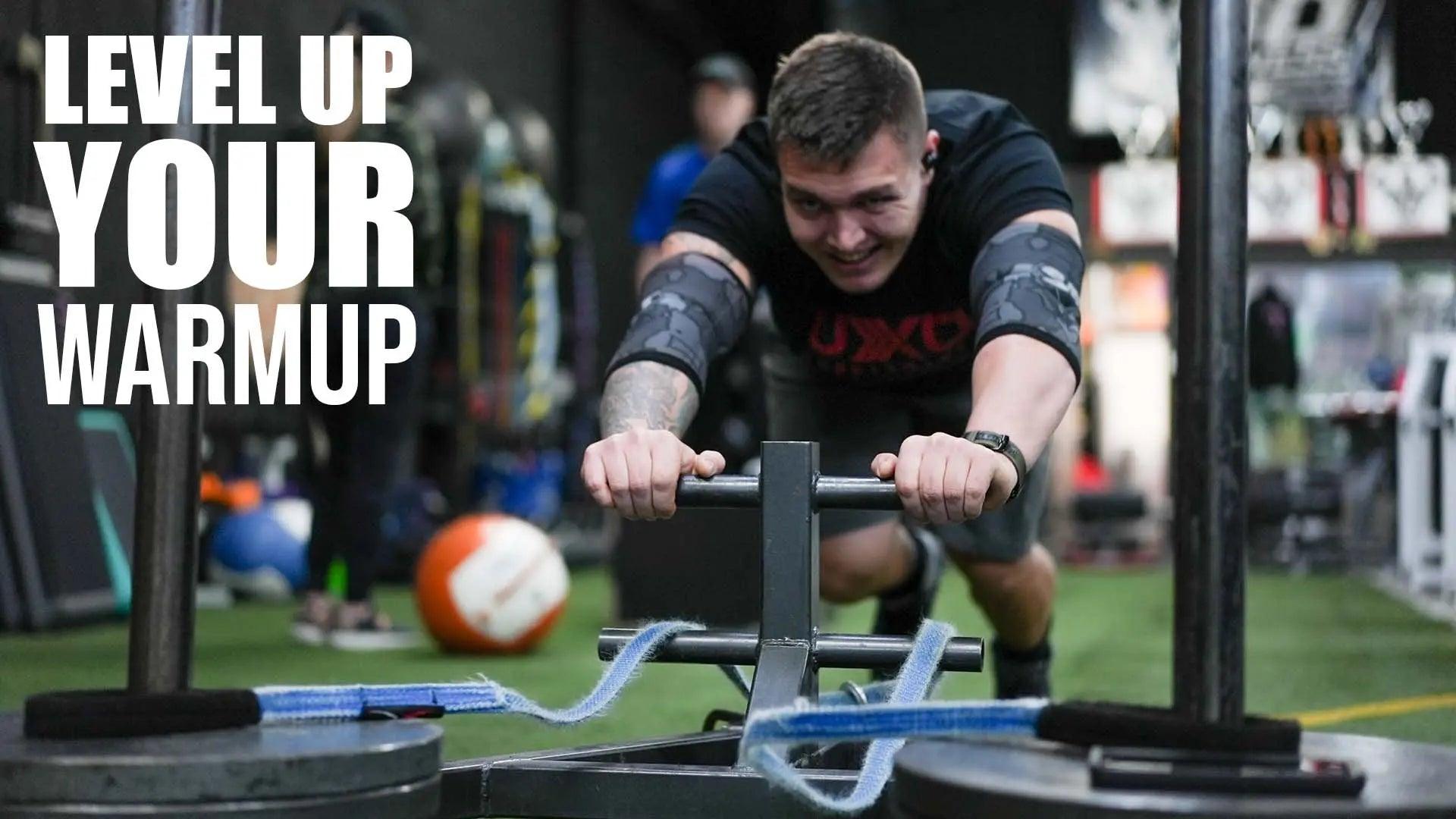
Five minutes on a treadmill is not a warm-up. Here is the four-phase ramp that actually preps you to lift heavy, plus what the research says about foam rolling and static stretching.
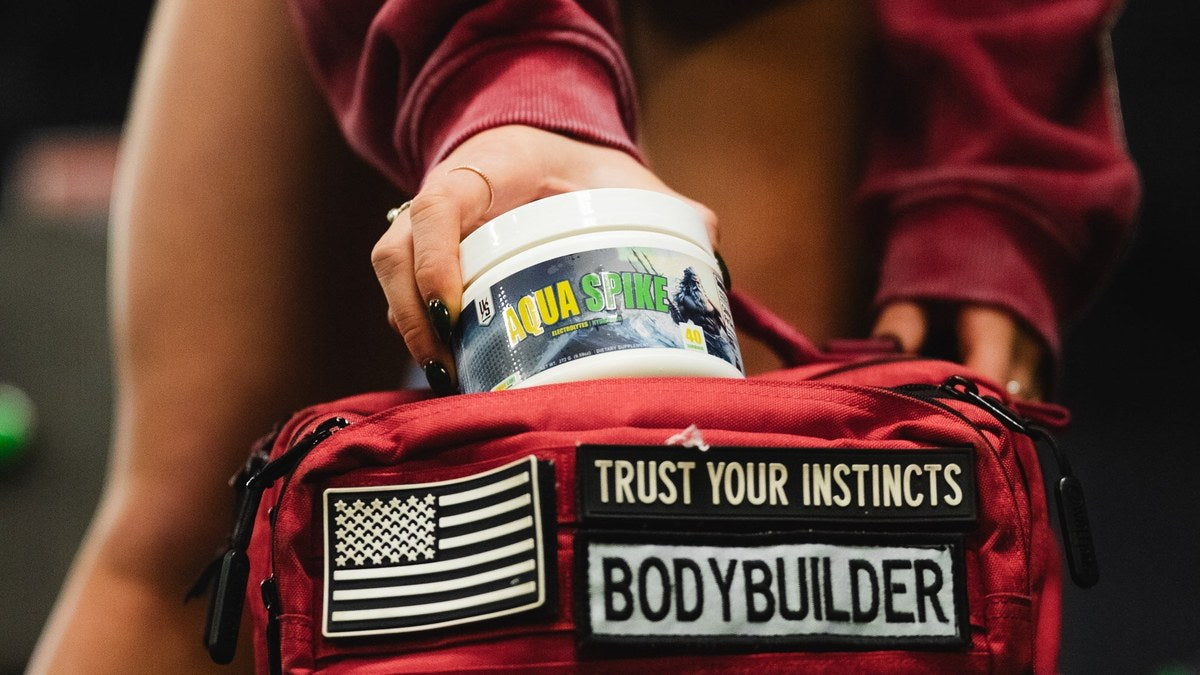
The complete hydration playbook: how much water you actually need, what dehydration does to your performance, and how to hydrate around hard training.
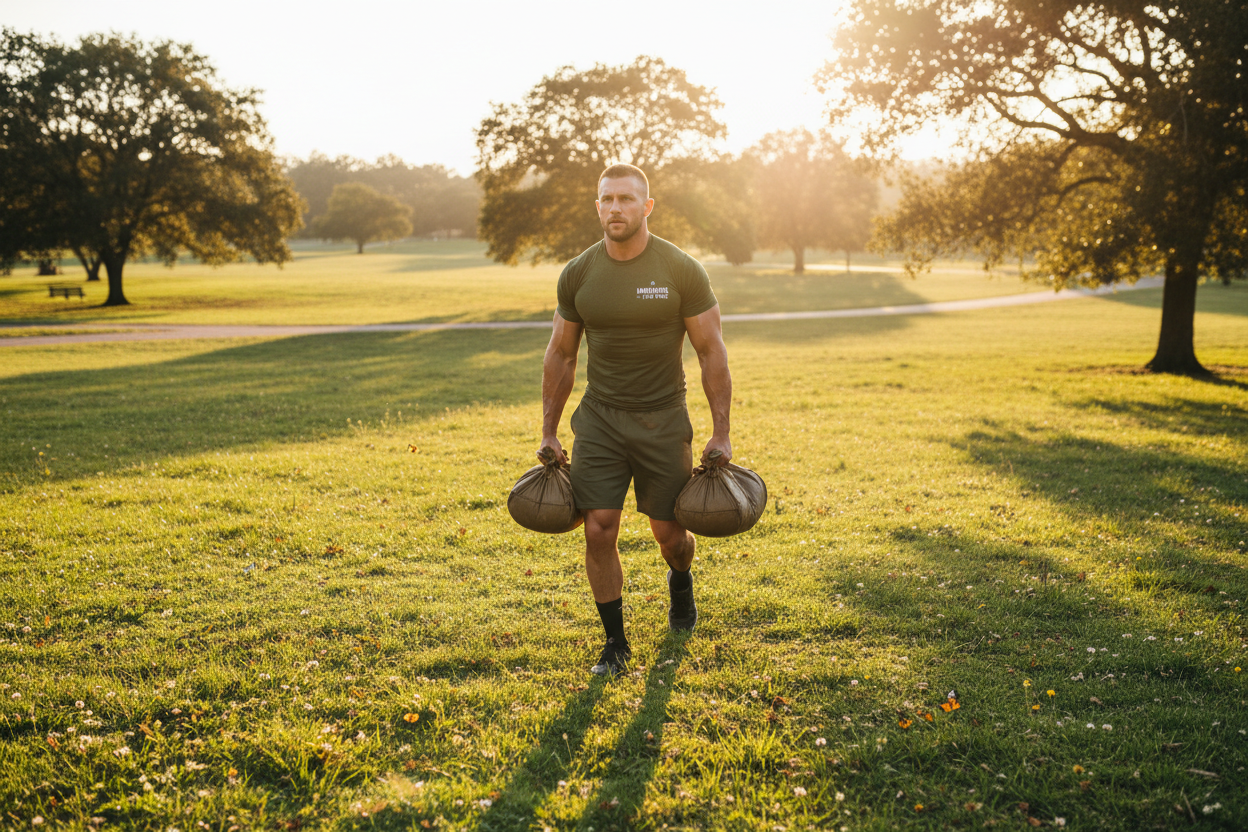
Your immune system is built by what you do every day. Four research-backed habits — movement, sleep, sane drinking, and gut health — that support healthy immune function.

No gym, no weights, no excuses. The five best bodyweight moves for full-body strength — with form cues and how to scale each one harder.