




4 Ways to Support Your Immune System (Backed by Research)
By Jon Klipstein, U.S. Army Combat Veteran & Founder of Die Tryin Co.
Science reviewed by Onur Oncer, BS Physiology and peer-reviewed published researcher. Full disclosure: Onur founded and formulated Shroombiosis, one of the products recommended below.
THE BASICS, DONE RIGHT
Listen up. Your immune system isn't waiting on a magic pill or a trendy shot of something with a citrus label. It's built — or broken down — by what you do every single day. The way you move, the way you sleep, the way you eat and drink. Basics beat hype.
Cold and flu season has a way of exposing the people who skip the fundamentals. The ones who train hard but sleep four hours. The ones who crush the gym Monday through Friday and drown the weekend in alcohol. The body keeps score, and your defenses pay the bill.
Here's the truth: you can't control everything, but you can control your inputs. Below are four habits that research connects to healthy immune function — and the move to make on each. No fear-mongering, no miracle claims. Just the work.
| HABIT | WHAT RESEARCH SUGGESTS | THE MOVE |
|---|---|---|
| Move regularly | Regular moderate activity is associated with healthy immune function | 150 min/wk moderate + 2 strength sessions |
| Sleep enough | Short sleep is linked to greater susceptibility to the common cold | 7–8 hours, screen curfew |
| Watch the alcohol | Heavy/chronic use is associated with impaired immune defense | Keep it moderate, hydrate hard |
| Feed the gut | A large share of immune tissue lives in the gut | Daily Essentials + real food* |
1. MOVE — TRAIN REGULAR, NOT RECKLESS
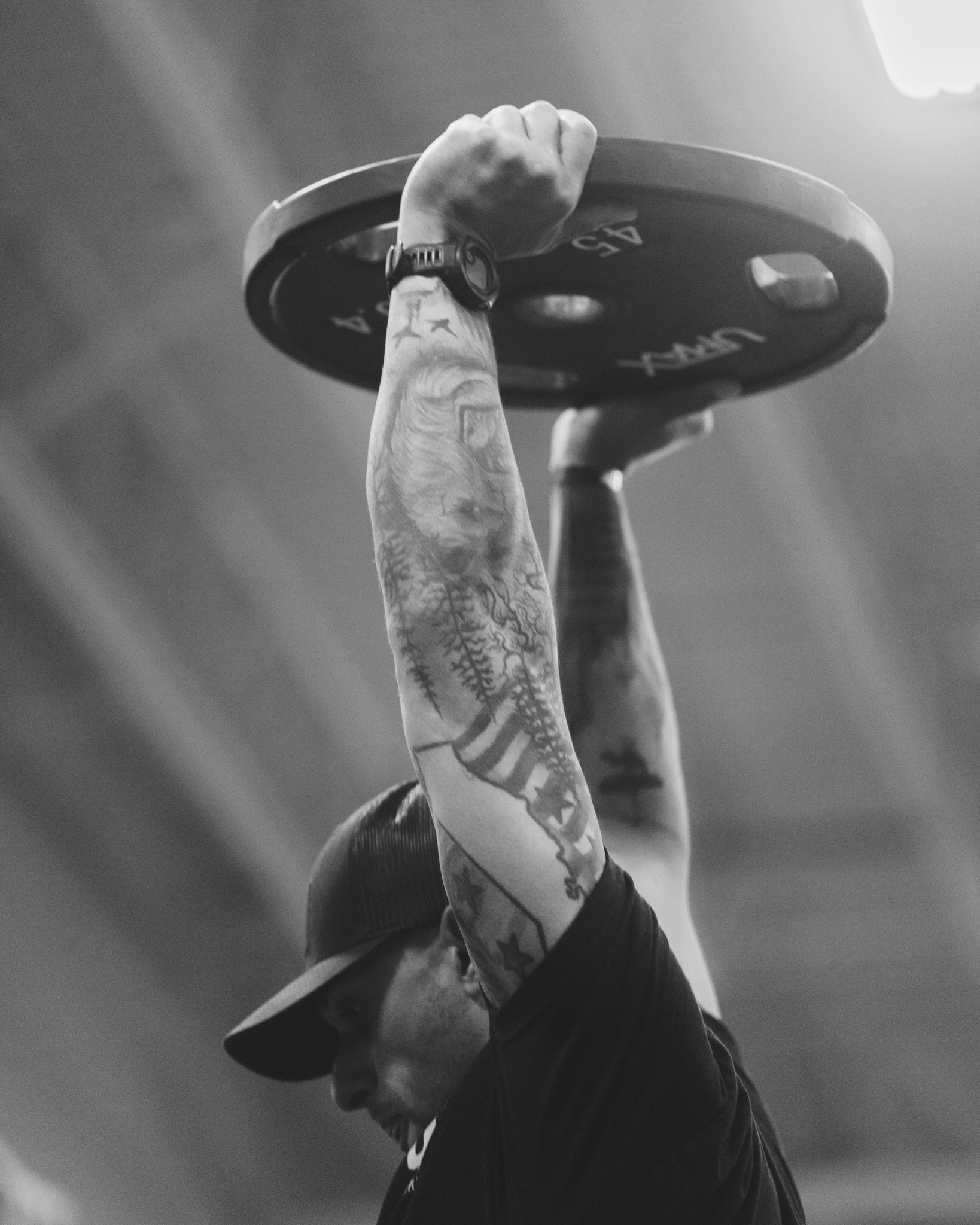
Movement is the foundation. A peer-reviewed review of exercise immunology found that regular moderate physical activity is associated with healthy immune function and a reduced incidence of common chronic conditions compared with a sedentary life (Nieman & Wentz, J Sport Health Sci, 2019). The keyword is regular and moderate.
Here's the nuance most people skip: the same research notes that prolonged, heavy exertion can temporarily suppress immune function and raise the odds of an upper-respiratory infection. So this isn't a license to grind yourself into the ground. Consistency beats intensity. The goal is showing up steadily, not going scorched-earth and then catching whatever's going around for a week.
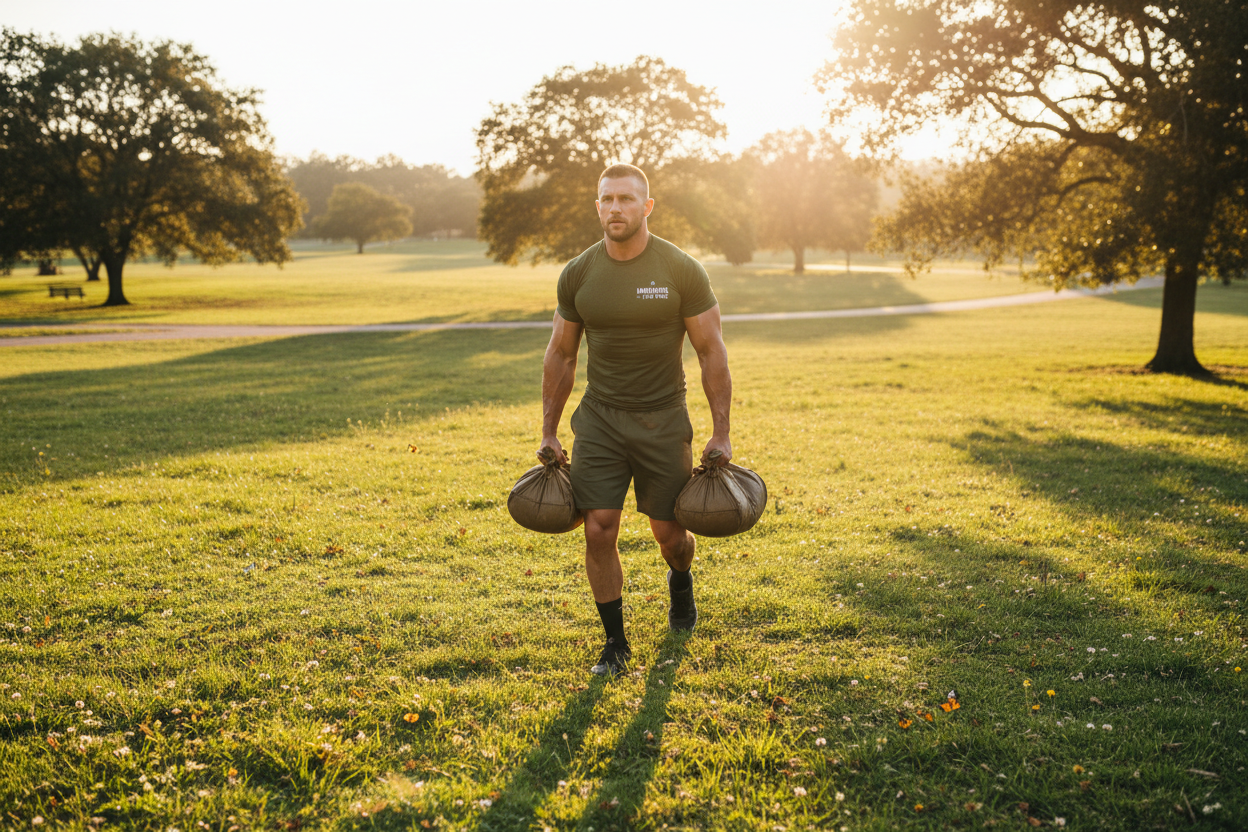
Aim for roughly 150 minutes of moderate movement per week — brisk walks, intervals, conditioning — plus two strength sessions to keep the engine strong. Get some of it outdoors when you can. Sunlight, fresh air, and a change of scenery are free. If fat loss is part of your why, our breakdown on strength training for fat loss lays out how to structure the work.
And recovery is part of training, not the opposite of it. If you're constantly run-down, you're not training hard — you're under-recovering. See the science of recovery to dial in the part that happens between sessions.
2. SLEEP — THE MOST UNDERRATED REP
You don't get stronger in the gym. You get stronger asleep. Same goes for your defenses. Skimp on sleep and you're asking your body to run on a low battery.
The hard data backs it up. In a controlled study, 164 healthy adults had their sleep tracked objectively by wrist actigraphy for a week, then were quarantined and exposed to a cold virus. Those sleeping under six hours a night were significantly more likely to develop a clinical cold than those sleeping more than seven — independent of age, stress, BMI, and pre-existing antibodies (Prather et al., Sleep, 2015).
Notice what the study actually showed: short duration was the predictor, not fragmented sleep. So the move is simple — protect the hours. Target 7–8 a night. Set a screen curfew so blue light isn't hijacking your wind-down. Keep the room cold and dark. Treat your bedtime like a training appointment you don't blow off.
Discipline beats motivation here. Nobody feels like going to bed on time. You do it anyway because it's the move.
3. ALCOHOL — KNOW THE COST
Nobody's here to preach. But pretending alcohol is free of consequences for your defenses would be lying to you, and that's not the deal.
Research published in Alcohol Research: Current Reviews suggests that heavy or chronic alcohol use is associated with impaired immune defense — interfering with both innate and adaptive immune responses and increasing susceptibility to bacterial and viral infections (Szabo & Saha, 2015). The review scopes this to heavy and chronic use specifically — moderate intake is a separate conversation.
Alcohol also pulls double duty against you on a training night: it's a diuretic, so it drives fluid and mineral loss right when your body's trying to recover. If you're going to drink, keep it moderate, hydrate hard around it, and don't let a weekend undo a week of work. For tracking it inside your nutrition without the guesswork, we broke down accounting for macros with alcohol.
4. GUT HEALTH — WHERE A LOT OF THE WORK HAPPENS
Most people never think about their gut until it's yelling at them. But a large share of your immune tissue lives in the gut lining, and the gut-brain axis ties digestion to how you feel, function, and recover. Feed it right and you're supporting a system that's doing constant, quiet work.
The foundation is food — fiber, fermented foods, real ingredients, and water. Start there. Our guide on tips to improve gut health covers the basics, and don't sleep on hydration — water is non-negotiable for digestion and everything downstream of it.
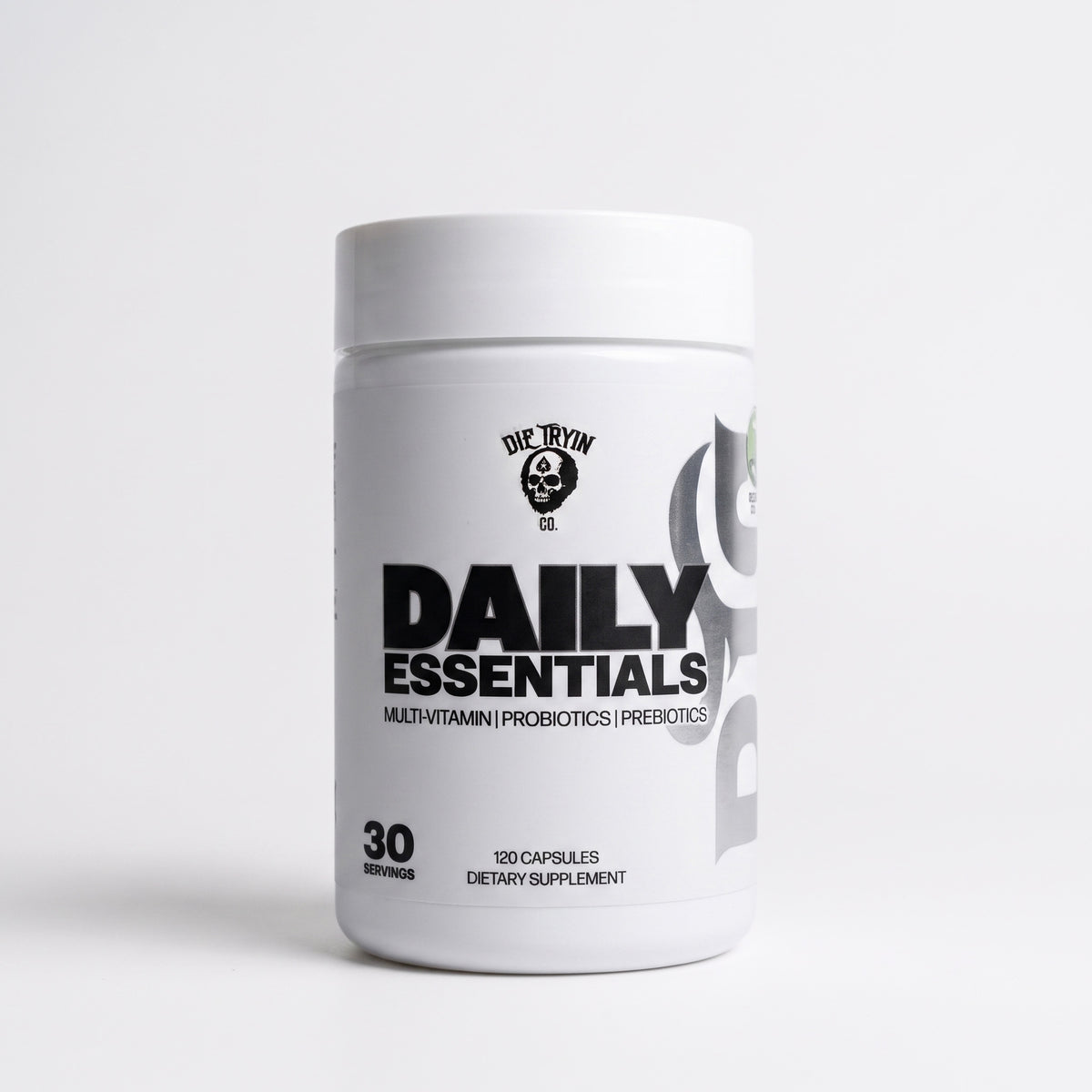
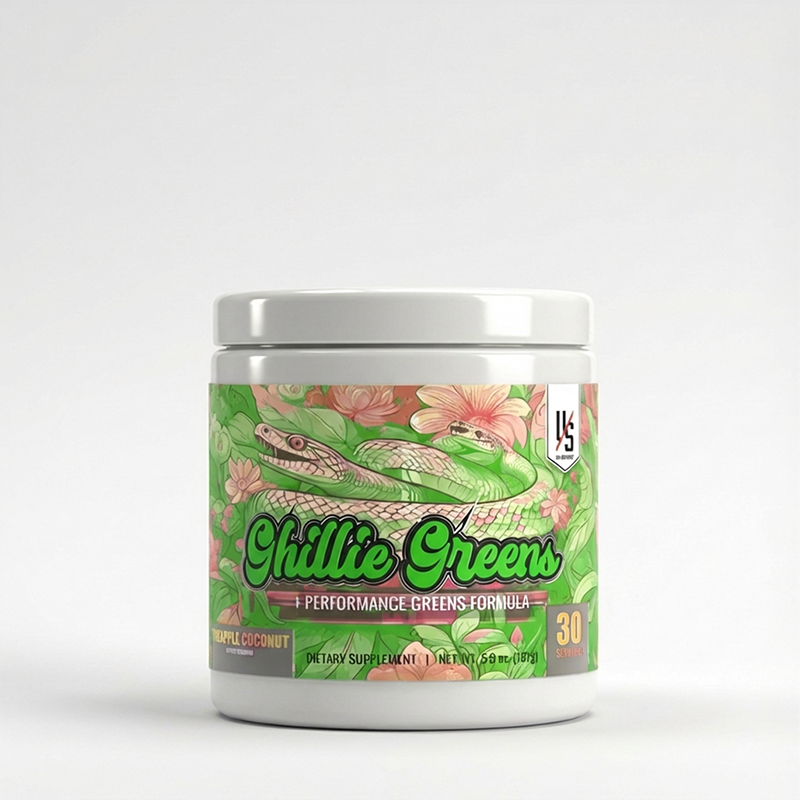
When you want to back the basics with a stack built for it, Daily Essentials pairs a chelated multivitamin with prebiotics, probiotics, and digestive enzymes to support gut health and healthy immune function.* If you also want more real-ingredient greens in your day, Ghillie Greens brings a greens blend with KSM-66 and AstraGin,* and Omega covers your omega-3s for whole-body support.* If mushrooms are the category you keep hearing about, Shroombiosis is seven fruiting-body, dual-extracted mushrooms with every dose printed on the label instead of buried in a proprietary blend. We make no immune claim for it: no trial has been run on the finished formula, and the dose-by-dose rundown is in Mushrooms for Athletes. No magic. Just real doses of real ingredients backing real habits.
FREQUENTLY ASKED QUESTIONS
Can supplements replace healthy habits for immune support?
No. Supplements support a foundation — they don't build it. Movement, sleep, sane drinking, and real food do the heavy lifting. A gut-health stack like Daily Essentials is there to back those basics, not stand in for them.*
How much sleep do I actually need for immune support?
Research links short sleep — under six hours a night — with greater susceptibility to the common cold. Most adults do best in the 7–8 hour range. Protect the duration first; that's the lever the data points to.
Does intense exercise hurt my immune system?
Regular moderate activity is associated with healthy immune function. The same research notes that prolonged, very heavy exertion can temporarily suppress it. The fix isn't doing less — it's recovering enough between hard sessions so you're not constantly run-down.
Is a little alcohol going to wreck my immune system?
The research linking alcohol to impaired immune defense is scoped to heavy and chronic use. Moderate intake is a separate question the review doesn't lump in. If you drink, keep it moderate and hydrate around it.
Why does gut health matter for immunity?
A large share of your immune tissue lives in the gut. Supporting your gut with fiber, fermented foods, hydration, and a quality prebiotic/probiotic stack supports a system that's connected to immune function and overall well-being.*
What should I do first if I only change one thing?
Fix your sleep. It's free, it's the most consistently supported lever in the research here, and it makes every other habit easier to hold. Discipline beats motivation — set the bedtime and keep it.
READY TO GEAR UP?
Support your immune system the way you'd run a mission — fundamentals first, no shortcuts. Move regular, sleep enough, respect the alcohol, feed the gut. Then back it with real doses of real ingredients:
- Daily Essentials — chelated multivitamin + prebiotics, probiotics, and enzymes to support gut health.*
- Ghillie Greens — real-ingredient greens with KSM-66 and AstraGin.*
- Omega — omega-3 fish oil for whole-body support.*
Not sure where to start? Take the stack quiz and we'll point you at the right fit for your goals.
*These statements have not been evaluated by the Food and Drug Administration. This product is not intended to diagnose, treat, cure, or prevent any disease.
ALWAYS FORWARD.
GEAR THAT FITS THIS POST
The products this article actually talks about. Real doses, disclosed labels, veteran owned.
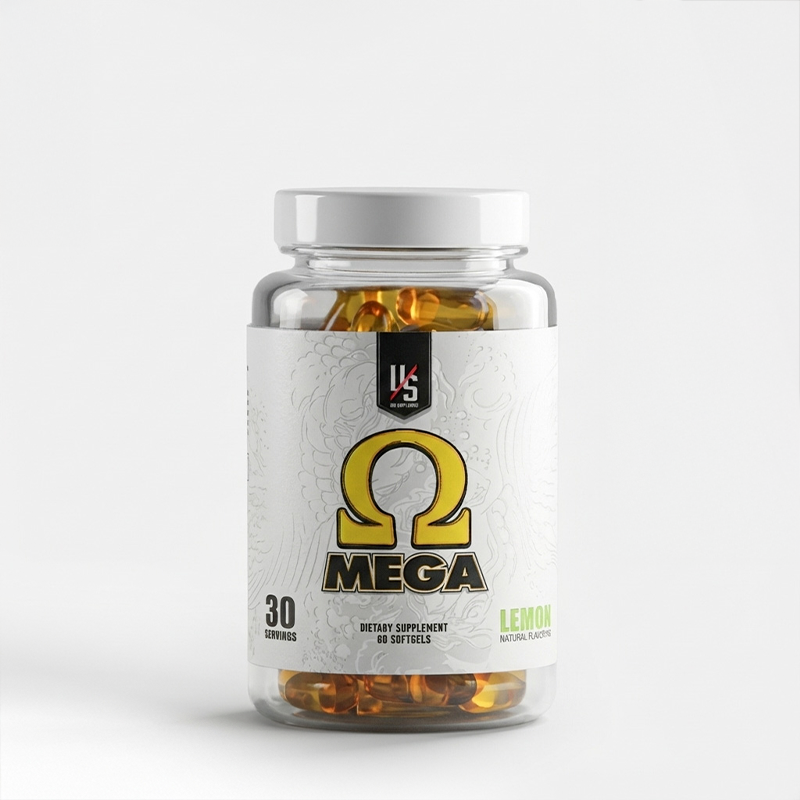
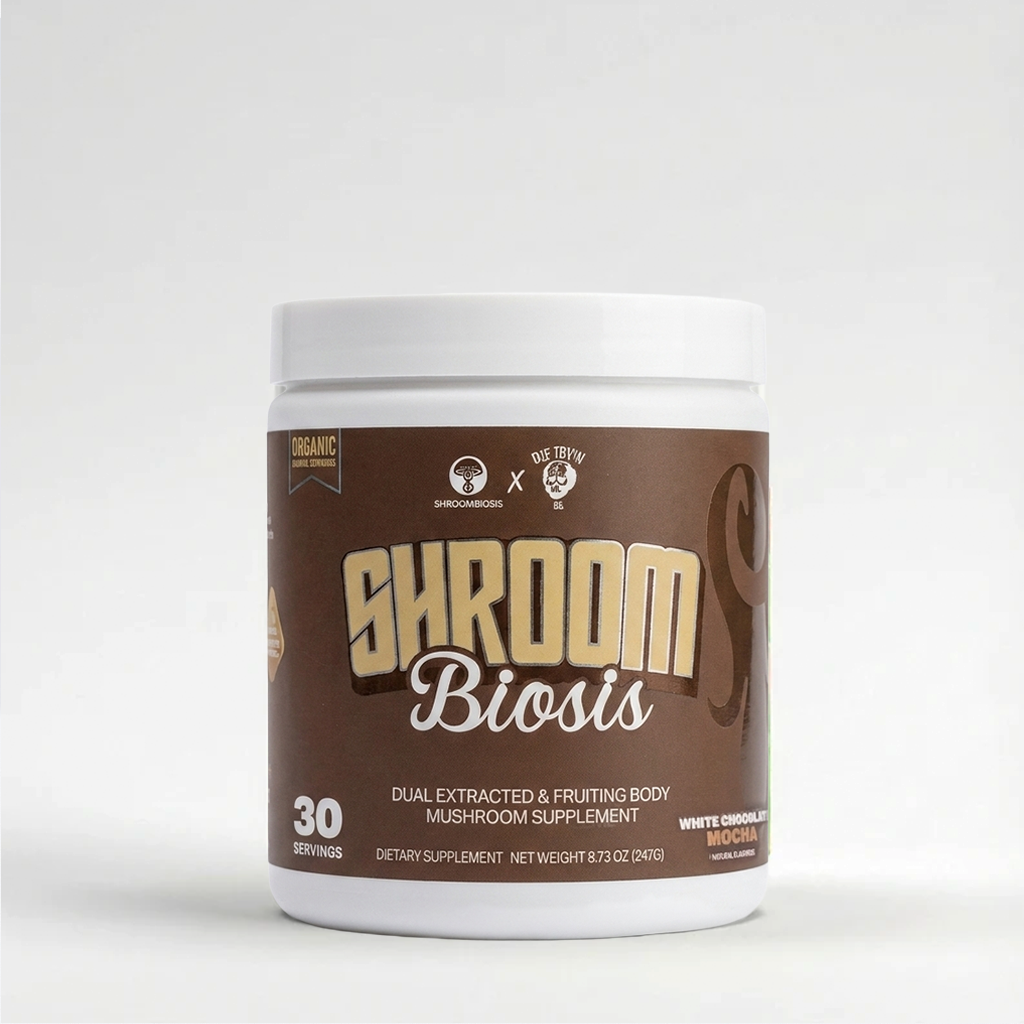
Read more

Think you shouldn't lift weights while losing fat? It's a myth. Here's how strength training preserves muscle, protects your metabolism, and beats cardio alone.
Recovery is not a feeling, it is a clock. What your muscles are doing at hour 3, hour 24 and hour 48 after you train, and what to do in each window.
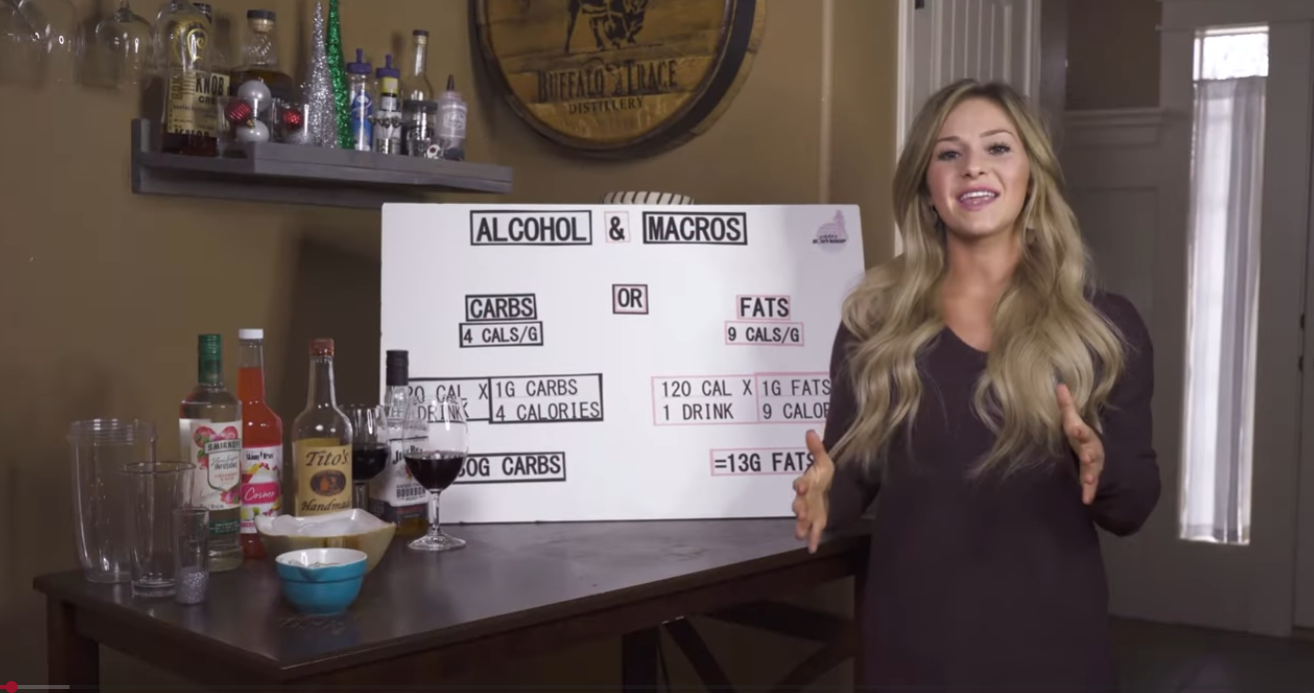
How to log a drink in MyFitnessPal as carbs or fats, bank room for it during the day, and the honest gut-check before you pour — so alcohol fits your goals.
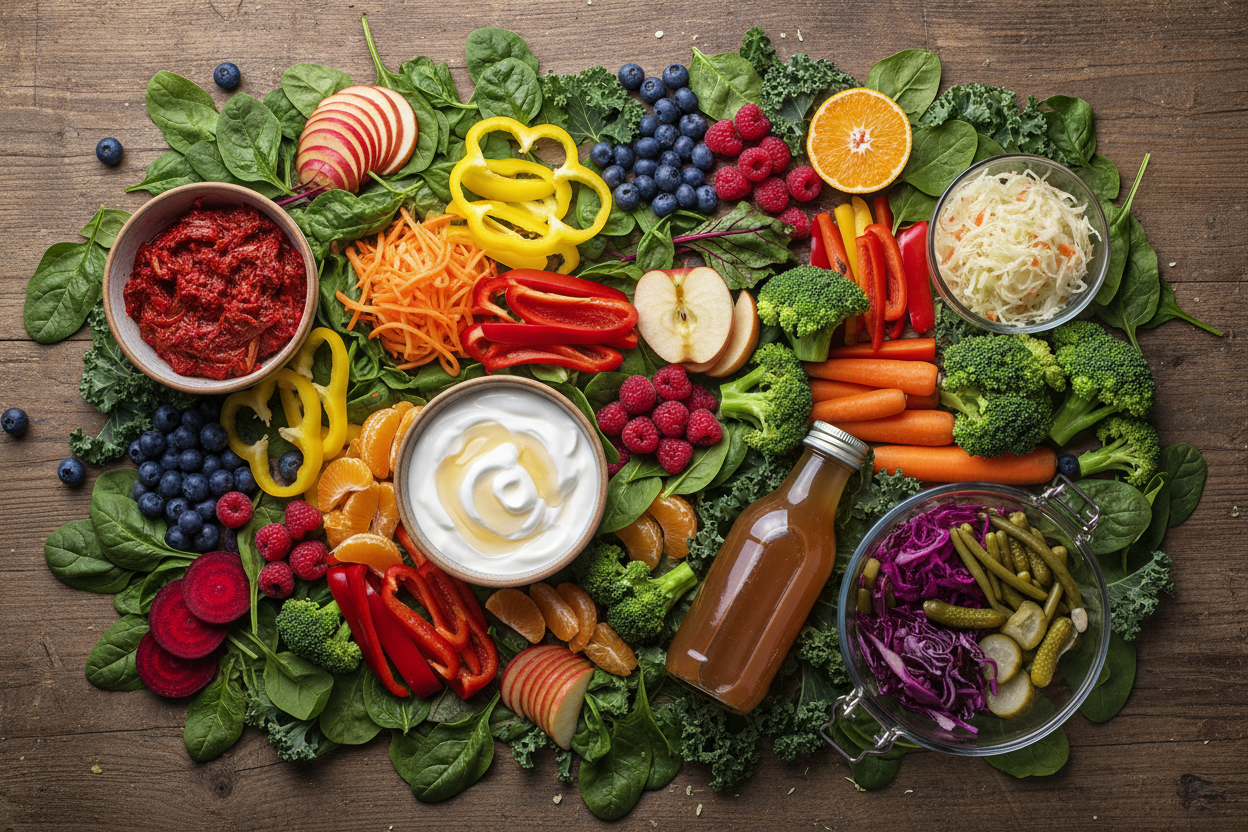
Your gut runs more than your digestion. Here are 8 day-to-day tips — diet, hydration, sleep, stress, and probiotics — to support a healthier gut.
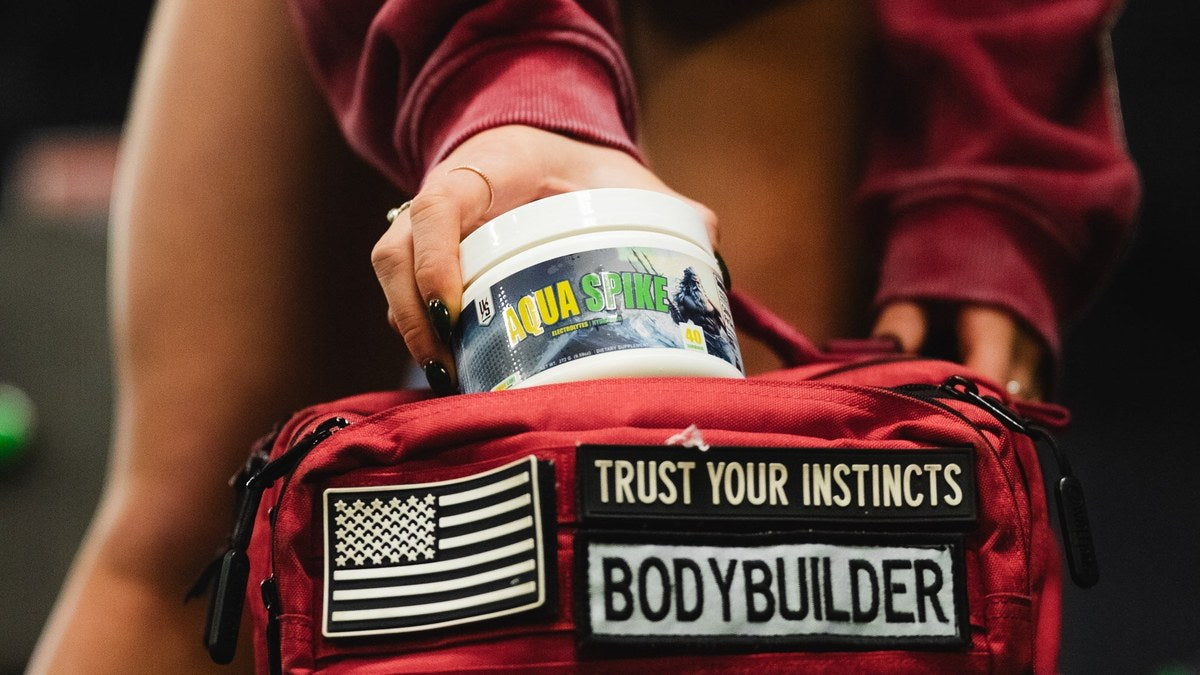
The complete hydration playbook: how much water you actually need, what dehydration does to your performance, and how to hydrate around hard training.
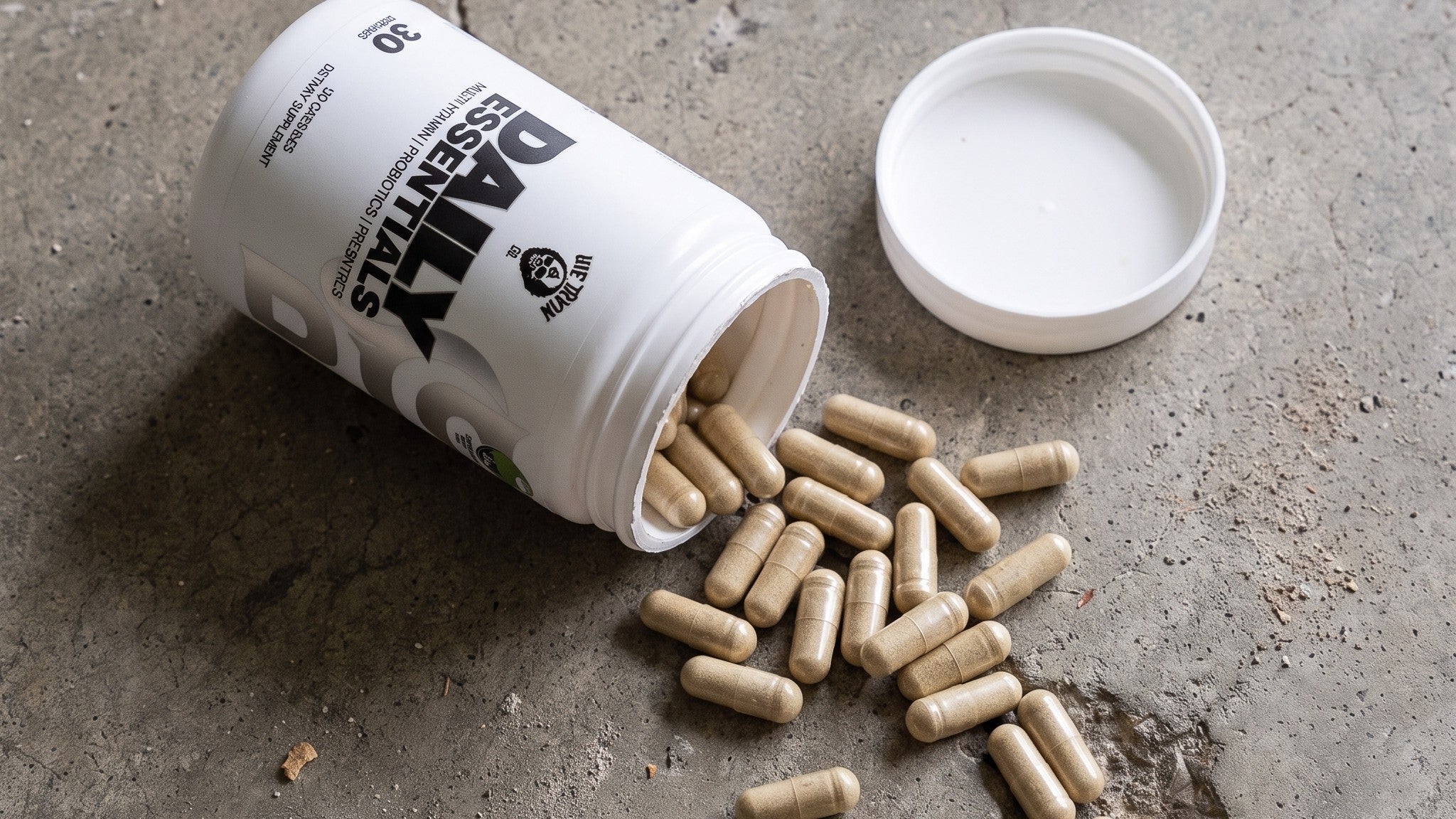
The honest case for a multivitamin when you train hard: where the evidence stops, where the gaps are real, and why chelated minerals plus a gut stack change the math.