




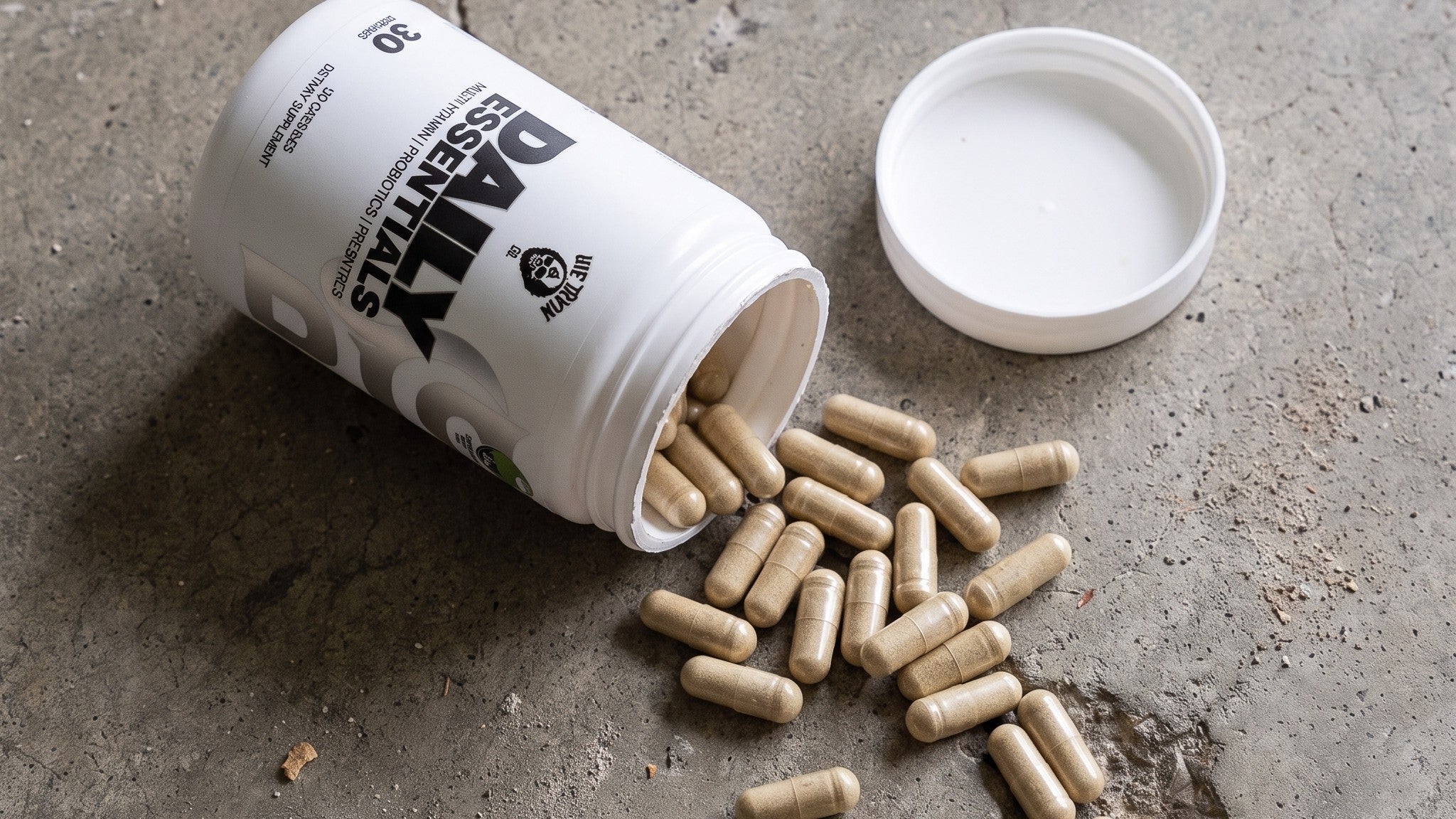
Do Lifters Actually Need a Multivitamin?
By Jon Klipstein, U.S. Army Combat Veteran & Founder of Die Tryin Co.
Science reviewed by Onur Oncer, BS Physiology and peer-reviewed published researcher.
THE HONEST ANSWER, UP FRONT
Listen up. Most supplement companies answer this question with a scare story. Your soil is dead, they say, and your food is empty. We are not doing that. The honest answer sells itself to the right person and leaves the wrong person alone.
Here it is: a multivitamin will not help you live longer, and the research is clear on that. What it does is fill specific gaps in micronutrients, the vitamins and minerals your body needs in small amounts. Hard-training lifters are among the groups most likely to have those gaps, especially when cutting (dieting to lose fat). Whether that describes you decides whether a multi belongs in your stack. This guide walks through the research, then the label, so you can make that call like an adult.
| YOUR SITUATION | DOES A MULTI MAKE SENSE? | WHY |
|---|---|---|
| Cutting on 1,800-2,400 calories | Strongest case | Less food means fewer vitamins and minerals, while your training needs stay high |
| Training hard, eating repetitive "clean" meals | Good case | Chicken, rice and broccoli on repeat leaves predictable gaps |
| Indoor lifter, northern winters, sunscreen life | Good case for the vitamin D alone | Low vitamin D is common in athletes |
| Varied whole-food diet, eating enough to hold your weight | Weakest case | Food is already doing the job. A multi is insurance, not an upgrade |

WHAT THE RESEARCH ACTUALLY SAYS
We start with the limits, because that is where trust gets built. The US Preventive Services Task Force is a national panel of prevention experts. Its advice rests on a 2022 review of the research. That review combined the results of 84 studies covering more than 700,000 people. It found vitamin and mineral pills give healthy, well-nourished adults little or no protection from heart and blood vessel disease or death. The only plus was small: multivitamin use was tied to slightly fewer new cancer cases. A second review that combined 21 trials agreed. Multivitamins did not raise or lower the death rate (Macpherson, American Journal of Clinical Nutrition).
So why does a supplement company keep one in the line? Because those trials answer a question you are not asking. They tested whether pills help average, mostly well-fed adults live longer. What they did not test: does a lifter four weeks into a cut train and recover better with the basic vitamins and minerals covered? Picture that lifter training six days a week, sweating out minerals and eating the same five foods. A multivitamin is not a live-longer pill. It is gap insurance, and the only real question is whether you have gaps.
WHY HARD TRAINING CHANGES THE MATH
Research on athletes keeps finding the same pattern. Hard training burns through vitamins and minerals faster. At the same time, typical athlete diets cover a narrower range of them. One review found many female athletes run low on iron, vitamin D and calcium (McClung, Journal of Trace Elements in Medicine and Biology). That has real consequences for performance and injury risk. A 2023 review of the research agreed with us (Ghazzawi, in the journal Sports). Food comes first, and a supplement earns its place when food cannot cover what your body needs.
Then add the part nobody's meal-prep photos show: dieting. Every cut is a vitamin and mineral cut. Drop from 3,000 to 2,200 calories and you did not just cut energy. You cut a quarter of the vitamins and minerals that came along with that food. Meanwhile, your training needs stayed exactly where they were. That is why the dieting lifter is the strongest case in the table. The lifter who eats enough to hold their weight and eats a colorful diet is the weakest. If that costs us a sale, good.

VITAMIN D: THE GAP WORTH TAKING SERIOUSLY
If one line on a multivitamin label deserves your attention, it is this one. Low vitamin D is common in athletes. That is especially true if you train indoors, or live up north where the sun is weak from October to April. And unlike most vitamins, this one has been tested on performance. A top-tier 2024 review looked at 14 trials in elite athletes, each testing vitamin D against a dummy pill (a placebo). The athletes taking vitamin D improved most consistently in endurance capacity, short all-out power and strength. Not every result moved, and sprint speed mostly did not. But for a vitamin, that is a serious resume.
Daily Essentials gives you 5,000 IU (international units) of vitamin D3 per serving, which equals 125 micrograms. That is well above the bare-minimum daily value on the label, and that is on purpose. The daily value is set to prevent bone disease in the general public. It is not set to bring a low athlete's blood levels back up. Now the straight read on safety. A three-year trial gave people either 400 IU a day or a much higher dose, assigned at random (a randomized trial). At 4,000 and 10,000 IU a day, overall safety was about the same as at the low dose (Billington, Journal of Clinical Endocrinology and Metabolism). At the top doses, blood calcium ran a little high in a few people. That is a known side effect of too much vitamin D, and here it was rare, mild and short-lived. Most healthy adults handle it well, but it is not set-and-forget for everyone. The formula pairs it with 120 micrograms of vitamin K2, in a form called MK-7. Research suggests this form helps steer calcium toward your bones. Have a kidney condition, take medications that interact with vitamin D, or already take vitamin D on its own? Add up your total across every product and loop in your doctor.
MINERAL FORM: WHERE CHEAP MULTIS CUT THE CORNER
Flip over a drugstore multi and read where the minerals come from. You will see oxides and sulfates (types of mineral salts). They are chosen because they are the cheapest way to print a big percentage on the label. The problem is that what the label claims and what your gut absorbs are two different numbers. That gap is where budget multis quietly fail.
Chelated minerals are minerals bound to amino acids, the building blocks of protein. Chelated iron has the best evidence. A 2023 review of 17 randomized trials compared iron bisglycinate, a chelated iron, with standard iron salts. In the groups that needed iron most, the chelated form raised hemoglobin (the oxygen carrier in your blood) more. It also caused stomach and gut side effects about one third as often. An older study measured how much iron people actually absorbed from each form (Bovell-Benjamin, American Journal of Clinical Nutrition). Phytates are natural compounds in grains and beans that cut mineral absorption. Eaten with a meal full of them, the chelated iron was absorbed several times better than iron sulfate, the common cheap iron. A multivitamin you take with food lives in exactly that setting. Honest boundary: chelation is not magic, and dose still matters. Daily Essentials uses chelated bisglycinates from Albion, a mineral maker that patents them, for its magnesium, zinc, iron, copper, manganese and selenium. Premium brands like Thorne make the same choice.

THE IRON NUMBER MOST MULTIS GET WRONG
Here is a detail that separates a product built on purpose from a marketing one. Daily Essentials carries just 3 mg of iron, 20% of the daily value, and that is deliberate. Most men and many women past menopause should not take big doses of iron. The body has no good way to get rid of the extra. And high-dose iron you do not need is a gut-wrecker with real downsides. Meanwhile, athletes who get periods and endurance athletes can be at real risk of running low. Those who are need more than any multivitamin should carry. If you are in one of those groups, get tested and treat it directly instead of guessing with a multi. A low iron number in a multivitamin is not stinginess. It is the right answer to a question most brands never ask.
The same restraint shows up in the antioxidant doses, and this one surprises people: more is not better for a lifter. Antioxidants are nutrients that soak up some of the chemical stress training puts on your cells. A 2021 review warns that too much antioxidant from supplements may dull the changes your body makes from training (Beck, Food and Chemical Toxicology). It points to vitamins C and E in particular. Those changes are the reason you are in the gym. Daily Essentials doses vitamin C at 90 mg, an even 100% of the daily value, on purpose. Cover the base, and stay out of the way of the signal that tells your body to adapt.
THE GUT STACK NOBODY EXPECTS IN A MULTI
This is the part of the label that makes Daily Essentials more than a vitamin list. Every serving has 1,000 mg of iXOS, a prebiotic fiber (xylo-oligosaccharides on the label). Prebiotic means food for the good bacteria in your gut. In a randomized trial in healthy adults, it raised the count of one helpful type of gut bacteria, Bifidobacterium (Finegold, Food and Function). It did that without stomach or gut side effects. Next to it sits LactoSpore, a probiotic, meaning live helpful bacteria. It is one specific strain (Bacillus coagulans MTCC 5856) in spore form, a dormant, protected form of the bacteria. In a 2023 randomized trial, it cut gas, bloating and indigestion compared with a dummy pill (Majeed, in the journal Medicine). DigeZyme rounds it out, a mix of digestive enzymes that help break down food.
Why bolt a gut stack onto a multivitamin? Because absorption is the whole game. Vitamins and minerals you swallow but do not absorb are expensive urine. Everything else on the label has to pass through your gut, so a healthier gut comes first. It is the same logic as the chelated minerals, applied one level deeper. Need more on gut health than a paragraph can cover? Our gut health and muscle growth deep dive ties it to training results. The gut health basics guide covers the food side.

WHAT A MULTIVITAMIN CANNOT DO
Plain and simple: a multi cannot fix a bad diet. We have a whole post on why you cannot out-supplement one either. It cannot replace protein, fiber, or the thousand food compounds that never make it into a capsule. It is not a greens powder either. The two overlap less than people think, and our greens powder breakdown draws that line honestly too. And it will not make you feel a rush of anything on day one. Refilling low vitamins and minerals is boring by design. The payoff shows up as problems that never happen and steadier training weeks. As our immune support post covers, it also means fewer of the setbacks that cost you training weeks.
HOW TO ACTUALLY TAKE IT
Four capsules, once a day, with a real meal. The serving is four capsules because the doses are real. One-tablet multis squeeze the whole formula into one pressed pill by dosing everything at a fraction, in the cheapest forms. Take it with food for two reasons. Vitamins D and K2 and the beta-carotene (a plant pigment your body turns into vitamin A) absorb best with some fat in the meal. And minerals on an empty stomach are unkind, even in chelated form. Consistency beats timing: same meal, every day, for weeks.

FREQUENTLY ASKED QUESTIONS
Will a multivitamin improve my lifts?
Not directly: in a nine-month study, trained runners each tried a multivitamin and a dummy pill, and performed the same on both (lead author Weight, American Journal of Clinical Nutrition). A multi fixes quiet shortfalls, usually vitamin D and iron, so athletes without gaps should see no change, and it is not a performance ingredient like creatine or caffeine.
Is 5,000 IU of vitamin D too much?
Research suggests most healthy adults handle it fine, and it is a dose that actually raises blood levels in people who run low. Count your total across all supplements, and ask your doctor if you have kidney issues or take medications that interact with it.
Multivitamin or greens powder, which one first?
Different jobs: a multi gives set doses of vitamins and minerals, while a greens powder adds compounds from real food that a capsule cannot. If you eat few vegetables, start with the multi for the set doses, then read our greens breakdown before assuming you need both.
Why does Daily Essentials have so little iron?
Most men and many women should not take high-dose iron daily, and people truly low on iron need testing and targeted treatment, not a guess. The 3 mg tops up what you lose without overloading the people who do not need it.
Do I need a multivitamin if I eat clean?
Eating clean is not eating varied: if your diet is eight foods on rotation, or you eat less than you burn, gaps are likely and a multi is cheap insurance. If your diet is truly varied and you eat enough to hold your weight, you can honestly skip it.
READY TO GEAR UP?
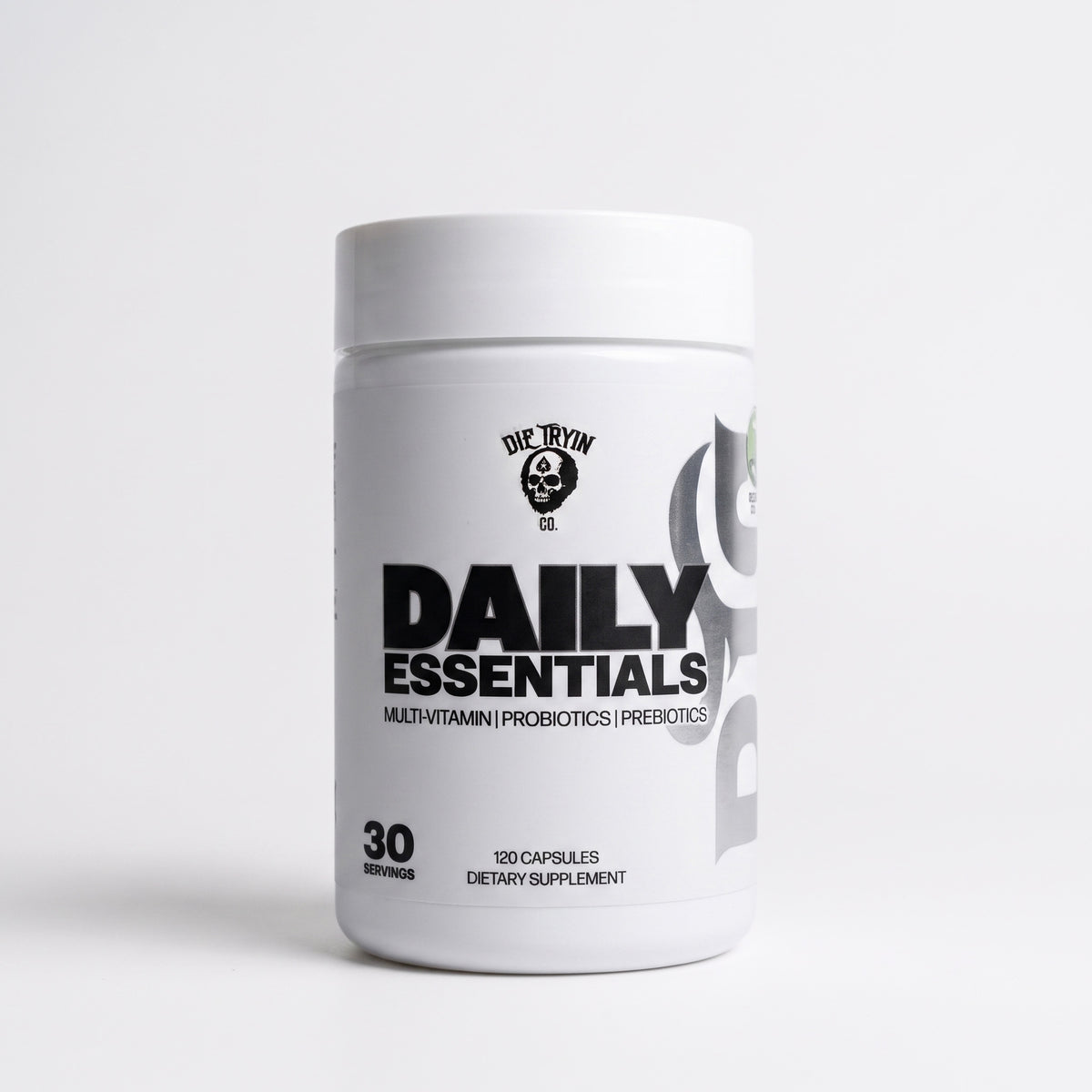
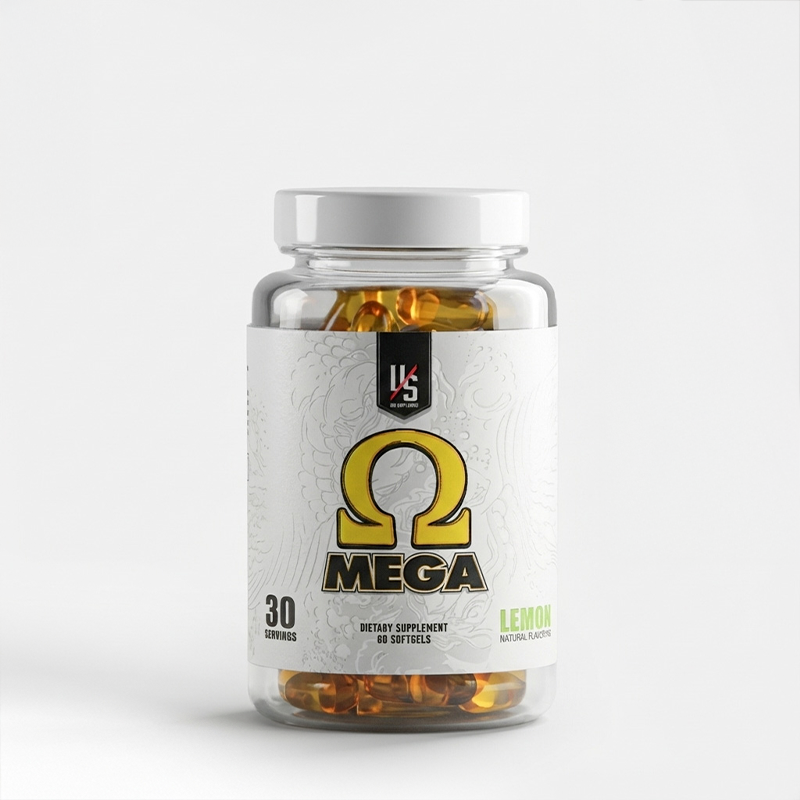
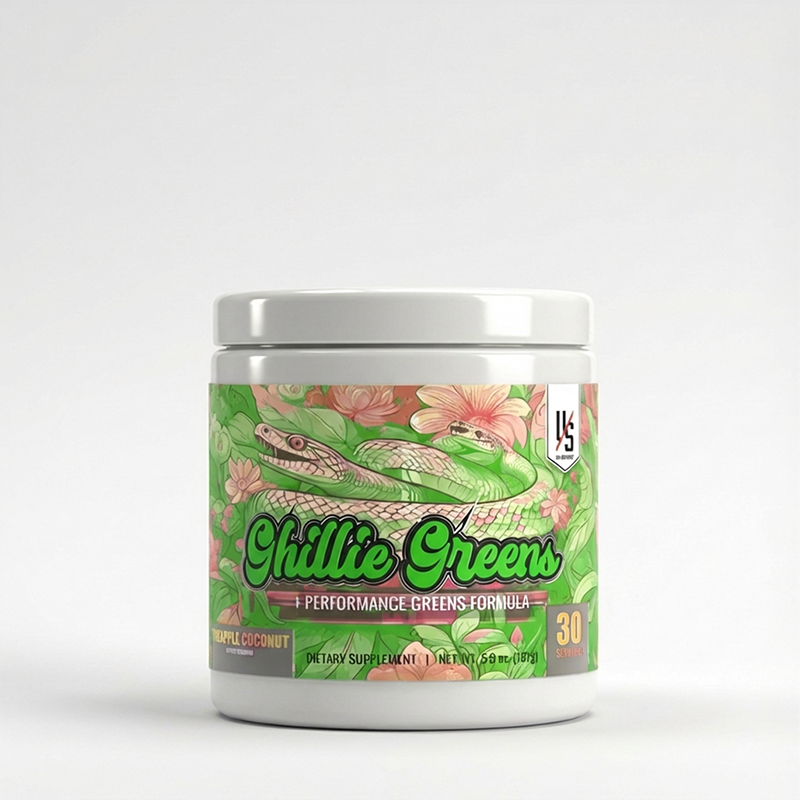
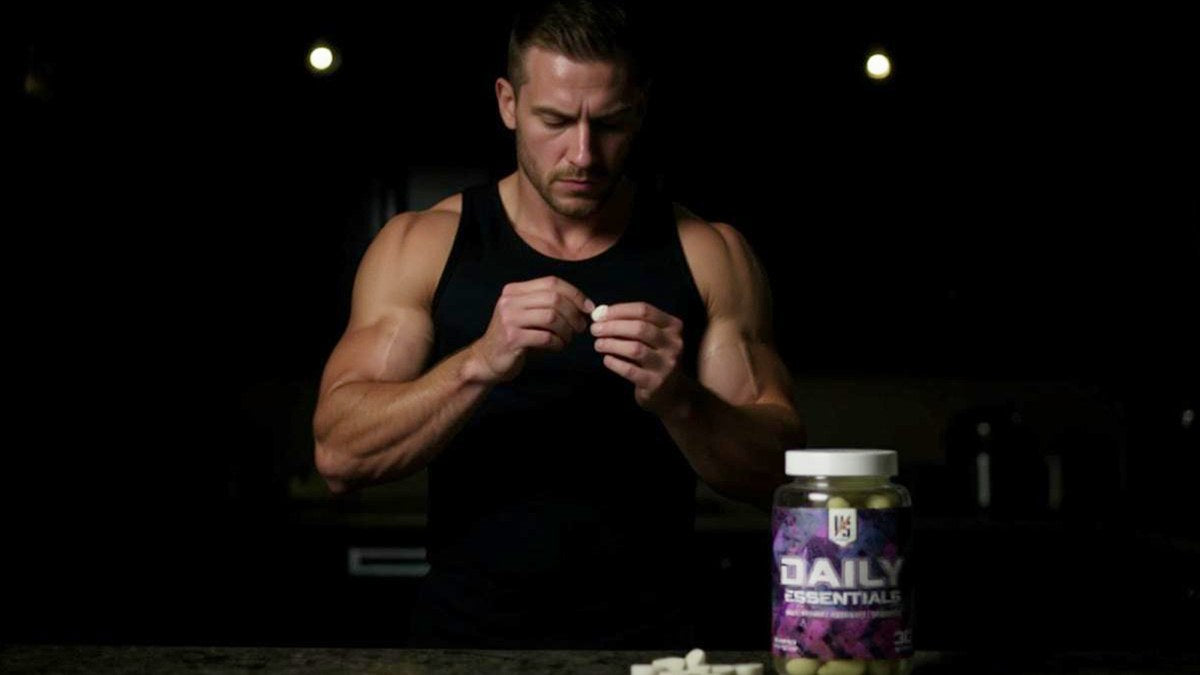
If the gap-insurance case fits you right now, Daily Essentials is the multi built the way this post describes. That means 27 ingredients, Albion chelated minerals, D3 with K2, and the gut stack that makes the rest absorb. Pair it with Omega if fish is rare on your plate. Add Ghillie Greens when vegetable variety is the missing piece. Or take the quiz and let your goal pick the stack. Basics beat hype. Cover them and get back under the bar.
ALWAYS FORWARD.
GEAR THAT FITS THIS POST
The products this article actually talks about. Real doses, disclosed labels, veteran owned.
Read more
You do not grow from what you eat. You grow from what you absorb, and that is a gut problem.
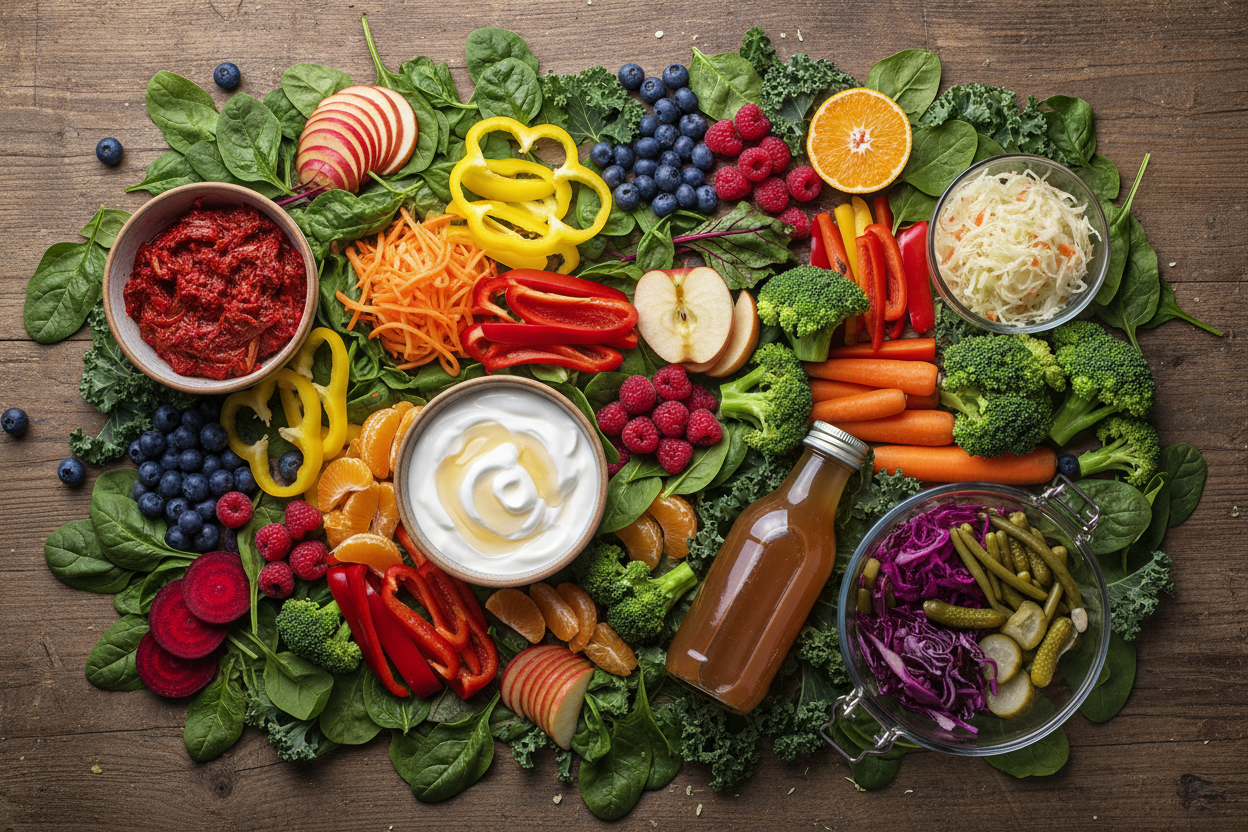
Your gut runs more than your digestion. Here are 8 day-to-day tips — diet, hydration, sleep, stress, and probiotics — to support a healthier gut.

People overestimate what they burn by three to four times and underreport what they eat by nearly half. Here is the real math on diet versus exercise, and the four moves that fix the intake side fi...
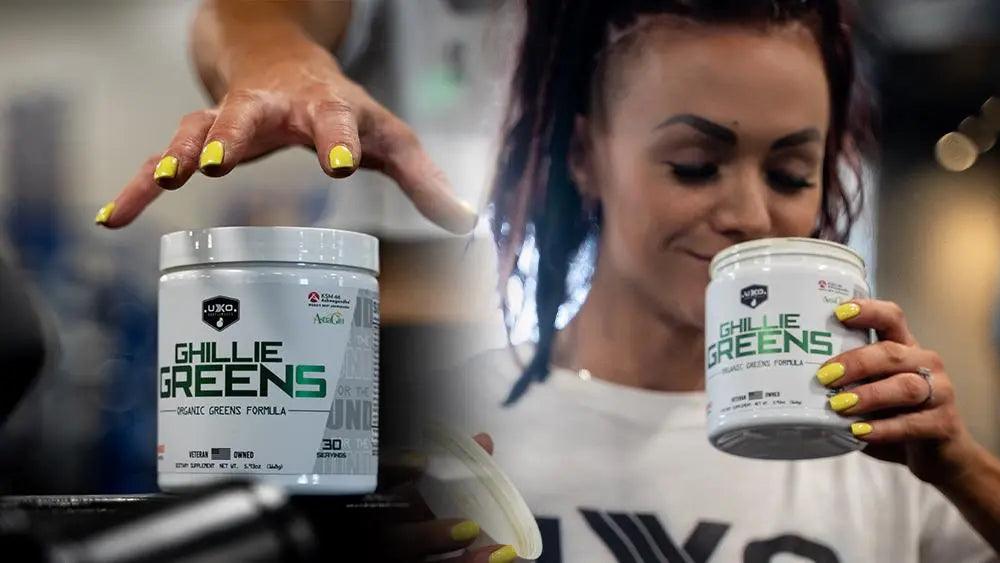
Nine out of ten of us are not eating enough vegetables, and the greens industry knows it. What concentrates actually deliver, what they cannot, and the label test that sorts real formulas from lawn...
Your immune system is built by what you do every day. Four research-backed habits — movement, sleep, sane drinking, and gut health — that support healthy immune function.
Your gut lining runs the same creatine energy system as your muscles. Here is what the research shows on stomach upset, IBS, colitis and leaky gut, and exactly where the human evidence stops.