




Gut Health and Muscle Growth: The Overlooked Link
By Jon Klipstein, U.S. Army Combat Veteran & Founder of Die Tryin Co.
Science reviewed by Onur Oncer, BS Physiology and peer-reviewed published researcher. Full disclosure: Onur founded and formulated Shroombiosis, one of the products recommended below.
ABSORPTION IS THE PART NOBODY AUDITS
Listen up. You track sets, reps, load, protein grams, sleep hours. Almost nobody tracks whether the food actually crossed the intestinal wall and reached the muscle. That gap is where the entire "gut health" supplement category lives, and it is where a lot of money gets wasted.
The gut–muscle axis is real. It is also one of the most oversold ideas in sports nutrition right now, because "your gut is capping your gains" sells a probiotic faster than "eat more plants and sleep eight hours" ever will. Both statements can be partly true. Only one of them is priced like a miracle.
This page separates the claims that hold up in human trials from the ones extrapolated off correlations, rodent studies and supplier press releases. Real honesty about real data.
| THE CLAIM | WHAT THE EVIDENCE ACTUALLY SHOWS | WHAT TO DO |
|---|---|---|
| "Probiotics boost protein absorption" | One 30-person crossover trial found higher peak blood amino acids when a specific strain was added to 25 g of milk protein. Strain-specific, and two authors were industry-affiliated. | Worth a run if digestion is rough. Fix your daily protein total first. |
| "Training gives you leaky gut" | Permeability climbs with duration and heat. A systematic review put the threshold near 2 hours at 60% VO2max. A 60-minute lift is nowhere close. | Endurance athletes manage it. Lifters: fuel the session and move on. |
| "Gut bacteria raise testosterone" | A correlation in 54 elderly men. No probiotic trial has shown raised testosterone in trained lifters. | Sleep, body fat, training load. Start with the hormone guide. |
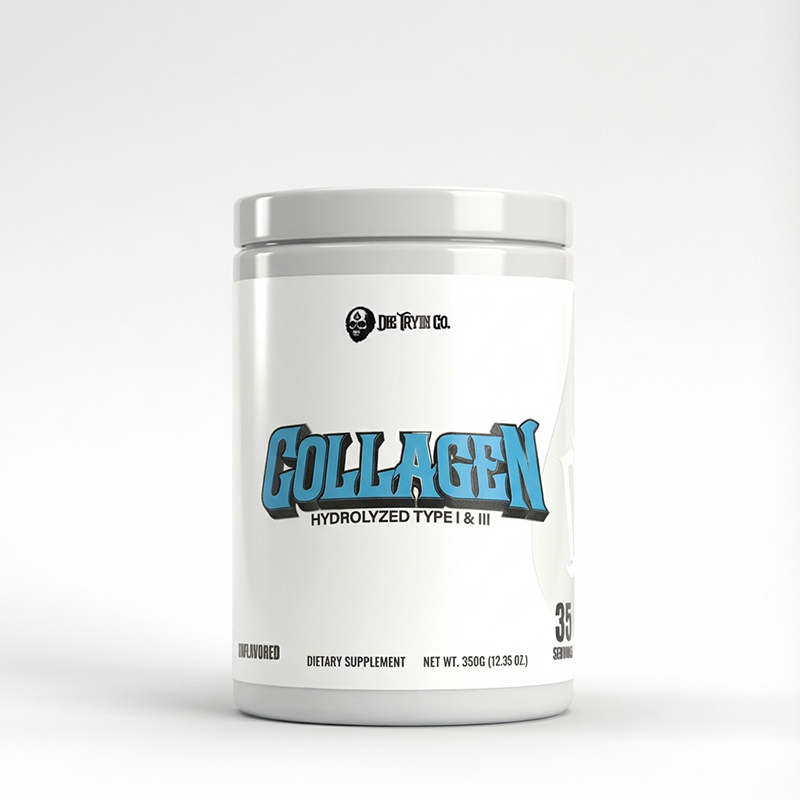
| "Collagen and glutamine repair the gut lining" | Human barrier data sits largely in clinical and critically ill populations, not healthy lifters. | Take Collagen for connective tissue, not as a gut-lining fix. |
| "Fix the boring stuff" | Fiber, plant variety, sleep, hydration and consistent meals are the cheapest, best-supported levers you have. | Run the checklist in Tips to Improve Gut Health. |
THE GUT–MUSCLE AXIS, MINUS THE HYPE
The gut–muscle axis describes a two-way conversation. What lives in your intestine influences how you digest, how much inflammation you carry, and how your immune system behaves. Your training and your diet in turn reshape that bacterial population. Researchers have mapped it seriously for about a decade, and the mechanism is not in dispute.
What it does not mean is that a capsule of bacteria stands between you and another ten pounds of lean mass. Most of the mechanistic story comes from rodent work and observational human data. No randomized trial we can find has shown a probiotic directly increasing muscle mass in trained lifters, and any brand telling you otherwise is selling ahead of the science.
Treat the gut like any other system in your program. It has a job, it has failure modes, and it responds to the same unglamorous inputs everything else does. Basics beat hype.
YOU'RE NOT WHAT YOU EAT — YOU'RE WHAT YOU ABSORB
This is the one claim in the category with a real human trial behind it. Thirty adults took 25 g of milk protein concentrate with or without a specific probiotic strain for two weeks, then had blood drawn seven times across four hours. Peak concentrations of total amino acids, essential amino acids, arginine, isoleucine, methionine and several others came in significantly higher when the strain was included, and a few amino acids reached their peak faster (Stecker et al., 2020).
Read the fine print. Thirty people. One strain. One protein source. Two of the authors are affiliated with an industry consultancy tied to that strain. And the win was narrower than the headline: peak concentration rose for a long list of amino acids, but total exposure across the four hours reached significance for only two. Peak height is a proxy for faster digestion, not a measurement of muscle built. Probiotic effects are strain- and dose-specific, so one organism's result does not transfer to whatever generic blend is on the shelf.
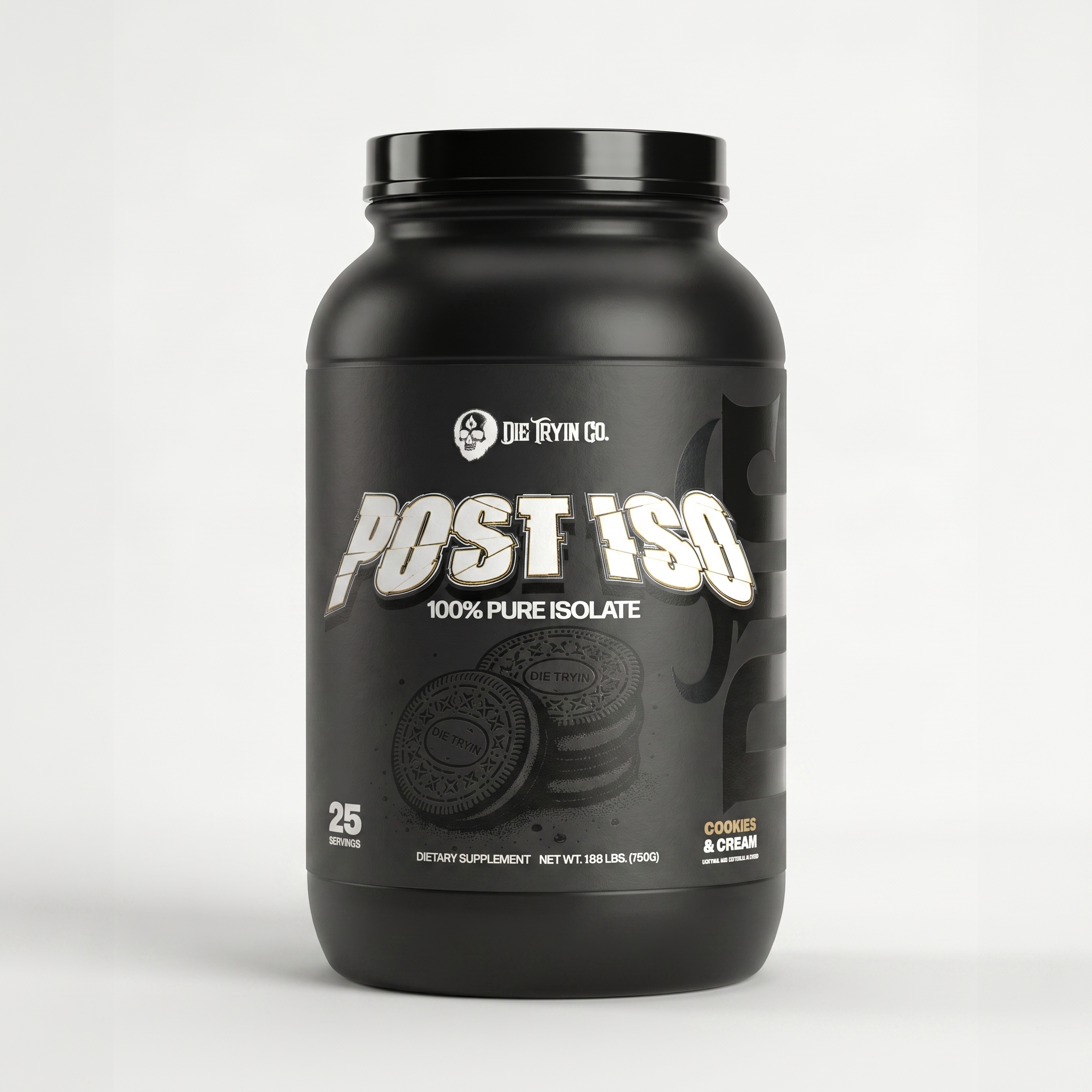
The honest read: if you handle protein fine, this is a rounding error. If shakes leave you bloated and heavy, better digestion is a real quality-of-life win, and a well-made isolate does more than a bacteria upgrade. Post Iso runs 24 g of protein per serving with DigeZyme digestive enzymes built in for exactly that reason. Still deciding what protein to buy? Start with isolate versus blends before you shop probiotics.
"LEAKY GUT" AND LIFTING: WHAT THE DATA SAYS
Intestinal permeability during exercise is measurable and well documented. Blood gets shunted away from the gut toward working muscle and skin, the barrier loosens, and markers of intestinal injury and endotoxin exposure rise. That part is not woo.
The part the supplement ads leave out is the dose. A systematic review of exercise-induced gastrointestinal syndrome concluded that roughly 2 hours at 60% VO2max is the threshold where significant gastrointestinal perturbation shows up, irrespective of fitness status, and that heat stress and running mode make it worse (Costa et al., 2017). The same review described the impact as major but reversible.
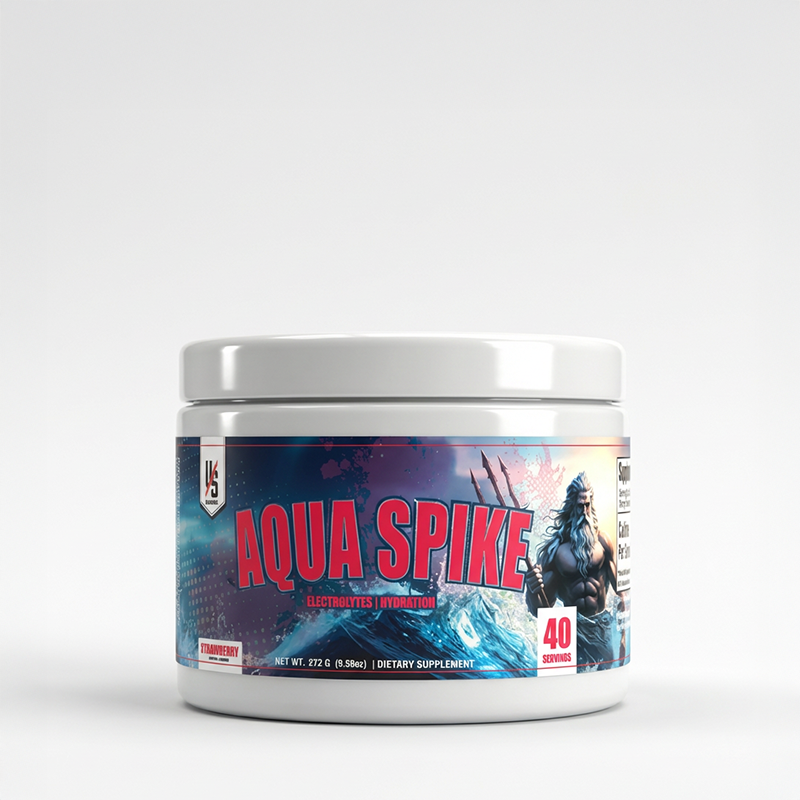
Translation for lifters: a 75-minute push day in an air-conditioned gym is not shredding your intestinal wall. Marathoners, ruck-heavy soldiers and hot-weather endurance athletes should hydrate deliberately — Aqua Spike and the hydration guide cover that. Everyone else, this is not your bottleneck.
THE TESTOSTERONE CLAIM, HONESTLY
You have probably seen a version of this line: men with more diverse gut bacteria have higher free testosterone. It gets attributed to a big-name journal and repeated until it sounds settled. It is not settled, and the citation is usually wrong.
The study people are reaching for looked at 54 elderly Japanese men, median age 71, sampled by rectal swab. It found a positive correlation between serum testosterone and the relative abundance of Firmicutes (r = 0.33, p = 0.014), and that association held after adjusting for age, BMI, triglycerides and cholesterol. It also reported no significant difference in alpha or beta diversity between the higher and lower testosterone groups (Matsushita et al., 2022). The "more diverse gut equals more testosterone" line is close to the opposite of what that data showed.
It is a correlation in 54 older men: not a trial, not trained subjects, and not proof that changing bacteria changes hormones. The International Society of Sports Nutrition's 2019 position stand on probiotics lands in the same place, and that document was written largely by industry-affiliated scientists: even they classify the body-composition and age-related testosterone findings as preclinical or early human research that still requires validation in more rigorous studies. If testosterone is the real goal, sleep, body fat and training load beat any capsule, and managing cortisol is a bigger lever than a probiotic will ever be.
WHAT ACTUALLY MOVES THE NEEDLE
Strip the marketing away and the gut responds to a short, boring list. The full daily checklist lives in Tips to Improve Gut Health. These are the five that matter most if you lift:
- Plant variety, not just fiber grams. Chicken, rice and shakes seven days a week is a narrow menu for a bacterial population. Rotate vegetables, legumes, berries and whole grains.
- Sleep. Digestion, appetite hormones and recovery degrade together when sleep does. See sleep and fat loss.
- Hydration and electrolytes. Prolonged effort and heat are what push gut function into real trouble, and hydration is the part of that equation you actually control.
- Do not slam 60 g of protein ten minutes before training. Timing is more forgiving than the internet claims — see does protein timing matter — but a huge bolus right before heavy work is asking for GI distress.
- Manage total training stress. Chronic under-recovery hits the gut too. The recovery guide is the framework.
Do those five for eight weeks. If digestion is still rough after that, a supplement is a reasonable next test. It is not the first move.
THE DIE TRYIN CO. GUT STACK, WITH THE CAVEATS ATTACHED
We build products, so here is the straight version of what each is for and what we are not claiming:
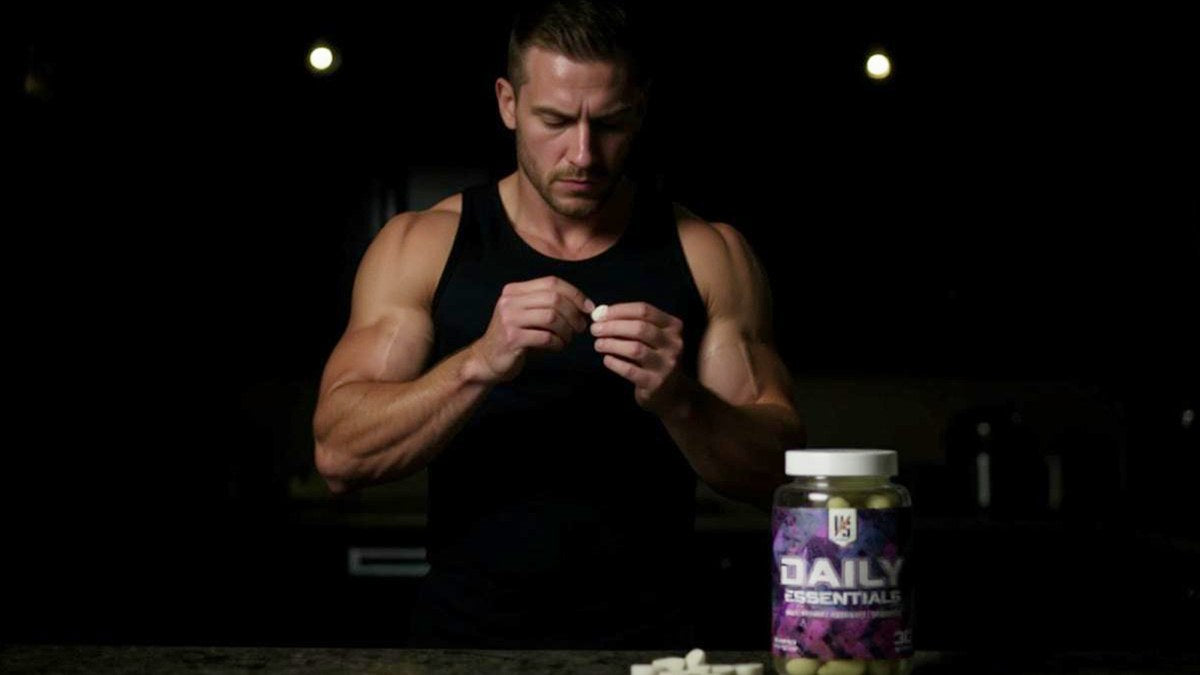
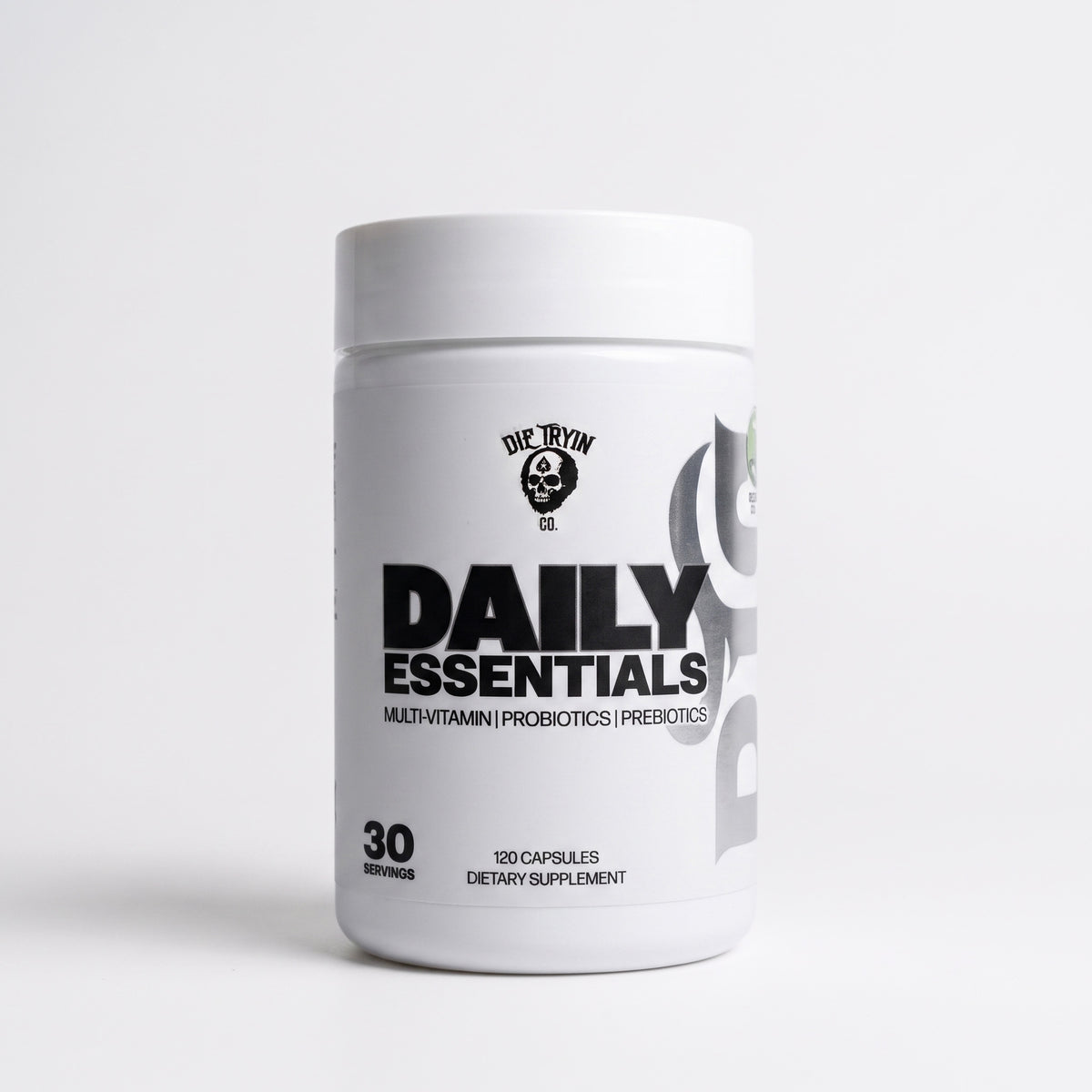
- Daily Essentials — chelated multivitamin plus probiotics, a prebiotic and digestive enzymes. It covers micronutrient gaps and supports digestion. It is not a testosterone product and we will not sell it as one.
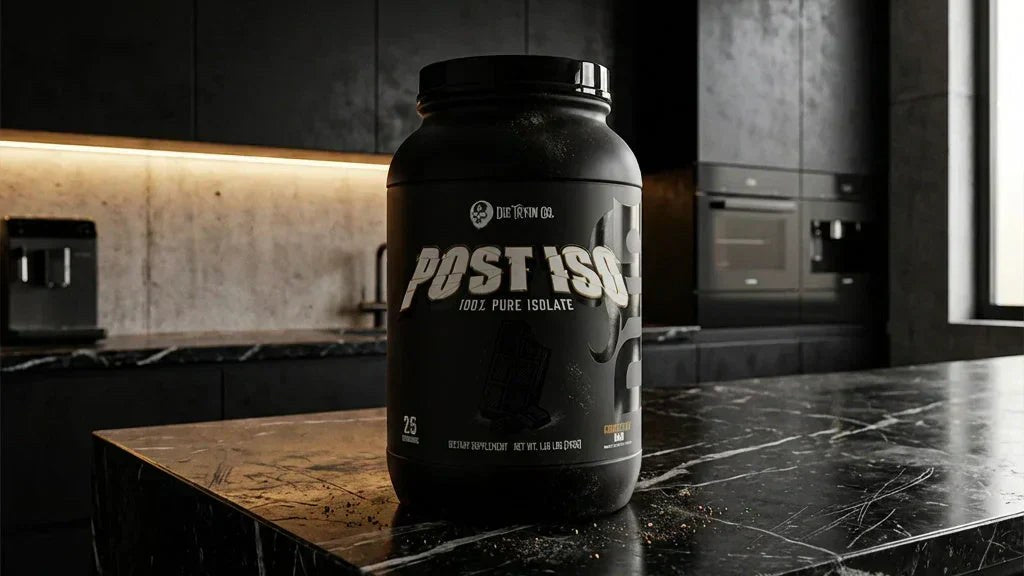
- Post Iso — 24 g whey isolate with DigeZyme enzymes. Isolate is already low in lactose, which handles the most common cause of shake bloat. More on why protein quality matters in The Power of Protein.
- Ghillie Greens — real-ingredient greens with KSM-66 and AstraGin. A greens powder supplements plant variety. It does not replace eating plants.
- Omega — covers the fatty-acid gap most lifting diets carry when the menu is chicken, rice and whey.
- Glutamine — 5 g L-Glutamine. The intestinal barrier research on glutamine is real, but it sits largely in clinical populations, not healthy lifters. We position it as a recovery-support amino acid, not a gut repair kit.
- Shroombiosis — seven fruiting-body, dual-extracted mushrooms in a daily cocoa, with 750 mg of acacia fiber and two human-studied bacterial strains underneath. It adds variety to a menu that is otherwise chicken, rice and whey. We do not position it as a digestion fix: the probiotic strain's own human trial in healthy adults left perceived gut symptoms, microbiota and gut-barrier markers largely unaffected, and nobody has run a trial on the finished formula.
FAQ
Does poor gut health actually block muscle growth?
It can blunt the inputs. If you cannot tolerate enough food, or malabsorption is significant, you will struggle to hit protein and calorie targets, and that limits growth. For a healthy lifter with normal digestion, the gut is rarely the rate-limiter. Training volume, protein total and sleep almost always are.
Will a probiotic help me build more muscle?
No randomized trial we can find has shown that in trained lifters. Research suggests certain strains can improve amino acid appearance from a protein feeding and may help with soreness: one 29-person crossover in recreationally trained men reported better perceived recovery at 24 and 72 hours and less soreness at 72 hours, though the muscle damage marker itself only trended (p = 0.08), and the same industry-affiliated research group produced much of this literature. That is a recovery and comfort argument, not a hypertrophy argument.
Do I need digestive enzymes with my protein powder?
Most people do not. If shakes consistently leave you bloated, an isolate with enzymes built in is the simple fix before you buy a separate enzyme product. Persistent or severe symptoms are a doctor conversation, not a supplement one.
Is "leaky gut" a real thing for lifters?
Exercise-induced permeability is real and measurable, but the research points to prolonged endurance work, especially in heat, as the trigger. A 60-to-90-minute resistance session does not come close to that threshold. The broader "leaky gut syndrome" diagnosis marketed online is a different and far less established claim.
Can fixing my gut raise my testosterone?
The human data is correlational, mostly in older men, and does not show that changing your microbiome changes your hormones. Sleep, body composition and training load have far stronger support. Anyone selling a probiotic as a testosterone booster is running ahead of the evidence.
How long before gut changes show up?
Research suggests bacterial populations can shift within days of a real dietary change, but symptom improvement usually takes two to four weeks of consistency. Give any change eight weeks before you judge it, and change one variable at a time so you know what actually worked.
READY TO GEAR UP?
Fix the food first. Then use the tools that earn their place in the stack:
- Daily Essentials — multivitamin, probiotics, prebiotic and enzymes in one daily base
- Post Iso — 24 g whey isolate with DigeZyme enzymes
- Ghillie Greens — real-ingredient greens for the days your plants run thin
- Aqua Spike — hydration and electrolytes for long or hot sessions
- Omega and Collagen — the daily support layer
- Not sure where to start? Take the supplement quiz
Your gut is not a secret cheat code and it is not the reason you are stuck. It is one more system that rewards consistency and punishes neglect. Discipline beats motivation. Eat like an adult, sleep like it matters, and let the boring stuff compound.
ALWAYS FORWARD.
GEAR THAT FITS THIS POST
The products this article actually talks about. Real doses, disclosed labels, veteran owned.
Read more
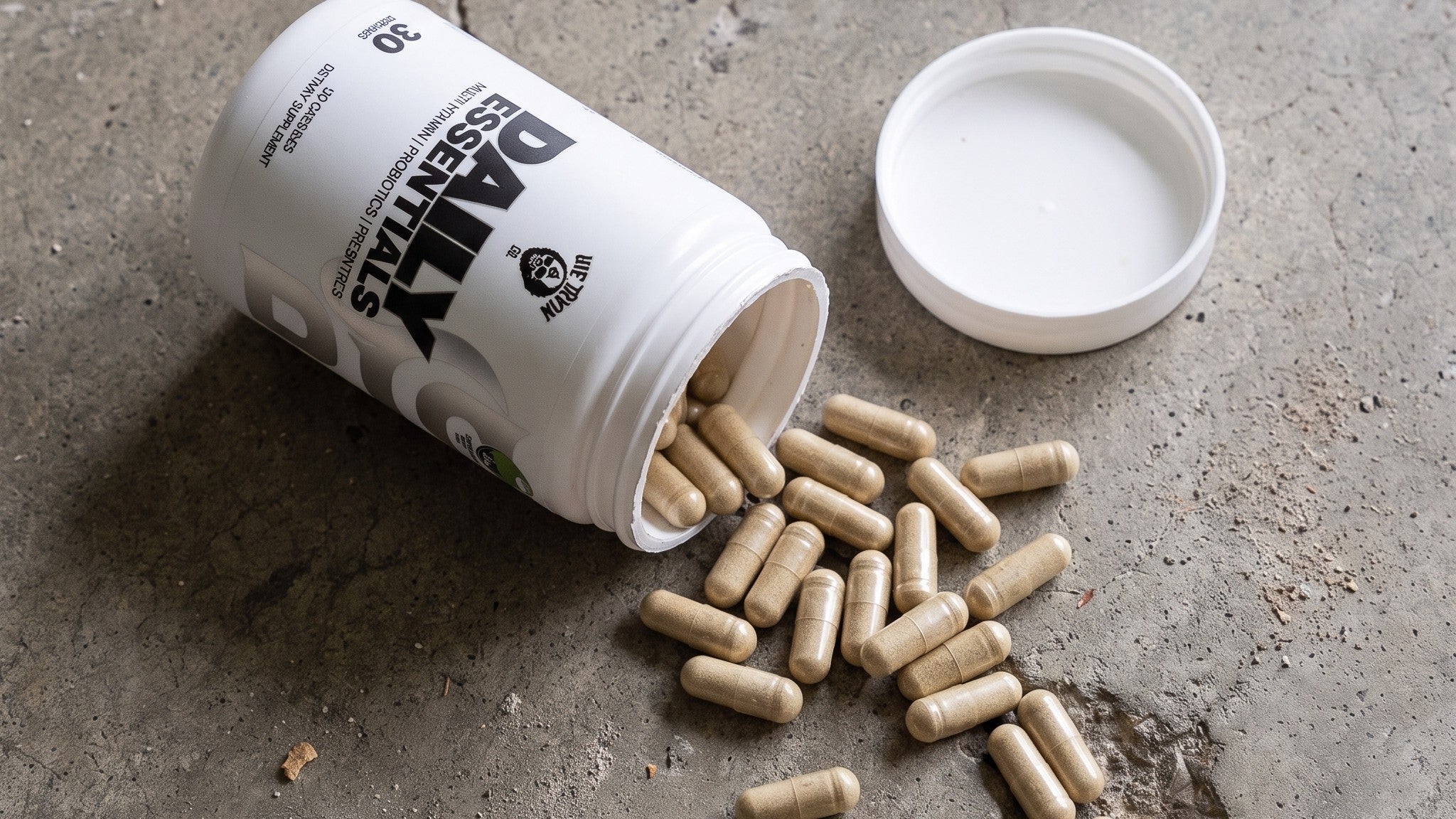
The honest case for a multivitamin when you train hard: where the evidence stops, where the gaps are real, and why chelated minerals plus a gut stack change the math.
The complete protein playbook — how much you need, when timing matters, which sources deliver, and the myths costing you money.

The complete athlete's guide to fueling: carbs for output, protein for recovery, fats for hormones. Daily targets, timing, and the mistakes that kill progress.
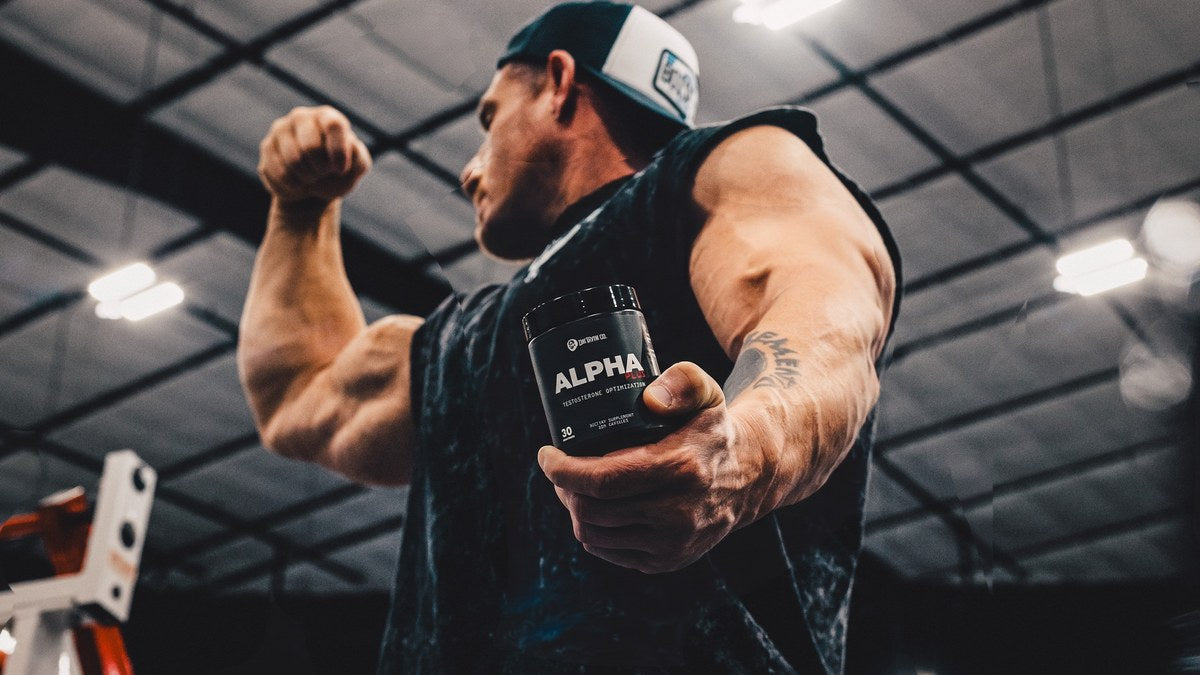
The honest playbook for healthy testosterone — sleep, body composition, training, stress, and what the research really says about boosters. No hype.
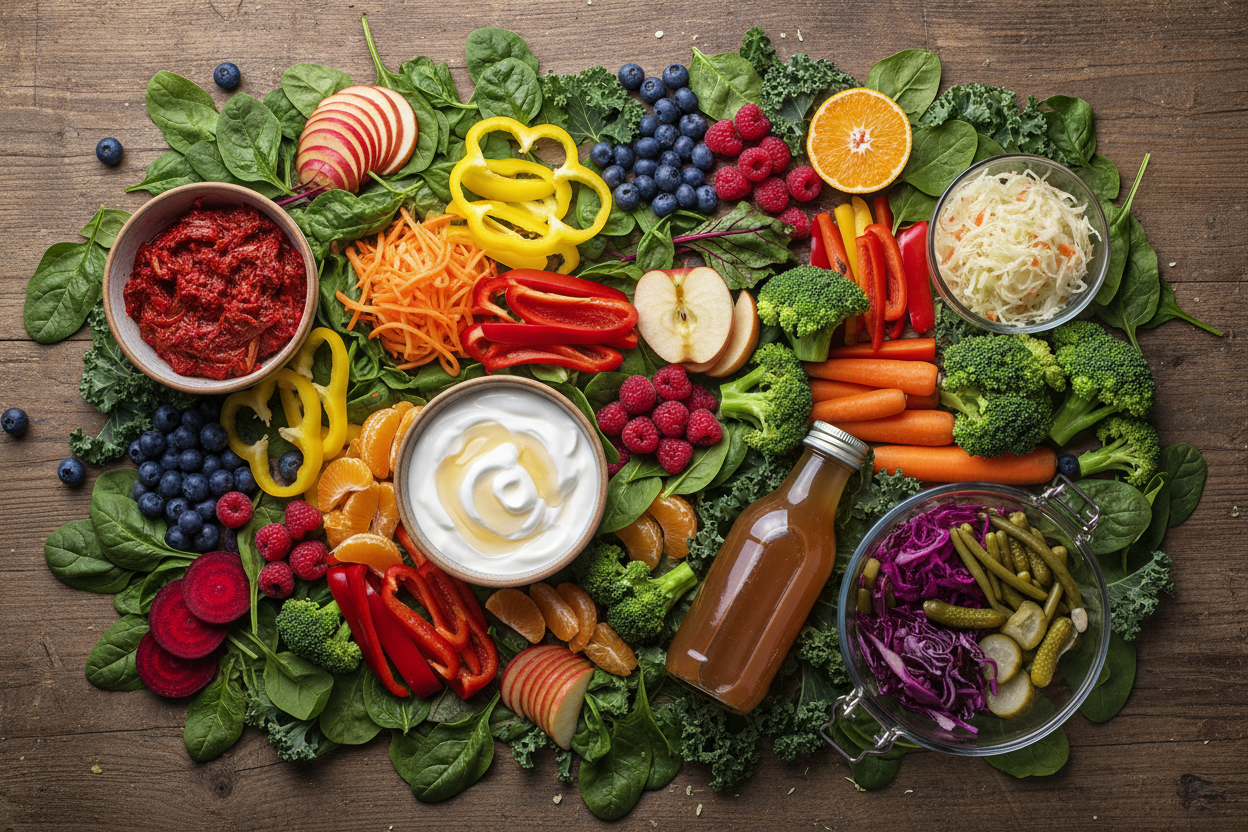
Your gut runs more than your digestion. Here are 8 day-to-day tips — diet, hydration, sleep, stress, and probiotics — to support a healthier gut.
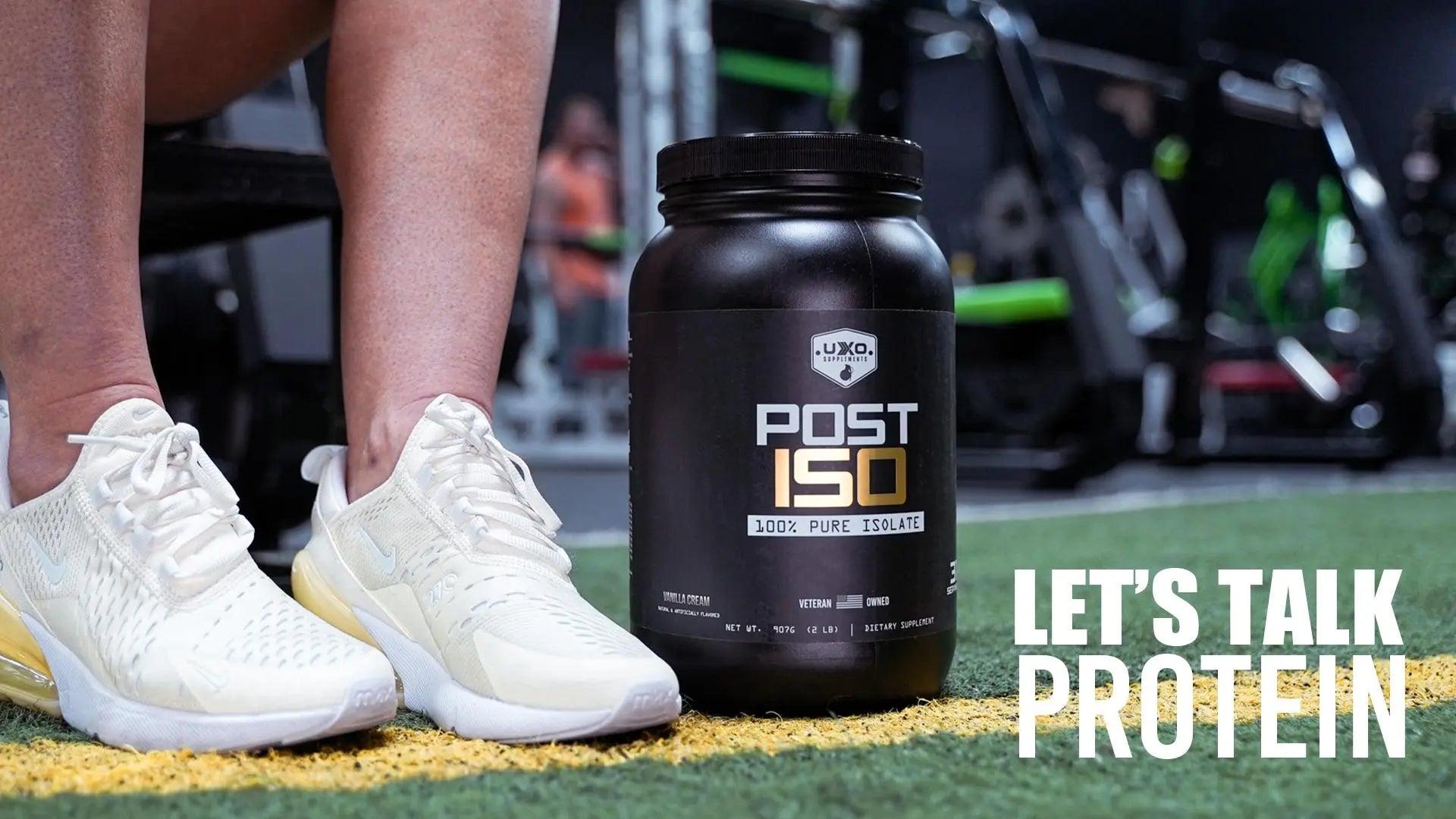
Isolate or blend is a smaller decision than the label suggests. Here is what genuinely separates them, and what matters more.