





You Can't Out-Exercise a Bad Diet: The Real Math
By Jon Klipstein, U.S. Army Combat Veteran & Founder of Die Tryin Co.
Science reviewed by Onur Oncer, BS Physiology and peer-reviewed published researcher.
THE MATH DOESN'T CARE HOW HARD YOU TRAINED
Most people get this wrong. They finish a session soaked, walk out feeling like they earned something, and then hand that feeling a blank check at dinner.
Here's the truth: your body is not keeping a scoreboard of how hard you worked. It is keeping a ledger of energy in and energy out. Effort is not a currency that ledger accepts.
That is not an argument against training. Training is non-negotiable. But if you are eating past your target most days, the gym does not reliably bail you out, and the research on how badly people estimate both sides of that ledger explains exactly why. Here is the actual data, what exercise really does for your body composition, and where to put your effort instead.
THE STUDY THAT EXPOSES THE GAP
Researchers at the University of Ottawa put 16 moderately active, normal-weight adults on a treadmill for two blinded sessions. They measured the exact energy cost with indirect calorimetry, then asked each person to guess how much they had burned and to eat that many calories from a buffet.
| TREADMILL SESSION | ACTUALLY BURNED | GUESSED THEY BURNED | ATE AFTERWARD |
|---|---|---|---|
| Session A (50% VO2 peak) | 200 kcal (measured) | ~825 kcal | ~557 kcal |
| Session B (50% VO2 peak) | 300 kcal (measured) | ~897 kcal | ~607 kcal |
Read that again. People overestimated what they burned by roughly three to four times. Then, when they tried to eat back exactly what they thought they had burned, they still put away two to three times the real number. Honest caveat: this is a small randomized crossover trial, 16 people, in a lab. Treat it as a sharp illustration rather than a law of nature. It also lines up with everything else in this corner of the literature.
YOU ARE WRONG IN BOTH DIRECTIONS AT ONCE
The overestimation problem has a twin, and the twin is worse.
A New England Journal of Medicine study took ten adults with obesity who swore they could not lose weight while eating under 1,200 calories a day. Researchers measured total energy expenditure and resting metabolic rate directly. Metabolism came back normal, within 5 percent of what body composition predicted. The gap was reporting. The diet-resistant group underreported food intake by an average of 47 percent and overreported physical activity by 51 percent.
Not lying. Not lazy. Just human. Nobody carries an accurate calorie meter in their head.
Stack the two errors and the whole problem fits in one sentence: you eat more than you think and you burn less than you think, and the space between those two numbers is where a plan quietly dies. It is also why the scale can stall for weeks while nothing in your routine appears to have changed. If you are sitting in that exact spot right now, the plateau breakdown walks the fix through in order.
WHAT EXERCISE IS ACTUALLY FOR
Bottom line up front: exercise is a mediocre weight-loss tool and an outstanding body-composition tool. Those are two different jobs, and confusing them is what wrecks most plans.
An overview of 12 systematic reviews covering 149 studies, produced by the European Association for the Study of Obesity's obesity management task force, found that exercise training on its own produced average weight loss in the range of 1.5 to 3.5 kg. Real, but modest. The same review found the more useful result: resistance training reduced lean mass loss during weight loss, and visceral fat dropped across the studies. Aerobic work and high-intensity intervals came out comparable once energy expenditure was matched.
So training is not the thing that creates the deficit. Training is the thing that decides what you lose inside that deficit and what is left standing at the end. Drop weight with no resistance work and a chunk of what leaves is muscle. Drop the same weight while lifting and you keep the tissue that gives you shape, strength, and a metabolism worth having. That is the entire case for strength training during a cut, and the reason cardio-only fat loss so often ends with a smaller, softer version of the same body.
Exercise also buys appetite regulation, better sleep, better mood, and a real reason to protect your food choices. None of that is small. It is just not a license to eat.
FIX THE INTAKE SIDE FIRST
Four moves, in order. Do not skip to number four.
- Measure for two weeks. Not forever. Two weeks of honest logging, weekends and liquid calories included, is enough to expose the gap between what you think you eat and what you actually eat. The research says that gap is real and large, so assume you have one until your own data proves otherwise. A macro tracking app turns this into a five-minute-a-day habit instead of a project.
- Set a protein floor and defend it. Protein is the macro that helps protect muscle when calories are low and does the most for fullness per calorie. Set the number, hit it every day, and build the rest of the plate around it. If you have never run the numbers, start with the macro breakdown.
- Stop paying yourself in food. Delete the post-workout reward from your operating system. Training is the job. It is not overtime you get compensated for. If you want to eat more, build a bigger structural deficit or add daily steps, rather than a treat that erases the session you just finished.
- Then adjust training. Once intake is measured and protein is locked, training becomes the lever that shapes the outcome. Lift heavy, keep steps up, let the deficit do the deficit's job. The complete fat loss guide lays out the full sequence, and the energy balance breakdown covers how hard training fits into it.
Discipline beats motivation here. Nobody feels like logging a Saturday. Log it anyway. Consistency on the boring part is what separates people who change from people who keep restarting, which is the same message running through everything in the weight loss motivation post.
FREQUENTLY ASKED QUESTIONS
Can you ever out-exercise a bad diet?
Some people can, for a while. Very high training volumes, a young body, and a fast metabolism can absorb a lot of sloppy eating. For most people training three to five hours a week, no. The intake side is simply the bigger lever, and it is the one you control every hour of the day rather than one hour of it.
How many calories does an hour of lifting actually burn?
It depends on your bodyweight, the intensity, and how much you are actually resting between sets, so a single number would be a guess dressed up as a fact. The honest answer is that the real number is smaller than the session feels and your estimate of it is unreliable. Build your plan around measured intake, not around estimated output.
If exercise barely moves the scale, why lift at all?
Because the scale is a bad measure of what you actually want. Research on exercise and body composition shows resistance training reduces the lean mass you lose while dieting. Same weight on the scale, completely different body. Lifting decides what kind of lighter you end up being.
Do fitness trackers and cardio machines get calorie burn right?
Treat every readout as a rough estimate, not a measurement. Lab-grade indirect calorimetry is a different instrument than a wrist sensor or a treadmill console. Use those numbers to compare one of your sessions to another, never as calories you are cleared to eat back.
Should I eat back the calories my watch says I burned?
No. That is the exact behavior the Ottawa study caught people doing badly. Set your daily intake target based on your goal and your bodyweight, then leave it alone regardless of what the watch says. Let training be a bonus on top of the deficit rather than a permission slip against it.
How long until tracking shows me the real problem?
Two weeks of honest logging is usually enough. Most people find the gap in the same three places: liquid calories, cooking fats and sauces, and weekends. Fix those three and a lot of people stop needing to cut anything else.
Will a fat burner fix this?
No supplement creates a calorie deficit. Anything sold on that promise is marketing budget over ingredient budget. Support products may make an existing deficit easier to hold, and that is the whole job description.
READY TO GEAR UP?
Basics beat hype. On a cut, the basics are protein, hydration, and micronutrients, because eating less food means eating fewer nutrients. Post Iso is the simplest way to hold a protein floor when calories are tight, at 24g of whey isolate per serving with digestive enzymes built in. Aqua Spike keeps electrolytes consistent, which may support training output and takes one variable out of the daily scale noise.
Lower food volume is also where micronutrient coverage quietly slips. Ghillie Greens and Daily Essentials cover that gap without pretending to be a fat burner. If you want a metabolic-support product layered on top of a deficit that is already dialed in, Incendiary Stage 2 (MitoBurn) delivers the full 500 mg dose of L-β-Aminoisobutyric Acid. Support, not shortcut. It works alongside the plan, never instead of it.
Not sure where you are in the sequence? Take the supplement quiz and get a straight answer in two minutes. Then go log your food. Real doses of real ingredients, real numbers on the plate, and the results follow.
ALWAYS FORWARD.

GEAR THAT FITS THIS POST
The products this article actually talks about. Real doses, disclosed labels, veteran owned.
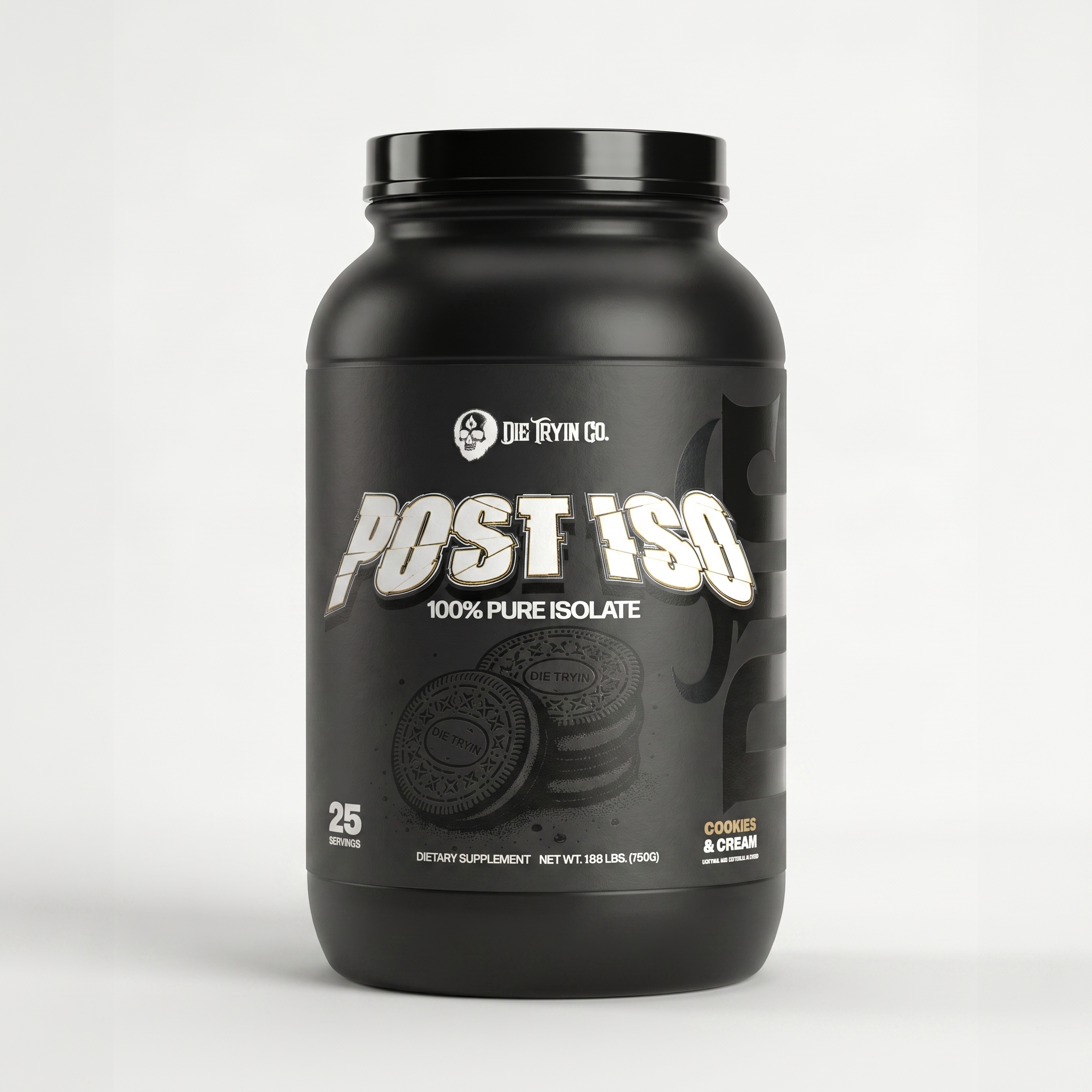
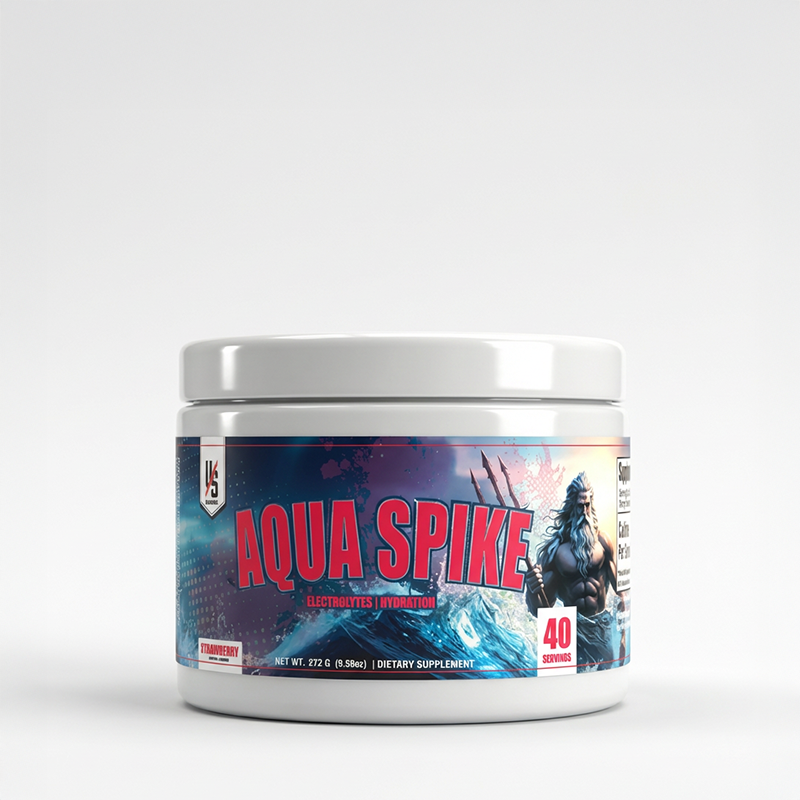

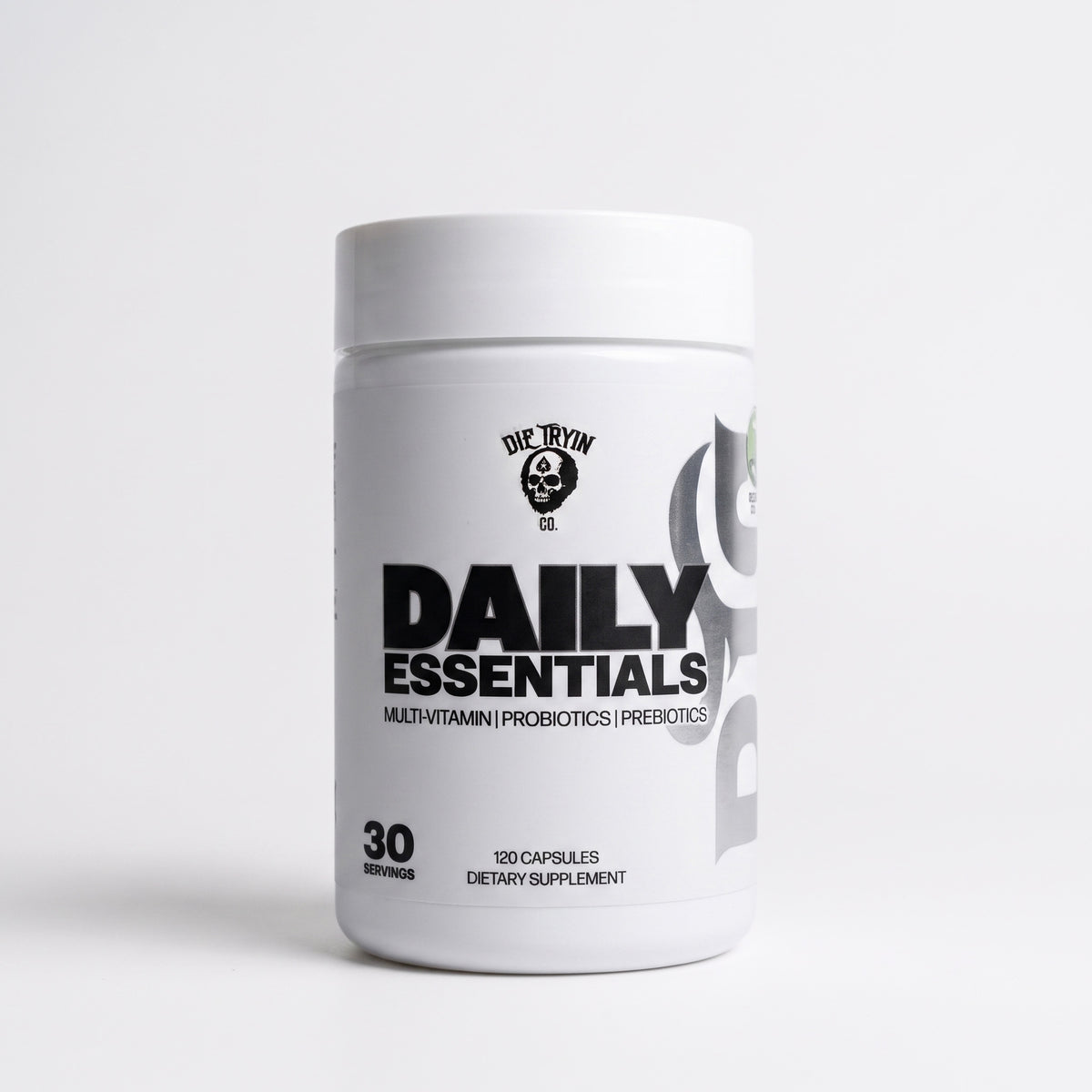
Read more
A stall is information, not failure. The honest anatomy of a fat-loss plateau and the fixes in the order that actually works.
Think you shouldn't lift weights while losing fat? It's a myth. Here's how strength training preserves muscle, protects your metabolism, and beats cardio alone.

The app you pick matters far less than whether you log consistently and weigh your food. Here is what actually decides it.

You can't out-train a bad diet. Here's the no-BS guide to macros — what they are, why they matter, and how to count them so you actually hit your goals.
The no-BS playbook for losing fat without losing muscle. Energy balance, protein, training, sleep, and the supplements that actually help.

Exercise alone can cut 4-6% of bodyweight, at a price nobody quotes. The ledger physics of fat loss, the compensation debate, and the week that respects both.