





Weight Loss Motivation: Why It Fails and What Works
By Jon Klipstein, U.S. Army Combat Veteran & Founder of Die Tryin Co.
Science reviewed by Onur Oncer, BS Physiology and peer-reviewed published researcher.
MOTIVATION IS NOT A PLAN
Here's the truth: motivation is a feeling. Feelings show up loud on day one and go quiet by week three. That isn't a character flaw. That's just what feelings do.
The people who actually finish a fat-loss phase are not more motivated than you. They built a system that keeps running on the days the feeling doesn't show up at all.
Discipline beats motivation. Every time. But discipline isn't gritting your teeth harder, it's cutting down the number of decisions standing between you and the work. Below is the system, ranked by what actually moves the needle, with research where research exists and honesty where it doesn't.
| THE TRAP | WHAT ACTUALLY WORKS | GO DEEPER |
|---|---|---|
| Waiting to feel motivated | One non-negotiable daily habit that runs without a feeling | Weak Habits Create Weak Men |
| Eyeballing your intake | Logging food, even imperfectly | What Are Macros? |
| Hiding from the scale | Weighing on a schedule and reading the trend, not the day | The Complete Guide to Fat Loss |
| Doing it alone and quiet | Reporting your numbers to one human who will call you out | 5 Benefits of a Training Partner |
| Cardio-only fat loss | Lifting hard in the deficit so the weight you lose is fat | Strength Training for Fat Loss |
| Shopping for a fat burner first | Hitting protein and water every single day first | Why Protein Matters |
LOG WHAT YOU EAT. IT'S THE HIGHEST-LEVERAGE HABIT.
If you only build one habit off this page, build this one. A systematic review of 22 behavioral weight-loss studies found a consistent association between self-monitoring and weight loss, with dietary logging the most-studied piece of the puzzle (Burke et al., 2011). The authors were honest about the limits of that evidence, and so are we: the samples were narrow and much of the data was self-reported. But the direction is clear and it costs you nothing to test.
Logging works because it removes the story you tell yourself. You didn't have "a couple handfuls." You had 480 calories of trail mix at 9 p.m. Once the number is on the screen, the argument ends. Start by logging honestly for seven days before you change a single thing, then learn what your macro targets should actually be.
WEIGH YOURSELF. EVEN DAILY.
The old advice was to stay off the scale so the number doesn't wreck your head. That advice sounds kind, and the research doesn't support it.
A systematic review and meta-analysis of self-weighing trials found that adding self-weighing to a behavioral weight-loss program produced meaningfully better results, and it found no significant difference between weighing daily and weighing weekly (Madigan et al., 2015). A separate review of 17 longitudinal studies found regular self-weighing was associated with more weight loss and was not associated with adverse psychological outcomes like depression or anxiety (Zheng et al., 2015).
The honest caveat: if you have a history of disordered eating, this is a conversation for a licensed professional, not a blog. For everyone else, weigh in at the same time under the same conditions, write it down, and only judge the seven-day average. Daily weight swings three or four pounds on water and food volume alone. The trend line is the signal. The daily number is noise.
MAKE THE FIRST GOAL EMBARRASSINGLY SMALL
Most people quit because they built a plan for their best week and then tried to run it during their worst one. Two-a-days, zero carbs, meal prep every Sunday. That plan survives contact with reality for about eleven days.
Set a floor instead of a ceiling. Three lifting sessions a week, 130 grams of protein a day, 8,000 steps. Boring on purpose. When the boring version is automatic for a month, then you add. If you want structure around that, run it through a real goal-setting framework instead of a vibe.
ACCOUNTABILITY BEATS WILLPOWER
The self-weighing meta-analysis found something worth stealing: interventions that added an accountability element produced significantly greater weight loss than those that didn't. Not more willpower. More witnesses.
That can be a coach, a training partner, a group chat, or one friend who gets your Sunday weigh-in screenshot. The mechanism is the same. When somebody is going to see the number, you behave differently on Saturday night. Pick one person this week and tell them what you're doing. And be picky about who: the people who go quiet when you succeed are not the people who should be holding your standard.
CUT THE FEED THAT MAKES YOU FEEL SMALL
Unfollow the accounts that leave you feeling behind. Not because comparison is inherently evil, but because most of what you're comparing yourself to is a lighting setup, a dehydration protocol, and a decade of training you didn't see. You're measuring your Tuesday against somebody's highlight reel.
Replace them with accounts that teach you something. If a page hasn't given you a single usable idea in a month, it's costing you and paying you nothing. This is the same reason most people never see results in the gym, they spend their attention on hype instead of on the basics that compound.
NAME YOUR TRIGGER, THEN BUILD THE COUNTER
Stress eating is not a willpower problem. It's a pattern problem, and patterns have a trigger you can name. Write down when it happens for two weeks and you'll find it fast. Then pre-decide the counter so you're not negotiating with yourself at 10 p.m.
- Late-night boredom eating: a hard cutoff time, plus something with volume and protein on standby.
- Post-work stress: a ten-minute walk before you open the fridge. Change state first, then decide.
- Social pressure: pick your two drinks or your one dessert before you walk in, not after the second round.
- Thirst dressed up as hunger: drink 16 oz of water and wait fifteen minutes before you eat.
TOOLS THAT SUPPORT THE HABIT, NOT REPLACE IT
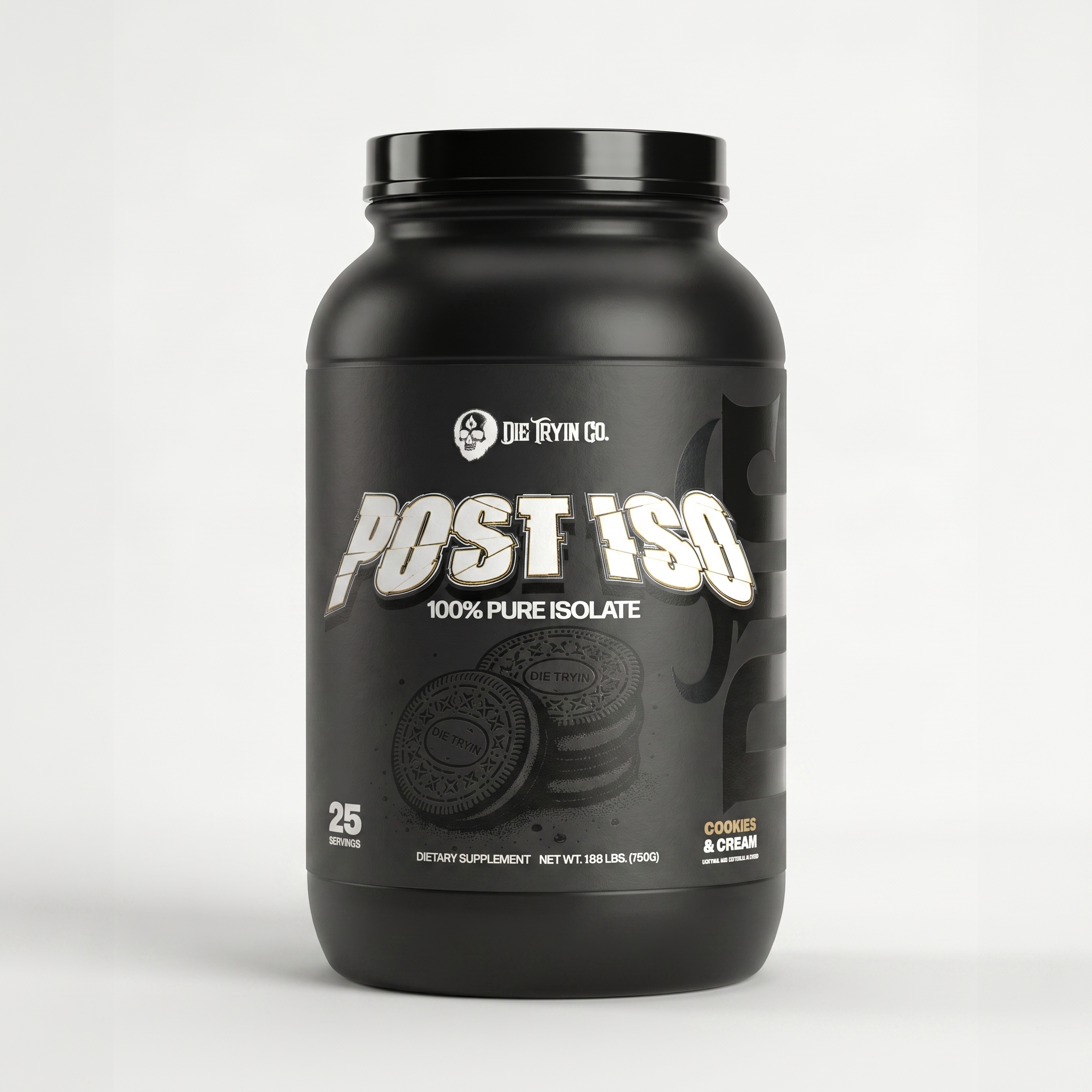
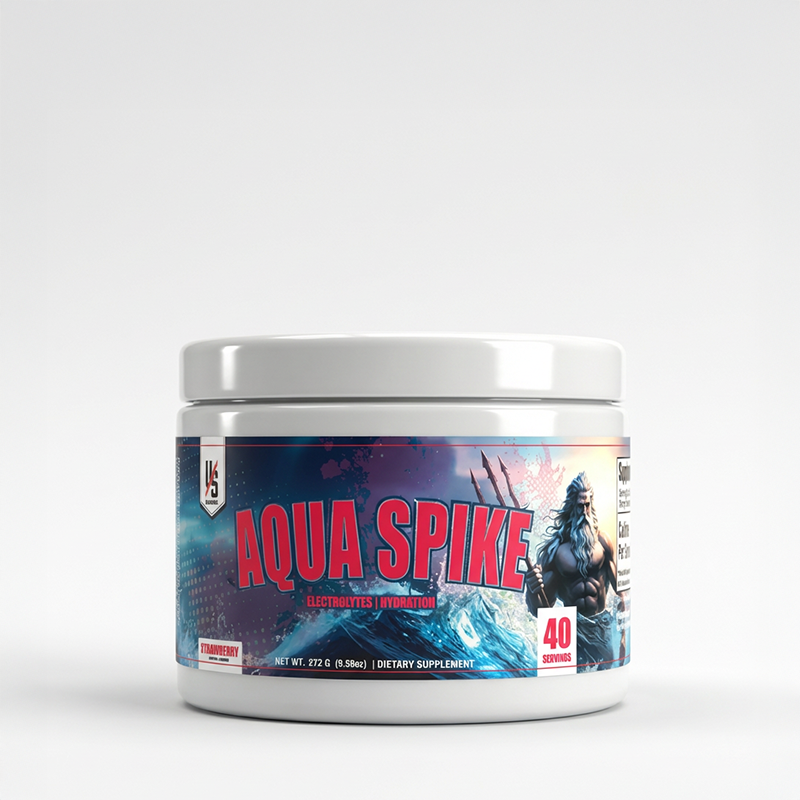
Nothing in a tub makes you consistent. What supplements do well is remove friction from the habits you already decided to keep. Protein is the one that matters most here. Hitting a real protein target helps keep you fuller in a deficit and helps protect the muscle you're lifting to keep, and it's far easier to hit when one scoop of Post Iso gets you 24g for 110 calories. Hydration is the second one. If you're training hard and cramping, sluggish, and starving by 3 p.m., Aqua Spike handles the electrolyte side so the water you drink actually does something.
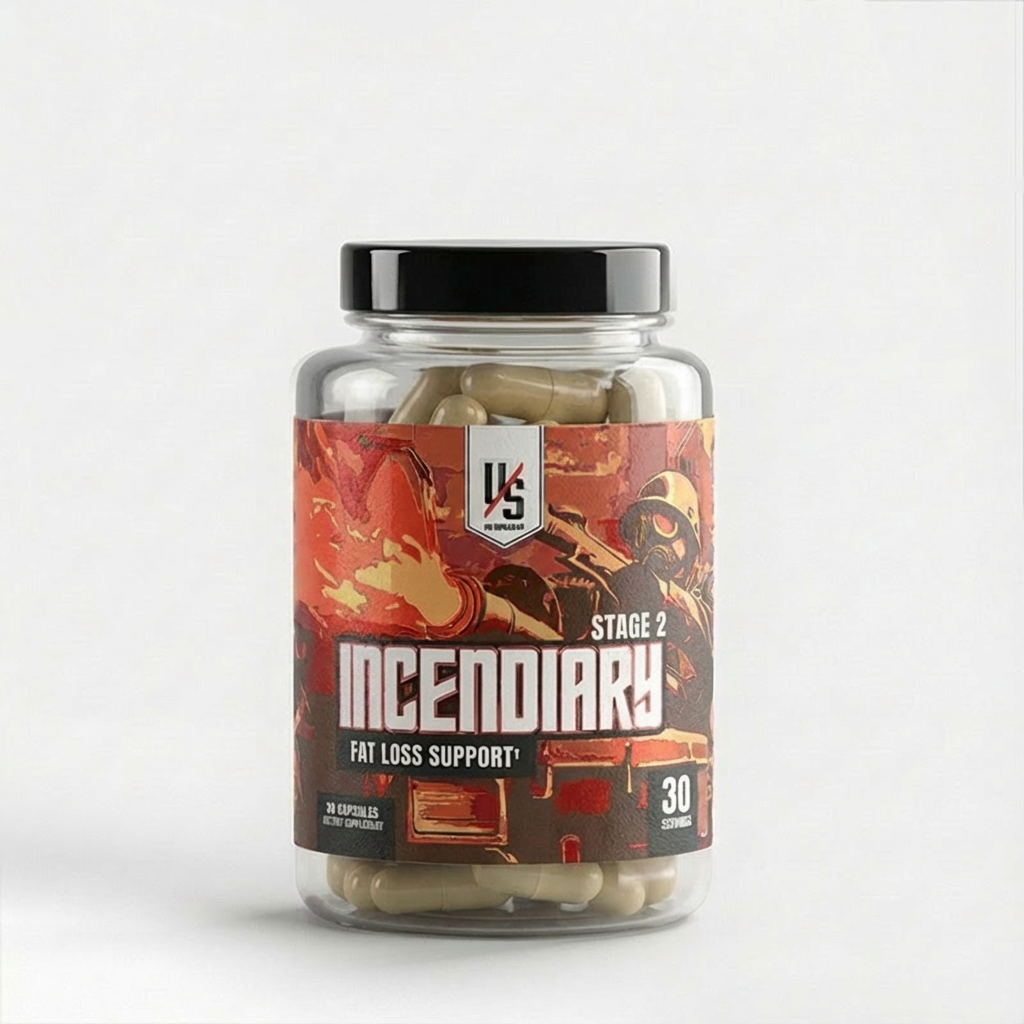
If you want a fat-loss-specific tool on top of a deficit that's already working, Incendiary Stage 2 delivers the full 500 mg dose of L-β-Aminoisobutyric Acid (MitoBurn®), a metabolic signaling compound rather than a stimulant. Straight talk: the human research on L-BAIBA is still early and mostly preclinical, so treat it as support on top of a real deficit, never as the reason the deficit works. If you want more strategies that actually earn their place, read how to burn fat quicker next.
THE BAD-DAY PROTOCOL
You will have bad days. Plan for them now so they cost you one day instead of one month. The rule is simple: never miss twice. Blew the calories Friday? Friday is closed. You don't "start over Monday," because there is no Monday, there's only the next meal and the next session. Consistency beats intensity, and the guy who trains at 70 percent for six months beats the guy who goes 100 percent for nine days and disappears.
FAQ
How long before motivation stops being a problem?
Wrong question. Motivation never stops being unreliable. What changes is that around six to eight weeks of repeating the same small habits, the habits stop requiring a decision. You're not motivated to brush your teeth. You just do it.
Should I weigh myself every day or once a week?
Either works. The meta-analysis on self-weighing found no significant difference between daily and weekly instructions. Pick the one you'll actually stick to, weigh under the same conditions, and judge the seven-day average instead of any single reading.
The scale hasn't moved in two weeks. Am I doing something wrong?
Not necessarily. Water retention, food volume, and hormonal fluctuation can mask real fat loss for a week or two. Check your other markers first: waist measurement, progress photos, how your lifts feel. If all four are flat for three-plus weeks, then it's an intake problem and it's time to audit your logging honestly.
Are cheat meals a good idea or do they wreck progress?
A planned meal you enjoy on a Saturday won't undo a week of a deficit. An unplanned weekend that turns into 4,000 extra calories will. The difference isn't the food, it's whether you decided in advance.
Do I need a trainer?
You don't need one. A good one is a shortcut, though, because you're paying for accountability and for someone who has seen your mistake a hundred times before. If the budget isn't there, a training partner who shows up covers most of the same ground.
What supplement helps the most with weight loss?
Protein, and it isn't close. It supports satiety in a deficit and helps protect lean mass while you're losing weight. Everything else on the shelf is a rounding error compared to hitting your calories, protein, and training consistently. Not sure where to start? Run the stack quiz.
READY TO GEAR UP?
Build the habit first. Then use the tools that make the habit easier to keep.
- Hit your protein without cooking: Post Iso (24g whey isolate, 110 calories, DigeZyme enzymes)
- Stay hydrated through hard training: Aqua Spike
- Fat-loss support on top of a real deficit: Incendiary Stage 2 (MitoBurn®)
- Not sure what you need: take the quiz
Stop waiting to feel ready. Log the food, step on the scale, tell one person, and show up tomorrow whether you feel like it or not.
ALWAYS FORWARD.

GEAR THAT FITS THIS POST
The products this article actually talks about. Real doses, disclosed labels, veteran owned.
Read more
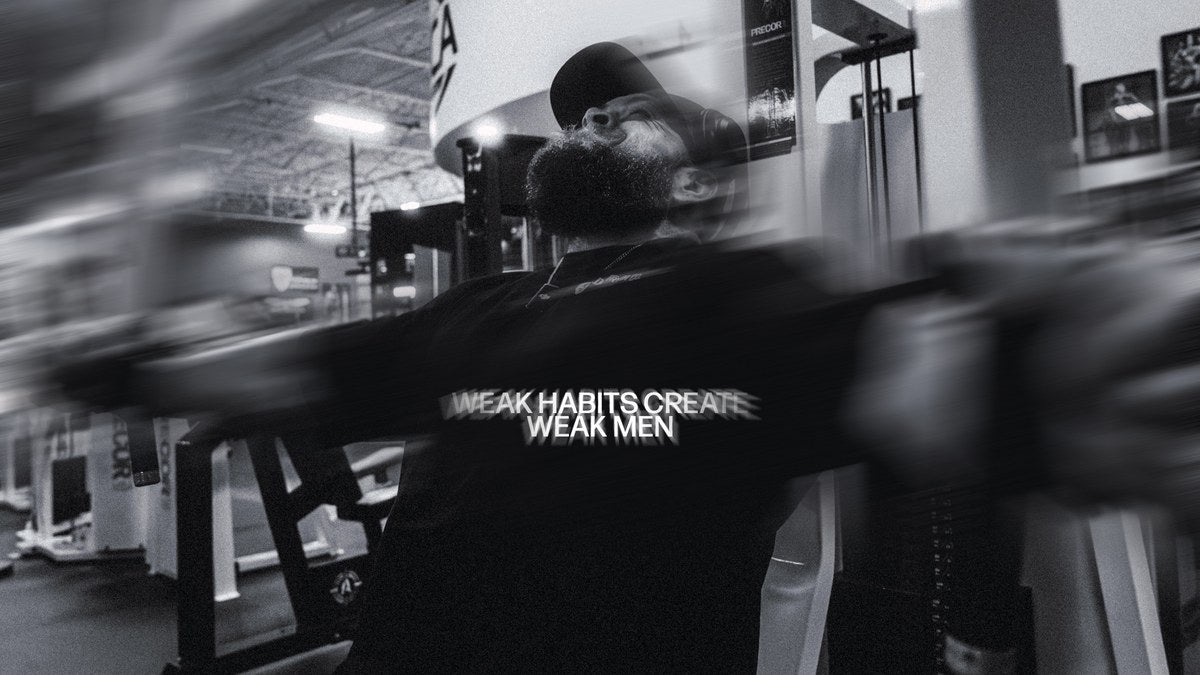
Nobody becomes weak overnight — it happens through small habits repeated daily. The weak vs. strong habit framework, plus the 8 non-negotiables that build men who hold up under pressure.
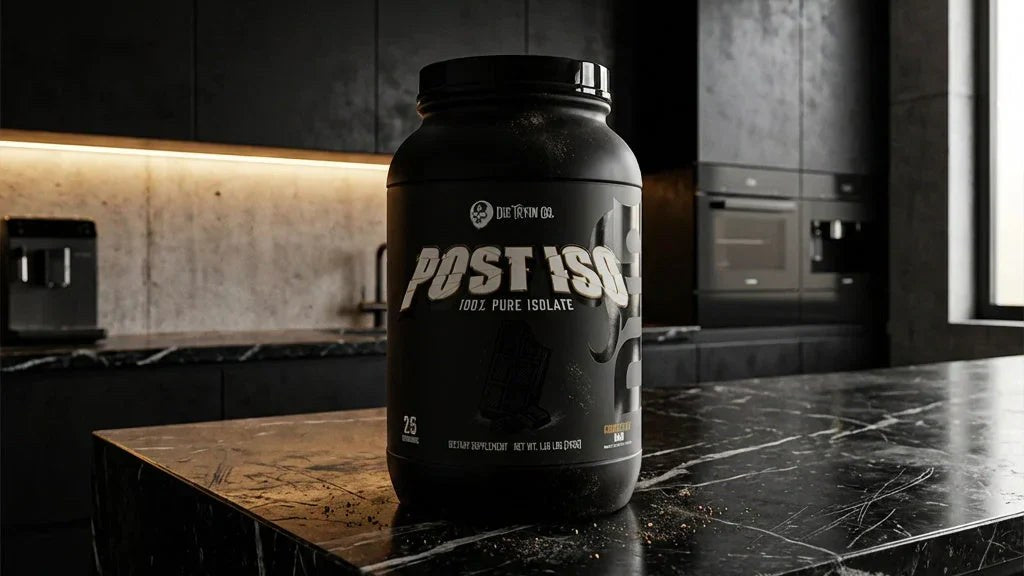
You can't out-train a bad diet. Here's the no-BS guide to macros — what they are, why they matter, and how to count them so you actually hit your goals.

The no-BS playbook for losing fat without losing muscle. Energy balance, protein, training, sleep, and the supplements that actually help.
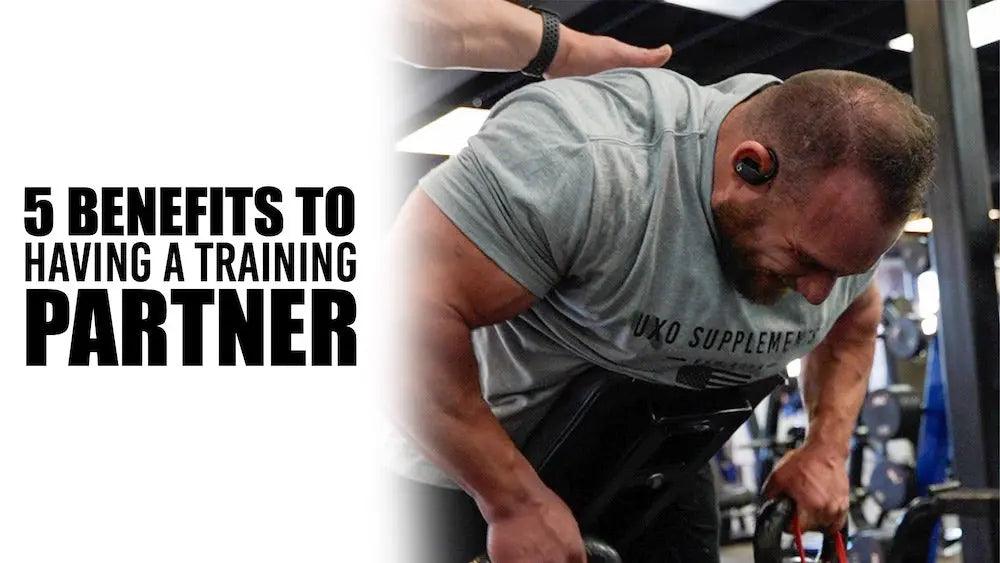
Solo training clears your head. The right partner moves the bar. Here are 5 benefits of training with a buddy, plus what the spotter and competition research actually measured.
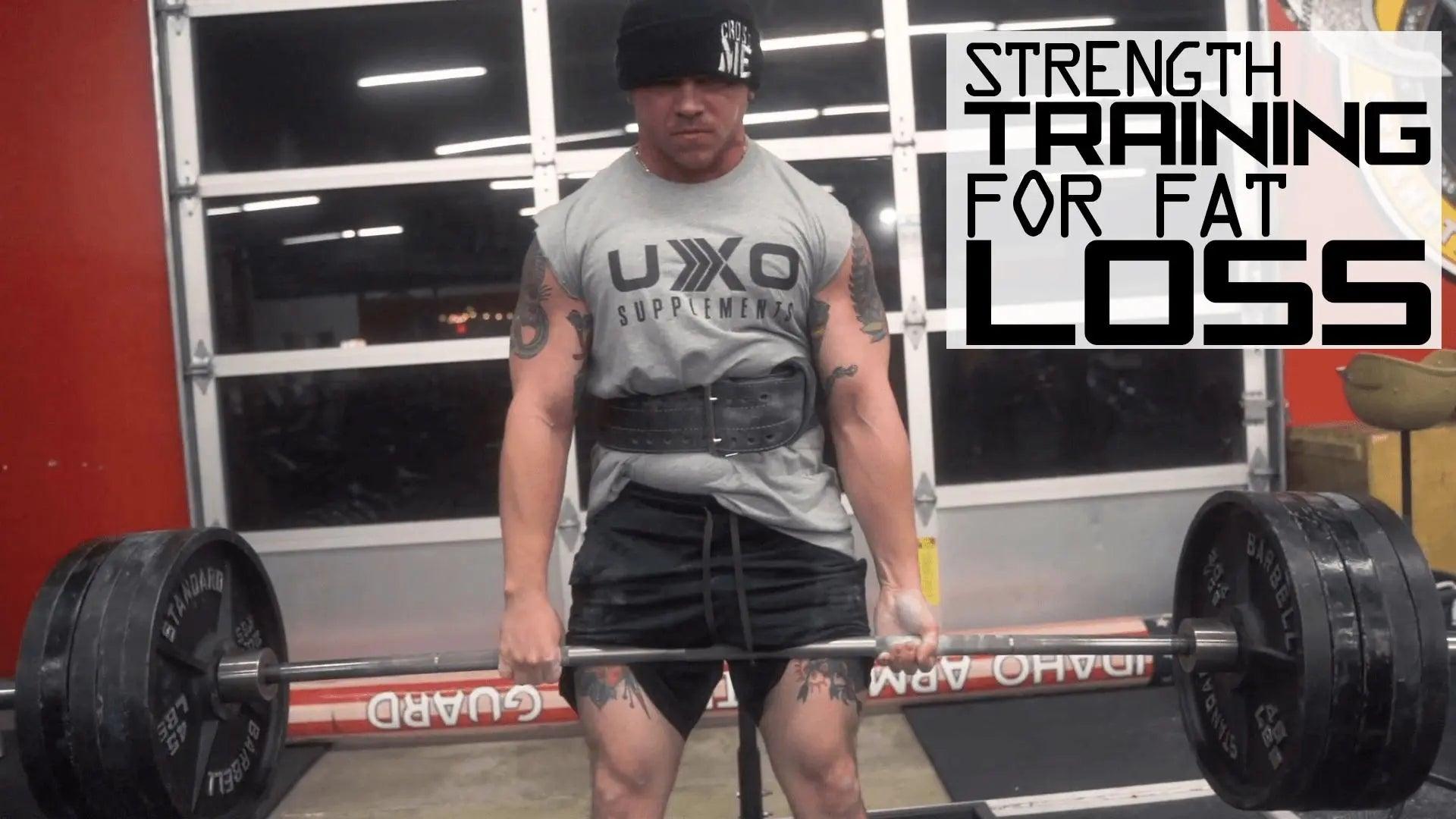
Think you shouldn't lift weights while losing fat? It's a myth. Here's how strength training preserves muscle, protects your metabolism, and beats cardio alone.
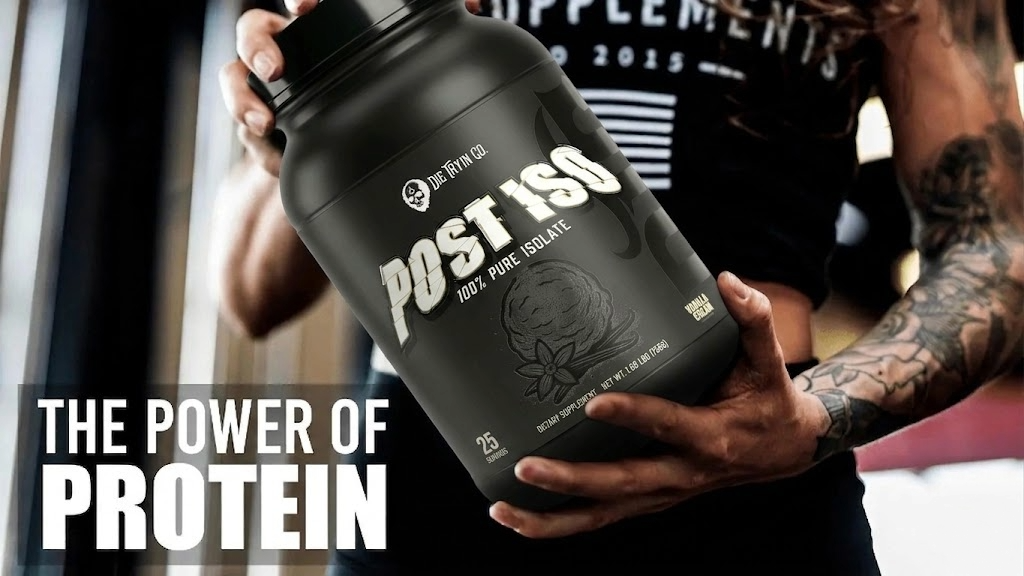
Protein does more than build muscle. 8 real benefits ranked by evidence strength: satiety, metabolic boost, bone density, sarcopenia prevention, and more.