




Macro Tracking Apps: What Actually Makes Tracking Work
By Jon Klipstein, U.S. Army Combat Veteran & Founder of Die Tryin Co.
Science reviewed by Onur Oncer, BS Physiology and peer-reviewed published researcher.
THE APP IS NOT THE VARIABLE
Here's the truth: people spend three weeks reading app comparisons and three days actually logging. The comparison is the procrastination. Every mainstream macro tracker does the same core job well enough to get you to your goal.
What separates the guy who recomps in six months from the guy who quits in nine days isn't the software. It's whether he weighs his food, logs it before it goes in his mouth, and keeps logging on the days he ate like garbage.
This post covers the tooling and the habit. If you don't know your macro targets yet, start with our breakdown of what macros are and how to set them, then come back and build the system that makes those numbers real.
| THE HABIT | WHY IT DECIDES THE OUTCOME | GO DEEPER |
|---|---|---|
| Log before you eat | Makes the log a plan you can change, not a receipt for damage done. | Carb cycling meal plan |
| Weigh it in grams | Cups and eyeballs are where almost all the error hides. | Ultimate Guide to Fat Loss |
| Log the bad days too | A log with holes can't tell you why the scale stalled. | Why most people never see results |
| Build a small food rotation | Twenty repeat foods means twenty verified entries. Logging takes seconds. | Athlete's guide to fueling |
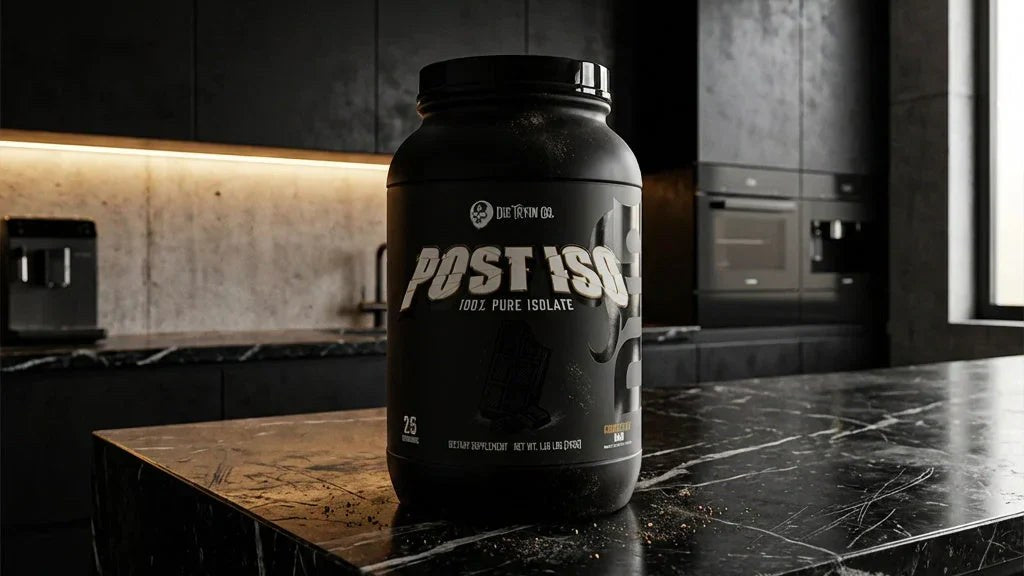
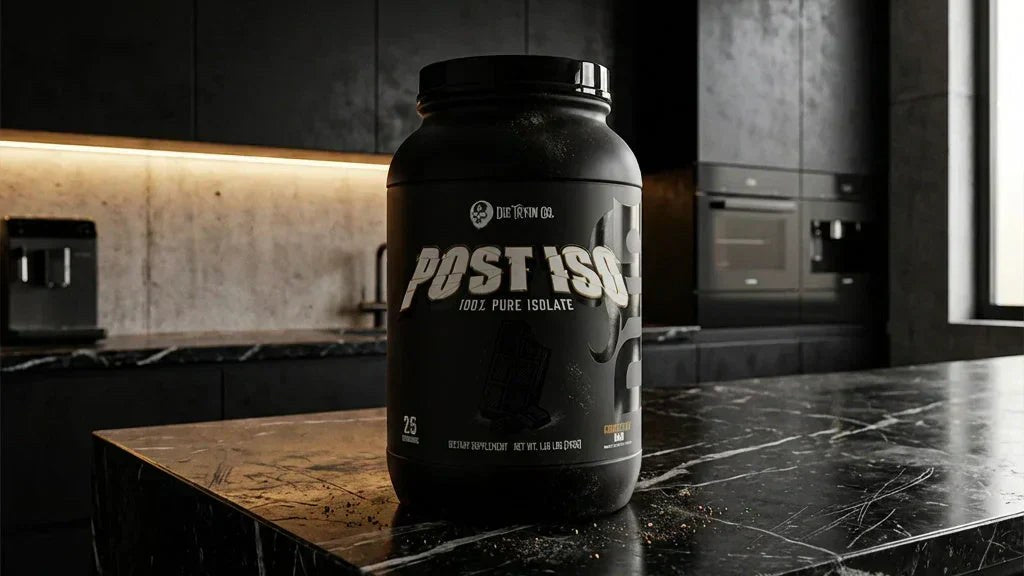
| Anchor protein to fixed labels | A sealed scoop with a printed panel is your cleanest entry. | Post Iso |
THE PROBLEM IS THE HUMAN, NOT THE SOFTWARE
The most uncomfortable study in this space predates smartphones. Researchers took ten obese subjects who insisted they couldn't lose weight on under 1,200 calories a day and measured what they actually ate and burned over 14 days, using indirect calorimetry and body composition analysis. Metabolism wasn't the issue: total energy expenditure and resting metabolic rate landed within 5 percent of predicted. The self-reports were. That group underreported their food intake by an average of 47 percent and overreported their physical activity by 51 percent.
Be careful with that number. It came from ten people recruited specifically for a history of diet resistance, so treat 47 percent as a vivid illustration, not a population average. The direction holds up more broadly: a review of doubly-labelled-water studies by Hill and Davies (2001) found under-reporting of energy intake is common across many groups, athletes included, whenever people record their own intake.
No amount of app polish fixes an estimation error that size. A gram scale does. That's the whole argument for weighing, and it's why the feature list matters far less than the ten dollar piece of hardware next to your stove.
WHAT TO ACTUALLY LOOK FOR IN A MACRO APP
Ignore the marketing and evaluate on categories of function. Most major trackers offer most of these, and the ones that don't will show it within a week of real use:
- Entry in grams, not just servings. If an app forces you into "1 medium chicken breast," it's fighting your scale.
- A verified or curated part of the database. Some apps flag entries checked against a real food composition source. Learn how yours marks them, then filter to those.
- Custom foods and saved recipes. Build your chili once, save the total weight, then log any portion by grams forever after.
- A meal-copy function. Copying yesterday's breakfast in two taps is what keeps people logging past week three.
- Macro targets you set yourself. You want grams of protein, carbs and fat under your control, not whatever a wizard picked.
- Barcode scanning. Useful, but treat a scan as a first draft. Cross-check the panel.
- Data export. If you can't get your history out as a file, you don't own your log.
Notice what's missing: community feeds, streak badges, AI photo analysis, wearable integration. None of those decide whether you succeed. Apps change constantly, so confirm any feature inside the app before you pay for it.
THE FOOD DATABASE IS THE WEAK LINK
Crowdsourced entries are how these apps built their libraries, and they're also the leak in the bucket. A 2020 validation study in the Journal of Medical Internet Research (Evenepoel and colleagues) ran 50 participants through repeated 4-day dietary records, comparing the MyFitnessPal database against Belgium's national food composition database. Once extreme, likely-erroneous entries were stripped out, agreement was strong for energy (r=0.96) and for carbohydrate, fat and protein (r=0.90 each), but weak for cholesterol and sodium (roughly 0.51 to 0.53).
Two honest takeaways. For the four numbers you care about, a mainstream database is good enough. But that cleanup step mattered, which means junk entries are sitting in there waiting for you. Protect yourself with habits, not app-shopping:
- Verify a new food once against the package or a government food database, then save it as a custom food and stop thinking about it.
- Be suspicious when the macros don't roughly add up (4 calories per gram of protein and carbs, 9 per gram of fat).
- Distrust generic restaurant entries hardest. Those are guesses stacked on guesses.
- If you track sodium seriously, expect more manual verification than the macros need.
LOG BEFORE YOU EAT, NOT AFTER
This is the highest-leverage change in the article and it costs nothing. Most people use a tracker as a confession booth: eat, then log, then feel something about the number. Flip it. Build each meal in the app before you plate it.
Logged first, the app becomes a steering wheel. You see you're 40 grams of protein short with one meal left and you fix it while fixing it is still possible. Log after the fact and you've built an accurate record of a day you can no longer change. Observational work supports the planning side: a cross-sectional study of more than 40,000 French adults (Ducrot and colleagues, 2017) found meal planners had higher diet quality and lower odds of obesity, though the authors were explicit that no causality can be inferred.
- Pre-log tomorrow tonight. Two minutes, and breakfast stops being a decision.
- Log the restaurant meal before you walk in, using the closest verified entry.
- Leave a deliberate 200-300 calorie buffer at dinner instead of scrambling at 9pm.
- Log the workout drink, the coffee creamer and the cooking oil. That's where a "clean" day quietly gains 400 calories.
BUY THE FOOD SCALE BEFORE THE PREMIUM SUBSCRIPTION
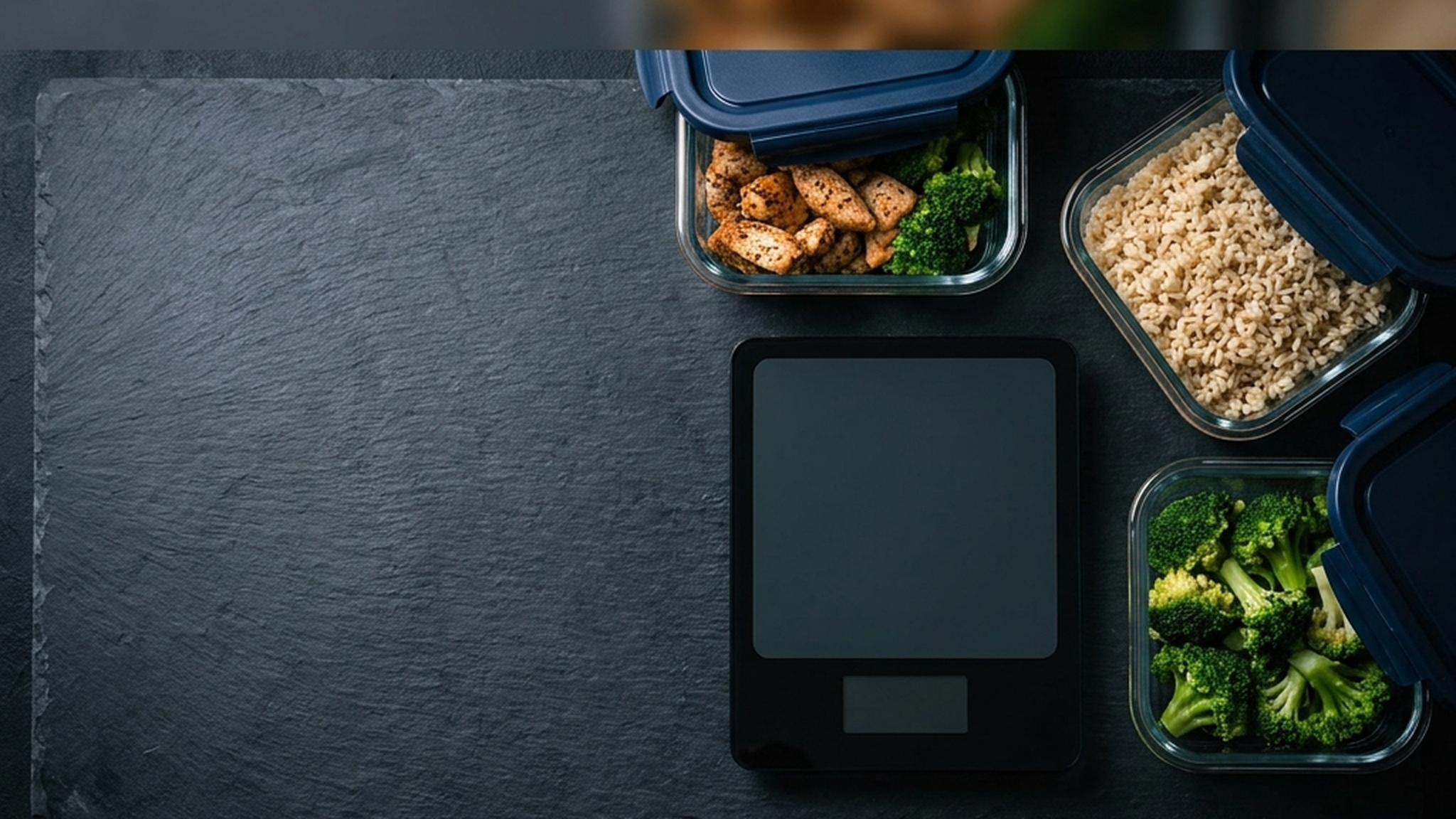
A gram scale is the cheapest accuracy upgrade in nutrition. Cups measure volume, and volume lies about mass. Peanut butter, rice, oats, oil, cheese and nuts are the repeat offenders, calorie-dense enough that a small volume error becomes a large calorie error.
Weigh raw where you can, since cooked weight swings with water loss. Fifteen extra seconds a meal once you stop overthinking it:
- Plate on, tare to zero, add food, read grams. Log it.
- For batch cooking, weigh the finished total and log by portion of that weight.
- Weigh oil and butter in the pan. Not optional if you cook at home.
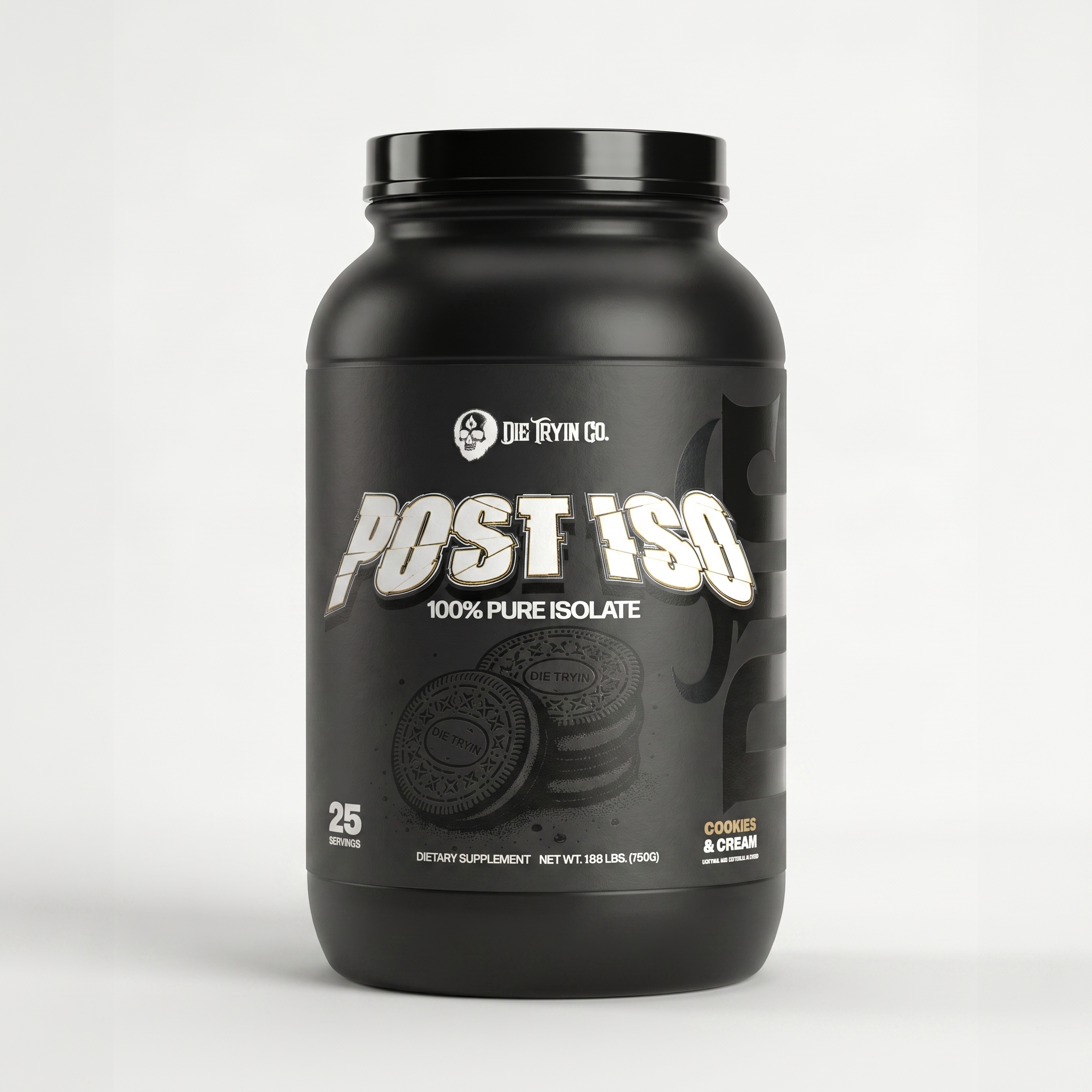
- Powders come pre-measured, which is why a fixed-panel item like Post Iso at 24g of protein per scoop is the easiest thing you'll log all day.
CONSISTENCY BEATS PRECISION
A pilot randomized trial of 128 overweight adults compared a smartphone tracking app against a website and a paper diary over six months. The app group logged a mean of 92 days versus 35 for the website and 29 for the diary, and lost a mean of 4.6 kg versus 2.9 kg for the diary and 1.3 kg for the website.
Be skeptical of the tidy version of that story. It was a feasibility pilot using a research-built app, and retention split hard: 93 percent finished in the app group versus roughly half in the other two, with missing data filled in by carrying baseline values forward. That design can flatter the app. A separate 2020 trial in JMIR mHealth and uHealth (Ahn and colleagues) randomized 50 overweight adults to an app or a paper diary for six weeks and found no significant difference in weight, BMI, waist circumference or body fat, with both groups logging a similar number of days. And a systematic review in the Journal of the American Dietetic Association (Burke, Wang and Sevick, 2011) found self-monitoring consistently associated with weight loss while grading the evidence as weak, largely because it leans on self-report. Honest read: logging works, the medium barely matters, and the research can't separate "logging causes results" from "people already dialed in log more."
WHAT TRACKING WILL NOT DO FOR YOU
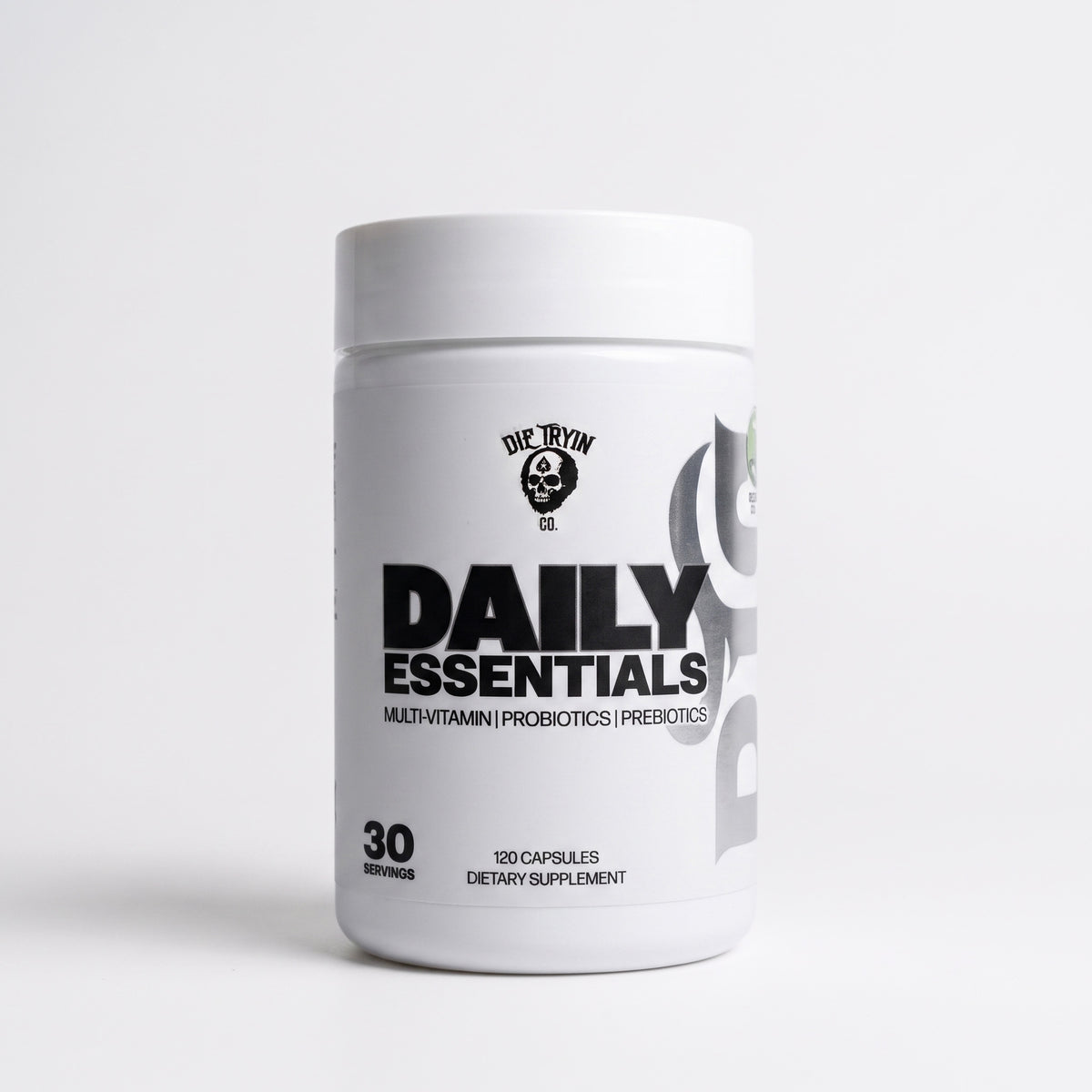
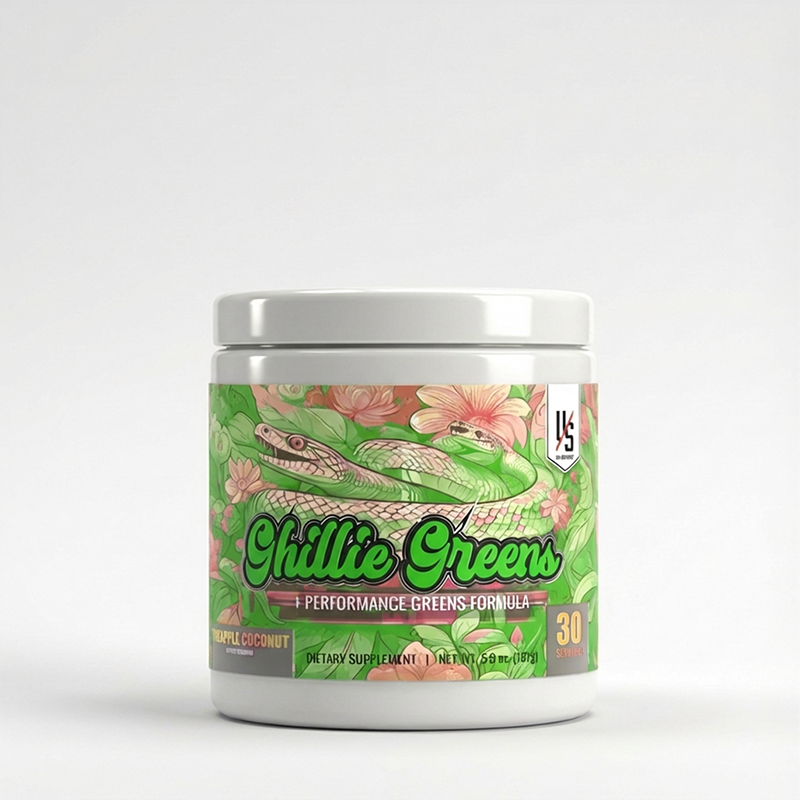
An app won't make you sleep, train hard, or eat food worth logging. Hitting your macros on candy and protein bars is technically a hit and practically a mess. Micronutrients, fiber and food quality live outside the four big numbers, which is why plenty of people run a foundation like Daily Essentials or Ghillie Greens alongside real produce rather than instead of it.
Tracking also has an expiration date. It's a calibration tool. Run it hard for eight to twelve weeks, learn what 40 grams of protein looks like on a plate, and most of that knowledge stays with you after you stop. If tracking starts driving anxiety, obsession or guilt instead of information, put the app down and talk to a registered dietitian. That's a real line and it's worth respecting.
FREQUENTLY ASKED QUESTIONS
Which macro tracking app is the best one?
The one you'll still be opening in eight weeks. Download two, log three full days in each, keep the one whose entry flow annoys you less, and stop researching.
Do I have to weigh everything forever?
No. Weigh everything for four to six weeks so your eye gets calibrated against real numbers. After that, most people weigh the calorie-dense stuff and estimate vegetables and fruit without losing much accuracy.
How accurate are the calorie numbers in these apps?
For energy and the three macros, validation research suggests mainstream databases hold up well once obviously erroneous entries are excluded. Sodium and cholesterol are considerably less reliable. Verify a food once, save it, reuse it.
What do I do at a restaurant?
Log it before you order, pick the closest verified entry, and round up rather than down. One rounded-up meal a week won't undo a good diet. Skipping the log because it's imperfect does the damage.
Do I need to log supplements like creatine or greens?
Check the panel and log anything with meaningful calories. Creatine Monohydrate at 5g contributes essentially nothing to your macro totals. Protein powder, intra-workout carbohydrate and anything with sugar in it all get logged.
How long before tracking tells me something?
Two to three weeks of consistent logging plus consistent weigh-ins before you change a number. Water weight will lie to you across shorter windows, and reacting to the scale day by day sabotages a diet that was working.
READY TO GEAR UP?
Tracking gets easier when your foundation foods carry printed labels and repeat weekly. Build the rotation, weigh it, log it first:
- Post Iso. 24g of whey isolate protein per scoop with DigeZyme enzymes. Fixed panel, zero guessing.
- Creatine Monohydrate. 5g micronized, no macros to log, nothing gimmicked.
- Aqua Spike. Electrolytes for long or hot sessions. Check the panel and log it.
- Ghillie Greens. Real-ingredient greens with KSM-66 and AstraGin, for days your produce intake is bad.
- Ice Shaker. Insulated steel, so the shake you made at 6am is still cold at noon.
- Not sure where your numbers sit? Take the Die Tryin Co. quiz, then read the Ultimate Guide to Protein and Do I Need Carbs? before you touch your targets.
Short version: buy a scale, pick an app in ten minutes, log tomorrow before you eat it, and do that for sixty days. Consistency beats intensity, and a boring log beats a perfect one you abandoned.
ALWAYS FORWARD.
GEAR THAT FITS THIS POST
The products this article actually talks about. Real doses, disclosed labels, veteran owned.

Read more
You can't out-train a bad diet. Here's the no-BS guide to macros — what they are, why they matter, and how to count them so you actually hit your goals.
The carb cycling meal plan, simplified: high/low/moderate days mapped to a 7-day training week, with food lists and how to set your own gram targets.
The no-BS playbook for losing fat without losing muscle. Energy balance, protein, training, sleep, and the supplements that actually help.
The reason most lifters never see results isn't a bad program or weak motivation. It's inconsistency. Here's what actually builds physiques — and why the basics work.

The complete athlete's guide to fueling: carbs for output, protein for recovery, fats for hormones. Daily targets, timing, and the mistakes that kill progress.
The complete protein playbook — how much you need, when timing matters, which sources deliver, and the myths costing you money.