


No Gym, No Problem: 5 Bodyweight Moves for Full-Body Strength
By Jon Klipstein, U.S. Army Combat Veteran & Founder of Die Tryin Co., and Chelsea Rodgers, IFBB Pro & Die Tryin Co. Athlete
NO GYM. NO EXCUSES.
No gym? No problem. Here's the truth: you don't need a rack, a barbell, or a single dumbbell to train your entire body. You need a patch of floor, a little discipline, and moves that actually do the work.
Staying active is one of the highest-leverage things you can do for yourself. Research suggests regular physical activity may support general health — a large umbrella review found that moderate-to-vigorous activity is associated with lower all-cause and cardiovascular mortality, with benefits beginning at modest amounts and any activity better than none (according to PubMed, Kraus et al. 2019). Movement may also help energy and weight management when paired with smart nutrition. You don't have to wait for a gym membership to start.
Below are the five best bodyweight exercises for full-body strength — plus a bonus. Every one scales up or down. Beginners build a base. Advanced lifters get crushed if they program them right. Basics beat hype.
| MOVE | PRIMARY MUSCLES | HOW TO SCALE HARDER |
|---|---|---|
| Bridges / Hip Thrusts | Glutes, hamstrings, core | Add load, knee band, single-leg, longer hold |
| Lunges | Quads, glutes, stabilizers | Walking, reverse, curtsey, deficit step-down |
| Squats | Legs, core, back | Slow tempo, pause reps, add a band or load |
| Push-Ups | Chest, shoulders, triceps, core | Decline, slower eccentric, deficit, more reps |
| Planks | Core, shoulders, back | Longer holds, limb lifts, forearm-to-palm |
| Bonus: Step-Ups | Glutes, quads, conditioning | Higher box, slower lower, hold load |
Want a done-for-you routine that strings these moves into a single session? Run our Jenna's Home Workout circuit — it's the follow-along leg, glute, and ab session built on these exact movements. This post is your exercise-selection reference. That post is the workout. Use them together.
BRIDGES & HIP THRUSTS
Your glutes are the biggest, most powerful muscle group you've got. Wake them up. Bridges and hip thrusts build glute strength while hitting your hamstrings, lower back, abs, obliques, and hip flexors — a real posterior-chain anchor with zero equipment.
Form: lie flat on the floor, feet hip-width and planted, arms relaxed at your sides. Push through your heels and drive your hips up until your body forms a straight line from knees to shoulders. Squeeze your glutes hard at the top, hold for one to two seconds, keep a neutral spine — don't arch your lower back — then lower under control. Make it harder by holding a load across your hips, looping a band above your knees, going single-leg, extending the top-end hold, or slowing the tempo. Want a full glute-focused session? Our Leg & Booty Day guide goes deeper on hip-thrust progressions.
LUNGES
Lunges build mobility, stability, and unilateral strength all at once. Working one leg at a time forces each side to pull its own weight — no more letting your strong leg carry the load and hide an imbalance.
Form: step forward, lower until both knees hit roughly 90 degrees, keep your front knee tracking over your toes and your torso tall, then drive back up through the front heel — control the descent, don't crash down. Mix in variations to keep it fresh: static lunges, walking lunges, reverse lunges, curtsey lunges, or step-downs off a platform for extra range. For more single-leg work and deeper squat-pattern coaching, see our Best Leg Exercises breakdown.
SQUATS
The squat is the king for a reason. Even bodyweight-only, it trains your legs, core, and back as one connected system — and it carries over to nearly everything you do.
Form: stand with feet about shoulder-width, brace your core, sit your hips back and down, keep your chest up and knees tracking over your toes, descend until your thighs are at least parallel, then drive up through the whole foot. Make it harder with a mini band above the knees, a load held at your sides, shoulders, or overhead, and — most underrated — slow it down. Tempo squats and paused reps stack serious time under tension without a single extra pound. Consistency beats intensity.
PUSH-UPS
The push-up is the most complete upper-body bodyweight move there is. Done right, it hits your chest, shoulders, and triceps while your core and glutes fight to hold the line.
Form: start in a high plank, hands stacked under your shoulders. Brace your core and squeeze your glutes so your body stays one rigid plank, keep your elbows close — angled back, not flared wide — lower your chest toward the floor, then press back up without letting your hips sag or pike. Can't hit a clean full rep yet? Don't drop to your knees first — elevate your hands on a bench, chair, or counter instead. Incline push-ups keep the full-body plank intact while reducing the load, and you lower the surface as you get stronger. To make standard push-ups harder, decline them with your feet elevated, slow the lowering phase, or add reps.
PLANKS
Planks build core strength and stability without grinding your spine through endless crunches. They train your abs and obliques while your shoulders, chest, and back work to hold a rigid, neutral position — exactly the kind of bracing that transfers to every lift.
Form: forearms (or palms) under your shoulders, body in a straight line from head to heels, core braced, glutes tight, hips neither sagging nor piked — breathe, and hold the tension. Scale it down with knee planks or hands-elevated incline planks. Progress by extending your holds, lifting one arm or leg, or transitioning forearm-to-palm and back. Quality of position beats raw time — a perfect 30-second plank beats a sloppy two-minute one.
BONUS: STEP-UPS
All you need is a sturdy bench or a staircase. Step-ups hammer your glutes and quads, and depending on tempo, they double as conditioning — turning a strength move into a heart-rate driver.
Form: plant one foot fully on the bench, push through that heel, and drive your body up to standing without bouncing off the back leg. Lower slow and controlled — the descent is where the work hides. Knock out all your reps on one side, then switch, or alternate legs.
HOW TO MAKE IT HARDER
Here's where most people stall: they do the same ten push-ups and twenty squats forever and wonder why nothing changes. Bodyweight training works exactly like barbell training — it only builds you if the demand keeps climbing. That's progressive overload, and it's the whole game.
You overload bodyweight moves five ways: more reps, more sets, less rest, slower tempo, or a harder variation. Add a rep. Pause at the bottom. Cut your rest from 90 seconds to 60. Move from incline push-ups to flat to decline. Each step keeps your muscles guessing.
And no — you don't need heavy iron to grow. According to PubMed, Lopez et al. 2021, a network meta-analysis of 28 studies found that when sets are taken close to failure, light loads build similar muscle to heavy loads — hypertrophy was essentially load-independent. The honest caveat: that finding holds only when you push sets near failure, and heavier loads still win for maximal strength. So for size at home, take your sets close to failure. For pure strength, you'll eventually want to add load. Discipline beats motivation.
Strength training with bodyweight isn't a women's thing or a men's thing — it's a building-a-better-body thing. If you've ever worried that getting stronger means getting "bulky," Chelsea breaks that myth down in Ladies, Don't Fear Muscle Mass.
FREQUENTLY ASKED QUESTIONS
Can you really build muscle without weights?
Yes. When you take your sets close to failure, light-load and bodyweight training can build muscle similar to heavy training (Lopez et al. 2021). The catch is intensity of effort — easy, half-hearted sets won't cut it. For maximal strength, you'll eventually want to add load, but for size at home, hard bodyweight sets deliver.
How many times a week should I do a bodyweight workout?
Three to four full-body sessions a week is a strong starting point for most people, with rest days between. Consistency beats intensity — a sustainable routine you actually keep beats a brutal one you quit in two weeks.
What if I can't do a full push-up yet?
Elevate your hands on a bench, chair, or counter. Incline push-ups keep your body in a full plank while cutting the load. Lower the surface as you get stronger until you're on the floor. Skip the knee push-up as your first regression — the incline keeps better total-body tension.
Do I need any equipment at all?
No. Every move here works with just your body and the floor. A bench or staircase helps with step-ups and incline work, and a resistance band or some hydration is a nice add — but none of it is required to start today.
How do I keep progressing without adding weight?
Use progressive overload: add reps, add sets, cut rest, slow your tempo, or move to a harder variation. Track what you did last session and beat it a little next time. Small, steady increases compound fast.
Should I take a supplement for bodyweight training?
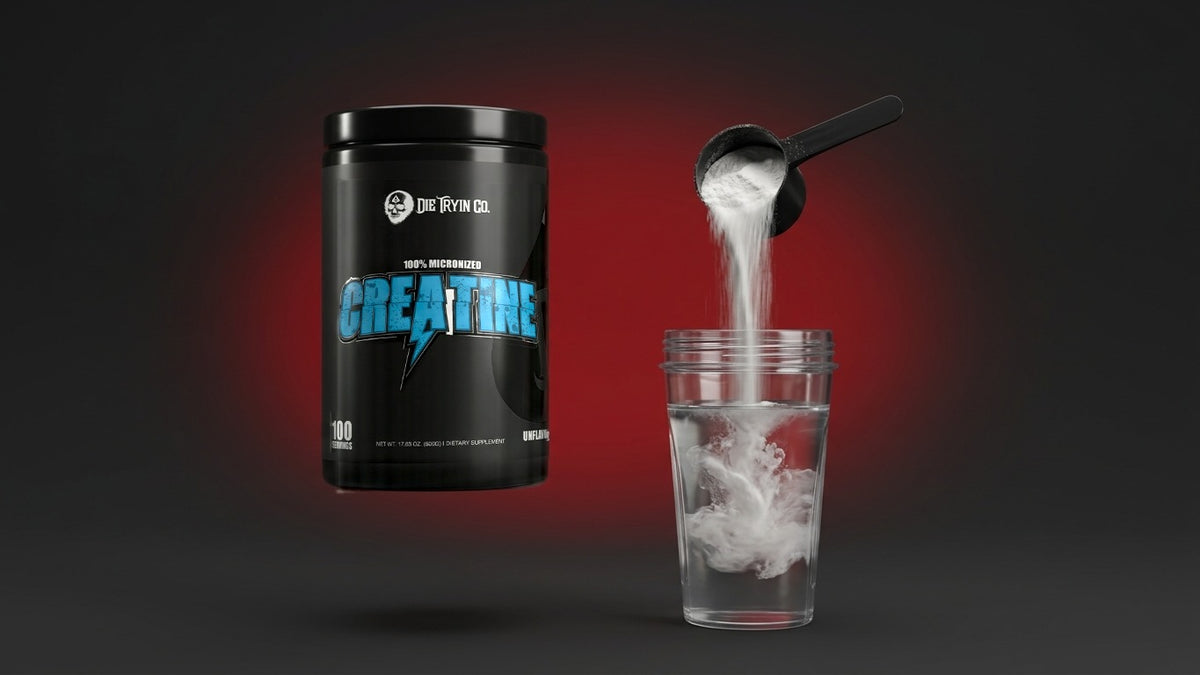
Supplements are optional and secondary to effort and consistency. That said, Creatine Monohydrate supports strength and training output whether you lift barbells or your own bodyweight, and staying hydrated matters for any session — especially outdoor or garage workouts in the heat.
READY TO GEAR UP?
You don't need a gym. You need to show up. These six moves, run consistently and pushed harder over time, build a body that performs. Train smart. Train hard.
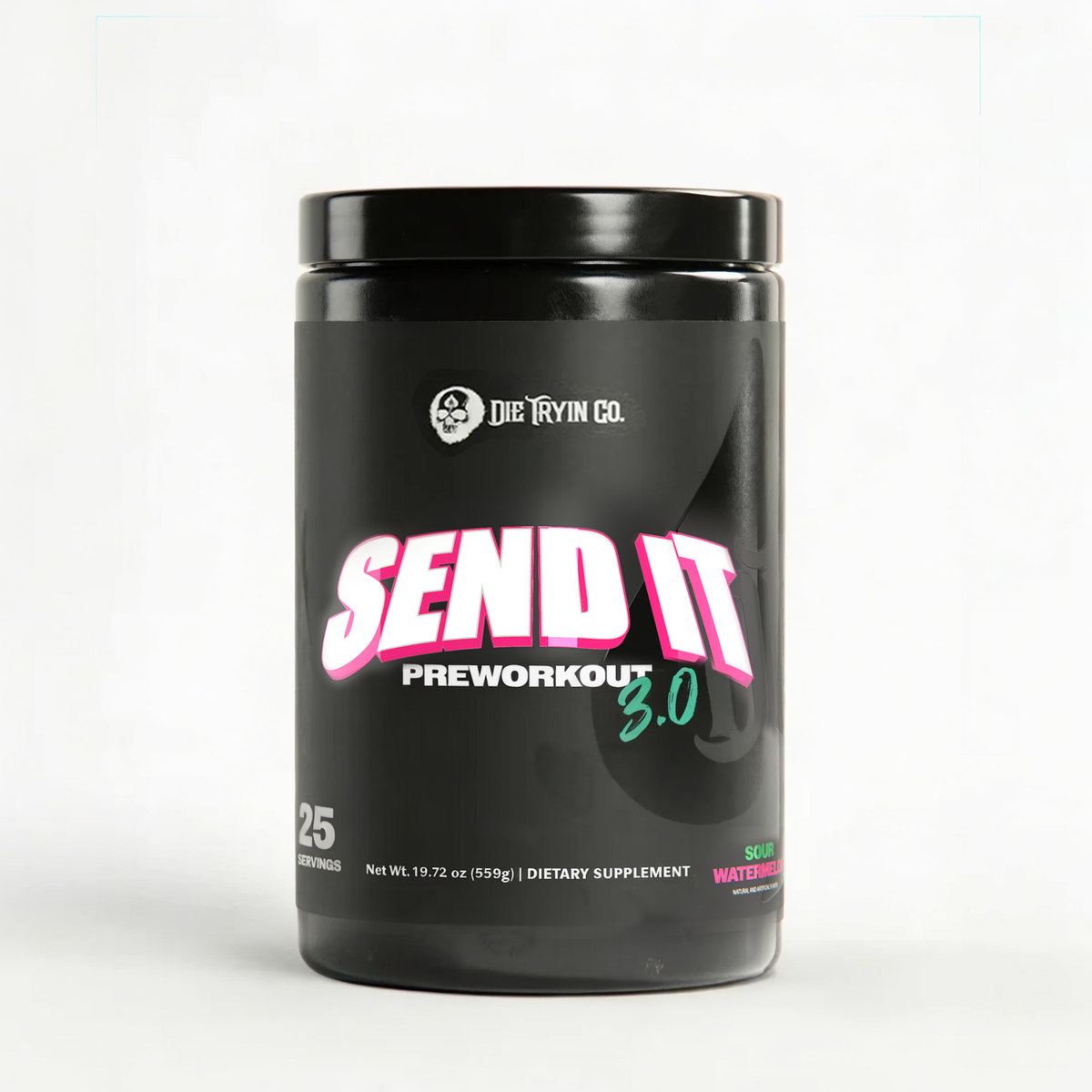
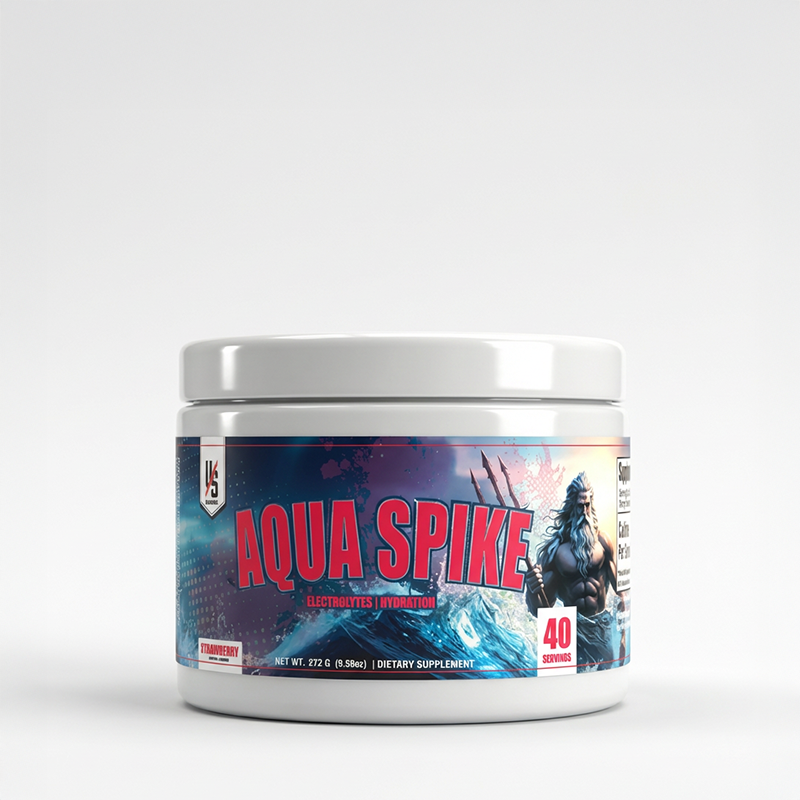
Not sure where to start with supplements? Take our supplement quiz and we'll point you to what actually fits your goals — no upsell, no hype. If you want to round out your home training, two products earn their place: Creatine Monohydrate for strength support that works right alongside bodyweight work, and Aqua Spike to stay dialed in on hot or outdoor sessions. Real doses of real ingredients — that's it.
ALWAYS FORWARD.
GEAR THAT FITS THIS POST
The products this article actually talks about. Real doses, disclosed labels, veteran owned.

Read more

DTC athlete Jenna Fiscus's at-home leg, glute, and ab workout — no gym, no equipment, no excuses. All you need is floor space and something to add weight.
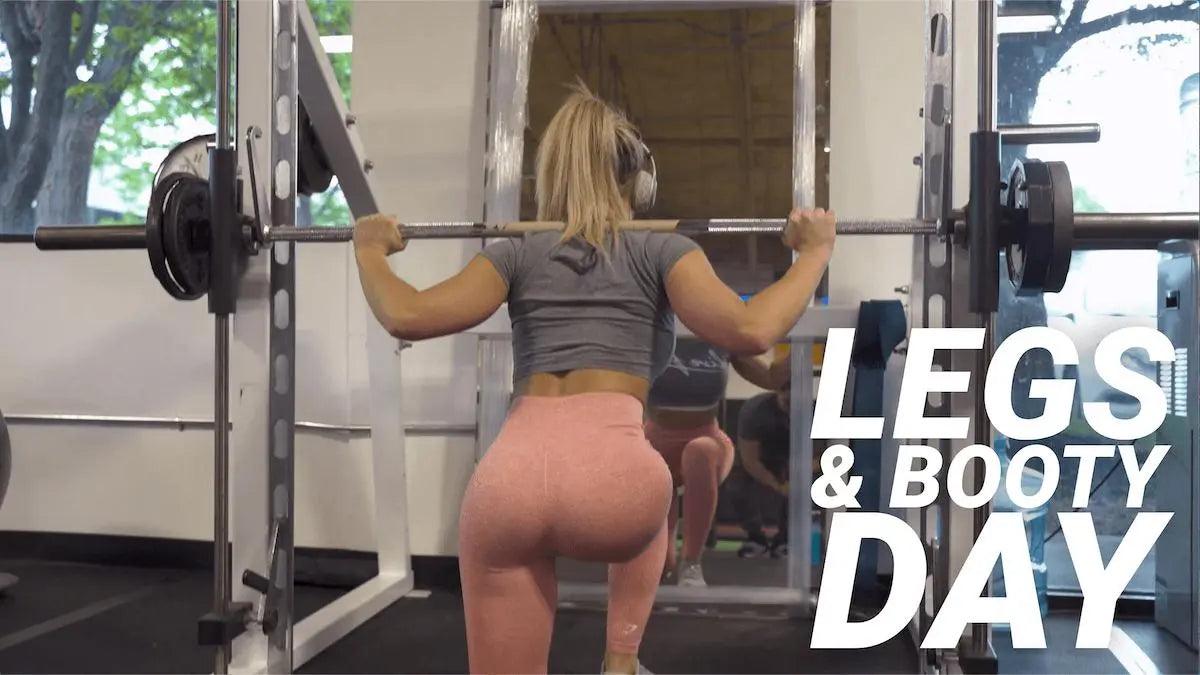
DTC athlete Jenna Fiscus's hip-thrust-anchored leg and booty day — seven moves to build firm, strong glutes for bikini season. The full routine, set by set.
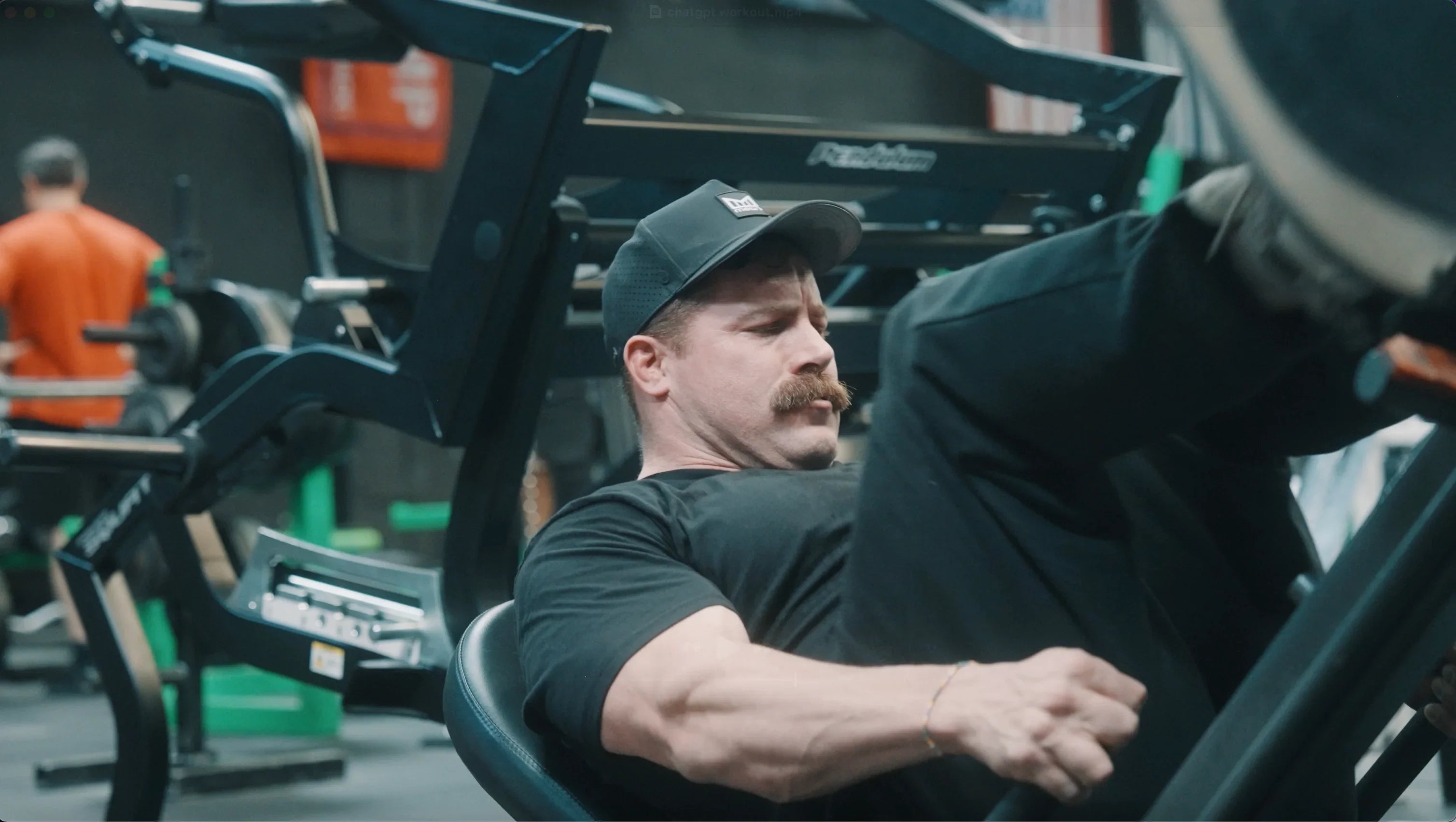
The best leg exercises that actually build wheels — 8 moves for quads, hamstrings, glutes, and calves, plus a complete leg-day plan.
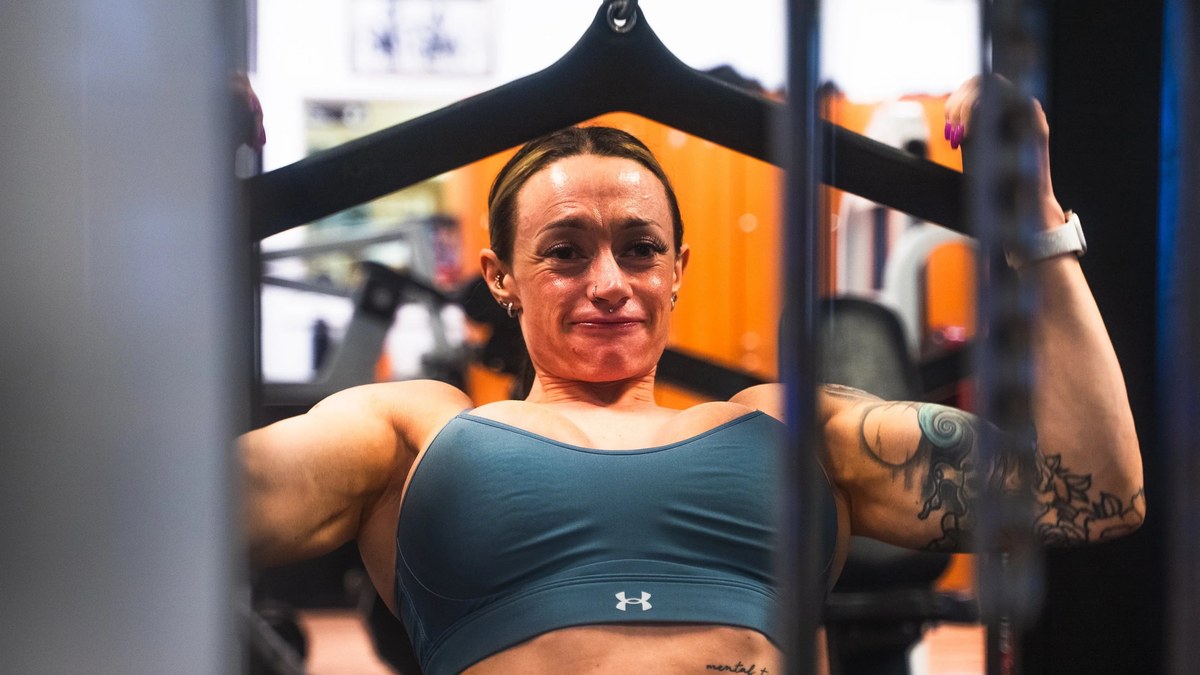
Muscle grows when demand grows, everything else is detail. The load-vs-reps research, the double progression method, and how to escape a plateau without wrecking recovery.
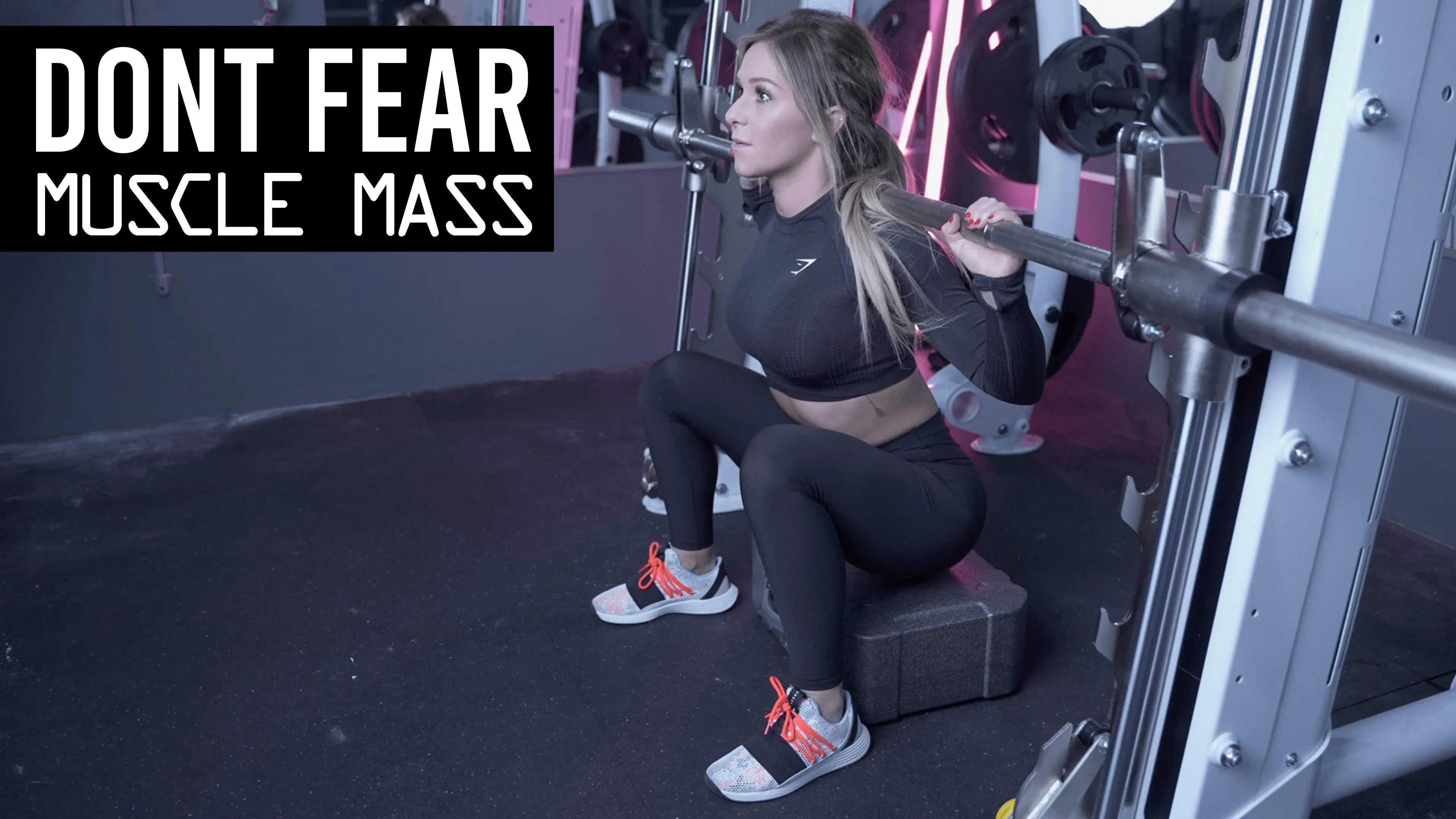
Lifting will make me bulky" is the biggest myth in women's training. Here's the physiology that proves it wrong — and why strength is the real goal.
Your gut lining runs the same creatine energy system as your muscles. Here is what the research shows on stomach upset, IBS, colitis and leaky gut, and exactly where the human evidence stops.