



Healthy Snacks That Actually Keep You Full
By Jon Klipstein, U.S. Army Combat Veteran & Founder of Die Tryin Co.
Science reviewed by Onur Oncer, BS Physiology and peer-reviewed published researcher. Full disclosure: Onur founded and formulated Shroombiosis, one of the products recommended below.
SNACKING ISN'T THE PROBLEM. AUTOPILOT IS.
Listen up. Snacking didn't wreck your progress. Snacking on autopilot did.
Nobody plans to eat 700 calories standing in front of an open fridge at 9:40 p.m. It just happens, because the food is right there, it tastes engineered (it is), and you were never actually paying attention. Then you feel guilty, swear off snacks entirely, get too hungry by Tuesday, and repeat the whole cycle. That is not a willpower problem. That is a setup problem.
Here's the truth: a snack is just a small meal with a job. Bridge the gap between meals. Keep your protein up. Kill the 3 p.m. crash before it eats your evening. Done right, snacks make hitting your numbers easier, not harder. Done wrong, they are the single biggest leak in an otherwise decent diet.
Below is the framework we use, the swap chart to steal, and the short list of snacks that actually hold up when you're tired, busy, and hungry.
| CRAVING | THE TRAP | THE SWAP |
|---|---|---|
| Sweet, after dinner | Ice cream straight from the pint. No idea how much went down. | Greek yogurt with frozen berries, or one of our high-protein dessert recipes |
| Salty and crunchy, 3 p.m. | Chips eaten out of the bag while working | Beef jerky and an apple, or nuts portioned into a small bowl first |
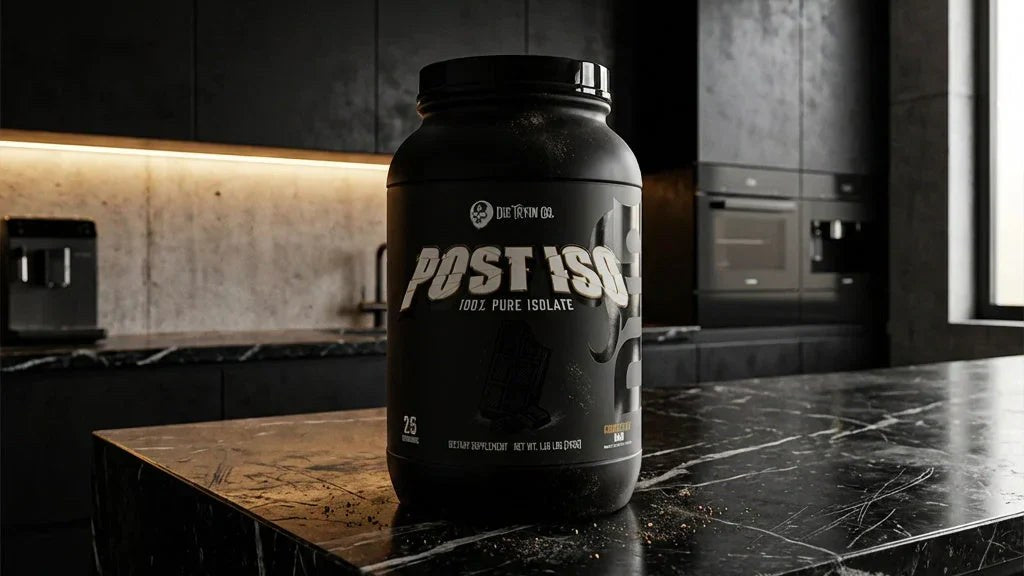
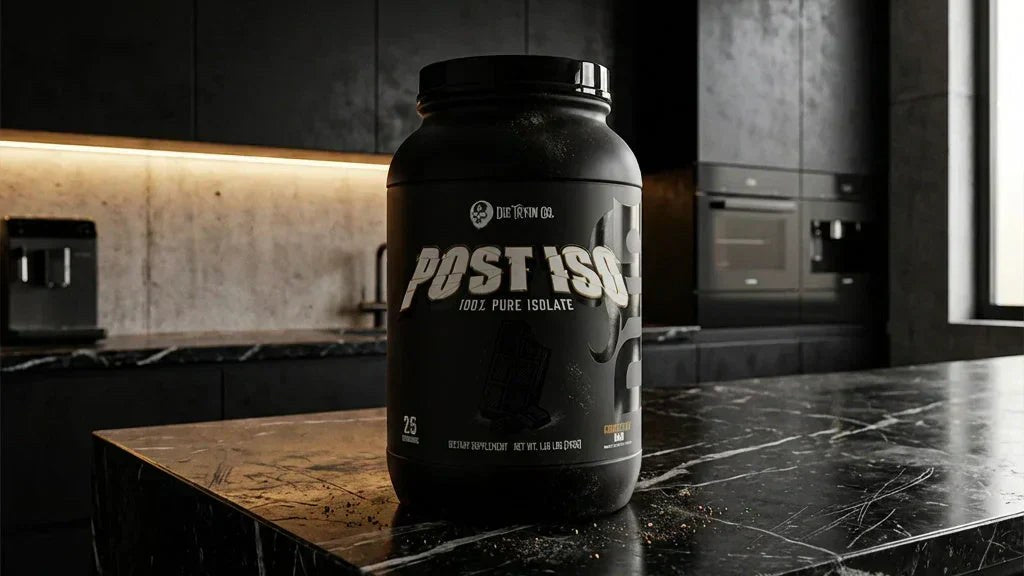
| "I need energy" | Soda, juice, or a large sweetened coffee running several hundred calories | Water first. If you're still hungry in 15 minutes, a Post Iso shake |
| Stressed or bored grazing | Whatever is sitting on the counter | Pre-peeled hard-boiled eggs or a single-serve cottage cheese cup |
| Pre-workout hunger | Candy or a bar with 30g of sugar and 4g of protein | Banana with a scoop of protein, 60 to 90 minutes out |
| Late-night hunger | Second dinner, or cereal bowl number two | Cottage cheese with berries, eaten slow, sitting down |
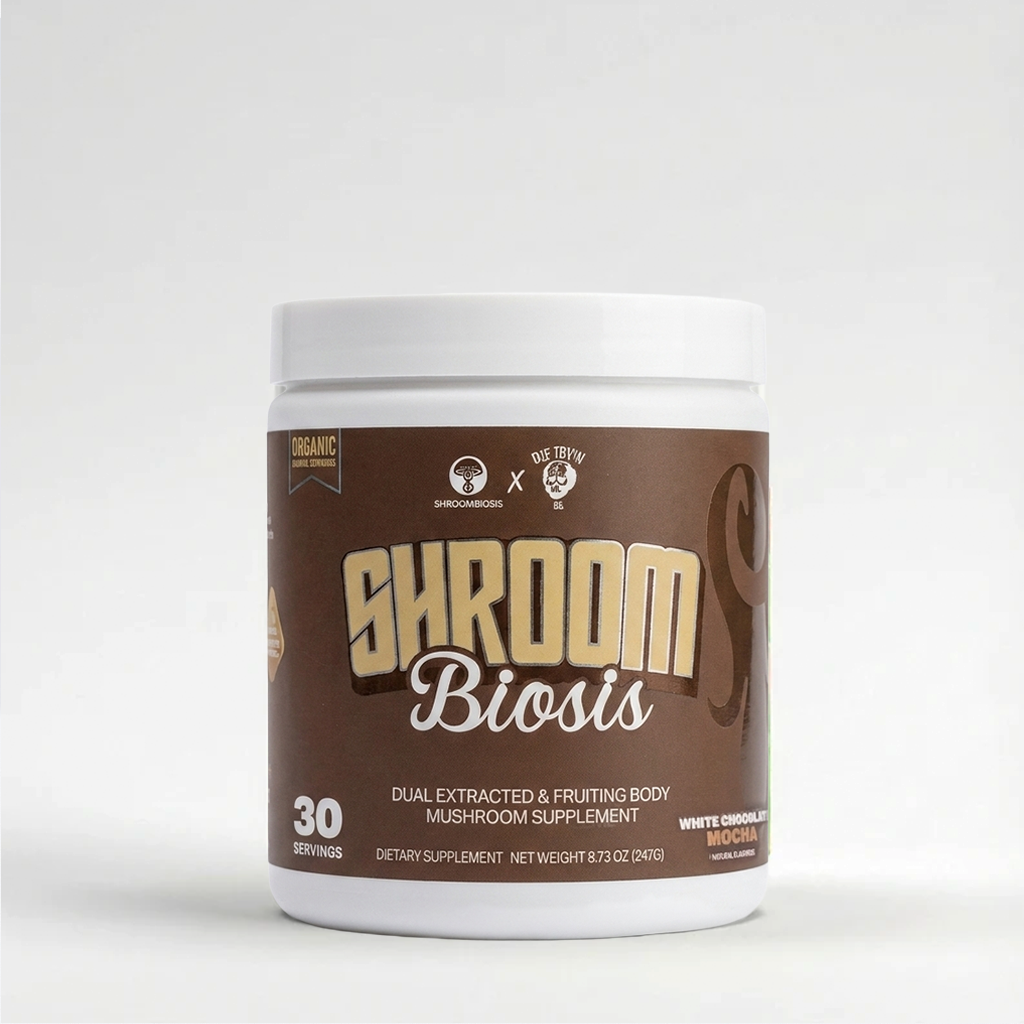
One more swap worth knowing: the late-night sweet craving is where most good days die. A hot Shroombiosis cocoa runs 25 calories a scoop, tastes like a White Chocolate Mocha, and gives you something warm to hold while the kitchen stays closed. Not a magic fix. Just a better answer than standing in front of the pantry.
WHY SNACKS DERAIL PEOPLE
Three things do almost all the damage, and none of them are moral failures.
Liquid calories. Calories you drink tend not to register the way food does. A large sweetened coffee, a "healthy" smoothie, and two beers can stack up to a full meal's worth of energy without ever making you feel like you ate. If you track your intake, drinks are usually the first place we find the missing math. If you've never actually looked at the numbers, start with how macros work before you change a single food.
Hyper-palatable food. Chips, cookies, and candy are engineered to a fat, salt, and sugar ratio that runs straight past your normal fullness signals. That is not weakness on your part, that is the product working exactly as designed. The counter is simple: don't fight it with willpower, fight it with distance. If it isn't in the house, it isn't a decision you have to win eight times a day.
Eating without noticing. Handfuls at the pantry, bites off your kid's plate, samples at work. None of it feels like eating, all of it counts. The fix is friction. Portion it out, put it on a plate, and sit down. If it's worth eating, it's worth eating on purpose.
THE FRAMEWORK: PROTEIN, FIBER, VOLUME
Every snack that works checks at least two of three boxes. Protein, fiber, volume. That's the whole framework.
Protein. Research suggests protein is the most satiating macronutrient, and it's the one most people under-eat between meals. It also keeps your daily total climbing without forcing you to choke down 60 grams in one sitting at dinner. If you want the full breakdown on how much you actually need and where it should come from, read our ultimate guide to protein.
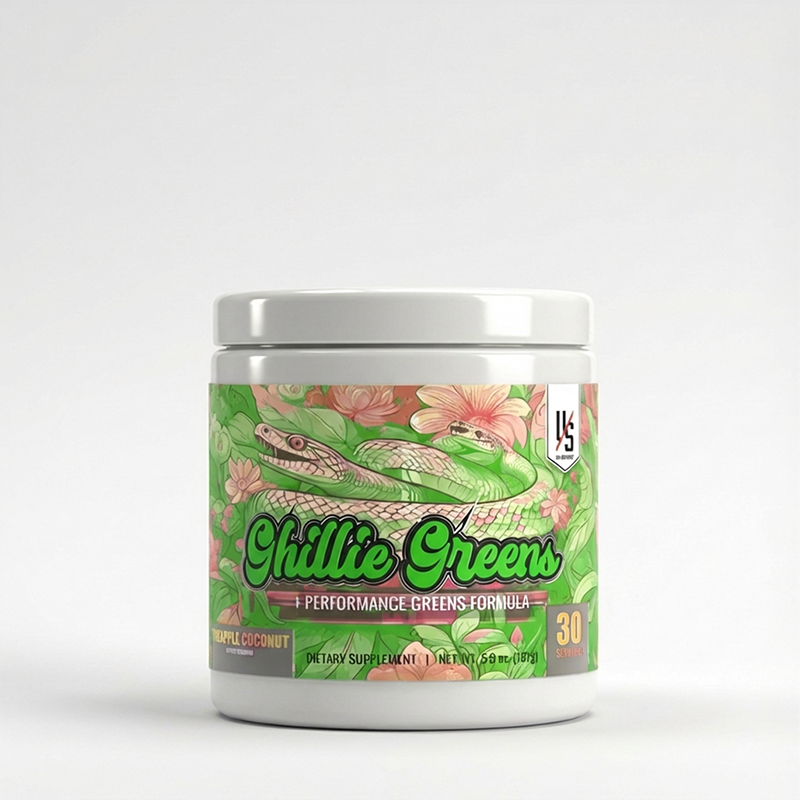
Fiber slows things down, softens the crash, and comes packaged in food that takes effort to chew. Fruit, vegetables, beans, whole grains. If your vegetable intake is realistically a lost cause on busy days, Ghillie Greens is an easy floor to stand on, though it does not replace actual produce and was never meant to. Volume is the third lever: a big bowl of something low-calorie reads as a real snack to your brain in a way that six almonds never will.
THE SNACK LIST THAT ACTUALLY HOLDS UP
Keep numbers rough and you'll stay sane. These are the ones that survive a real week:
- Greek yogurt, plain, single-serve cup. Roughly 15 to 20g protein. Add frozen berries for fiber and volume.
- Cottage cheese, single-serve cup. Similar protein, digests slower, holds up well at night.
- Beef jerky, one ounce. Roughly 10 to 12g protein, shelf stable, lives in a glovebox or a range bag.
- Hard-boiled eggs, two. Roughly 12g protein. Buy them pre-peeled if peeling is the thing stopping you.
- Nuts, a small measured handful. Great fats, easy to overshoot. Portion first, then eat.
- Fruit plus a protein source. Apple and jerky, banana and yogurt, orange and eggs. Fiber plus protein, minimal prep.
- A protein shake. Roughly 24g protein in a couple of minutes. This is the one that saves you on the worst days.
Notice what's missing: nothing here requires a recipe, a scale, or a good mood. That's the point. A snack plan that only works when you're motivated isn't a plan.
SNACKS AROUND TRAINING
Timing matters less than most people think, but it isn't nothing. Before a session, you want something that gives you energy without sitting in your stomach. Sixty to ninety minutes out, go carb-forward with a little protein: banana and yogurt, rice cakes and jerky, oatmeal. Fat and heavy fiber right before you train tend to slow digestion down and leave you feeling like a brick during warm-ups.
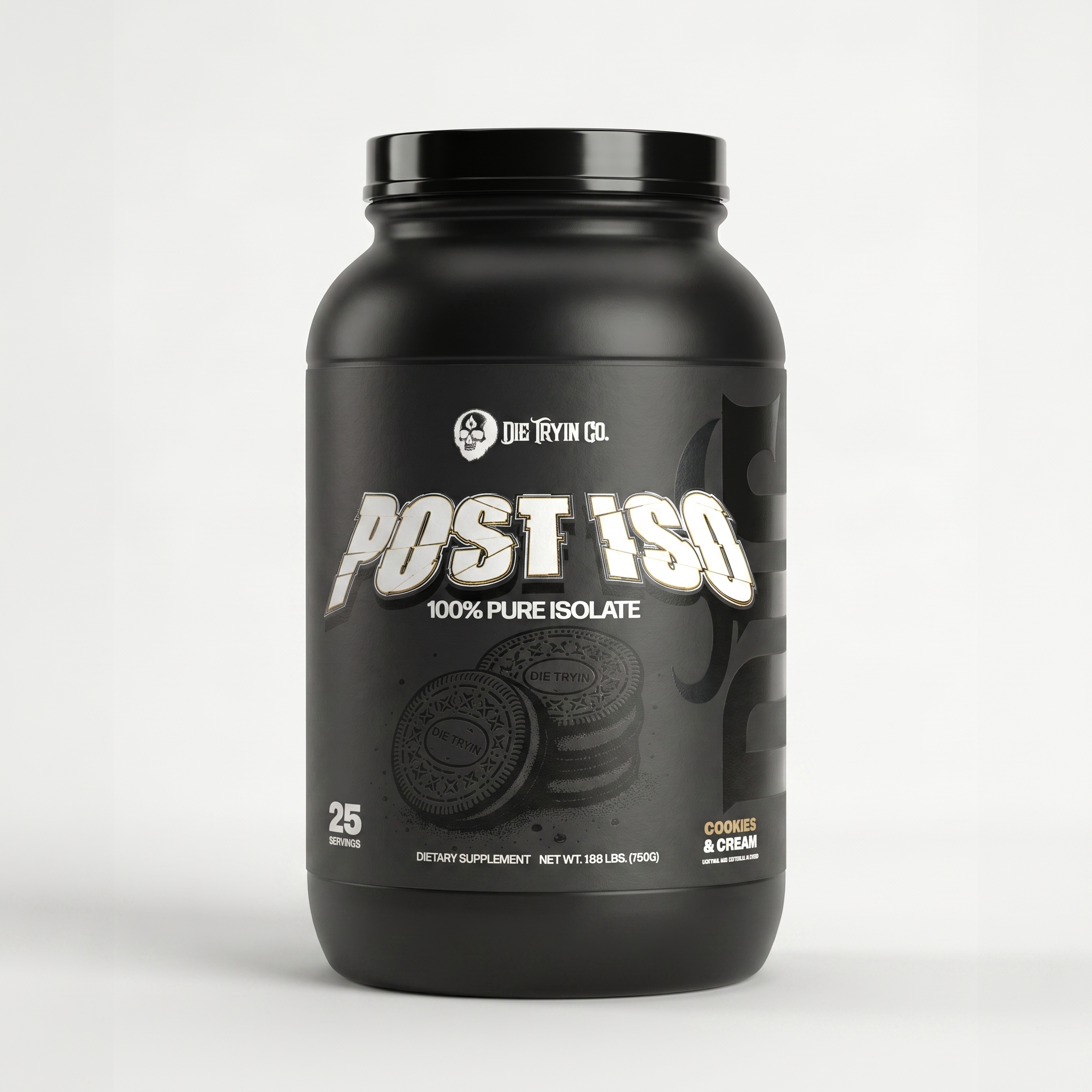
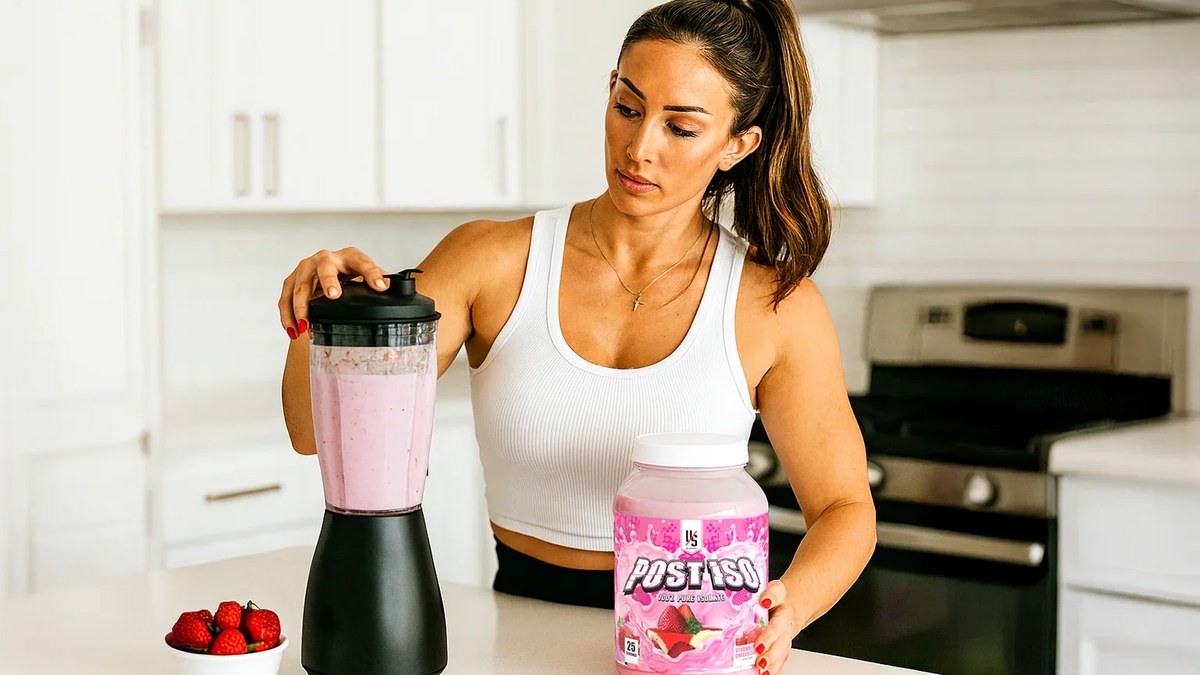
After a session, the priority is protein, and the window is wider than the internet claims. Getting a solid protein feed in within a couple of hours covers it. A Post Iso shake exists for exactly this slot: 24g of whey isolate with DigeZyme enzymes, mixed in a shaker on the drive home, no cooking required. Real food works just as well when you have time. Most people don't, most days.
MAKE THE GOOD OPTION THE EASY OPTION
Here's the part nobody wants to hear: you will not out-discipline a badly stocked kitchen. Every choice you make at 4 p.m. was really made on Sunday, at the grocery store, when you decided what would be in reach.
Thirty minutes of prep buys you a week of good decisions. Boil a dozen eggs. Portion nuts into small bags or containers. Wash and cut the fruit. Buy yogurt and cottage cheese in single-serve cups so the portion is decided for you. Keep jerky in the car, the desk drawer, and the gym bag. Keep a shaker and a scoop of protein at work.
Then handle the other half: make the bad option harder. Don't buy the trigger food "for the family." Don't keep the bag on the counter. If you want it, you should have to go get it, which usually means you didn't want it that badly. Consistency beats intensity here like it does everywhere else.
FREQUENTLY ASKED QUESTIONS
Is snacking bad for fat loss?
No. Your total intake across the week drives the result far more than the number of eating occasions. Snacking hurts people when it's unplanned and unaccounted for, not because eating between meals is inherently a problem.
How many snacks a day should I have?
One or two is plenty for most people. If you're eating four snacks a day, your actual meals are probably too small, and the fix is bigger meals, not more snacks.
Can a protein shake count as a snack?
Yes, and it's one of the better options when you're short on time. Roughly 24g of protein, no prep, no cleanup. Just don't let shakes replace every real meal, because whole food brings fiber and micronutrients a shake does not.
What about protein bars?
Read the label. Plenty of bars are candy with a protein claim on the front. Look for a real protein number relative to the calories and sugar. If the ratio is bad, you're eating a cookie.
Is late-night snacking worse than daytime snacking?
The clock isn't the issue, the context is. Late-night eating tends to be less planned, less attentive, and more driven by boredom or stress. If a nighttime snack fits your day and you eat it on purpose, it's fine, and our high-protein dessert recipes are the on-purpose version of that exact craving.
What if I'm not hungry, I just want to eat?
Drink water, wait fifteen minutes, and see if it holds. Real hunger stays. Boredom, stress, and thirst usually don't. If it's still there, eat something with protein and move on with your day.
READY TO GEAR UP?
Snacking is a tool. Use it to hit your protein, hold your energy steady, and get to your next real meal without raiding the pantry. Build the framework, stock the kitchen, and stop treating a handful of almonds like a character flaw.

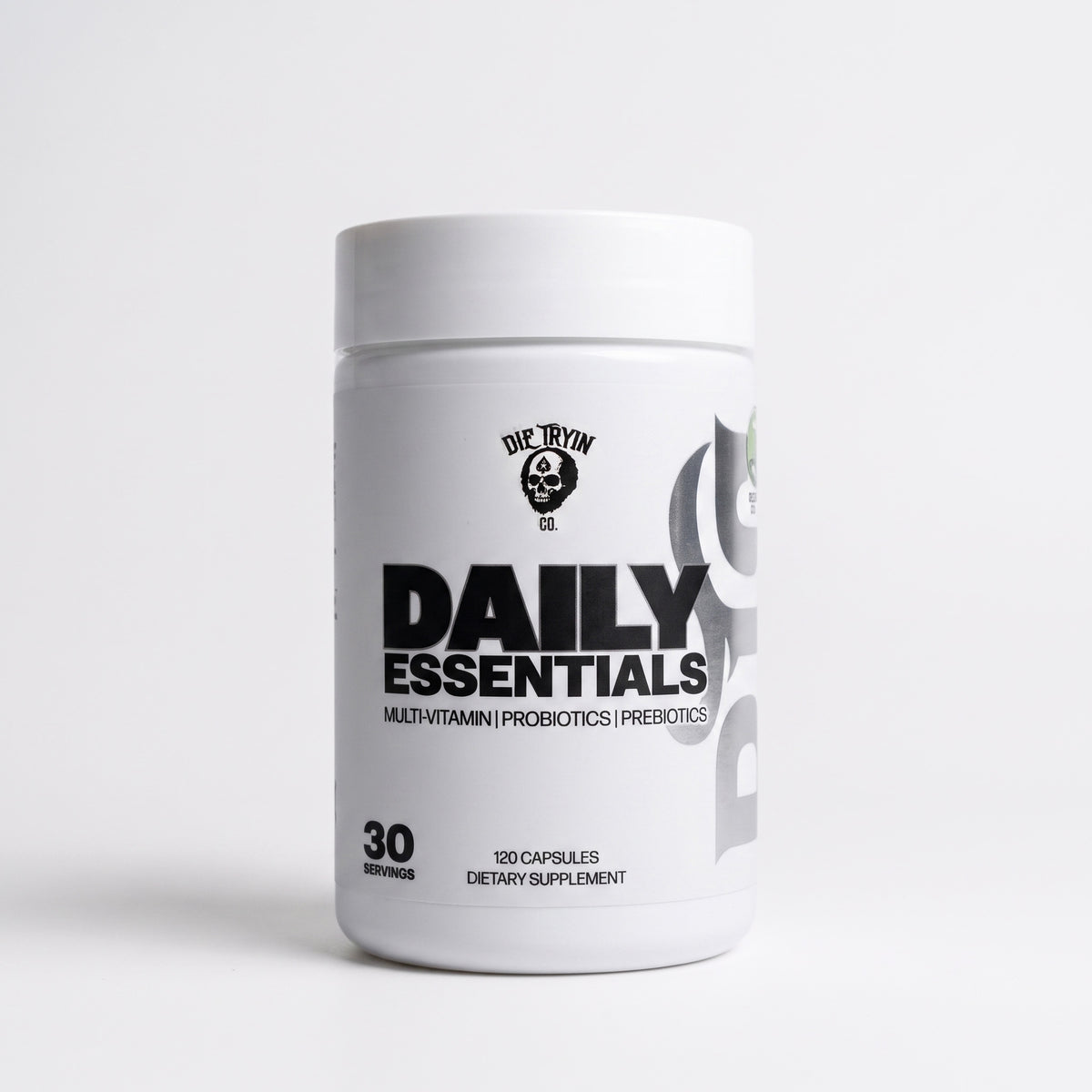
When you need the easy option to actually be there: Post Iso for a 24g protein shake in under two minutes, Ghillie Greens for the vegetable floor on your worst weeks, and Daily Essentials to support the baseline underneath it all. Not sure where to start? Take the supplement quiz and we'll point you at what actually fits your training. Real doses of real ingredients, combat veteran-built.
ALWAYS FORWARD.
GEAR THAT FITS THIS POST
The products this article actually talks about. Real doses, disclosed labels, veteran owned.
Read more
Three quick, high-protein recipes — mocha mug cake, strawberry cheesecake smoothie, and chocolate protein oatmeal — that actually taste like food.
You can't out-train a bad diet. Here's the no-BS guide to macros — what they are, why they matter, and how to count them so you actually hit your goals.
The complete protein playbook — how much you need, when timing matters, which sources deliver, and the myths costing you money.
Your gut lining runs the same creatine energy system as your muscles. Here is what the research shows on stomach upset, IBS, colitis and leaky gut, and exactly where the human evidence stops.

Creatine gummies can work if the creatine is actually in them, and lab tests keep finding it often is not. Here is why a scoop of Creatine Monohydrate powder still wins.
Flavor doesn't change what creatine does; taking it every day is what counts. How to pick flavored or unflavored, what to mix it with, and how long it lasts once mixed.