





How a Glucose Disposal Agent (GDA) Like GlucoVantage Helps Lifters Lose Fat and Build Muscle
By Jon Klipstein, U.S. Army Combat Veteran & Founder of Die Tryin Co.
Science reviewed by Onur Oncer, BS Physiology and peer-reviewed published researcher.
STOP STORING CARBS AS FAT. START STORING THEM AS FUEL.
Most lifters think the answer to carb sensitivity is keto or low-carb. It’s not. The real answer is improving how your body handles the carbs you eat — so glucose ends up fueling muscle glycogen instead of getting stored as fat. That’s what a Glucose Disposal Agent (GDA) does.
This is the honest guide. What a GDA actually is, how GlucoVantage works, who should use one, and (importantly) who shouldn’t bother. No marketing pitch, no overclaims.
SHOULD YOU USE A GDA? QUICK ANSWER
| YOUR SITUATION | SHOULD YOU USE A GDA? | WHY |
|---|---|---|
| Cutting phase with moderate carbs | Yes — around high-carb meals | Insulin sensitivity drops in a deficit; GDA helps preserve glucose handling |
| Bulking on high-carb intake | Yes — around biggest carb meals | Directs more glucose to muscle glycogen vs adipose storage |
| Lean + insulin sensitive + low-carb diet | Probably skip it | Your insulin response is already optimal — minimal upside |
| Cheat meal / refeed day | Yes — biggest practical use case | Damage control on a 1,500+ calorie carb load |
| Pre/post-workout high-carb meals | Yes — optimal partitioning window | Glucose-hungry muscle + GDA = better glycogen replenishment |
WHAT IS A GLUCOSE DISPOSAL AGENT?
A Glucose Disposal Agent is a supplement that improves how your body shuttles glucose from your bloodstream into muscle cells, where it gets stored as glycogen or burned for energy — instead of getting parked in fat cells.
The mechanism: GDAs improve insulin sensitivity. Insulin is the hormone that signals cells to take up glucose. When insulin sensitivity is high, your muscle cells respond efficiently and you store more glucose as glycogen. When it’s low (insulin resistance), the same amount of insulin produces a weaker response, more glucose stays in the bloodstream, and more gets converted to fat storage over time.
A GDA doesn’t literally “redirect” glucose around your fat cells — that’s marketing language. The actual mechanism is increasing GLUT4 transporter activity in muscle (the protein that pulls glucose into the cell) so muscle outcompetes fat tissue for the glucose pool after a meal.
HOW GLUCOVANTAGE WORKS
GlucoVantage is dihydroberberine (DHB) — a metabolite of berberine. Why this matters: standard berberine has poor oral bioavailability (much of an oral dose is metabolized in the gut wall before it reaches systemic circulation). Research on dihydroberberine shows substantially improved pharmacokinetics — higher peak plasma concentrations and longer effective duration from the same oral dose (Moon et al., 2021).

What that translates to in practice: smaller doses of DHB produce the AMPK activation and insulin-sensitizing effect that would otherwise require much larger berberine doses with worse GI tolerance.
Berberine and its metabolites work primarily through AMPK activation — an enzyme that acts as a cellular energy sensor and metabolic master switch. Active AMPK increases GLUT4 translocation in skeletal muscle (more glucose uptake into muscle cells), improves fatty-acid oxidation, and inhibits gluconeogenesis in the liver. Berberine has been studied extensively for glucose handling in type-2 diabetic and metabolic-syndrome populations with consistent results (Guo et al., 2021).
WHO BENEFITS MOST FROM A GDA?
Lifters on a cut
Caloric deficits gradually reduce insulin sensitivity — an adaptive response that’s great for survival but bad for body composition. A GDA helps preserve glucose-handling capacity through the cut so the carbs you do eat go where you want them.
Lifters bulking on high carbs
Bulks are where partitioning matters most. Two lifters can eat the same 4,000-calorie surplus and end up with totally different physiques depending on insulin sensitivity. A GDA tilts the partitioning equation toward muscle.
Refeed and cheat-meal damage control
This is the most practical use case. Big carb-heavy meal coming — pizza, sushi night, family birthday cake — take a GDA with it. Better glycogen replenishment, smaller fat-storage hit, less bloating the next day. Most lifters notice this effect immediately.
Pre/post-workout high-carb meals
If you front-load carbs around training (the smart approach — see carb cycling for the framework), pairing those carb meals with a GDA optimizes the partitioning window. Glucose-hungry muscle + improved insulin signaling + GDA = better glycogen replenishment than the same meal without it.
THE HONEST LIMITATIONS: WHEN A GDA WON’T HELP
This is the section most supplement marketing leaves out. A GDA isn’t a magic pill, and not everyone will see dramatic results.
Lean, insulin-sensitive lifters on low-carb diets: Your insulin response is already efficient. Adding a GDA produces minimal effect because the system isn’t broken to begin with. The upside scales with how much dysregulation you start with.
Anyone in a calorie surplus that’s too large: A GDA doesn’t override calorie math. Eat 1,500 calories above maintenance and you’ll gain fat regardless of how well-partitioned the carbs are. GDAs optimize, they don’t reverse.
Lifters expecting fat loss without a deficit: Improved insulin sensitivity is a body composition tool, not a fat-loss drug. You still need to be in a deficit to lose fat. GDAs make the deficit more efficient — they don’t create one.
The honest expectation: a noticeable improvement in carb tolerance, post-meal energy, and pump quality (muscle glycogen is what creates fullness in the trained muscle) — not a transformation.
HOW TO USE GLUCOVANTAGE
Standard dose: 1 capsule with your highest-carb meal of the day, ideally pre- or post-workout. If you eat two large carb meals daily, split into one capsule with each.
Critical timing point: GDAs work with a meal, not as a standalone fat-burner. Taking GlucoVantage with no carbs nearby does almost nothing. The whole mechanism depends on improving insulin signaling during the post-meal glucose response.
Pair with intelligent carb intake: Don’t use a GDA as license to eat poorly. Pair it with carb sources that already partition well (rice, sweet potato, oats, fruit) and you’ll get the best results. Junk-food carbs partition worse no matter what you stack with them.
FAQ
Is GlucoVantage the same as berberine?
Closely related but not identical. GlucoVantage is dihydroberberine (DHB), a metabolite of standard berberine with significantly better oral bioavailability per Moon 2021. Functionally similar mechanism (AMPK activation, insulin sensitization), but DHB achieves the same effect at lower doses with less GI side effects.
Will a GDA make me hypoglycemic?
In healthy lifters, no — GDAs improve insulin sensitivity rather than artificially lowering blood sugar. If you have diabetes or take insulin/glucose-lowering medications, talk to your doctor first — combined effects can drop blood sugar too low.
Can I take a GDA every day?
Yes, when paired with high-carb meals. There’s no need to cycle dihydroberberine the way you cycle some other supplements. Take it with carb-heavy meals; skip it on low-carb days.
Do I need a GDA if I’m already lean and insulin sensitive?
Probably not as a daily supplement. Strategic use for cheat meals, refeeds, or unusually high-carb training days makes sense even for lean lifters. Daily use when your insulin response is already optimal is overkill.
Will GlucoVantage help with fat loss directly?
Not directly — it doesn’t burn fat. It improves carb partitioning, which over time reduces fat storage from a given carb load. For a real fat-loss stack, pair a GDA with caloric deficit, training, and other tools like Incendiary Stage 2.
What does GlucoVantage feel like?
Minimal acute sensation. The biggest noticeable effect: less post-meal sluggishness after high-carb meals, better pumps the next training day, and tighter midsection feel after refeeds. Not a stimulant — you won’t feel a buzz.
READY TO GEAR UP?
If you want to optimize how your body handles carbs:
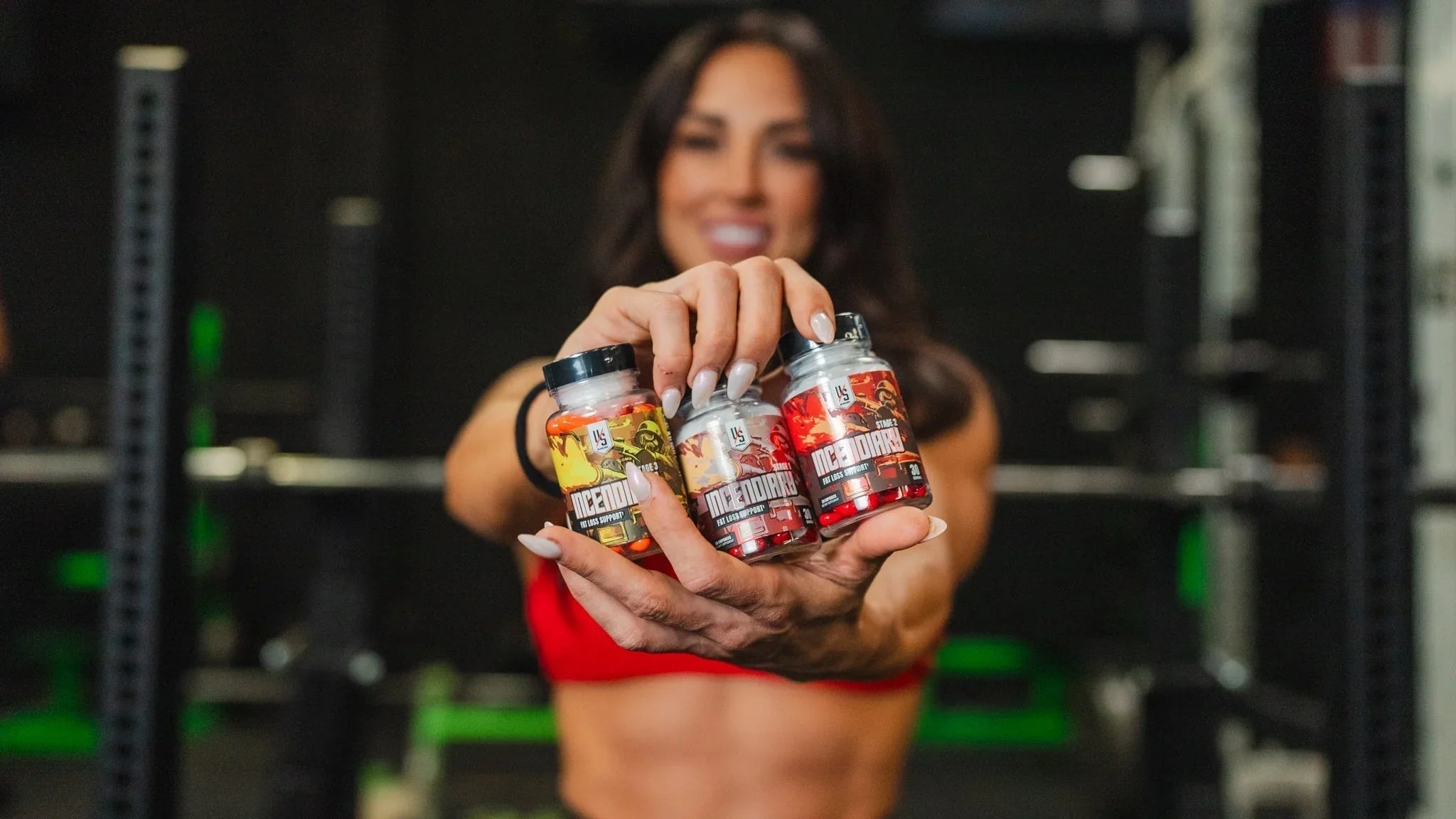
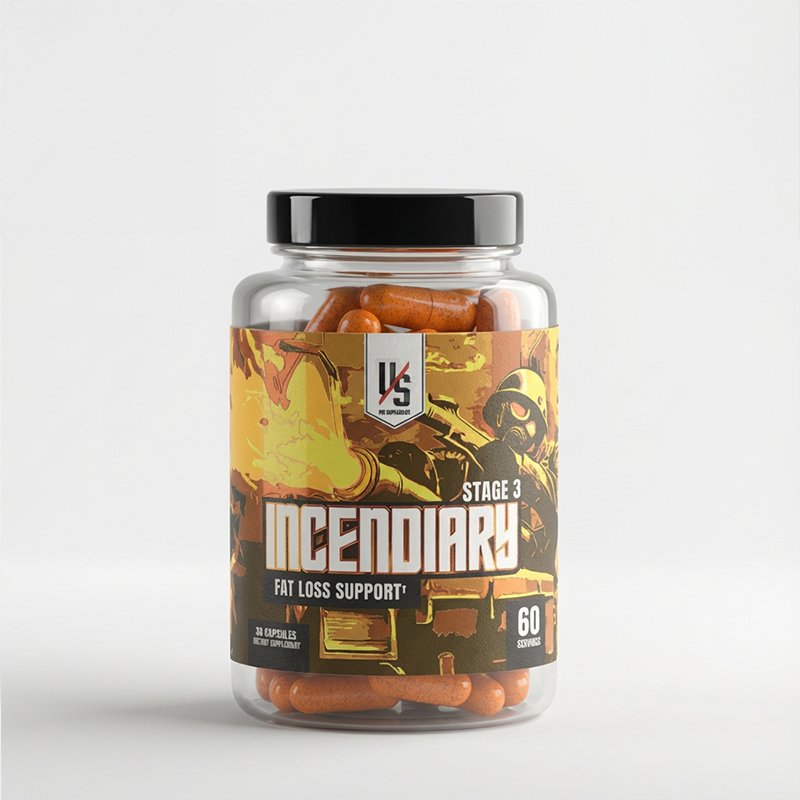
- Incendiary Stage 3 with GlucoVantage — dihydroberberine GDA, take with highest-carb meals
- Incendiary Stage 2 — thermogenic fat-loss companion for the cut
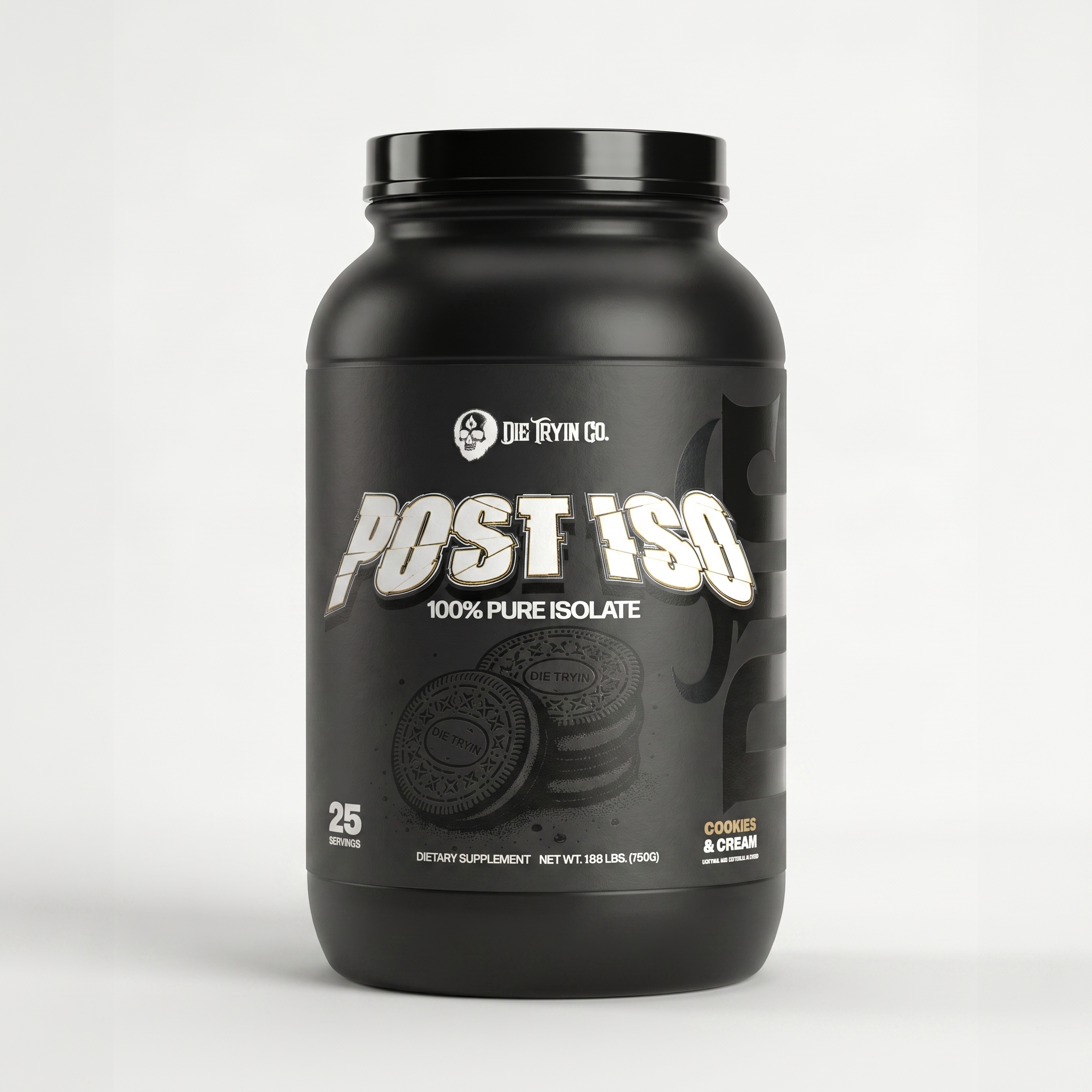
- Post Iso — 24g whey isolate, ideal post-workout protein partner
Go deeper on the strategy side: Ultimate Guide to Fat Loss covers the bigger picture — deficit, protein, training, supplements (in that order). Carb cycling covers how to time carbs around training. Carb cycling meal plan gives you the day-by-day food framework.
Not sure where to start? Take the DTC supplement quiz — two minutes, dialed-in stack recommendation.
ALWAYS FORWARD.

GEAR THAT FITS THIS POST
The products this article actually talks about. Real doses, disclosed labels, veteran owned.
Read more

Carb cycling means rotating high, low, and moderate carb days around your training. Here's how it works — and the honest truth about whether it burns more fat.

The no-BS playbook for losing fat without losing muscle. Energy balance, protein, training, sleep, and the supplements that actually help.
The carb cycling meal plan, simplified: high/low/moderate days mapped to a 7-day training week, with food lists and how to set your own gram targets.
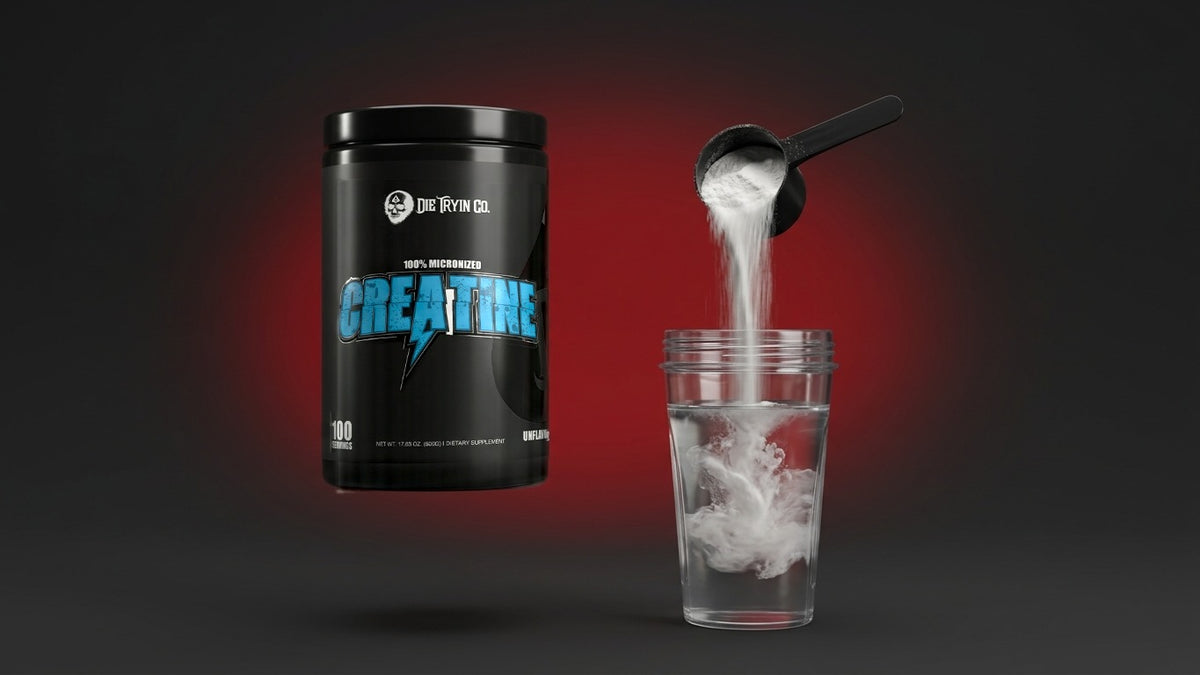
Your gut lining runs the same creatine energy system as your muscles. Here is what the research shows on stomach upset, IBS, colitis and leaky gut, and exactly where the human evidence stops.

Creatine gummies can work if the creatine is actually in them, and lab tests keep finding it often is not. Here is why a scoop of Creatine Monohydrate powder still wins.
Flavor doesn't change what creatine does; taking it every day is what counts. How to pick flavored or unflavored, what to mix it with, and how long it lasts once mixed.