


How to Choose the Best Pre-Workout: Real Buyer's Guide
By Jon Klipstein, U.S. Army Combat Veteran & Founder of Die Tryin Co.
Science reviewed by Onur Oncer, BS Physiology and peer-reviewed published researcher.
MOST PRE-WORKOUTS ARE LYING TO YOU
The pre-workout aisle is the most cluttered, dishonest corner of the supplement industry. Bright tubs, made-up "energy matrices," 600mg of caffeine that fries your nervous system, and proprietary blends hiding the fact that you're paying $50 for $3 worth of ingredients.
Most pre-workouts are formulated to taste good and look impressive on a label — not to actually move performance. We built Die Tryin Co. because we got tired of watching combat veterans, first responders, athletes, and lifters get sold the same recycled marketing every cycle. This is the buyer's guide we wish existed when we started.
Six things actually matter when you're picking a pre-workout. Get them right, the supplement does its job. Get them wrong, you're buying expensive caffeine.
1. CLINICALLY STUDIED INGREDIENTS AT REAL DOSES
The biggest scam in pre-workout: ingredients sprinkled in below the dose actually used in research. The label looks loaded; the formula does nothing. The International Society of Sports Nutrition's review of pre-workout supplements identified this exact problem — a 2019 industry analysis found that the majority of pre-workouts use proprietary blends to disguise under-dosing of "marquee" ingredients (Jagim et al., 2019).
The doses that actually do something, backed by research:
- L-Citrulline: 6–8g for pump and blood flow (most brands use 1–3g)
- Beta-Alanine: 3.2g for endurance and lactic acid buffering
- Betaine Anhydrous: 2.5g for power output
- L-Tyrosine: 1.5–3g+ for focus under stress
- Creatine Monohydrate: 2.5–5g (most pre-workouts skip this entirely)
If the label shows fractions of these numbers — or hides them inside a proprietary blend — the product can't deliver what it claims.
2. TRADEMARKED INGREDIENTS (WHEN THEY ACTUALLY MATTER)
Trademarked ingredients aren't automatically better — but the good ones are. Standardized purity, consistent potency, and clinical data behind them. The ones worth paying for:
- Nitrosigine® — bonded arginine silicate; sustained nitric oxide for pumps
- VasoDrive-AP® — vasorelaxation peptides; works alongside L-Citrulline
- ElevATP® / PeakATP® — ATP synthesis support
- CognatiQ® — coffee fruit extract for cognitive function
- KSM-66® — clinically dosed ashwagandha
When a brand uses trademarked ingredients and dose them properly, that's a brand worth buying from. When they slap the trademark on the label but use 1/4 of the studied dose, it's window dressing.
3. BANNED-SUBSTANCE TESTING (NON-NEGOTIABLE FOR ATHLETES + MILITARY)
If you're competing, serving, or any other situation where you'll be drug tested, this isn't optional. Look for two things:
- Banned-substance testing certificate (NSF Certified for Sport, Informed Sport, or equivalent)
- Certificate of Analysis (COA) showing the product matches the label and contains nothing that shouldn't be there
This isn't a marketing nicety. Soldiers and first responders have lost careers over contaminated supplements. Athletes have lost championships. Demand the paperwork.
4. CAFFEINE: LESS IS USUALLY MORE
The pre-workout caffeine arms race is dumb. 600mg per scoop won't make you stronger — it'll wreck your sleep, build tolerance fast, and crash you in 90 minutes.
The sweet spot for trained athletes is roughly 3–6mg of caffeine per kg of bodyweight (Examine.com). For a 180 lb (82 kg) lifter, that's 245–490mg. Most quality pre-workouts land at 200–300mg per serving — well inside that range. Anything over 400mg per scoop is a marketing decision, not a performance one.
Smart formulas also blend extended-release caffeine sources (like zumXR®) so you don't spike-and-crash — sustained energy across a 90-minute training session.
5. NOOTROPICS FOR REAL FOCUS
Pre-workout isn't just about the legs and lungs — it's also about being in the right headspace. Hard sets demand mind-muscle connection. The training stimulus is bigger when you're locked in.
Nootropics that actually move focus during training:
- L-Tyrosine (1.5–3g) — supports dopamine and norepinephrine under stress
- CognatiQ® — BDNF support for mental clarity
- Alpha GPC (300–600mg) — acetylcholine precursor for mind-muscle connection
- Theanine (100–200mg) — smooths caffeine without dulling alertness
These aren't "feel something" ingredients like 600mg caffeine. They build up in performance and they don't crash you. The difference between trained and untrained training is often what's happening between the ears.
6. PROPRIETARY BLENDS = AUTOMATIC NO
If the label shows a "Performance Blend" or "Energy Matrix" with a single weight (e.g., "Pre-Workout Blend: 8,500mg") instead of breaking out each ingredient by dose, walk away. The brand is hiding under-dosing.
A quality pre-workout shows every ingredient at its exact dose. That transparency is non-negotiable — it's how you verify the formula does what it claims.
WHICH DIE TRYIN CO. PRE-WORKOUT FITS YOUR GOAL
We build five pre-workouts because no single formula fits every training day. Match the product to the session:
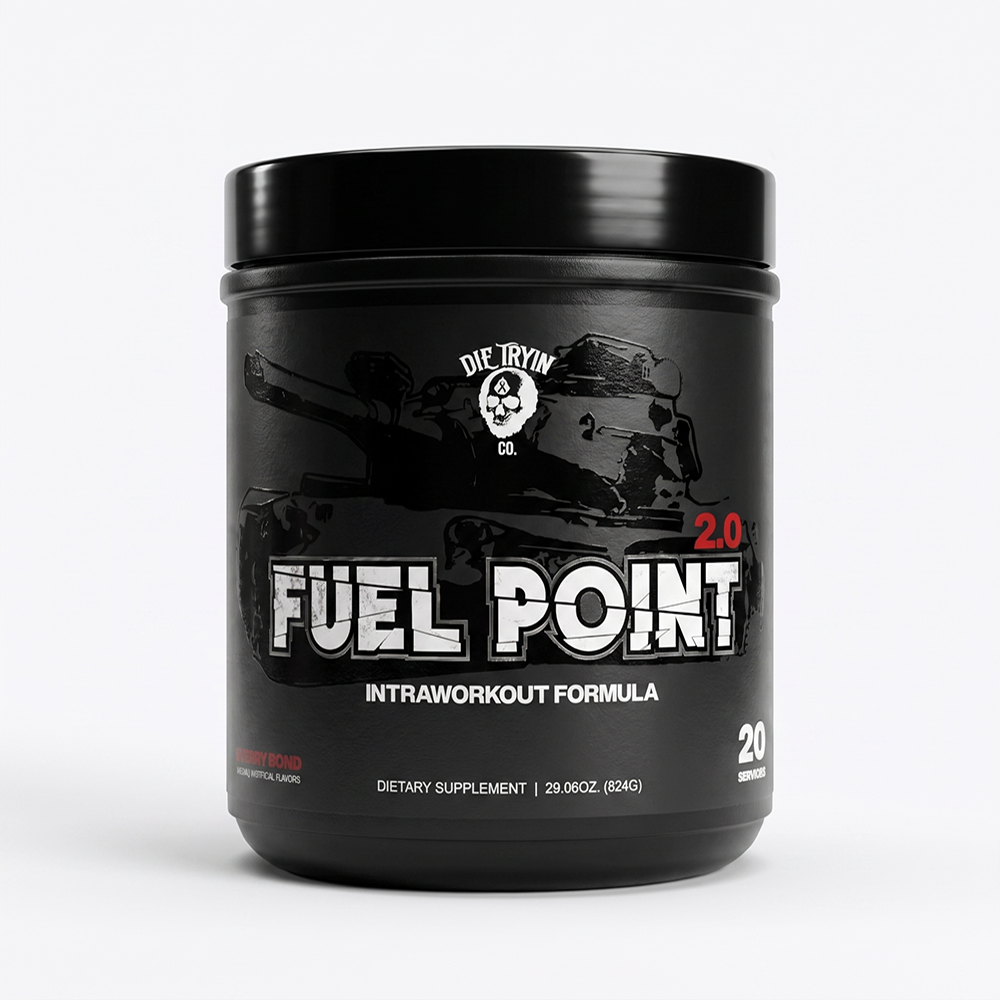
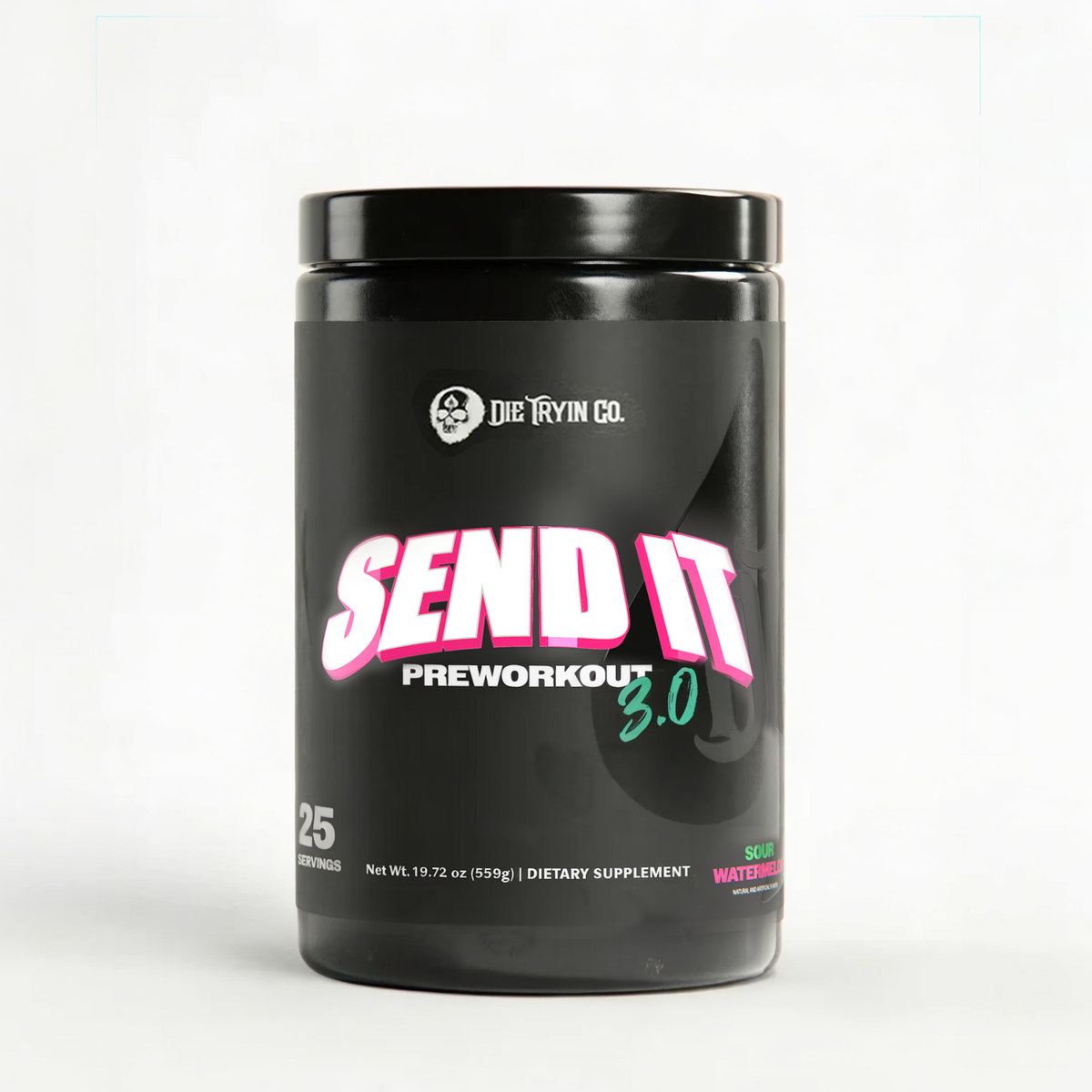
- SEND IT 3.0 — the daily driver. Balanced caffeine (250mg natural plus 36mg extended-release zumXR), full clinical doses of L-Citrulline (9g), Beta-Alanine, Betaine Anhydrous, L-Tyrosine. The one most people should buy first.
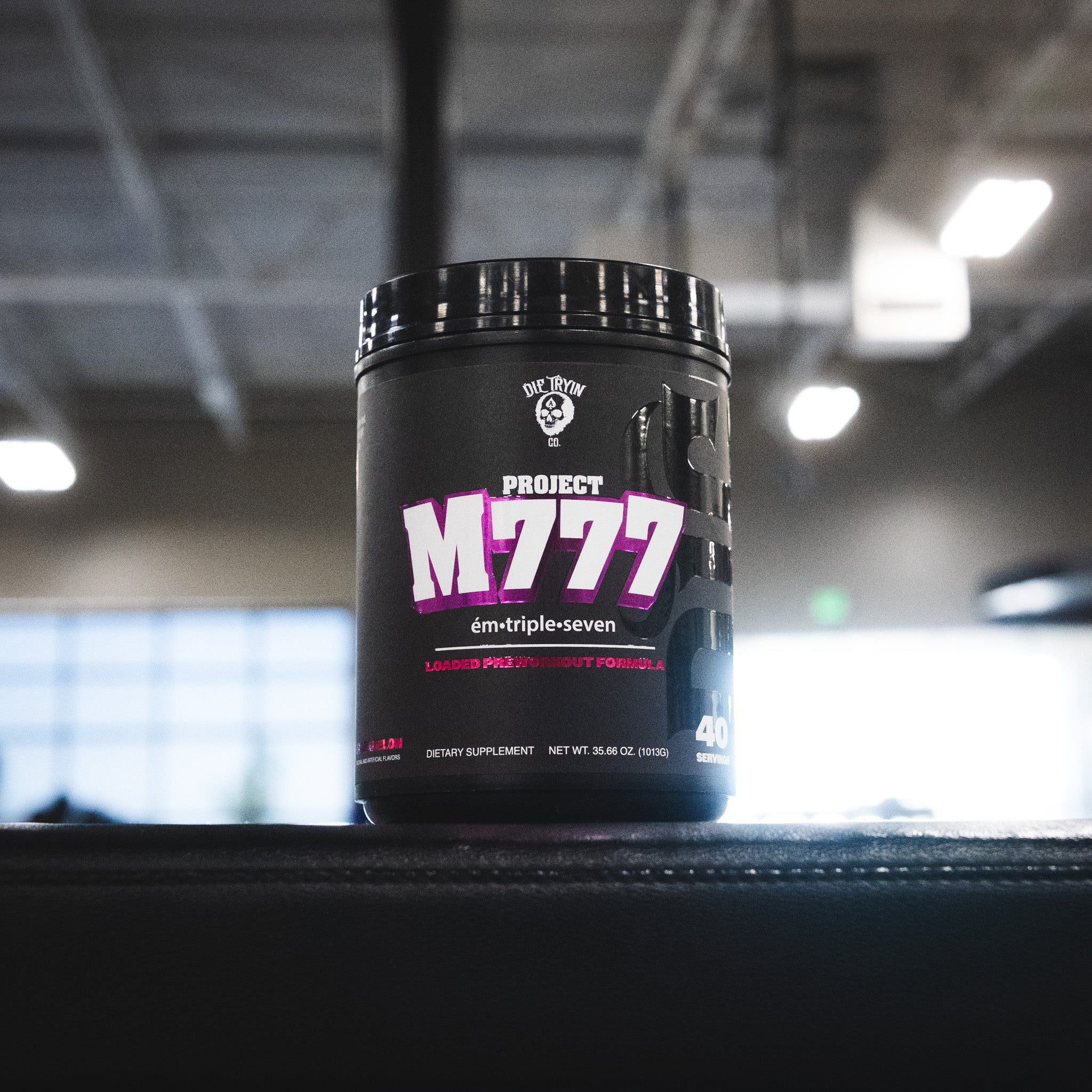
- Project M777 — maximum intensity. Built for the hardest training days. Five ergogenic aids stacked at clinical doses, plus Alfabin® rauwolscine for stim seekers. Not for beginners. Compare it with the rest of our high-stim pre-workouts.
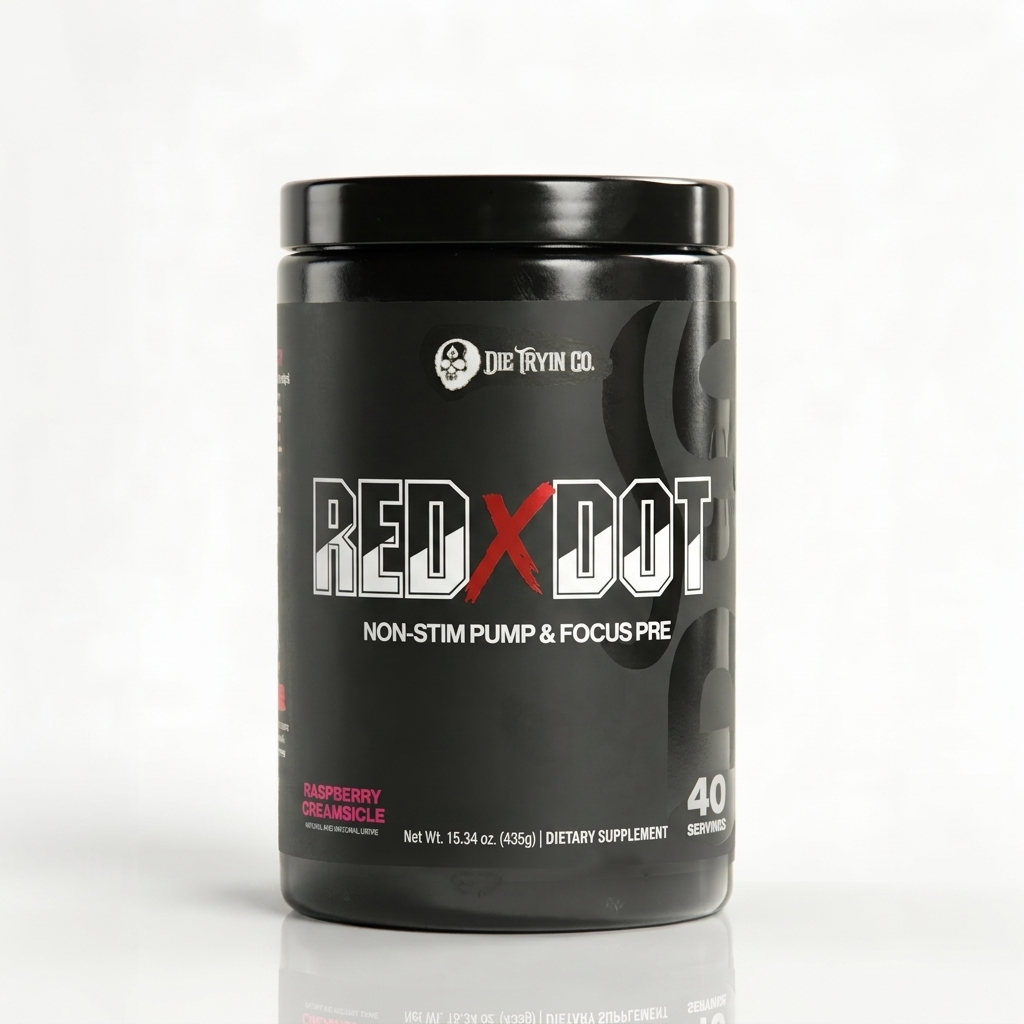
- Red Dot — focus-forward, stim-free (zero caffeine). Pump and clarity emphasized over raw stimulation. Cleanest "feel" of the lineup. Built for late-night training, caffeine-sensitive athletes, or stacking with separate caffeine pills.
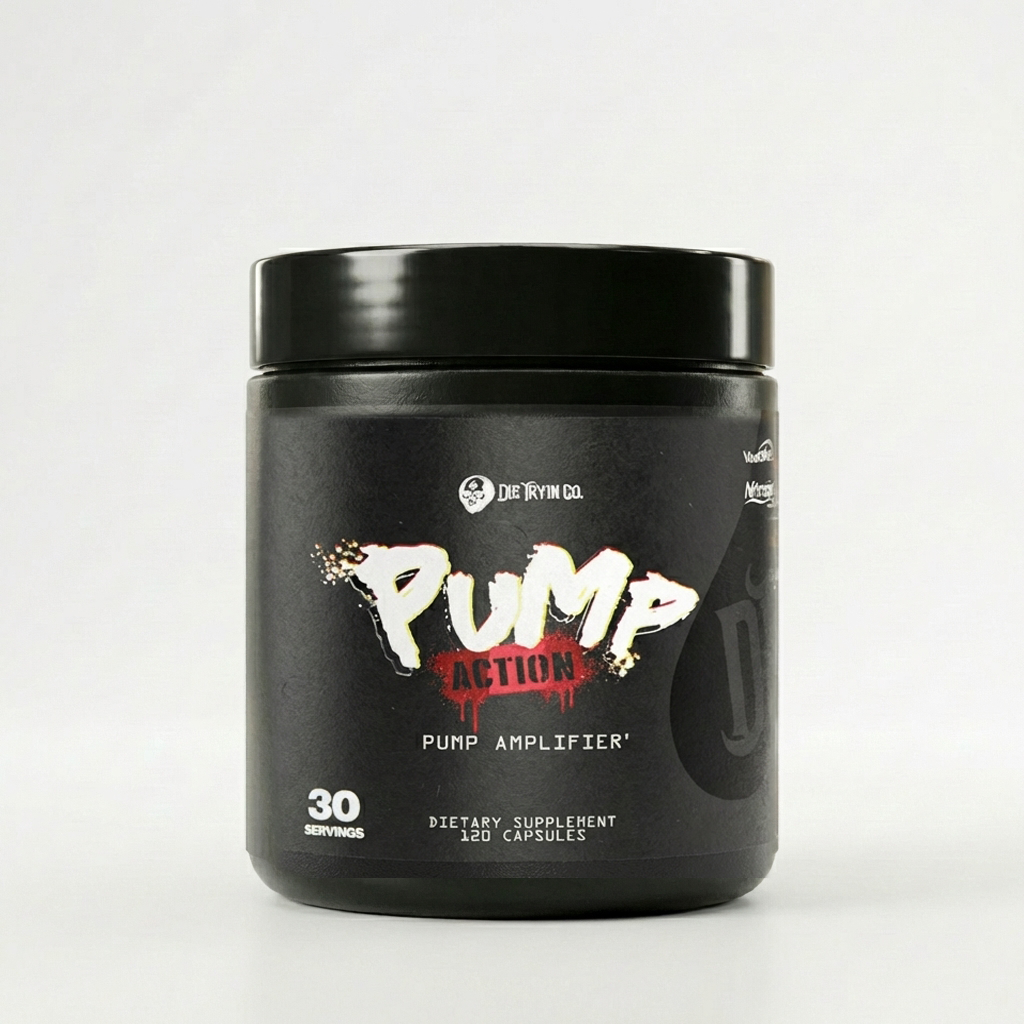
- Pump Action — pump-focused, stim-free capsules. Built around Nitrosigine® + VasoDrive-AP® for vasodilation without the caffeine hit.
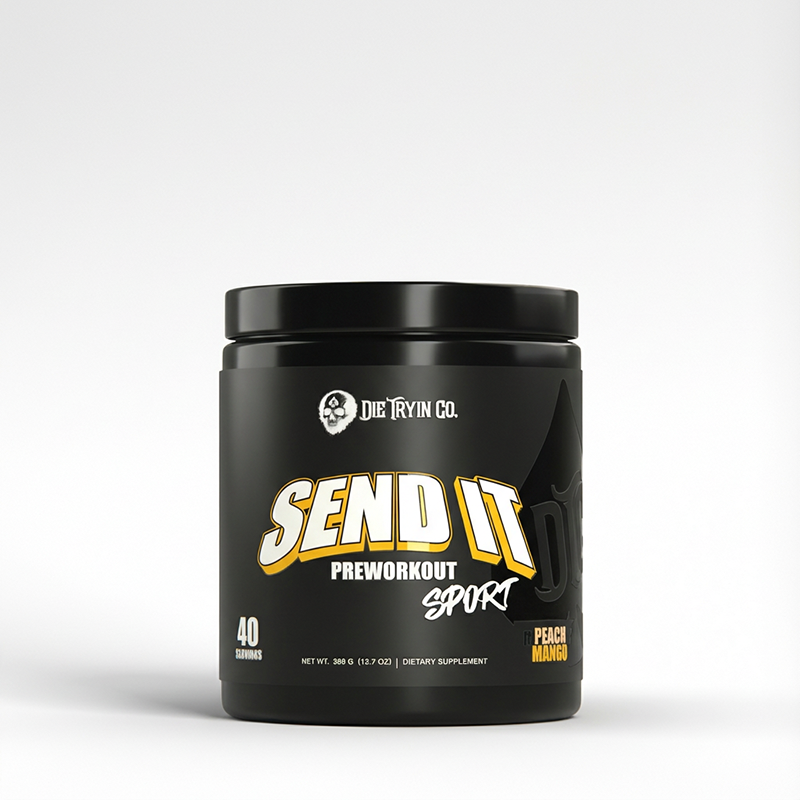
- SEND IT Sport — endurance specialist. Built for long-duration athletes (cyclists, runners, hybrid training). Lower caffeine, sustained energy.
Not sure which fits? Take the quiz — 90 seconds to a recommendation based on your training style and stim tolerance. Or grab a sample packet and run one session before you buy a full tub.
WHAT A QUALITY PRE-WORKOUT SHOULD COST
Real ingredients at real doses aren't cheap. Honest math: a single scoop of a fully-dosed pre-workout uses ~14–20g of active ingredients. At wholesale ingredient cost, that's $1.50–$2.50 per serving to manufacture. Add packaging, testing, shipping, retail margin — the actual cost-per-serving sits at $2–$3.50.
If you see a pre-workout selling for under $1/serving, the math doesn't add up. Either the doses are slashed or the ingredients are cheap analogs. Premium clean-label pre-workouts run $2–$4 per serving, and they're worth it — that's where real performance lives.
FREQUENTLY ASKED QUESTIONS
Is it safe to take pre-workout every day?
For most healthy adults, daily use is fine if the formula is honestly dosed. The bigger concern is caffeine tolerance — if you're hitting 250mg+ every training day, you'll need to cycle off every 6–8 weeks to reset receptor sensitivity. See our full breakdown on whether to use pre-workout every session.
Can I stack pre-workout with other supplements?
Yes — it stacks cleanly with creatine, whey isolate (Post Iso), glutamine, and electrolytes. Avoid stacking two stim-loaded products at once (e.g., pre-workout + fat burner) — that's how you blow past safe caffeine intake.
How long does it take for pre-workout to kick in?
Generally 15–45 minutes after consumption. Empty stomach is faster onset; full stomach is slower but longer-lasting. Most caffeine peaks around 45–60 minutes post-ingestion. Detailed timing breakdown in our pre/intra/post workout guide.
What are the side effects of pre-workout?
The common ones — jitters, elevated heart rate, mild GI upset, skin tingling from beta-alanine — are usually dose-related and harmless. Severe symptoms (chest pain, panic, dangerous heart rate) mean too much stim. Start with half a scoop the first time, see how you respond. If you are pregnant, managing a medical condition or taking medication, clear any supplement with your doctor first. Full deep dive on this in is pre-workout bad for you.
Can pre-workout help with weight loss?
Indirectly — better training performance burns more calories and protects muscle in a deficit. But pre-workout isn't a fat burner. If the formula contains stim + thermogenic ingredients, it can add modest energy expenditure, but the bulk of fat loss comes from nutrition and training, not the scoop.
Is more caffeine better?
No. The performance benefit of caffeine plateaus around 3–6mg/kg of bodyweight. Higher doses raise side-effect risk without raising performance. Quality formulas use 200–300mg of caffeine and stack other stimulants (theobromine, dynamine, theacrine) for sustained energy instead of cramming everything into pure caffeine.
Strongest pre-workout — what does that actually mean?
"Strongest" usually means highest stim. By that measure, our Project M777 is the strongest in our lineup — 425mg caffeine and 2mg Alfabin® rauwolscine in the full two-scoop serving (experienced users only; one scoop is half), plus the full stack of clinical doses. But "strongest" doesn't mean "best." The right pre-workout matches the session.
READY TO GEAR UP?
Picking a pre-workout isn't complicated when you know what to look for: real doses, real ingredients, banned-substance testing, sensible caffeine, no proprietary blends. Die Tryin Co.'s five pre-workouts are built on all of them — veteran-founded, clinically dosed, transparent labels, third-party tested. Take the quiz to find the one that matches your training.
Want to go deeper? Start with our complete guide to pre-workout supplements. Then check the 4 best pre-workout ingredients, is pre-workout bad for you, pre-workout vs energy drinks, or the VasoDrive-AP pump breakdown.
ALWAYS FORWARD.
GEAR THAT FITS THIS POST
The products this article actually talks about. Real doses, disclosed labels, veteran owned.

Read more
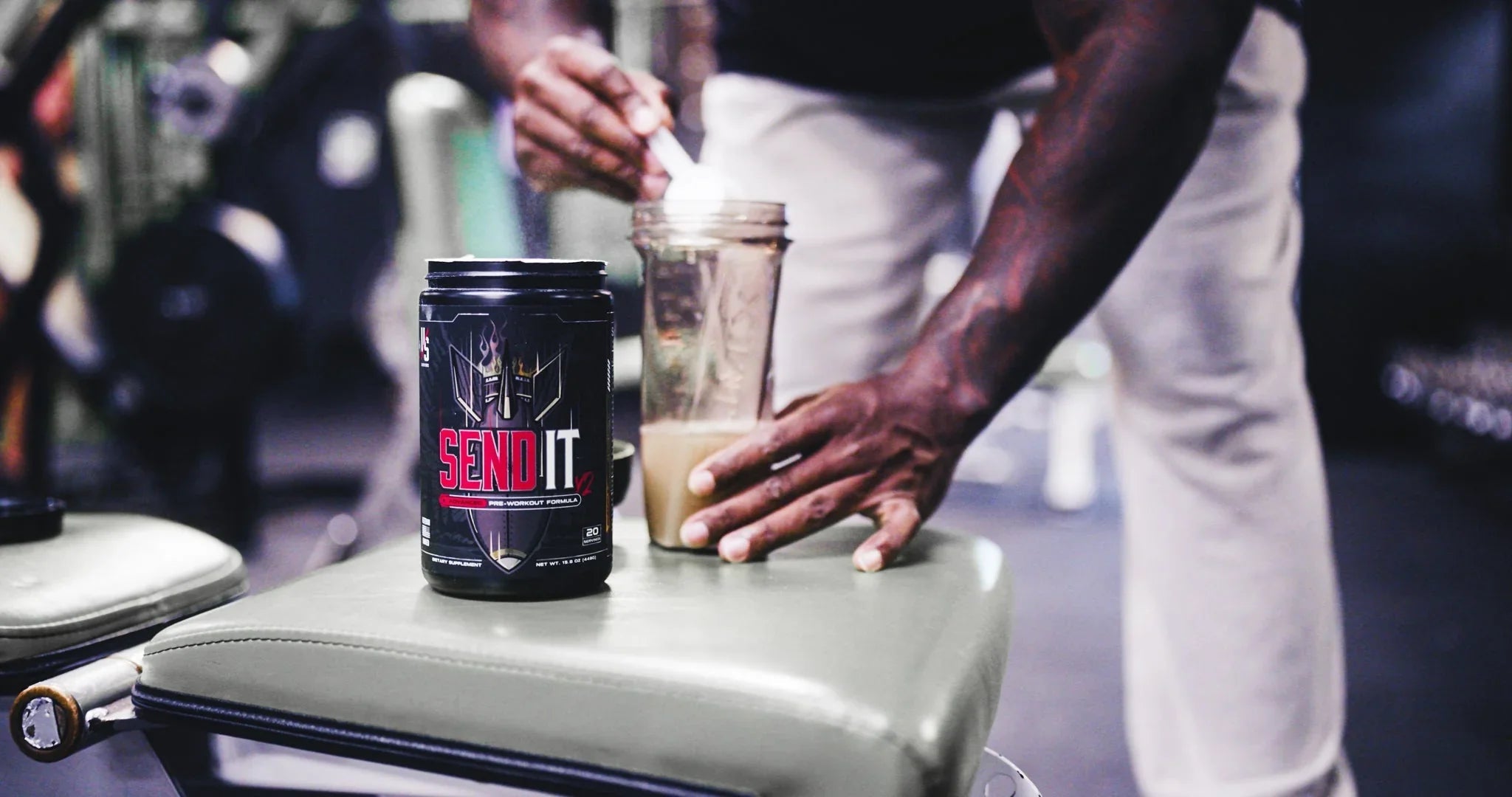
Pre-workout every day — yes or no? The honest answer depends on caffeine dose, training week, and whether you cycle. The smarter framework: match the formula to the day.
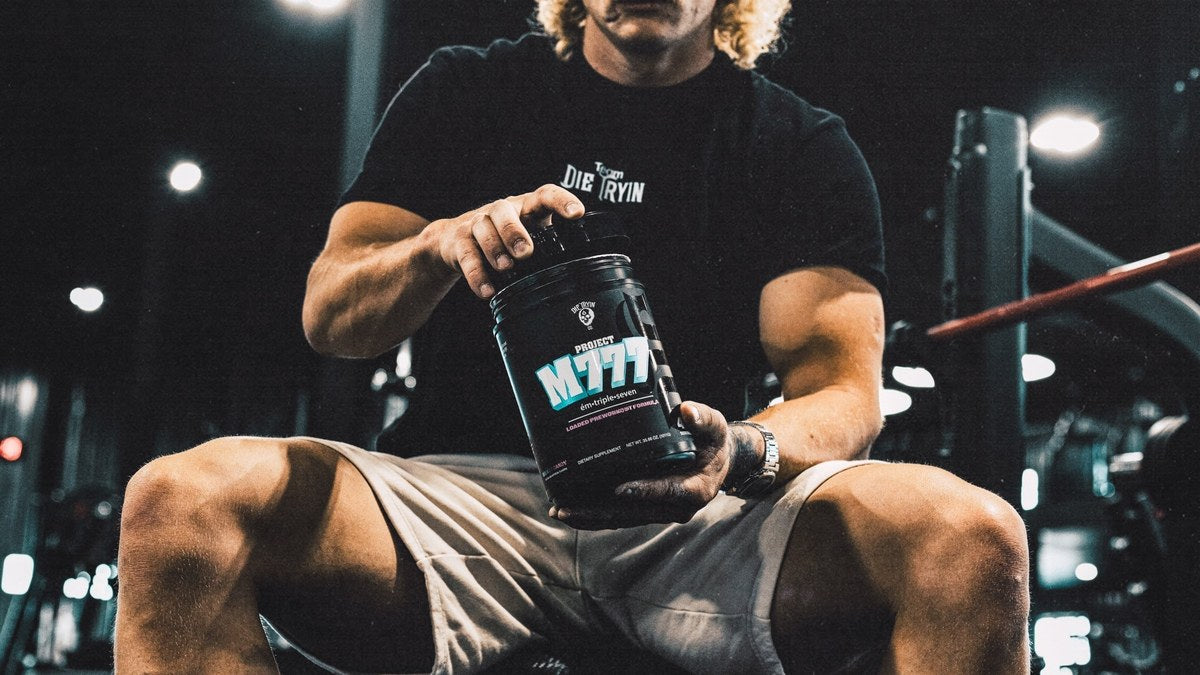
What to take before, during, and after training — and exactly when. The complete pre/intra/post supplement timing guide. No filler, no 12-bottle stacks.
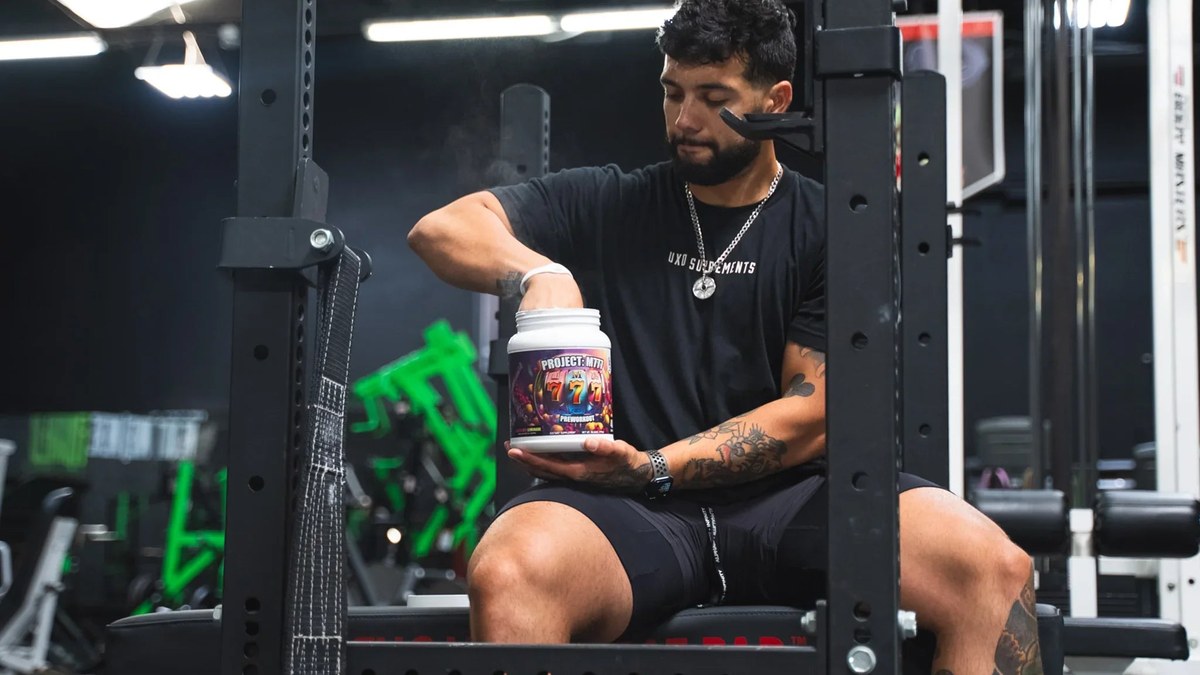
A well-dosed pre-workout is safe for most healthy adults — but the wrong formula causes the side effects everyone fears. Crash, addiction, sensitive stomach, cardiovascular concerns: which are real...
What actually works in pre-workout — ingredients, doses, timing, and how to pick the right one. Cut through the marketing. Get the real answer.
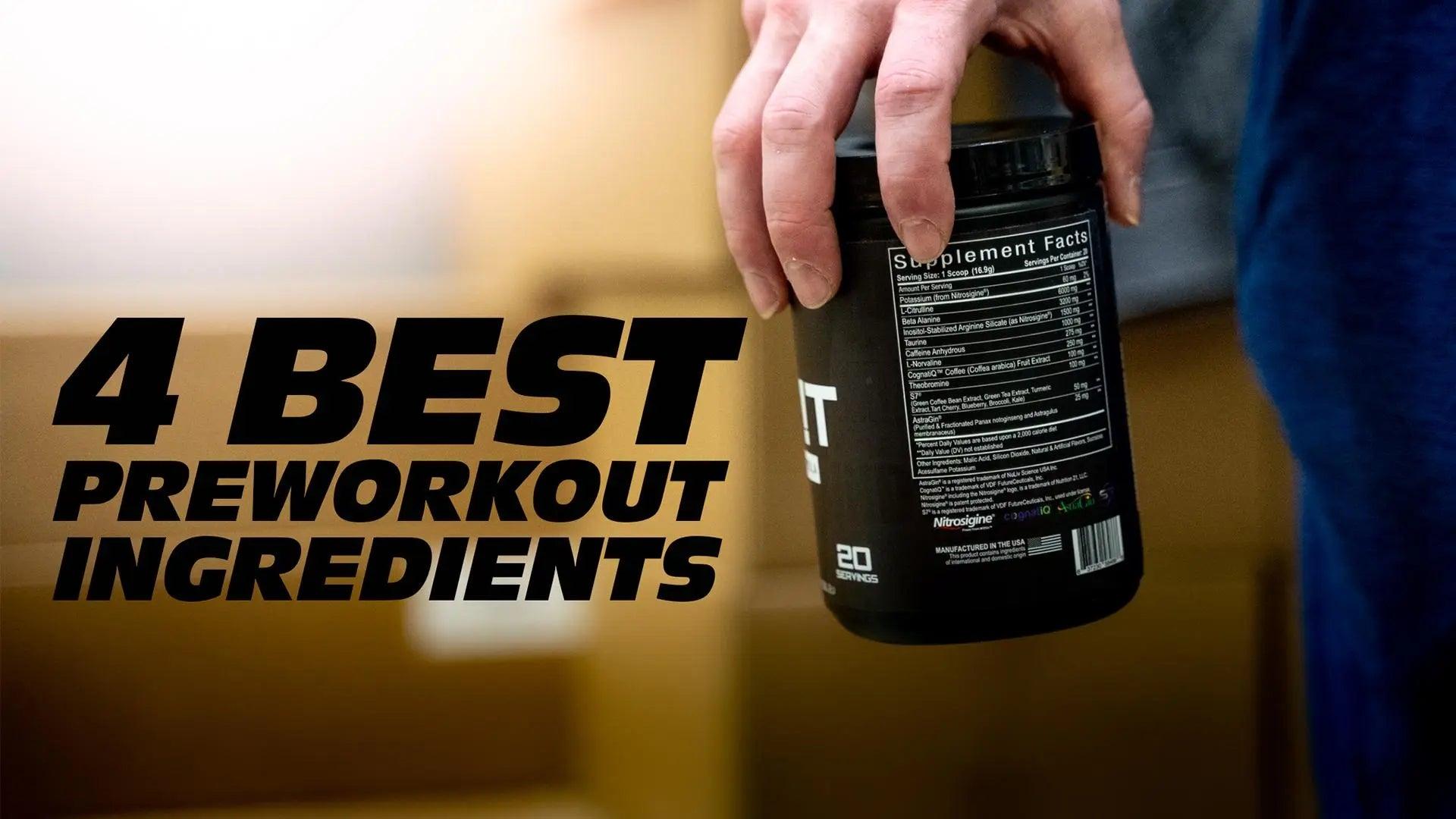
Strip away the marketing — these are the 4 ingredients that actually drive pre-workout performance: L-Citrulline, Beta-Alanine, Nitrosigine®, CognatiQ®. Plus what to avoid and why dose matters.
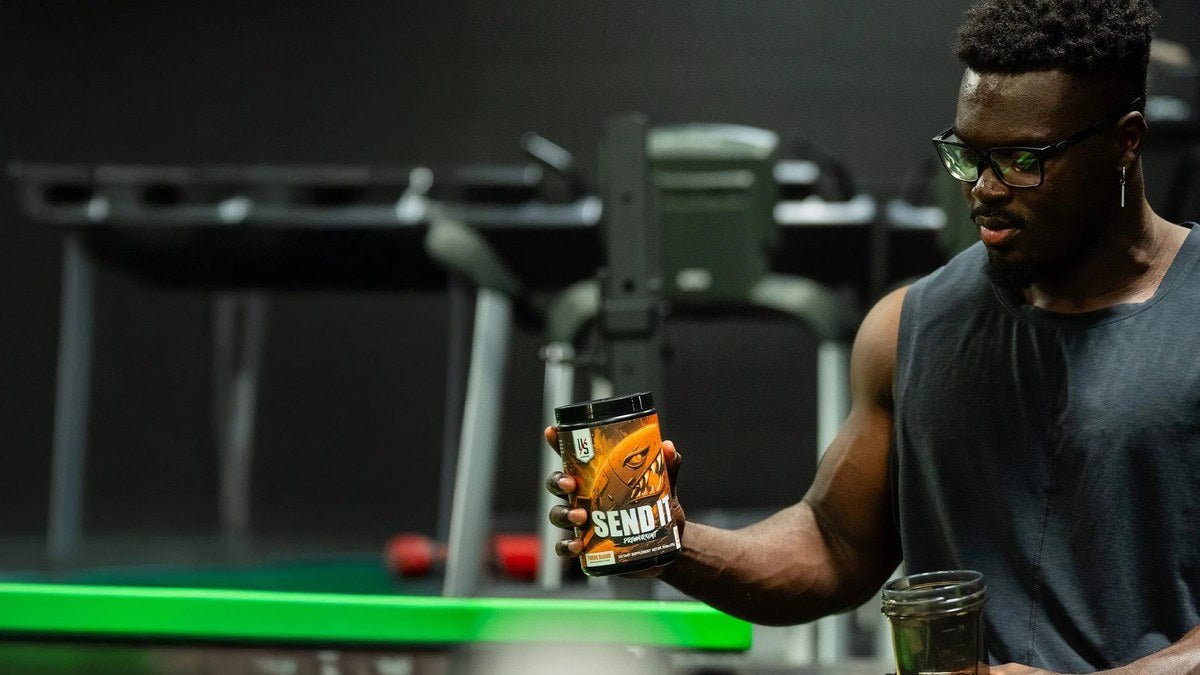
Energy drinks wake you up. Pre-workout makes you perform. Side-by-side breakdown of what's actually in each, why pre-workout wins for training, and when an energy drink is still the right call.