




Is Pre-Workout Bad for You? The Real Risks Explained
By Jon Klipstein, U.S. Army Combat Veteran & Founder of Die Tryin Co.
Science reviewed by Onur Oncer, BS Physiology and peer-reviewed published researcher.

PRE-WORKOUT ISN'T BAD FOR YOU — BAD PRE-WORKOUT IS
The question gets asked every day, usually after someone reads a clickbait article about a guy who had a panic attack on his first scoop. The honest answer: a well-formulated pre-workout used at sensible doses is safe for most healthy adults. A poorly formulated one — 600mg of caffeine, undisclosed stimulants, no third-party testing — can absolutely cause problems.
The supplement industry has spent two decades hiding bad ingredients behind proprietary blends. We built Die Tryin Co. to do the opposite: clinical doses, transparent labels, banned-substance testing. This article walks through every real concern (side effects, crash, addiction, sensitive stomach, cardiovascular risk) and tells you how to spot the formulas that cause them.
WHAT THE RESEARCH ACTUALLY SAYS
A study in Nutrients tracked recreationally active men on a multi-ingredient pre-workout (caffeine, creatine, beta-alanine, amino acids, B vitamins) for 28 days — improved body composition, no adverse effects on resting heart rate or blood pressure (PubMed).
The International Society of Sports Nutrition's position stand on caffeine supports doses of 3–6mg per kg of bodyweight for ergogenic benefit (Examine.com) — that's 240–480mg for a 180 lb (82 kg) lifter, comfortably within what a properly dosed pre-workout delivers.
The risks come from three places, not the category itself: (1) doses pushed past clinical research, (2) undisclosed ingredients in proprietary blends, (3) individual sensitivity. Let's unpack each side effect that gets blamed on pre-workout.
THE REAL SIDE EFFECTS (AND WHEN TO ACTUALLY WORRY)
Pre-workout crash
The crash — that 90-minute energy cliff where you go from amped to drained — is usually a caffeine problem, not a pre-workout problem. Single-source caffeine spikes blood concentration fast, then drops fast. Sleep gets worse, energy bottoms out, you feel like garbage by 3 p.m.
How to avoid it: Pick formulas that blend caffeine sources (regular + extended-release like zumXR®) or stack with L-theanine, theobromine, or dynamine for smoother kinetics. Cap total caffeine around 200–300mg per serving. Anything over 400mg is asking for the crash.
Pre-workout addiction and tolerance
You don't get "addicted" to pre-workout in the clinical sense, but caffeine tolerance is real. Daily use builds adenosine receptor adaptations within 4–8 weeks, so your usual dose stops feeling like anything. The fix isn't more caffeine — it's a 1–2 week deload every 6–8 weeks to reset receptor sensitivity. After the break, your usual dose feels like the first time again. Detailed cycling protocol in our how often should I use pre breakdown.
Pre-workout for sensitive stomach
GI issues — bloating, nausea, diarrhea — usually come from three culprits: magnesium (especially magnesium citrate or oxide), sodium bicarbonate, or large doses of creatine taken without enough water. Beta-alanine doesn't cause GI distress but the harmless tingling sensation (paresthesia) is sometimes mistaken for one.
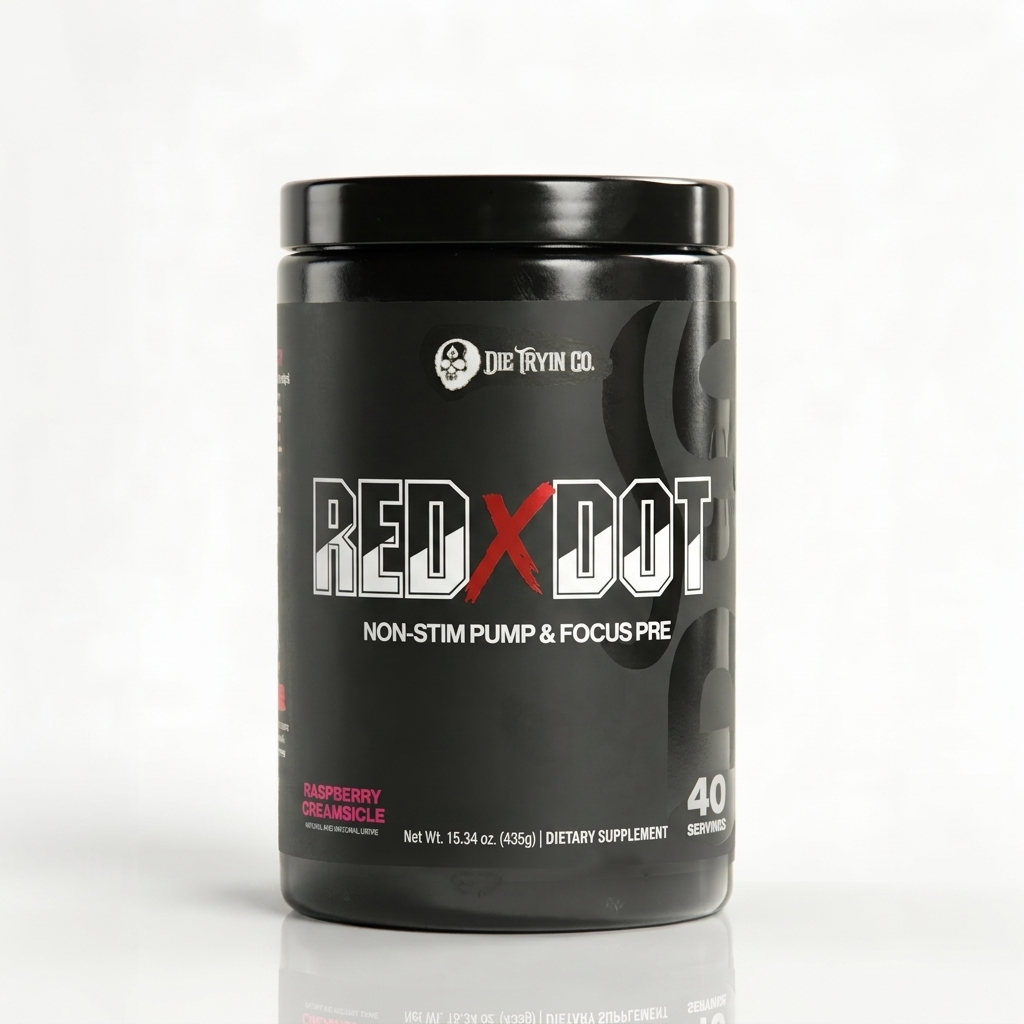
How to avoid it: If you've got a sensitive stomach, pick a formula without bicarbonate or magnesium oxide, mix in 16–20oz of water (not 6oz), and don't take it on a totally empty stomach. Our Red Dot is the gentlest formula in our lineup — zero caffeine, no magnesium oxide, easy on the gut.
Cardiovascular concerns
High doses of caffeine, especially stacked with other stimulants like synephrine or DMHA, can elevate heart rate and blood pressure beyond safe ranges. If you've got hypertension, an arrhythmia, or any diagnosed heart condition, talk to your doctor before using pre-workout — this isn't a category to self-prescribe through.
For healthy adults, the cardiovascular risk of a properly dosed pre-workout is comparable to two cups of strong coffee. The risk profile shifts dramatically when brands stack 400mg+ of caffeine with yohimbine, synephrine, and DMHA — that's a stimulant cocktail, not a pre-workout.
Anxiety, jitters, and sleep disruption
Same caffeine pattern. If you're sensitive to stimulants or take pre-workout after 4 p.m., expect jitters and bad sleep. Solutions: switch to a stim-free pre (Red Dot) for evening training, cap caffeine at 200mg if you're a slow metabolizer, or stack with L-theanine to smooth the edge.
WHO SHOULD AVOID PRE-WORKOUT
This isn't about being scared of caffeine. It's about real contraindications:
- Anyone with hypertension or a heart condition not cleared by a doctor
- Pregnant or breastfeeding women (caffeine + ingredient profile)
- People with anxiety disorders sensitive to stimulants
- People taking MAO inhibitors or stimulant medications (interaction risk)
- Anyone under 18 — most labels say this clearly
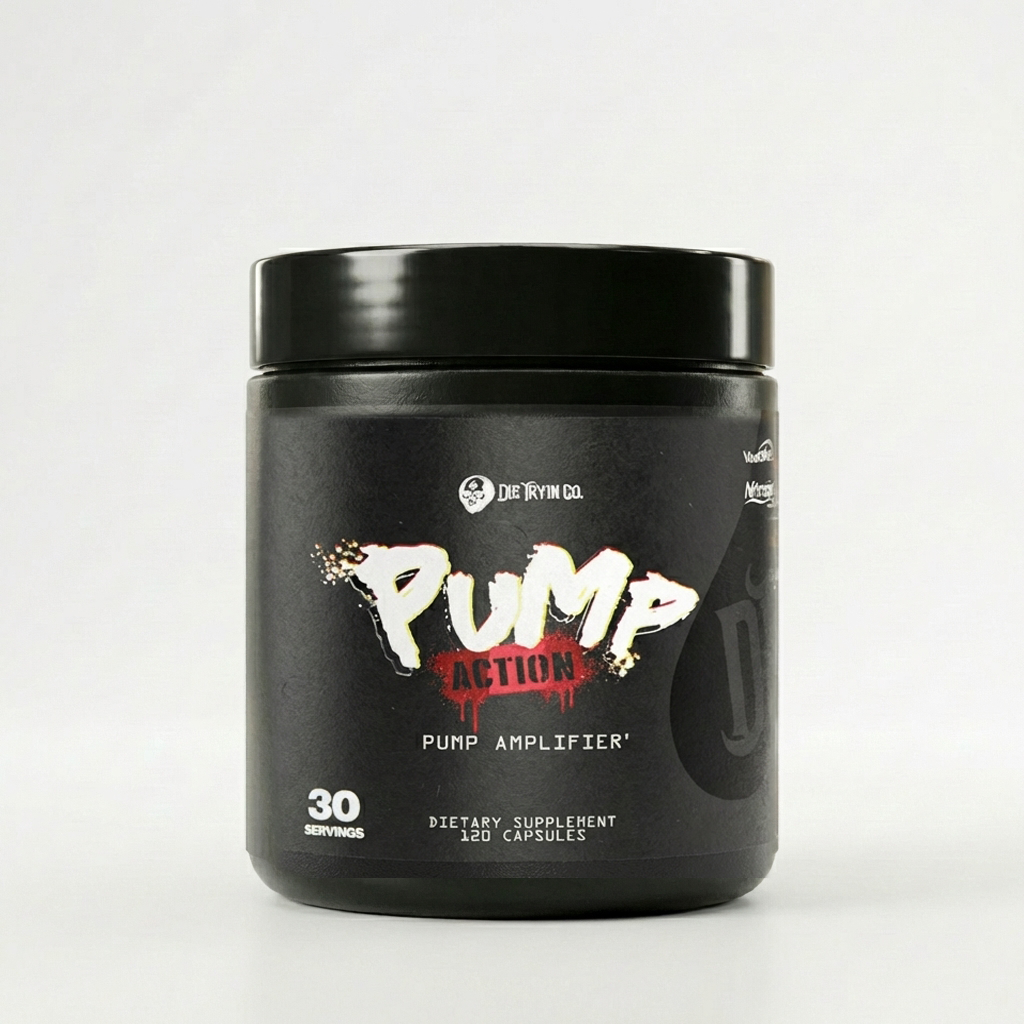
If you're in one of these categories, stim-free formulas (citrulline + beta-alanine + tyrosine without caffeine) are still on the table. Our Pump Action (stim-free capsules: Nitrosigine® + VasoDrive-AP®, zero caffeine) is built for this exact use case. If anything on that list applies to you, clear it with your doctor first.
HOW TO USE PRE-WORKOUT WITHOUT THE PROBLEMS
- Start with half a scoop. First time on any new pre-workout, assess your tolerance. You can always add more.
- Hydrate properly. 16–20oz of water with the scoop. Most GI issues are concentration issues.
- Time it right. 20–45 minutes before training. Not 6 hours before bed.
- Cycle off every 6–8 weeks. 1–2 weeks off to reset caffeine tolerance.
- Pick transparent labels. If a formula uses a "Pre-Workout Blend: 8,500mg" without breaking out each ingredient, walk away. See our full breakdown on how to choose the best pre-workout.
- Demand third-party testing. Athletes and military members in particular — Certificate of Analysis + banned-substance testing is non-negotiable. Die Tryin Co. tests every batch.
DOES PRE-WORKOUT ACTUALLY WORK?
For trained adults at clinical doses: yes, measurably. The ergogenic ingredients in a quality formula each have evidence behind them:
- Caffeine — improves power output, reduces perceived exertion, reaction time
- Beta-Alanine (3.2g) — buffers lactic acid, extends time-to-failure in 60–240 second efforts
- L-Citrulline (6–8g) — increases nitric oxide, improves pump and high-rep performance
- Betaine Anhydrous (2.5g) — modest power output gains in trained lifters
- Creatine Monohydrate — the most researched performance ingredient ever
The brands that don't work? Ones that under-dose everything below clinical thresholds, then market harder than they formulate. If a label hides exact doses behind a proprietary blend, the product almost certainly doesn't deliver clinical effects.
FREQUENTLY ASKED QUESTIONS
Is pre-workout safe to take every day?
For healthy adults at moderate caffeine doses: yes. The main concern is caffeine tolerance, not safety. Cycle off every 6–8 weeks for 1–2 weeks to reset sensitivity. More detail in our every-training-session deep dive.
Can pre-workout cause long-term health problems?
No good evidence that a properly dosed pre-workout causes long-term harm in healthy adults. Cardiovascular risk goes up if you have an underlying condition, exceed caffeine limits, or stack uncontrolled stimulants. Stick to clinical doses, take cycle breaks, and the long-term risk profile looks like that of regular coffee consumption.
Will pre-workout cause heart problems?
In healthy adults at proper doses, no. In people with hypertension, arrhythmias, or sensitivity to stimulants, possibly — consult a doctor before starting. The risk is much higher in formulas with 400mg+ caffeine or undisclosed stimulants.
What should I do if I get side effects?
Stop immediately, drink water, ride out the effects. Half-life of caffeine is roughly 5 hours. If you experience severe symptoms (chest pain, panic, dangerous heart rate), seek medical attention. Next time, drop to half a scoop or switch to a lower-stim formula.
Is pre-workout bad for your liver or kidneys?
No evidence that ingredients in a quality pre-workout damage liver or kidneys in healthy adults. The "kidney" myth was historically attached to creatine and was debunked by decades of research. The real risk is undisclosed designer stimulants, which is why third-party-tested formulas matter.
Can pre-workout help me lose weight?
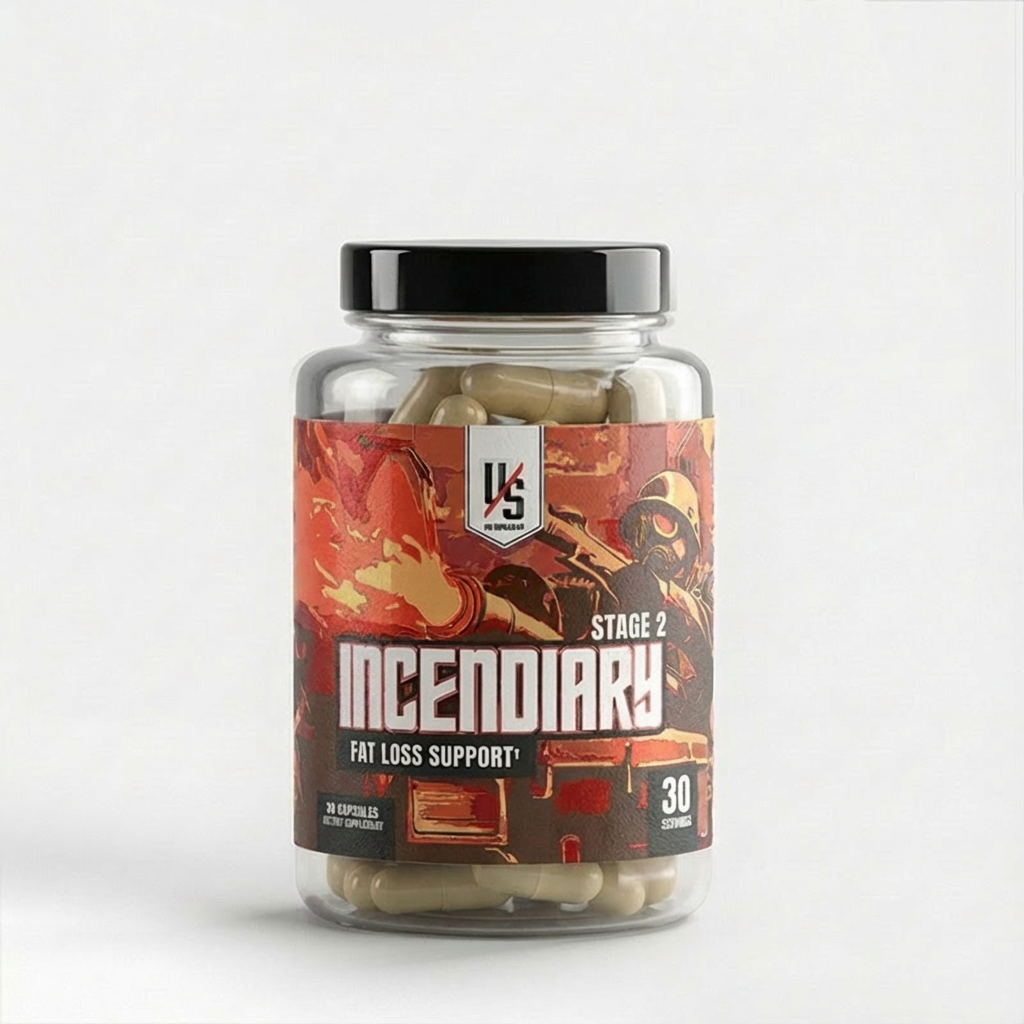
Indirectly. Better training performance burns more calories and protects muscle in a deficit. Some brands add thermogenic or metabolic ingredients to a pre-workout for a small bump in energy expenditure. Ours do not: we keep that in a separate capsule so you can decide whether you want it, which is Incendiary Stage 2. But it's not a fat burner — the bulk of fat loss comes from nutrition and training.
READY TO GEAR UP?
Pre-workout isn't bad for you when it's built right and used right. The Die Tryin Co. lineup is clinically dosed, transparently labeled, third-party tested — five formulas matched to different training styles and stim tolerances. Not sure which one fits? Take the quiz — 90 seconds.
Go deeper: start with our complete guide to pre-workout supplements, then check how to choose the best pre-workout, pre-workout vs energy drinks, the 4 best pre-workout ingredients, or our VasoDrive-AP pump breakdown.
ALWAYS FORWARD.
GEAR THAT FITS THIS POST
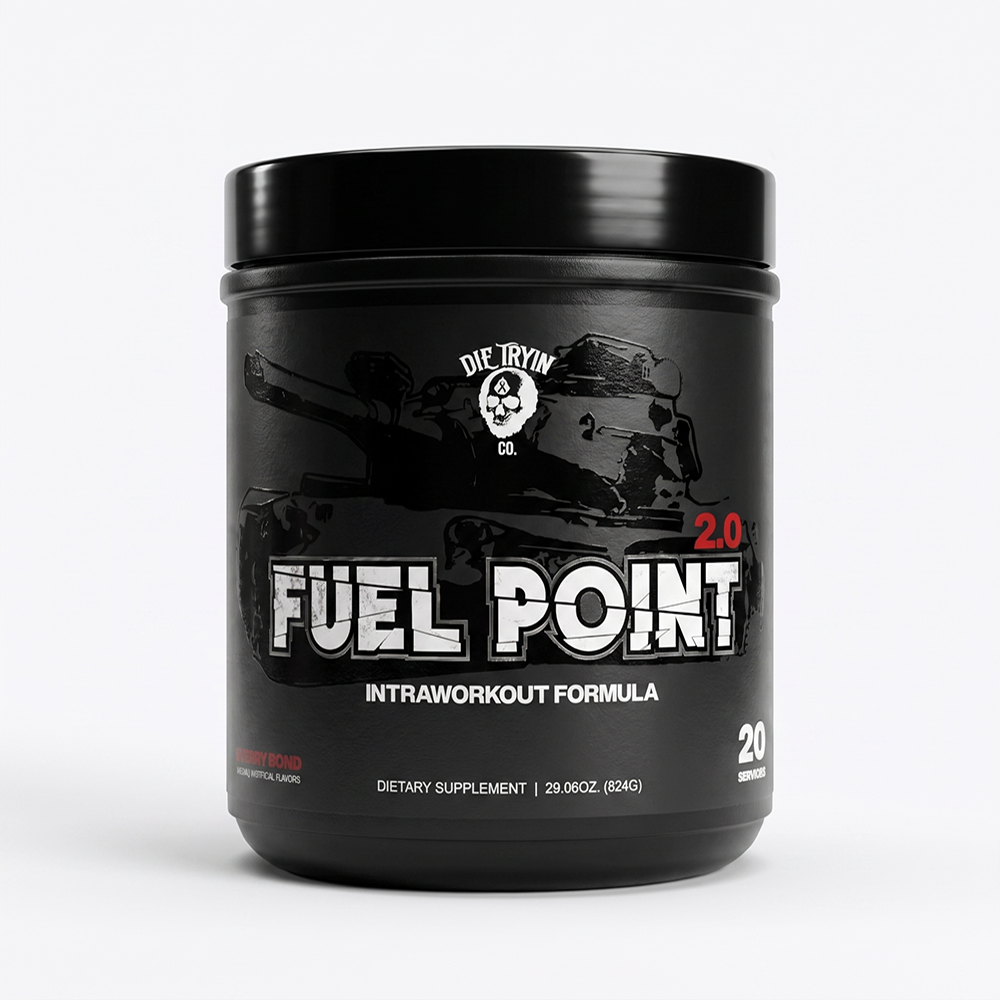
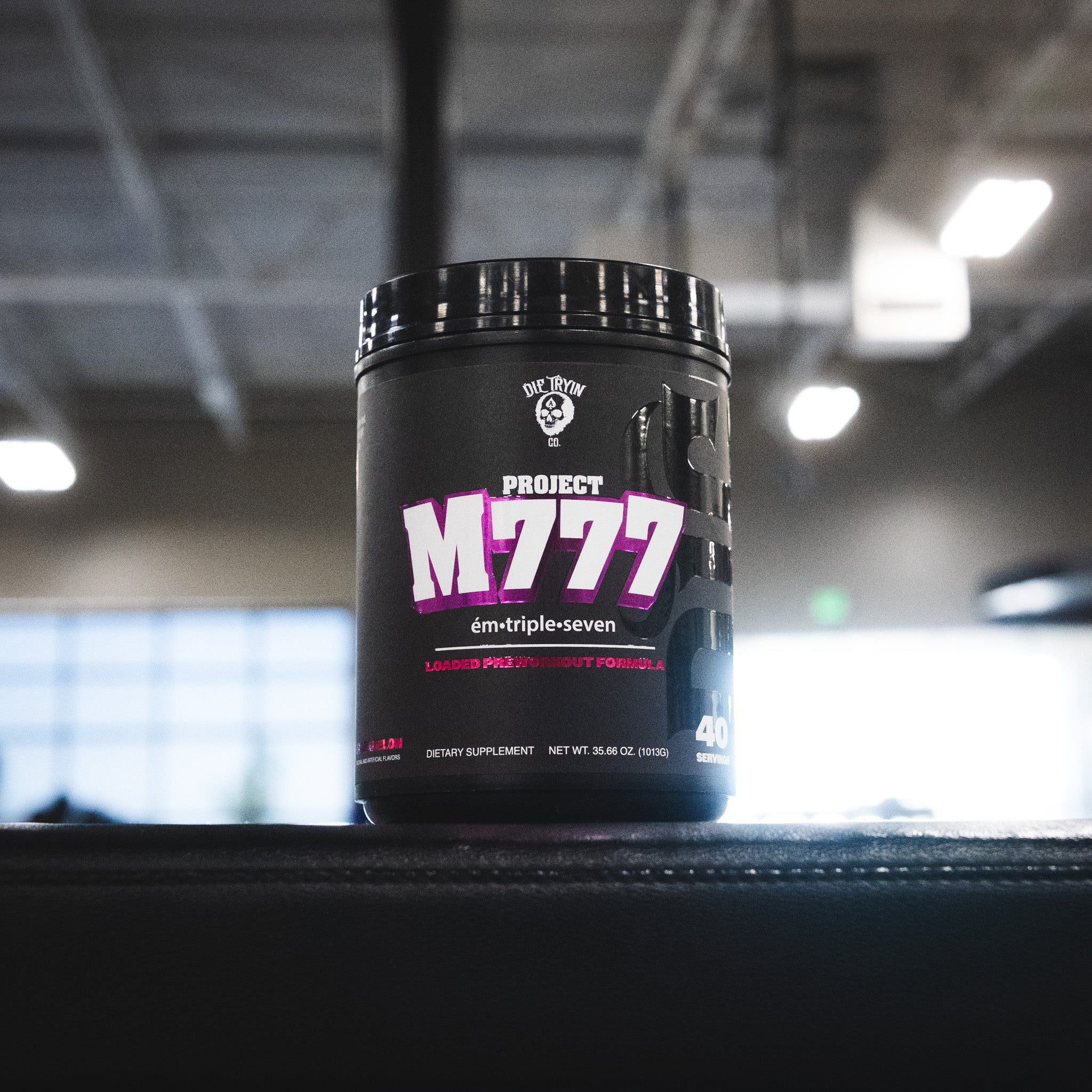
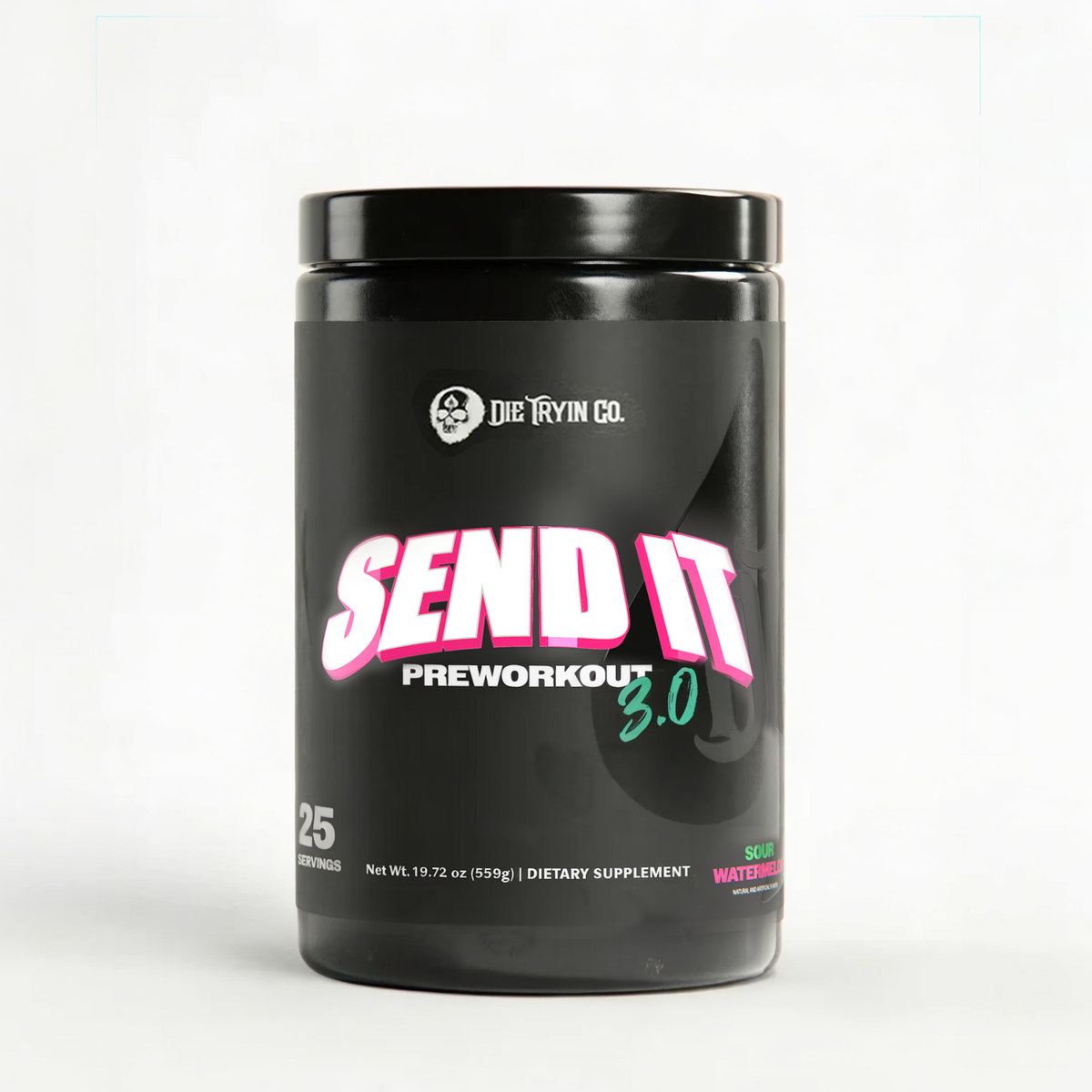
The products this article actually talks about. Real doses, disclosed labels, veteran owned.
Read more
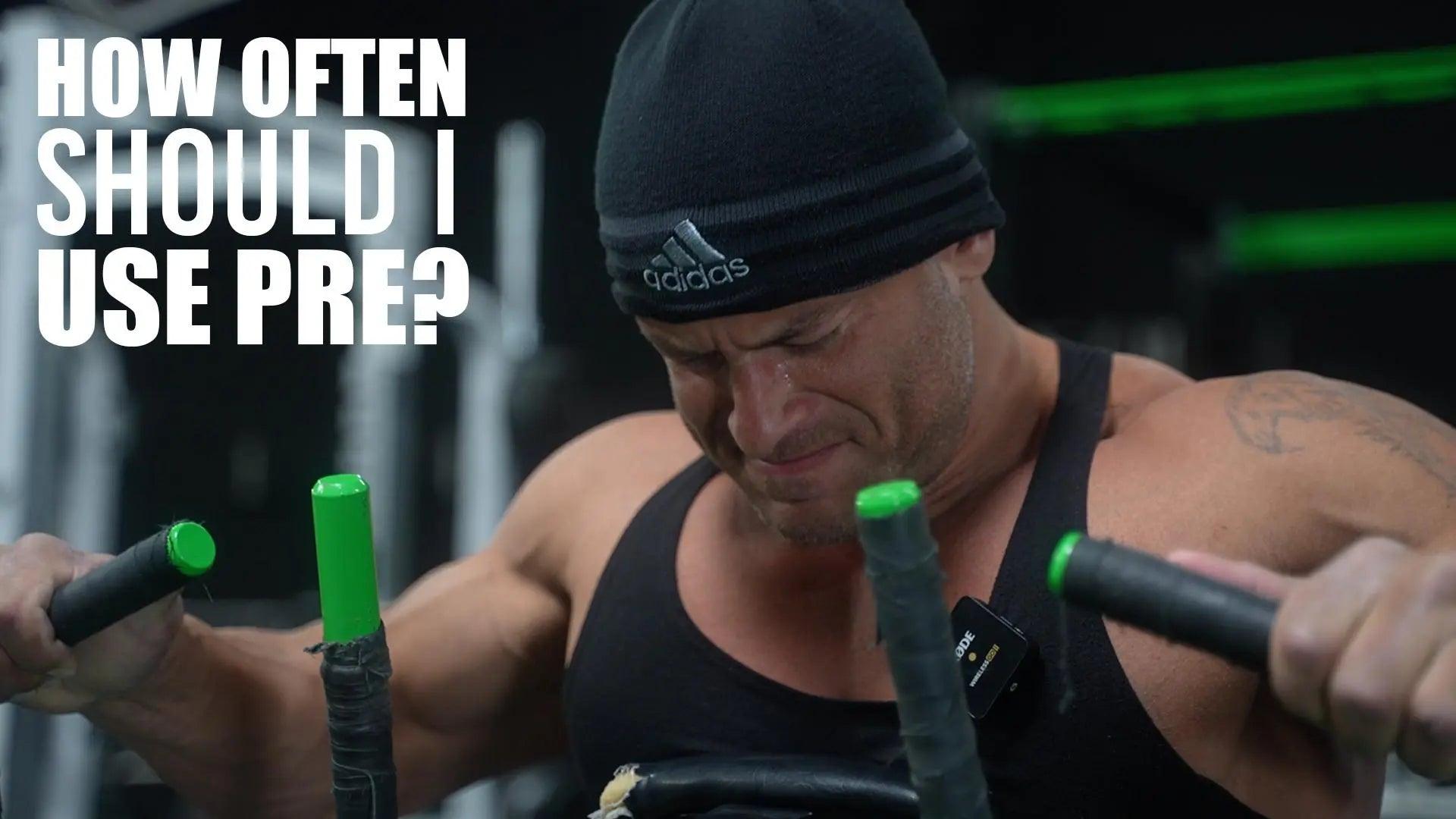
How often you take pre-workout matters more than how big the scoop is. Real framework for frequency, timing, signs you're overdoing it, and how to cycle the formula to keep it working long-term.
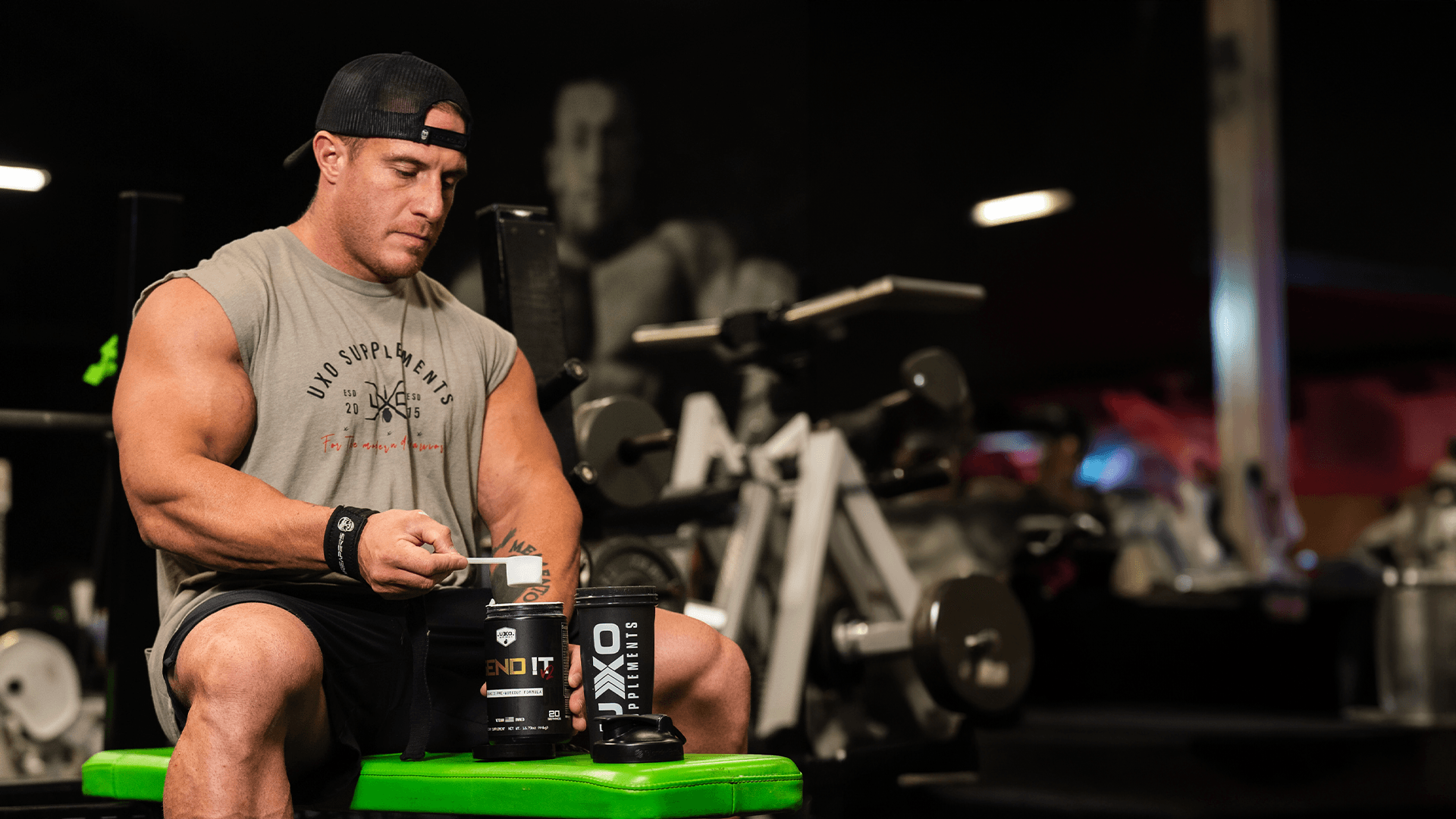
The honest pre-workout buyer's guide — 6 things that actually matter (real doses, banned-substance testing, smart caffeine, no proprietary blends) plus which DTC pre-workout fits your goal.
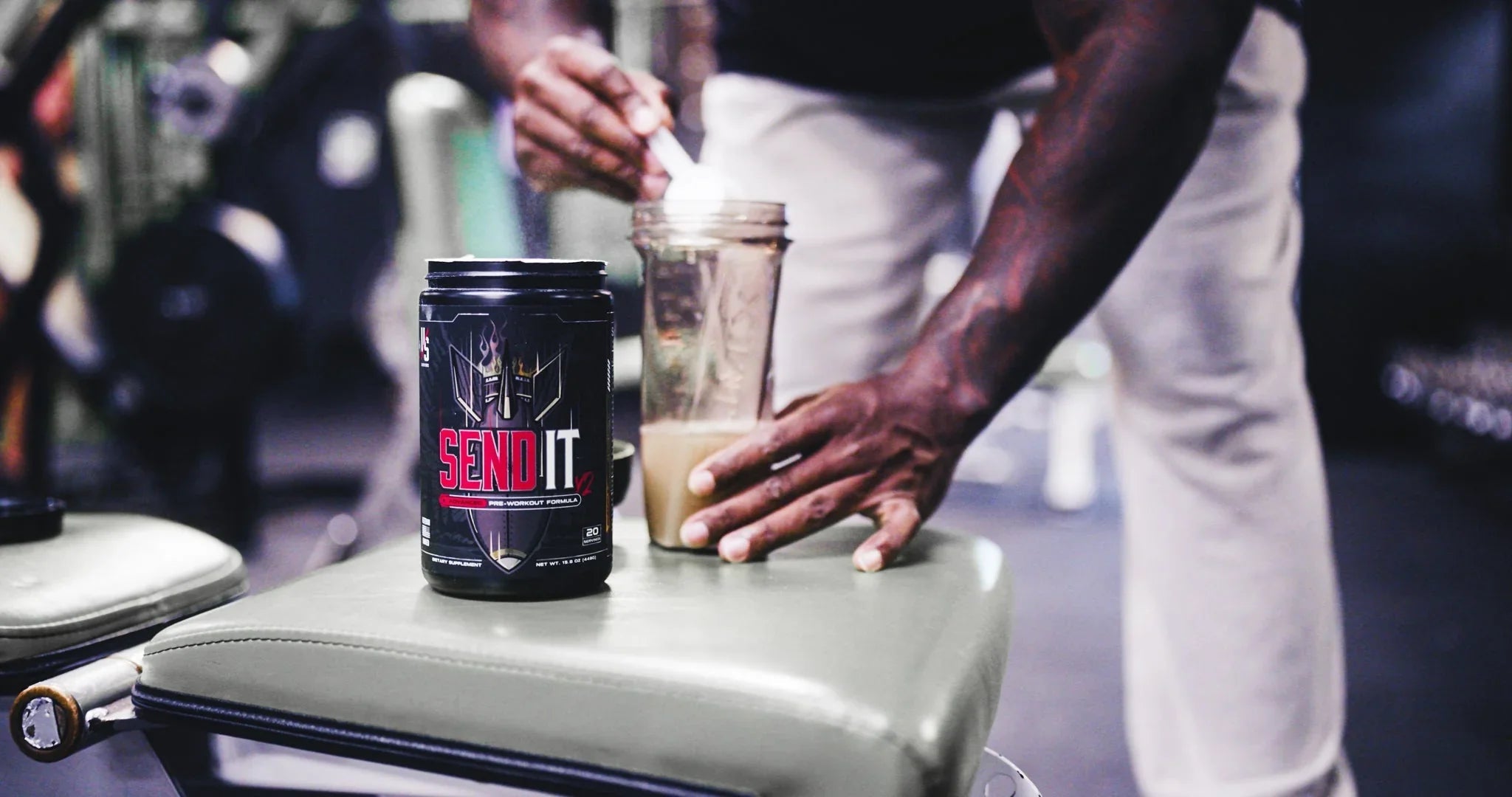
Pre-workout every day — yes or no? The honest answer depends on caffeine dose, training week, and whether you cycle. The smarter framework: match the formula to the day.

What actually works in pre-workout — ingredients, doses, timing, and how to pick the right one. Cut through the marketing. Get the real answer.
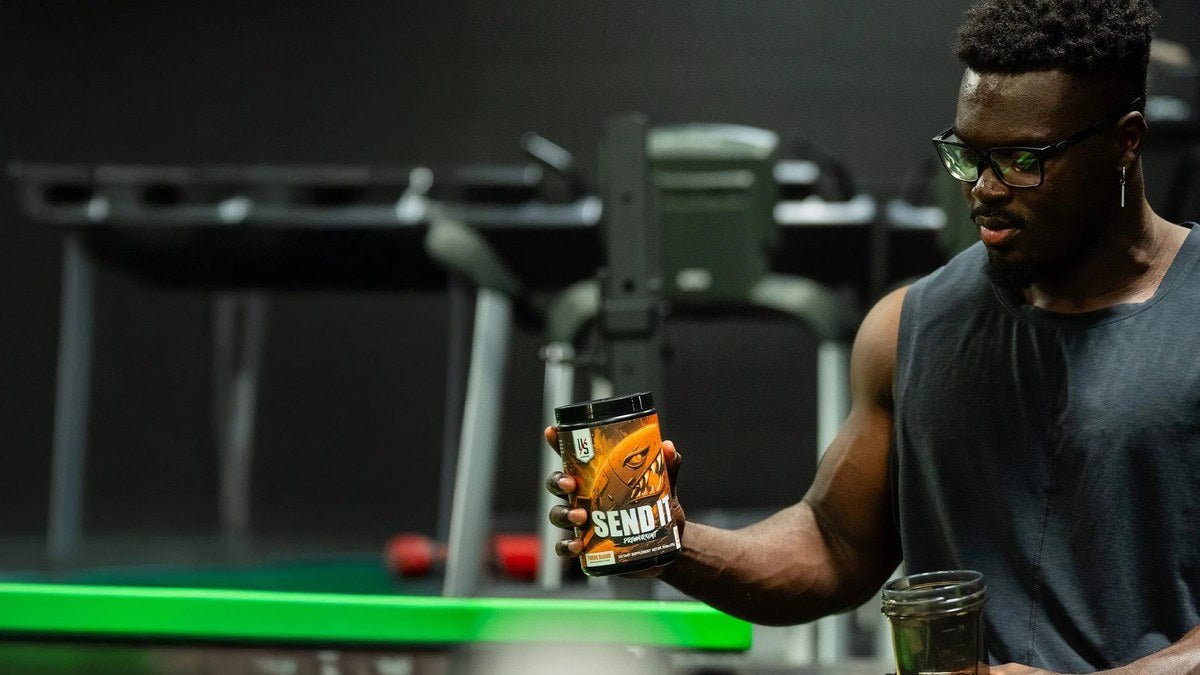
Energy drinks wake you up. Pre-workout makes you perform. Side-by-side breakdown of what's actually in each, why pre-workout wins for training, and when an energy drink is still the right call.
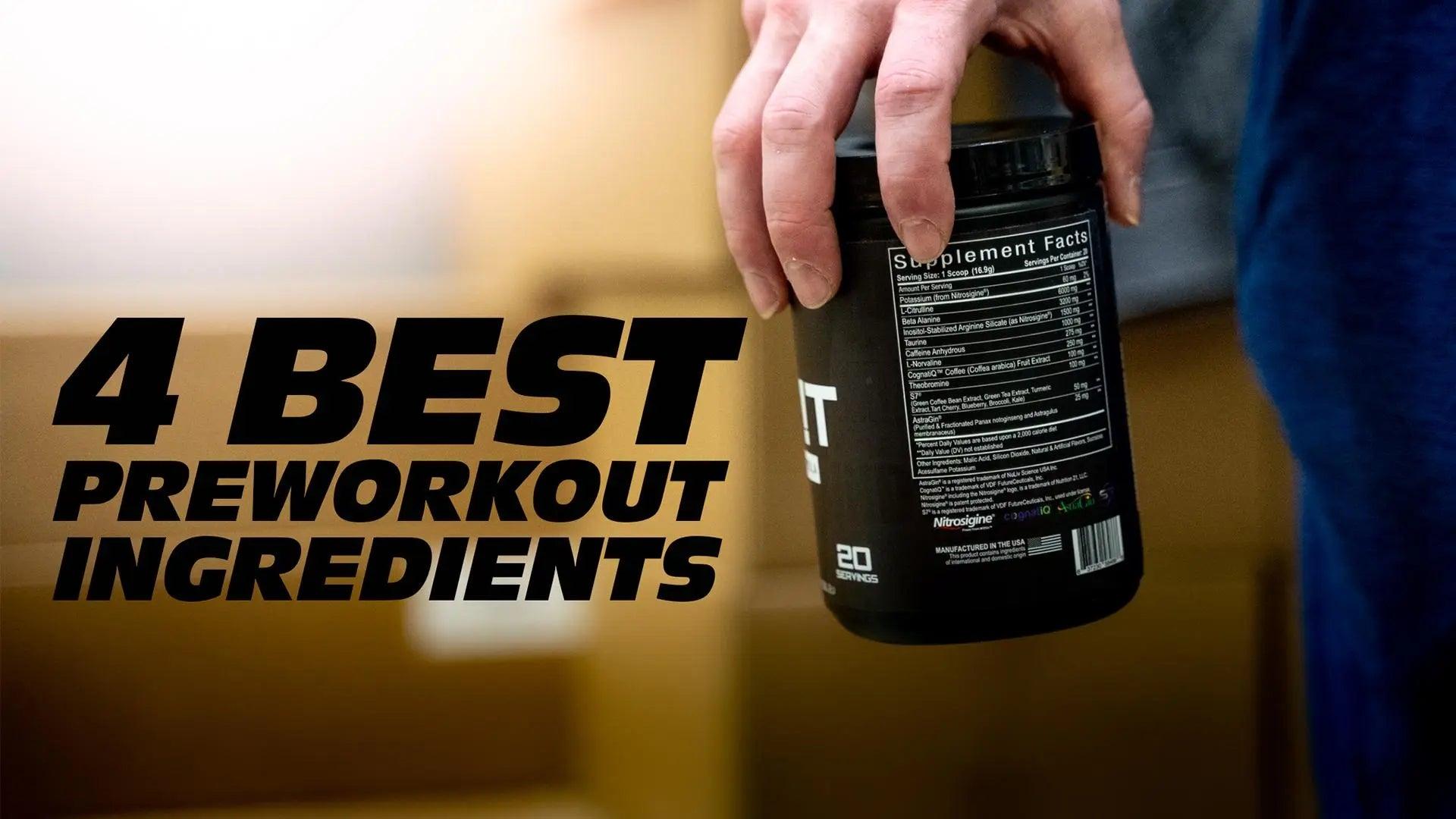
Strip away the marketing — these are the 4 ingredients that actually drive pre-workout performance: L-Citrulline, Beta-Alanine, Nitrosigine®, CognatiQ®. Plus what to avoid and why dose matters.