


Good Pre-Workout vs. Questionable: How to Spot the Difference
By Jon Klipstein, U.S. Army Combat Veteran & Founder of Die Tryin Co.
Science reviewed by Onur Oncer, BS Physiology and peer-reviewed published researcher.
MOST PRE-WORKOUTS ARE BUILT FOR MARGINS, NOT PERFORMANCE
Walk into any supplement store, scroll the gym TikTok, look at the brand of the month — hundreds of pre-workouts all promising the same thing: insane pumps, laser focus, explosive energy. The reality: most of them are underdosed, overhyped, and built to cut corners.
This is the breakdown of how to tell a real performance formula from a tub of expensive caffeine. Six checks for a quality formula, five red flags for a sketchy one. After this, you won't get played at the supplement aisle.
WHAT MAKES A GOOD PRE-WORKOUT
A quality formula isn't just about feeling cracked out 20 minutes after the scoop. It's performance across the board:
- Strength output
- Muscular endurance
- Blood flow and pump
- Focus and mind-muscle connection
- Energy without the crash
1. Clinically effective dosing (not pixie dust)
The single biggest separator. A good pre-workout uses ingredients at doses proven to work in research — not just enough to put them on the label.
What the studies actually call for:
- L-Citrulline: 6–10g (real pump and nitric oxide production)
- Beta-Alanine: 3.2g (muscular endurance)
- Betaine Anhydrous: 2.5g (power output)
- L-Tyrosine: 2g+ (focus under stress)
- Alpha-GPC: 300–600mg (cognitive output and mind-muscle connection)
- Creatine Monohydrate: 2.5–5g (the most-researched performance ingredient ever)
If a label brags about how "loaded" the formula is, then shows fractions of those numbers, it's not loaded — it's diluted. Full ingredient-by-ingredient breakdown in our 4 best pre-workout ingredients deep dive.
2. Full transparency (no proprietary blends)
If a label shows something like "Performance Matrix — 8,500mg" without breaking out each ingredient's individual dose, walk away. A 2019 industry analysis found this practice is widespread, and the reason is simple: hiding under-dosing of marquee ingredients (Jagim et al., 2019). The brand can list L-Citrulline on the label even if there's only 500mg in the tub.
A real brand shows every dose. No hiding, no games. If the dose isn't visible, the dose isn't clinical.
3. Pump ingredients that actually do something
A pump isn't just cosmetic — it's performance-enhancing. Better blood flow means better nutrient delivery means more output.
Real pump ingredients:
- L-Citrulline at clinical dose (not citrulline malate at 1–3g; at the common 2:1 ratio you'd need 9–12g of citrulline malate to hit the same citrulline content)
- Nitrosigine® (1.5g) — stabilized arginine silicate; extends vasodilation across the session
- VasoDrive-AP® (508mg) — casein peptide that supports sustained vasorelaxation. Full mechanism in our VasoDrive-AP breakdown
- Agmatine Sulfate — slows nitric oxide breakdown, prolongs the pump
If the "pump formula" is just caffeine and flavoring, you got played.
4. Focus ingredients that lock you in
Training is half physical, half mental. Caffeine alone delivers wakefulness, not mind-muscle connection. Real focus stacks include:
- L-Tyrosine (2g+) — dopamine and norepinephrine precursor; sharpens focus under physical stress
- Alpha-GPC — acetylcholine precursor for motor control and mind-muscle connection
- CognatiQ® — whole coffee fruit polyphenols; supports BDNF for cognitive clarity
- Huperzine-A — extends acetylcholine action; lengthens the focus window
Cheap pre-workouts skip these entirely or sprinkle them in below clinical doses.
5. Clean, sustained energy
Real energy isn't jitters and anxiety. A good formula balances:
- Fast-acting caffeine for the front end of the workout
- Extended-release caffeine (zumXR®) for sustained energy across 60–90 minutes
- Supporting compounds (L-theanine, theobromine) that smooth the edge
It should feel like controlled aggression, not chaos. Total caffeine in the 200–300mg range hits the ergogenic sweet spot; anything over 400mg is marketing, not performance.
6. Third-party testing
The paperwork separates trusted brands from sketchy ones. Look for:
- Certificate of Analysis (COA) verifying the product matches the label
- Banned-substance testing (NSF Certified for Sport, Informed Sport) — non-negotiable for athletes, military, first responders, or anyone drug-tested at work
Brands that publish the receipts are doing the work. Brands that don't are hoping you won't ask.
WHAT MAKES A QUESTIONABLE PRE-WORKOUT — 5 RED FLAGS
Red flag #1: Proprietary blends everywhere
If you can't see the doses, assume they're underdosed. Simple. The phrase "Performance Matrix" or "Pre-Workout Blend" with a single total weight is the supplement industry's preferred profit margin trick.
Red flag #2: Ingredient name-dropping
They'll list L-Citrulline, Betaine, Tyrosine, Beta-Alanine on the label — but at half (or less) of effective doses. The label looks stacked. The formula performs like flavored water. Marquee ingredients without marquee doses = window dressing.
Red flag #3: Overstim, underperformance
Some brands stack 350–400mg of caffeine plus a wall of cheap stimulants (synephrine, DMHA, designer stims) to mask weak ergogenic ingredients. You feel something for 90 minutes, but the pump is flat, strength doesn't move, and you crash hard. That's a stimulant cocktail, not a pre-workout. More on this in is pre-workout bad for you.
Red flag #4: Tiny scoop sizes
Math doesn't lie. A 10–15g scoop physically cannot contain clinical doses of citrulline (6–10g) + beta-alanine (3.2g) + betaine (2.5g) + tyrosine (2g+) + creatine (2.5g+) at the same time — you'd be over the scoop weight before you even add flavor. Quality formulas land at 35–50g+ per serving. More scoop = more room for actual dosing.
Red flag #5: No real purpose behind the formula
A legit pre-workout is engineered with intent: pump, focus, endurance, strength — each ingredient there for a reason. A questionable one throws random ingredients together and hopes you don't notice. If you can't read the label and explain what each ingredient is doing, the brand probably can't either.
WHY MOST PRE-WORKOUTS FAIL
Because they're built for margins, marketing, and mass appeal — not performance.
It's cheaper to underdose ingredients, hide them behind blends, and load caffeine than it is to actually build a formula that works. The shelf in your local supplement store is filled with the cheap version of the supplement industry. The transparent, clinically dosed, third-party tested side of the industry is harder to find — but it exists.
THE DIE TRYIN CO. STANDARD
We built Die Tryin Co. because we got tired of watching combat veterans, first responders, athletes, and lifters get sold the same recycled marketing. Every product hits the standards above:
- No proprietary blends — every dose on every label
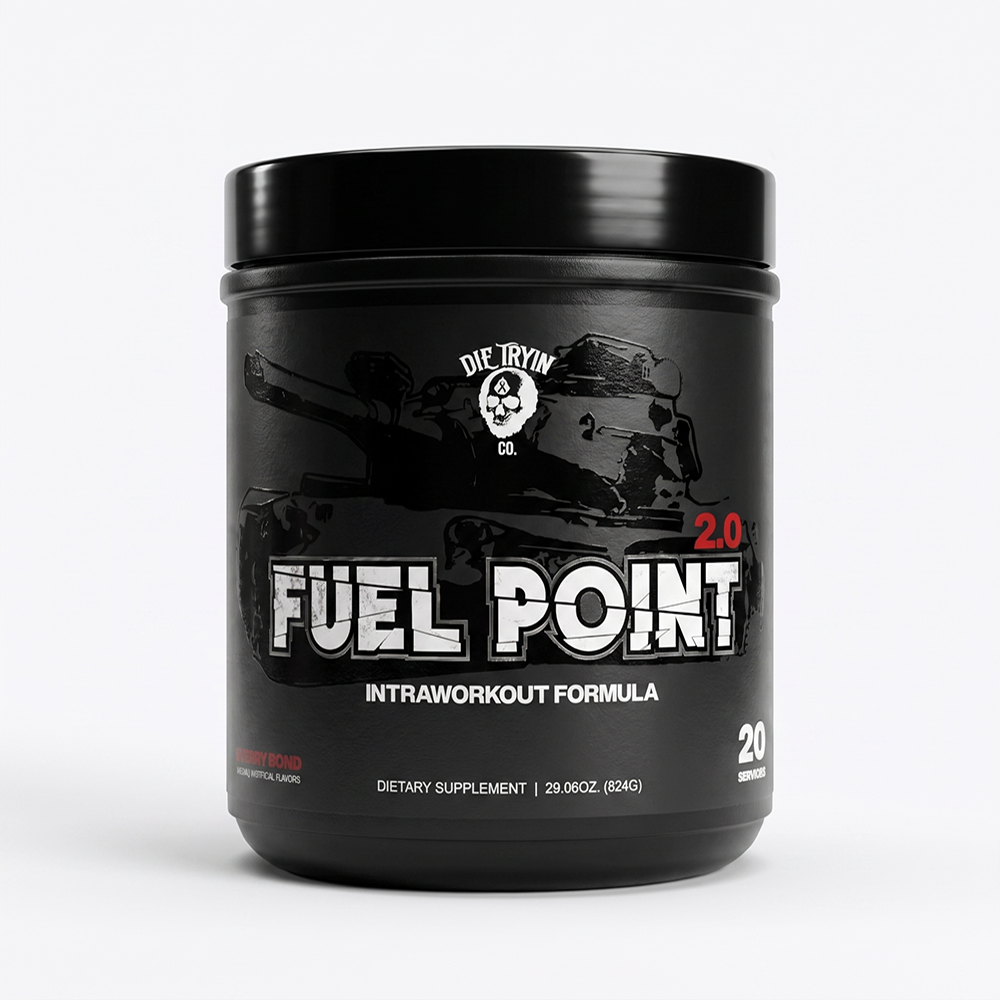
- Clinically dosed ingredients — pump, focus, endurance, energy all hit research thresholds
- Premium trademarked components used at studied doses — not pixie-dust trademarks
- Third-party tested — Certificate of Analysis on every batch, banned-substance certified
- Veteran-founded — built by the people who actually need this stuff to work
The lineup matches different training intents:
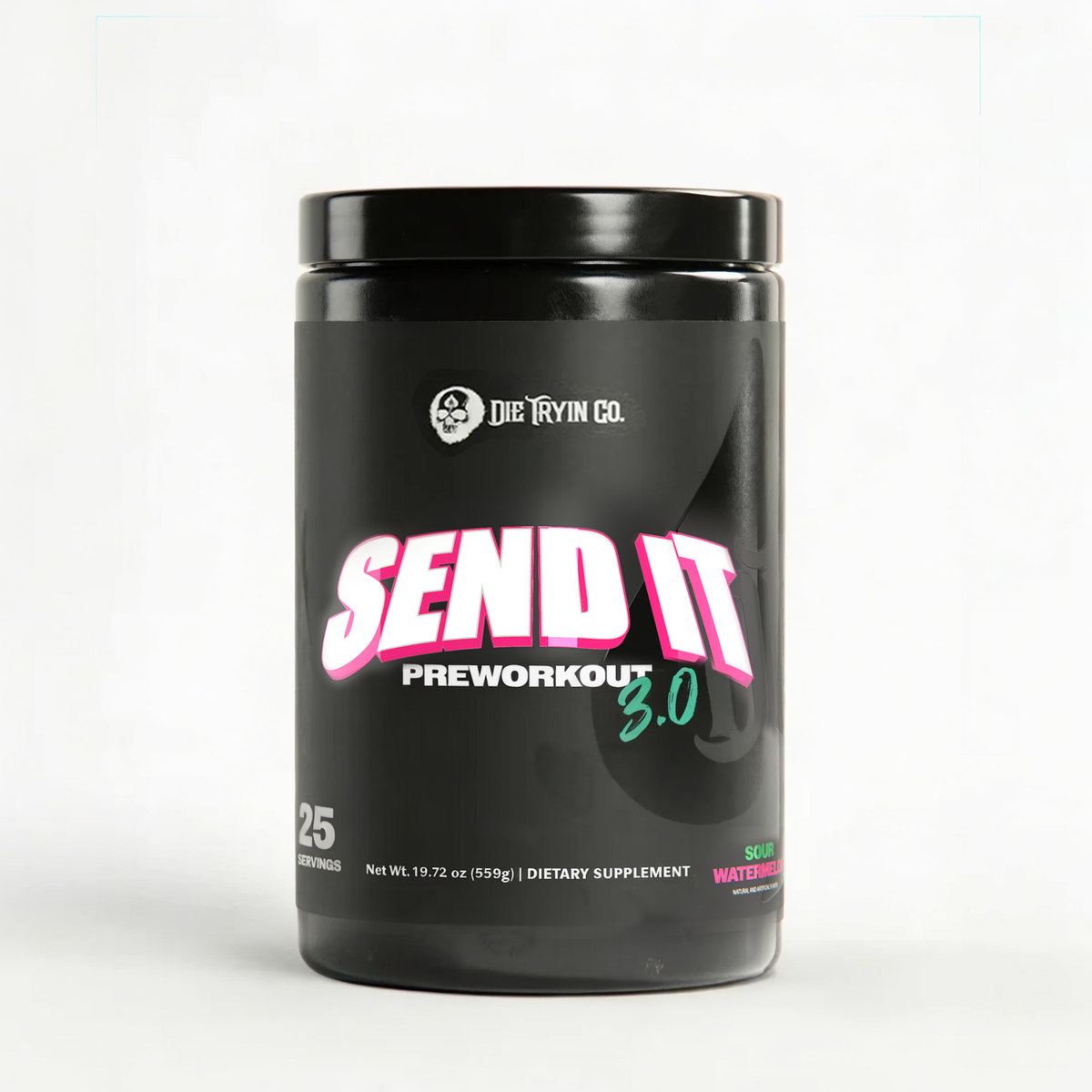
- SEND IT 3.0 — balanced daily driver (9g L-Citrulline + clinical doses across the stack)
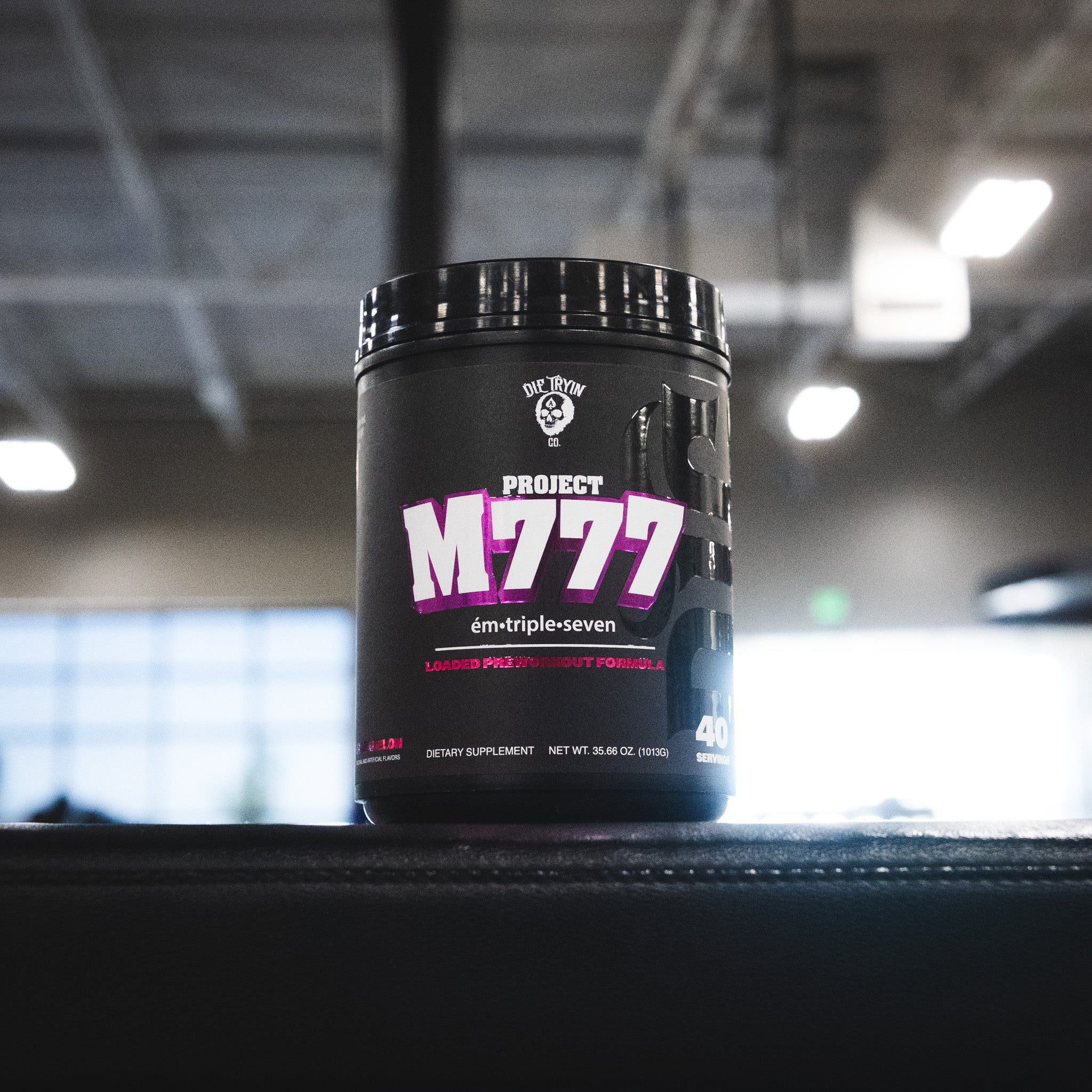
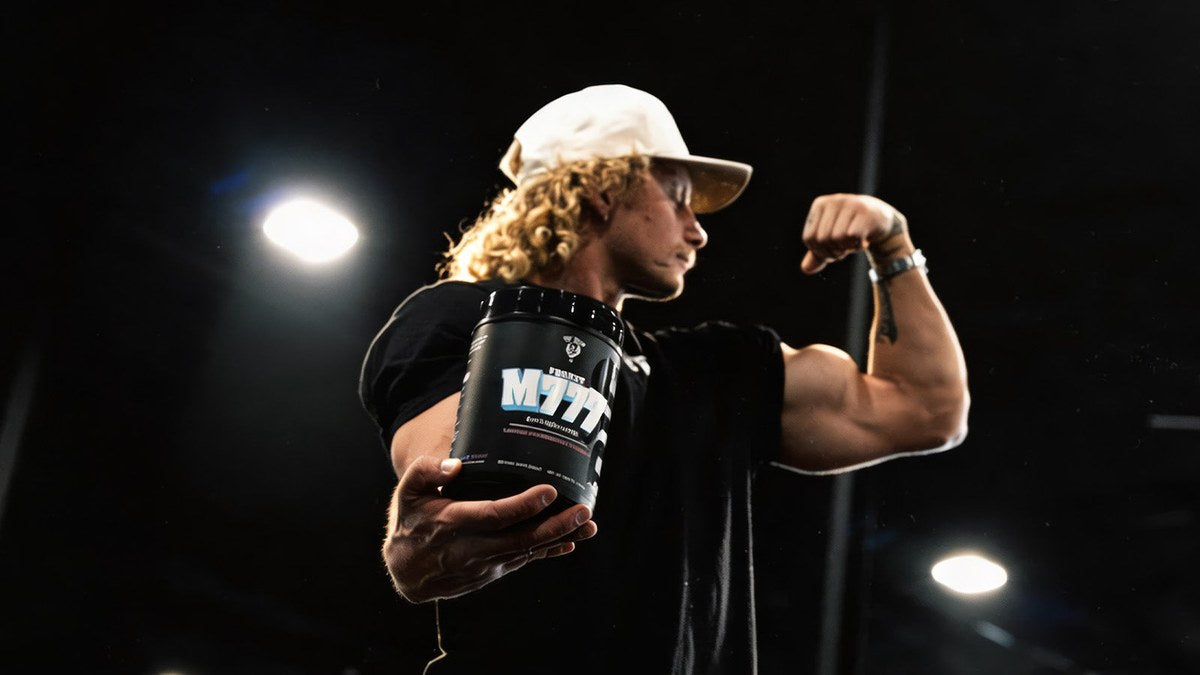
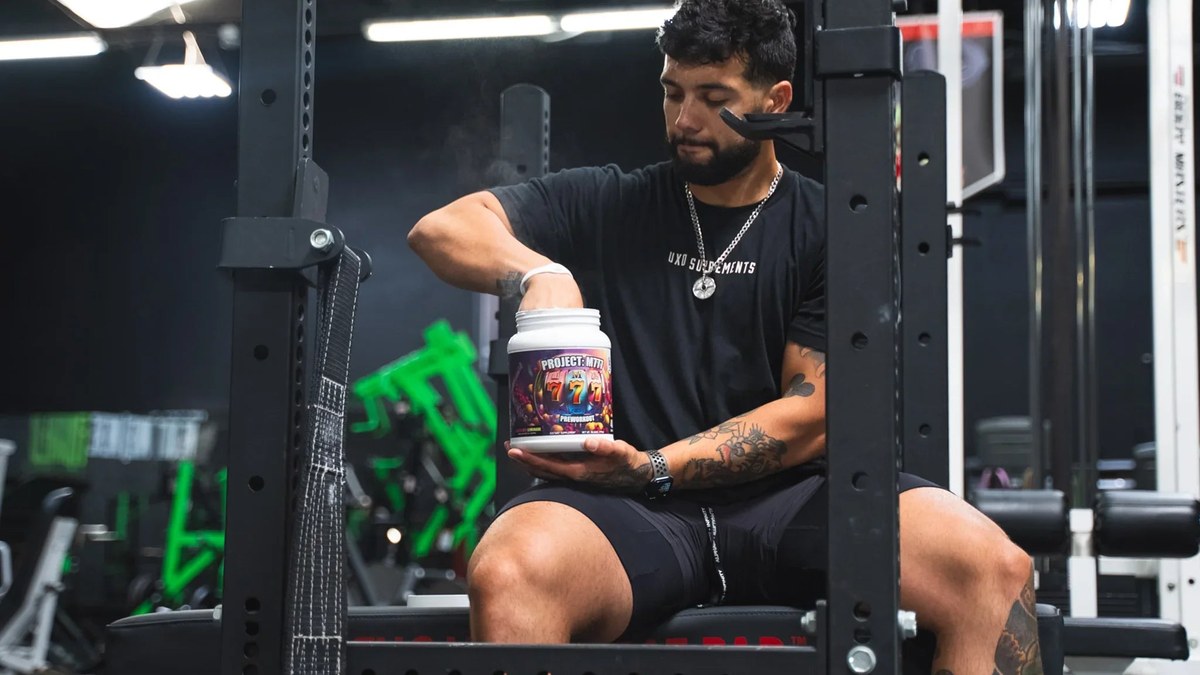
- Project M777 — max-intensity formula for the hardest training day of the week
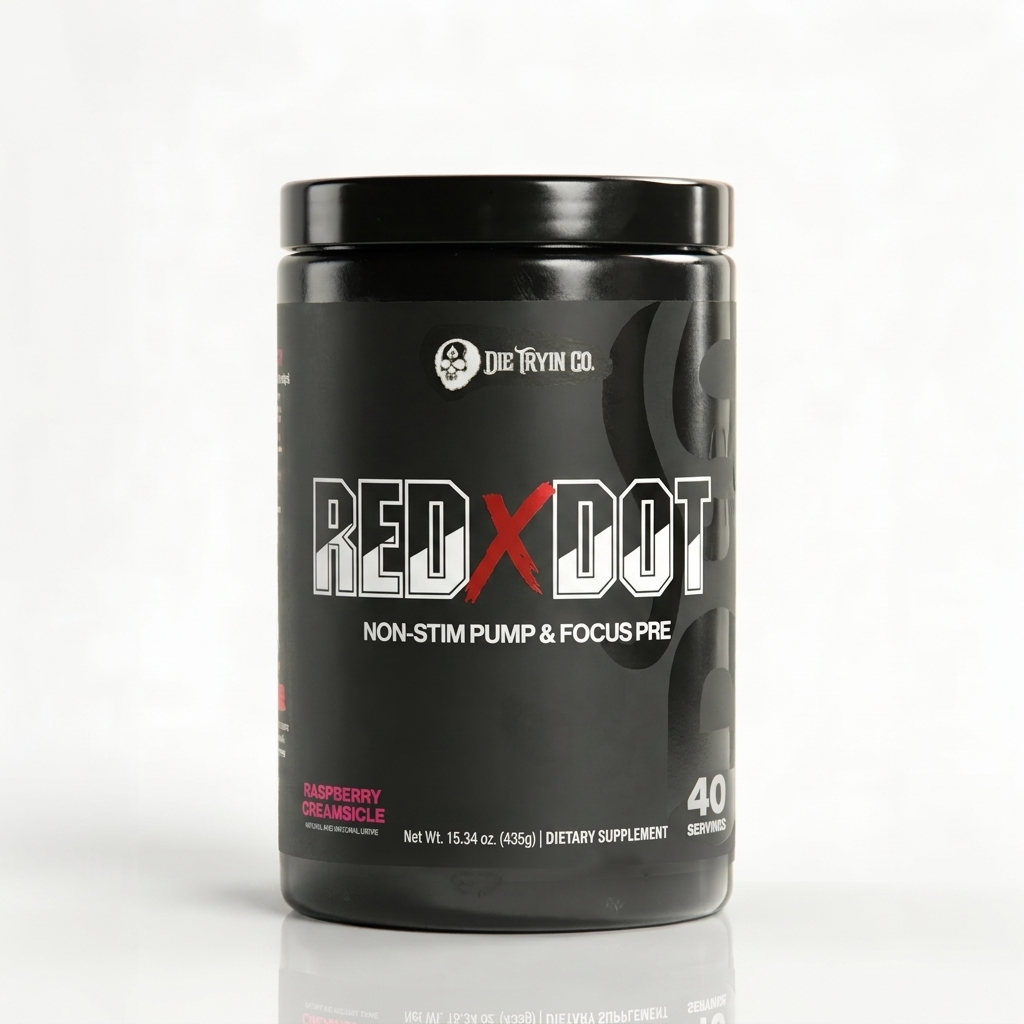
- Red Dot — stim-free pump + focus (zero caffeine, full ergogenic stack)
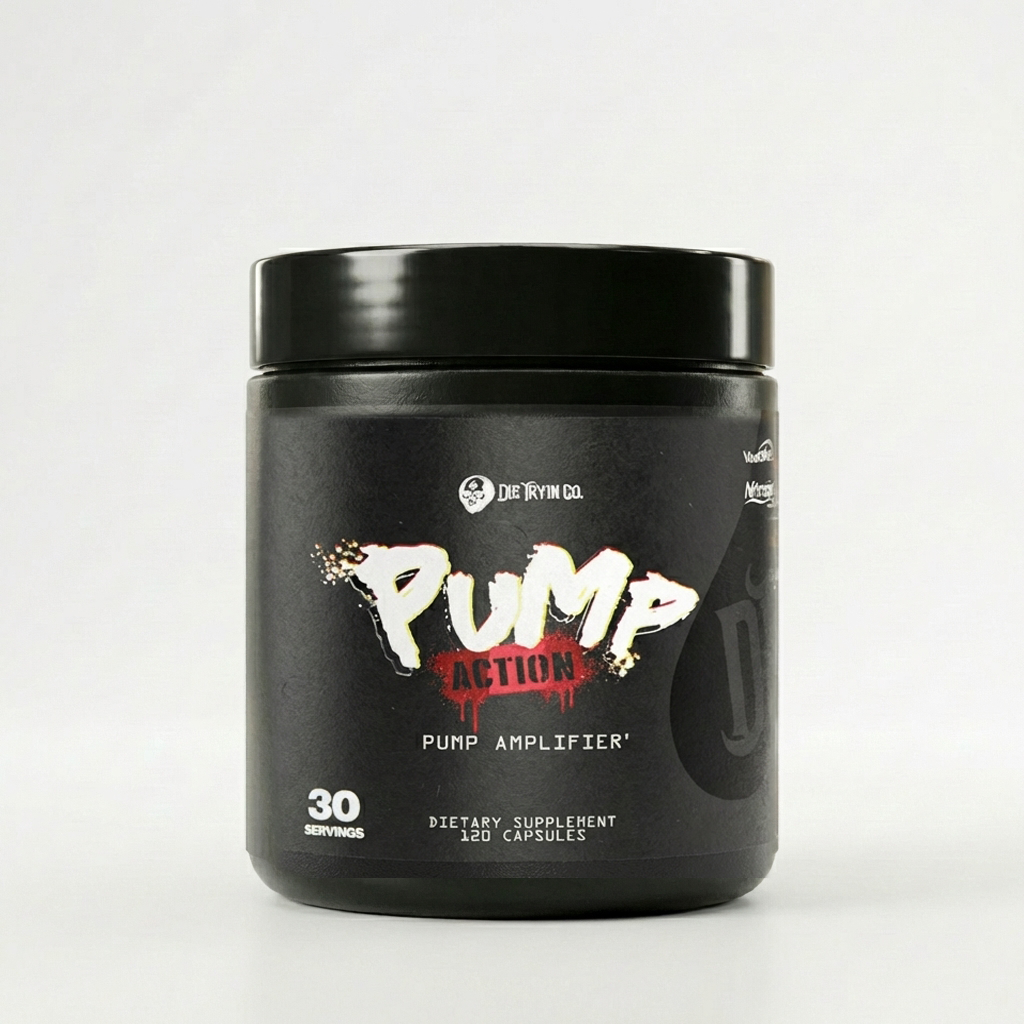
- Pump Action — minimalist stim-free pump capsules
Not sure which fits your training? Take the quiz — 90 seconds.
FREQUENTLY ASKED QUESTIONS
What does "proprietary blend" actually mean?
It's a label trick where a brand lists multiple ingredients together under one total weight (e.g., "Pump Blend — 8,500mg") without breaking out each ingredient's individual dose. The legal reason is "trade secret protection." The real reason is hiding under-dosing. If the brand were proud of the doses, they'd show them.
Is more caffeine always better in a pre-workout?
No. Caffeine performance benefit plateaus around 3–6mg/kg bodyweight (around 240–490mg for a 180 lb lifter). Higher doses just raise side-effect risk — jitters, anxiety, crash, sleep disruption — without raising performance. Quality formulas land at 200–300mg per scoop.
How can I tell if a pre-workout is "fully dosed" without doing the math?
Two shortcuts. First, scoop size: 35–50g+ scoops can fit clinical doses; 10–15g scoops physically can't. Second, look for the three foundational ingredients dosed properly: L-Citrulline at 6g+, Beta-Alanine at 3.2g, Betaine at 2.5g. If those three numbers are real, the rest of the formula is probably built honestly. If the label hides them inside a blend or shows fractions, walk away.
Why is L-Citrulline better than "citrulline malate"?
At the common 2:1 ratio, citrulline malate is two-thirds L-Citrulline and one-third malic acid. To hit the 6–8g of citrulline used in performance studies, you'd need 9–12g of citrulline malate. Most brands use 1–3g of citrulline malate, which works out to roughly 0.7 to 2g of actual citrulline — well below the dose that does anything. Pure L-Citrulline at clinical doses is the only version that hits the research target.
Are trademarked ingredients always better than non-trademarked?
Only when they're patented for a real reason (stabilization, standardization, clinical research) AND dosed at the studied range. A trademark at clinical dose is better than a generic. A trademark at pixie-dust dose is the same as a non-trademarked sprinkle — just more expensive. Look for both the trademark name AND the dose number.
Should I be worried about side effects from a quality pre-workout?
For most healthy adults at proper doses, side effects are mild and dose-related (mild GI, beta-alanine tingles, slight heart rate elevation). Severe effects almost always trace back to either a poorly formulated product (too much caffeine, undisclosed stimulants) or stacking multiple stim sources at once. Full safety breakdown in is pre-workout bad for you.
FINAL TAKEAWAY
One sentence to remember: a good pre-workout is built for performance; a bad one is built for perception. Before you buy, ask three questions:
- Are the doses legit? (Compare to the clinical ranges above.)
- Is the label transparent? (No proprietary blends.)
- Is the formula balanced — or just stim-heavy?
If you can't answer those three with a yes, you don't need more hype — you need something that actually works.
READY TO GEAR UP?
Die Tryin Co. is built on transparent labels, clinical doses, and third-party testing. Veteran-founded, no proprietary blends, no marketing filler. Take the quiz and we'll match you to the right formula for your training.
Go deeper: start with our complete guide to pre-workout supplements, then check how to choose the best pre-workout, what makes a great pre-workout, the 4 best pre-workout ingredients, is pre-workout bad for you, or our pre-workout vs energy drinks breakdown.
ALWAYS FORWARD.
GEAR THAT FITS THIS POST
The products this article actually talks about. Real doses, disclosed labels, veteran owned.

Read more
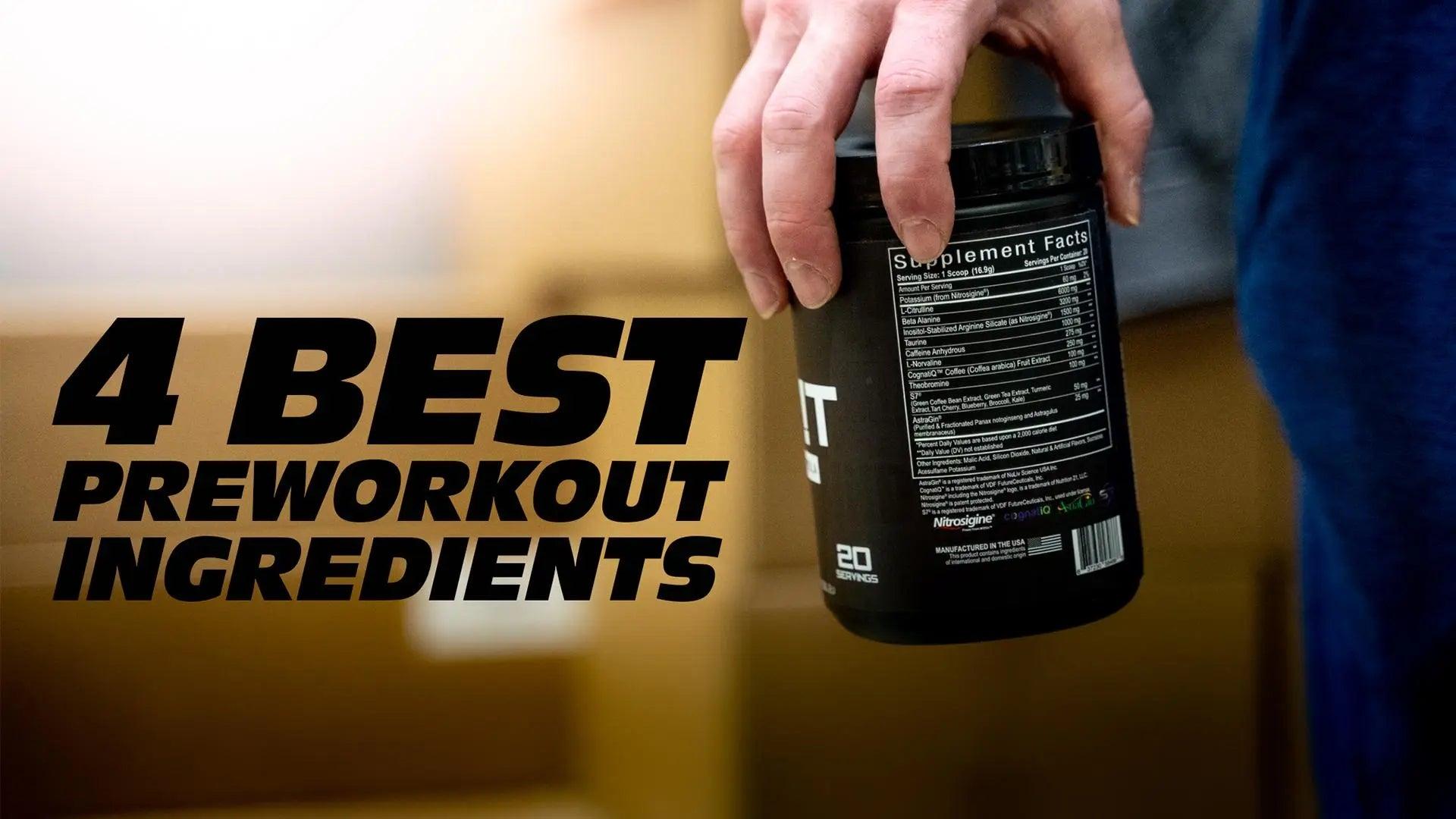
Strip away the marketing — these are the 4 ingredients that actually drive pre-workout performance: L-Citrulline, Beta-Alanine, Nitrosigine®, CognatiQ®. Plus what to avoid and why dose matters.
The patented, casein-derived pump ingredient inside Project M777 — how VasoDrive-AP drives blood flow, and what the research actually says.
A well-dosed pre-workout is safe for most healthy adults — but the wrong formula causes the side effects everyone fears. Crash, addiction, sensitive stomach, cardiovascular concerns: which are real...
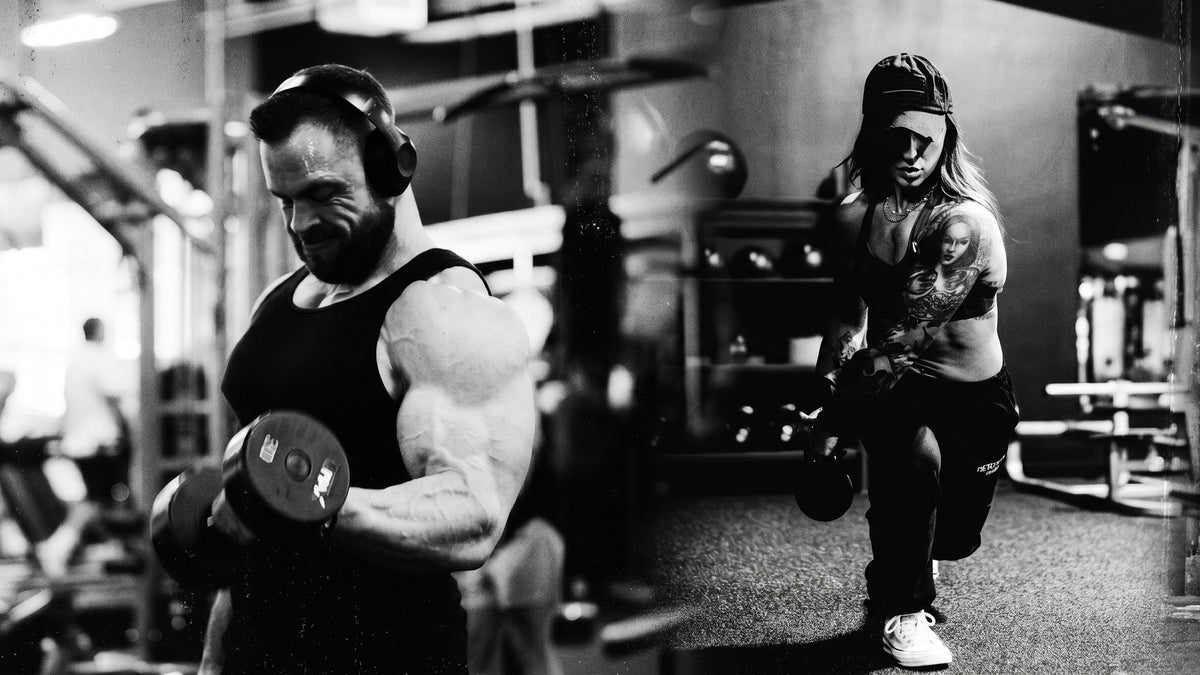
What actually works in pre-workout — ingredients, doses, timing, and how to pick the right one. Cut through the marketing. Get the real answer.
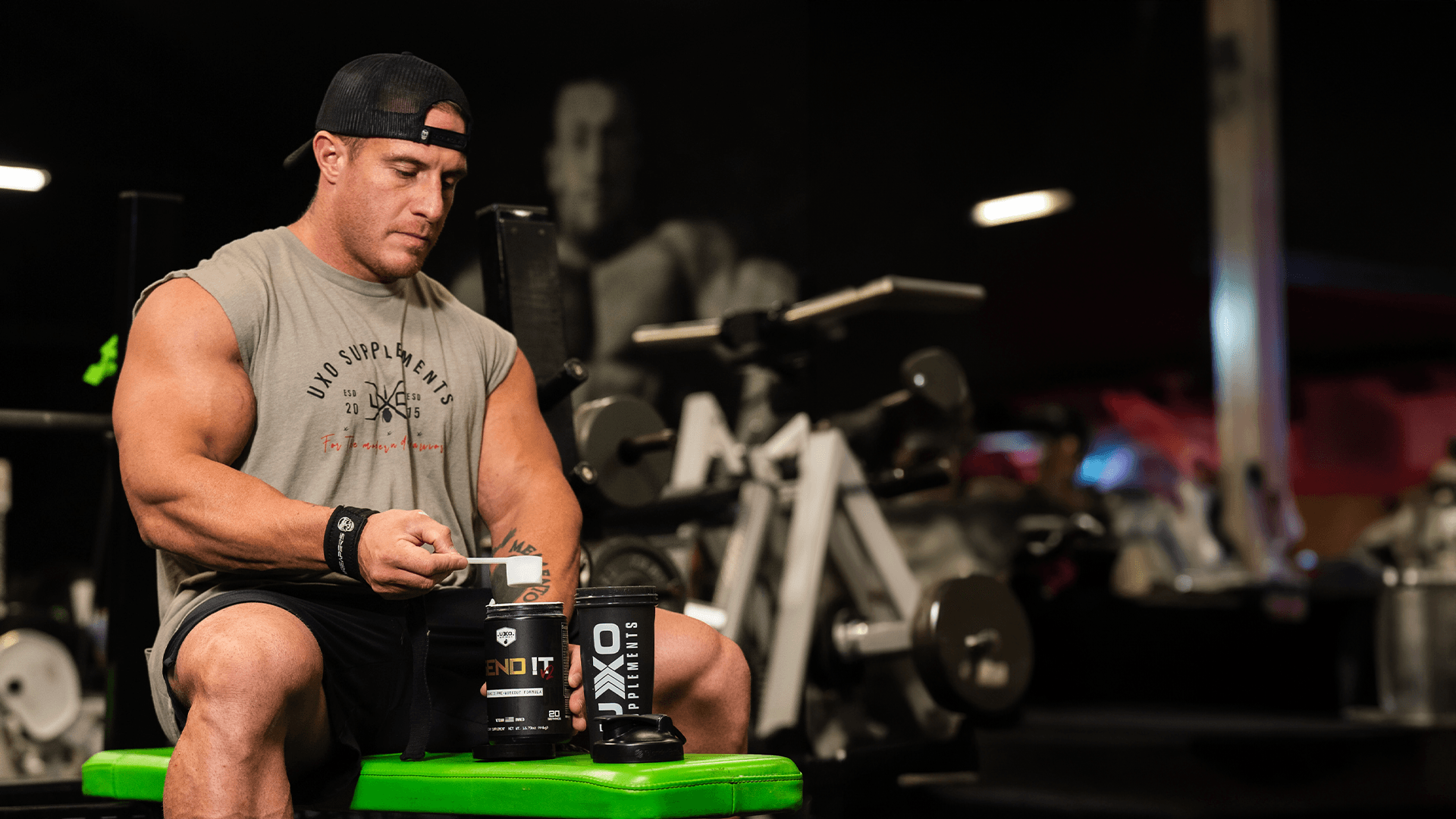
The honest pre-workout buyer's guide — 6 things that actually matter (real doses, banned-substance testing, smart caffeine, no proprietary blends) plus which DTC pre-workout fits your goal.
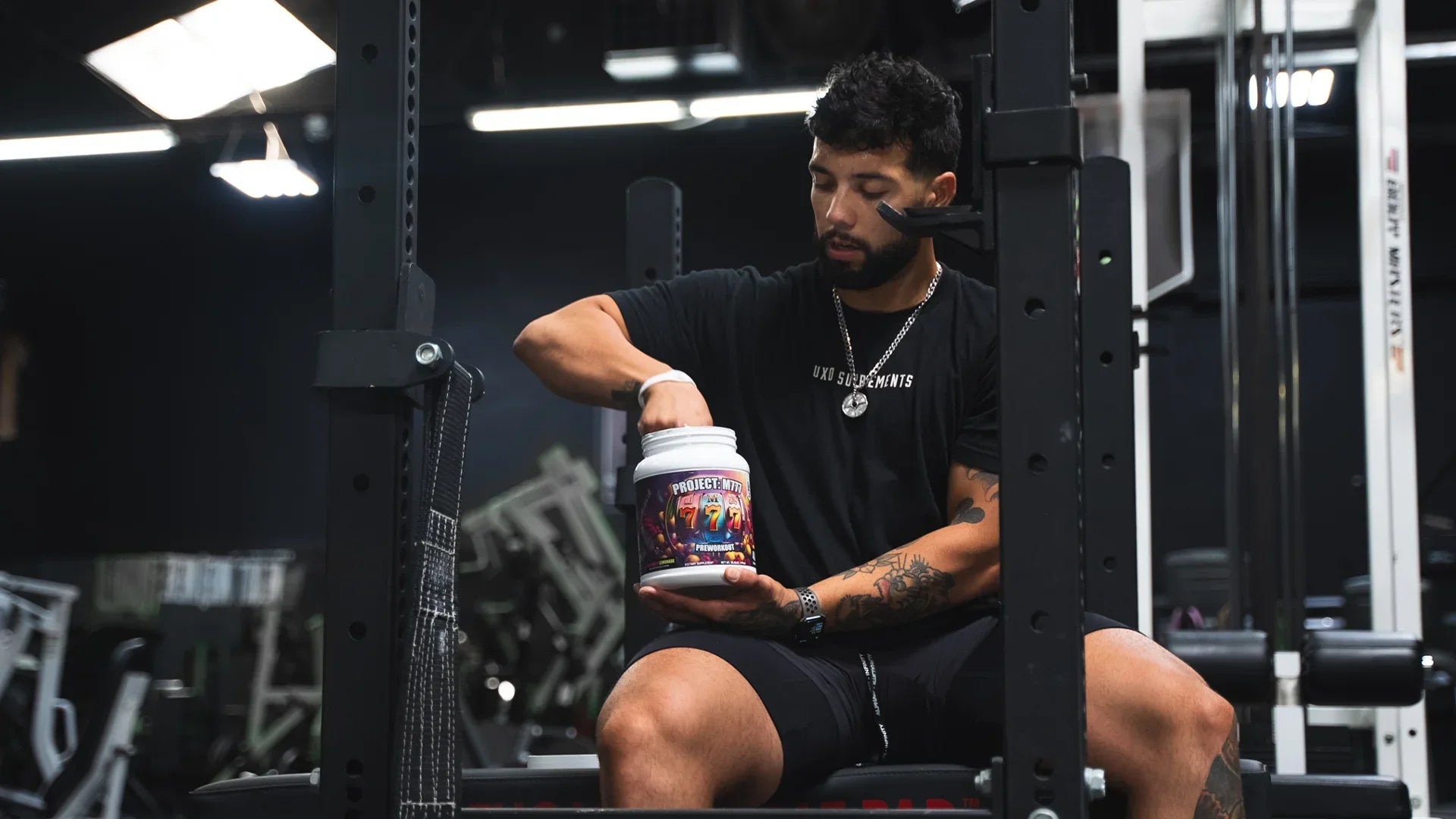
A great pre-workout isn't about caffeine count or marketing — it's about clinical doses, label transparency, ingredient synergy, and third-party testing. 6 quality markers + how to spot them.